Petite Lullaby Cover Image

Petite Lullaby: String Orchestra Conductor Score & Parts

$45.00 USD
Sale price  $45.00 USD Regular price 
Skip to product information
Petite Lullaby Cover Image

Petite Lullaby: String Orchestra Conductor Score & Parts

By Loreta Fin

Grade: 1.5

Item: 76-35287

$45.00
Shipped

One moment…

Description
A very straightforward piece in triple time, which features easy, legato bowing and attractive melodic lines. A lullaby dedicated to the composer's beautiful granddaughter, born on Mother's Day 2009.

Petite Lullaby: String Orchestra Conductor Score & Parts isn't in MakeMusic Cloud just yet...but it could be. Let us know you'd like to see it, and you'll help shape what comes next. In the meantime, start a free trial and dive into thousands of interactive titles your students can play along with today.

Sample Pages

No sample pages found.

Sample Audio
No sample audio found.
Sample Video
Additional Details
Series: Wilfin String Orchestra: Young String Ensemble Series
Publisher: Wilfin Music
Page Count: 66
UPC: 038081395951
SKU: 76-35287

More about this title

About the Composer: Loreta Fin
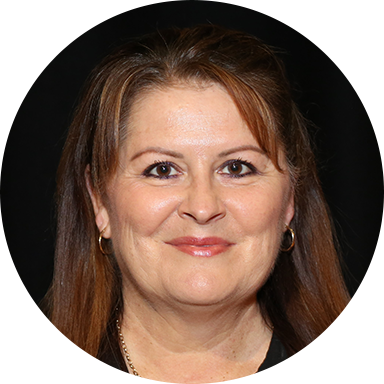
Loreta Fin

Loreta Fin AM trained at the Sydney Conservatorium of Music and built her early experience as first violinist with the Sydney Youth Orchestra. Her performance career spans chamber music and orchestral settings, highlighted by over 25 years as Principal Viola with the Queensland Pops Orchestra, during which she has collaborated with internationally recognized soloists and ensemble leaders.

Fin's contributions to music education are extensive and recognized across Australia and internationally. Since 1993, she has directed strings at Somerville House School in Brisbane, presented research at multiple National Music Conferences on both sides of the Pacific, and adjudicated major Australian competitions. As a composer, she has published over 100 string orchestra works worldwide through Alfred Music. Her leadership in the Australian Strings Association (including terms as State and National President), her work examining for the Australian Music Examinations Board, and her mentorship of honors ensembles since 2015 have established her as a trusted voice in string pedagogy. In 2019, she received the National Award for Services to Music and String Teaching in Australia.

Why we love this

Fin knows exactly what young string players can handle at this level, and she writes with warmth without sacrificing musical substance. The piece sits comfortably in a beginner orchestra's technical range while offering genuinely lyrical material that makes students feel like they're playing something that matters, not just exercises dressed up as music.

What to expect

Petite Lullaby unfolds with the unhurried calm of someone singing a child to sleep. The triple meter feels naturally rocking, and the legato bowing creates a gentle continuity that feels effortless once students find their rhythm, making the music sound more like singing than playing.

Who it's for

This piece works for Grade 1.5 orchestras ready to move beyond unison playing into simple harmonic textures. It suits ensembles preparing for contests or festivals where the combination of accessible difficulty and strong musicality will help young players build confidence.

How to get the most out of it

  • Establish a slow, steady pulse before rehearsing. Triple meter in lullabies can drift without a clear beat; consider using a conductor's pattern that emphasizes the first beat without rushing the phrase.
  • Listen for balance between melody and accompaniment. Young string players often focus so hard on bowing that supporting voices disappear; map out who's carrying the tune in each section during early rehearsals.
  • Shape the legato lines by thinking in longer musical sentences rather than measure-to-measure. Have students practice pulling their bows across multiple measures with a single gesture to build sustained tone quality.
  • Record a rehearsal and listen as a section. Lullabies expose uneven vibrato and tension in the bow arm; this self-awareness builds technique faster than criticism alone.

How to use it

Program this as a concert opener to set a lyrical tone, or pair it with a more energetic piece to demonstrate your orchestra's dynamic range. Its moderate length and calm character also make it an excellent choice for spring concerts, educational demonstrations, or festival appearances where you want to showcase musicianship alongside technical growth.

Skills your students will build

  • Sustained legato bowing across multiple measures
  • Melodic phrasing in triple meter
  • Balance between principal melody and supporting harmonic voices
  • Gentle tone production with consistent bow pressure
  • Reading and performing simple two- and three-part textures

You May Also Like