Pentonsilic Cover Image

Pentonsilic: Jazz Ensemble Conductor Score

$14.00 USD
Sale price  $14.00 USD Regular price 
Skip to product information
Pentonsilic Cover Image

Pentonsilic: Jazz Ensemble Conductor Score

By Billy Strayhorn / ed. Jeff Lindberg

Grade: 5 (Advanced / Difficult)

Item: 00-43707S

$14.00
Shipped

One moment…

Description
One of Strayhorns finest works, Billy's original score of "Pentonsilic" has been edited by Jeff Lindberg. The tempo is bright at 208 BPM and there is clarinet on the tenor 1 part to include solo space. Add a very nice written bari sax solo, a few meter changes, and you've got an a meaty arrangement at a high level. A brilliant and creative orchestration.

Pentonsilic: Jazz Ensemble Conductor Score isn't in MakeMusic Cloud just yet...but it could be. Let us know you'd like to see it, and you'll help shape what comes next. In the meantime, start a free trial and dive into thousands of interactive titles your students can play along with today.

Sample Pages

Sample Audio
No sample audio found.
Sample Video
Additional Details
Series: Belwin Jazz Legend Series
Publisher: Alfred Music
Page Count: 52
UPC: 038081502908
SKU: 00-43707S

More about this title

About the Composer: Billy Strayhorn
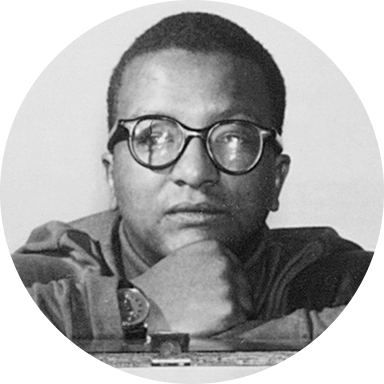
Billy Strayhorn

Billy Strayhorn (1915–1967) stands as one of the most prolific and harmonically inventive composers in jazz history, yet he spent decades working in relative obscurity. His partnership with Duke Ellington, which began in 1939, produced some of the 20th century's most enduring standards. "Take the 'A' Train" became the signature theme of the Ellington Orchestra and an iconic anthem of the World War II era, while "Lush Life," composed when Strayhorn was just 16 years old, established itself as a harmonic challenge that continues to attract the finest singers and musicians.

Strayhorn's influence extends far beyond these standards. His compositions have been recorded by nearly every major figure in jazz history, from Ella Fitzgerald and Sarah Vaughan to John Coltrane and Oscar Peterson. Despite the brilliance and sophistication of his arrangements and original works, Strayhorn remained largely uncredited for much of his career, a consequence both of studio practices of the era and his decision to live openly as a gay Black man in mid-20th-century America. His legacy rests on the undeniable quality of his compositions and the harmonic sophistication that shaped modern jazz.

Why we love this

Strayhorn's compositional voice here is distinctly sophisticated without demanding flashy display from your soloists. Jeff Lindberg's editing brings the original orchestration into sharp focus, creating a score that reads cleanly but never sounds simple. At Grade 5, this sits perfectly for advanced ensembles looking to stretch into genuine jazz literature rather than reaching for another blues head or well-worn standard.

What to expect

Pentonsilic moves with bright, deliberate swagger. The harmonic language is chromatic and surprising, unfolding beneath a careful orchestration that gives each section something memorable to play. Strayhorn's fingerprints are everywhere: the construction feels both inevitable and clever, the solo moments feel earned, and the ensemble passages crackle with precision.

Who it's for

Advanced jazz ensembles with strong section leaders and capable solo voices who are ready to tackle a piece where orchestration and harmonic sophistication matter as much as individual technique. Conductors seeking material that introduces students to genuine jazz composition rather than simplified arrangements will find a rich score to study and perform.

How to get the most out of it

  • Maintain rhythmic precision at 208 BPM by locking the rhythm section (piano, bass, drums) on the exact pulse. This tempo leaves no room for rubato in the ensemble hits.
  • Balance the written baritone saxophone solo so it cuts through the ensemble without overshadowing the accompaniment. Strayhorn's harmonic sophistication demands clarity from both soloist and comping voices.
  • Feature the clarinet melody on tenor 1 with vocal phrasing that respects Strayhorn's chromatic and lyrical writing. The solo space should feel conversational, not exhibitionist.
  • Attend closely to the meter changes. They function as compositional choices, not technical hurdles, so allow the ensemble to settle into each new metric framework before pushing forward.

How to use it

This works brilliantly on a concert that spotlights jazz composition and arranging craft. Pair it with other Strayhorn works or position it alongside mid-century jazz repertoire to show students how harmonic sophistication and strong writing can sustain attention without relying on showpiece solos. It also serves as an excellent teaching piece for score study, where the editing choices and orchestration decisions reward close examination.

Skills your students will build

  • Reading complex chord changes and chromatic harmony
  • Executing meter changes (likely 4/4 and 3/4 combinations) within a brisk ensemble context
  • Balancing written ensemble parts with solo space
  • Sustaining rhythmic precision at fast tempos
  • Phrasing and interpreting jazz melody with sophistication beyond head-and-changes patterns

You May Also Like