

Pathways to Artistry: Repertoire, Book 3: A Method for Comprehensive Technical and Musical Development: Piano
A Method for Comprehensive Technical and Musical Development
By Catherine Rollin
Level: Early Intermediate
Item: 00-PB-0001092
$7.99
Pickup currently not available
Related Items
Pathways to Artistry: Repertoire, Book 3: Piano Book |
$7.99
|
View |
Description
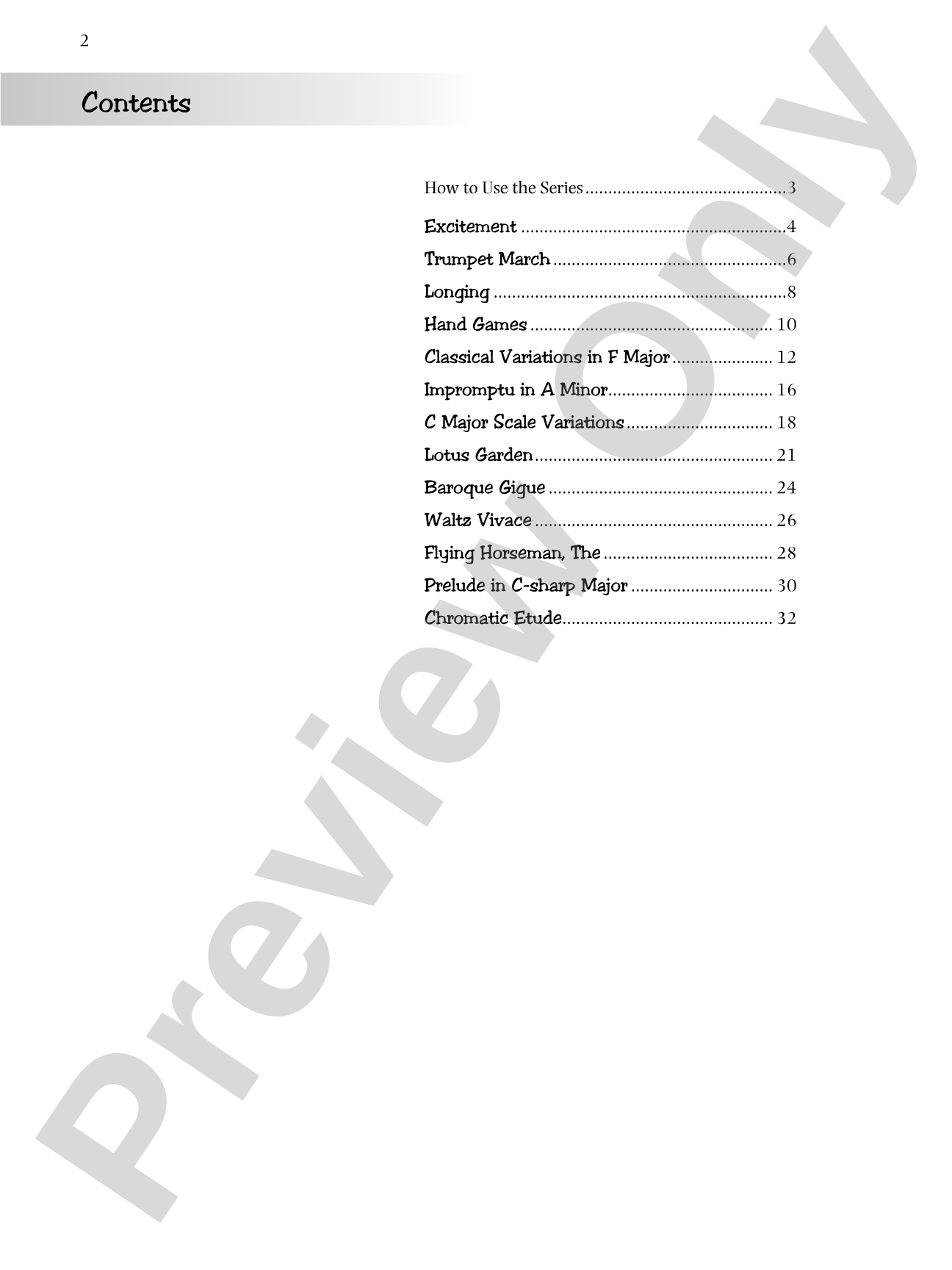
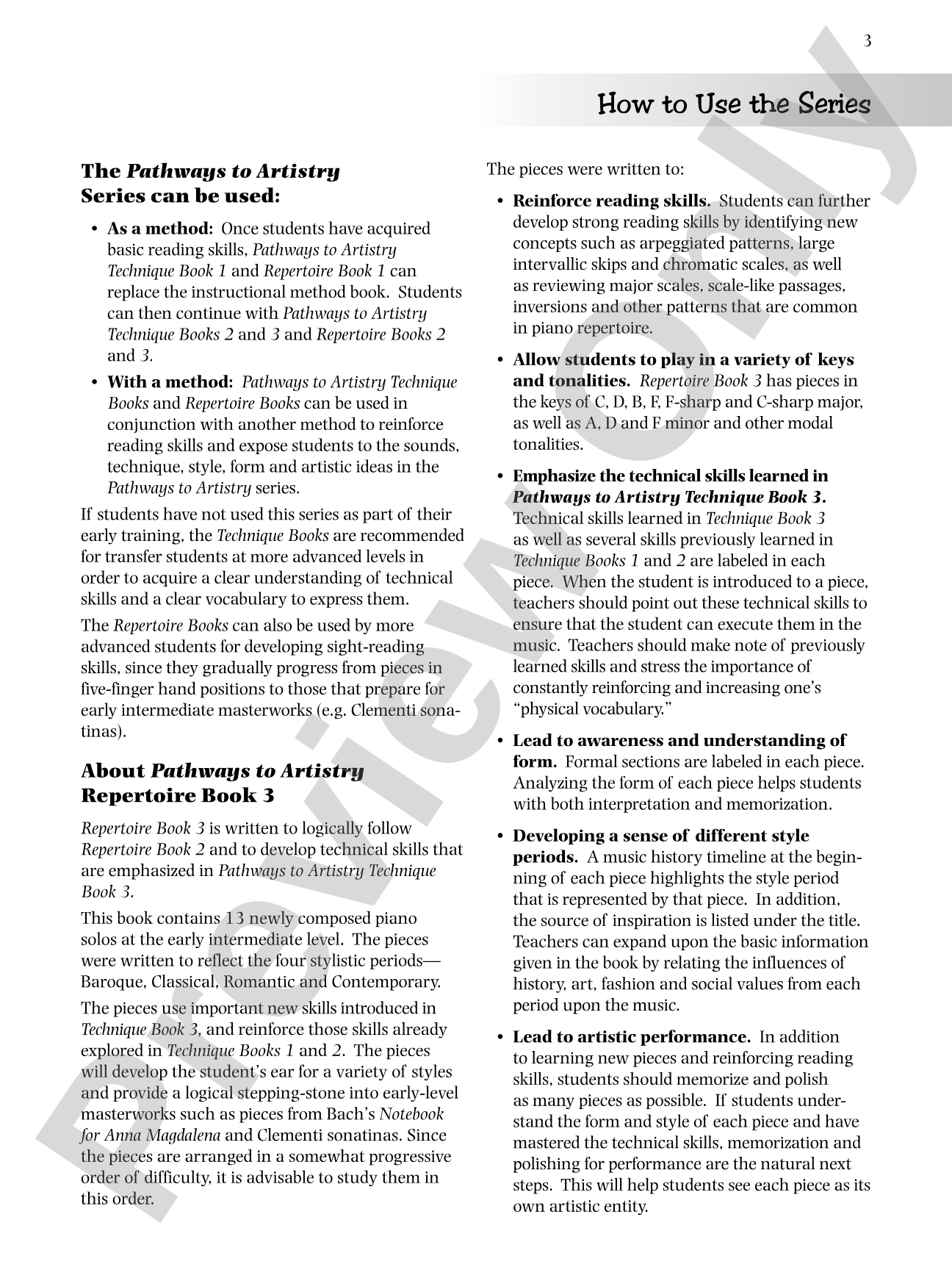
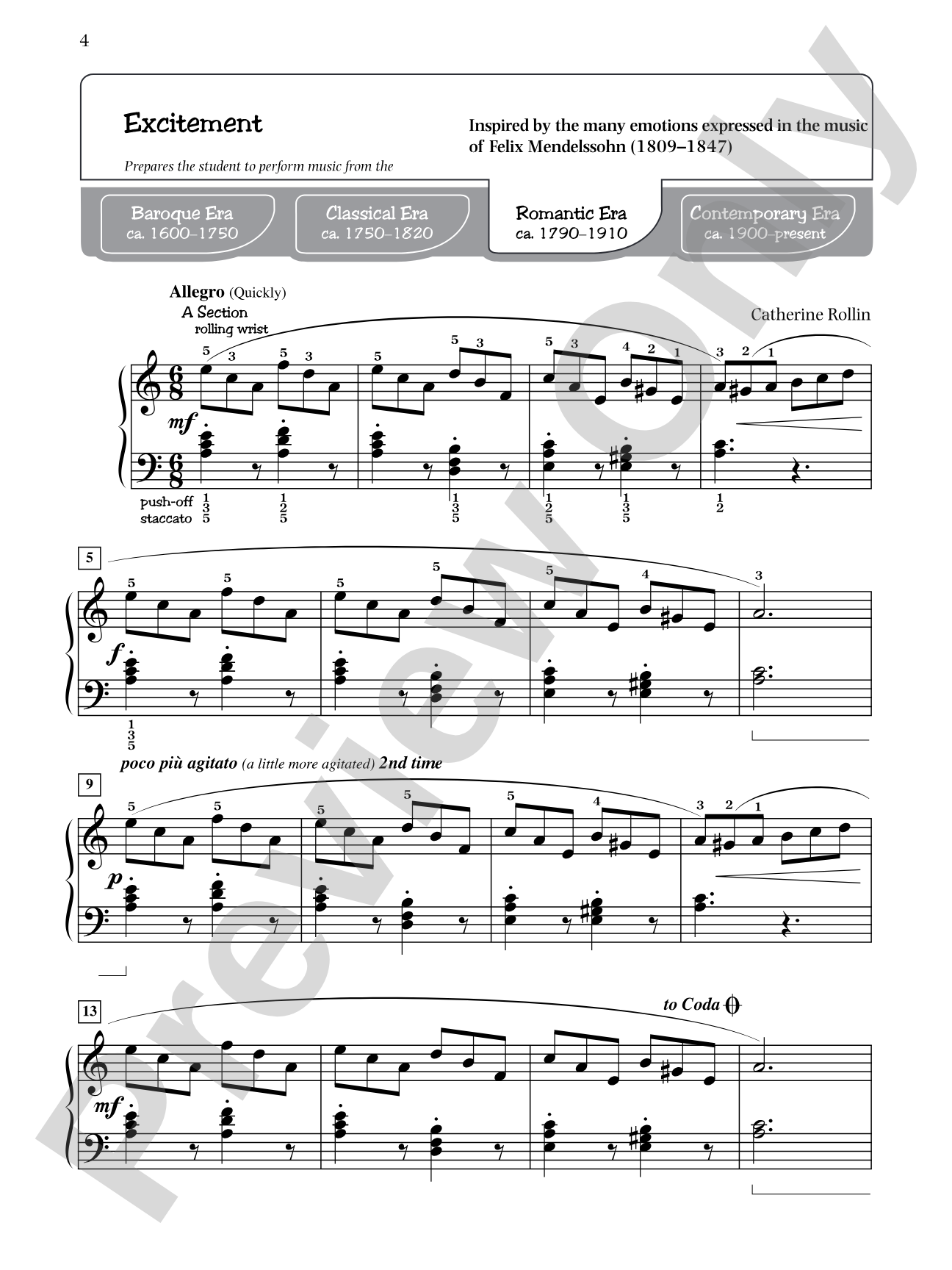
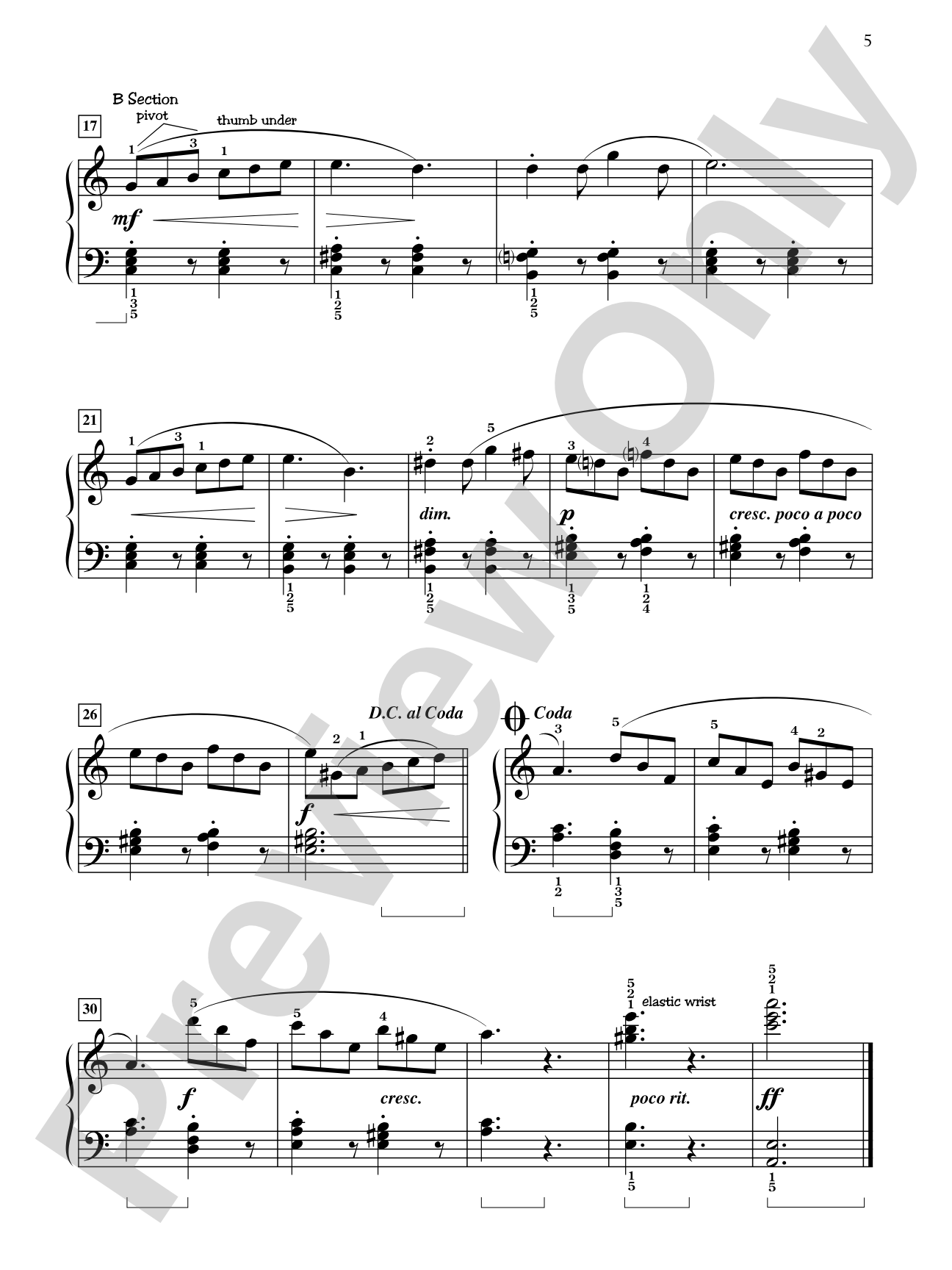
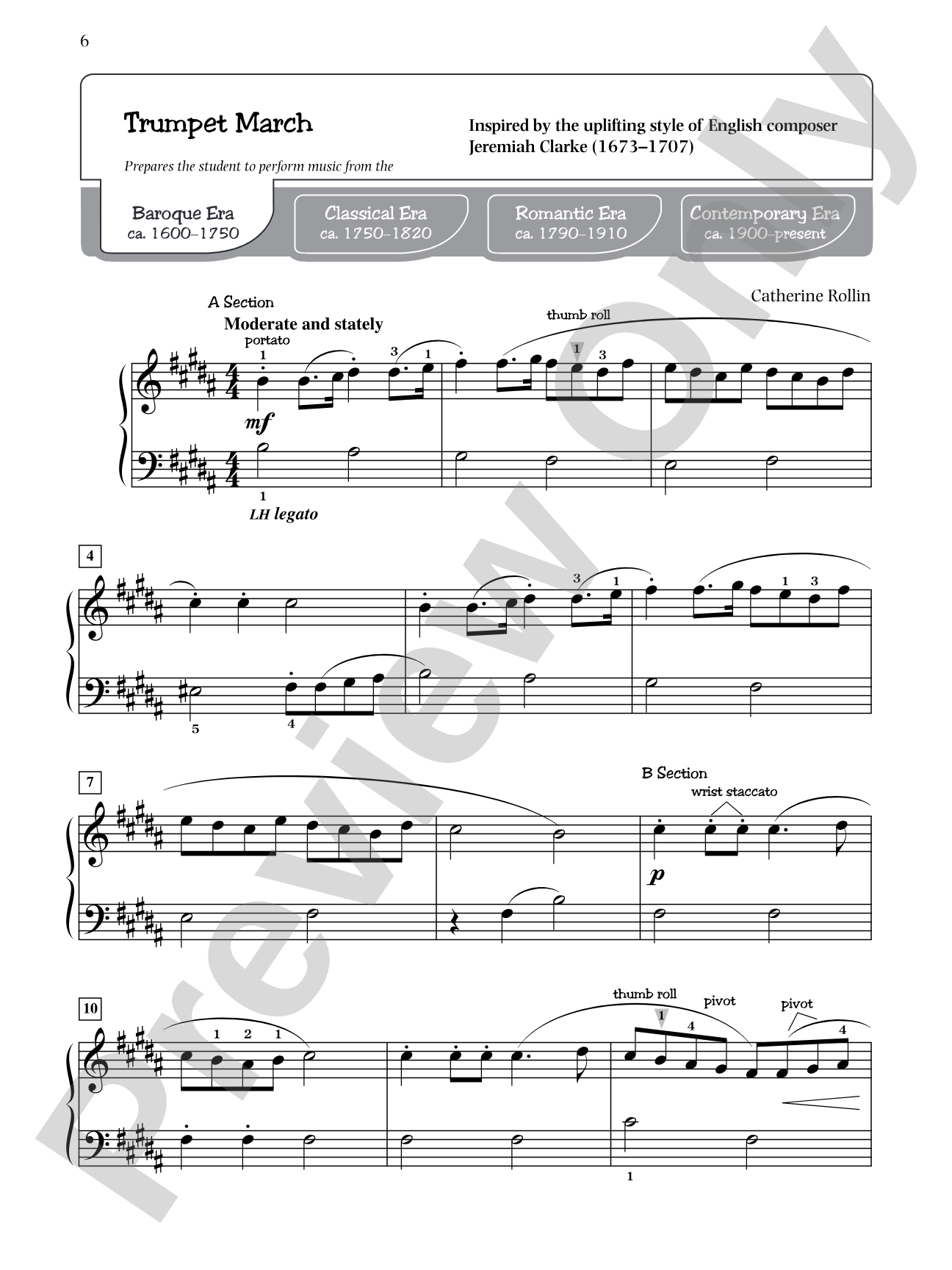
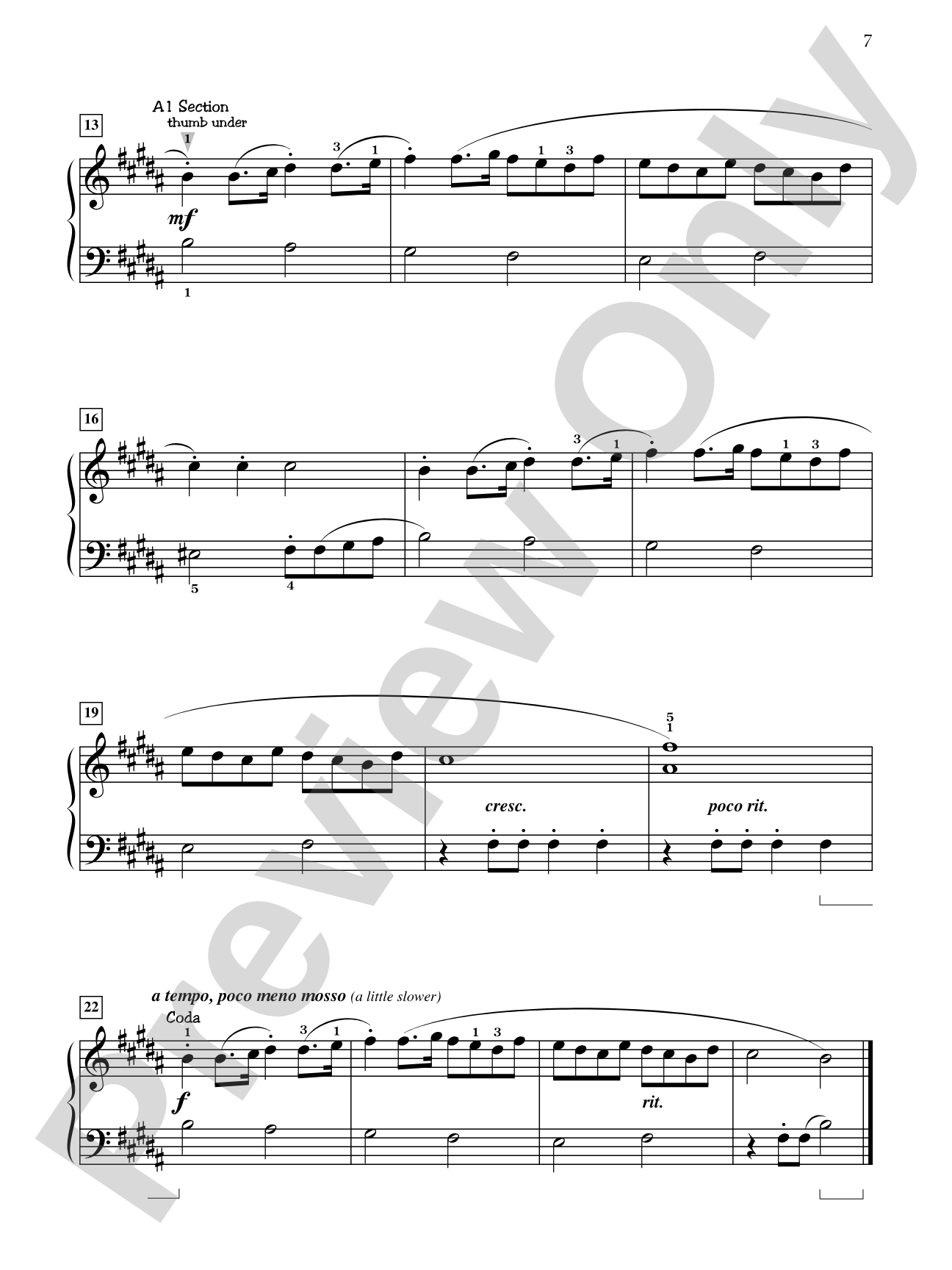
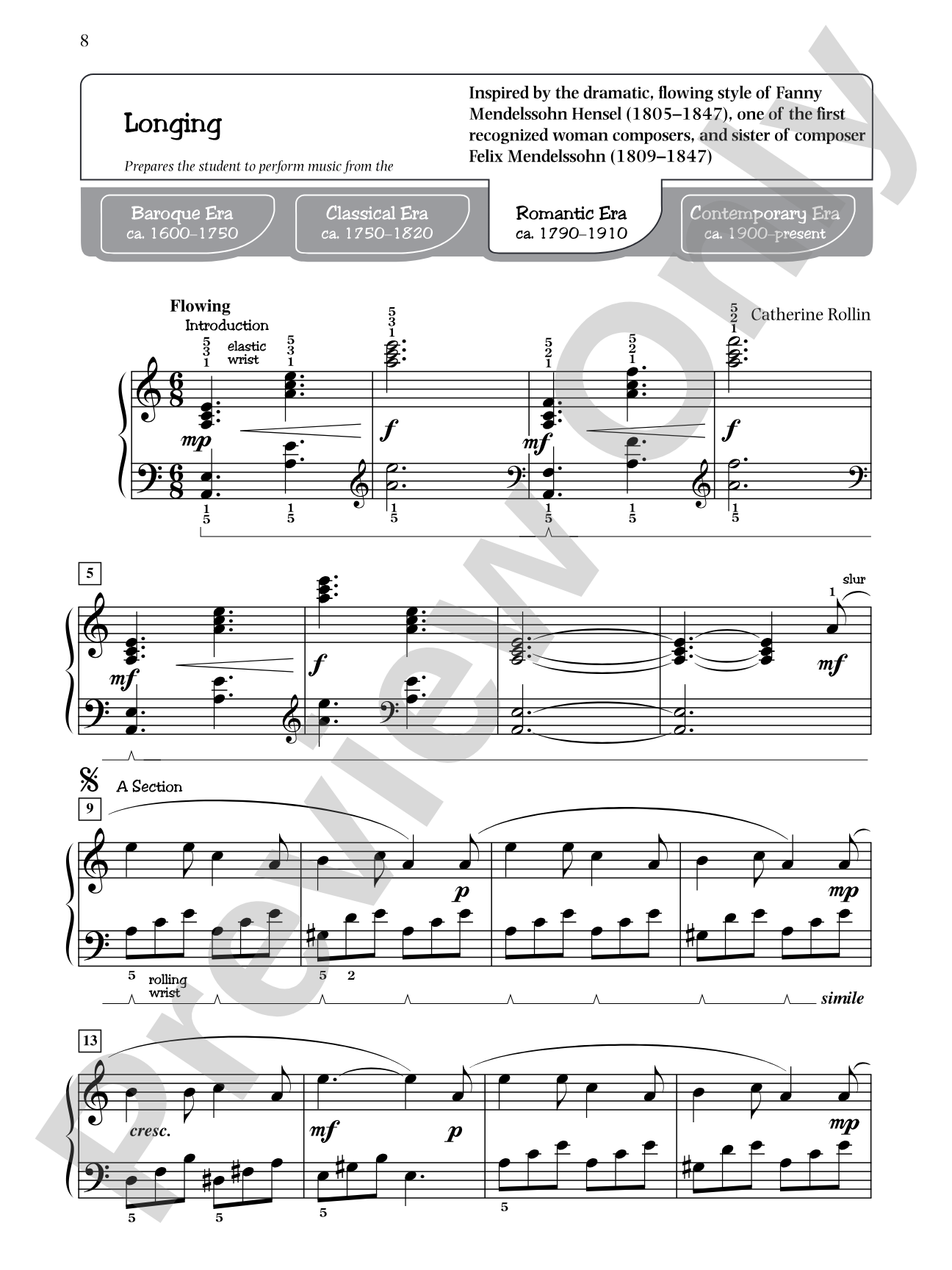
After acquiring the basic reading skills, students are ready to begin this innovative series designed to emphasize artistry in the early stages of piano study. The series introduces basic technical skills and expands the student's knowledge of style, form and artistic ideas. The Repertoire Book provides newly composed music which reviews the techniques being taught, and bridges the gap between early levels of method books and intermediate masterwork repertoire.


Pathways to Artistry: Repertoire, Book 3: A Method for Comprehensive Technical and Musical Development: Piano isn't in MakeMusic Cloud just yet...but it could be. Let us know you'd like to see it, and you'll help shape what comes next. In the meantime, start a free trial and dive into thousands of interactive titles your students can play along with today.
Request This Title
Tell us you want it.
Start Your Free Trial
Explore everything that's ready to play right now.
Sample Audio
No sample audio found.
Sample Video
No sample videos found.
Additional Details
Series:
Pathways to Artistry
Publisher:
Alfred Music
Page Count:
32
SKU:
00-PB-0001092
More about this title
About the Composer: Catherine Rollin

Catherine Rollin is a composer and pianist whose work bridges accessible pedagogy with genuine artistry. Her teaching practice has shaped her compositional voice; she has mentored prize-winning students and conducted masterclasses across North America, Japan, and Taiwan. Her compositions have earned commissions from the Music Teachers National Association, the Michigan Music Teachers Association, and Clavier Companion magazine, with several works selected for the National Federation of Music Clubs Festivals Bulletin.
Rollin holds a Bachelor of Musical Arts degree with distinction from the University of Michigan and a Master of Music degree from Oakland University School of Performing Arts. She has served as a judge for the MTNA Student Composition Competition and the Lynn Freeman Olson Composition Contest. Her ASCAP award-winning Museum Masterpieces series and commissioned works such as Suite Detroit (premiered at the 2018 MTNA national conference) demonstrate her commitment to creating meaningful music for developing musicians and listeners alike.
Why we love this
Rollin writes with genuine understanding of what early intermediate pianists need to hear and play. This book delivers short, stylistically diverse pieces that introduce artistic thinking without demanding virtuosity, making it far more engaging than the isolated exercises that typically fill this level. Teachers consistently find that students practice these pieces willingly because they sound like real music.
What to expect
These pieces balance accessibility with genuine musical character. Rollin avoids writing that feels pedagogical or hollow; instead, each short work has a distinct personality, whether it's lyrical, rhythmic, playful, or introspective. The musical language feels contemporary and relevant while remaining rooted in clear harmonic and structural foundation.
Who it's for
Early intermediate pianists ready to move beyond fundamental technique exercises and explore how music actually communicates. Students in this book have developed basic reading fluency and are prepared to think about style, form, and artistic expression alongside technical development.
How to get the most out of it
- Approach each piece as a complete musical thought with a beginning, middle, and end; avoid playing through without considering phrasing and shape, even in shorter works
- Identify the specific technical concept each piece reinforces (hand position, interval reading, pedal technique, etc.) so you can practice with intention rather than just repeating passages
- Listen to recordings of the same style or period the piece represents; understanding musical context deepens interpretation and helps you make stylistically appropriate choices about tempo and tone color
How to use it
Use this book as the core of your early intermediate student's repertoire throughout the year. The 32 pages provide enough variety for regular recital programming, festival preparation, and casual performance contexts without requiring students to juggle multiple books. Pieces also work well as warm-up performances at group lessons or studio showcases.
Skills your students will build
- Recognizing and playing basic harmonic progressions with clarity
- Understanding form through short, contrasting sections (A-B-A structure, simple binary forms)
- Developing consistent hand position and finger independence across different technical contexts
- Reading across multiple octaves and clefs
- Applying pedal strategically to enhance tone color rather than cover technique
- Sustaining musical shape and phrasing in pieces under two minutes