Pastoral Dreaming Cover Image

Pastoral Dreaming: String Orchestra Conductor Score & Parts

$45.00 USD
Sale price  $45.00 USD Regular price 
Skip to product information
Pastoral Dreaming Cover Image

Pastoral Dreaming: String Orchestra Conductor Score & Parts

By Loreta Fin

Grade: 1.5-2

Item: 76-30171

Need it now?

Buy Digital Version
$45.00
Shipped

One moment…

Description
This dreamy melody in triple time is shared around the ensemble, giving a valuable lesson in bow divisions. The dotted rhythm is played three different ways: fast down bows alternating with fast up bows and "zigzag" bowing. It is also played legato in one bow, requiring the players to save the bow and use it evenly. The piano part covers any missing parts, but is not essential.

Pastoral Dreaming: String Orchestra Conductor Score & Parts isn't in MakeMusic Cloud just yet...but it could be. Let us know you'd like to see it, and you'll help shape what comes next. In the meantime, start a free trial and dive into thousands of interactive titles your students can play along with today.

Sample Pages

Sample Audio
No sample audio found.
Sample Video
Additional Details
Series: Wilfin String Orchestra: Young String Ensemble Series
Publisher: Wilfin Music
Page Count: 66
UPC: 038081327112
SKU: 76-30171

More about this title

About the Composer: Loreta Fin
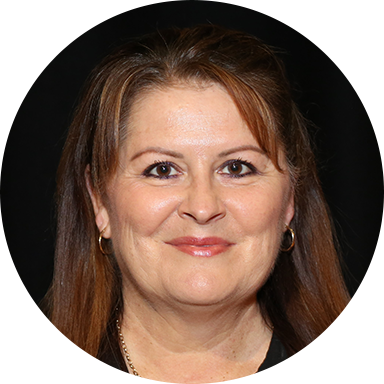
Loreta Fin

Loreta Fin's teaching and performing career spans five decades across Australia and beyond. A violinist trained at the Sydney Conservatorium of Music, she served as Principal Viola player with the Queensland Pops Orchestra for over 25 years while maintaining an active chamber music presence. Since 1993, she has directed strings at Somerville House School in Brisbane, and her work as an adjudicator and presenter has shaped string education at conferences across Australia and North America.

As a composer, Fin has created more than 100 works for string orchestra, many published by Alfred Music and performed internationally. Her contributions to the Australian Strings Association (serving as both State and National President), her role as State Advisor for Strings, and her leadership of national honours ensemble programs reflect her deep commitment to developing young musicians. In 2019, she received the National Award for Services to Music and String Teaching in Australia.

Why we love this

Fin writes with clarity about what young orchestras actually need to learn. This piece tackles multiple bowing techniques within a single musical idea, letting students hear how the same phrase transforms under different bow strokes without feeling like an etude. The melody is genuinely lyrical, so students stay engaged while building technique.

What to expect

A gentle, pastoral melody that floats across the ensemble in a unhurried triple meter. The piece has the quality of a daydream, with the dotted rhythm lending it a rhythmic sway. Each bowing variation adds color and texture without disrupting the work's meditative mood.

Who it's for

String orchestras at the early intermediate level (Grade 1.5-2) looking to teach multiple bowing techniques within a musical context. This works equally well for young ensembles preparing for festival or contest repertoire.

How to get the most out of it

  • Prepare each bowing variation separately in sectional rehearsals. Have violins and violas master the fast alternating down and up bows before introducing the zigzag pattern; this prevents bow tangles during rehearsal.
  • When transitioning to the legato one-bow version, remind players that "saving the bow" means committing to a slower, more deliberate bow speed from the start. Rushing the tempo here defeats the purpose.
  • Use the piano part strategically during early rehearsals to support intonation and ensemble rhythm, but phase it out in the final weeks so the string parts stand alone and students build confidence in their own sound.

How to use it

Program this early in a concert or festival performance where it can serve as a breathing moment between more energetic works. It also fits well in a thematic program exploring the expressive range of string tone, since the three bowing approaches showcase how dramatically articulation shapes the same melody.

Skills your students will build

  • Multiple bowing patterns for dotted rhythms (alternating down and up bows, zigzag bowing, legato one-bow)
  • Bow control and even bow distribution across different bow speeds
  • Ensemble balance and intonation while rotating melodic lines among string sections
  • Legato phrasing and bow conservation techniques

You May Also Like