Parade of the Gladiators Cover Image

Parade of the Gladiators: Concert Band Conductor Score

$12.00 USD
Sale price  $12.00 USD Regular price 
Skip to product information
Parade of the Gladiators Cover Image

Parade of the Gladiators: Concert Band Conductor Score

By William Owens

Grade: 1

Item: 98-B1326S

$12.00
Shipped

One moment…

Description
This rousing parade processional paints a vivid picture of the Roman gladiators and their entry into the arena. A bold opening statement moves into a more tender middle section before a climactic ending captures the true emotions of the event - from the maniacal excitement of the spectators to the uncertain future of the courageous warriors. Powerful!

Parade of the Gladiators: Concert Band Conductor Score isn't in MakeMusic Cloud just yet...but it could be. Let us know you'd like to see it, and you'll help shape what comes next. In the meantime, start a free trial and dive into thousands of interactive titles your students can play along with today.

Sample Pages

Sample Audio
No sample audio found.
Sample Video
Additional Details
Series: FJH Beginning Band
Publisher: The FJH Music Company, Inc.
UPC: 241444482698
SKU: 98-B1326S

More about this title

About the Composer: William Owens
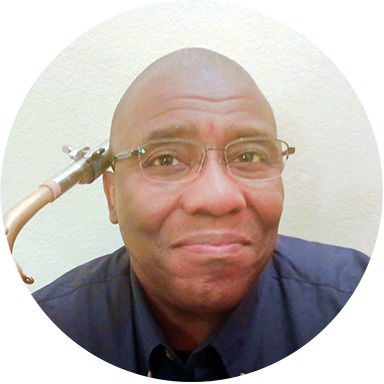
William Owens

William Owens has spent decades writing music that young ensembles actually want to play. Born in Gary, Indiana, and trained at VanderCook College of Music, he spent 30 years as a band director in Texas before focusing full-time on composition. His catalog now exceeds 300 works across concert band, string orchestra, and small ensemble settings, many of which appear on state required-music lists and in music education textbooks.

Owens brings a clinician's ear to his compositional voice. He understands what works in the rehearsal room, what engages students, and what builds musician confidence. His service in professional organizations including ASCAP and the Texas Bandmasters Association, along with numerous commissions from college programs and national music fraternities, reflects his standing as a trusted voice in young band literature.

Why we love this

Owens writes parade music that actually breathes. The emotional arc here, from bold proclamation through introspection to triumphant finale, gives beginning ensembles something genuine to shape rather than just notes to execute. At Grade 1, it's accessible, but the dramatic storytelling keeps rehearsals from feeling rote.

What to expect

The piece captures the sensory chaos of the Roman arena: the roar of crowds, the solemnity of warriors entering an uncertain fate. The bold opening crashes with energy, the middle softens to something almost mournful, then the finale sweeps everything back into spectacle and sound.

Who it's for

Beginning band students who need material with real dramatic content and historical appeal. This works equally well for concert settings and festival contests where grade-appropriate programming matters.

How to get the most out of it

  • Treat the opening as an announcement. The brass need clarity and confidence in those bold statements, not tentative playing. A crisp articulation and steady pulse set the whole piece's energy.
  • The middle section's tender quality depends on balance, not dynamics alone. Work your undervoices so the melody soars without the ensemble disappearing underneath.
  • Build the climax deliberately through the final section. This is where spectators and warriors collide emotionally; the tempo and intensity should feel inevitable, not forced.

How to use it

Open a concert with this to establish energy and command the audience's attention immediately. Or program it mid-set as a thematic pivot, the narrative arc and historical subject matter work well between lighter openers and deeper closing pieces. It's also a natural festival choice given its straightforward technical demands and strong musical character.

Skills your students will build

  • Sectional balance and blend at the forefront and in the ensemble
  • Shaping melodic phrases with direction and purpose
  • Dynamic contrast across a full piece arc (bold to tender to climactic)
  • Maintaining ensemble precision during transitions between contrasting sections
  • Sustained tone quality in the middle section

You May Also Like