
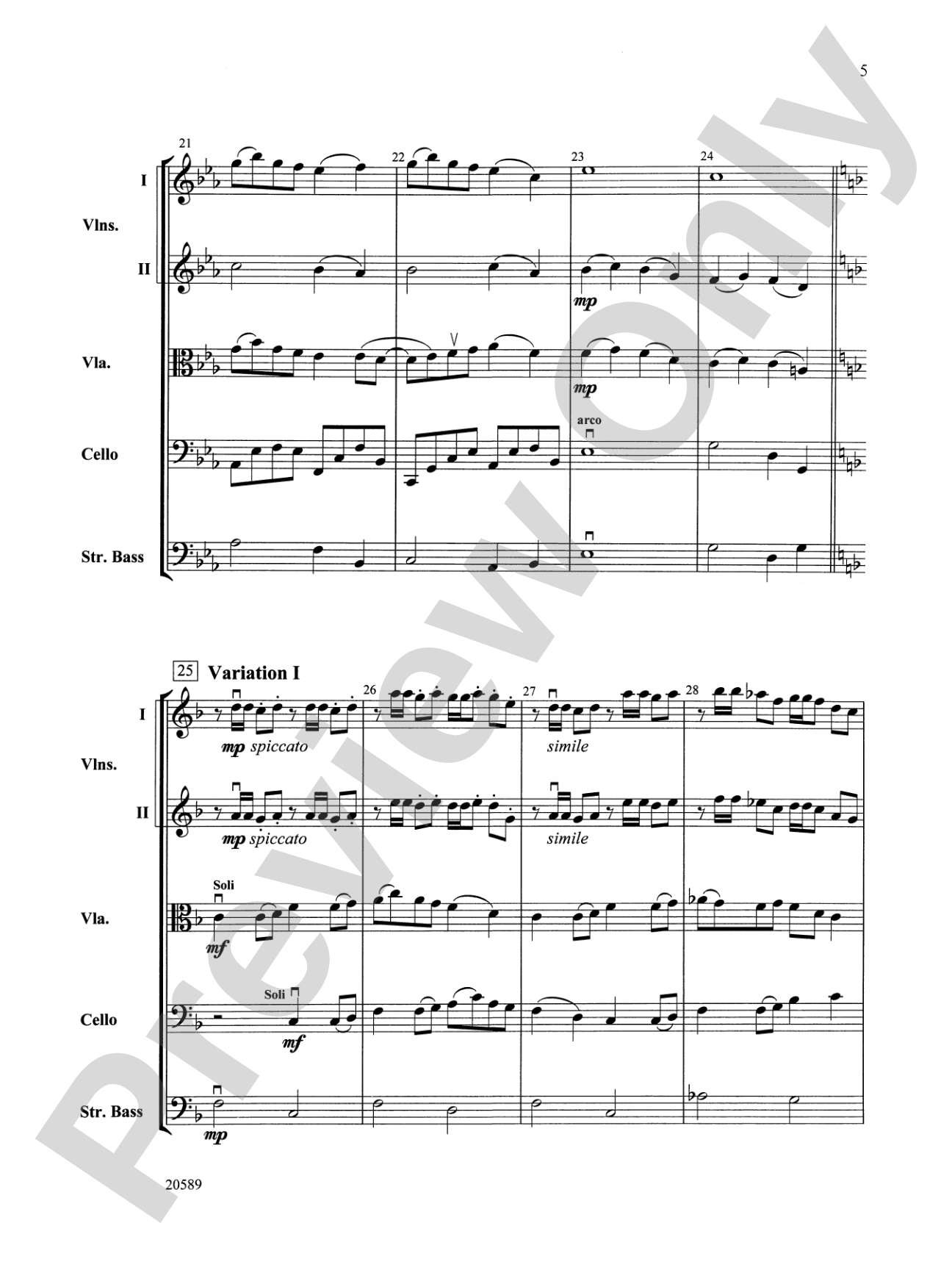
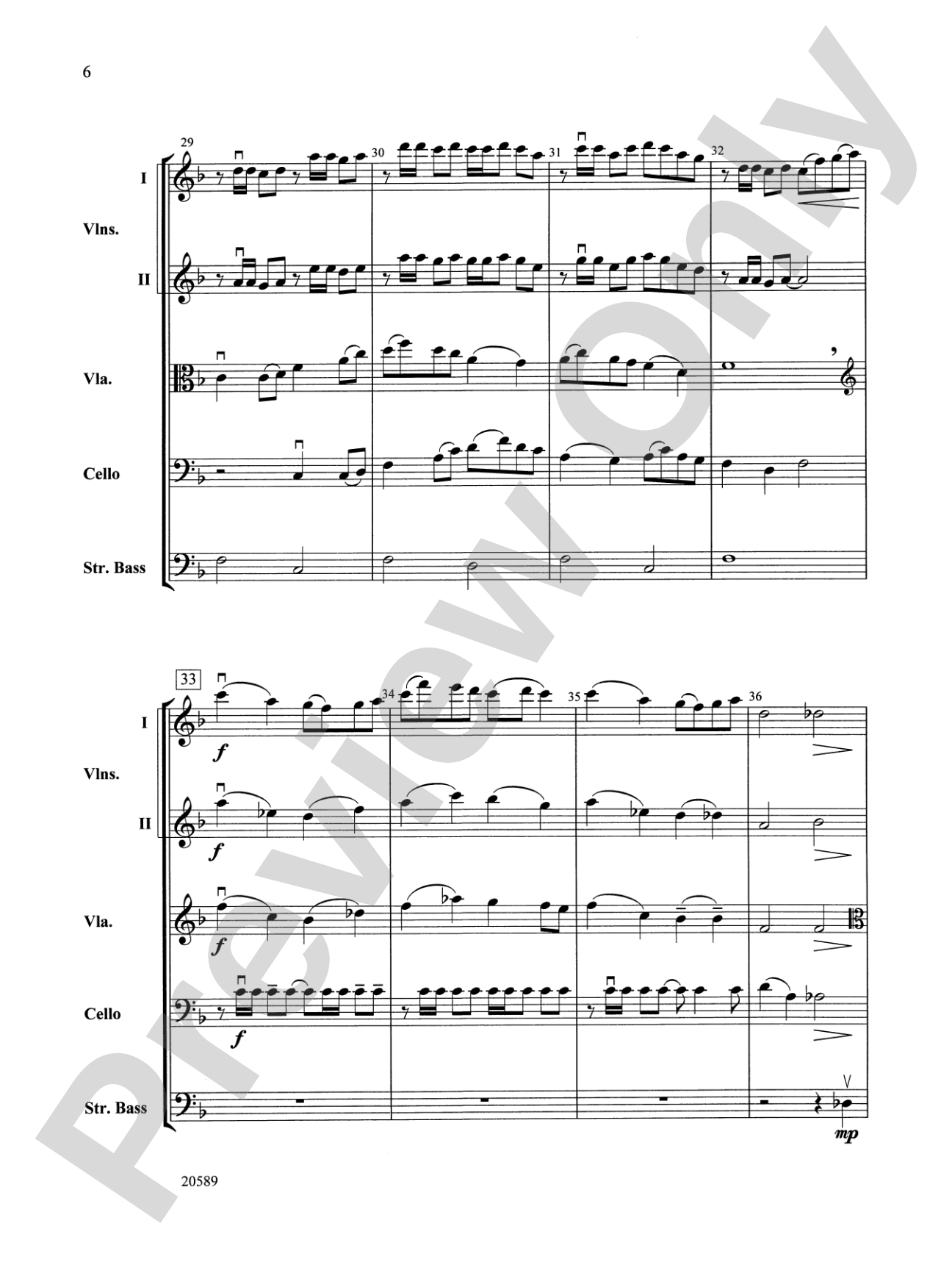
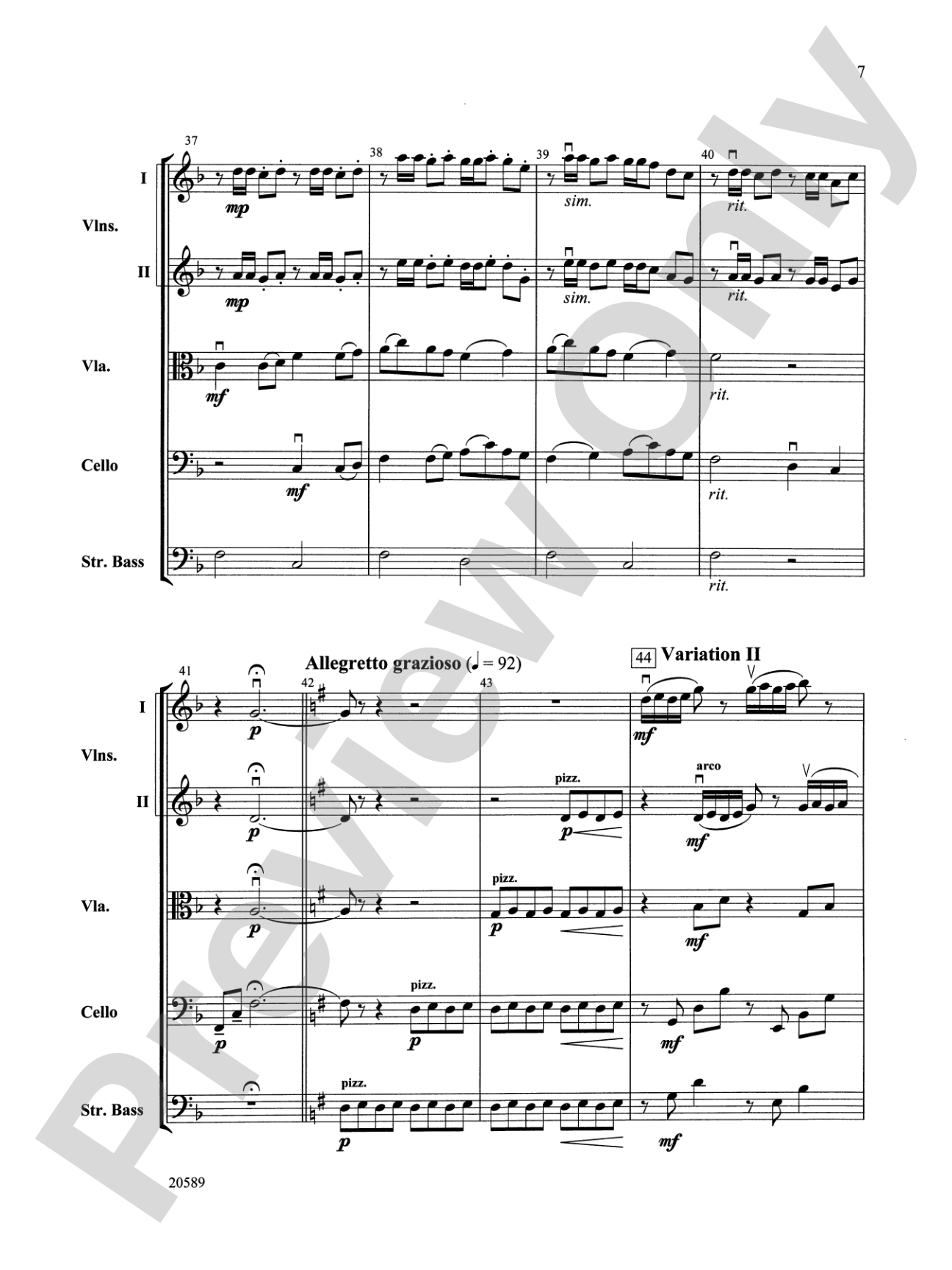
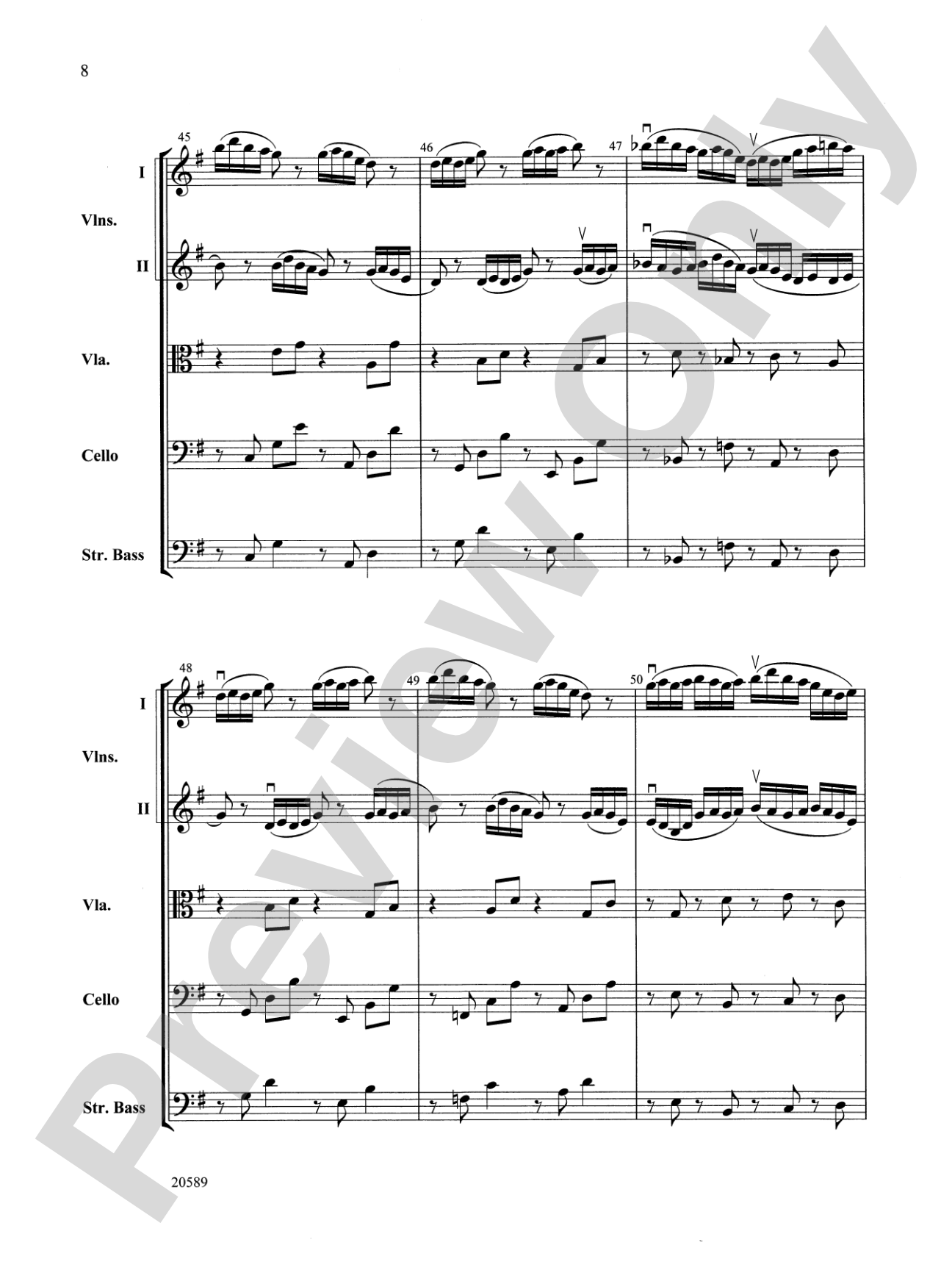
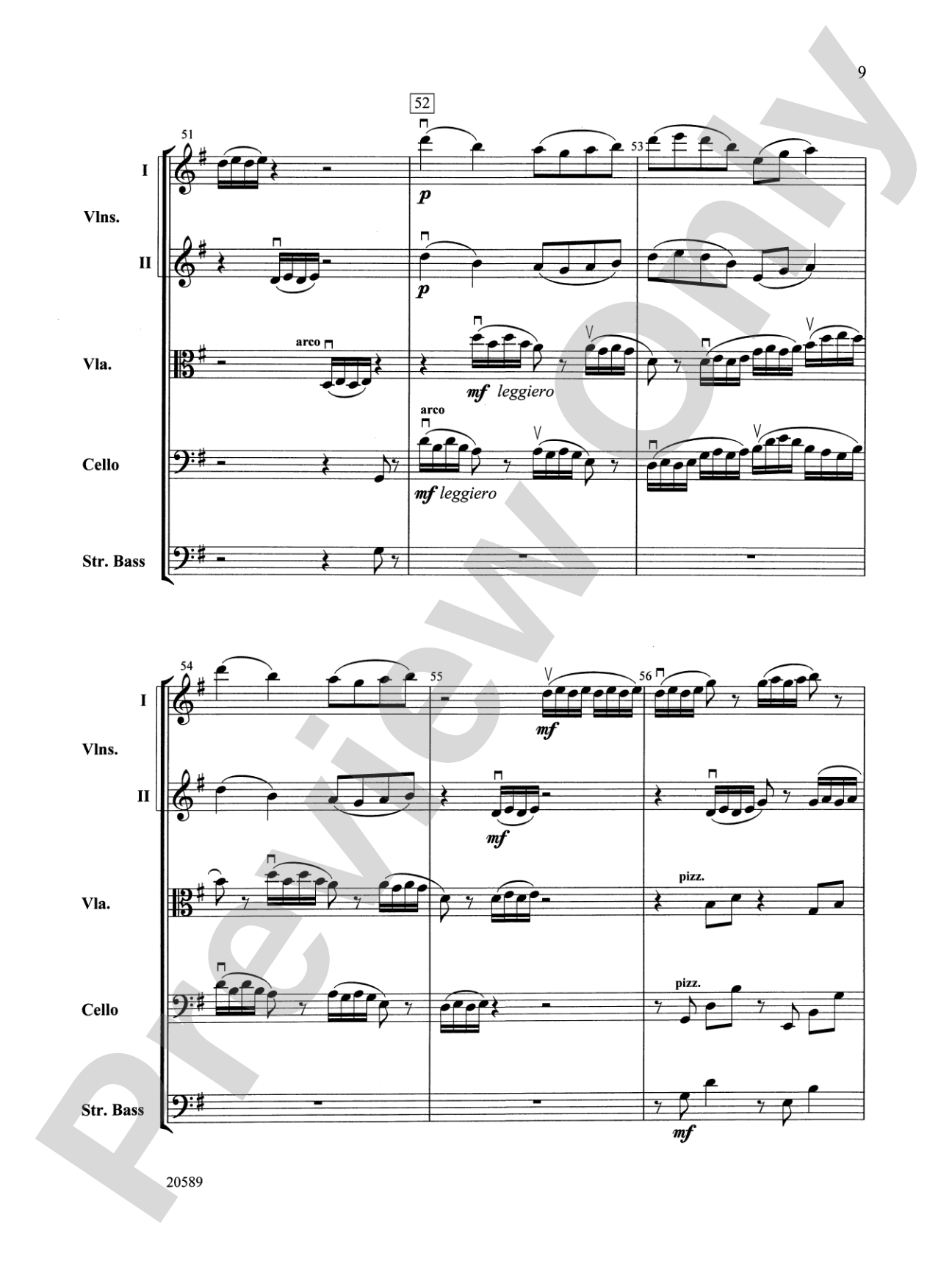
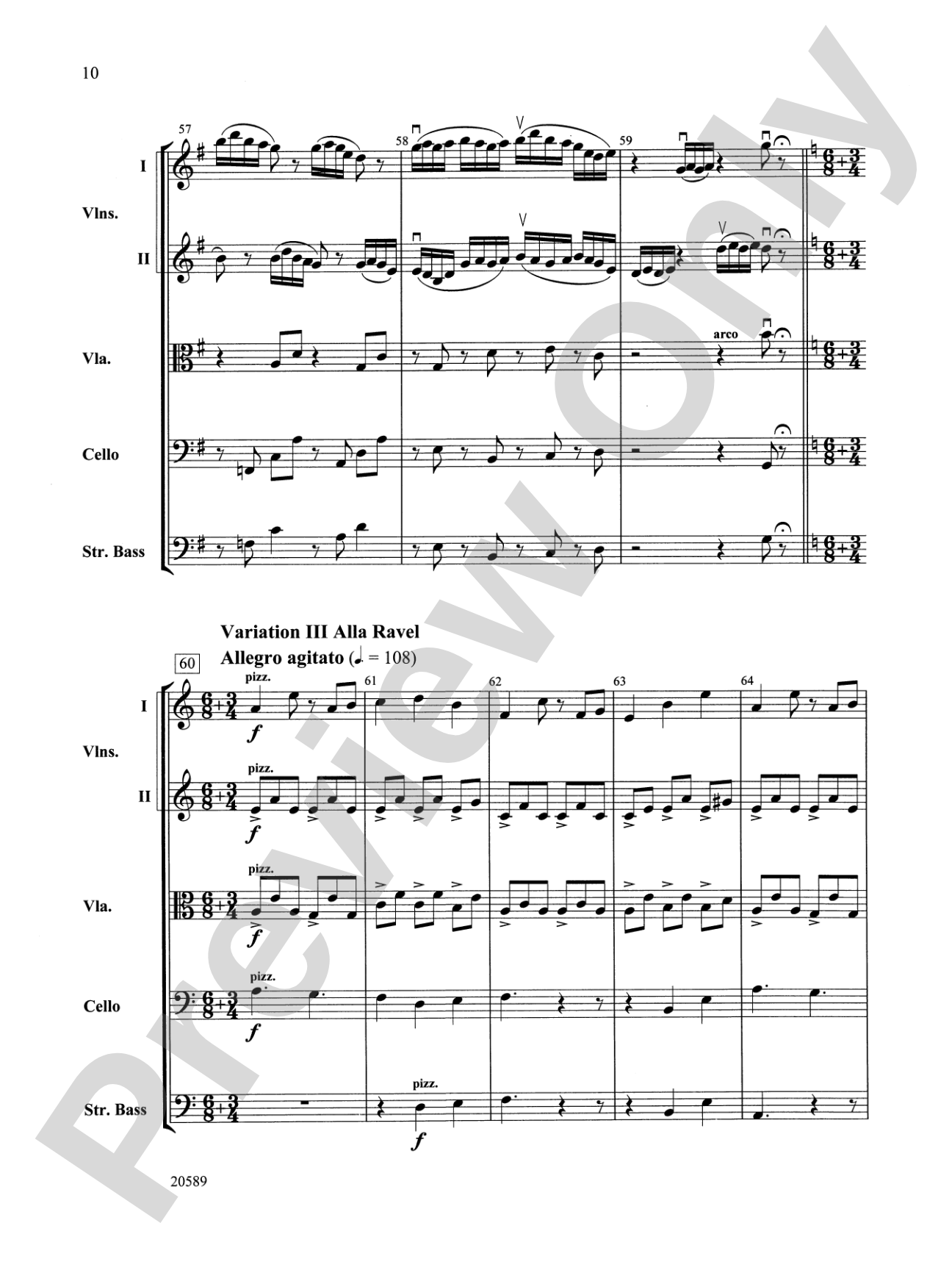
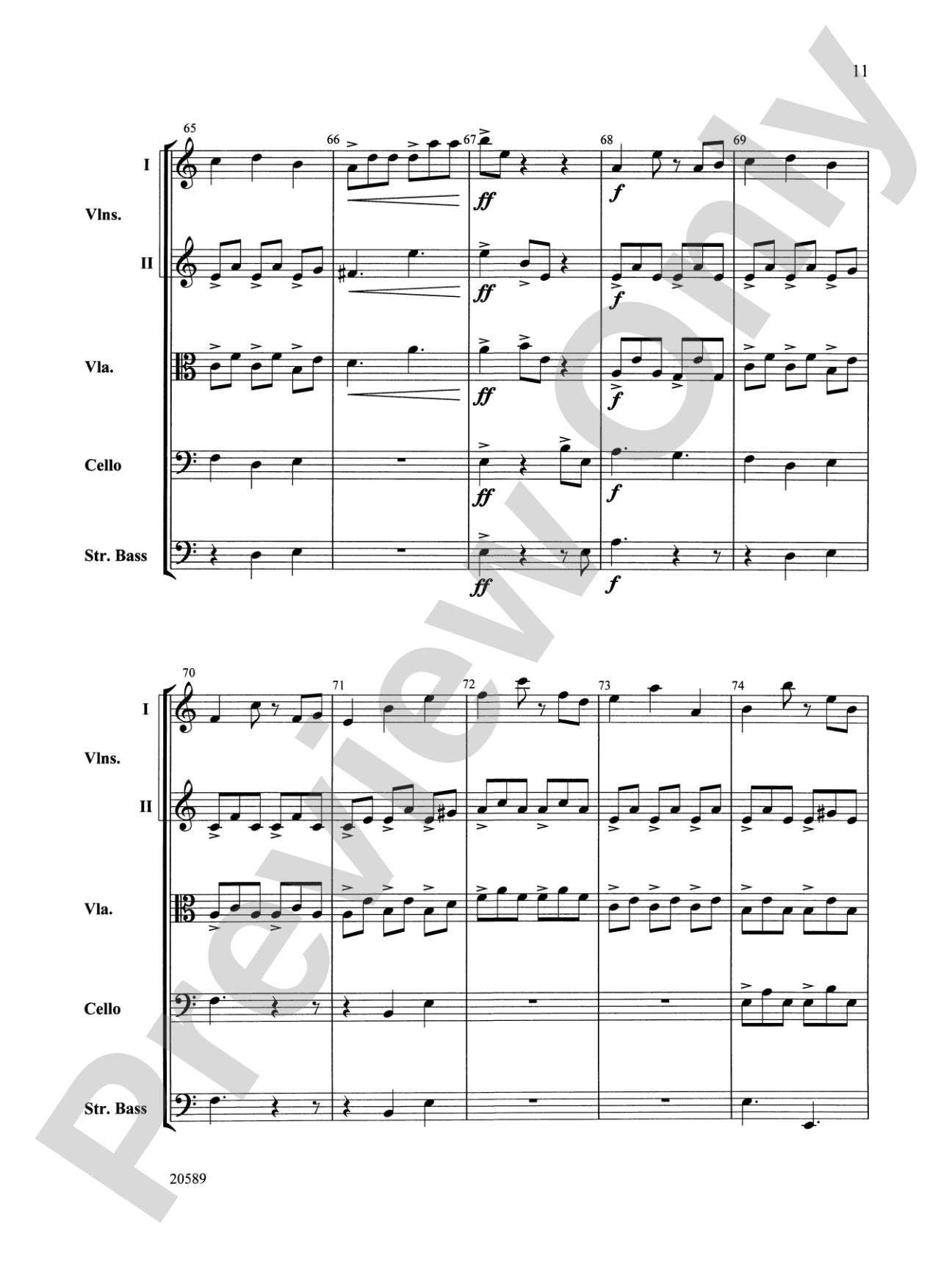
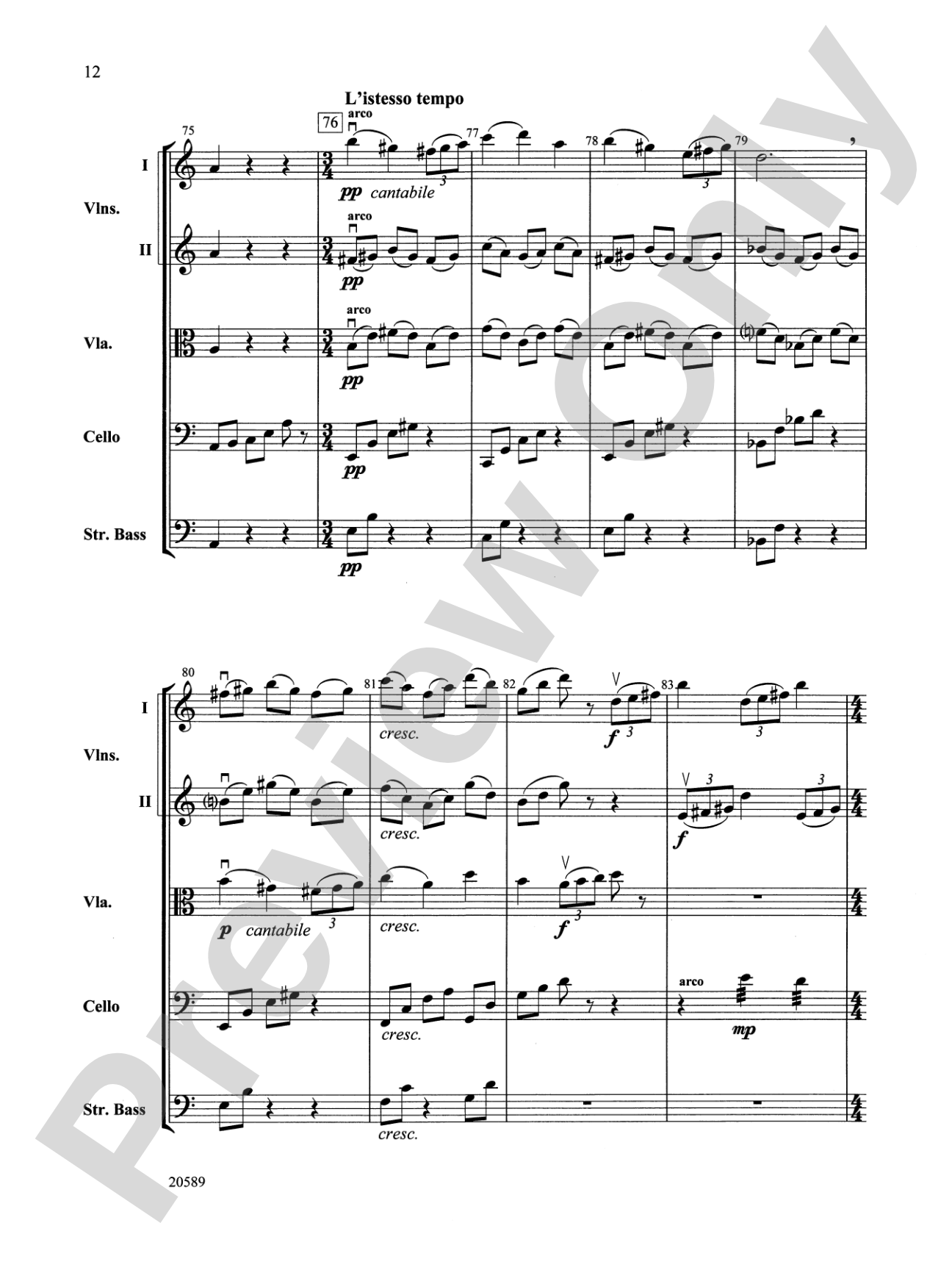
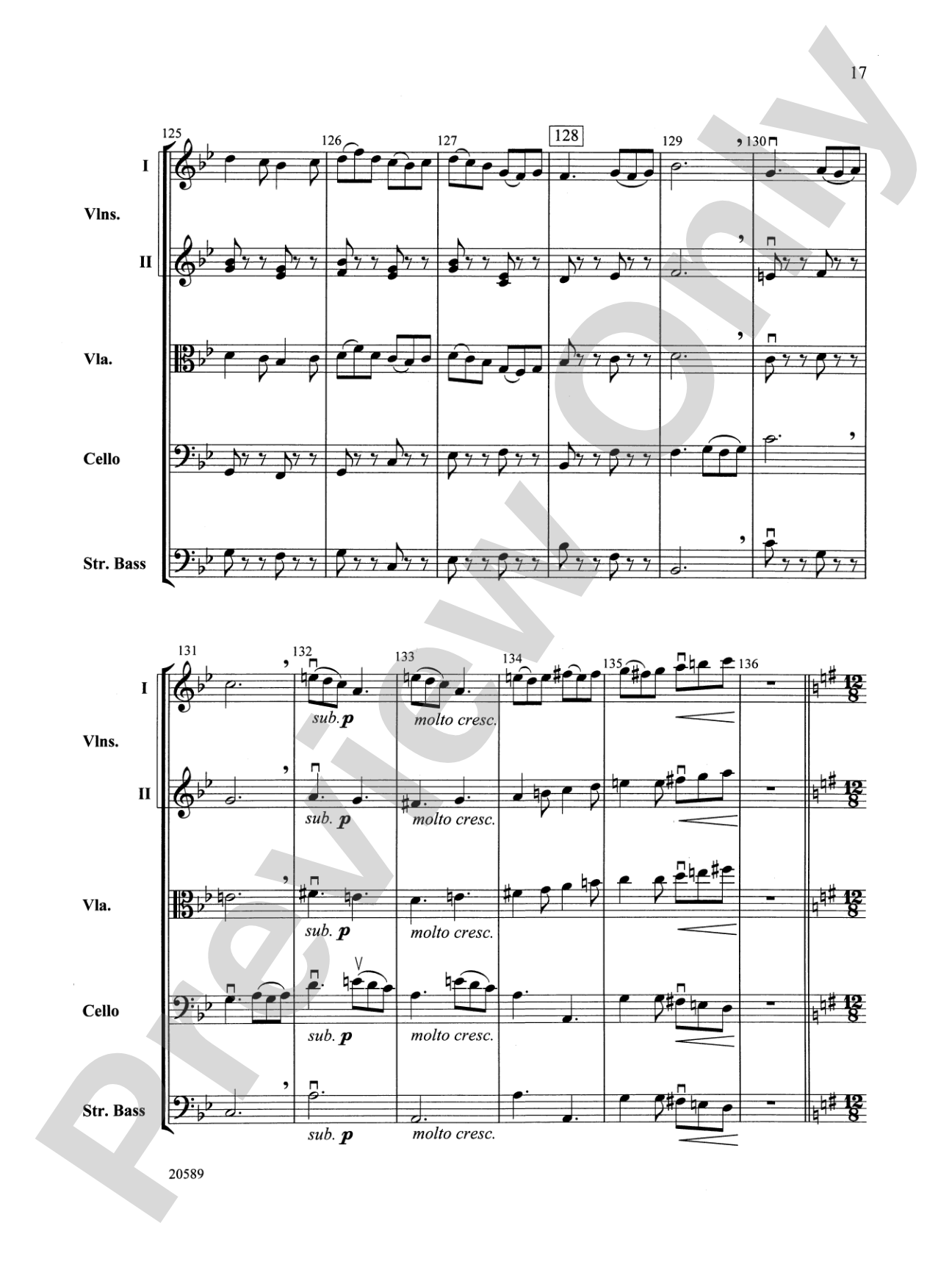
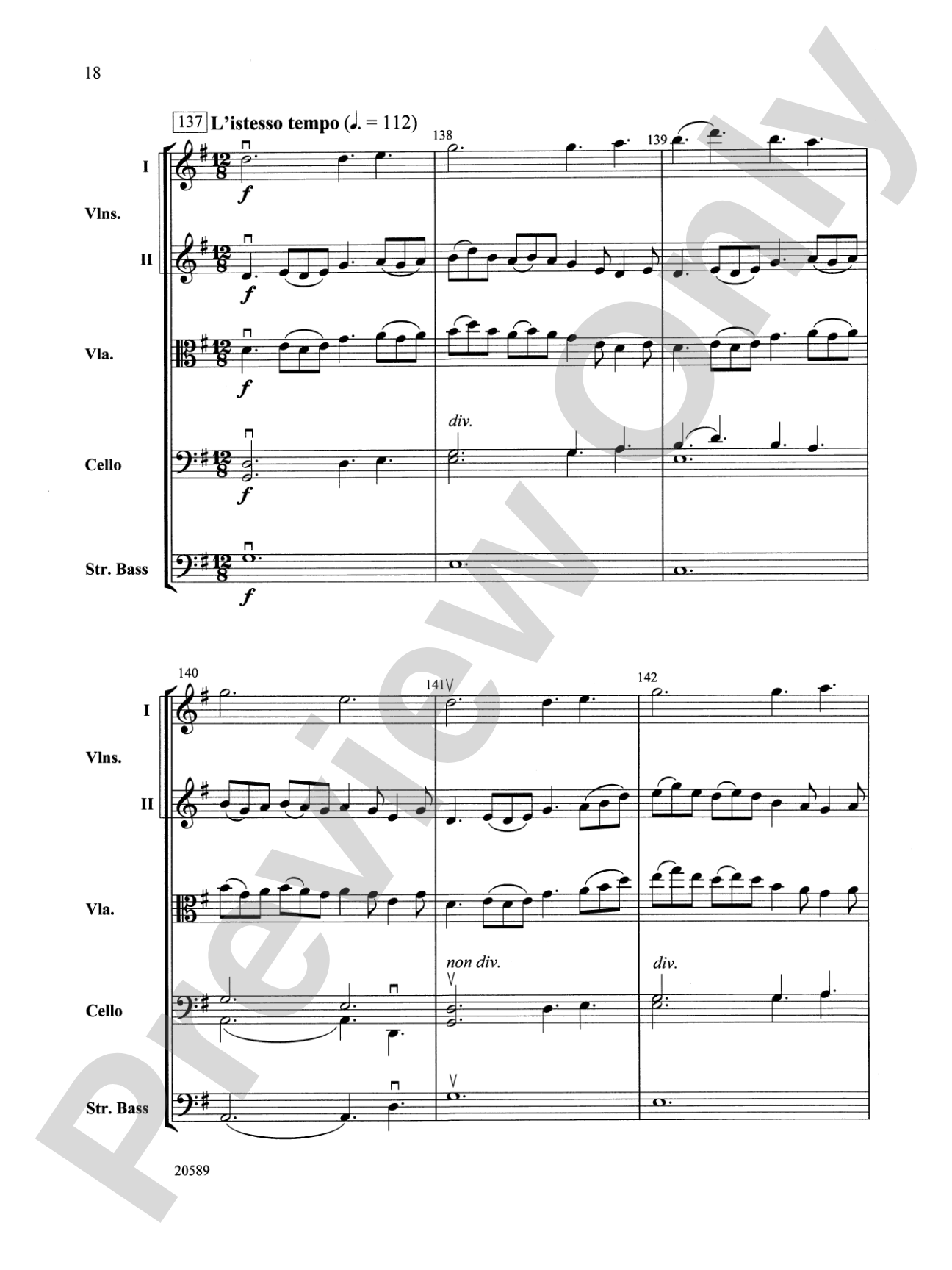
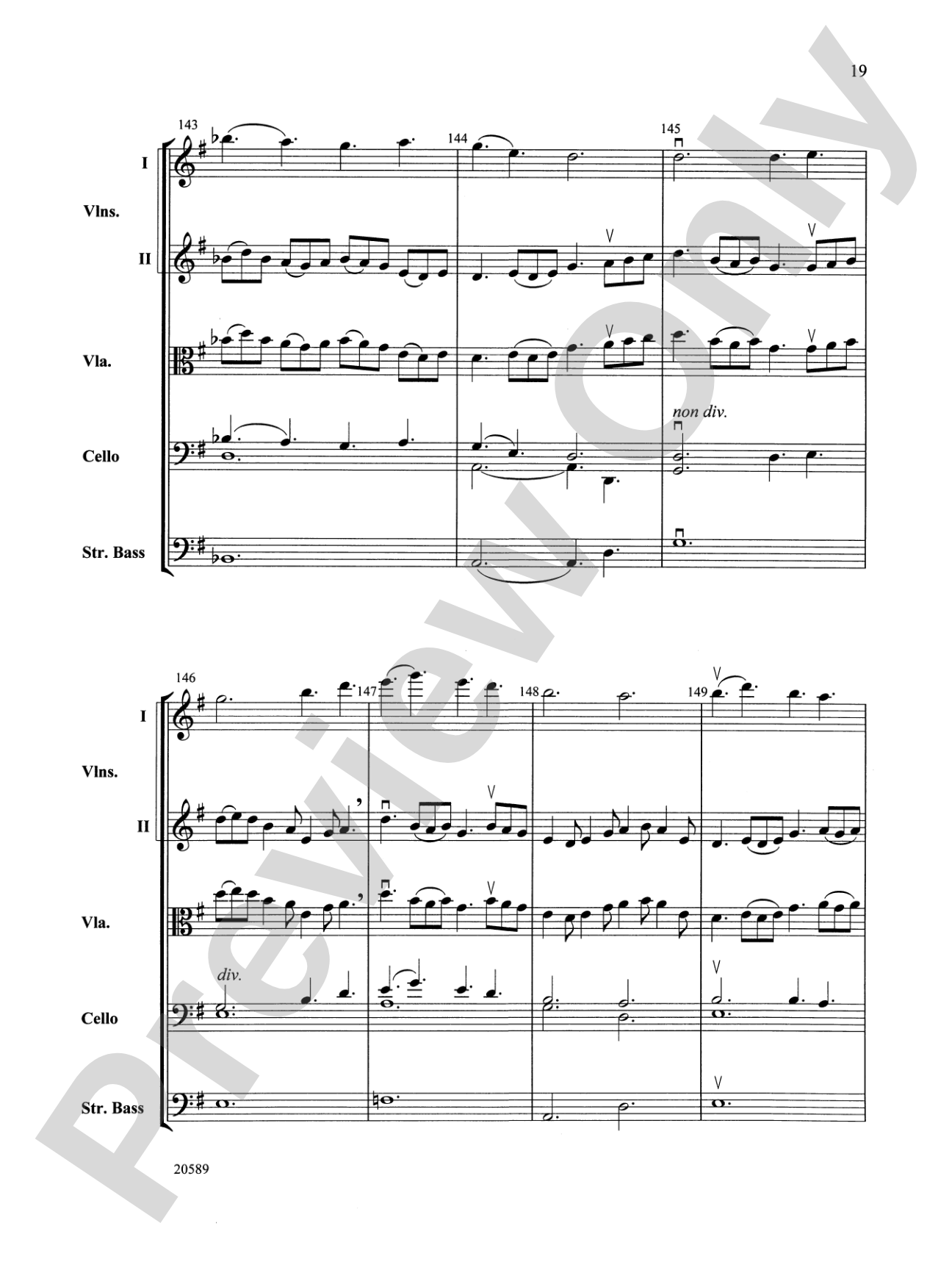
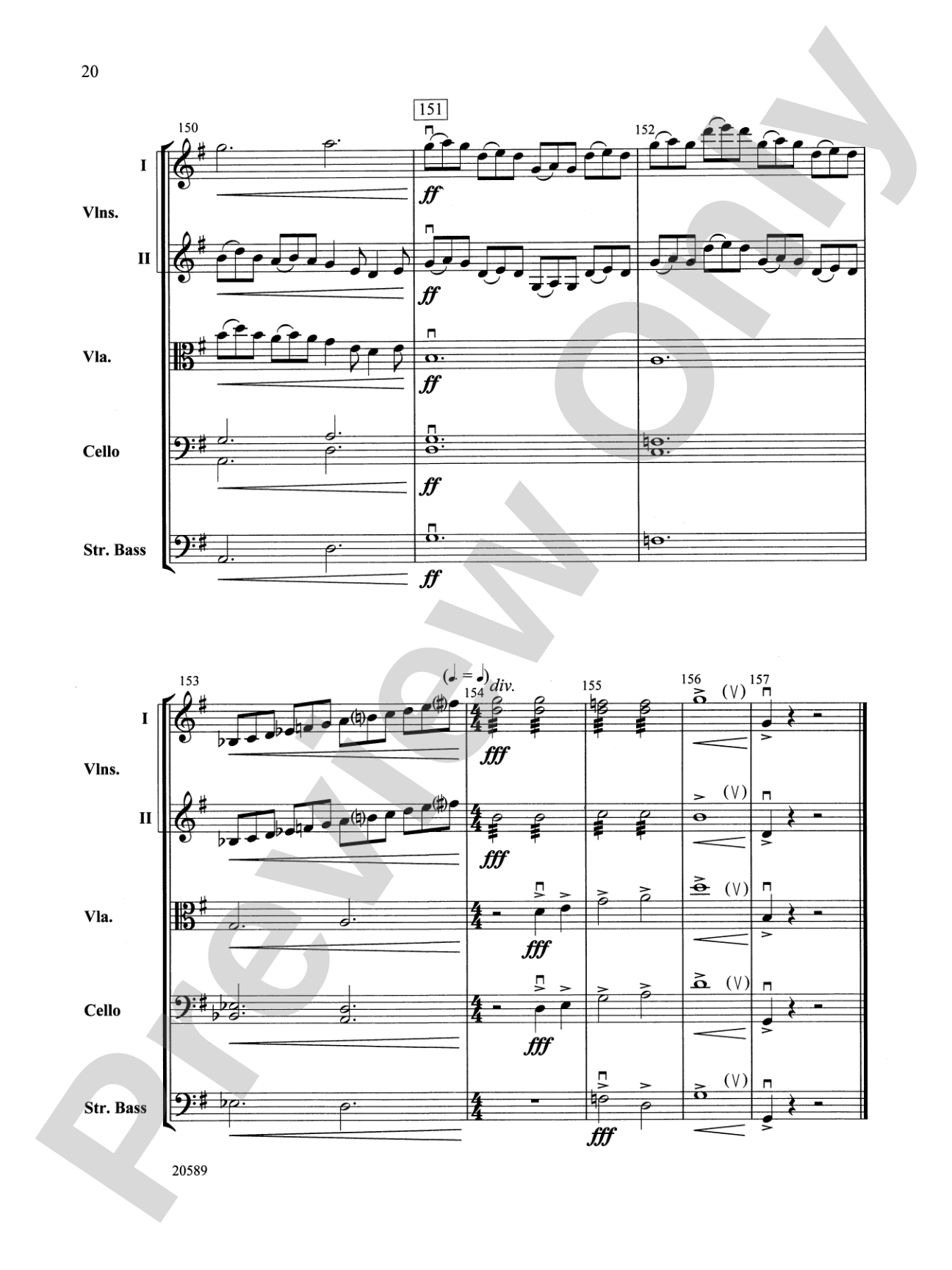

Pagodas: String Orchestra Conductor Score & Parts
By Richard Meyer
Grade: 4
Item: 00-PK-0000422

$56.00
Pickup currently not available
Buy Extra Parts (Digital PDF Download)
| Product | Price | Quantity |
|---|---|---|
| Pagodas: Score | $10.00 | |
| Pagodas: 1st Violin | $5.99 | |
| Pagodas: 2nd Violin | $5.99 | |
| Pagodas: Viola | $5.99 | |
| Pagodas: Cello | $5.99 | |
| Pagodas: String Bass | $5.99 |
Parts Added to Cart!
Description
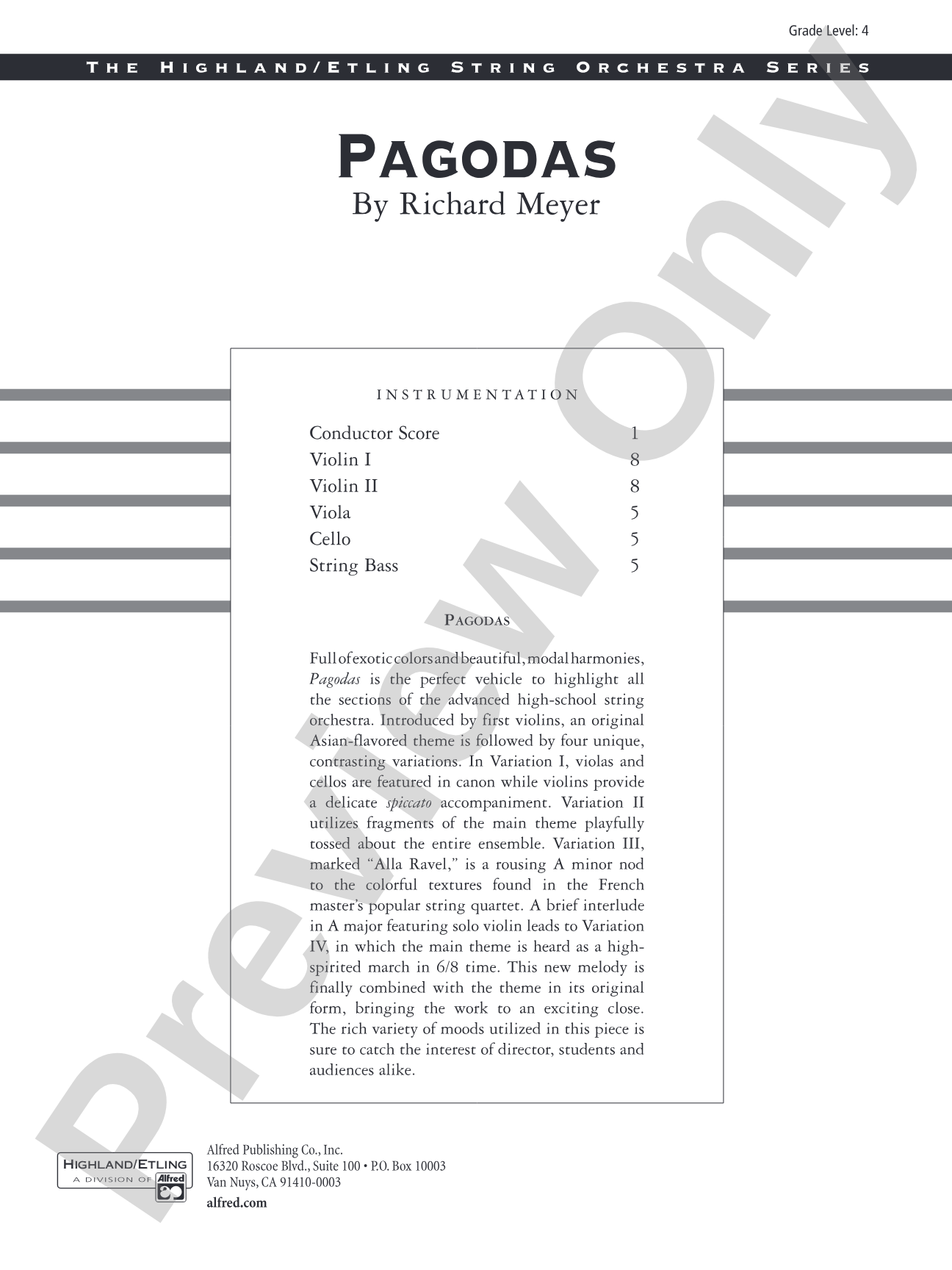
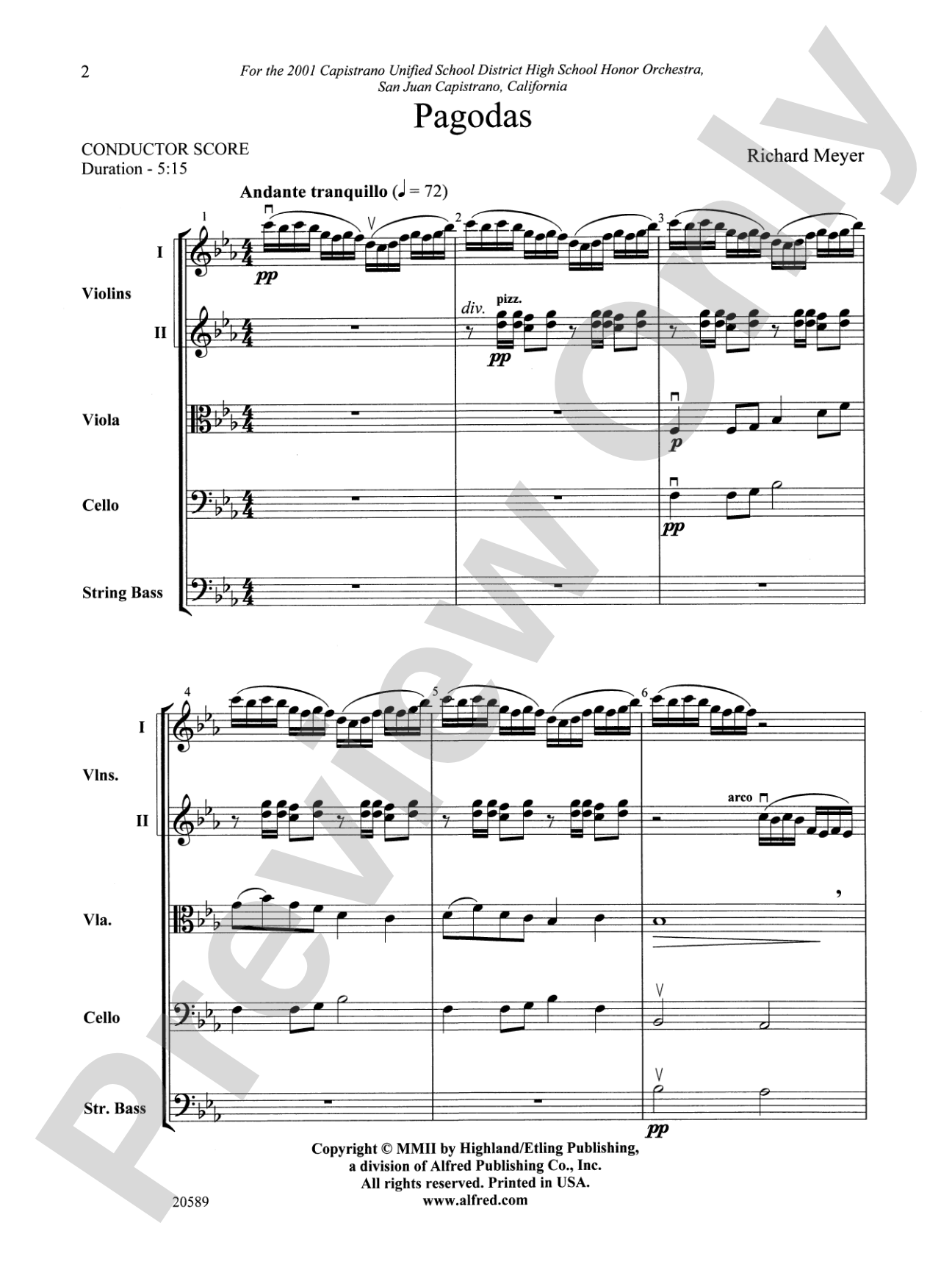
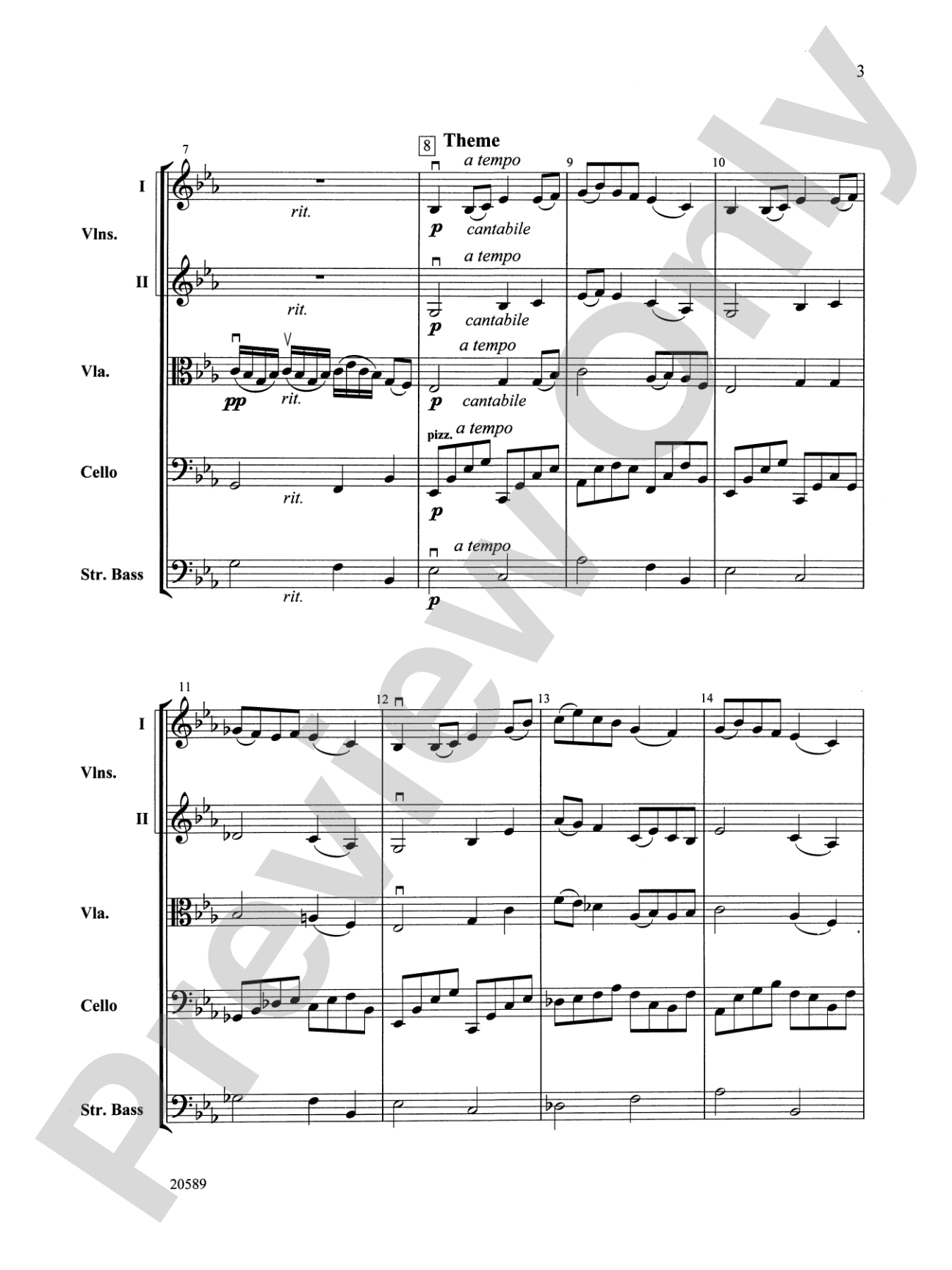
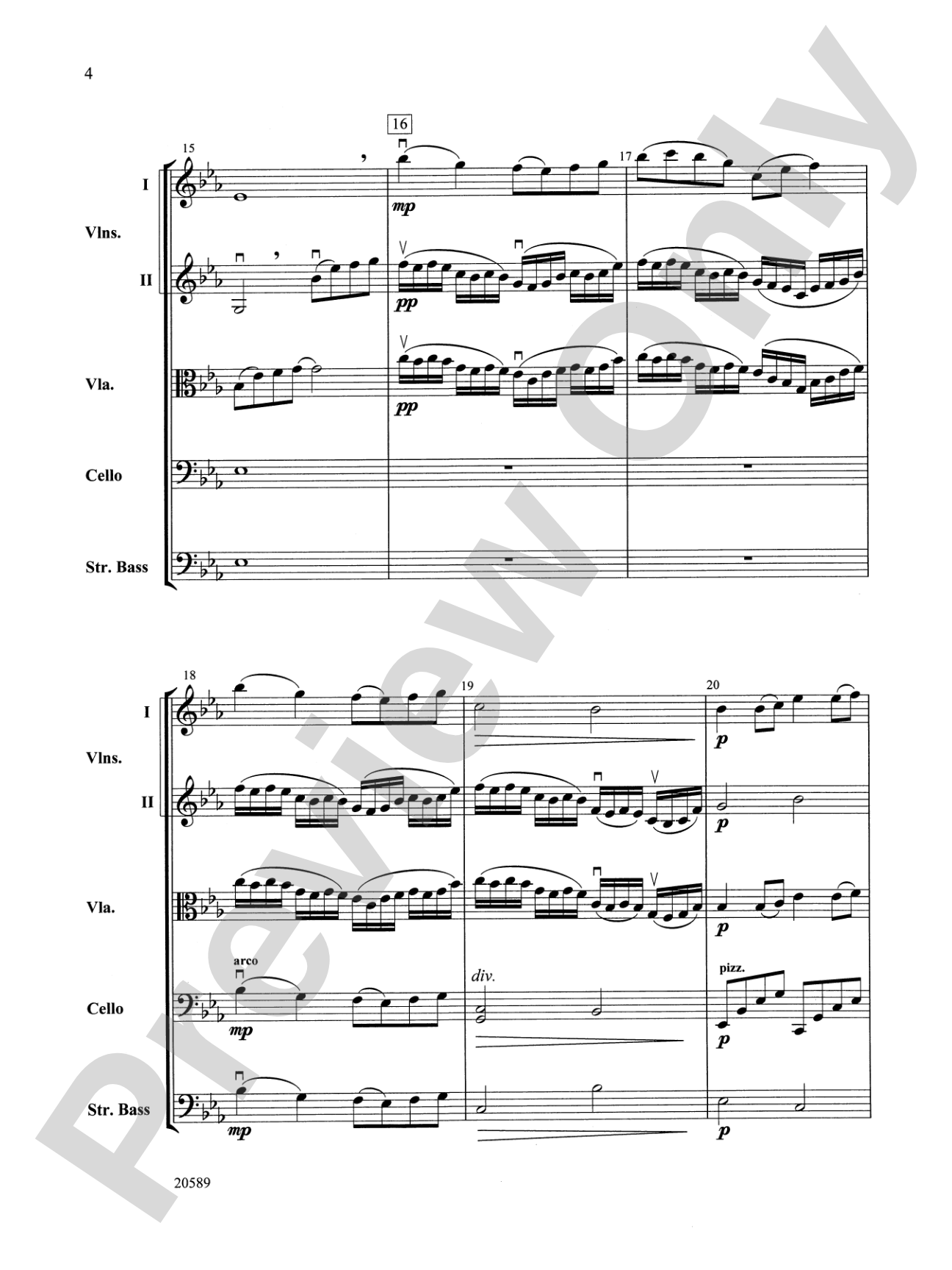
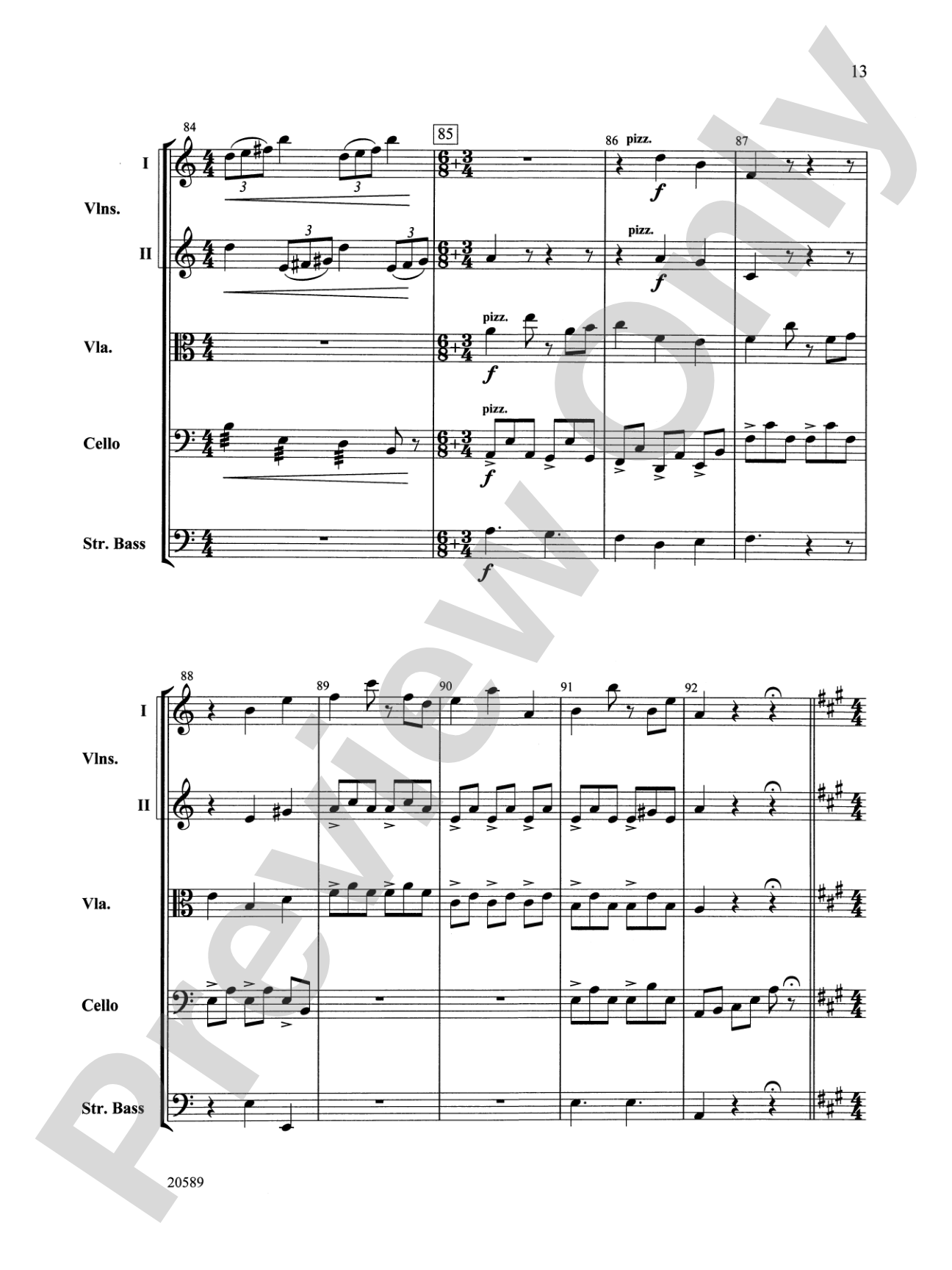
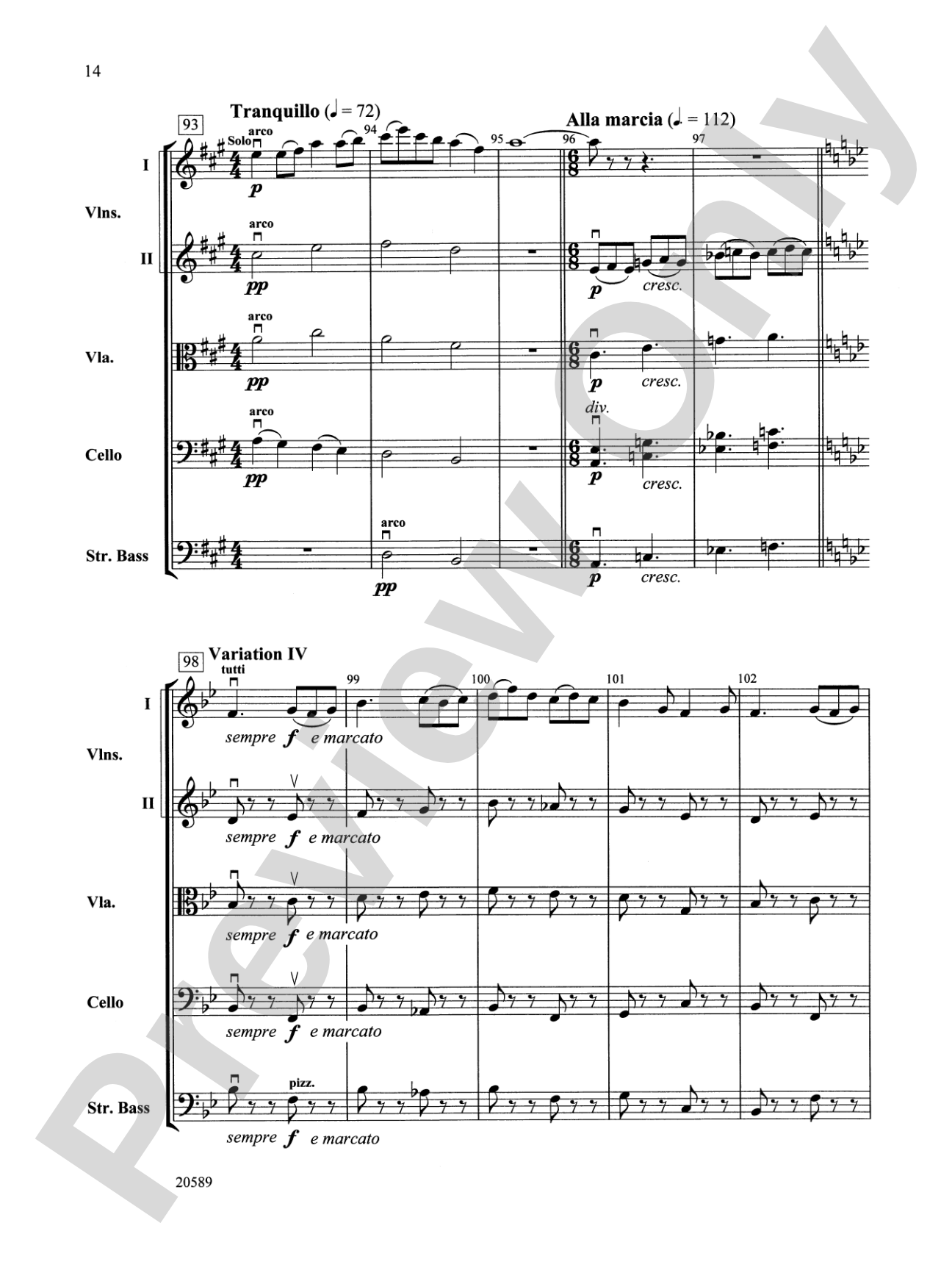
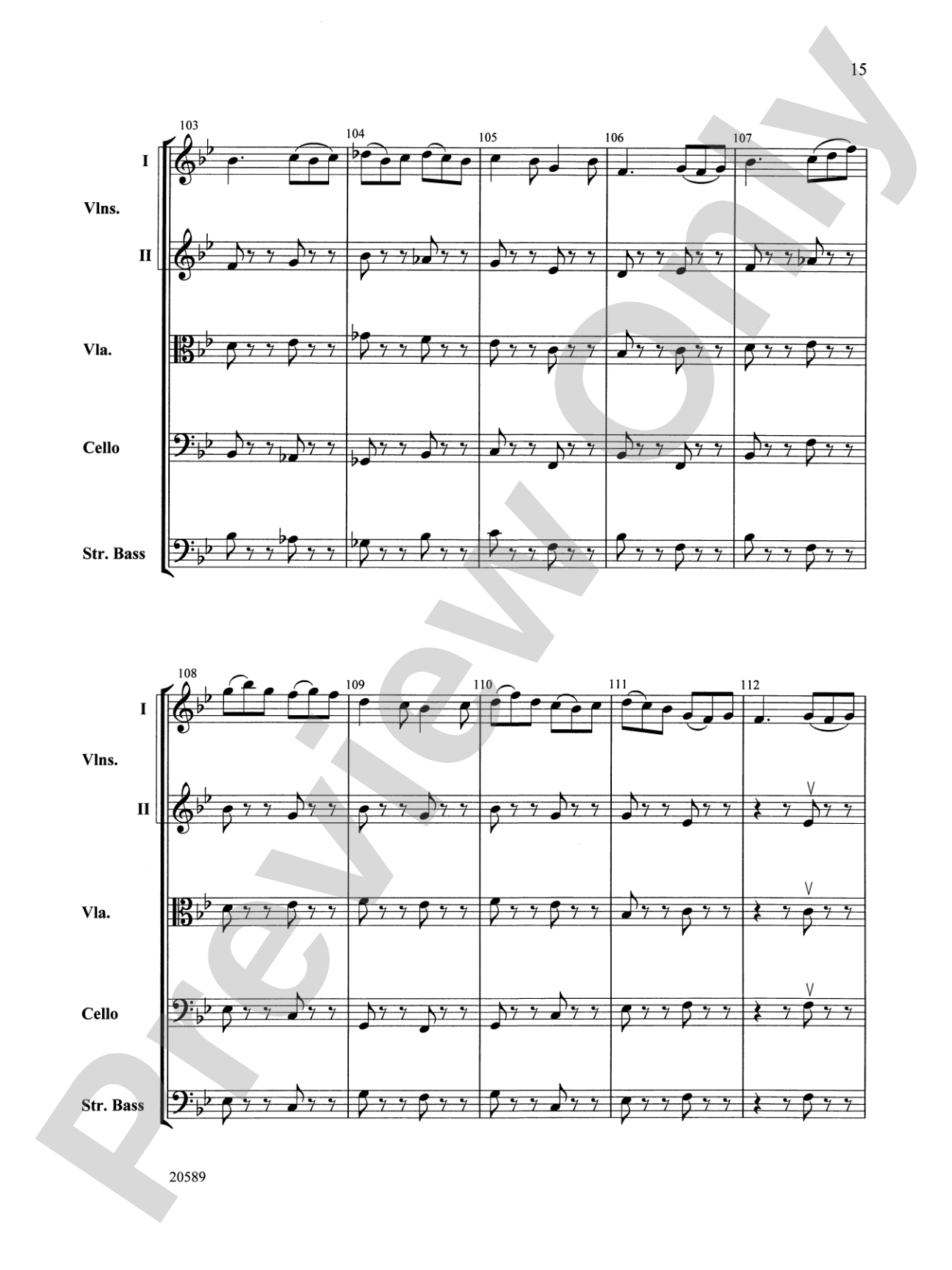
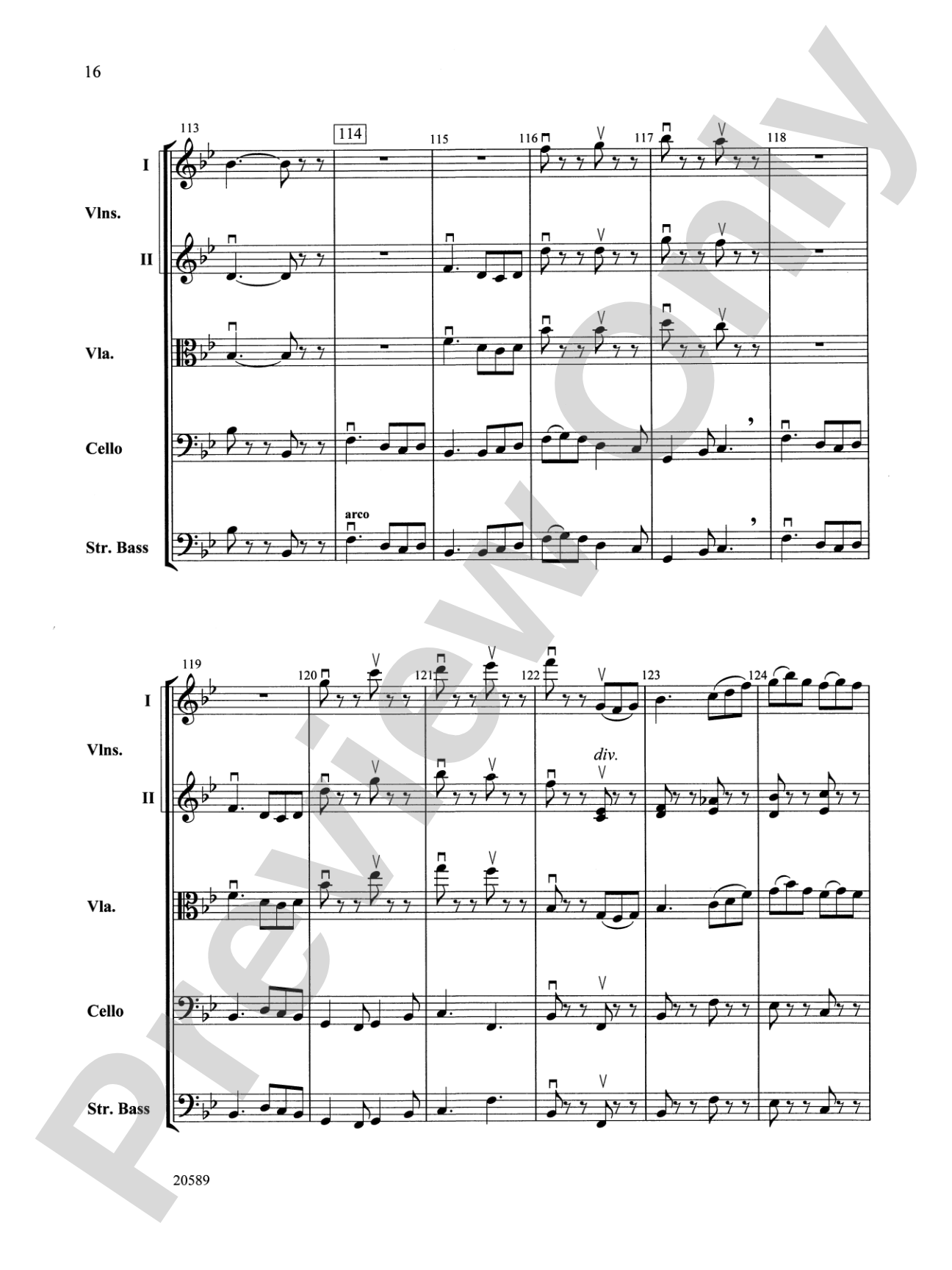
Full of exotic colors and beautiful, modal harmonies, Pagodas is the perfect vehicle to highlight all the sections of the advanced high school string orchestra. An original Asian-flavored theme, introduced by first violins, is followed by four unique, contrasting variations. The rich variety of moods showcased in this piece are sure to catch the interest of director, students and audiences alike. This title is available in MakeMusic Cloud.


Don't just read it, hear it, play along with it, and watch your students grow with it. In MakeMusic Cloud, Pagodas: String Orchestra Conductor Score & Parts comes alive with professional accompaniment, adjustable tempo, and built-in practice tools that turn solo practice into real progress.
Open in the Player
Jump straight in and assign it today.
Start Your Free Trial
Open this title and explore the full library in minutes.
Sample Audio
1
Audio File
--:--
0:00
0:00
Sample Video
No sample videos found.
Additional Details
Series:
Highland/Etling String Orchestra
Publisher:
Alfred Music
Page Count:
124
SKU:
00-PK-0000422
More about this title
About the Composer: Richard Meyer
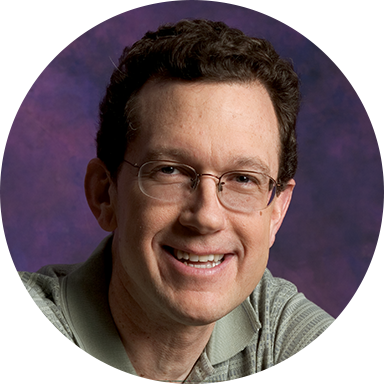
Richard Meyer spent 35 years teaching strings across elementary, middle, and high school levels in Southern California public schools. He directed orchestras at Oak Avenue Intermediate School in Temple City for 22 of those years, expanding the program from 29 students to 200 while also overseeing the district's elementary string curriculum. In 2009, he created the "Giving Bach" program, an innovative concert series that brought interactive performances to special needs and underserved students throughout the region, earning national recognition for its educational impact.
Beyond the classroom, Meyer has served as guest conductor and clinician for All-State orchestras, the A.S.T.A. National Conference, and universities including Ohio State. He led the Pasadena Youth Symphony for 16 years, taking the ensemble on international tours to Vienna, Australia, and Canada. As a composer, Meyer has published over 190 works and arrangements; he also spent 16 years as string editor for Alfred Publishing and co-authored the String Explorer Series and Sight-read It for Strings method curricula.
Why we love this
Meyer understands what advanced high school orchestras can deliver, and he's written a piece that gives every section something meaningful to play. The variations keep students engaged because the musical landscape shifts with each one, preventing the repetition trap that can undermine modal pieces. This is the kind of concert repertoire that audiences genuinely enjoy while students experience real growth in balancing ensemble sound and executing contrasting textures.
What to expect
Modal harmonies and Asian-inspired melody create an atmosphere of contemplative beauty tinged with mystery. As variations unfold, the piece shifts from serene and delicate to energetic and colorful, taking the ensemble and audience on a musical journey that feels both exotic and entirely accessible.
Who it's for
Advanced high school string orchestras ready to explore non-Western musical colors and demonstrate technical and expressive range. This piece works for groups that have solid intonation, can sustain ensemble focus through modal harmony, and are looking for concert or contest repertoire with genuine musical substance.
How to get the most out of it
- Shape the opening theme with a long, lyrical line from the first violins; the modal harmonies need singing tone to land their exotic character.
- Approach each variation as a distinct mood rather than a mechanical repeat. Adjust vibrato intensity and bow weight to reflect the character change in each section.
- Balance the harmonic colors in the accompaniment voices carefully, especially when violas and cellos carry the modal harmony. These chords define the piece's identity.
- Use the full 124 pages to conduct with precision through textural shifts. Mark cues for sectional entries, particularly where the theme passes between parts in the variations.
How to use it
Program this as a centerpiece that showcases sectional strengths and your orchestra's maturity. It pairs well on a concert with both classical European repertoire and other multicultural works, or use it for contest where the variation form and distinctive orchestration will stand out from more traditional fare.
Skills your students will build
- Sustaining intonation in modal harmonic progressions
- Balancing ensemble sound across multiple textural layers
- Executing contrasting musical moods and character shifts within a single theme
- Maintaining lyrical phrasing while playing variation structures
- Sensitivity to color and orchestration in non-traditional harmonic contexts