Pagodas Cover Image

Pagodas: String Orchestra Conductor Score & Parts

$55.00 USD
Sale price  $55.00 USD Regular price 
Skip to product information
Pagodas Cover Image

Pagodas: String Orchestra Conductor Score & Parts

By Richard Meyer

Grade: 4

Item: 00-20589

makemusic Cloud badge

Need it now?

Buy Digital Version
$55.00
Shipped

One moment…

Description
Full of exotic colors and beautiful, modal harmonies, Pagodas is the perfect vehicle to highlight all the sections of the advanced high school string orchestra. An original Asian-flavored theme, introduced by first violins, is followed by four unique, contrasting variations. The rich variety of moods showcased in this piece are sure to catch the interest of director, students and audiences alike. This title is available in MakeMusic Cloud.

Don't just read it, hear it, play along with it, and watch your students grow with it. In MakeMusic Cloud, Pagodas: String Orchestra Conductor Score & Parts comes alive with professional accompaniment, adjustable tempo, and built-in practice tools that turn solo practice into real progress.

Sample Pages

Sample Audio
0:00
0:00
Sample Video
Additional Details
Series: Highland/Etling String Orchestra
Publisher: Alfred Music
Page Count: 124
UPC: 038081197388
SKU: 00-20589

More about this title

About the Composer: Richard Meyer
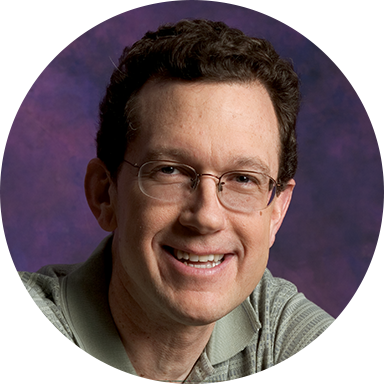
Richard Meyer

Richard Meyer spent 35 years teaching strings across elementary, middle, and high school levels in California public schools. At Oak Avenue Intermediate School in Temple City, he built the orchestra program from 29 students to 200 and oversaw the city's entire elementary string curriculum. For 16 years, he conducted the Pasadena Youth Symphony Orchestra in performances across North America, Europe, and Australia.

Beyond the classroom and podium, Meyer has established himself as a prolific composer with nearly 200 published works and arrangements. He served as string editor for Alfred Publishing and co-authored the String Explorer Series and Sight-read It for Strings. His "Giving Bach" program, launched in 2009, uses interactive concerts to reach special needs and underserved students throughout Southern California, earning national recognition for its impact. Meyer remains active as a clinician at major conferences including the A.S.T.A. National Conference and has guest-conducted All-State orchestras in multiple states.

Why we love this

Meyer crafted this piece specifically to give each section its moment to shine. The theme-and-variations structure lets you rotate soloists and sections into the spotlight while maintaining enough textural interest to keep the ensemble engaged throughout rehearsals and performances.

What to expect

Pagodas evokes the visual symmetry of Asian architecture through sound, layering modal harmonies and shifting instrumental colors the way light plays across a pagoda's surfaces. The piece moves between moments of stillness and elegant motion, inviting players to explore a soundscape that's exotic without feeling remote or academic.

Who it's for

Advanced high school string orchestras ready to handle sectional independence and expressive nuance. Directors preparing for both concert and festival settings will find this piece rewarding; it's substantive enough for serious competition yet engaging enough to captivate an audience unfamiliar with contemporary string writing.

How to get the most out of it

  • Balance the original theme statement carefully between first violins and accompaniment; the modal harmony is the piece's foundation, so ensure lower strings lock the harmonic colors before adding surface detail.
  • Each variation shifts the textural focus. Mark these transitions clearly in parts so students understand they're moving from a showcase role to a supportive one and back.
  • The exotic palette invites expressive vibrato and lyrical phrasing. Encourage violists and cellists to lean into the singing quality of their variations rather than playing them as technical exercises.
  • Use the recorded accompaniment to help sections prepare their variations independently before full-orchestra rehearsals, especially when working with an advanced group managing complex rhythmic or bowing demands.

How to use it

Program this as a centerpiece for a spring concert showcasing ensemble maturity, or enter it in a festival where judges appreciate compositionally sophisticated writing at the Grade 4 level. It also works beautifully as a concert opener that establishes both the technical caliber of your group and their artistic depth before moving into heavier repertoire.

Skills your students will build

  • Playing in modal harmony and non-traditional tonal centers
  • Balancing sectional independence while maintaining ensemble cohesion
  • Executing variations on a theme with distinct stylistic shifts
  • Shaping long lyrical lines with vibrato control and expression
  • Reading and executing complex bowing patterns across four distinct variations

You May Also Like
