
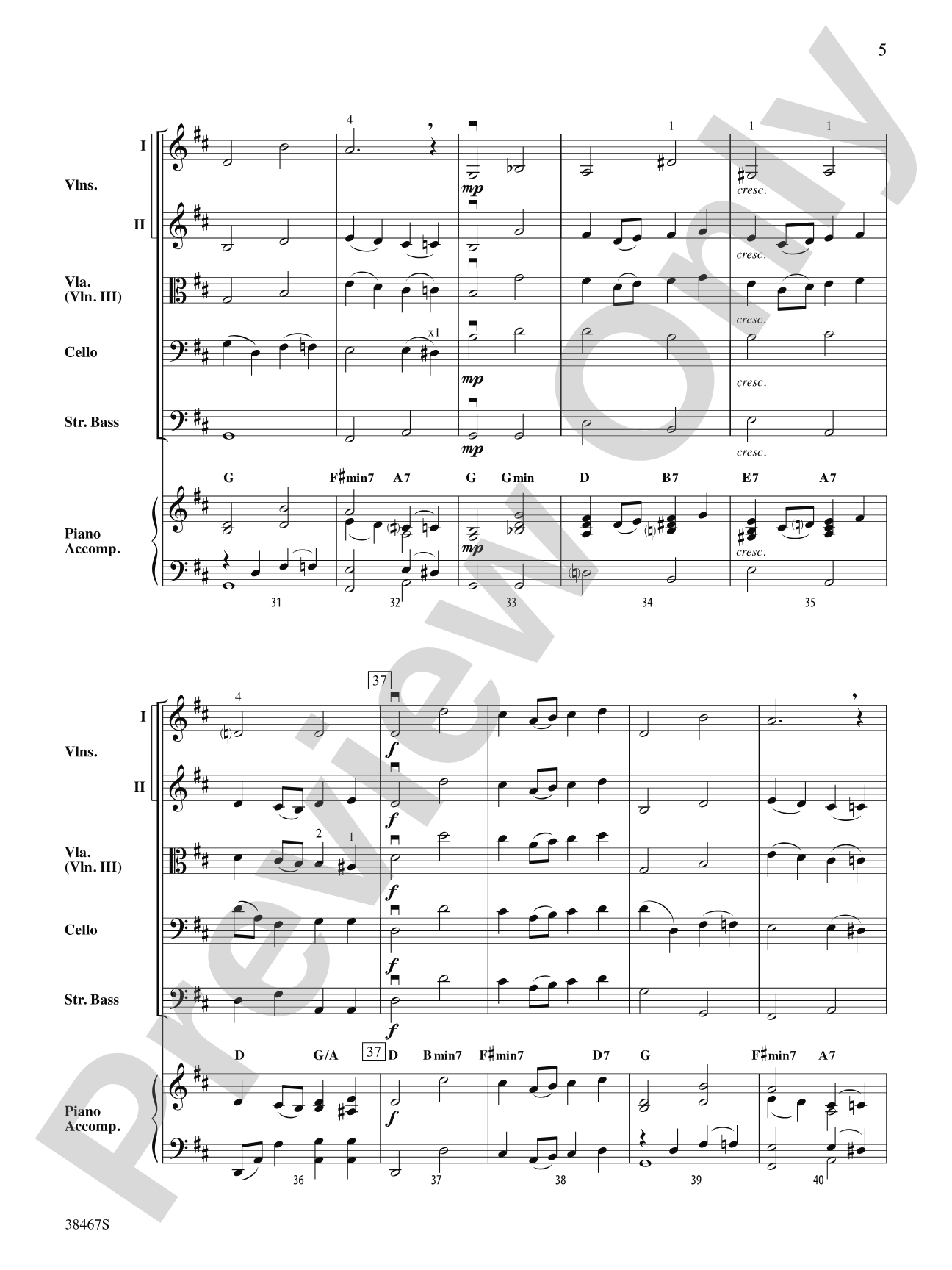
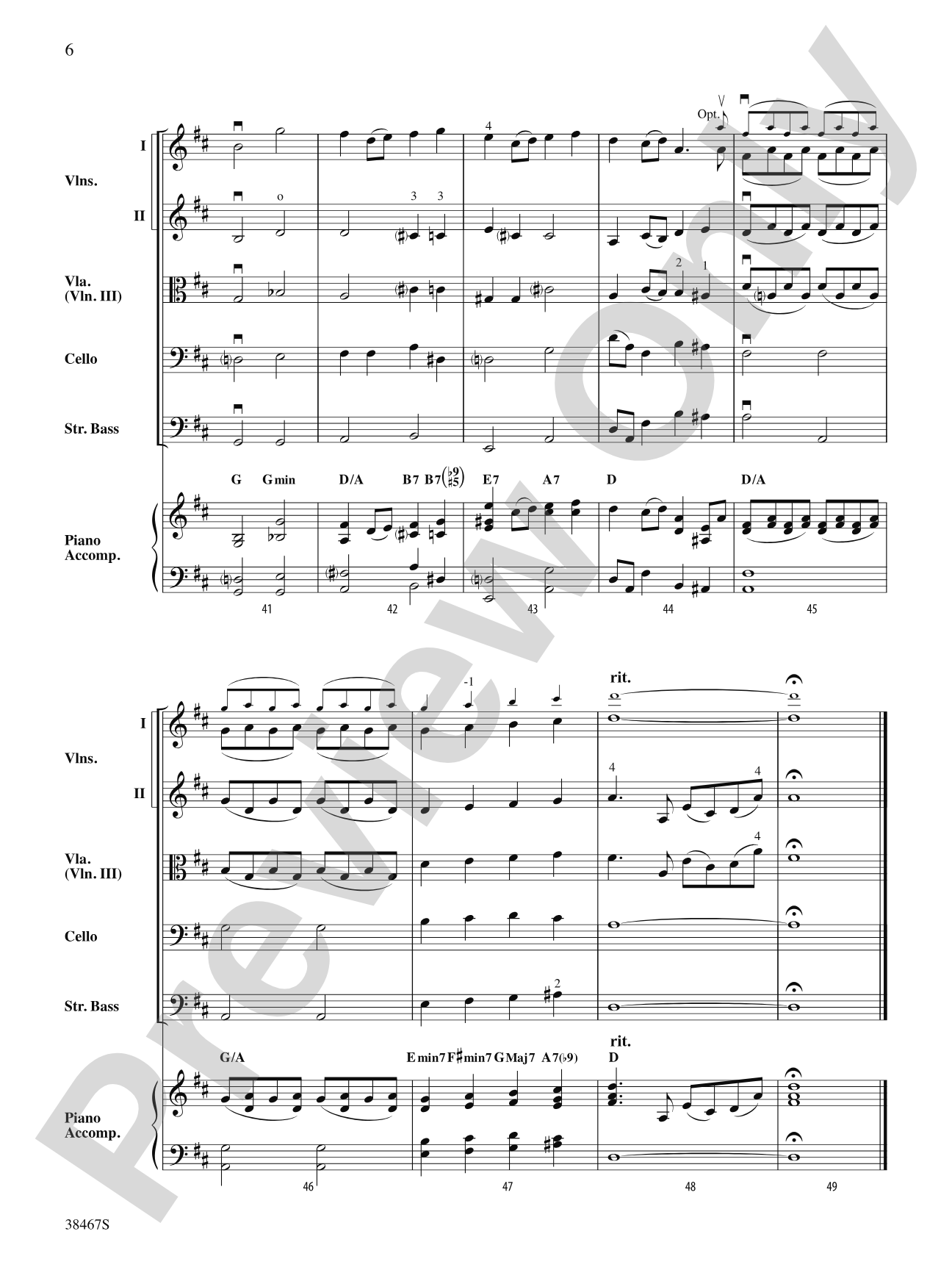



Over the Rainbow (from The Wizard of Oz): String Orchestra Conductor Score & Parts
Music by Harold Arlen, lyrics by E. Y. Harburg / arr. Bob Phillips
Grade: 2.5
Item: 00-PK-0005259

$50.00
One moment…
Description
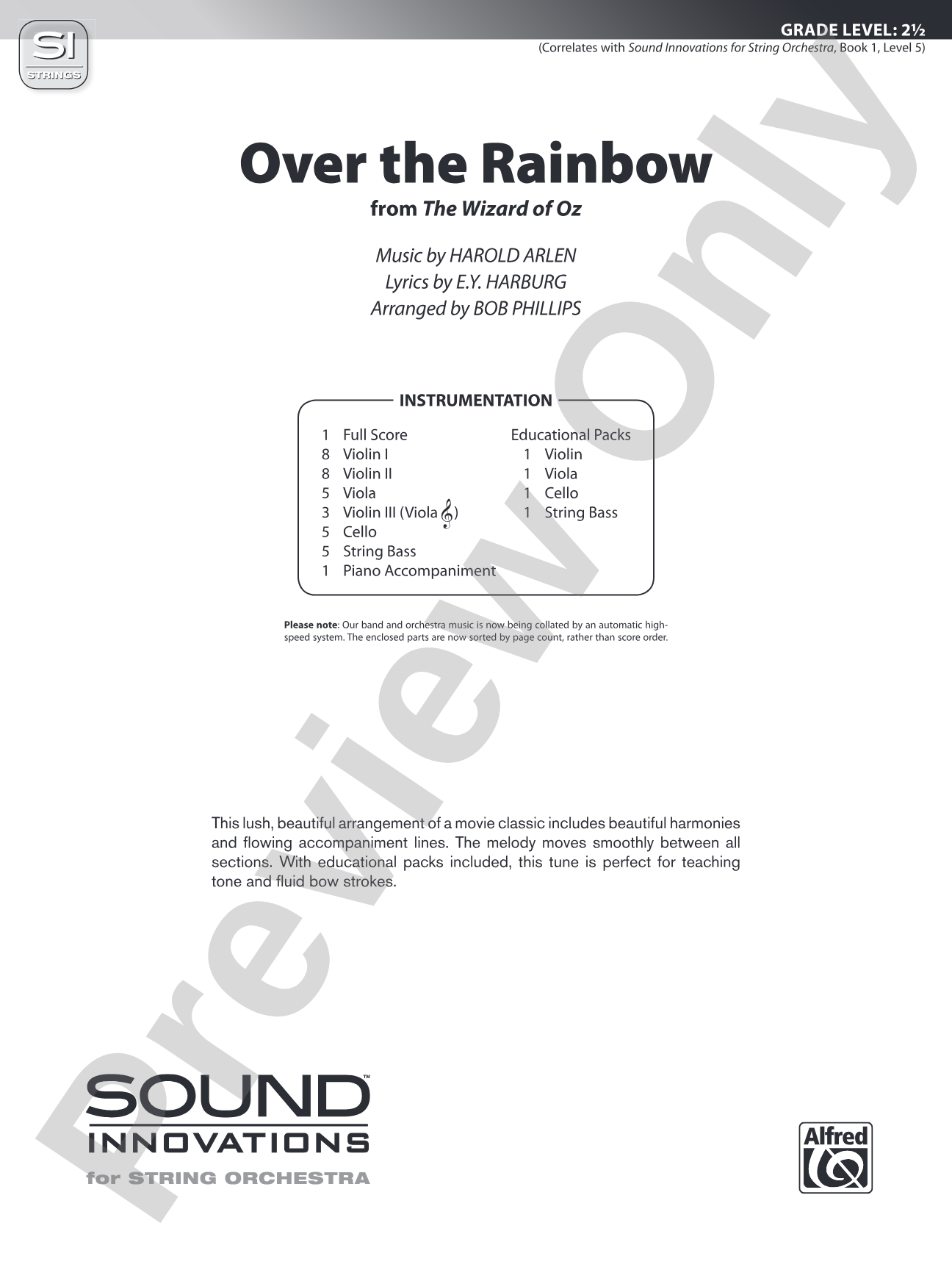
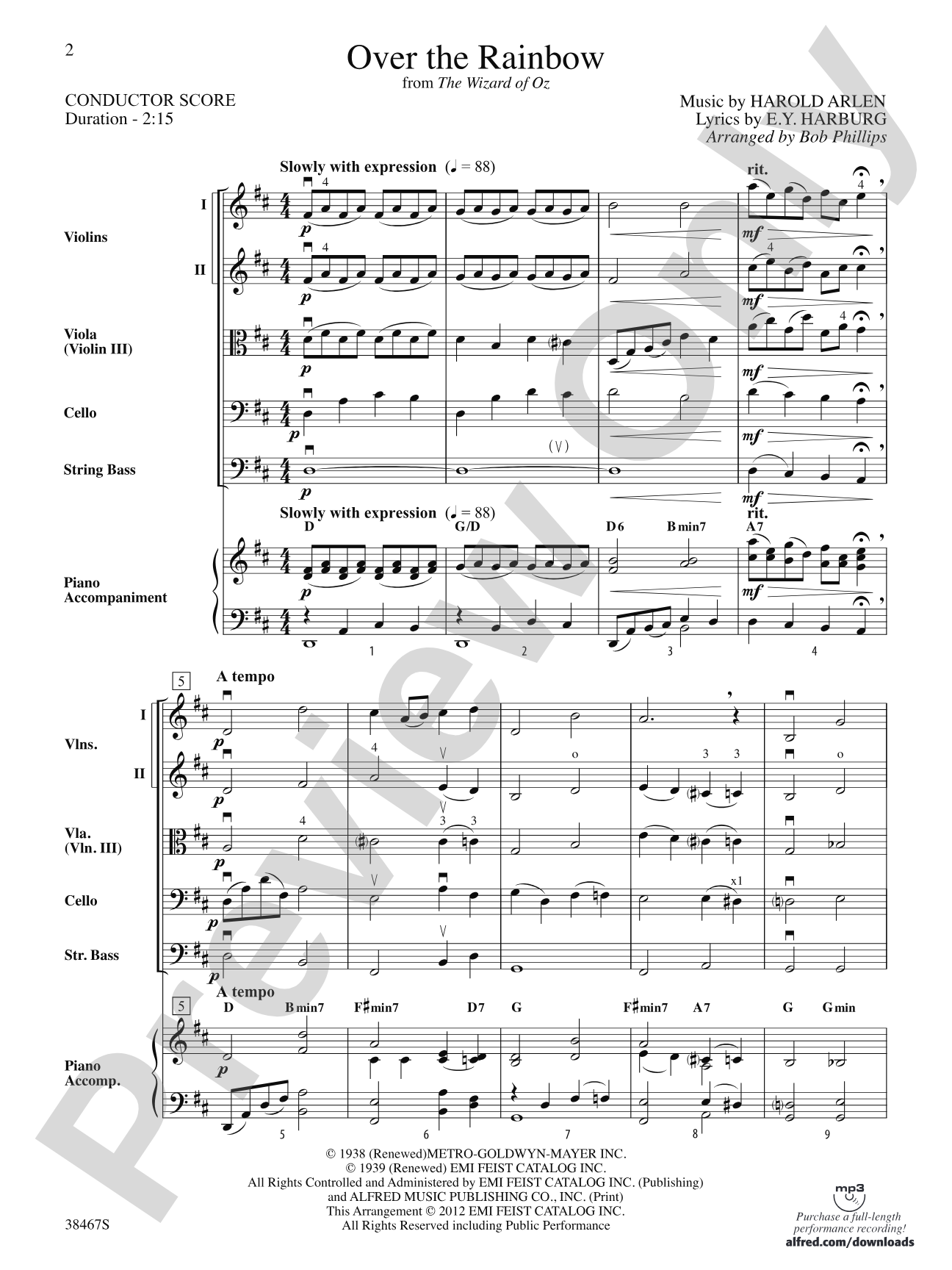
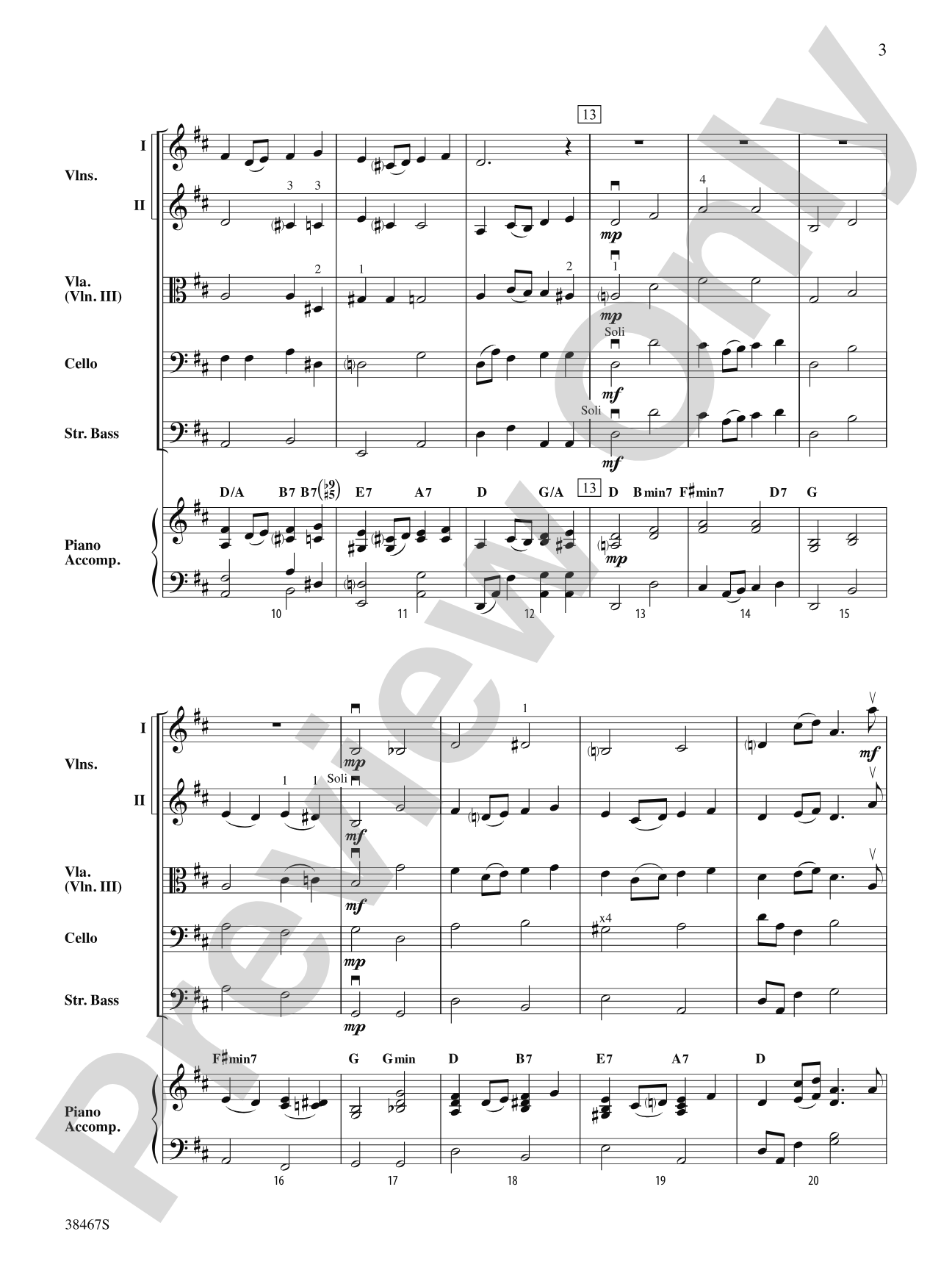
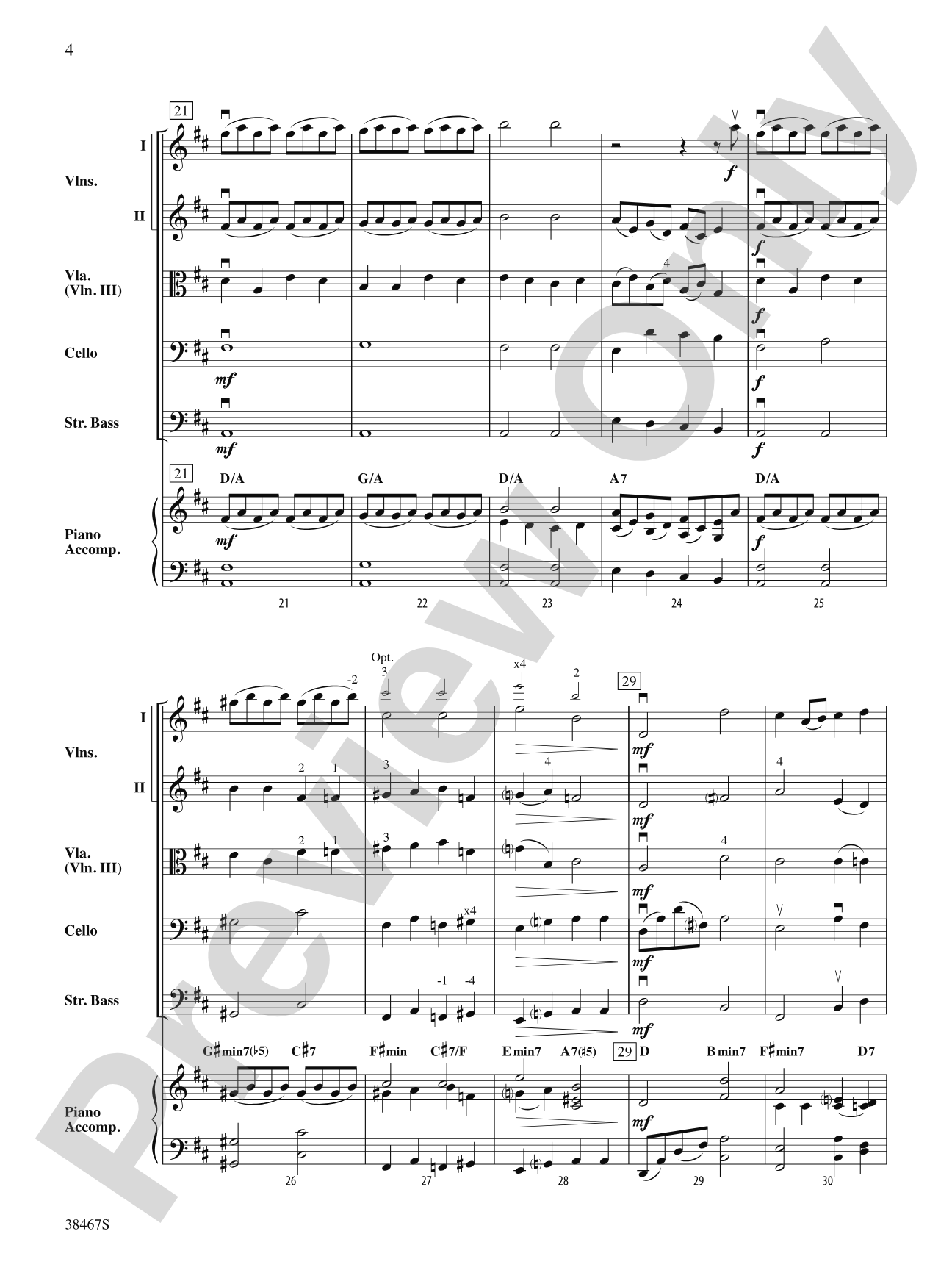
This lush, beautiful arrangement of a movie classic includes beautiful harmonies and flowing accompaniment lines. The melody moves smoothly between all sections. With educational packs included, this tune is perfect for teaching tone and fluid bow strokes. Correlates to Sound Innovations for String Orchestra, Book 1 Level 5.


Don't just read it, hear it, play along with it, and watch your students grow with it. In MakeMusic Cloud, Over the Rainbow (from The Wizard of Oz): String Orchestra Conductor Score & Parts comes alive with professional accompaniment, adjustable tempo, and built-in practice tools that turn solo practice into real progress.
Open in the Player
Jump straight in and assign it today.
Start Your Free Trial
Open this title and explore the full library in minutes.
Sample Audio
1
Audio File
--:--
0:00
0:00
Sample Video
No sample videos found.
Additional Details
Series:
Sound Innovations for String Orchestra
Publisher:
Alfred Music
Page Count:
80
SKU:
00-PK-0005259
More about this title
About the Composer: Harold Arlen
Harold Arlen (1905-1986) composed some of the most enduring melodies in American popular music, with a particular gift for writing songs that transcend their original context. His work for film and theater combined jazz-influenced harmonies with singable, memorable lines; "Over the Rainbow" stands as perhaps his most celebrated achievement, earning an Academy Award and becoming a standard across genres.
Why we love this
Bob Phillips's arrangement opens this beloved melody to your entire string section without oversimplifying it. The piece manages to feel both accessible and genuinely musical, with moving harmonies and transparent orchestration that rewards careful attention to tone and phrasing. For a Grade 2.5 ensemble, it's rare to find something this emotionally satisfying that also serves clear pedagogical goals.
What to expect
Warm and nostalgic, with a gentle lyricism that unfolds naturally across all string voices. The melody soars without strain, carried by flowing accompaniment that feels supportive rather than busy. There's a sense of yearning and hope built into every phrase.
Who it's for
String orchestras at the Grade 2.5 level who want to program something genuinely moving without pushing into advanced technical territory. This arrangement also works well for conductors seeking material that connects to students' existing cultural knowledge while building core string technique.
How to get the most out of it
- Shape each phrase as a complete musical thought rather than stopping at bar lines. The flowing accompaniment lines depend on this sense of continuity to feel lyrical rather than mechanical.
- Balance the melody against the supporting voices; the violins carrying the tune need to be present without drowning out the harmonic movement beneath. Listen from the audience perspective during rehearsal.
- Attend to bow direction across phrase boundaries. Smooth transitions between bow strokes in the accompaniment keep the sound from becoming choppy, which is especially important in slower, exposed passages.
- Tune the harmonic intervals within each chord carefully. The arrangement's beauty lives in the resonance of the harmonies, so intonation work on sustained notes pays immediate dividends.
How to use it
Program this as a concert centerpiece for a community or family concert where you want to balance educational context with genuine audience engagement. It also serves well as a bridge piece between technique-focused works and more ambitious concert repertoire, showing students how foundational skills lead to beautiful music-making.
Skills your students will build
- Sustaining tone across phrase boundaries with consistent bow contact
- Balancing melody and accompaniment within a full orchestral texture
- Playing flowing, connected lines in supporting voices
- Tuning harmonic intervals within sustained chords
- Responding to large-scale phrase shapes rather than measure-by-measure conducting