

Outback Boogie: Jazz Ensemble Conductor Score & Parts
By Les Taylor
Grade: 3
Item: 98-DJE4015
$40.00
Pickup currently not available
Buy Extra Parts (Digital PDF Download)
| Product | Price | Quantity |
|---|---|---|
| Outback Boogie: Score | $6.00 | |
| Outback Boogie: Alto Sax 1 | $7.00 | |
| Outback Boogie: Alto Sax 2 | $7.00 | |
| Outback Boogie: Tenor Sax 1 | $7.00 | |
| Outback Boogie: Tenor Sax 2 | $7.00 | |
| Outback Boogie: Baritone Sax | $7.00 | |
| Outback Boogie: Trumpet 1 | $7.00 | |
| Outback Boogie: Trumpet 2 | $7.00 | |
| Outback Boogie: Trumpet 3 | $7.00 | |
| Outback Boogie: Trumpet 4 | $7.00 | |
| Outback Boogie: Trombone 1 | $7.00 | |
| Outback Boogie: Trombone 2 | $7.00 | |
| Outback Boogie: Trombone 3 | $7.00 | |
| Outback Boogie: Trombone 4 | $7.00 | |
| Outback Boogie: Guitar | $7.00 | |
| Outback Boogie: Piano | $7.00 | |
| Outback Boogie: Bass | $7.00 | |
| Outback Boogie: Drum Set | $7.00 |
Parts Added to Cart!
Description
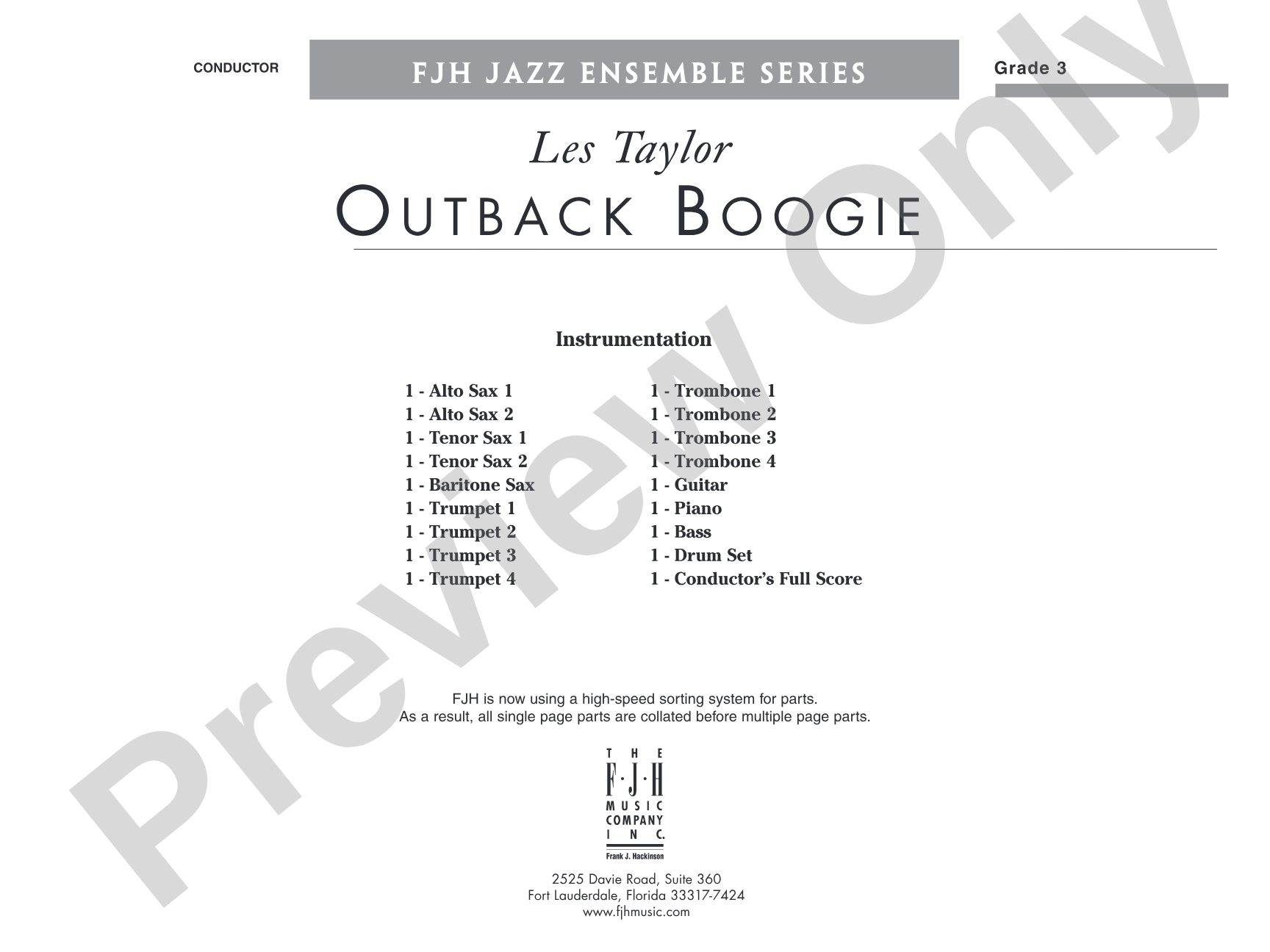
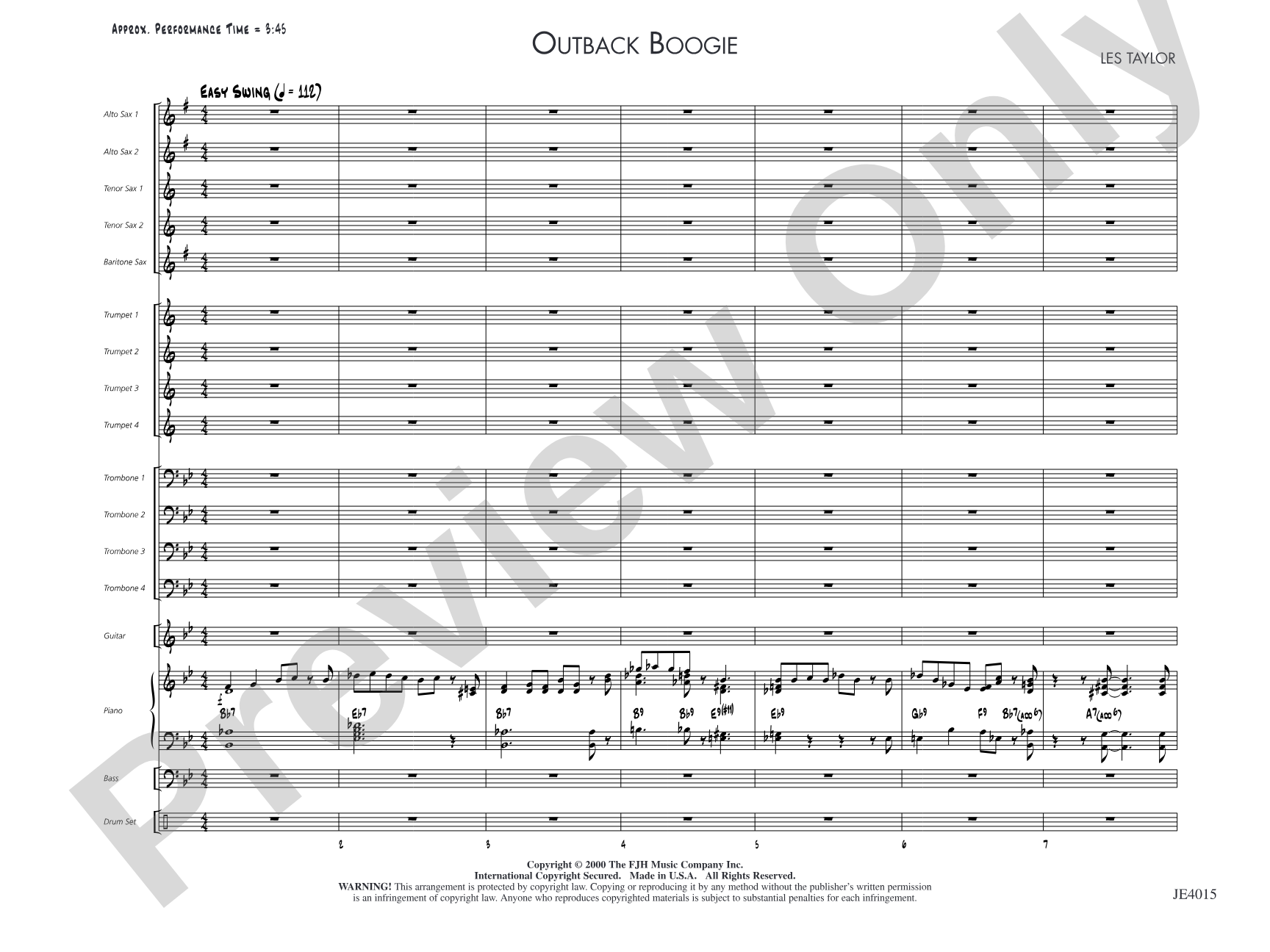
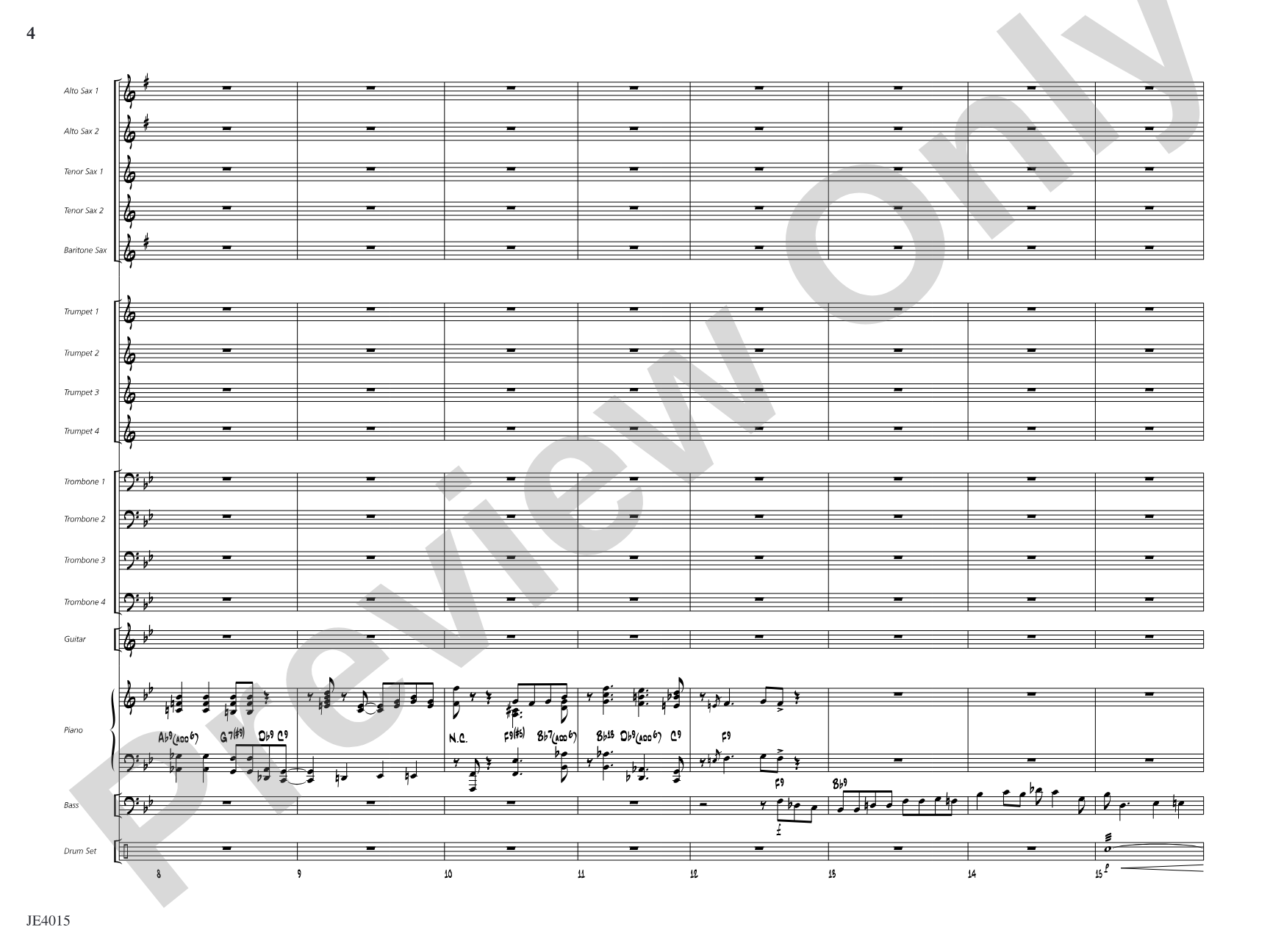
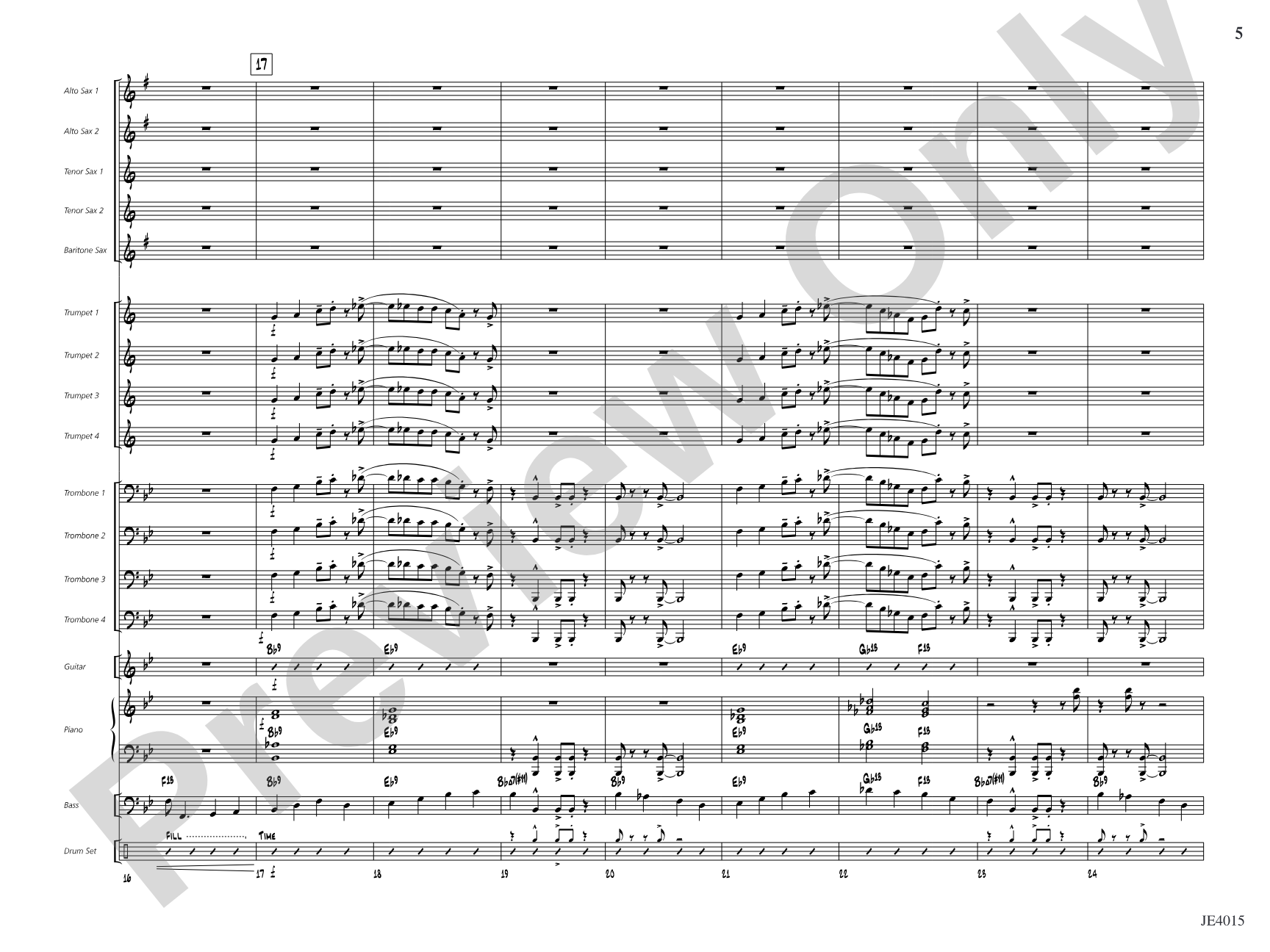
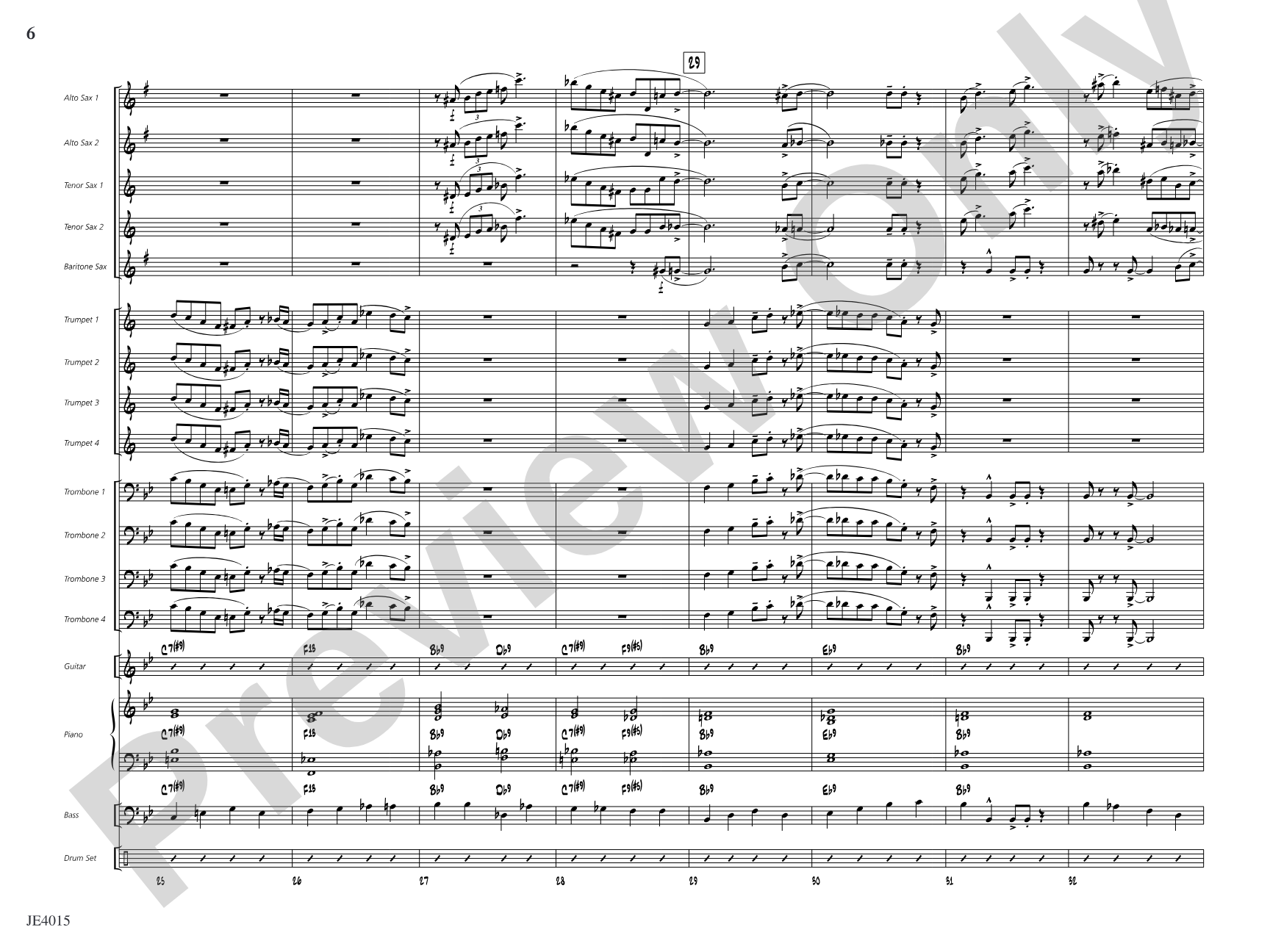
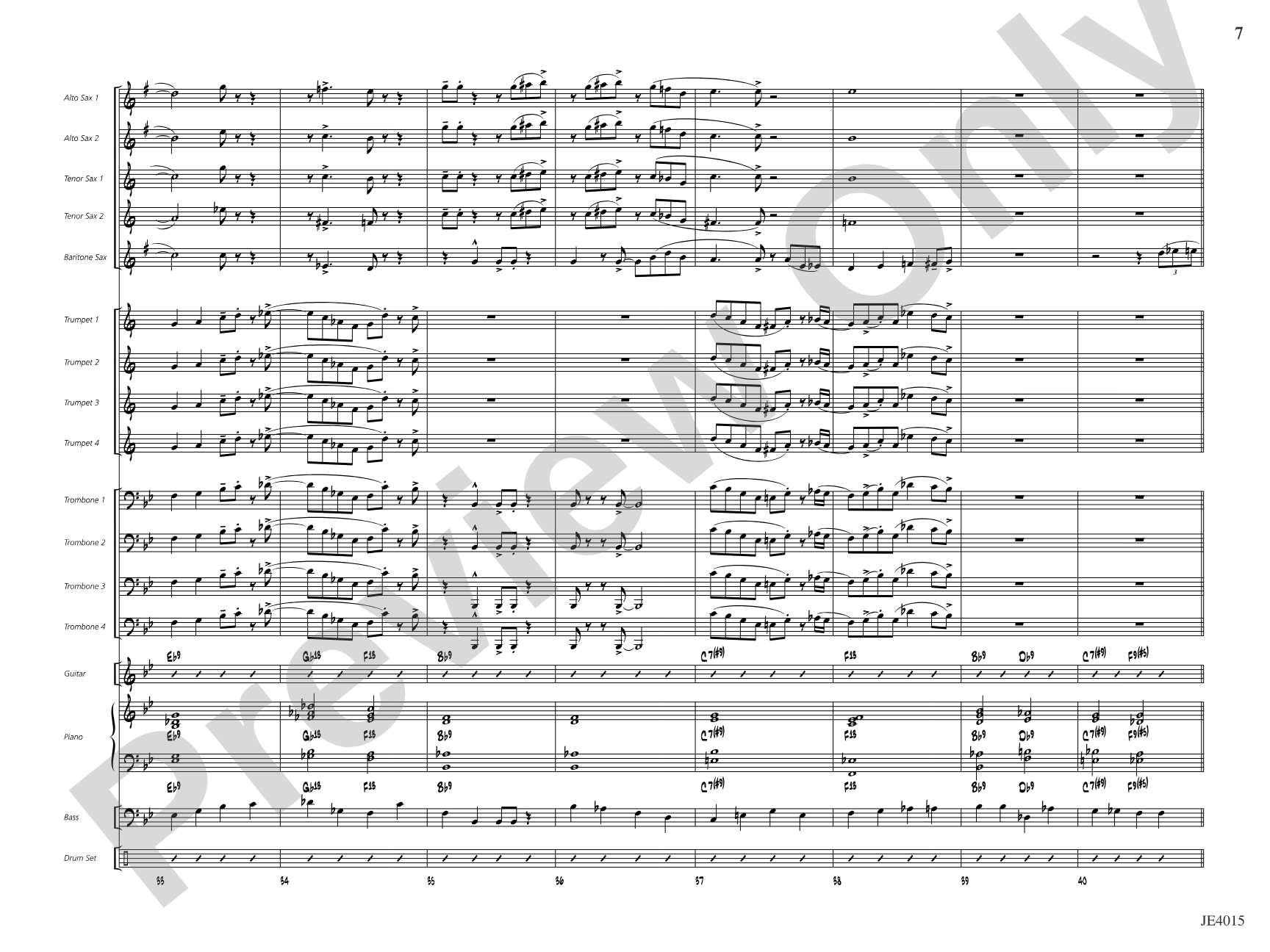
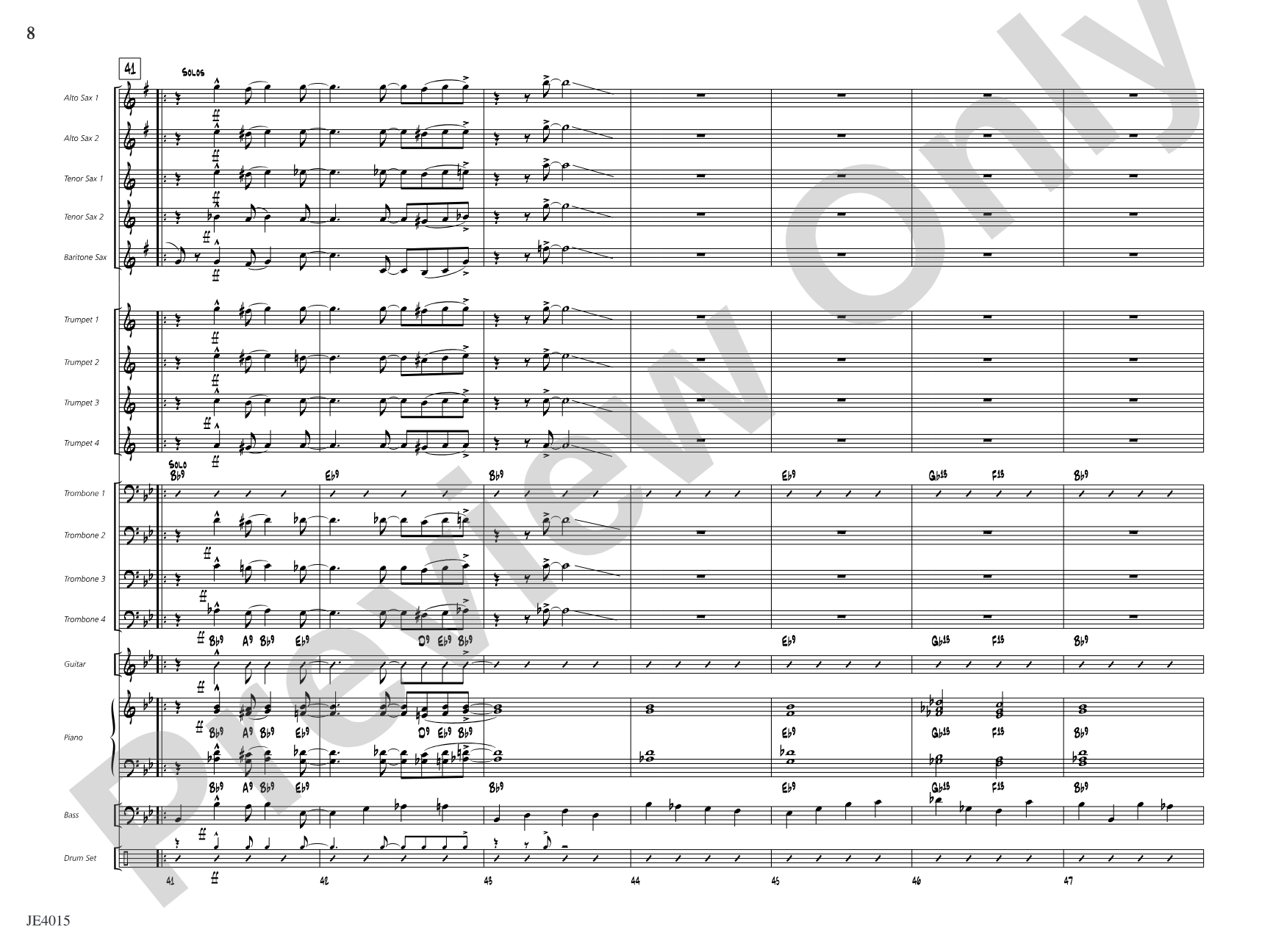
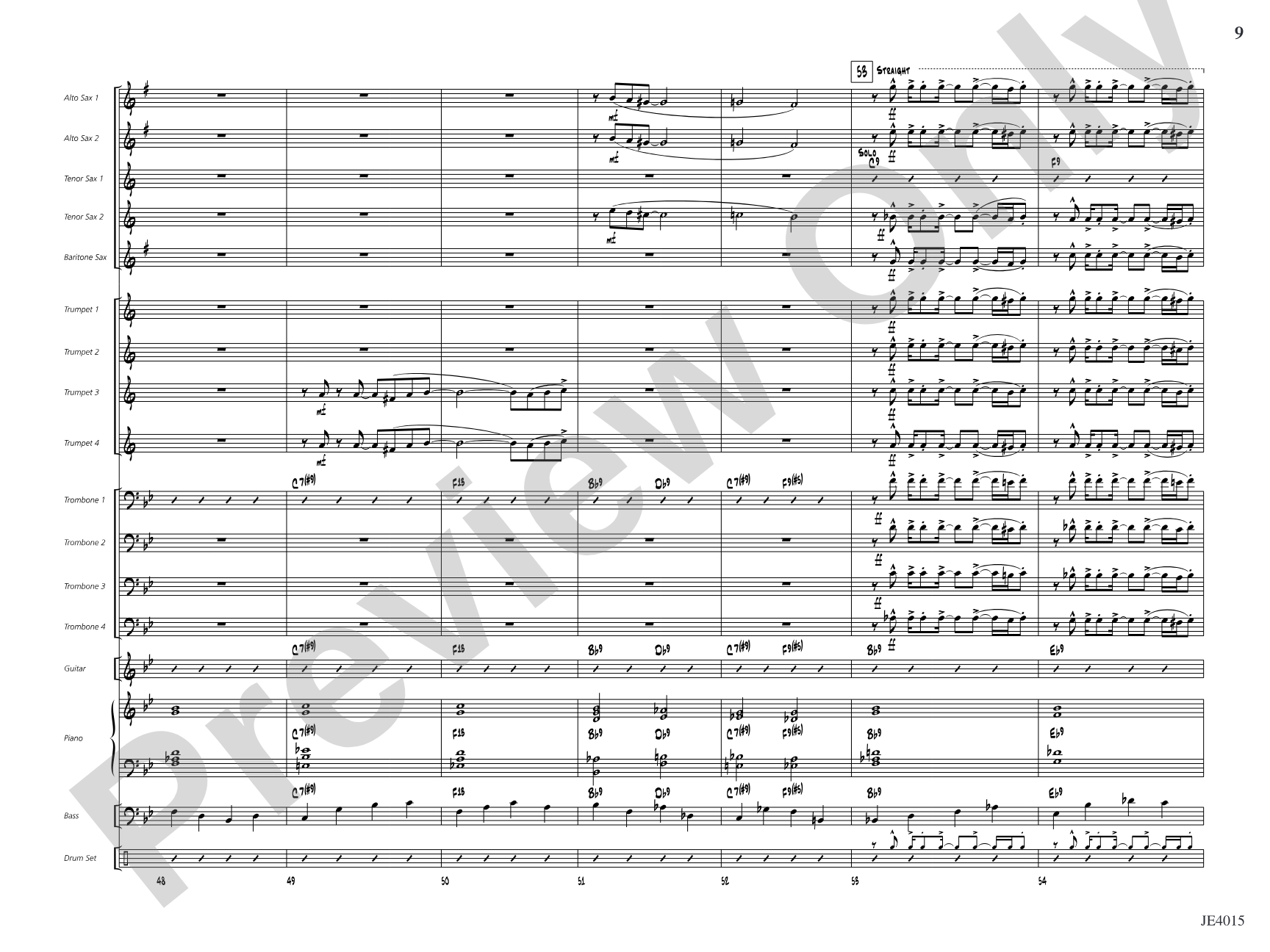
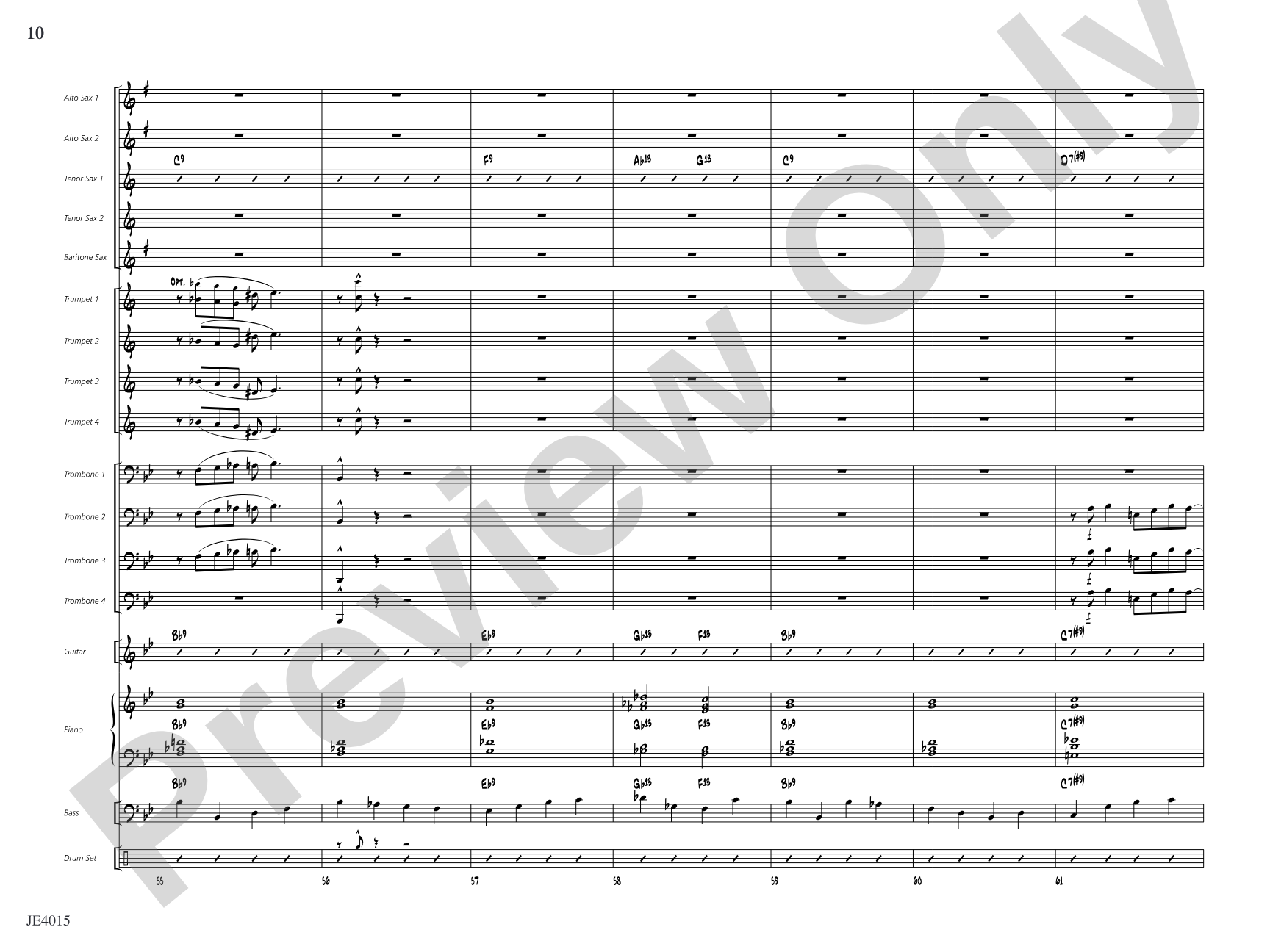
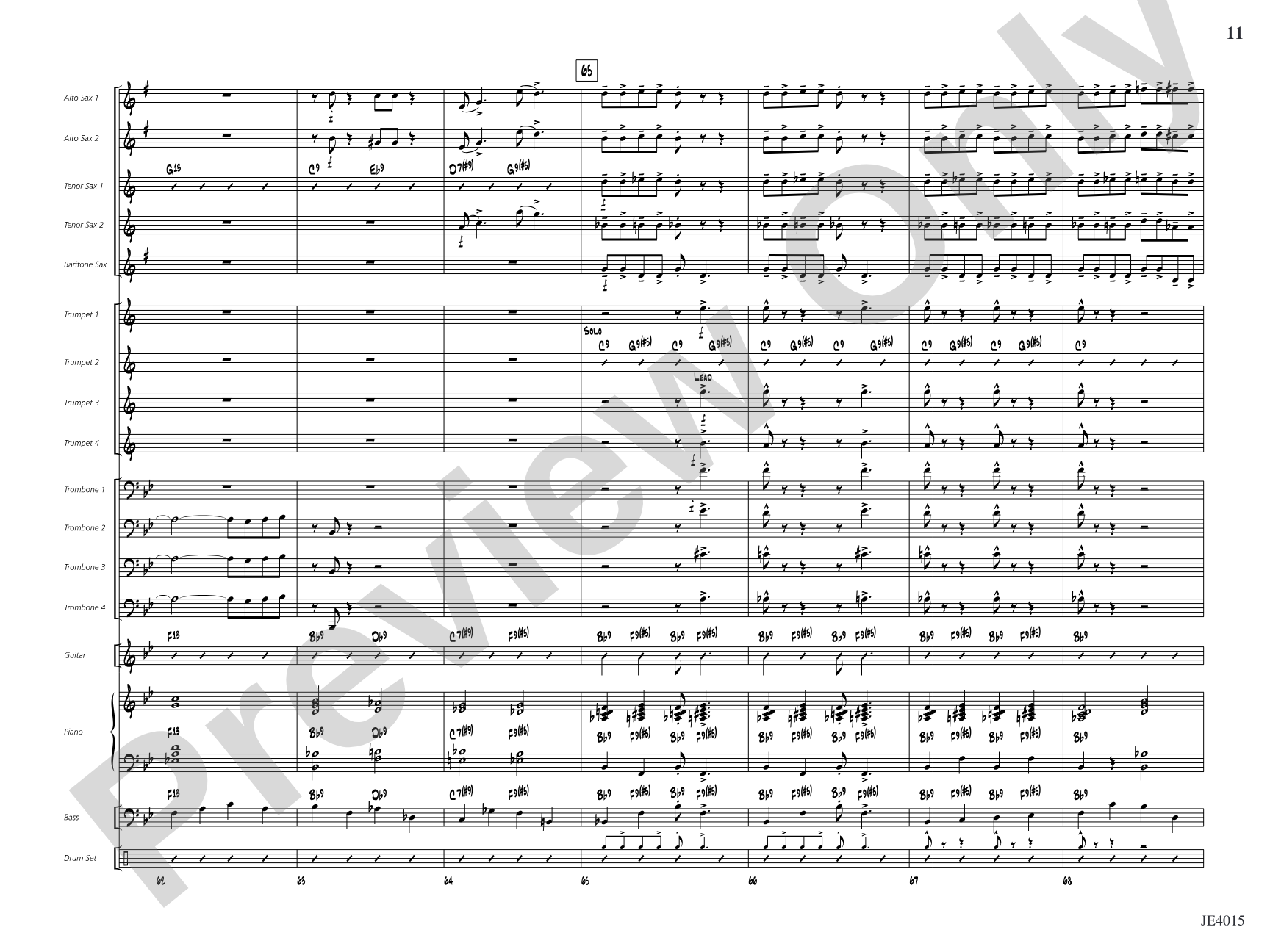
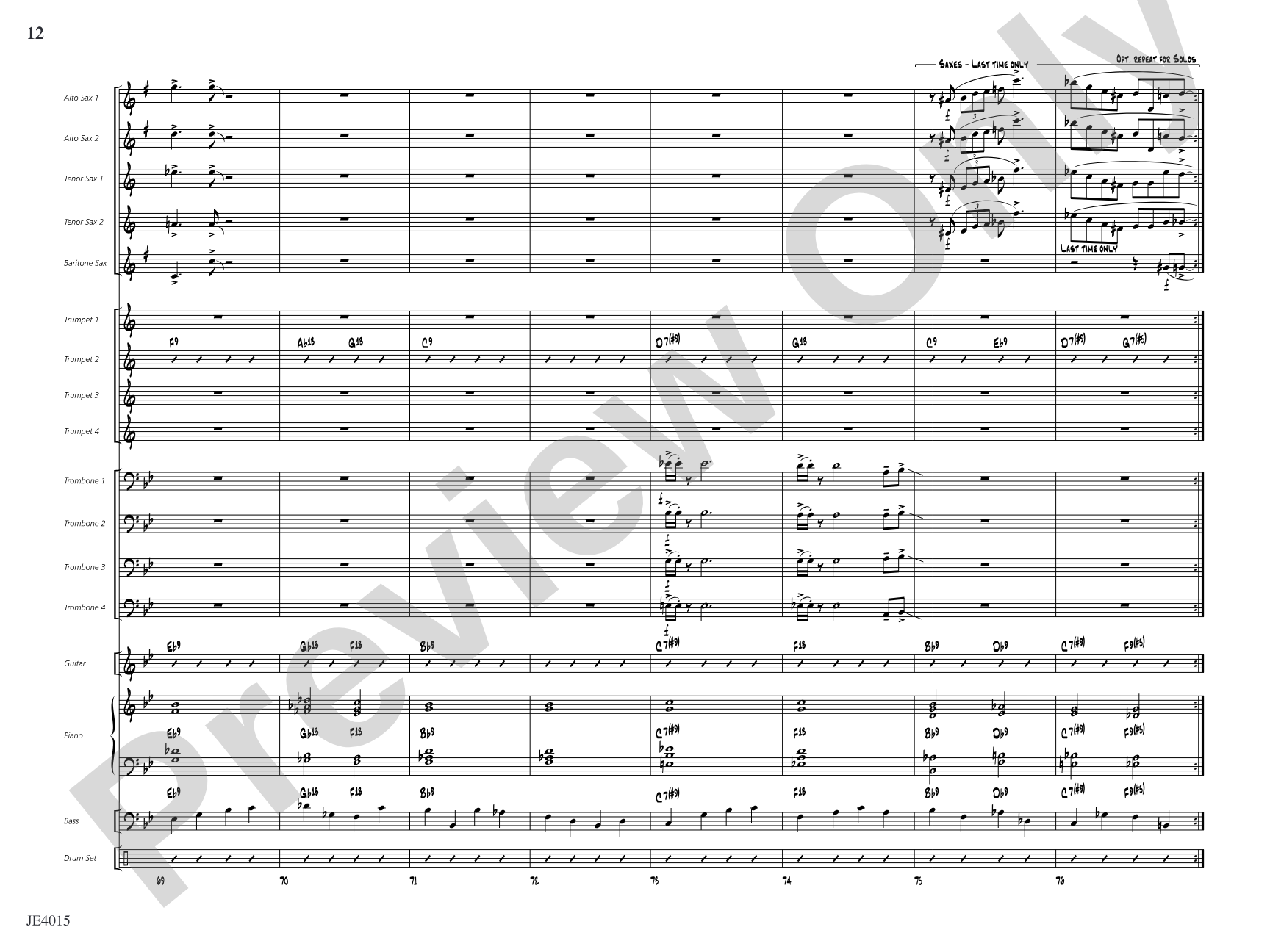
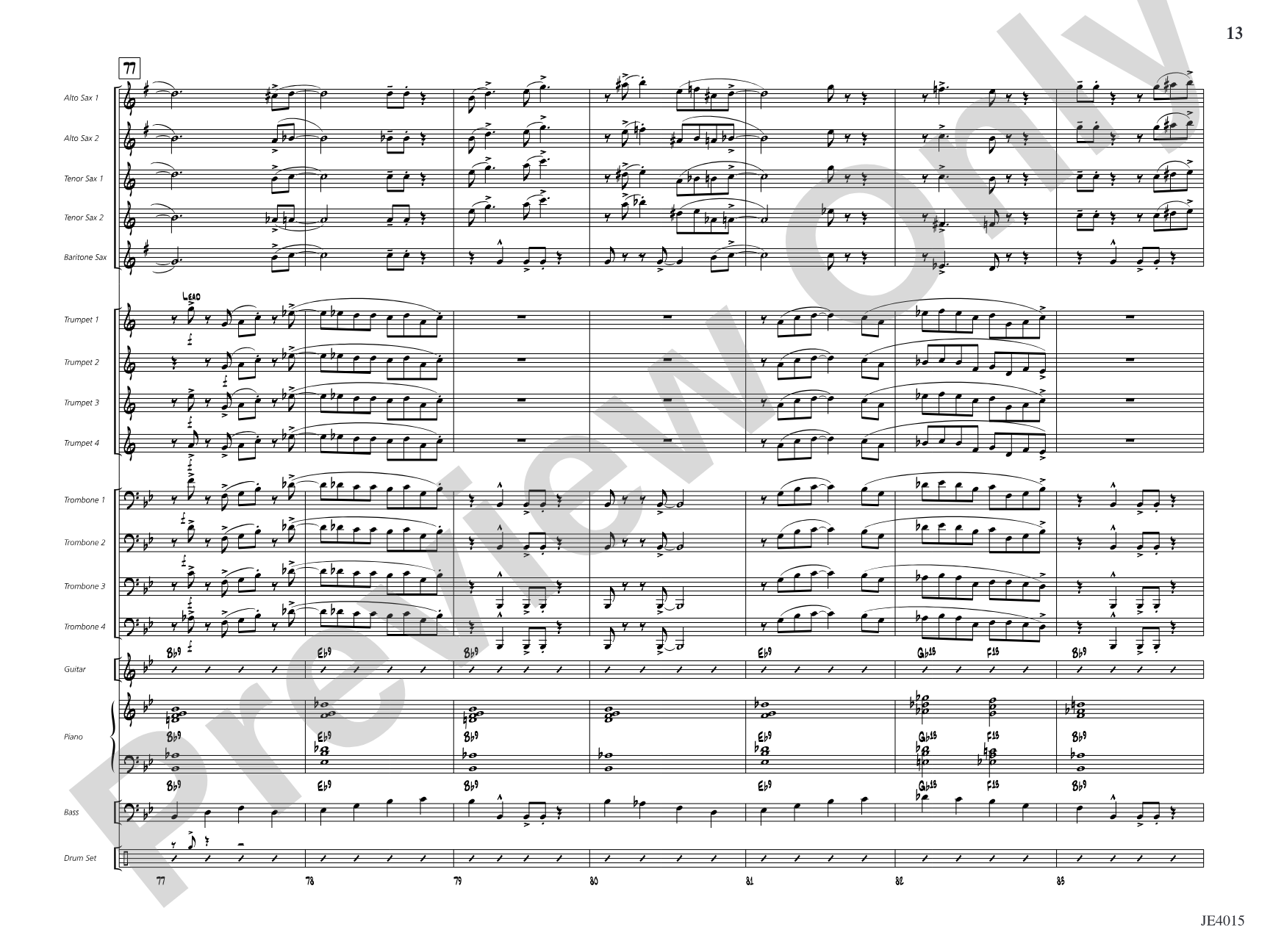
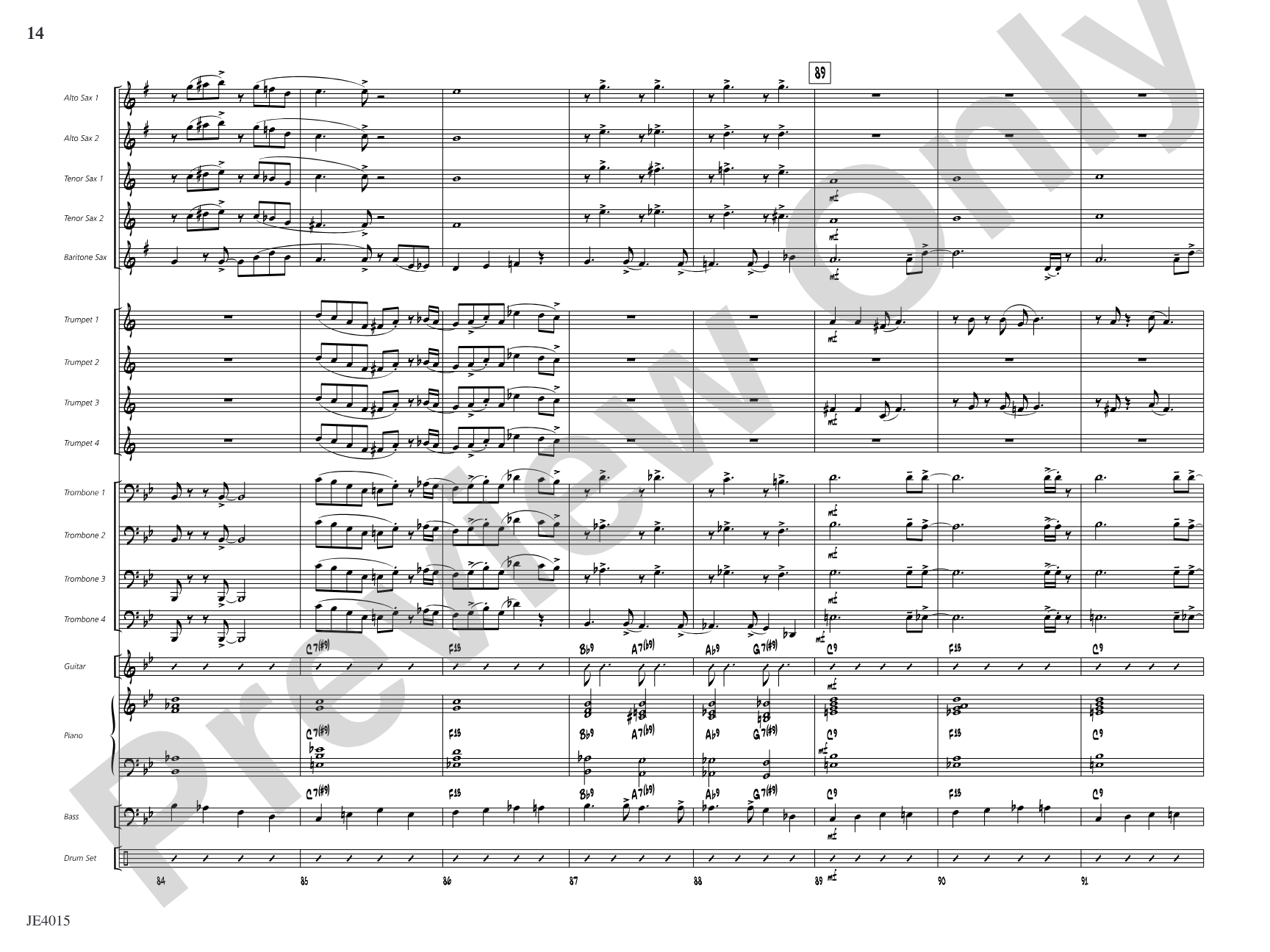
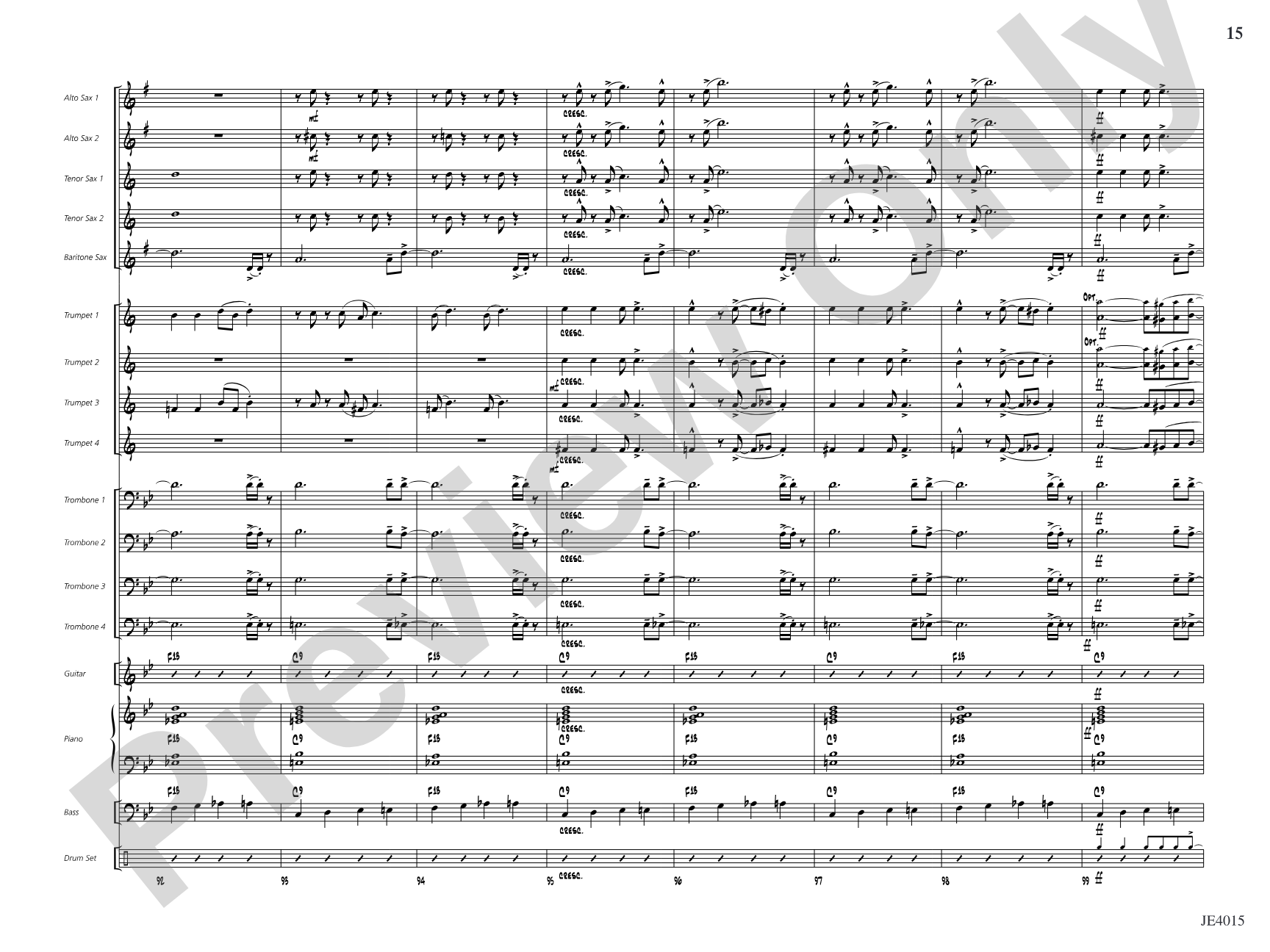
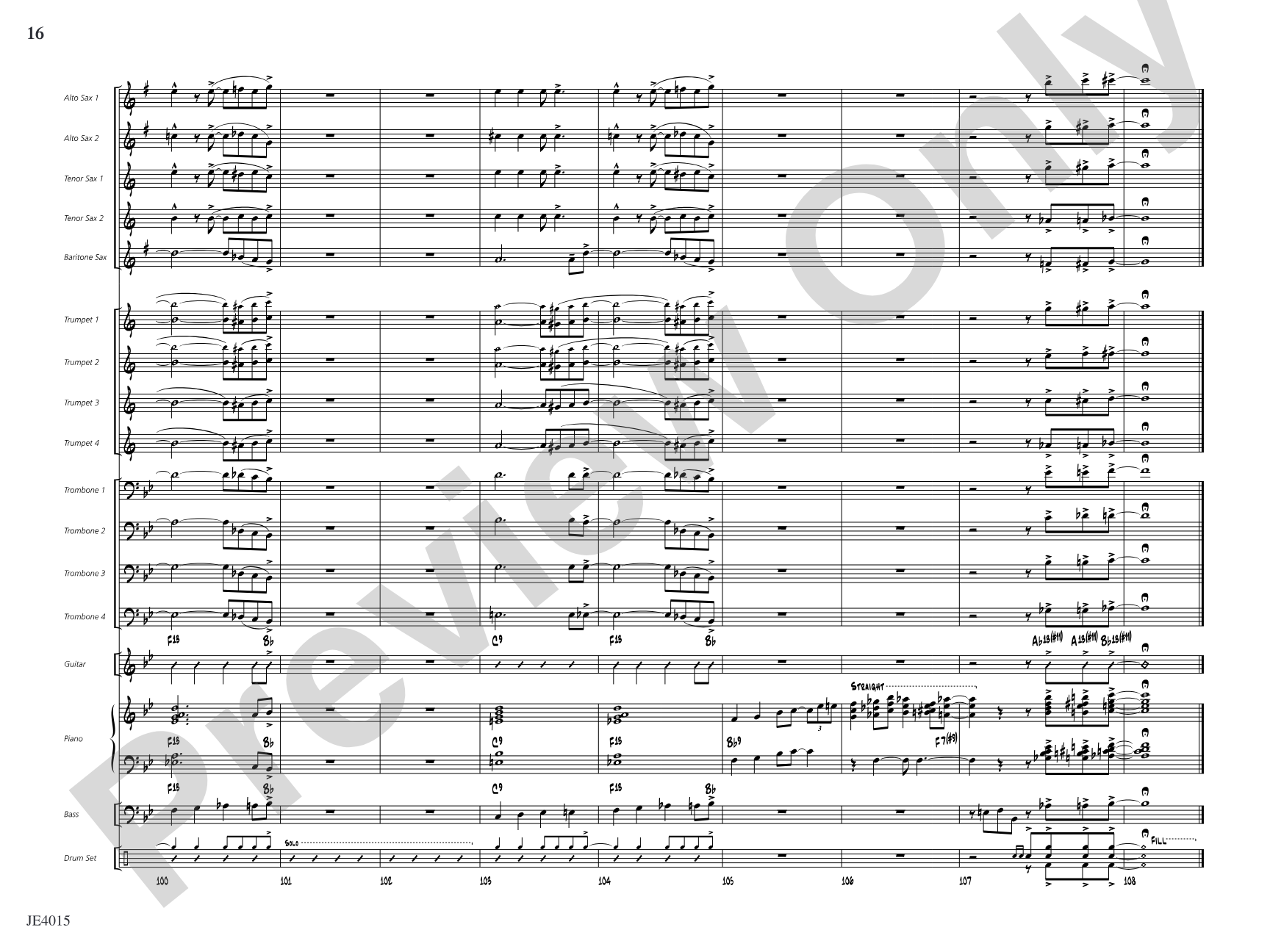
Straight ahead, Bb blues scored for big band, with the brass section playing the head against a sax tutti. Solo changes are written in the tenor, trumpet, and trombone parts, with room for additional solos.


Outback Boogie: Jazz Ensemble Conductor Score & Parts isn't in MakeMusic Cloud just yet...but it could be. Let us know you'd like to see it, and you'll help shape what comes next. In the meantime, start a free trial and dive into thousands of interactive titles your students can play along with today.
Request This Title
Tell us you want it.
Start Your Free Trial
Explore everything that's ready to play right now.
Sample Audio
1
Audio File
--:--
0:00
0:00
Sample Video
No sample videos found.
Additional Details
Series:
FJH Intermediate Jazz Ensemble
Publisher:
The FJH Music Company, Inc.
SKU:
98-DJE4015
More about this title
Why we love this
Les Taylor writes jazz that swings without pretension. Here, he sets up a classic blues head-solo-head architecture, but the brass-against-saxes texture gives it real bite. Your students get to hear how a big band actually functions: sections supporting soloists, not competing with them.
What to expect
Straight-ahead swagger. The kind of blues that sits in your body immediately, with brass hitting the melody and saxes underneath creating texture that feels both simple and sophisticated. It swings hard without leaving anyone behind.
Who it's for
Intermediate jazz ensembles ready to tackle a real blues form with written solos as scaffolding. Works equally well for groups still building their improv chops and those wanting a structured vehicle for developing players to solo in front of a working big band.
How to get the most out of it
- Keep the blues changes steady in the rhythm section; the head will lock immediately once the comping sits solid underneath it.
- Balance the brass section's melody line against the sax tutti so each voice reads clearly without one drowning the other out.
- Encourage soloists to reference the written changes but listen to the piano voicings; that dialogue is where the jazz lives.
- Mark section rehearsals by solo instrument so your tenor, trumpet, and trombone players can trade ideas about phrasing before they hit the full ensemble.
How to use it
This lives in the middle of a concert, after warm-ups have settled everyone into their sound but before ballads or more complex charts. Pair it with another Taylor piece or slot it between a standard and your group's first original composition to show students what solid small-combo thinking looks like when you scale it to the full band.
Skills your students will build
- reading and interpreting a 12-bar blues harmonic structure
- balancing sectional melody against ensemble texture
- comping changes in the rhythm section while supporting soloists
- transcribing and personalizing written solo changes
- listening to and responding to other players' phrases in real time