
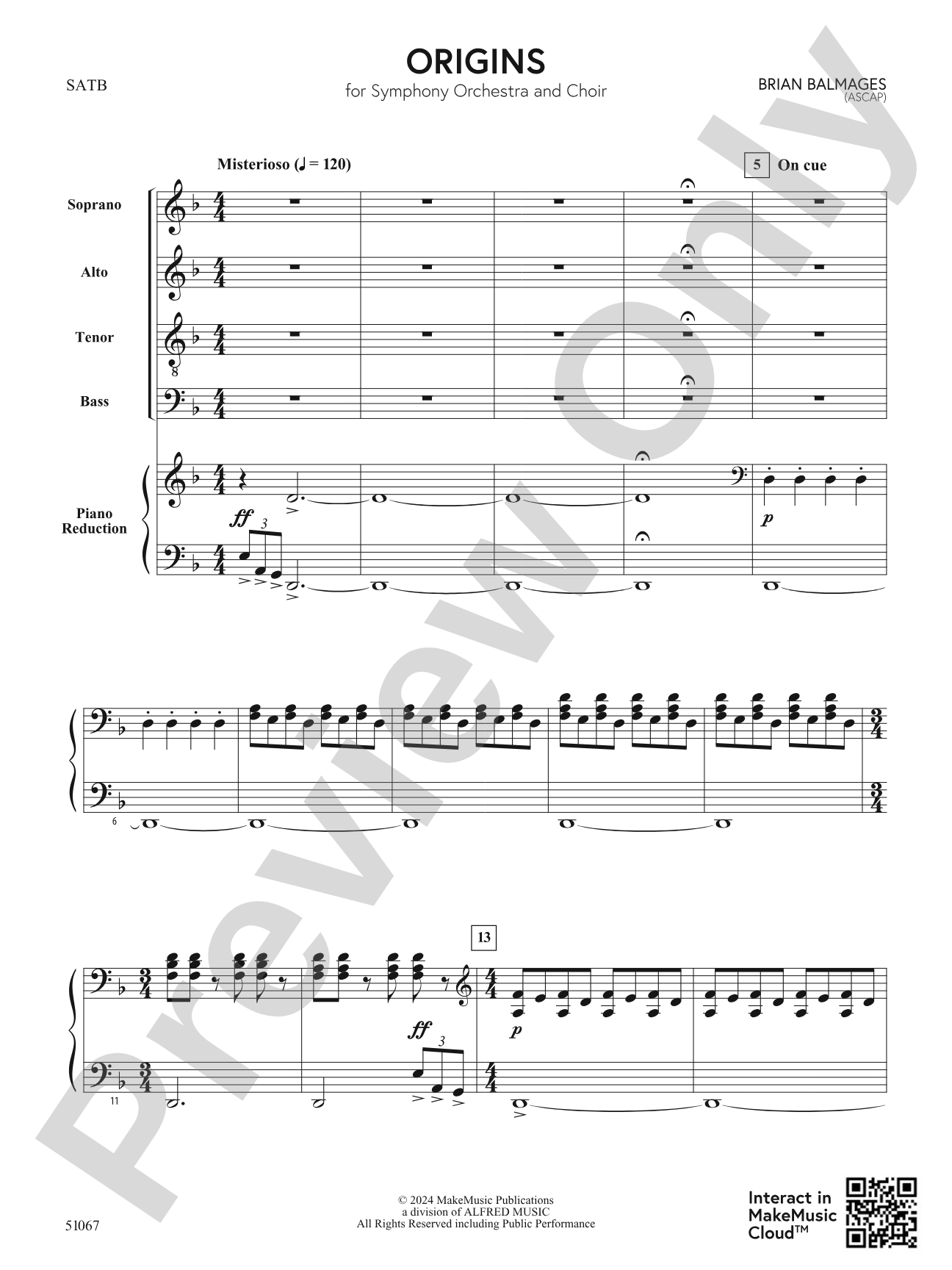
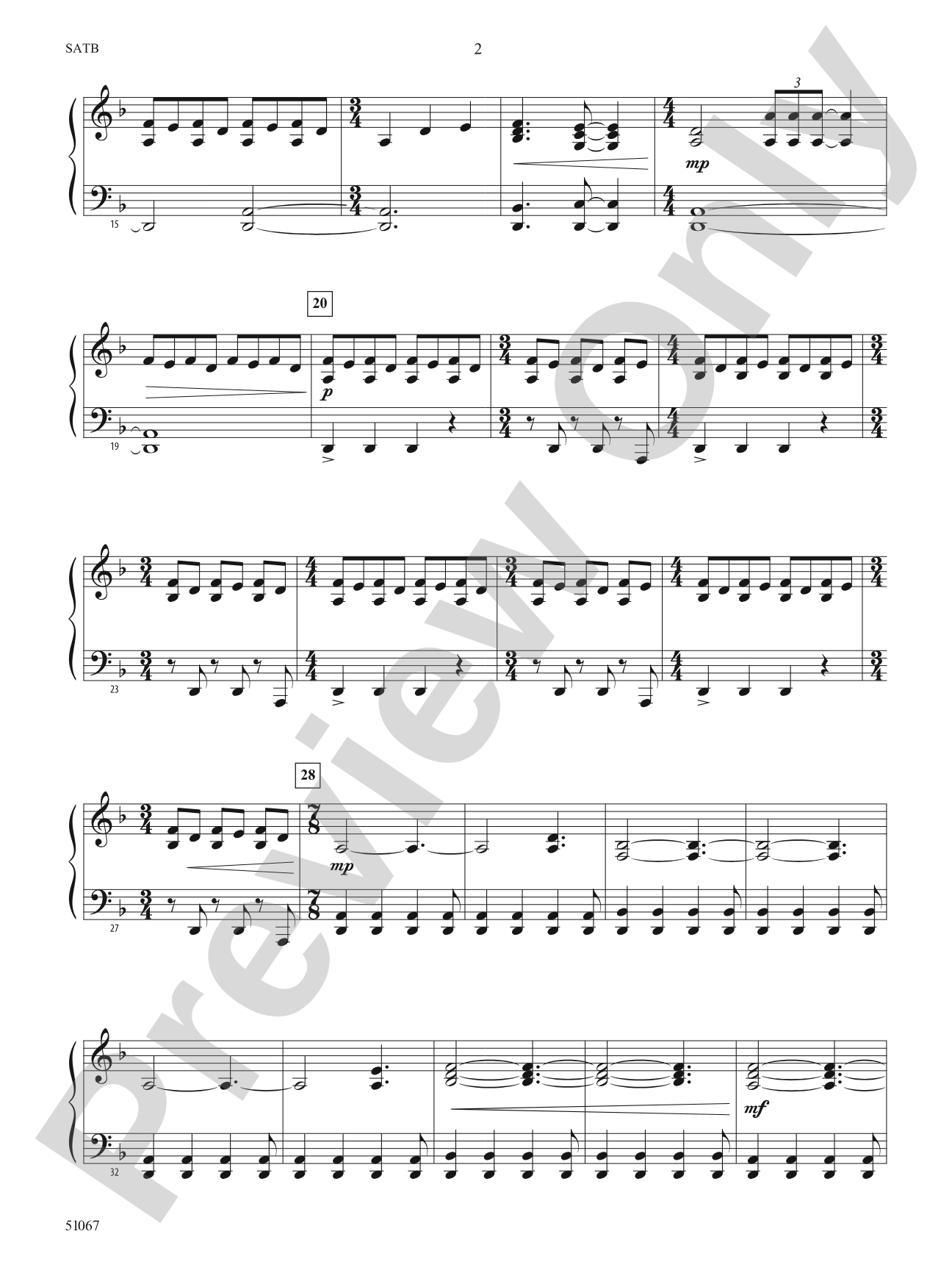
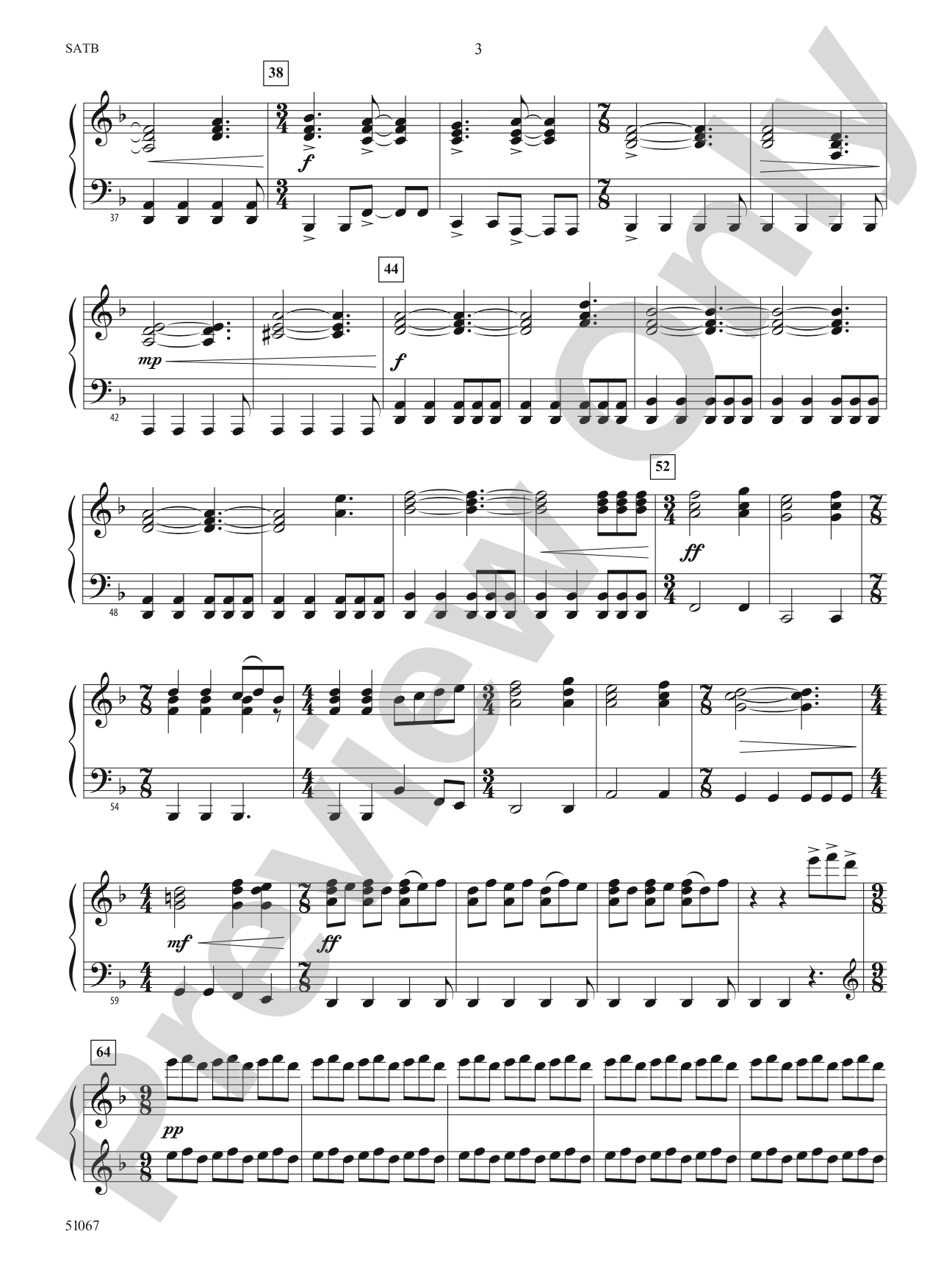

Origins: Full Orchestra SATB Choral Octavo
By Brian Balmages
Grade: 4
Item: 00-PO-0007316
$2.00
Minimum order quantity: 20 copies
Pickup currently not available
Description
This cinematic-inspired work by Brian Balmages will bring down the house in grand fashion! This is the optional SATB version with didgeridoo and wordless choir. Not just a piece, but an experience! (5:45)
00-51041 - Full Orchestra


00-51041 - Full Orchestra
Origins: Full Orchestra SATB Choral Octavo isn't in MakeMusic Cloud just yet...but it could be. Let us know you'd like to see it, and you'll help shape what comes next. In the meantime, start a free trial and dive into thousands of interactive titles your students can play along with today.
Request This Title
Tell us you want it.
Start Your Free Trial
Explore everything that's ready to play right now.
Sample Audio
No sample audio found.
Sample Video
No sample videos found.
Additional Details
Series:
MakeMusic Symphony Orchestra
SKU:
00-PO-0007316
More about this title
About the Composer: Brian Balmages

Brian Balmages has built a rare career composing across orchestral, band, and chamber idioms while maintaining the respect of performers at every level, from professional orchestras to elementary ensembles. His works have appeared on stages including Carnegie Hall, the Kennedy Center, and the Sydney Opera House, and his accolades include the A. Austin Harding Award, the 2020 NBA William D. Revelli Composition Contest, and membership in the American Bandmasters Association.
Beyond composition, Balmages works as a guest conductor for all-state, university, and professional ensembles worldwide, bringing his experience to regional clinics and conferences across North America and internationally. His commissions have ranged from university inaugurations to performances at the Presidential Inaugural Prayer Service. He currently leads MakeMusic Publications and Digital Education for Alfred and MakeMusic.
Why we love this
Balmages writes orchestral writing that sounds far richer than Grade 4 typically allows. The cinematic sweep and emotional arc of this piece give students the feeling of performing something consequential, while the optional wordless choir and didgeridoo add textural layers that keep rehearsals engaging and fresh. When you're programming a concert that needs a showstopper with genuine substance, this delivers it without requiring virtuoso soloists or impossible balance challenges.
What to expect
Origins unfolds like a journey emerging from silence into something vast and ceremonial. The combination of orchestral color, wordless voices, and the primal resonance of the didgeridoo creates an immersive soundscape that feels both contemporary and timeless, pulling audiences into a moment of genuine reverence and awe.
Who it's for
Any Grade 4 orchestra with access to a didgeridoo (or a brass player willing to learn one) and singers who can blend into an ensemble. This works equally well for orchestras that regularly collaborate with choirs and for bands looking to expand into full orchestral writing without overwhelming their players.
How to get the most out of it
- Balance the didgeridoo against the full orchestra early; it should sit as a foundational tone, not compete with the melodic voices. Have your low brass and woodwinds find it in rehearsal before adding the choir.
- The wordless choir thrives on vowel consistency across the ensemble. Spend time on this before adding text; unified tone color makes the cinematic effect work.
- Let the programmatic arc breathe. Resist the urge to rush through transitions; the piece's narrative power depends on clear sectional delineation.
- Record a rehearsal early and listen back as a section. The full orchestra plus choir plus didgeridoo creates a complex texture that benefits from a reality check outside the rehearsal room.
How to use it
Reserve this for your second half or closer. The five-minute-plus duration and cinematic intensity make it a centerpiece rather than an opener, and it pairs well alongside other Balmages works or modernist orchestral pieces that value color over traditional developmental techniques. Festival programs especially benefit from this piece as a statement piece.
Skills your students will build
- Reading and performing in mixed meters and variable time signatures
- Blend and balance in large ensemble textures with multiple timbral layers
- Ensemble intonation across extended unison and harmonic writing
- Sustaining focus through longer formal structures without traditional harmonic anchors
- Collaborative musicianship between orchestra and vocal ensemble