Orchid Cover Image

Orchid: String Orchestra Conductor Score & Parts

$50.00 USD
Sale price  $50.00 USD Regular price 
Skip to product information
Orchid Cover Image

Orchid: String Orchestra Conductor Score & Parts

By Yukiko Nishimura

Grade: 3

Item: 00-49473

makemusic Cloud badge

Need it now?

Buy Digital Version
$50.00
Shipped

One moment…

Description
Orchid by Yukiko Nishimura is a lyrical piece with a warm and lovely chord progression that brings delicate emotion to the incredibly beautiful melody line. Your string orchestra will perform expressively as they play from the heart. (3:30) This title is available in MakeMusic Cloud.

Don't just read it, hear it, play along with it, and watch your students grow with it. In MakeMusic Cloud, Orchid: String Orchestra Conductor Score & Parts comes alive with professional accompaniment, adjustable tempo, and built-in practice tools that turn solo practice into real progress.

Sample Pages

Sample Audio
0:00
0:00
Sample Video
Additional Details
Series: Highland String Orchestra (HSO)
Publisher: Alfred Music
ISBN10: 1-4706-5004-5
ISBN13: 978-1-4706-5004-9
UPC: 038081570822
SKU: 00-49473

More about this title

About the Composer: Yukiko Nishimura
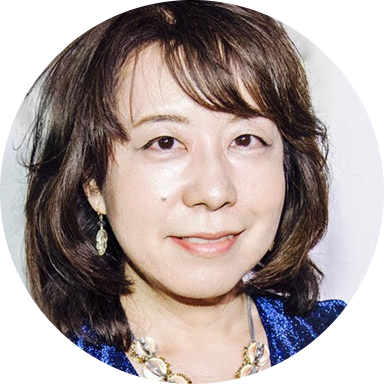
Yukiko Nishimura

Yukiko Nishimura is a composer and pianist who studied at Tokyo University of the Arts and later pursued advanced composition training in the United States with mentors including Dr. Alfred Reed and Dr. Richard Danielpour. Her career spans concert music, theatrical works, film scoring, and commissions across multiple genres; her compositions have been performed at venues including Carnegie Hall and have earned recognition at international composition competitions.

Nishimura's body of work encompasses piano, chamber music, band, orchestral writing, and percussion. She has collaborated on theatrical productions, silent film accompaniments, and traditional Japanese Noh theater, establishing herself as a versatile composer equally at home in contemporary Western concert music and cross-cultural artistic projects. Her recent work has garnered nominations for the Hollywood Music in Media Award.

Why we love this

Orchid strikes that rare balance between accessibility and genuine emotional substance. The chord progression and melody line carry real warmth without requiring advanced technique, making this a rewarding choice for Grade 3 orchestras that want to sound expressive and intentional rather than mechanical. It's also a strong festival selection that showcases lyrical playing without placing excessive demands on younger players.

What to expect

Orchid unfolds with the quiet beauty of its namesake flower. The melody carries a gentle, introspective quality supported by warm harmonic movement that feels both contemporary and immediately accessible. Players will find themselves naturally drawn toward lyricism, discovering that the emotional core of the piece lives in simplicity and restraint rather than technical display.

Who it's for

String orchestras at the Grade 3 level seeking repertoire that rewards expressive, singing playing without overwhelming younger performers technically. This works equally well for festival preparation or concert programming when you want your orchestra to demonstrate musicianship and emotional maturity.

How to get the most out of it

  • Shape the melody phrase by phrase rather than note by note; the "heart" in the music emerges when players think in longer lines and avoid over-articulating.
  • Balance the chord progressions carefully across your string sections so the harmonic colors register without drowning out the primary melodic voice.
  • Use the 3:30 duration as a guide for tempo; resist the urge to linger too long on beautiful moments, as the piece's emotional impact depends on steady forward motion.
  • Attend to dynamic control in the middle voices; delicate emotion comes from what the violas and second violins contribute, not just the soloists.

How to use it

Program this as a contrasting selection between more energetic works, or pair it with other lyrical Grade 3 repertoire to demonstrate your orchestra's range. Its modest length and introspective character also make it ideal for festival submissions where you want to showcase singing tone and ensemble balance.

Skills your students will build

  • Phrasing and line shaping in ensemble context
  • Sustaining warm tone across dynamic changes
  • Voice leading awareness and harmonic listening
  • Balancing melodic and harmonic material across sections
  • Expressive playing without technical virtuosity

You May Also Like
