
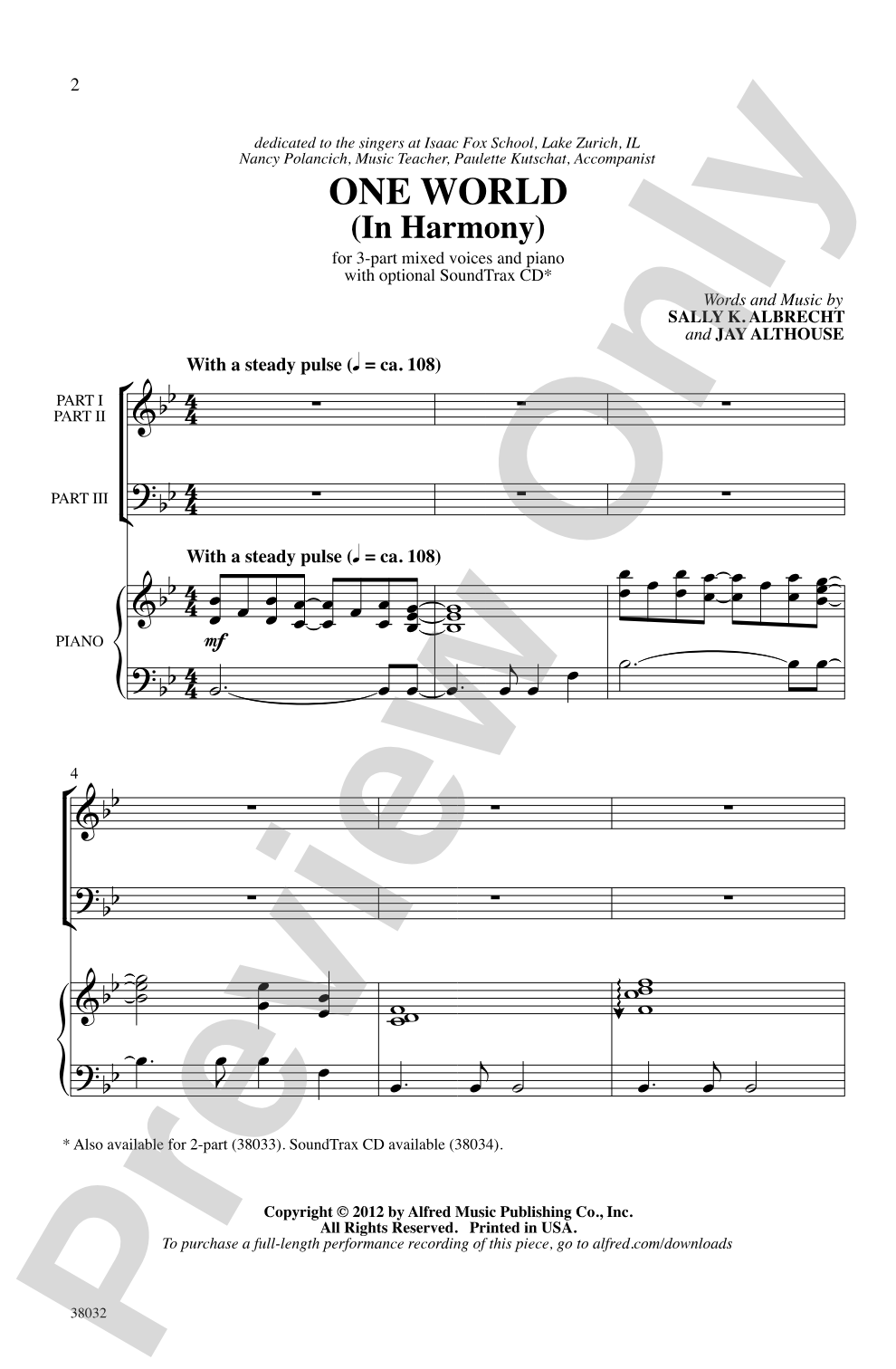
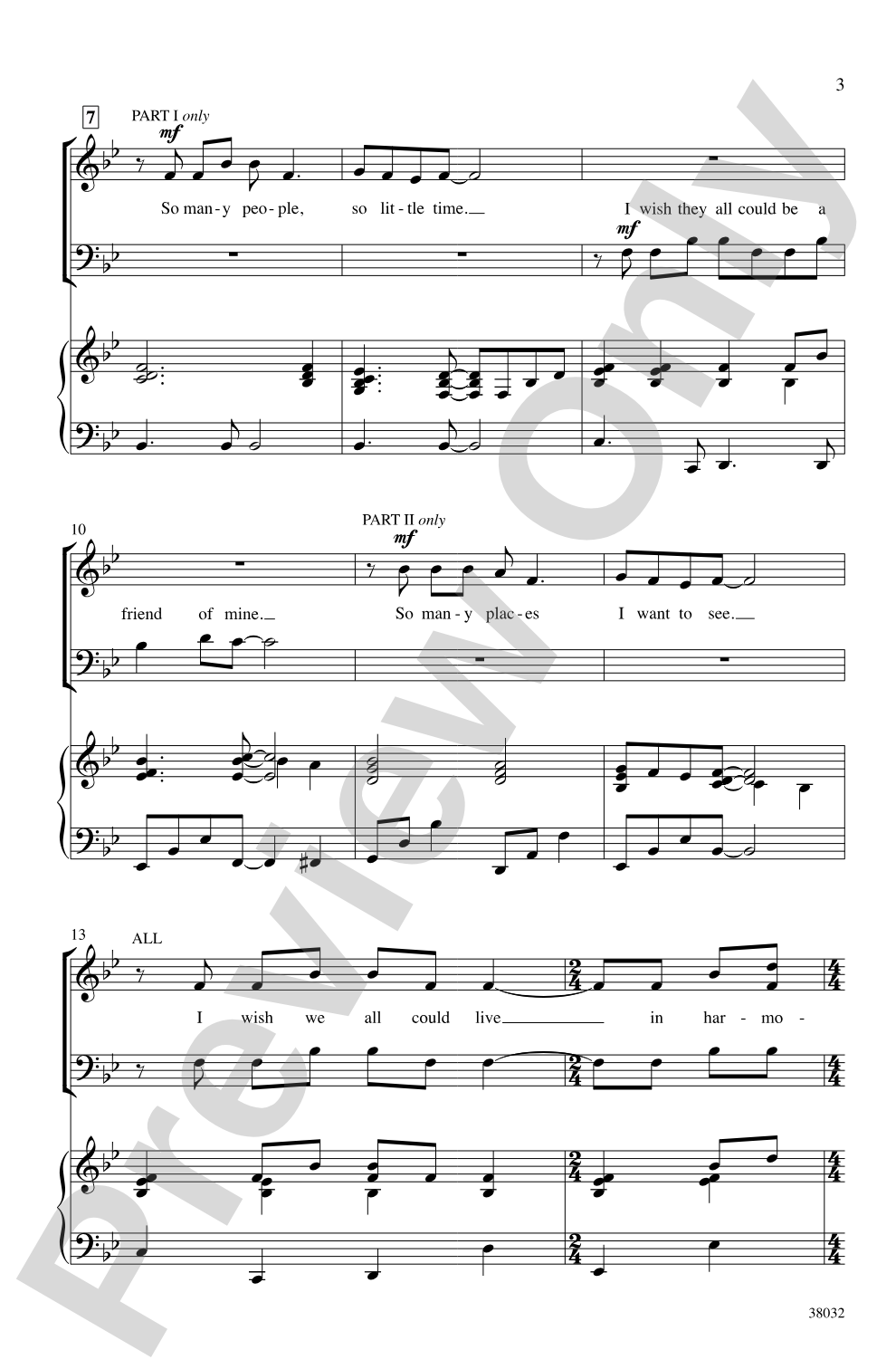

One World: 3-Part Mixed Choral Octavo
In Harmony
Words and music by Sally K. Albrecht and Jay Althouse
Item: 00-PO-0001346
$2.25
Minimum order quantity: 20 copies
Pickup currently not available
Description
A stirring text combined with solid choral writing make this an ideal choice for concerts and festivals. A dramatic choral work, full of strength, power, and determination. "We are one world with one dream, and when we sing together peace and harmony is the theme." Featured on Lift Me Up! choral movement DVD (00-38171). Check this out! https://leapingbrain.com/modshop/product/?shop=9&product=5659


One World: 3-Part Mixed Choral Octavo isn't in MakeMusic Cloud just yet...but it could be. Let us know you'd like to see it, and you'll help shape what comes next. In the meantime, start a free trial and dive into thousands of interactive titles your students can play along with today.
Request This Title
Tell us you want it.
Start Your Free Trial
Explore everything that's ready to play right now.
Sample Audio
1
Audio File
--:--
0:00
0:00
Sample Video
No sample videos found.
Additional Details
Series:
Alfred Choral Designs
Publisher:
Alfred Music
Page Count:
12
SKU:
00-PO-0001346
More about this title
About the Composer: Sally K. Albrecht
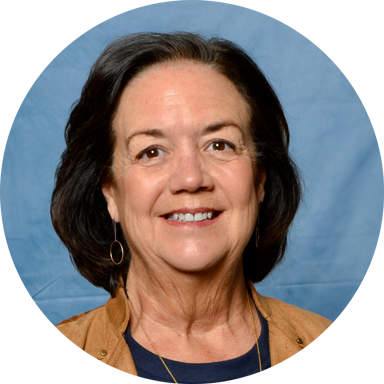
Sally K. Albrecht has shaped American choral music for over four decades as a composer, conductor, and advocate for choral movement in schools. Since 1987, she has been a consistent recipient of the ASCAP Special Music Award, with more than 600 published choral works and 75 larger musicals and songbooks in circulation. She spent three decades leading school choral and vocal publications at major educational publishers, including Alfred Music, and has conducted honor choirs at Lincoln Center, Carnegie Hall, and The Kennedy Center.
Educated at Rollins College (B.A. in Music and Theater) and the University of Miami (M.A. in Drama and M.M. in Accompanying), Albrecht brings both compositional depth and theatrical sensibility to her work. She has taught at Oakland University, Jersey City State College, and Meredith College. In 2021, she received the Distinguished Alumna Award from both the University of Miami Frost School of Music and Rollins College, where she serves on the Board of Trustees. She lives in North Carolina with her husband, composer and arranger Jay Althouse.
Why we love this
Albrecht and Althouse craft choral writing that balances accessibility with genuine musicality, giving singers something substantive to perform without requiring advanced ranges or complex voice leading. The message of unity carries real weight without sounding didactic, and the inclusion of movement and staging options makes this a natural fit for directors who want their students physically engaged and visibly invested in the performance.
What to expect
The piece radiates determination and hope. Solid harmonic writing supports an uplifting text without becoming saccharine; instead, there is sincerity and backbone to the song, making singers feel the weight of what they are saying. The combination of dramatic choral power and accessibility creates a performance that audiences remember.
Who it's for
Choir directors seeking a secular concert piece that speaks meaningfully to ensemble and audience alike will find a reliable choice here. This works well for mixed choirs in middle school through early high school settings, where the three-part SAB voicing accommodates developing singers while the movement component captures student energy and engagement.
How to get the most out of it
- Build the dramatic arc gradually. The piece gains power through cumulative strength rather than starting at full volume, so shape dynamics carefully to let the text's conviction build phrase by phrase.
- Use the recorded accompaniment to establish a steady, confident tempo. This piece thrives on forward motion and clarity of rhythm, so locking into the accompaniment's pulse early pays off in rehearsal.
- Integrate the movement and staging elements from the outset. Since these are built into the composition's design, blocking and choreography aren't optional extras; they're part of how the piece communicates.
- Attend to diction as a unifying force. The refrain 'We are one world with one dream' gains impact through precise, synchronized text delivery, so make this your rhythmic and articulation anchor.
How to use it
Program this as a centerpiece for concerts celebrating themes of unity, community, or global awareness. Its theatrical elements also make it ideal for festival competitions or school assemblies where visual presence matters as much as vocal quality. The piece works equally well as a spring concert feature or as part of a larger thematic programming arc.
Skills your students will build
- Sustaining vocal tone across longer phrases
- Balancing ensemble blend while maintaining clear voice parts in SAB texture
- Coordinating movement with sustained singing
- Shaping musical dynamics to support textual meaning
- Ensemble diction and rhythmic unity in refrain-based structures