One Small Step Cover Image

One Small Step: 2-Part Choral Octavo

$2.25 USD
Sale price  $2.25 USD Regular price 
Skip to product information
One Small Step Cover Image

One Small Step: 2-Part Choral Octavo

Music by Sally K. Albrecht and Jay Althouse

Item: 00-16397

makemusic Cloud badge

Need it now?

Buy Digital Version
$2.25
Shipped

One moment…

Description
Opens with a quiet statement of the melody (may be performed by male and female soloists), builds with an inspiring message ('One small step bringing us all a little bit closer."), then ends as gently and quietly as it began. Comfortable ranges, logical part writing, singable melodies, thoughtful text: all the best from Sally Albrecht and Jay Althouse.

Don't just read it, hear it, play along with it, and watch your students grow with it. In MakeMusic Cloud, One Small Step: 2-Part Choral Octavo comes alive with professional accompaniment, adjustable tempo, and built-in practice tools that turn solo practice into real progress.

Sample Pages

Sample Audio
No sample audio found.
Sample Video
Additional Details
Series: Alfred Archive Edition: Alfred Choral Designs
Publisher: Alfred Music
Page Count: 12
UPC: 038081143064
SKU: 00-16397

More about this title

About the Composer: Sally K. Albrecht
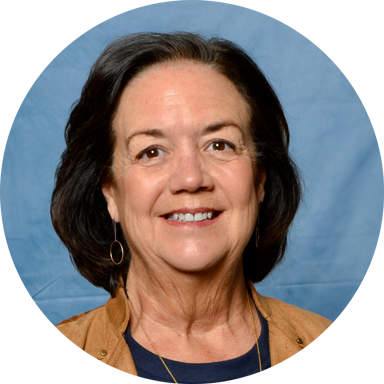
Sally K. Albrecht

Sally K. Albrecht brings three decades of experience as a choral composer, conductor, and clinician to every piece she writes. Since 1987, she has been a consistent recipient of the ASCAP Special Music Award, and her catalog includes over 600 choral publications alongside 75 full-length musicals and songbooks. She has conducted honor choirs at major venues including Lincoln Center, Carnegie Hall, and The Kennedy Center, and spent more than 30 years leading choral, vocal, and elementary music publications at two major educational publishers, including her tenure as Director of School Choral Publications at Alfred Music.

Her academic background spans music, theater, and accompanying. Albrecht earned her B.A. from Rollins College (Florida) in 1976 with majors in Music and Theater, then completed both an M.A. in Drama (1977) and an M.M. in Accompanying (1979) at the University of Miami. She has taught at Oakland University, Jersey City State College, and Meredith College. Her collaborative partnership with composer and arranger Jay Althouse has shaped much of the contemporary choral repertoire for young singers. In recognition of her contributions to music education and leadership, she received the Distinguished Alumna Award from both the University of Miami Frost School of Music and Rollins College in 2021.

Why we love this

Albrecht and Althouse understand that young singers need both musical substance and accessibility, and this piece delivers both without compromise. The architecture is deliberately elegant: opening soloist phrases that draw listeners in, a text with genuine emotional weight, and a gentle close that mirrors the beginning. Choirs consistently sing this with maturity because the part writing respects their voices and the message resonates with the occasion.

What to expect

This piece moves quietly through the listener's awareness like a moment of recognition. It opens in intimate solitude, gathers collective voice around an idea that matters, then retreats into gentle affirmation. The singable melodies and comfortable ranges mean singers focus on meaning rather than mechanics.

Who it's for

Young choirs singing 2-part music who are ready for more sophisticated text and emotional storytelling. Directors seeking repertoire for graduation, peace-themed concerts, or Earth Day programming will find singers who rise to the occasion with this piece.

How to get the most out of it

  • Shape the opening solo passages with clear intention even at soft dynamics; these quiet moments set the emotional tone and should feel purposeful rather than tentative.
  • Build the middle section gradually, allowing the full choir to swell naturally into the inspiring message without pushing through tension or strain.
  • Balance treble and lower voices carefully throughout; the logical part writing means both lines sing equal importance, so neither should disappear during transitions.
  • Let the return to quietness at the end mirror the opening with the same care and detail you gave the beginning, treating the final phrases as a gentle bookend rather than a diminuendo toward nothing.

How to use it

Program this as a reflective anchor in a spring concert, particularly one addressing themes of connection, growth, or collective action. It pairs well alongside more energetic selections, offering contrast without demanding a special performance space or extensive staging, though the piece does accommodate movement if your director wants to incorporate it.

Skills your students will build

  • Singing sustained, soft passages with control and presence
  • Part independence while maintaining musical unity in 2-part writing
  • Responding to text-driven phrasing and emotional arc
  • Balancing solo and ensemble singing within a single piece

You May Also Like
