Once In A While Sheet Music Preview

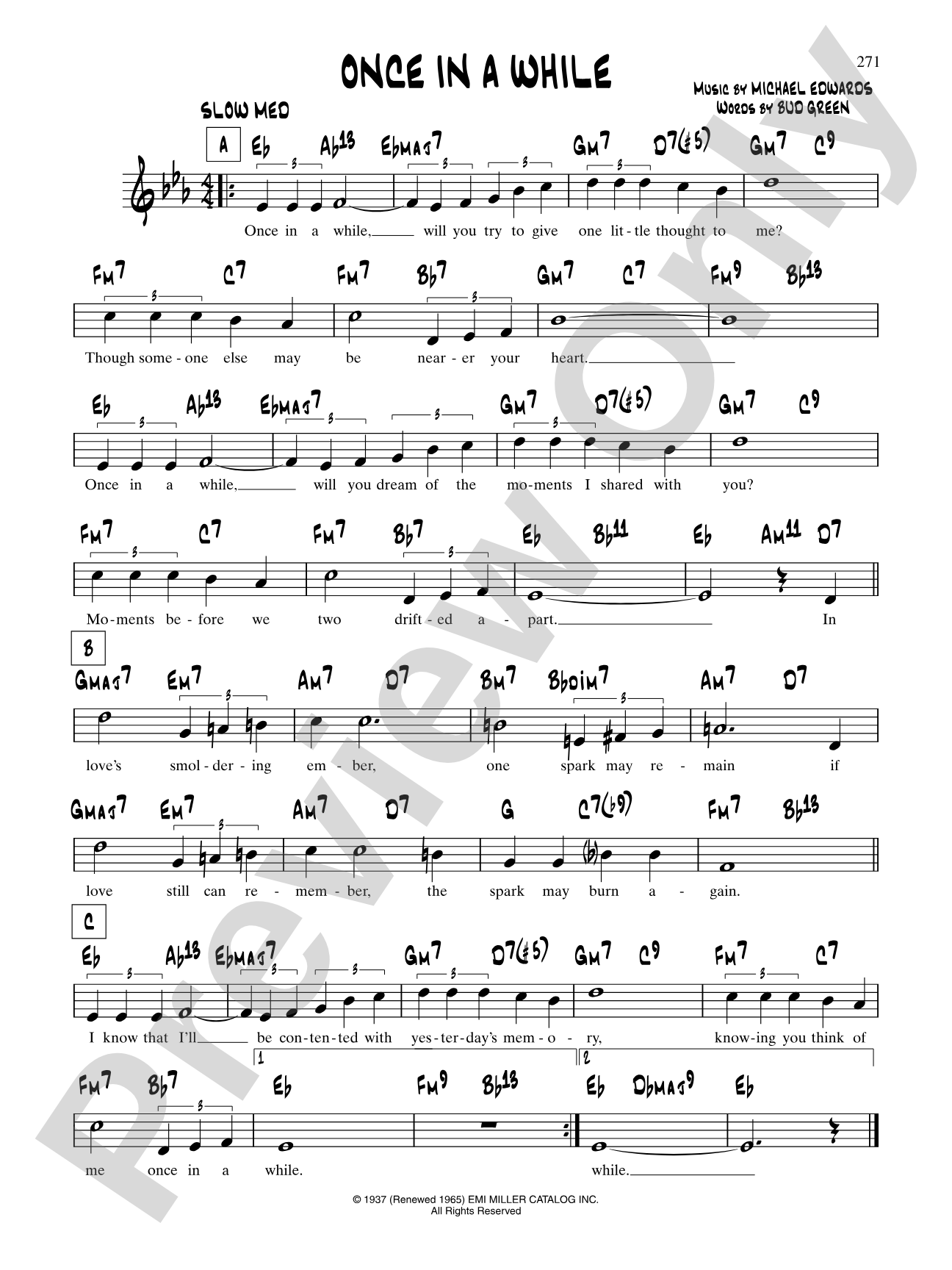
Once In A While: Lead Sheet

Thomas "Fats" Waller

Level: Intermediate / Advanced

Item: 00-PSL-000157

Digital Download
$4.99

One moment…

Description
The artist's own piano arrangements of titles he made famous. Pianists will find no better "Fats" selection. Twenty titles include: All That Meat and No Potatoes * Margie * I'm Sitting on Top of the World * Who's Sorry Now * I'm Nobody's Baby and a special bonus section of selected songs from the Broadway musical Ain't Misbehavin'.

Once In A While: Lead Sheet isn't in MakeMusic Cloud just yet...but it could be. Let us know you'd like to see it, and you'll help shape what comes next. In the meantime, start a free trial and dive into thousands of interactive titles your students can play along with today.

Sample Audio
No sample audio found.
Sample Video
Additional Details
Publisher: Alfred Music
Page Count: 52
SKU: 00-PSL-000157

More about this title

About the Artist: George Shearing

George Shearing (1919-2011) was a British pianist and composer whose sophisticated harmonic approach and innovative voicings transformed jazz piano in the mid-20th century. Blind from birth, he built an international career as a bandleader, recording artist, and composer, becoming one of the most recognizable voices in cool jazz and popular music.

Shearing's gift for melody and harmonic invention made him equally at home in jazz settings and on Broadway. His interpretations of standards became definitive, and his own compositions have remained part of the jazz repertoire. These arrangements reflect the musical sensibility that made him a master of the form.

Why we love this

These are authentic Shearing interpretations of the songs that built his reputation, written by the man himself. Rather than generic lead sheets, you're working from an artist's own voicings and harmonic choices, which gives students direct access to the thinking of a master improviser and composer. The mix of familiar standards and selections from Ain't Misbehavin' offers both grounding in jazz tradition and exposure to theatrical jazz repertoire.

What to expect

Urbane and swinging, with the kind of melodic clarity and harmonic sophistication that made Shearing's style instantly recognizable. These arrangements balance accessibility with real jazz substance, inviting you into a world of impeccable taste and understated virtuosity.

Who it's for

Intermediate to advanced pianists working in jazz settings who want to understand how a major jazz voice approached standards and composed material. This collection serves recitalists, ensemble pianists, and serious students building a repertoire of authentic jazz piano literature.

How to get the most out of it

  • Study the harmonic movement carefully before adding improvisation; Shearing's voicings contain sophisticated substitutions that create natural pathways for soloing.
  • Listen to Shearing's own recordings of these titles to understand his approach to phrasing, touch, and rhythmic placement before interpreting them yourself.
  • Pay attention to the interplay between left and right hand figures; Shearing often creates conversations between registers rather than stacking harmony in one hand.
  • Work with a bassist and drummer to lock into the rhythmic pocket these arrangements assume; the lead sheet format requires ensemble awareness.

How to use it

Program selections from this collection as part of a jazz history recital focused on mid-century piano voices, or use them in performance contexts where you want to acknowledge jazz tradition without relying on generic standards. The Ain't Misbehavin' selections pair naturally with theatrical or cabaret programming.

Skills your students will build

  • Reading and interpreting lead sheet harmony with sophisticated jazz voicings
  • Understanding chord substitution and reharmonization in the context of known melodies
  • Developing touch and dynamic control for intricate left-hand figurations
  • Improvising over changes while maintaining the melodic integrity of standards
  • Coordinating comping patterns with ensemble rhythm sections

You May Also Like