
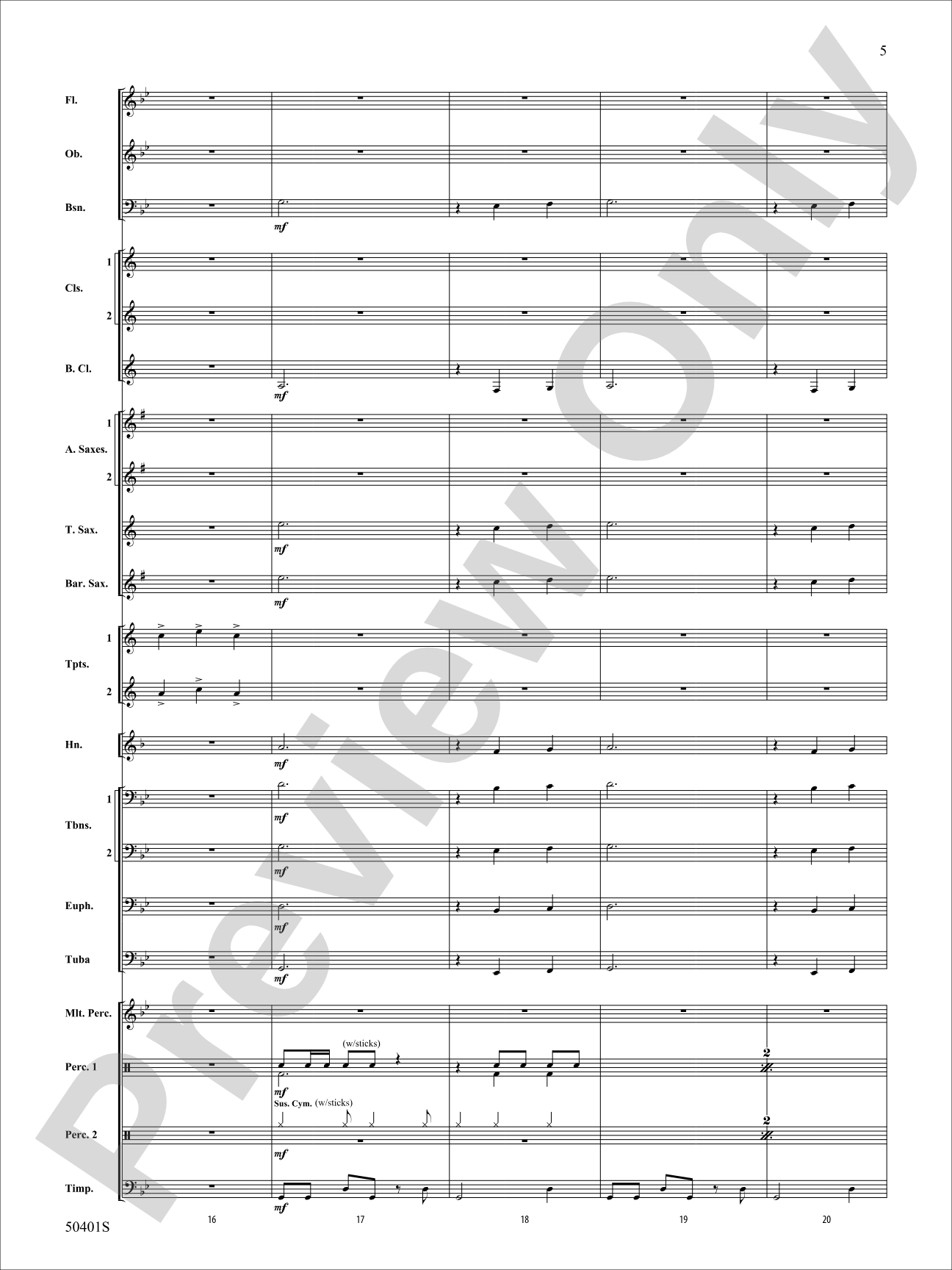
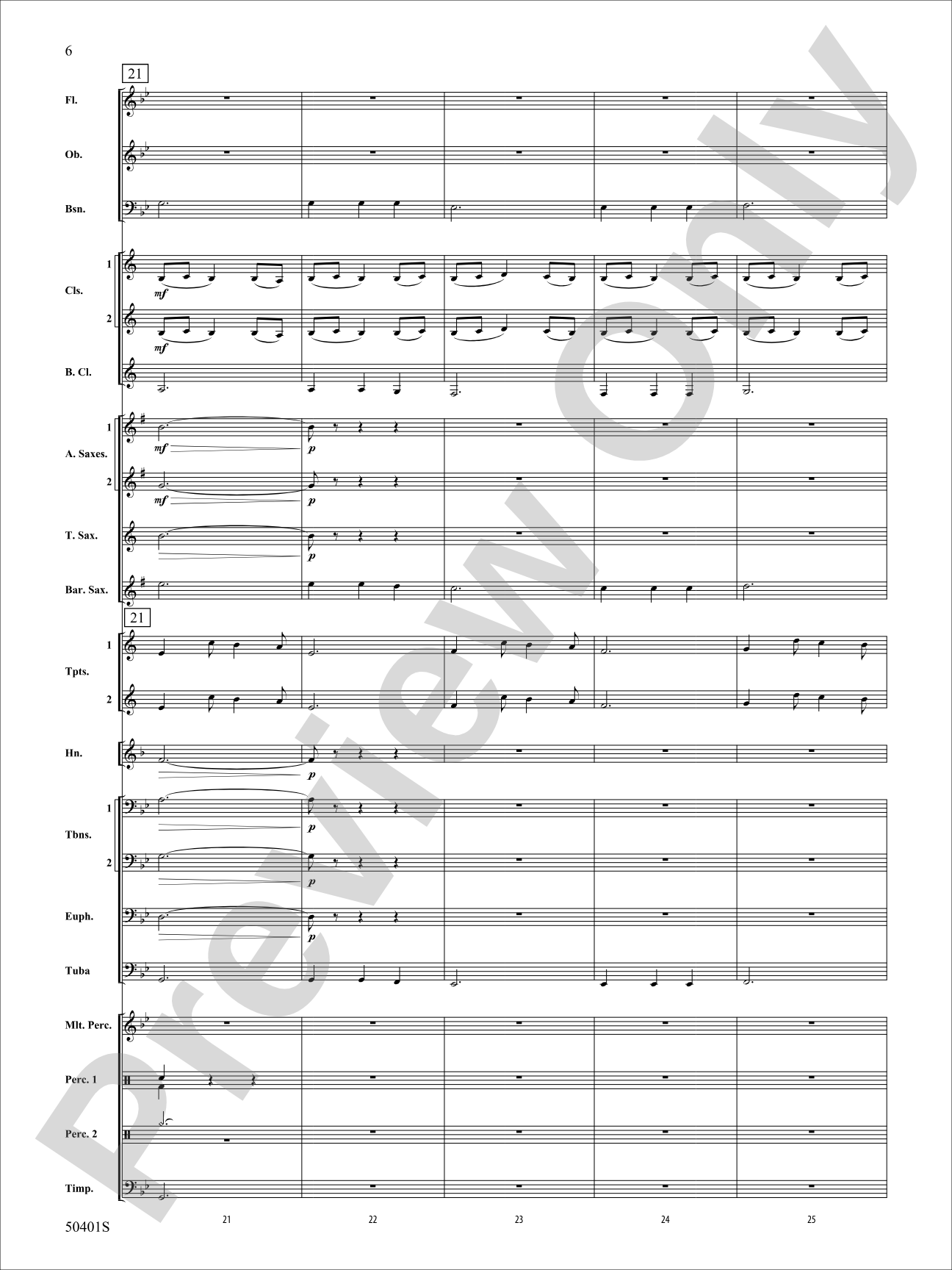
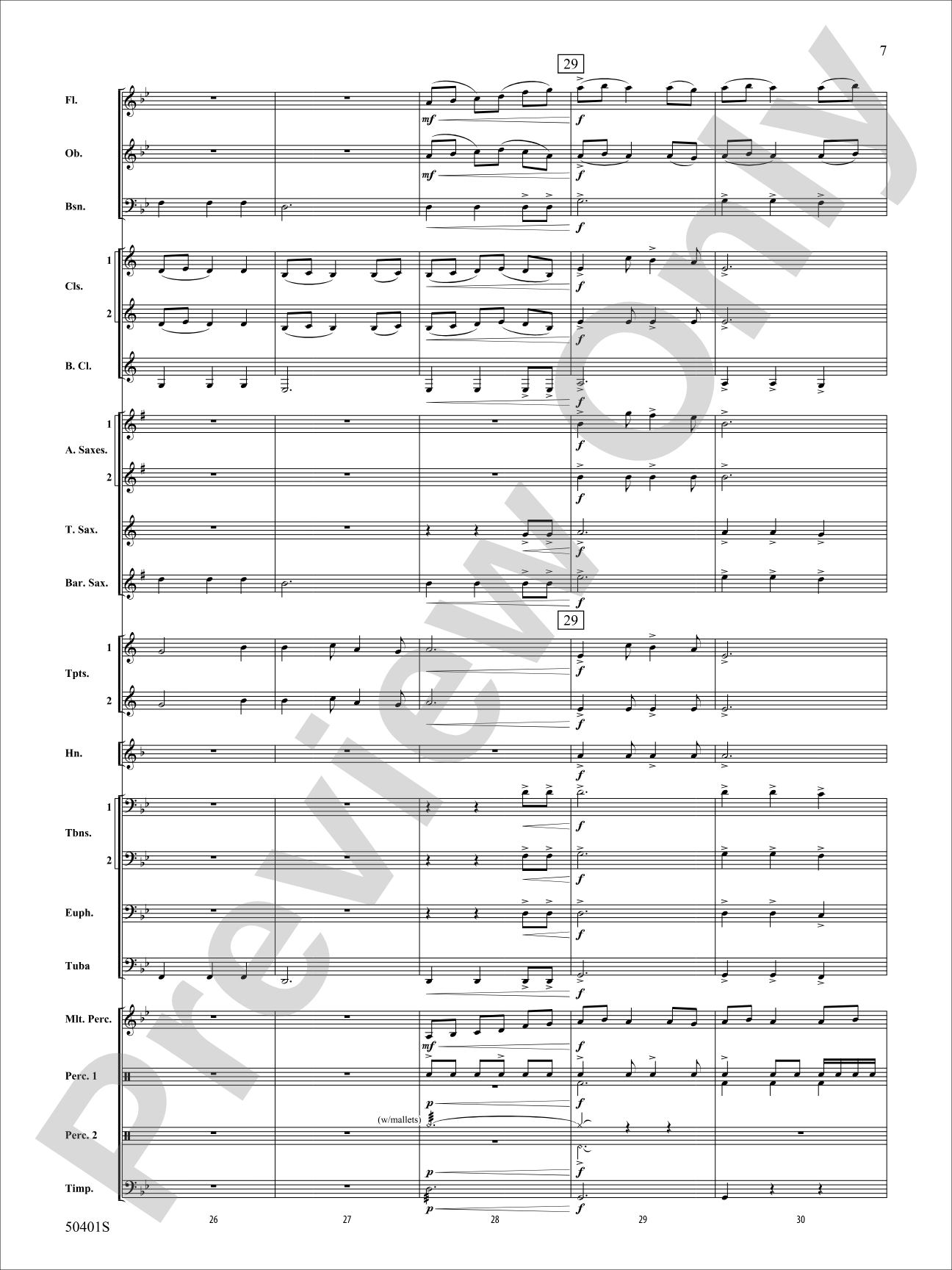
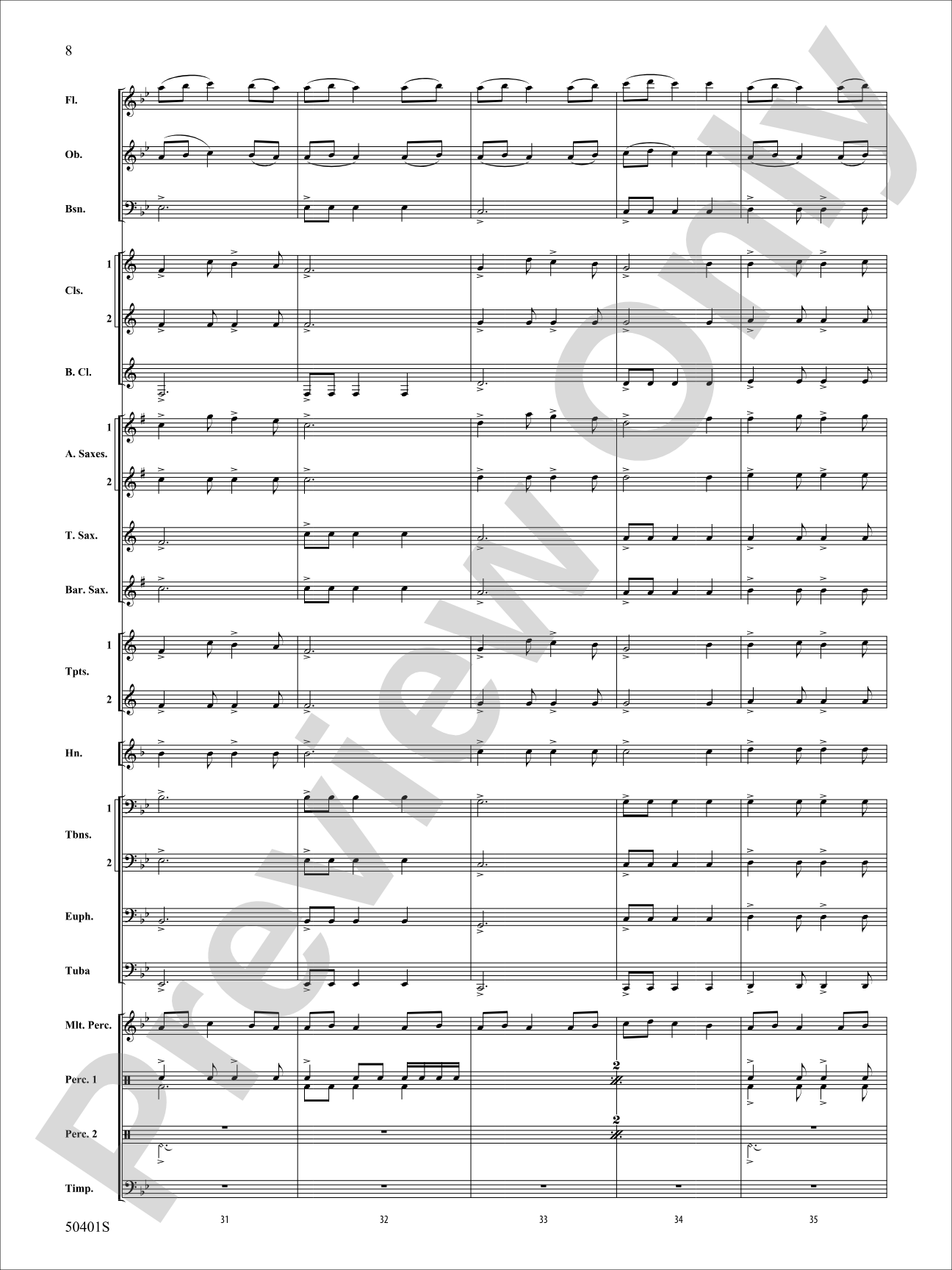
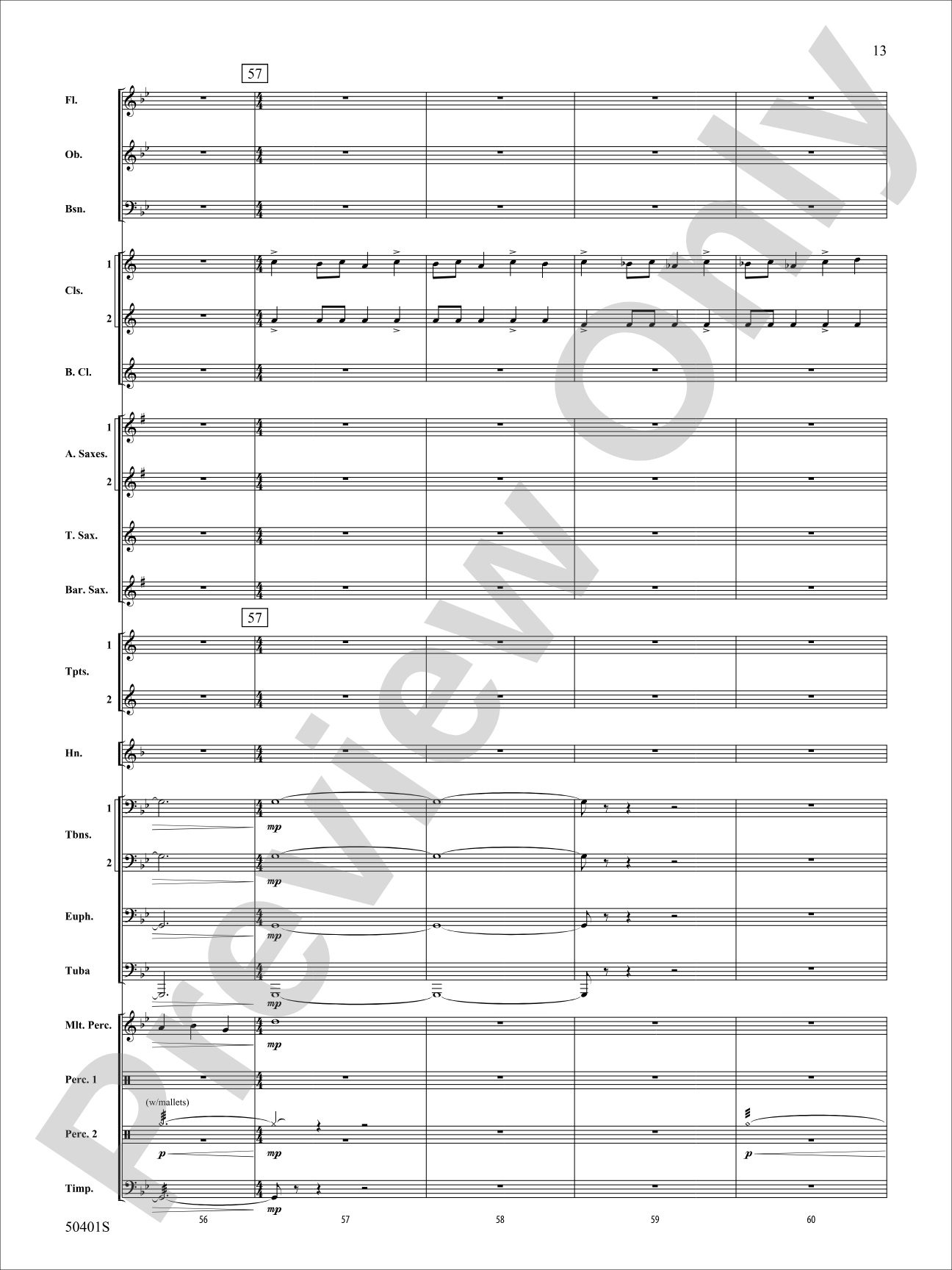
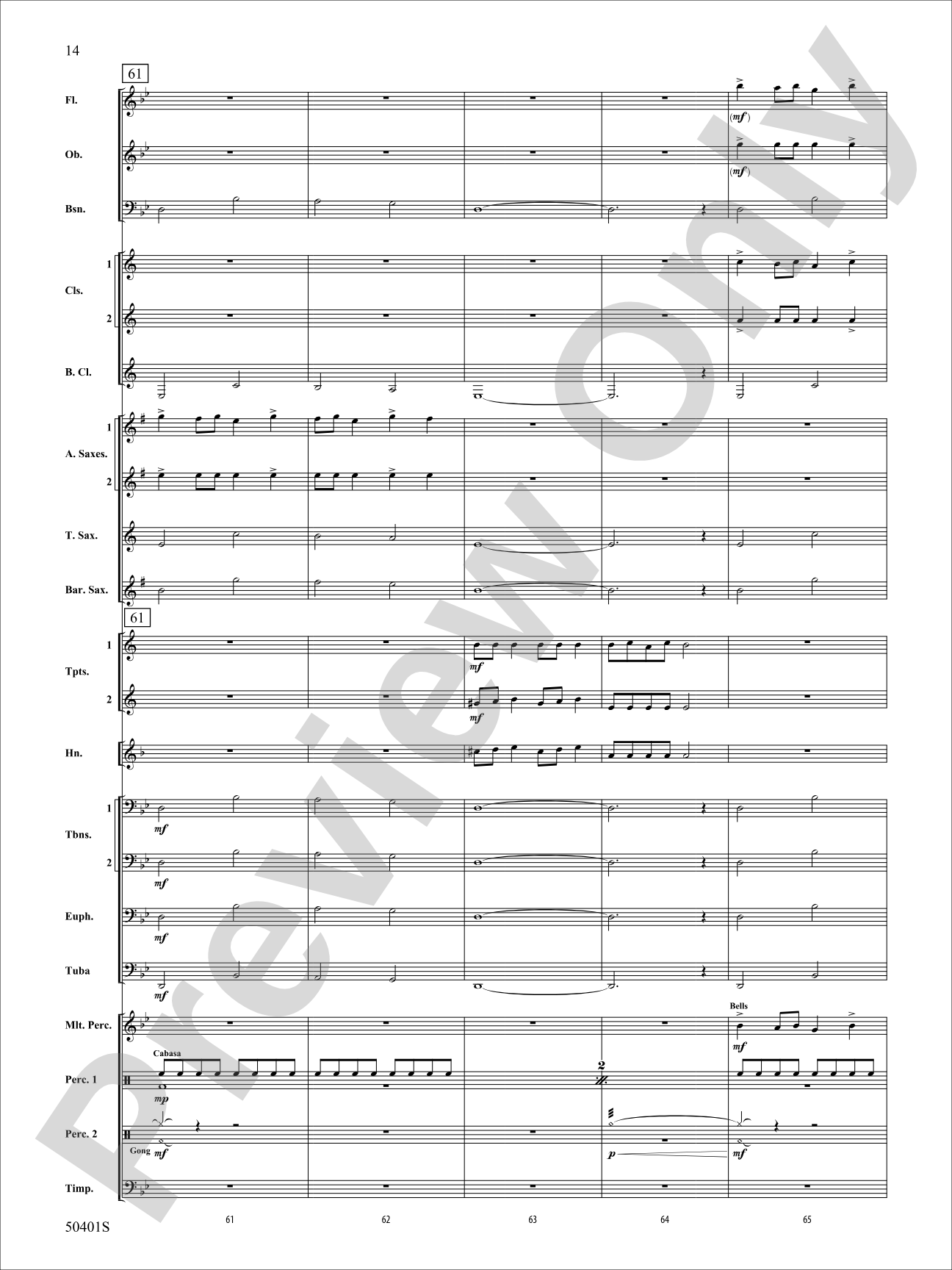
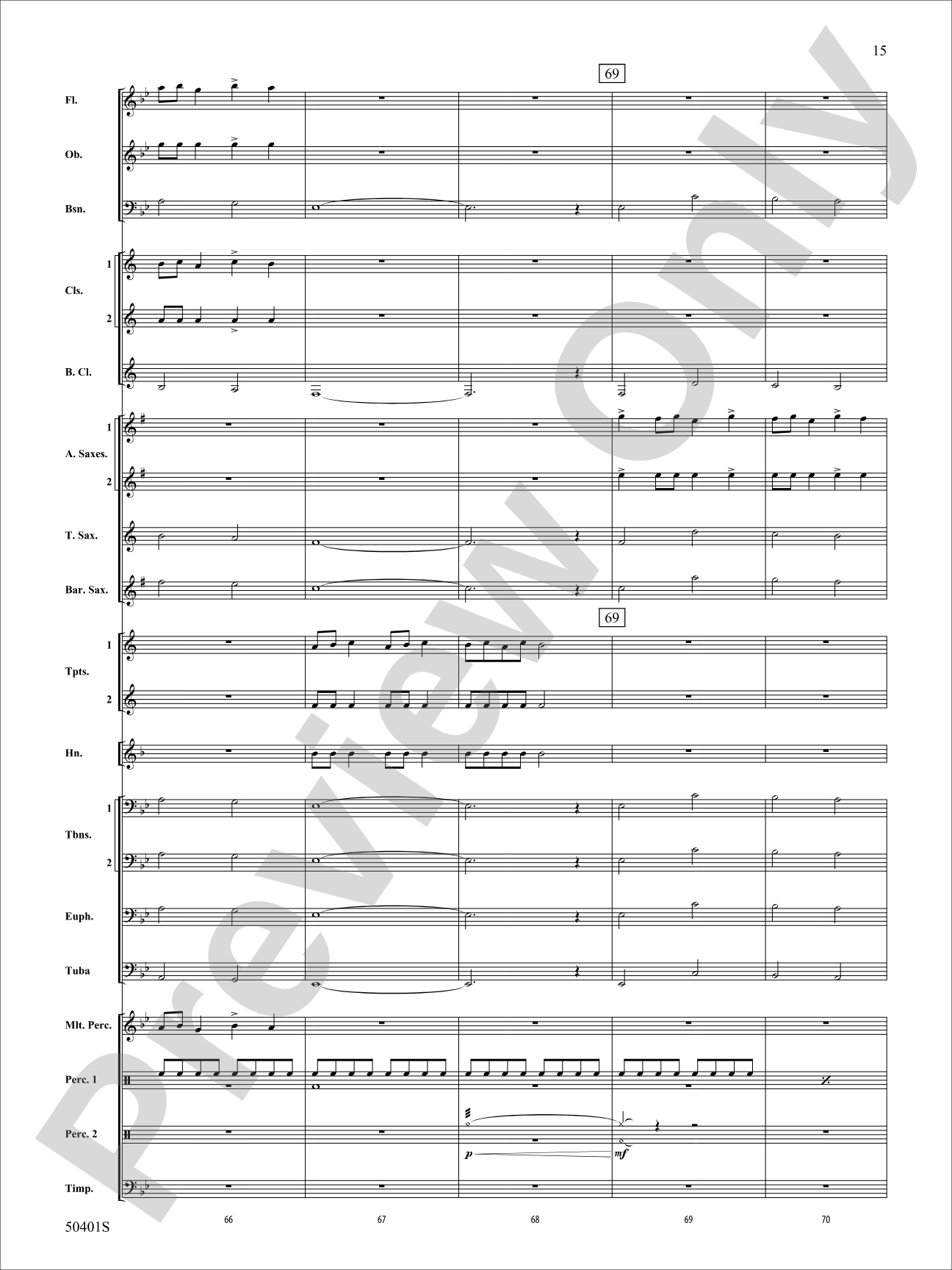
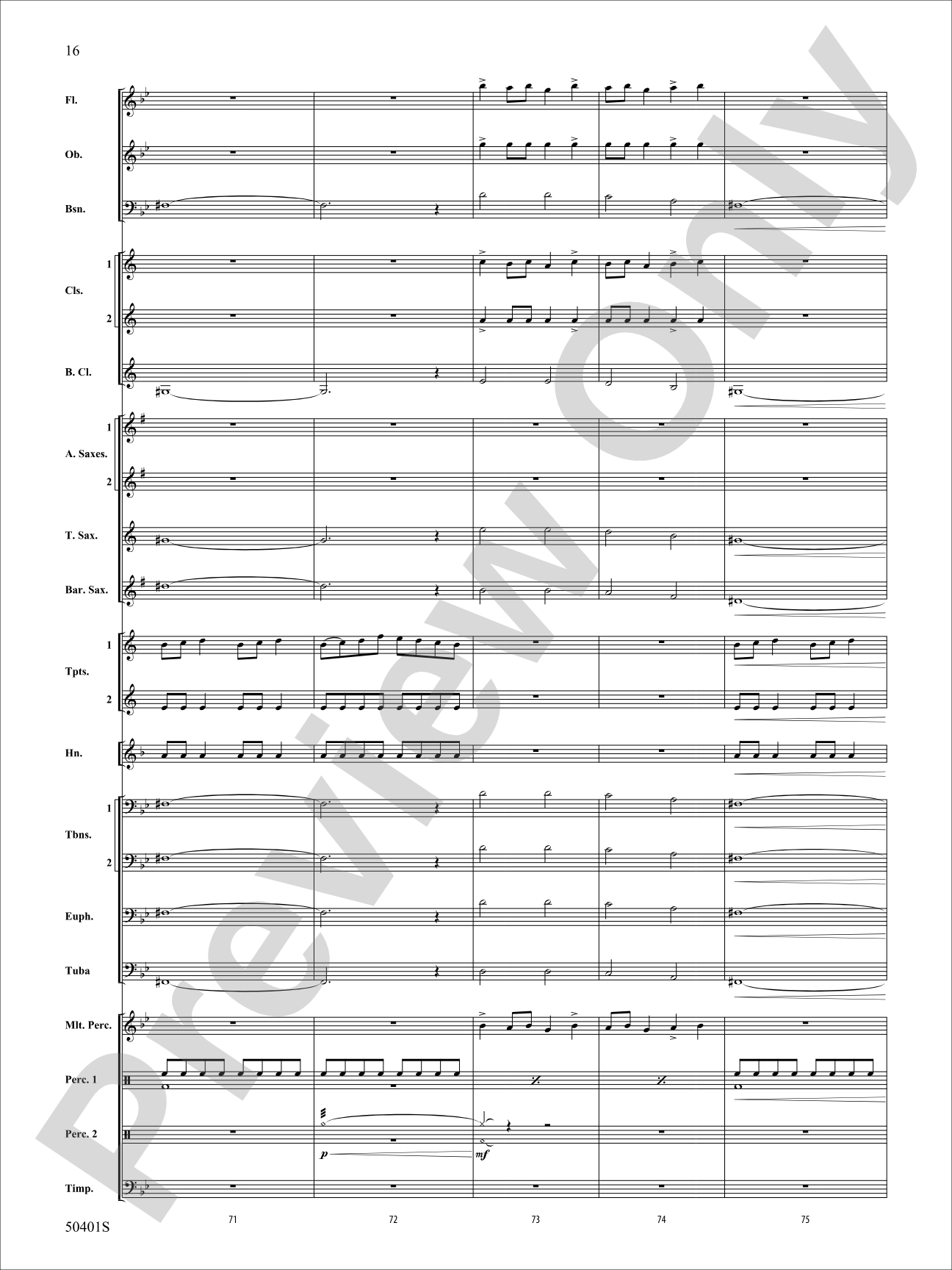
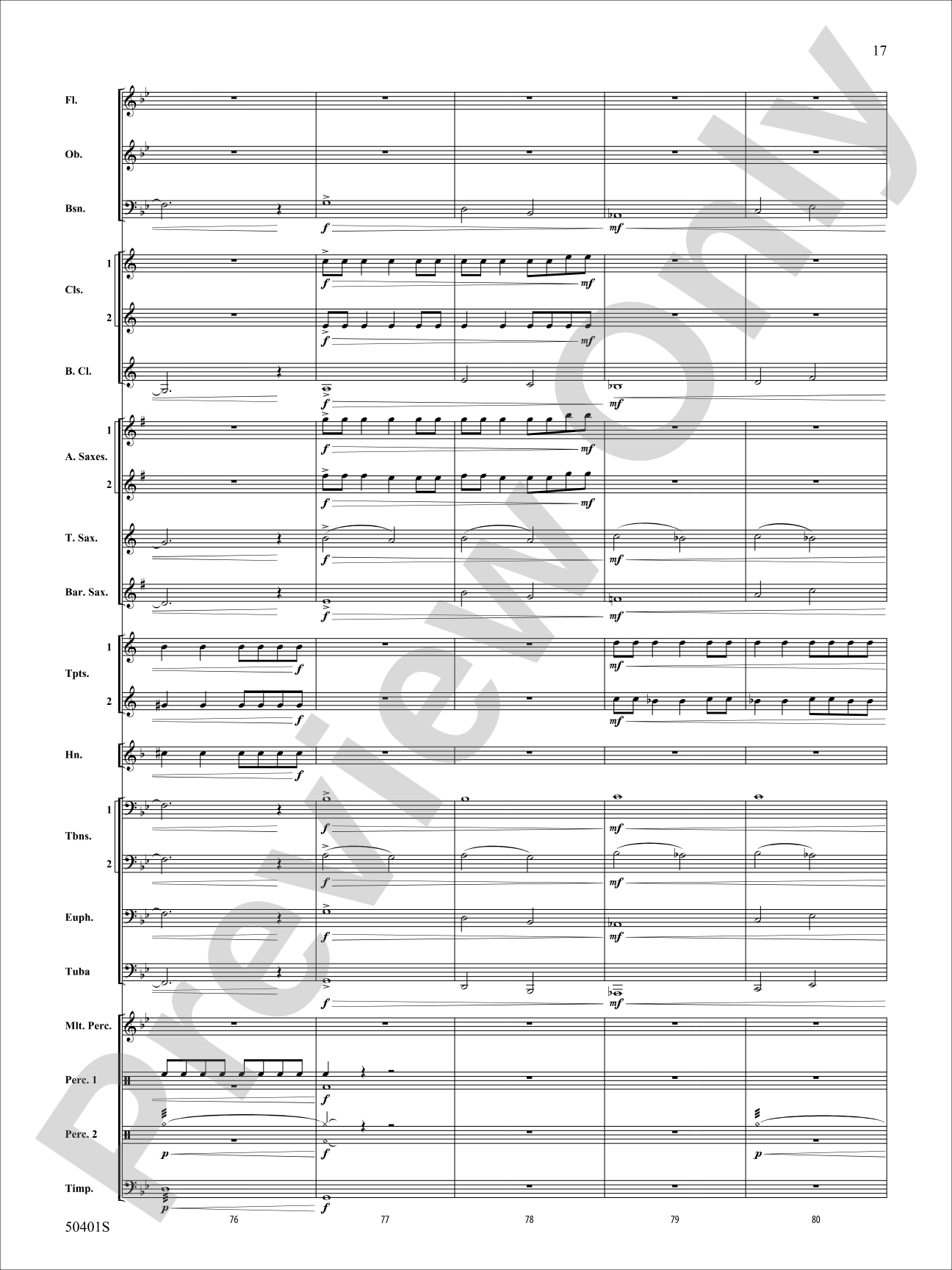
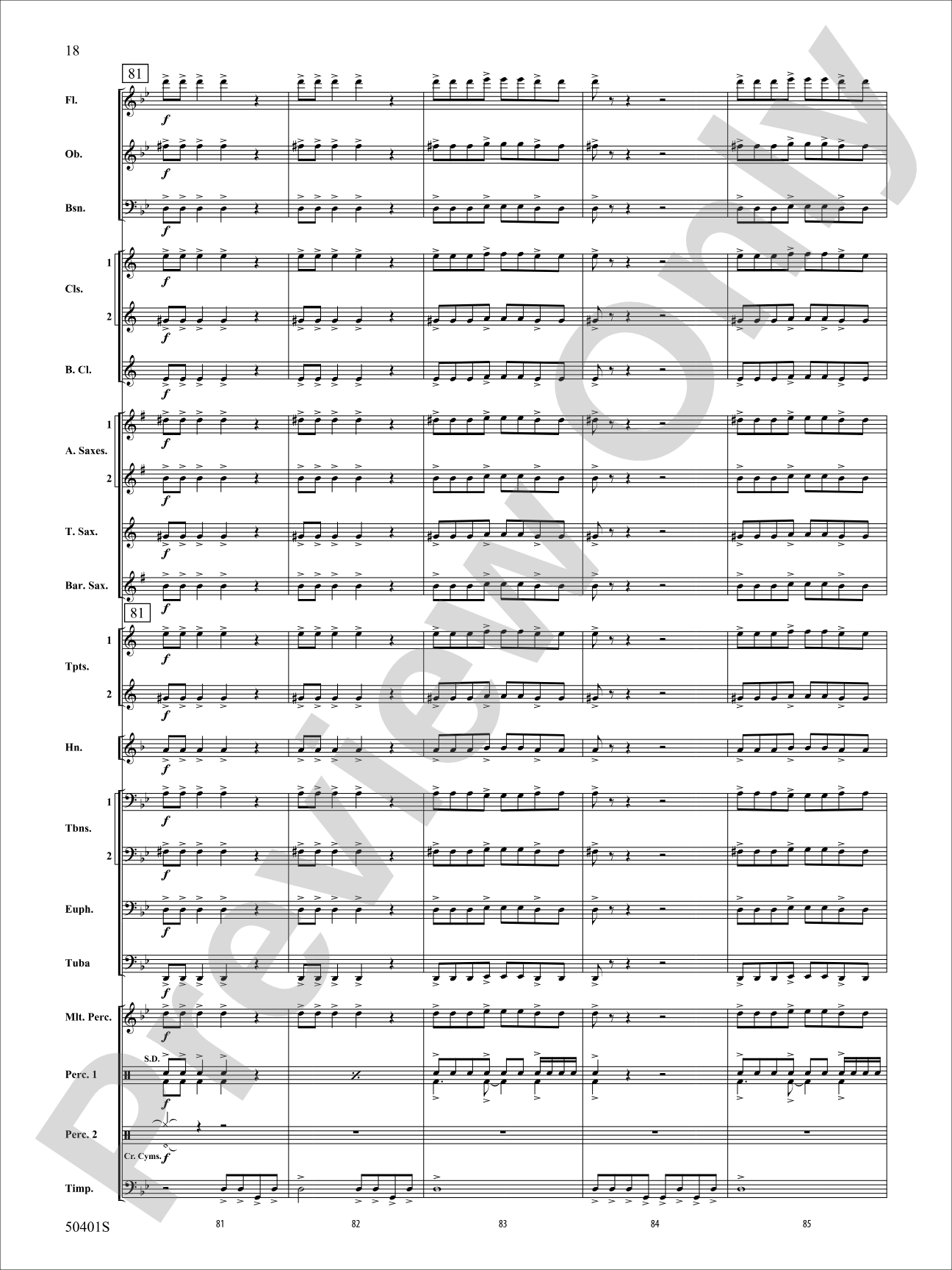
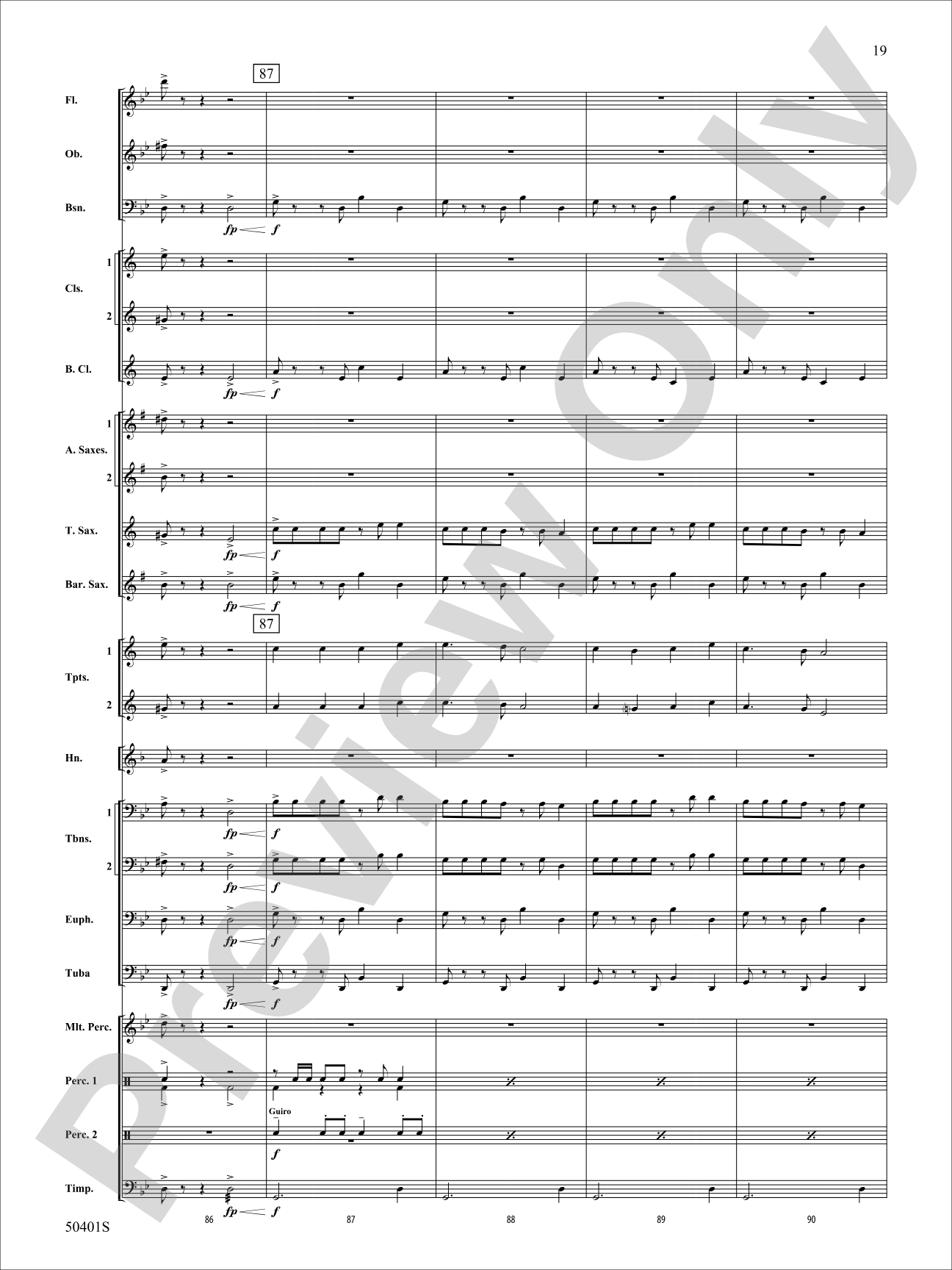
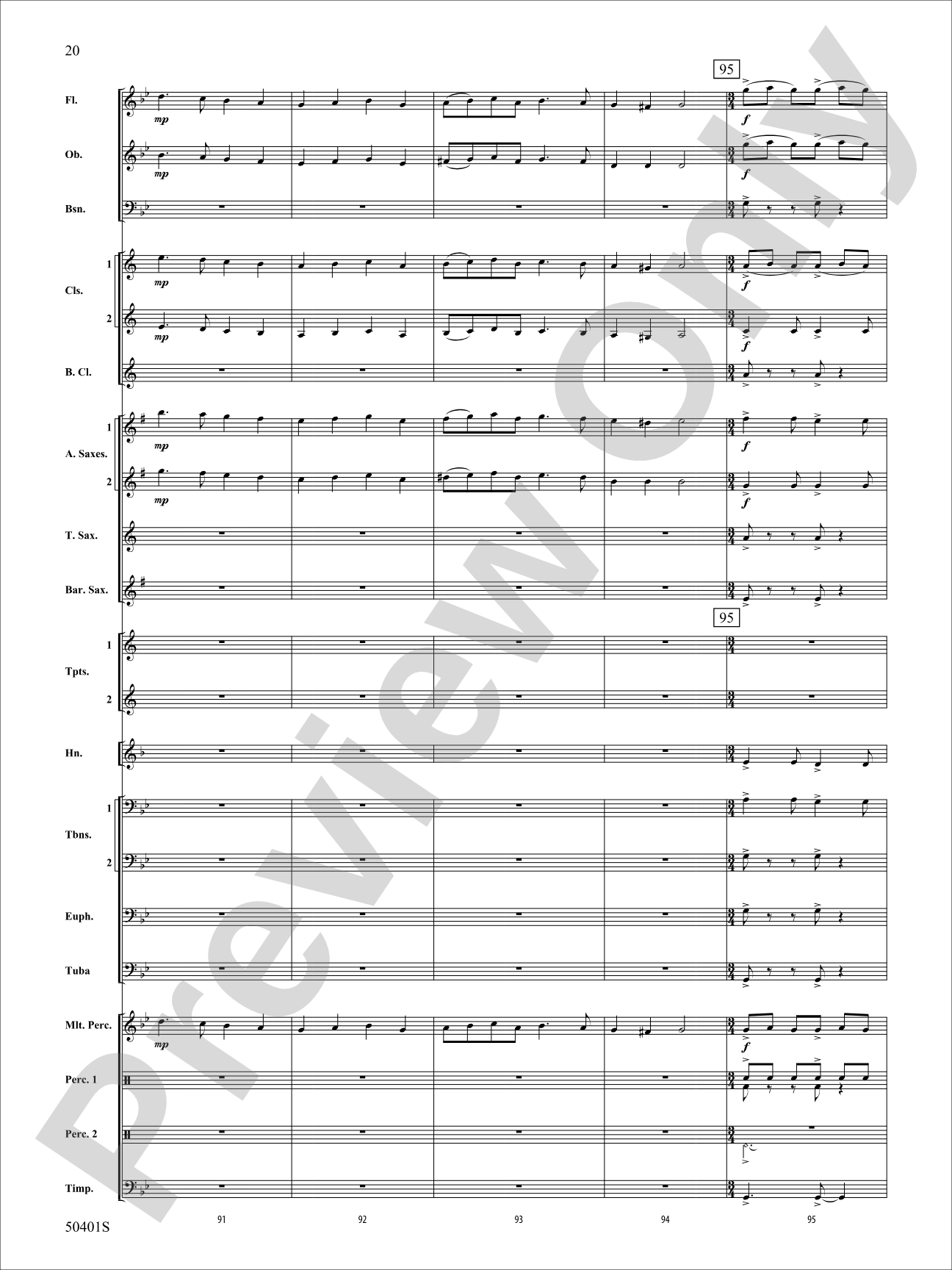
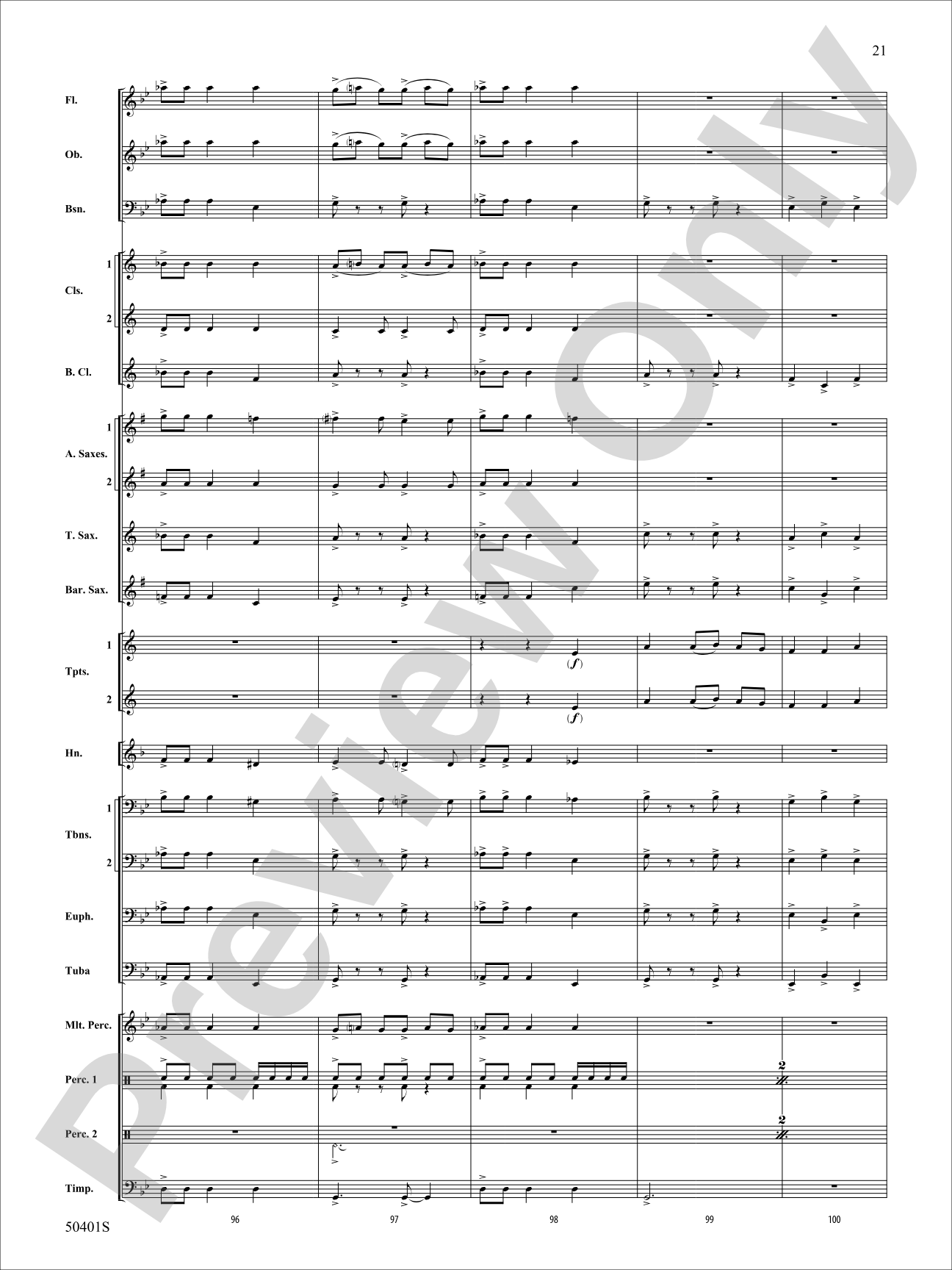
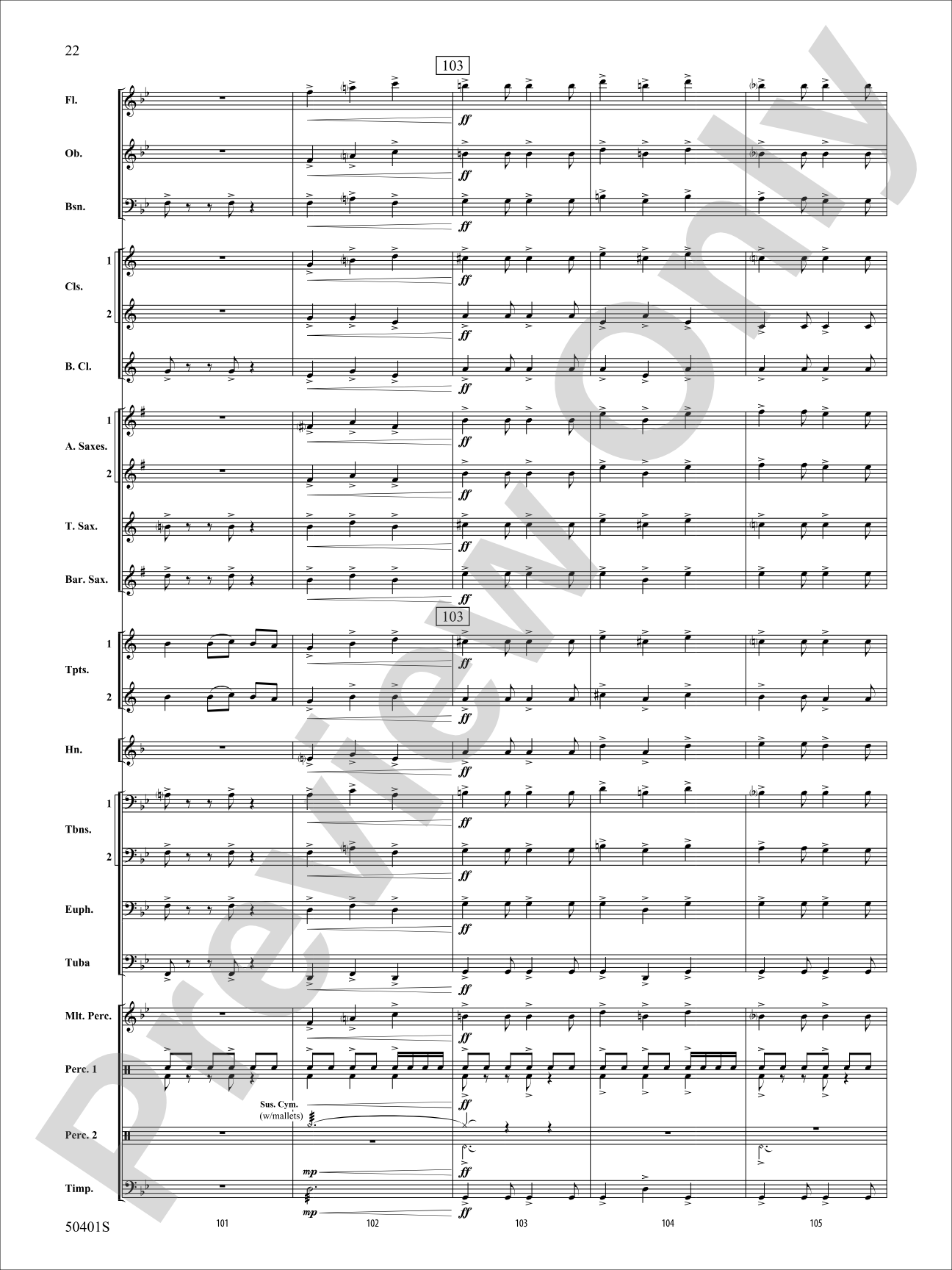
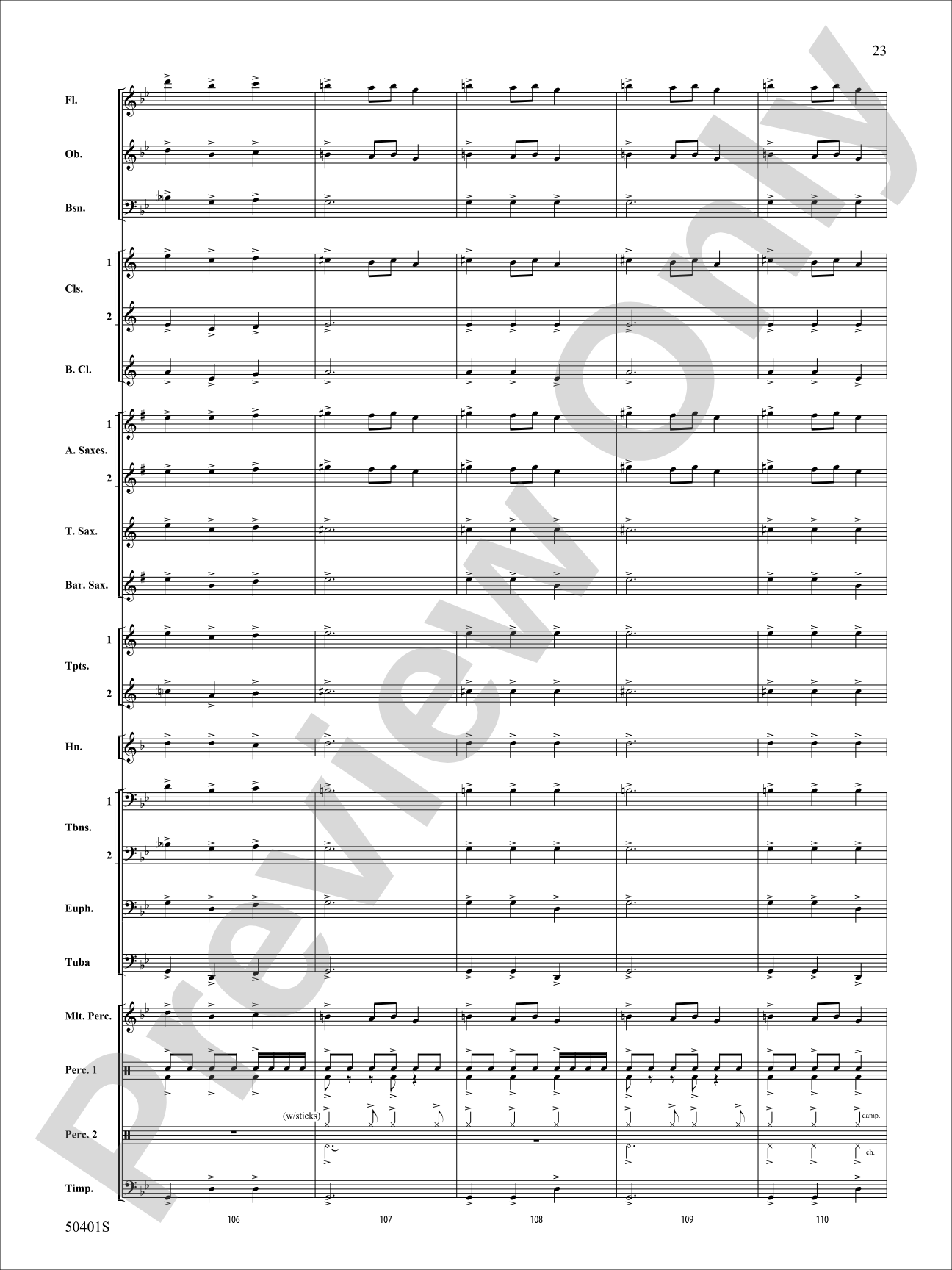
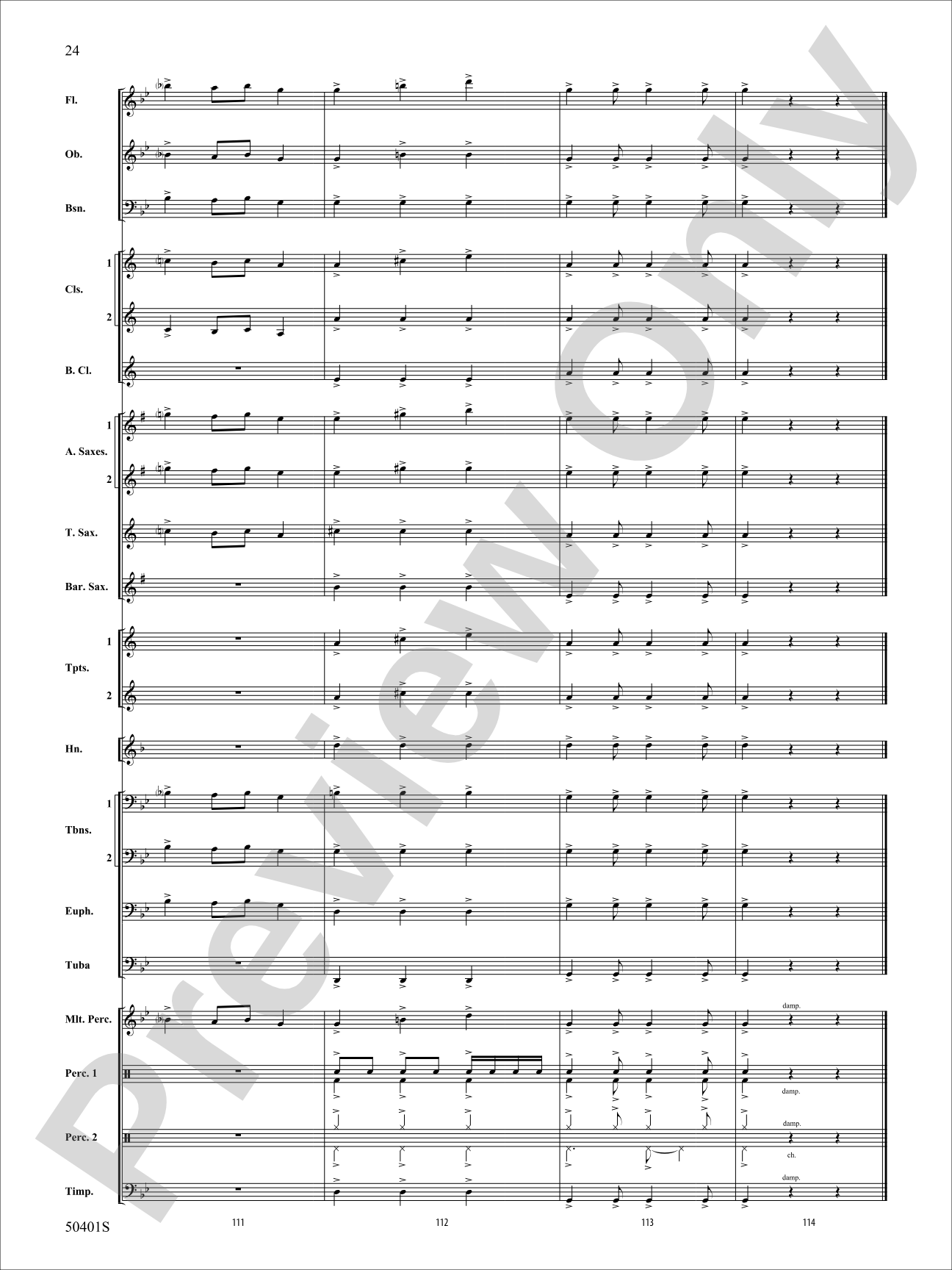

ON A DARK WINTER NIGHT/YS: Concert Band Conductor Score & Parts
A Minor Christmas Medley
Traditional / arr. Chris M. Bernotas
Grade: 2
Item: 00-PK-0009384

$75.00
Pickup currently not available
Buy Extra Parts (Digital PDF Download)
Parts Added to Cart!
Description
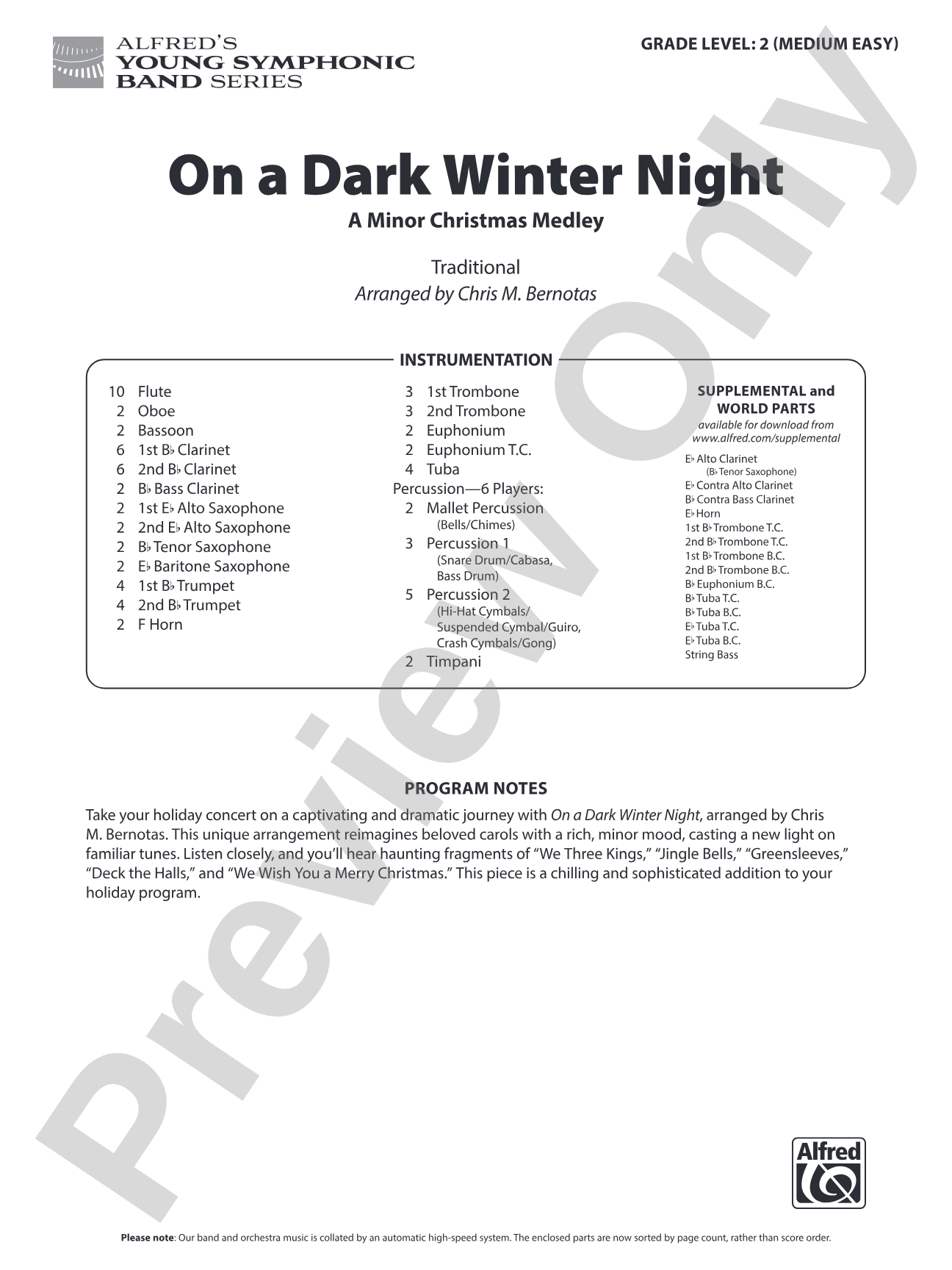
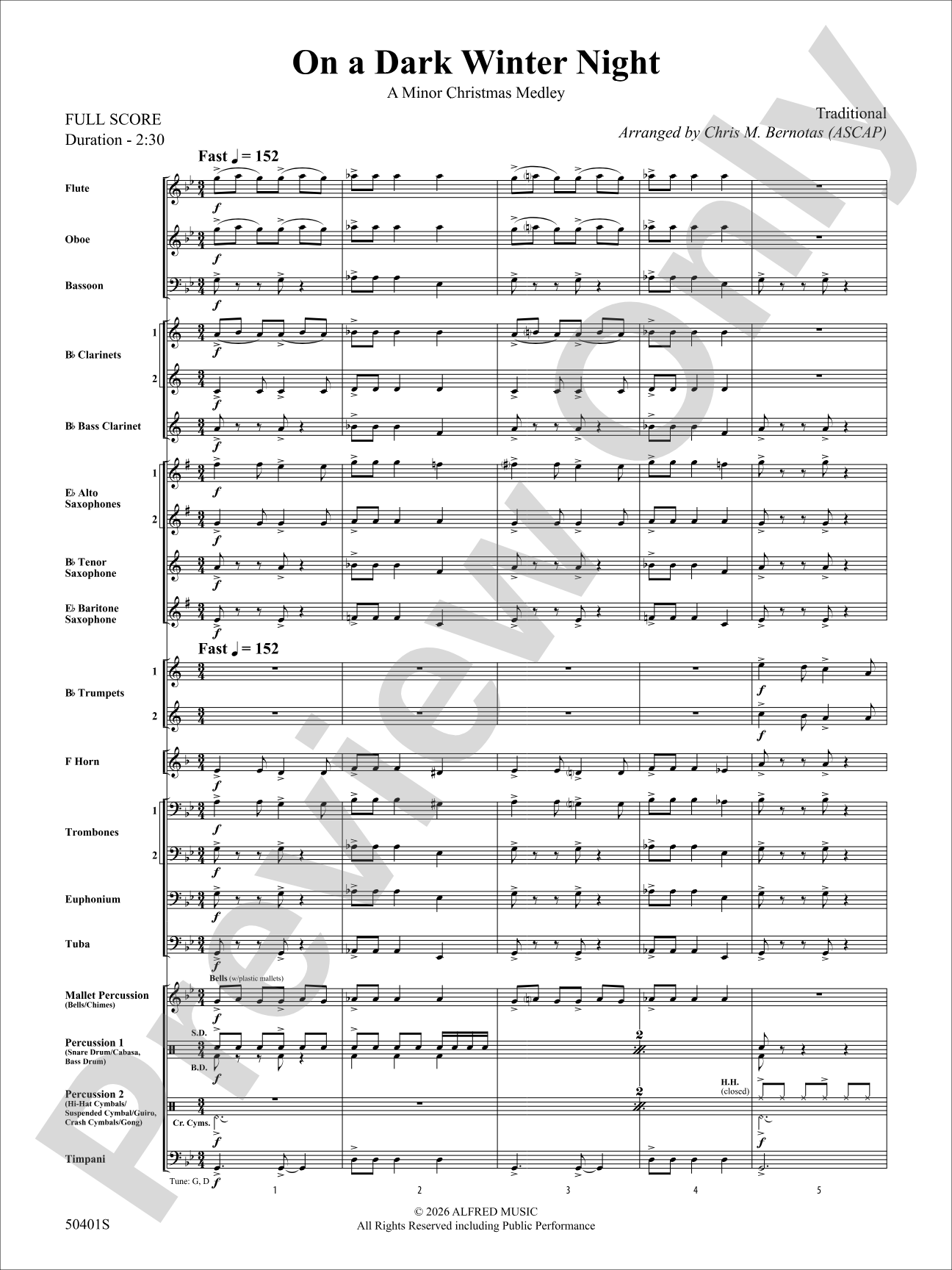
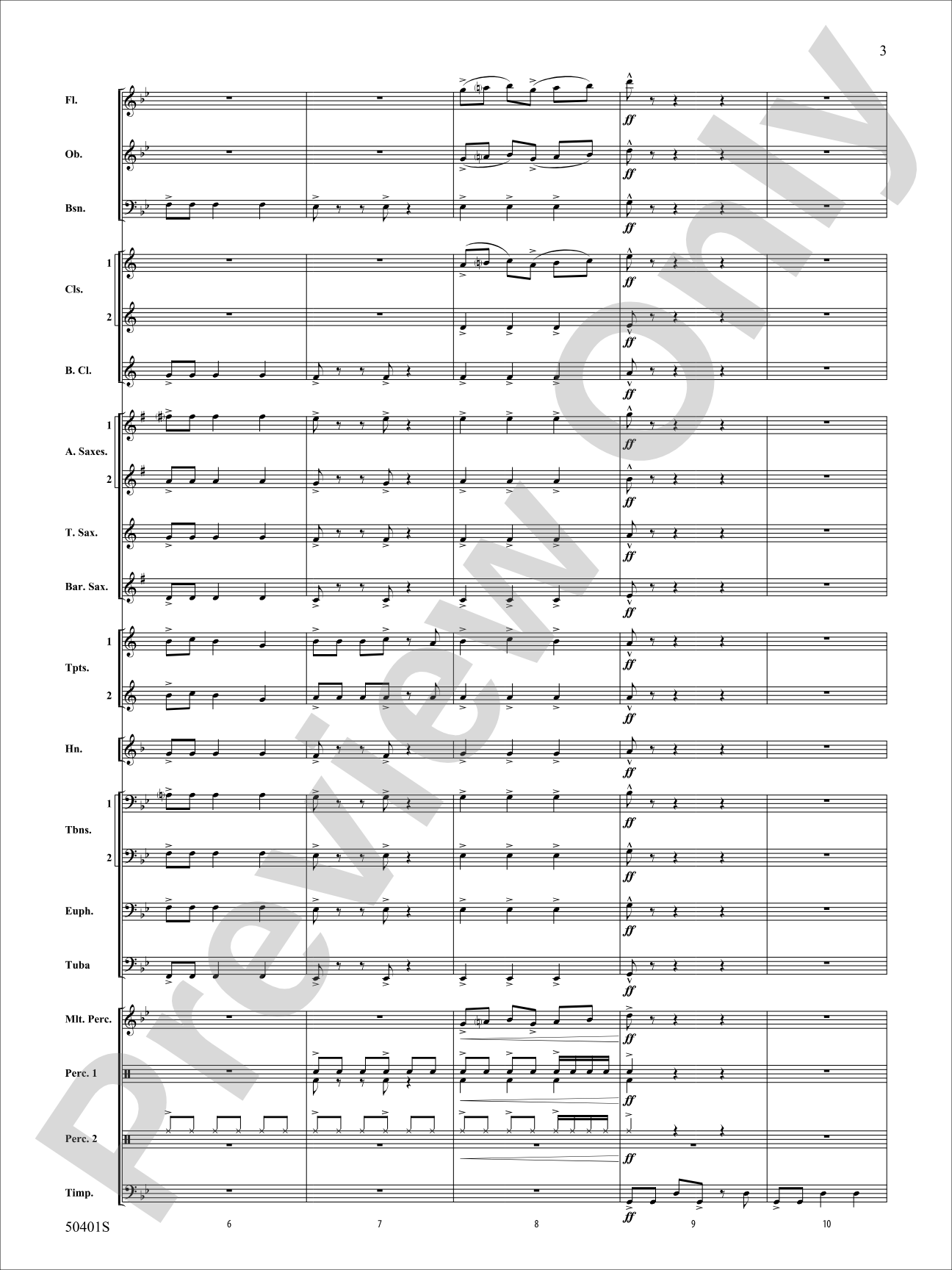
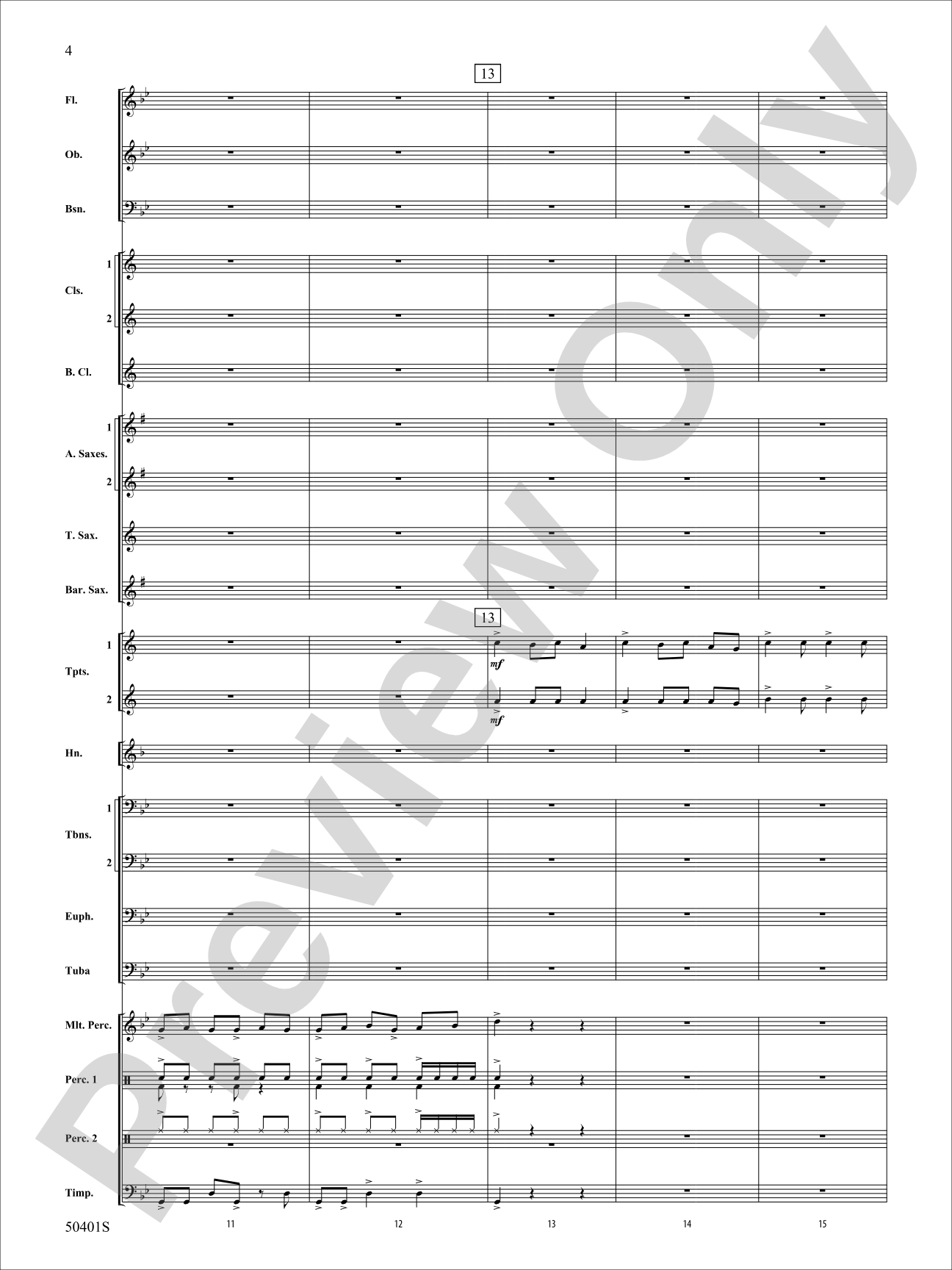
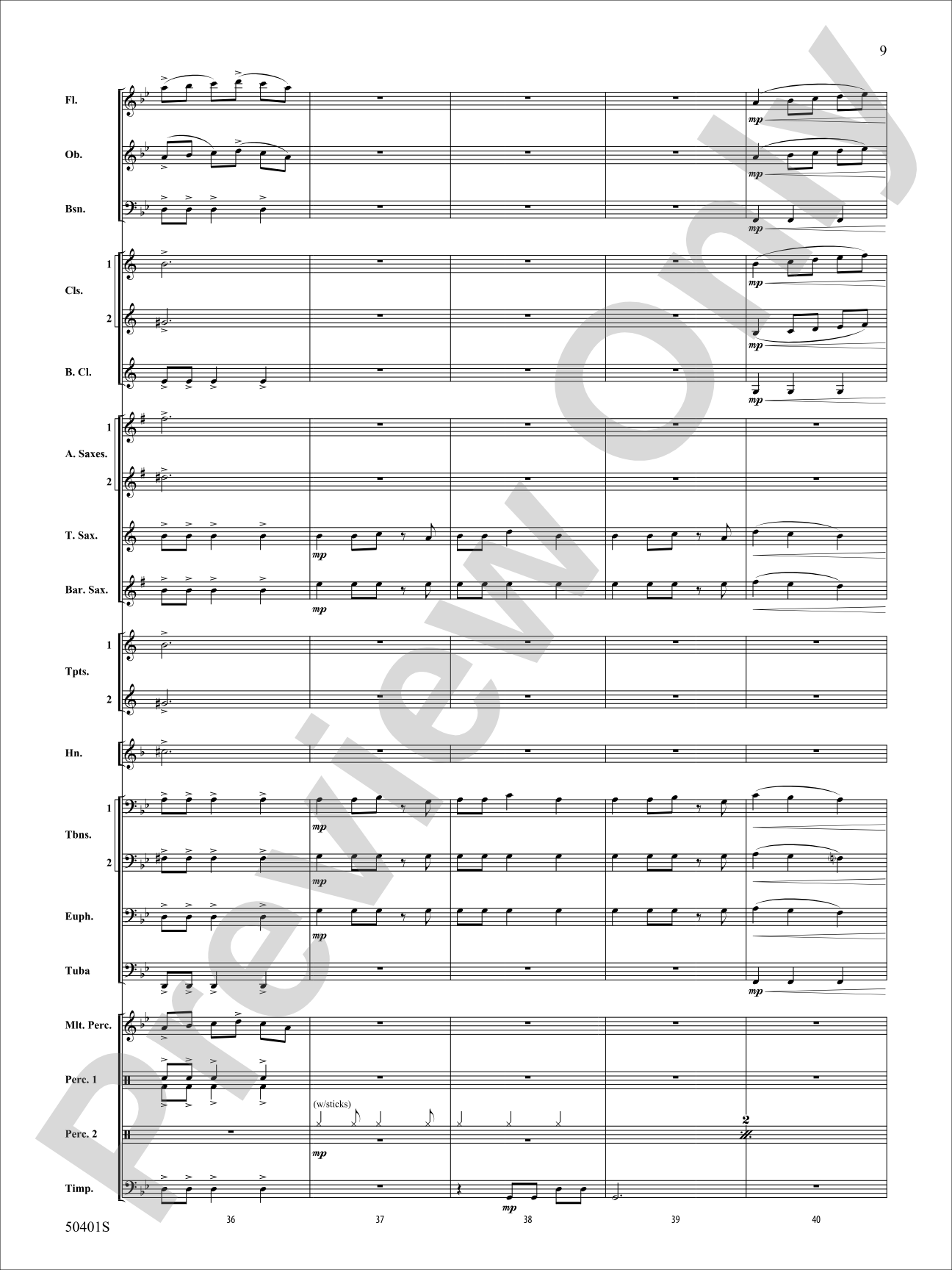
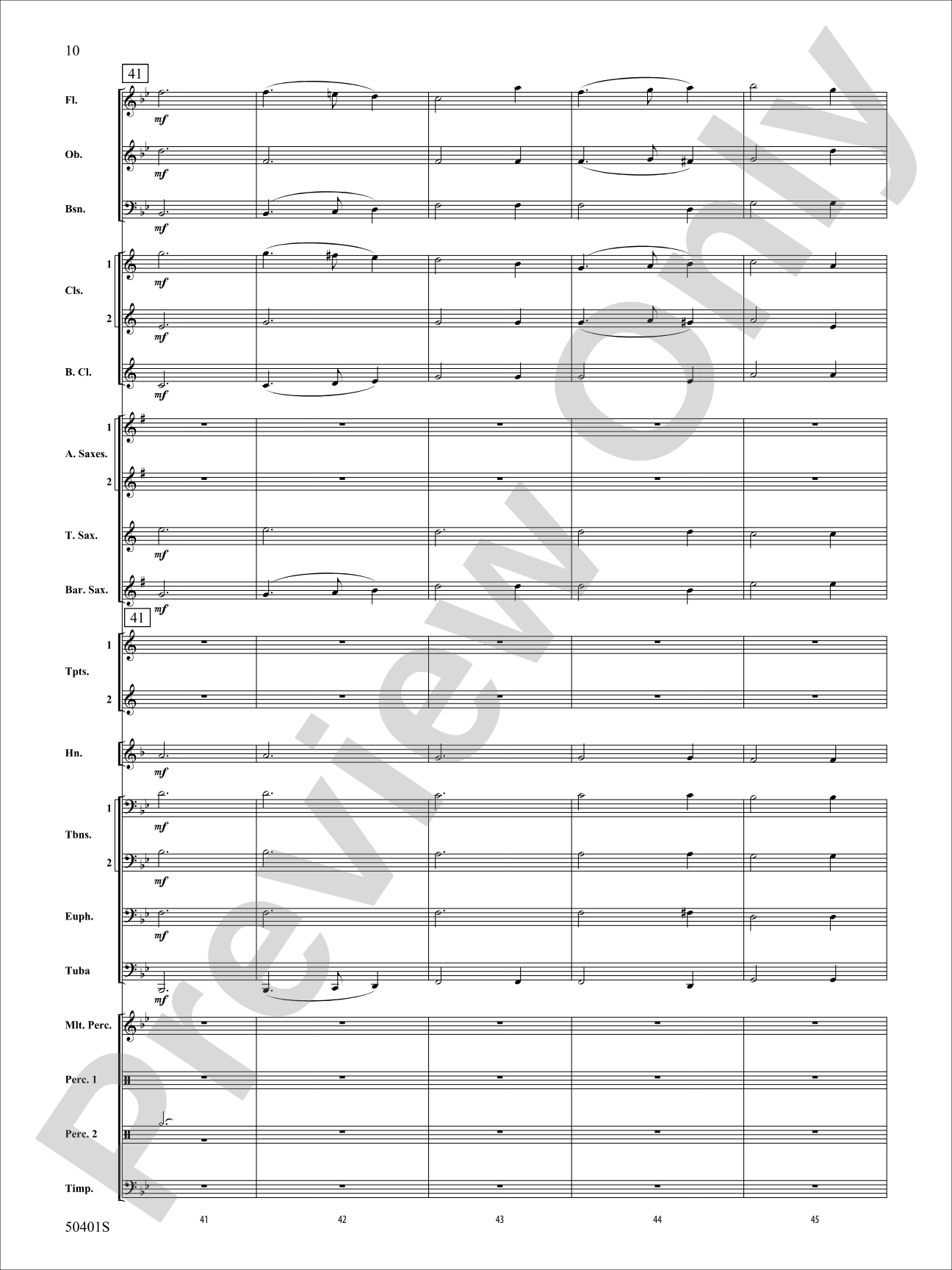
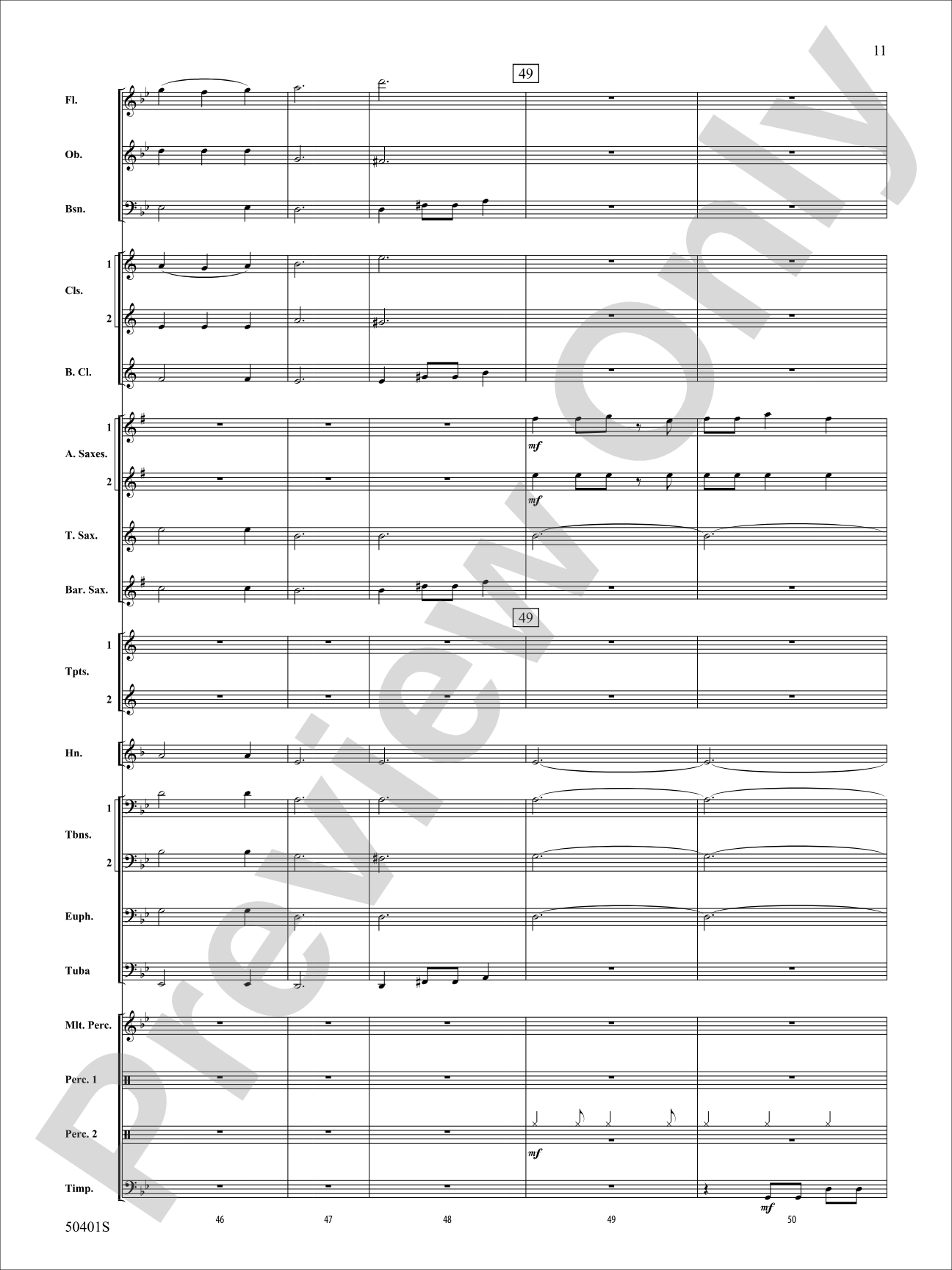
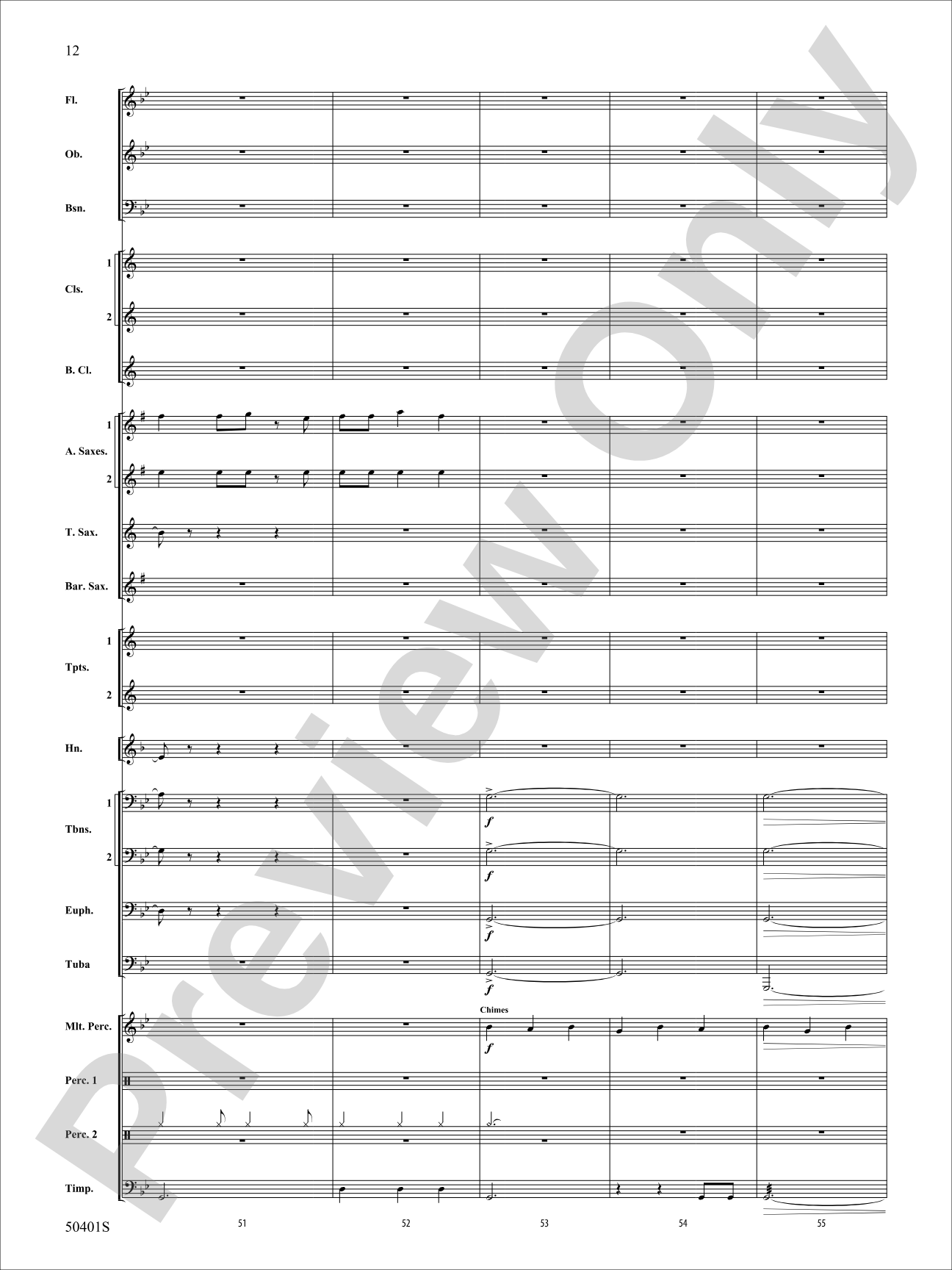
Take your holiday concert on a captivating and dramatic journey with On a Dark Winter Night, arranged by Chris M. Bernotas. This unique arrangement reimagines beloved carols with a rich, minor mood, casting a new light on familiar tunes. Listen closely, and you'll hear haunting fragments of "We Three Kings," "Jingle Bells," "Greensleeves," "Deck the Halls," and "We Wish You a Merry Christmas." This piece is a chilling and sophisticated addition to your holiday program.


Don't just read it, hear it, play along with it, and watch your students grow with it. In MakeMusic Cloud, ON A DARK WINTER NIGHT/YS: Concert Band Conductor Score & Parts comes alive with professional accompaniment, adjustable tempo, and built-in practice tools that turn solo practice into real progress.
Open in the Player
Jump straight in and assign it today.
Start Your Free Trial
Open this title and explore the full library in minutes.
Sample Audio
1
Audio File
--:--
0:00
0:00
Sample Video
Additional Details
Series:
Young Symphonic Series
Publisher:
Alfred Music
SKU:
00-PK-0009384
More about this title
About the Composer: Chris M. Bernotas

Chris M. Bernotas brings over 25 years of experience as a composer, conductor, and music educator. As Director of Instrumental Publications for Alfred Music, he has shaped band and orchestra curricula worldwide, creating works that balance accessibility with genuine musical substance. His pieces appear regularly on concert programs across all skill levels, from developing ensembles to advanced groups seeking repertoire with real artistic depth.
Bernotas's classroom background informs every score he writes. He understands the specific pedagogical challenges teachers face and builds solutions directly into his music. His work extends beyond composition; he serves as guest conductor and clinician for honor groups and workshops, and has co-authored foundational texts including Sound Innovations Ensemble Development and Sound Artistry. He remains actively committed to advancing music education through both his writing and his direct work with students and teachers.
Why we love this
Bernotas trades saccharine arrangements for something genuinely distinctive. This minor-key reimagining of familiar carols creates a concert moment that feels intentional and artistic rather than obligatory, giving bands the chance to perform holiday music that doesn't sound like everything else on your colleague's program. Grade 2 accessibility paired with sophisticated orchestration makes this work equally rewarding for developing ensembles and experienced groups.
What to expect
Familiar melodies drift through shadows and minor harmonies, creating an atmosphere that is contemplative and slightly unsettling rather than cheerful. The arrangement lets recognizable tunes surface momentarily before the harmony shifts, giving the piece an eerie, almost haunting character. This is holiday music that invites reflection rather than celebration.
Who it's for
Grade 2 concert bands ready to move beyond standard holiday arrangements. This score serves bands that want genuine artistic variety in their winter programming while remaining accessible to developing musicians.
How to get the most out of it
- Highlight the shadowy orchestration in early rehearsals so students understand this is deliberate artistry, not a mistake. The minor tonality and sparse textures create the mood; don't rush to fill silence.
- Balance transparency with projection. The piece succeeds when audiences hear haunting fragments emerge from the arrangement, not when sections play at full volume simultaneously.
- Treat phrase endings with deliberation. In a piece built on familiar tunes transformed, slight space or gentle diminuendo at phrase breaks lets listeners recognize the source material before moving to the next harmonic turn.
- Lock the ensemble's rhythmic foundation early. The dramatic effect depends on unified movement through unexpected harmonic territory; loose rhythm undermines the tension Bernotas builds.
How to use it
Program this as an opening number or second piece on your winter concert to set a sophisticated tone and shift audience expectations. The dramatic minor-key treatment pairs effectively with other contemporary arrangements or with lighter classics later in the program, creating dynamic contrast. Bands exploring contemporary holiday literature find this particularly valuable for festival and contest programming.
Skills your students will build
- Sustaining tone and intonation in minor tonalities
- Recognizing and performing harmonic shifts and modal interchange
- Balancing individual voice independence with ensemble blend
- Responding to dynamic contrast and phrasing in chromatic writing
- Identifying hidden melodies within orchestral texture