
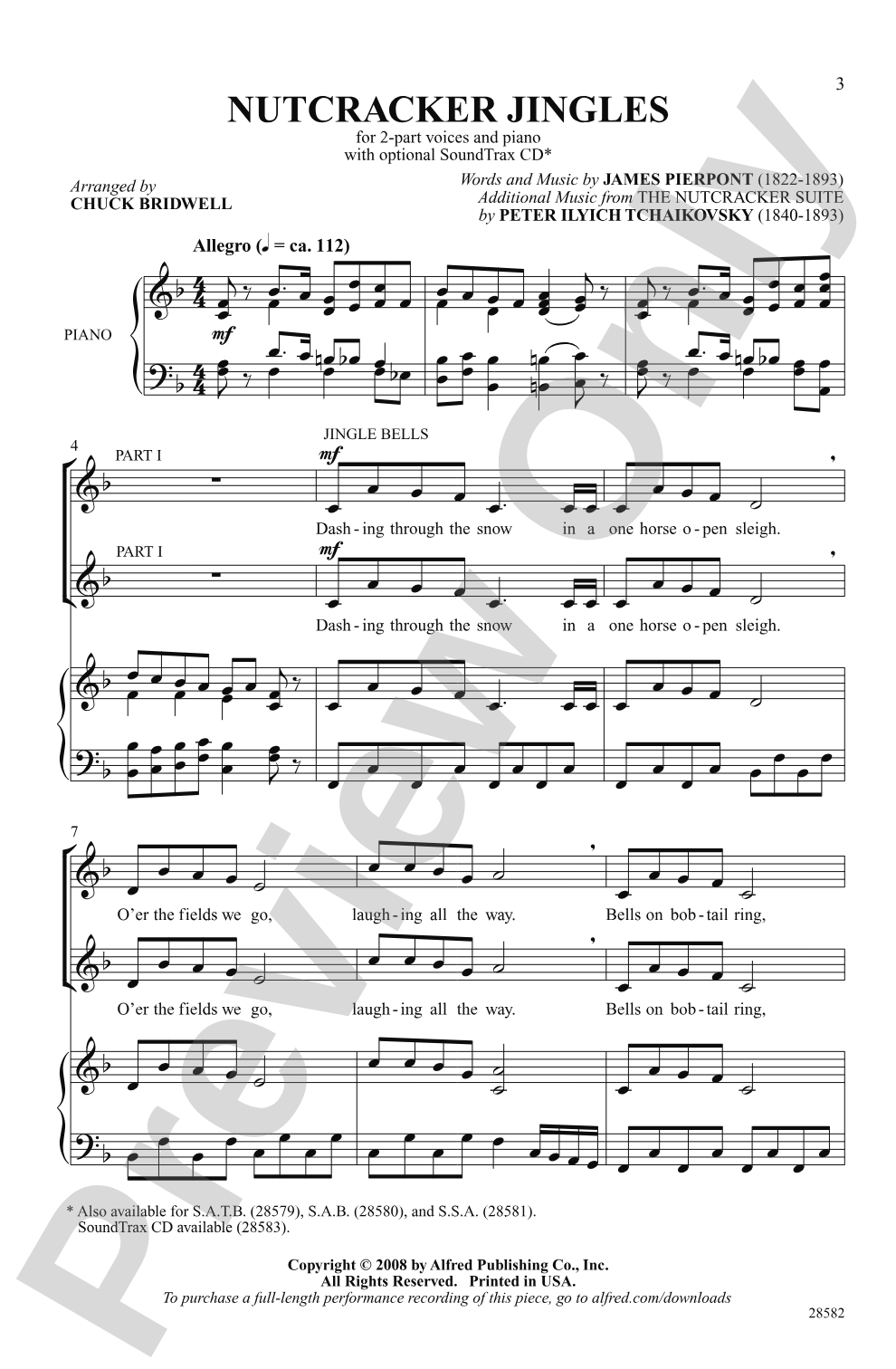

Nutcracker Jingles: 2-Part Choral Octavo
Words and music by James Pierpont, additional music from The Nutcracker Suite by Peter Ilyich Tchaikovsky / arr. Chuck Bridwell
Item: 00-PO-0000494

$2.20
Minimum order quantity: 20 copies
Pickup currently not available
Related Items
Nutcracker Jingles: SATB Choral Octavo |
$2.20
|
View | |
Nutcracker Jingles: SAB Choral Octavo |
$2.20
|
View | |
Nutcracker Jingles: SSA Choral Octavo |
$2.20
|
View | |
Nutcracker Jingles: TTBB Choral Octavo |
$2.20
|
View | |
Nutcracker Jingles: SoundTrax Digital Audio Download |
$27.99
|
View | |
Nutcracker Jingles: SATB Choral Octavo |
$2.20
|
View | |
Nutcracker Jingles: SAB Choral Octavo |
$2.20
|
View | |
Nutcracker Jingles: SSA Choral Octavo |
$2.20
|
View | |
Nutcracker Jingles: TTBB Choral Octavo |
$2.20
|
View | |
Nutcracker Jingles: 2-Part Choral Octavo |
$2.20
|
View | |
Nutcracker Jingles: Choral Octavo SoundTrax CD |
$27.99
|
View |
Description
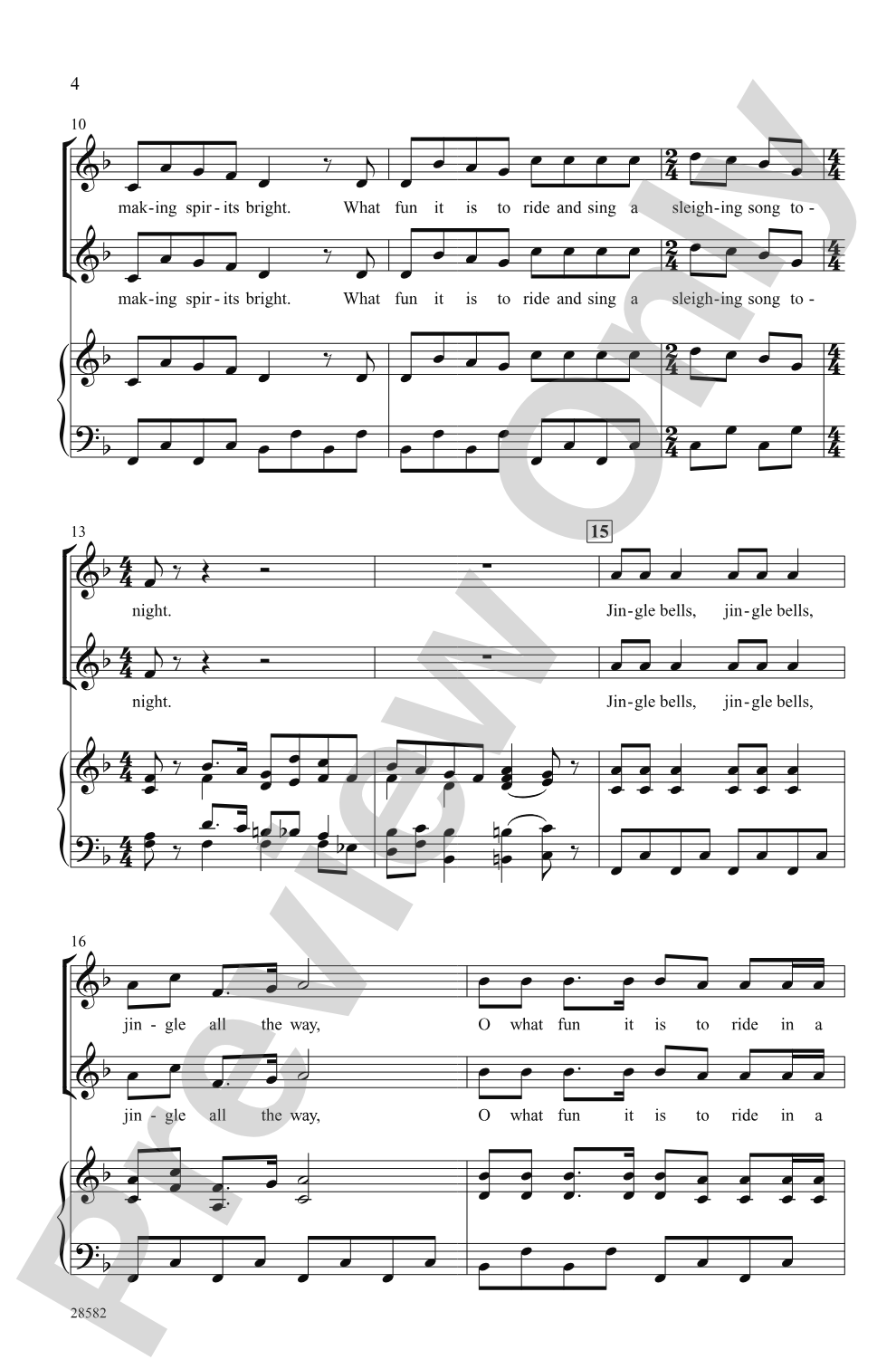
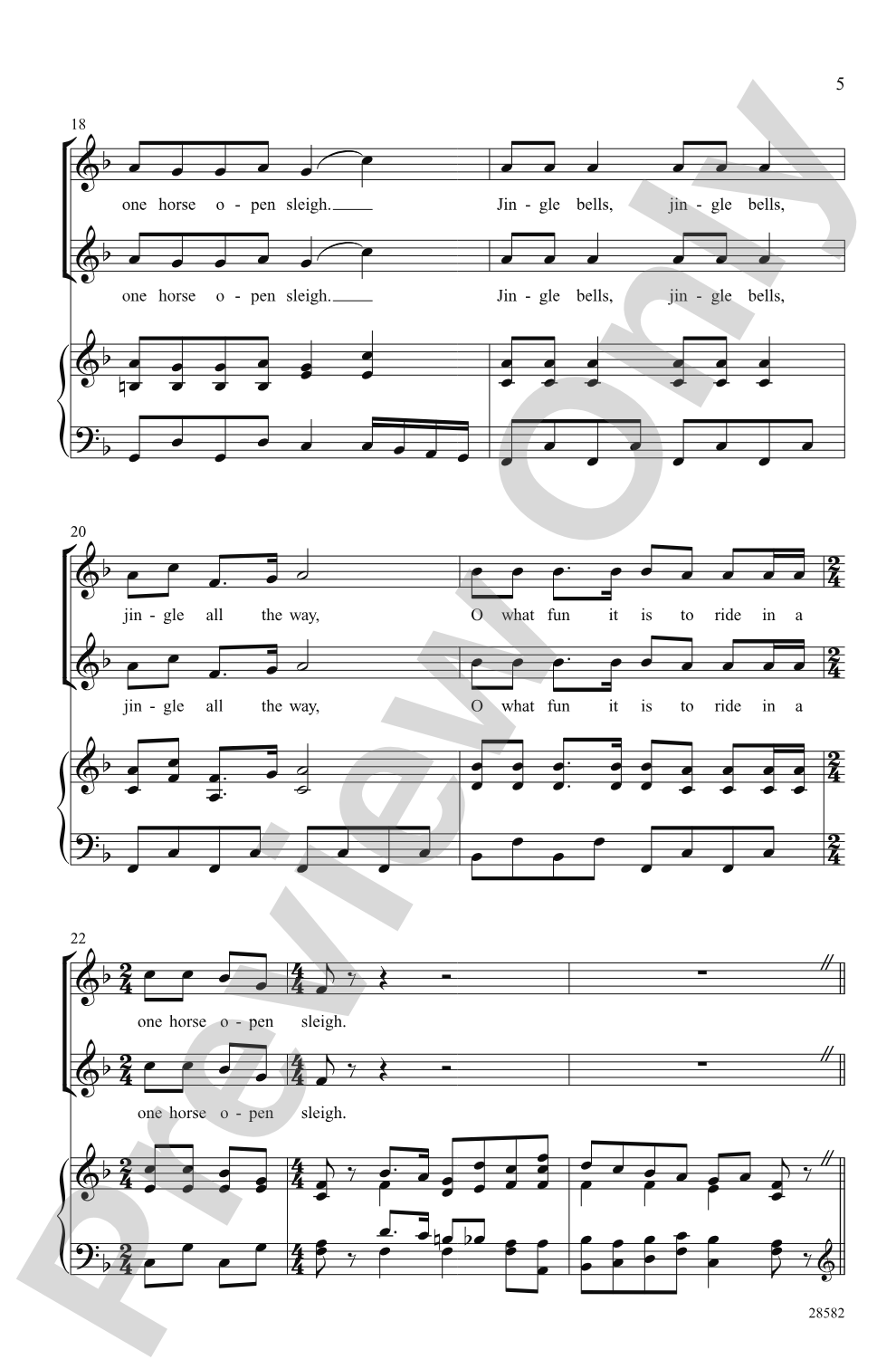
It's "Jingle Bells" . . . it's The Nutcracker . . . it's newly arranged for men's voices . . . it's "Nutcracker Jingles!" Holiday frivolity abounds in this clever mash-up combining a favorite winter carol with familiar tunes from Tchaikovsky's famous ballet. A proven crowd-pleaser! Also available: SATB (00-28579), SAB (00-28580), SSA (00-28581), 2-Part (00-28582), and SoundTrax CD (00-28583).


Don't just read it, hear it, play along with it, and watch your students grow with it. In MakeMusic Cloud, Nutcracker Jingles: 2-Part Choral Octavo comes alive with professional accompaniment, adjustable tempo, and built-in practice tools that turn solo practice into real progress.
Open in the Player
Jump straight in and assign it today.
Start Your Free Trial
Open this title and explore the full library in minutes.
Sample Audio
1
Audio File
--:--
0:00
0:00
Sample Video
Additional Details
Series:
Alfred Choral Designs
Publisher:
Alfred Music
Page Count:
16
SKU:
00-PO-0000494
More about this title
About the Composer: James Pierpont
James Pierpont (1822-1893) composed "Jingle Bells" in 1857, originally titled "The One Horse Open Sleigh." Published in Boston, the song became one of America's most enduring winter melodies and has since appeared in countless arrangements across genres and ensembles.
Peter Ilyich Tchaikovsky (1840-1893) composed The Nutcracker ballet in 1891-1892 for the Imperial Mariinsky Theatre in Saint Petersburg. The work remains one of the most performed ballets worldwide, with its orchestral suite becoming a cornerstone of holiday programming across concert halls and schools.
Why we love this
Chuck Bridwell's arrangement captures genuine holiday spirit without sacrificing musicality. The 2-part voicing keeps the piece accessible for developing singers while the mash-up structure gives performers a genuine reason to be invested in the familiar material—they're hearing it in a new, playful context that keeps rehearsals energetic.
What to expect
Holiday frivolity at its finest. The piece opens with the cheerful bounce of "Jingle Bells," then weaves in the recognizable grandeur of Nutcracker melodies, creating a sense of musical surprise and delight. The result is both lighthearted and surprisingly sophisticated, inviting audiences to smile at the clever pairing.
Who it's for
Men's choirs, boys' choirs, and mixed ensembles looking for accessible two-part holiday music with immediate appeal. This arrangement works equally well for singers new to two-part voicing and for experienced singers seeking an entertaining contrast piece for winter concerts.
How to get the most out of it
- Balance the "Jingle Bells" melody line against the Nutcracker material underneath; clarity in the upper voices will make the clever arrangement shine through.
- Lean into the rhythmic vitality of the "Jingle Bells" section to establish the playful character early, then shift register slightly when Tchaikovsky's music enters to highlight the contrast.
- Use the recorded accompaniment to lock in ensemble confidence, especially if your singers are less experienced with two-part writing.
- Articulate text crisply in both sections to maintain the holiday energy and ensure the "mash-up" concept reads clearly to your audience.
How to use it
Use this as a mid-program palette cleanser between heavier choral selections or open the second half of a holiday concert with it to reset the energy. The novelty appeal makes it particularly effective as a closer on informal holiday programs where audience enjoyment matters as much as vocal display.
Skills your students will build
- Reading and performing two-part choral voicing with independent melodic lines
- Maintaining textual clarity and rhythmic precision in a piece with contrasting musical sections
- Blending voices across a wider range while preserving individual part definition
- Responding to harmonic and melodic changes between familiar material and classical ballet excerpts