

Nutcracker Jingles: SAB Choral Octavo
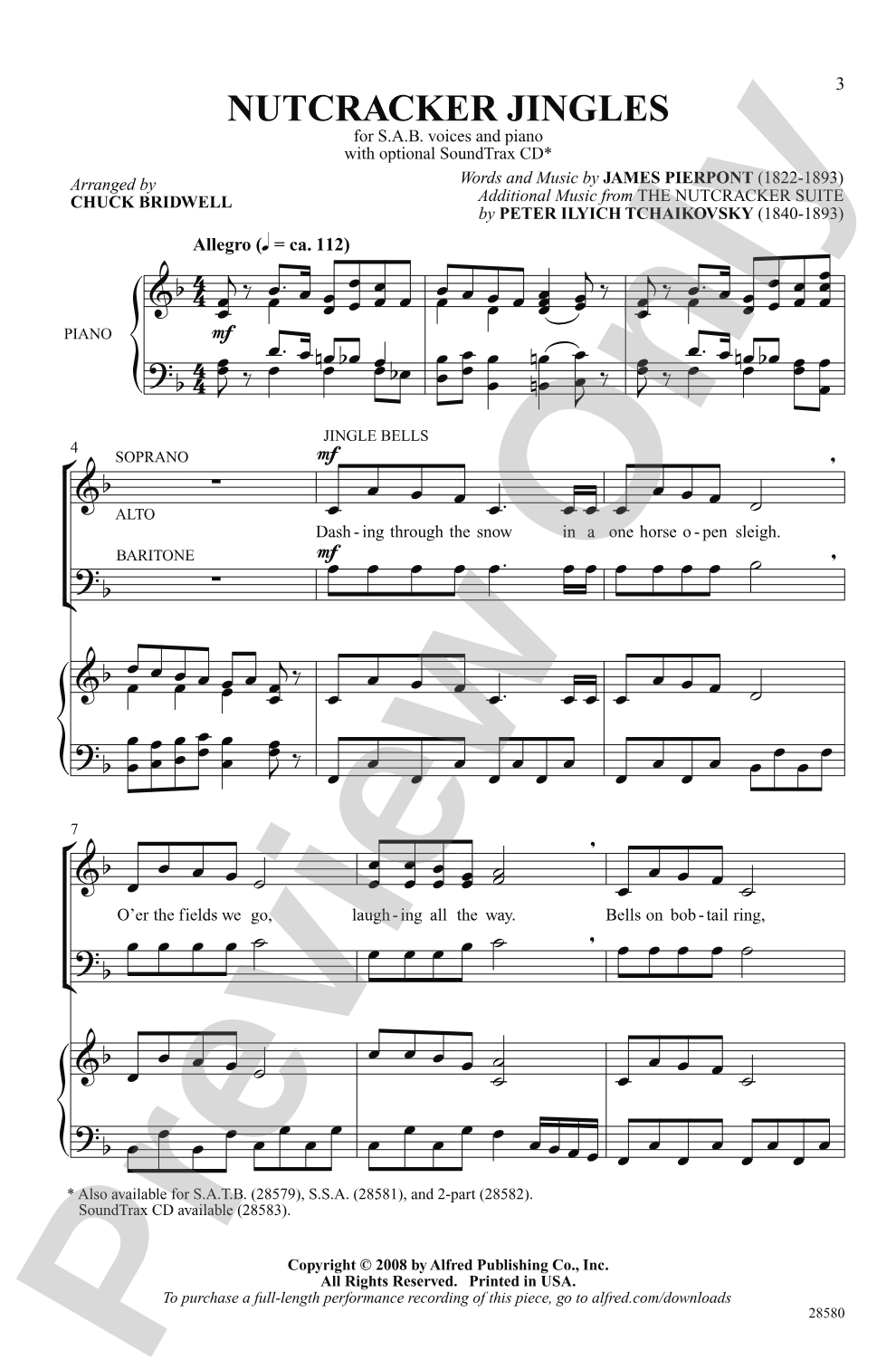
Words and music by James Pierpont, additional music from The Nutcracker Suite by Peter Ilyich Tchaikovsky / arr. Chuck Bridwell
Item: 00-PO-0000492
$2.20
Minimum order quantity: 20 copies
Pickup currently not available
Related Items
Nutcracker Jingles: SATB Choral Octavo |
$2.20
|
View | |
Nutcracker Jingles: SSA Choral Octavo |
$2.20
|
View | |
Nutcracker Jingles: TTBB Choral Octavo |
$2.20
|
View | |
Nutcracker Jingles: 2-Part Choral Octavo |
$2.20
|
View | |
Nutcracker Jingles: SoundTrax Digital Audio Download |
$27.99
|
View | |
Nutcracker Jingles: SATB Choral Octavo |
$2.20
|
View | |
Nutcracker Jingles: SAB Choral Octavo |
$2.20
|
View | |
Nutcracker Jingles: SSA Choral Octavo |
$2.20
|
View | |
Nutcracker Jingles: TTBB Choral Octavo |
$2.20
|
View | |
Nutcracker Jingles: 2-Part Choral Octavo |
$2.20
|
View | |
Nutcracker Jingles: Choral Octavo SoundTrax CD |
$27.99
|
View |
Description
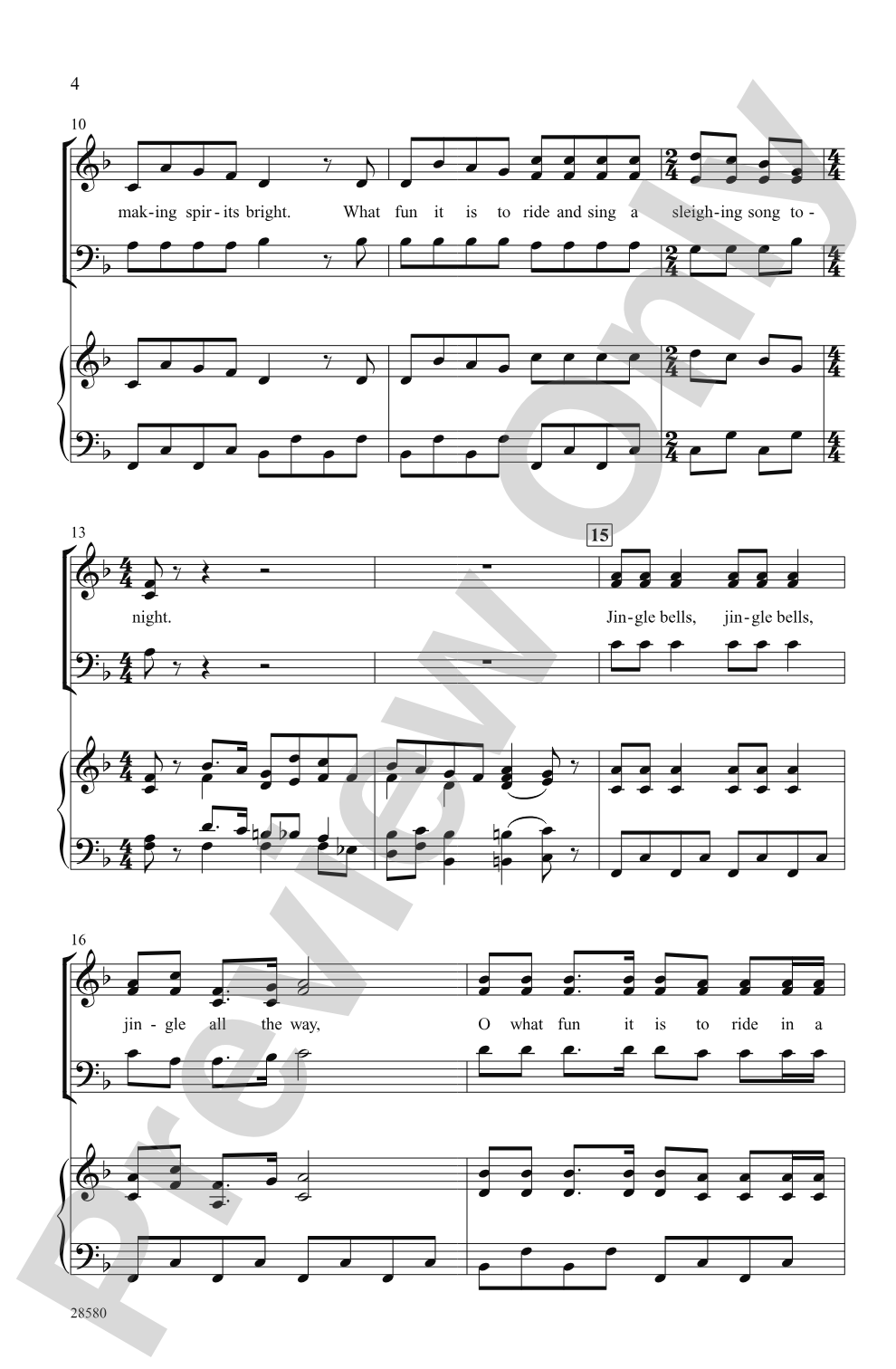
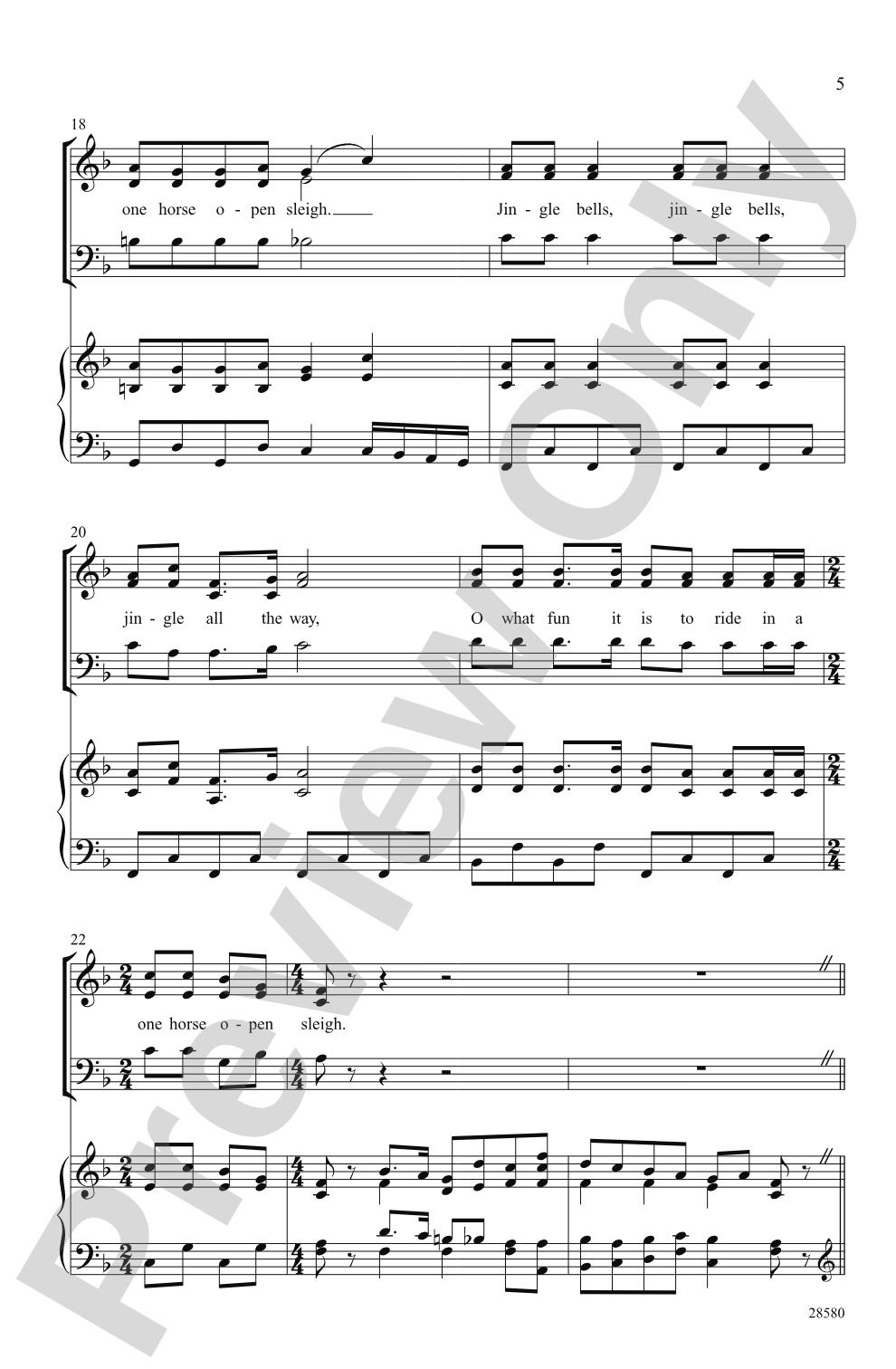
It's "Jingle Bells" . . . it's The Nutcracker . . . it's newly arranged for men's voices . . . it's "Nutcracker Jingles!" Holiday frivolity abounds in this clever mash-up combining a favorite winter carol with familiar tunes from Tchaikovsky's famous ballet. A proven crowd-pleaser! Also available: SATB (00-28579), SAB (00-28580), SSA (00-28581), 2-Part (00-28582), and SoundTrax CD (00-28583).


Nutcracker Jingles: SAB Choral Octavo isn't in MakeMusic Cloud just yet...but it could be. Let us know you'd like to see it, and you'll help shape what comes next. In the meantime, start a free trial and dive into thousands of interactive titles your students can play along with today.
Request This Title
Tell us you want it.
Start Your Free Trial
Explore everything that's ready to play right now.
Sample Audio
1
Audio File
--:--
0:00
0:00
Sample Video
Additional Details
Series:
Alfred Choral Designs
Publisher:
Alfred Music
Page Count:
16
SKU:
00-PO-0000492
More about this title
About the Composer: James Pierpont
James Pierpont (1822-1893) composed "Jingle Bells" in 1857, originally titled "One Horse Open Sleigh." Written in Massachusetts, the song became one of America's most enduring winter melodies, though Pierpont wrote relatively few other pieces that achieved lasting recognition. His gift for memorable melody and accessible composition made him a fixture in 19th-century American popular music.
Peter Ilyich Tchaikovsky (1840-1893) stands among the most performed composers in the orchestral repertoire. His ballet "The Nutcracker" (1892) has become inseparable from the holiday season, beloved for its orchestration, character themes, and instantly recognizable melodies. Tchaikovsky's ability to write music that satisfies both concert halls and general audiences made his work a natural candidate for countless arrangements and adaptations across genres and ensembles.
Why we love this
Chuck Bridwell's arrangement captures genuine holiday joy without resorting to sentimentality. The mash-up concept works because both source melodies sit comfortably in SAB range, and the writing respects what makes each tune instantly recognizable while creating something fresh. Directors report this piece energizes rehearsals and audiences alike, and it's substantive enough to feel like real singing rather than novelty filler.
What to expect
Bright, effervescent, and genuinely fun. The piece radiates the kind of holiday warmth that comes from hearing beloved melodies reimagined in unexpected ways. There's real energy here, but it never tips into parody; the writing respects both the Pierpont original and Tchaikovsky's ballet, making the connection feel earned rather than forced.
Who it's for
This arrangement serves choirs with limited male section strength or those seeking a three-part mixed voicing that includes strong upper voices. It works equally well for community choirs, church programs, and school choirs looking to program something that entertains audiences without sacrificing musicianship.
How to get the most out of it
- Balance the familiar melodies so both "Jingle Bells" and Nutcracker themes register clearly; resist the urge to let one overshadow the other.
- Approach the comedic moments with genuine musicality rather than winking at the audience; playfulness reads better when it's grounded in confident singing.
- Secure rhythmic precision in the sections where the two melodies interweave; this clarity is what makes the arrangement clever rather than confusing.
- Use the recorded accompaniment to lock ensemble entrances and feel the rhythmic pocket, especially in the mashup sections where parts move independently.
How to use it
Position this as a second-half opener or finale for a holiday concert, where it can shift the emotional temperature and give audiences permission to smile. It pairs well with one or two serious seasonal pieces, creating a program that feels complete rather than novelty-heavy. This works especially well in community and church settings where programming must balance artistic substance with accessibility.
Skills your students will build
- Singing melody lines that weave between and above each other in close proximity
- Maintaining rhythmic independence when multiple familiar tunes sound simultaneously
- Balancing dynamic control to feature each melodic line appropriately
- Responding to the recorded accompaniment with precise ensemble coordination