
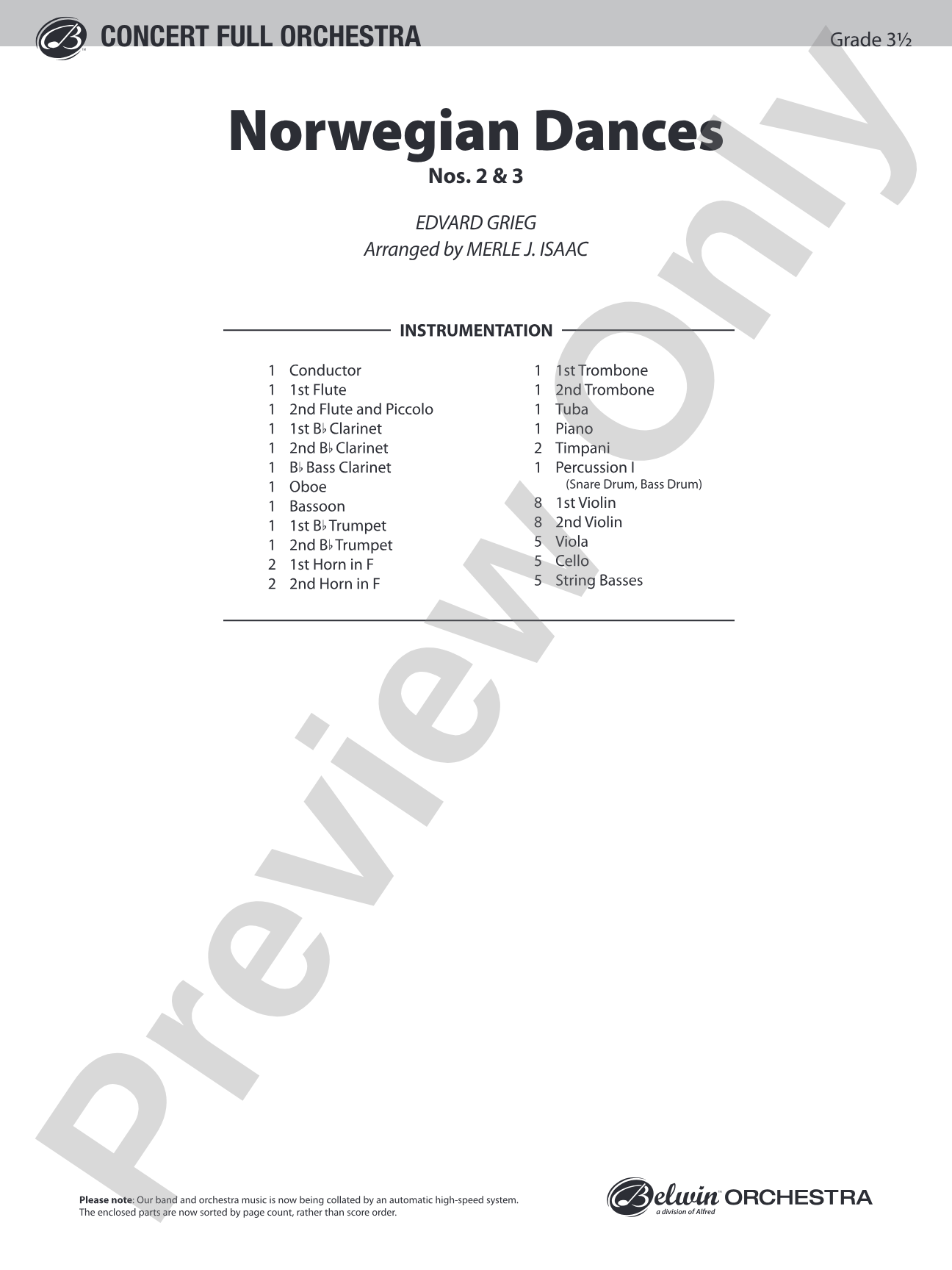
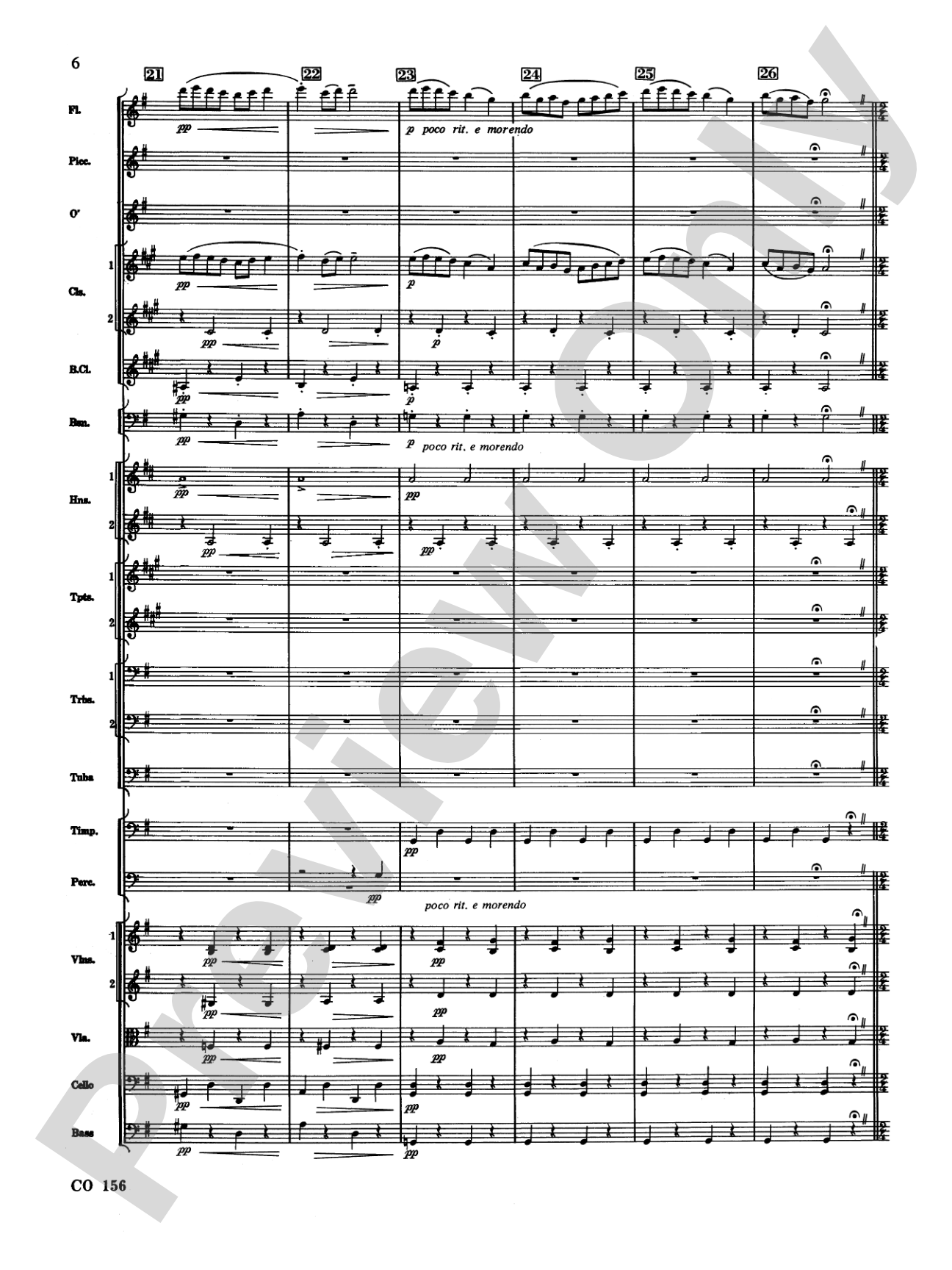
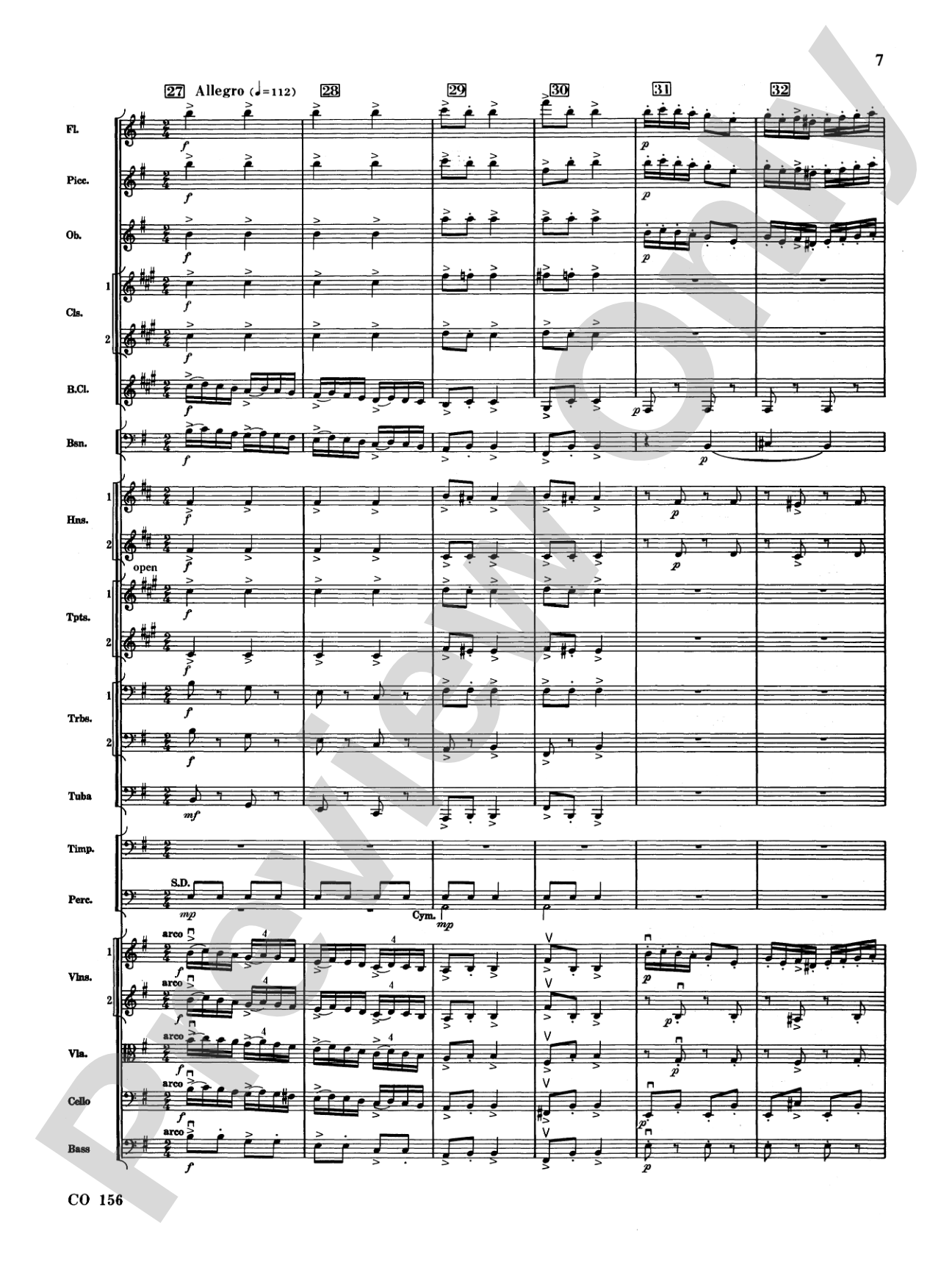
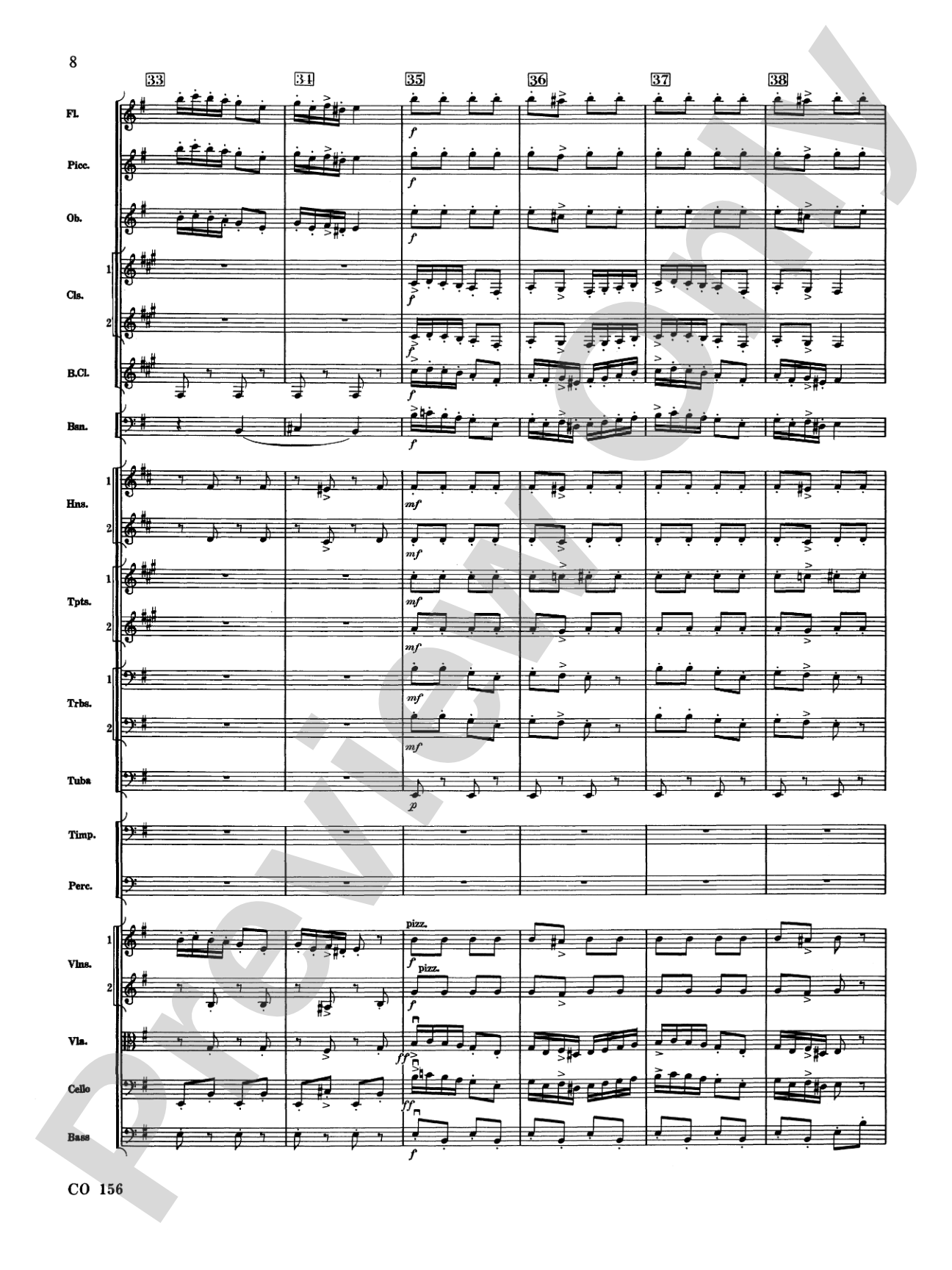
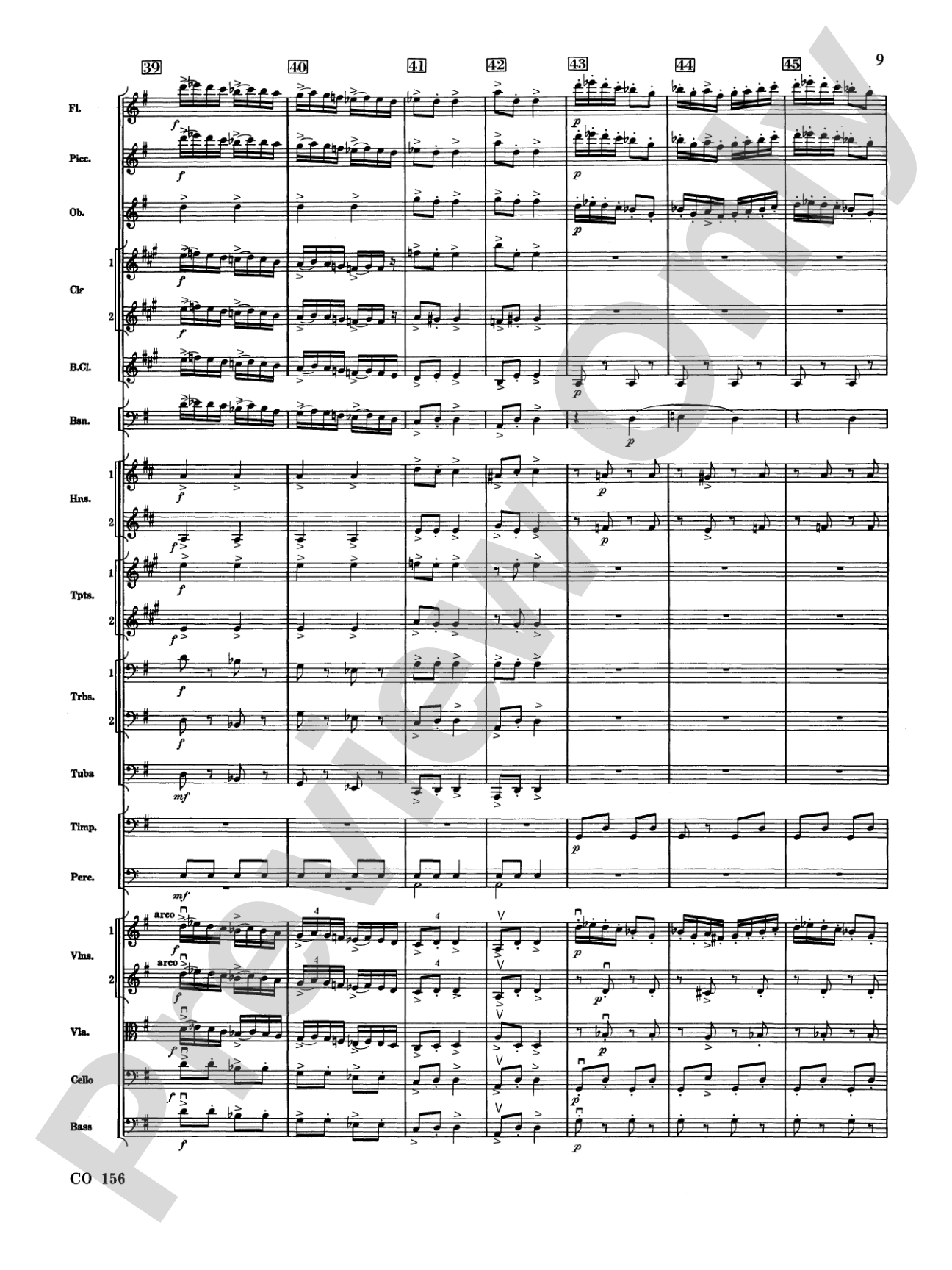
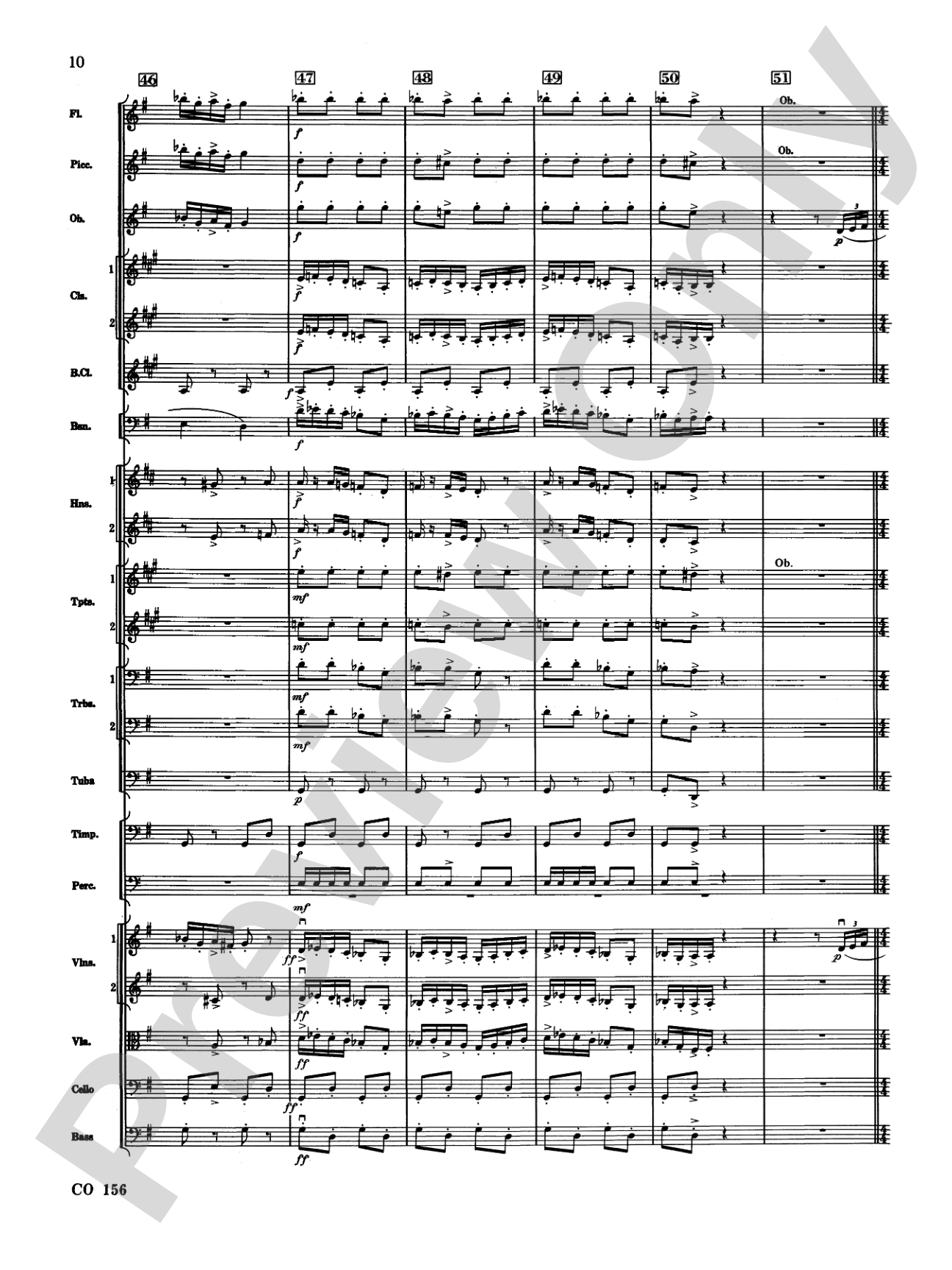
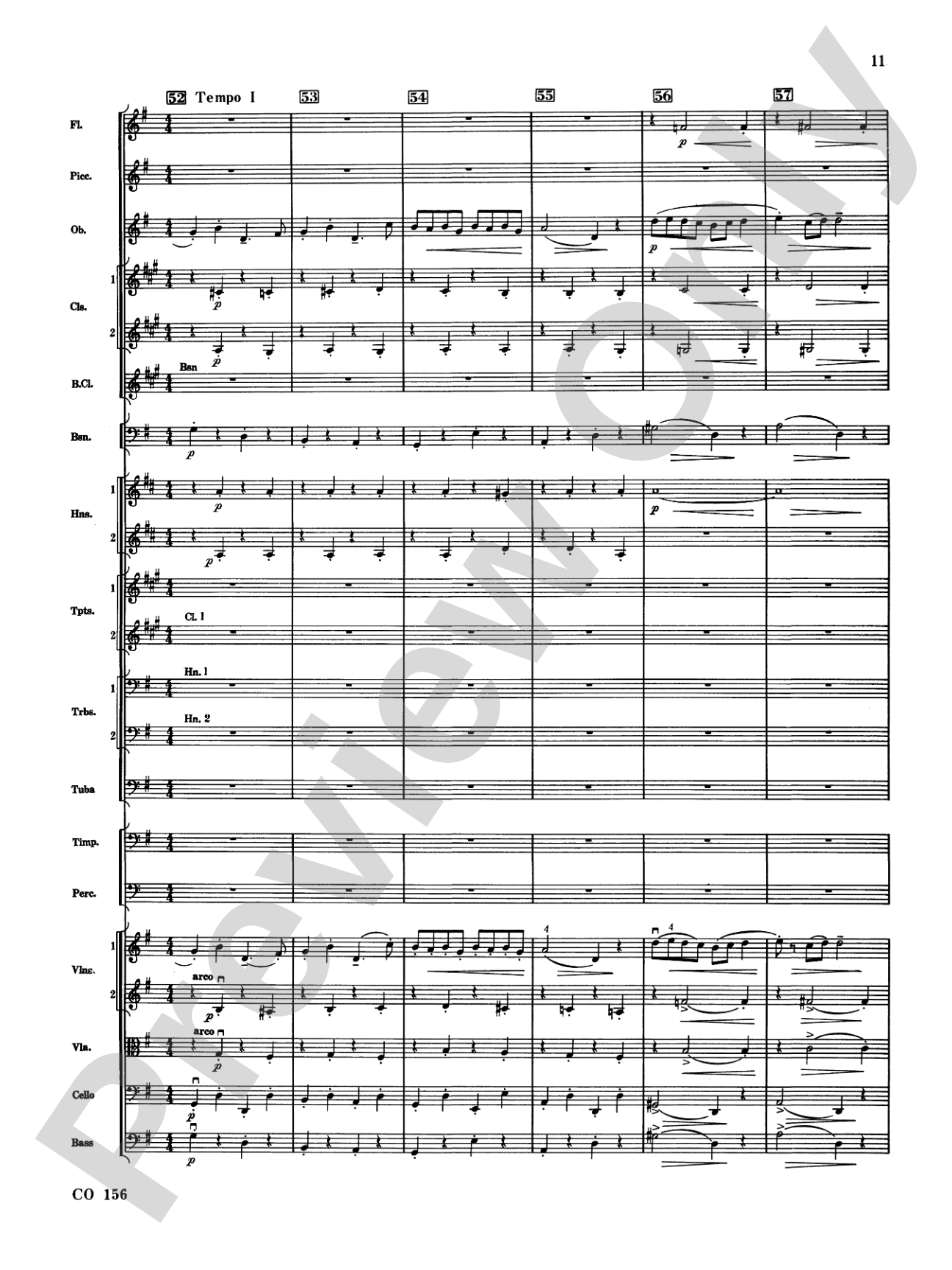
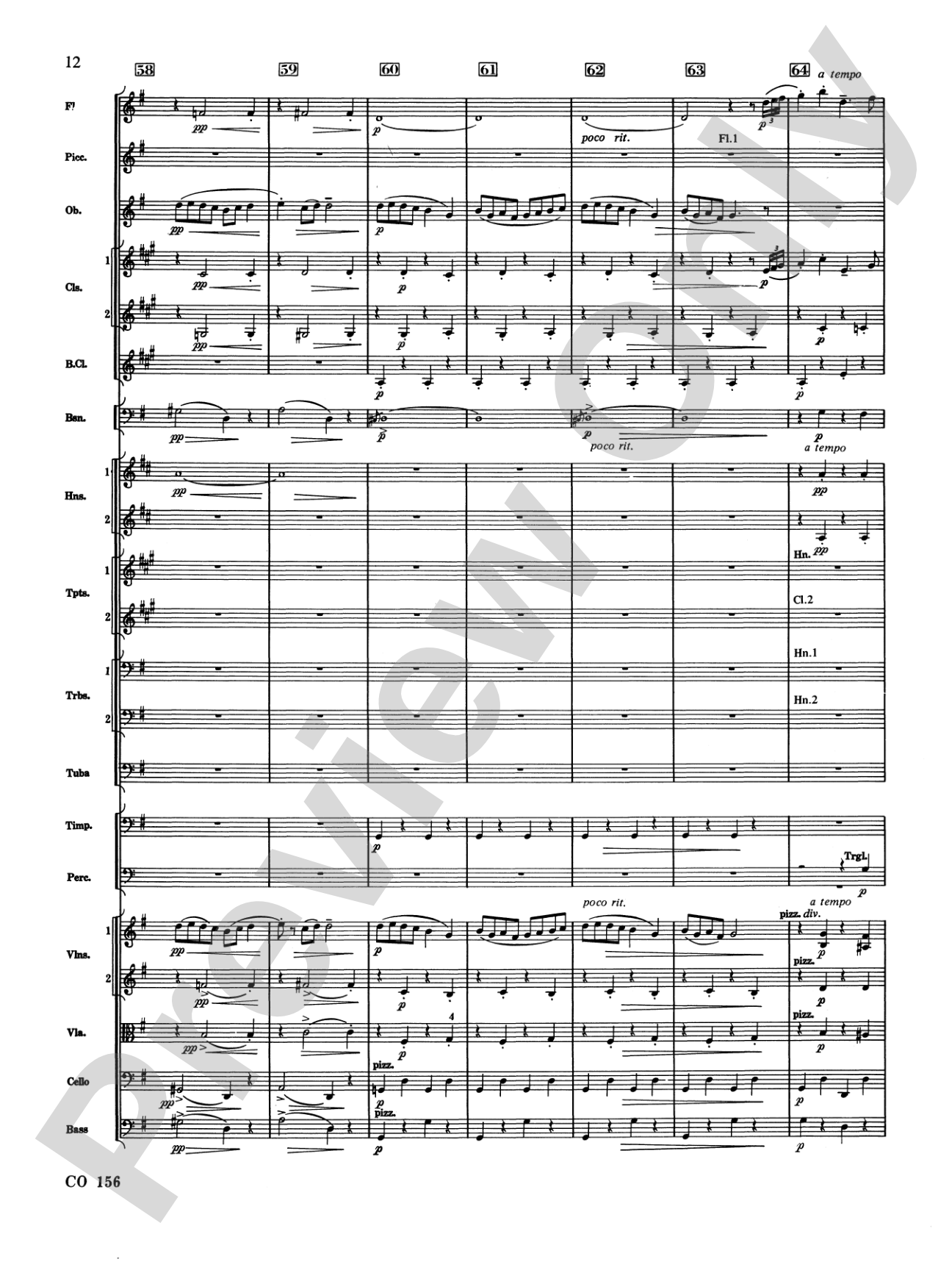
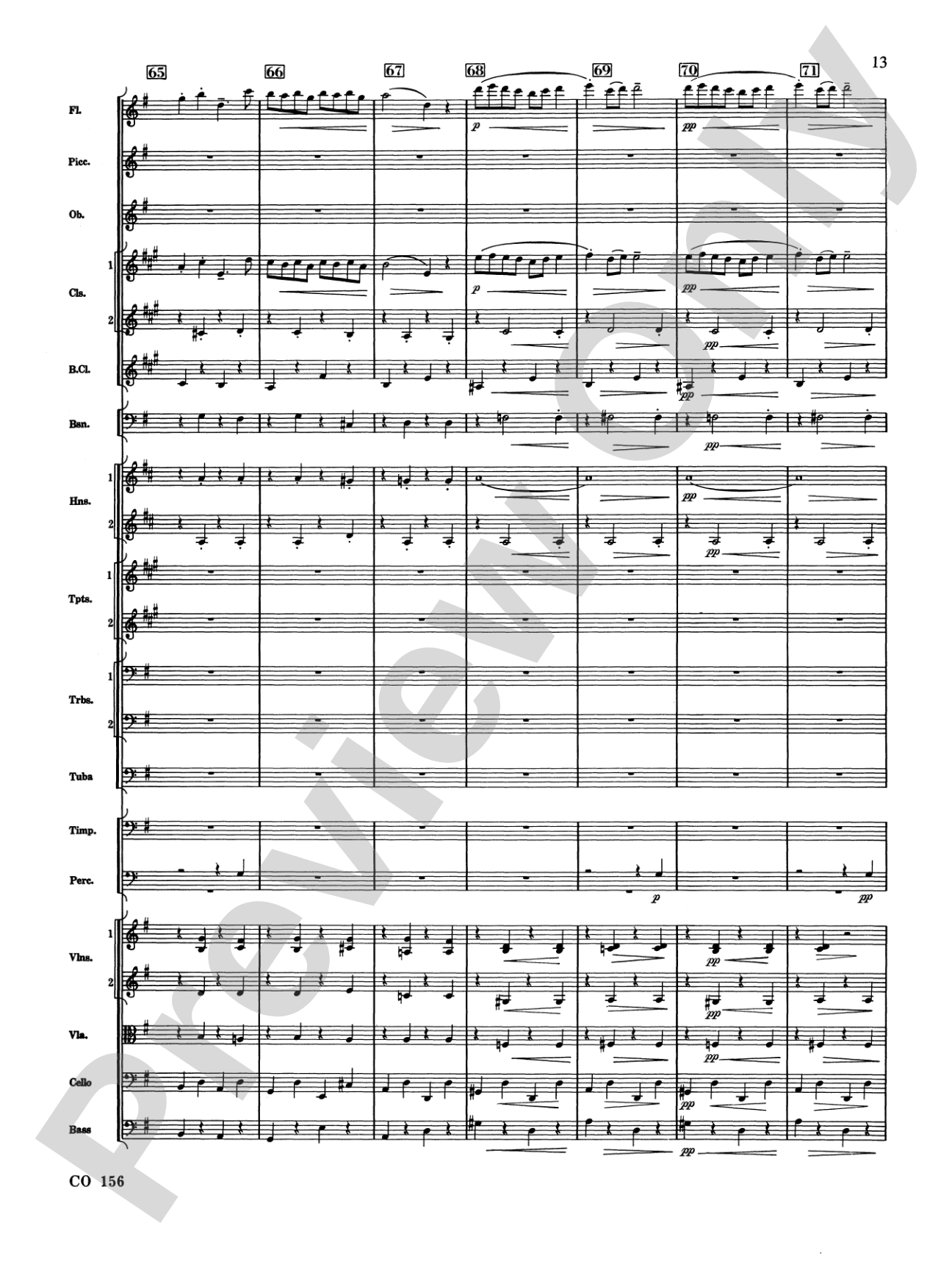
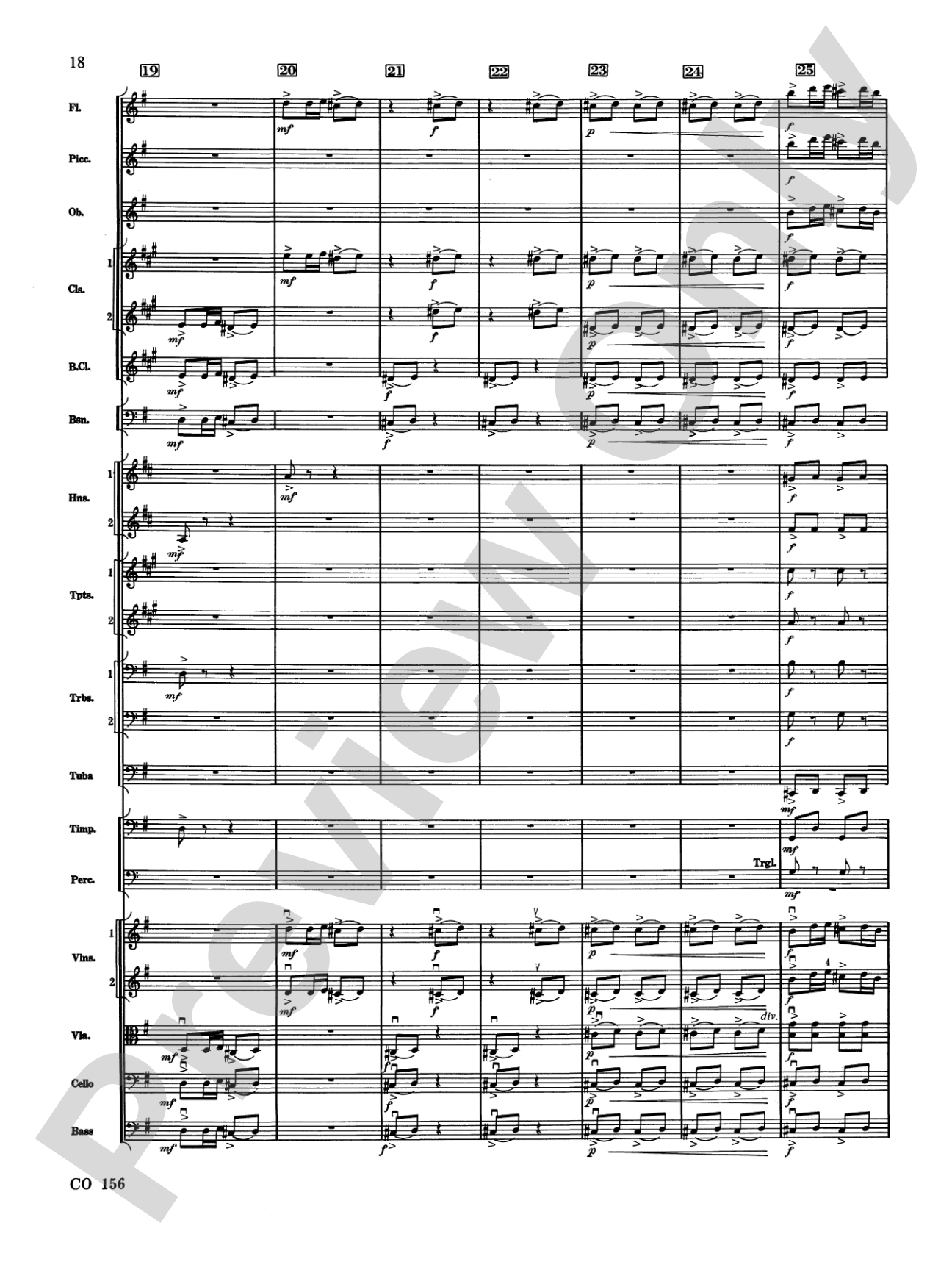
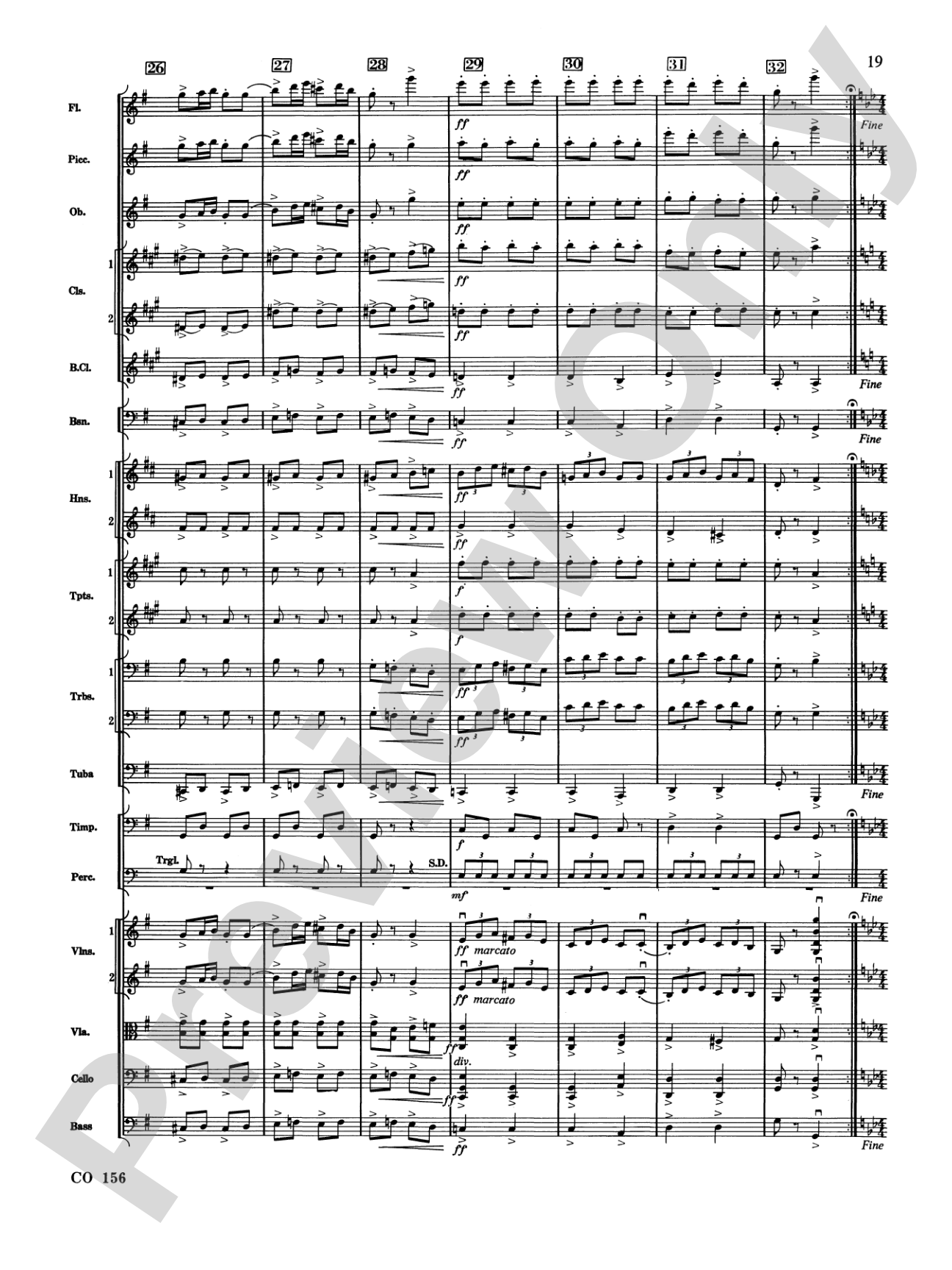
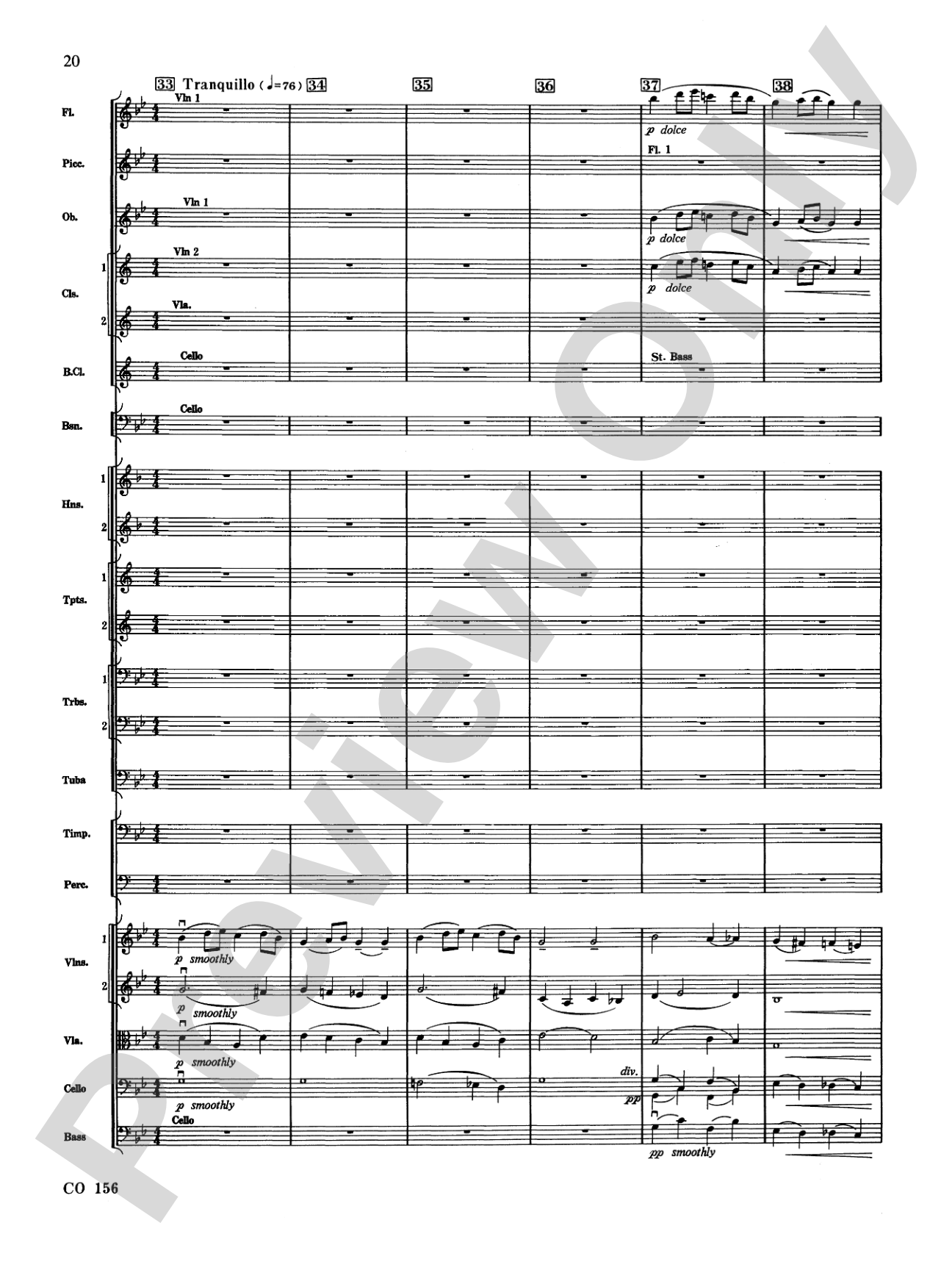
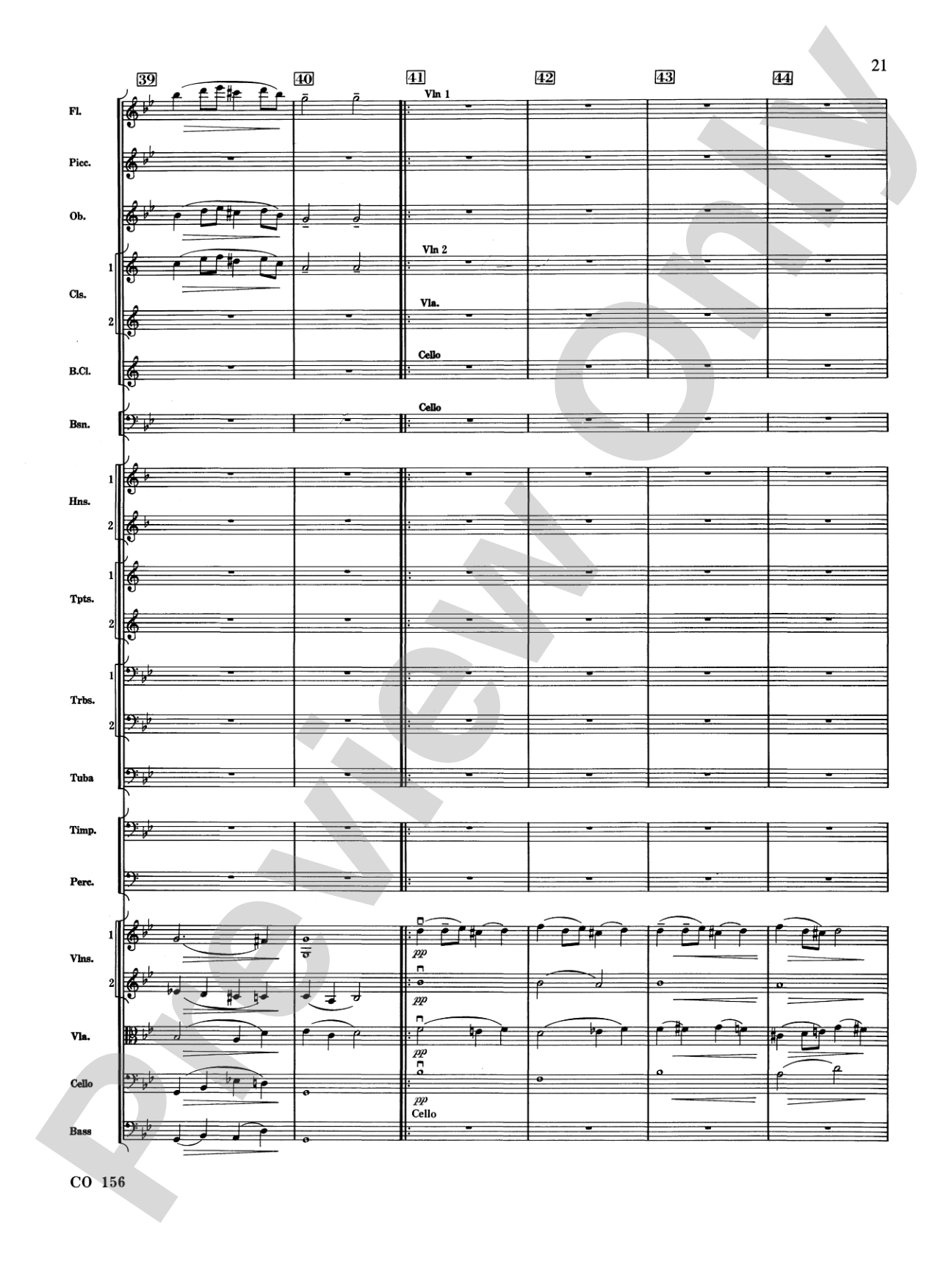
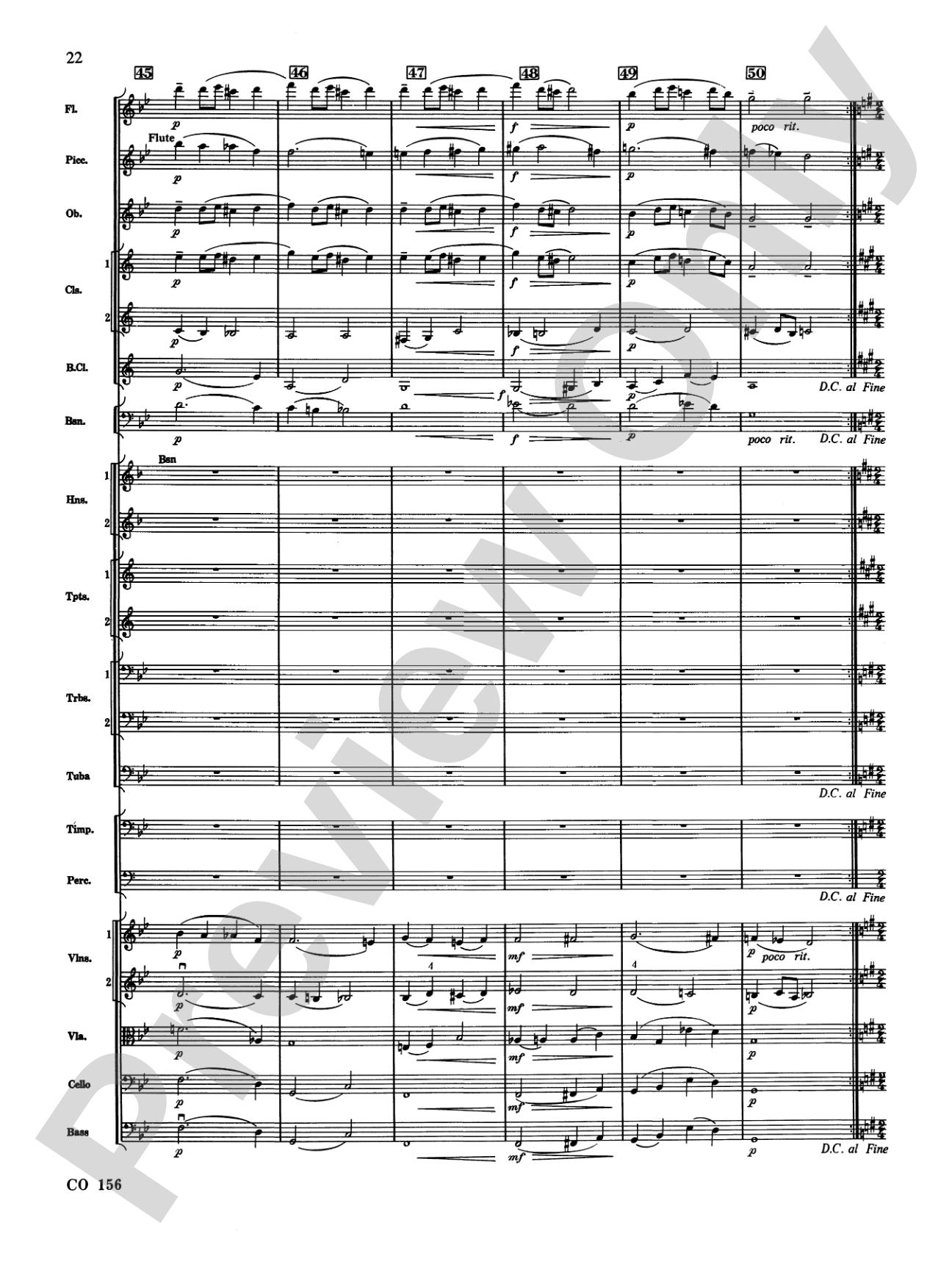

Norwegian Dances Nos. 2 & 3: Full Orchestra Conductor Score & Parts
By Edvard Grieg / arr. Merle J. Isaac
Grade: 3.5
Item: 00-PK-0005352

$69.00
Pickup currently not available
Buy Extra Parts (Digital PDF Download)
Parts Added to Cart!
Description
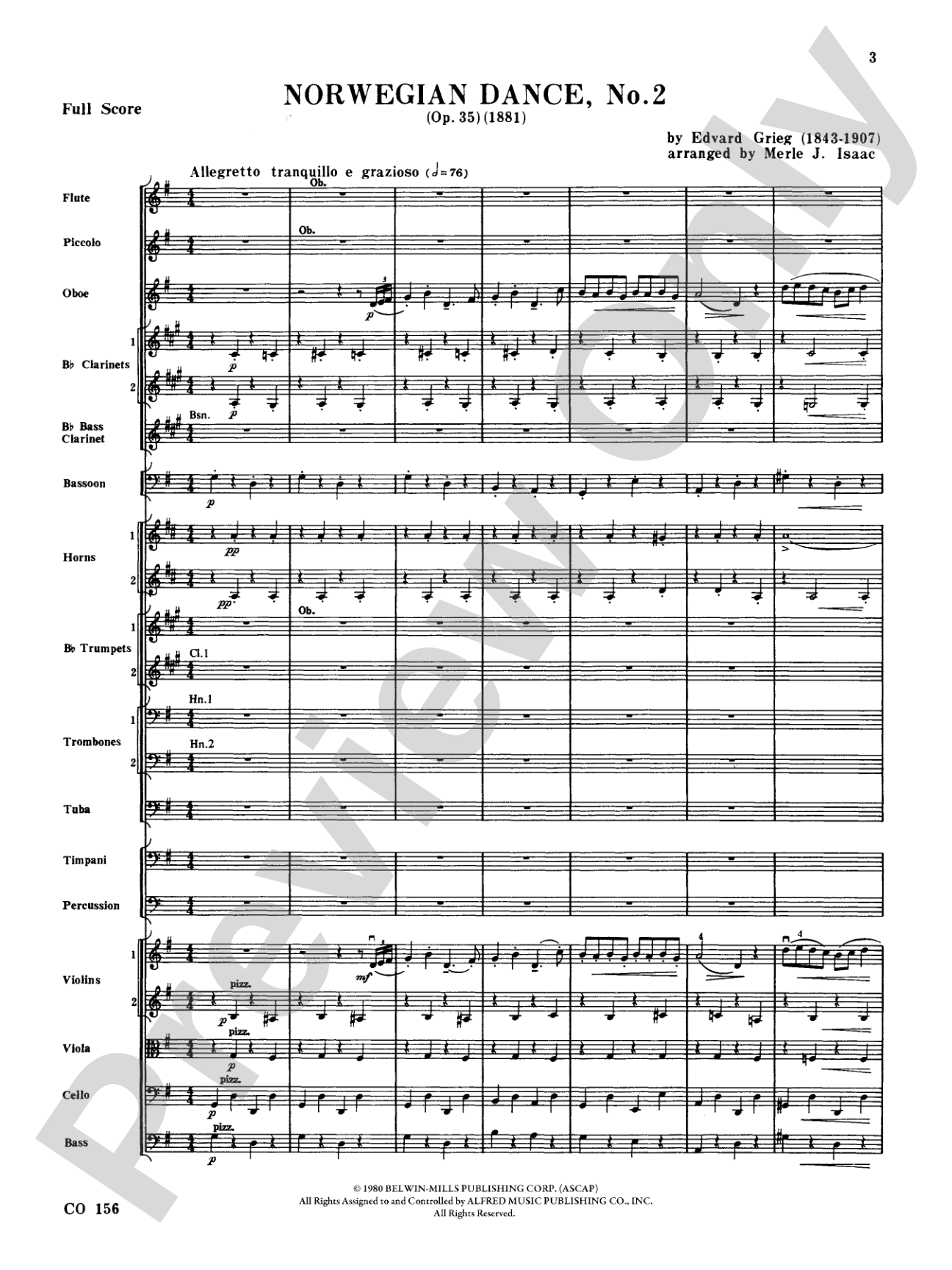
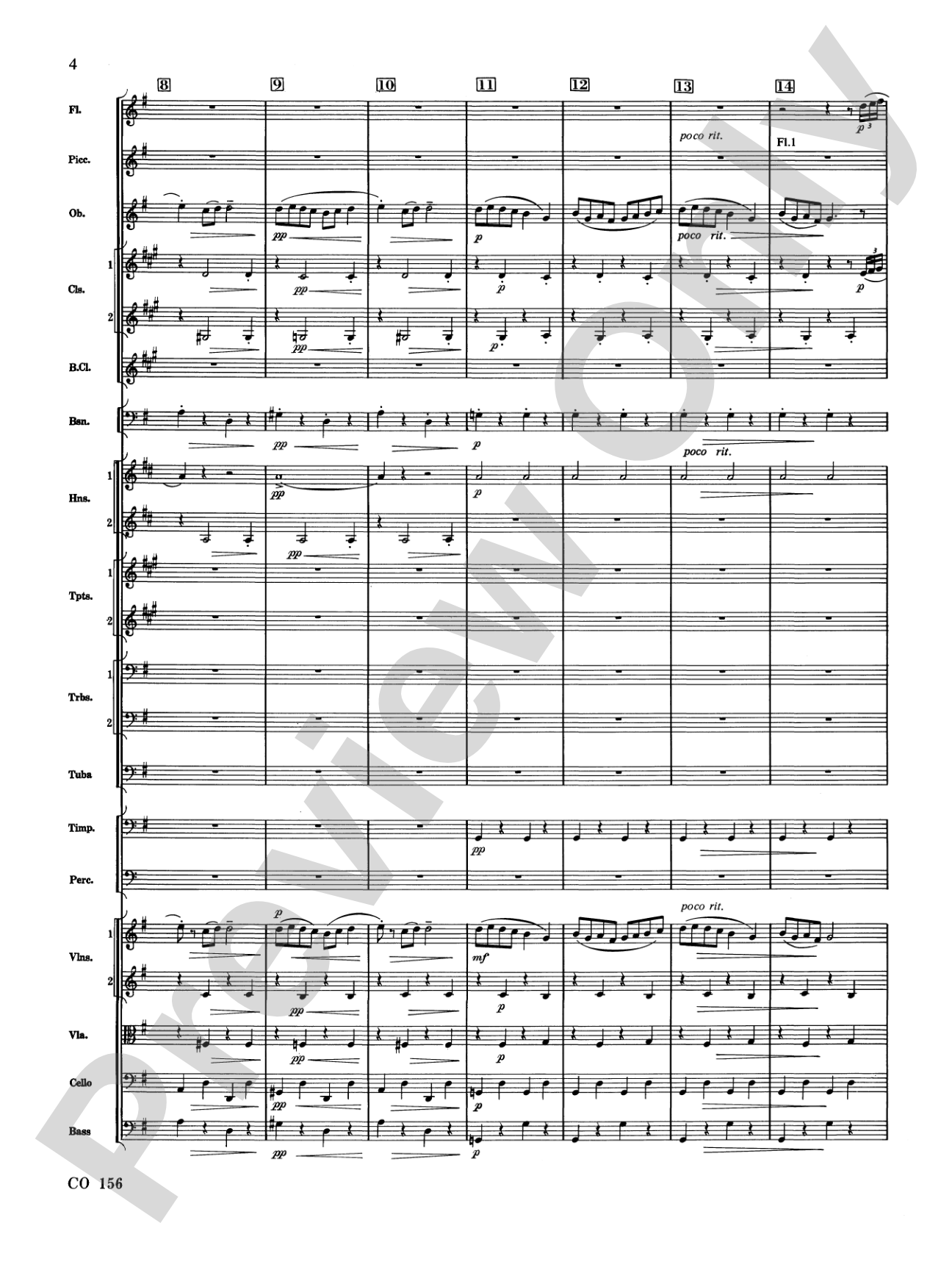
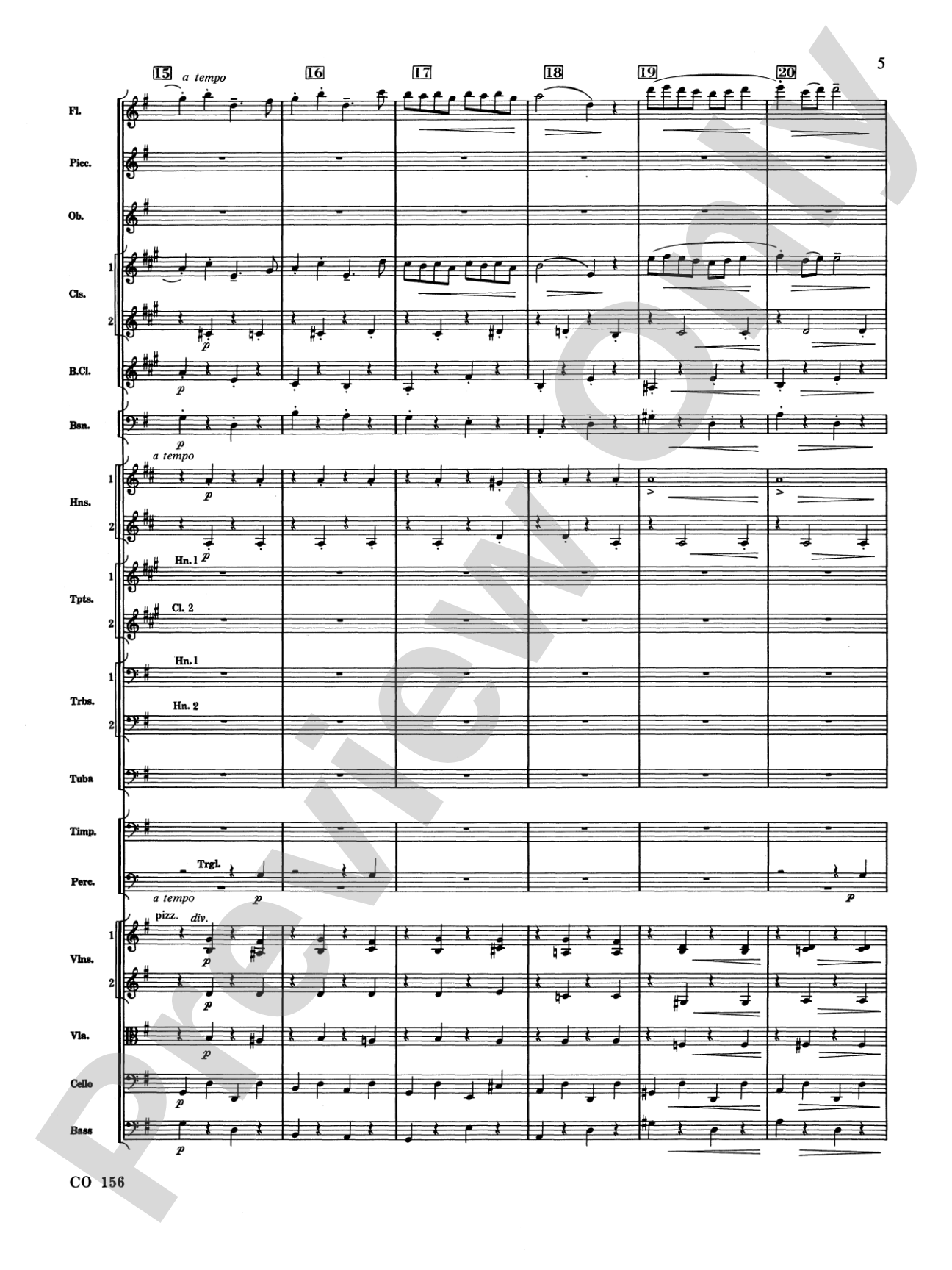
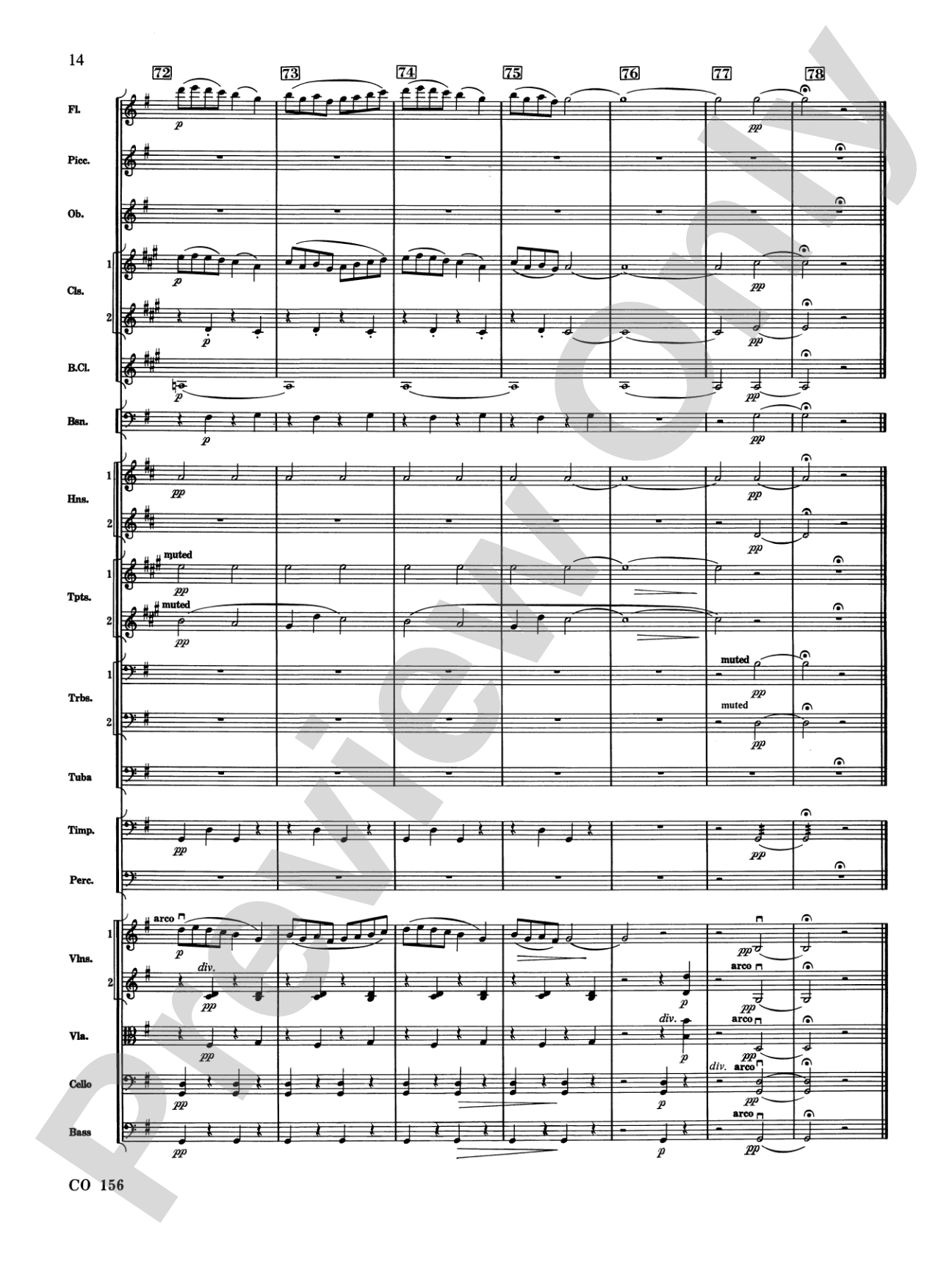
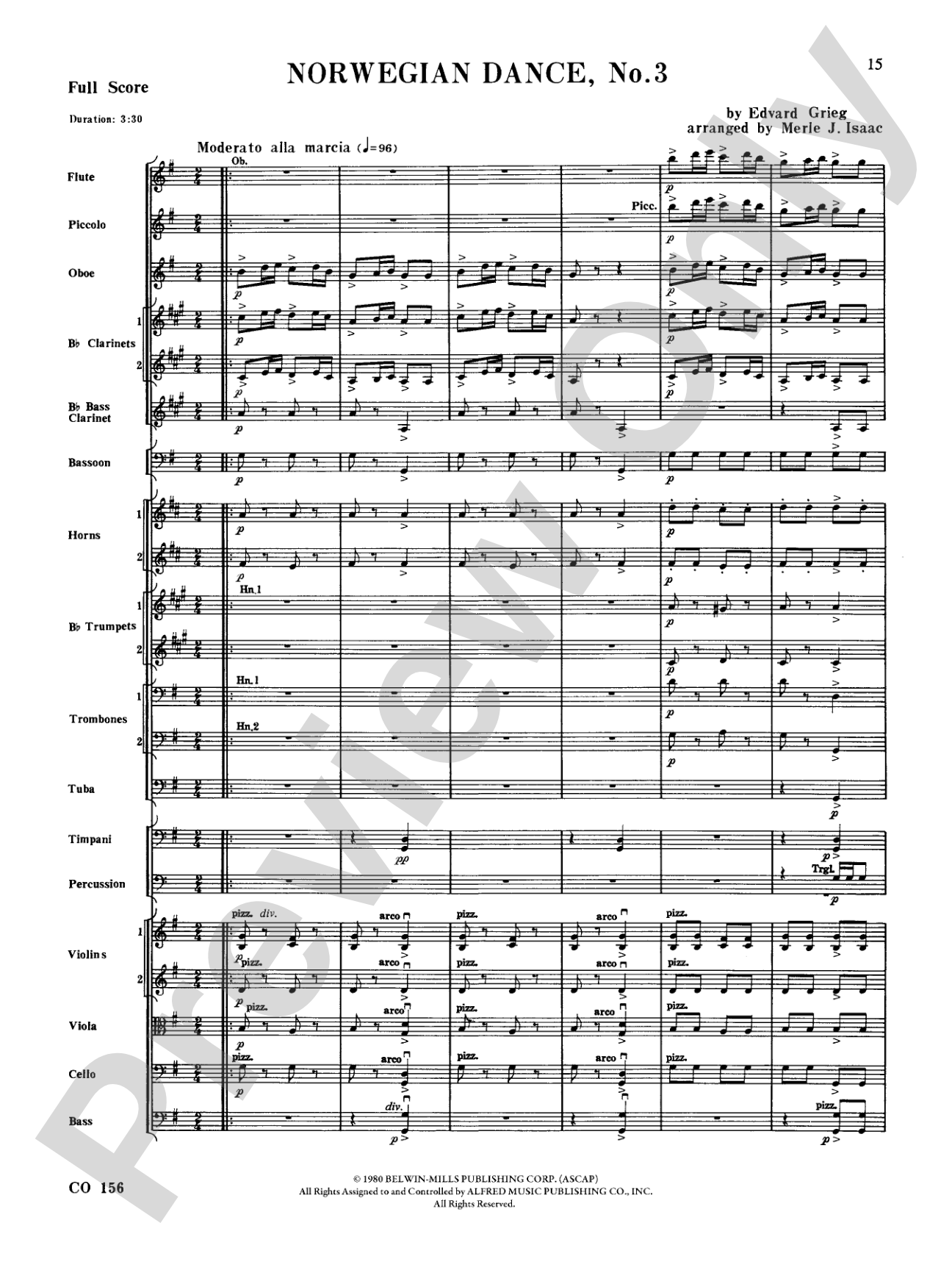
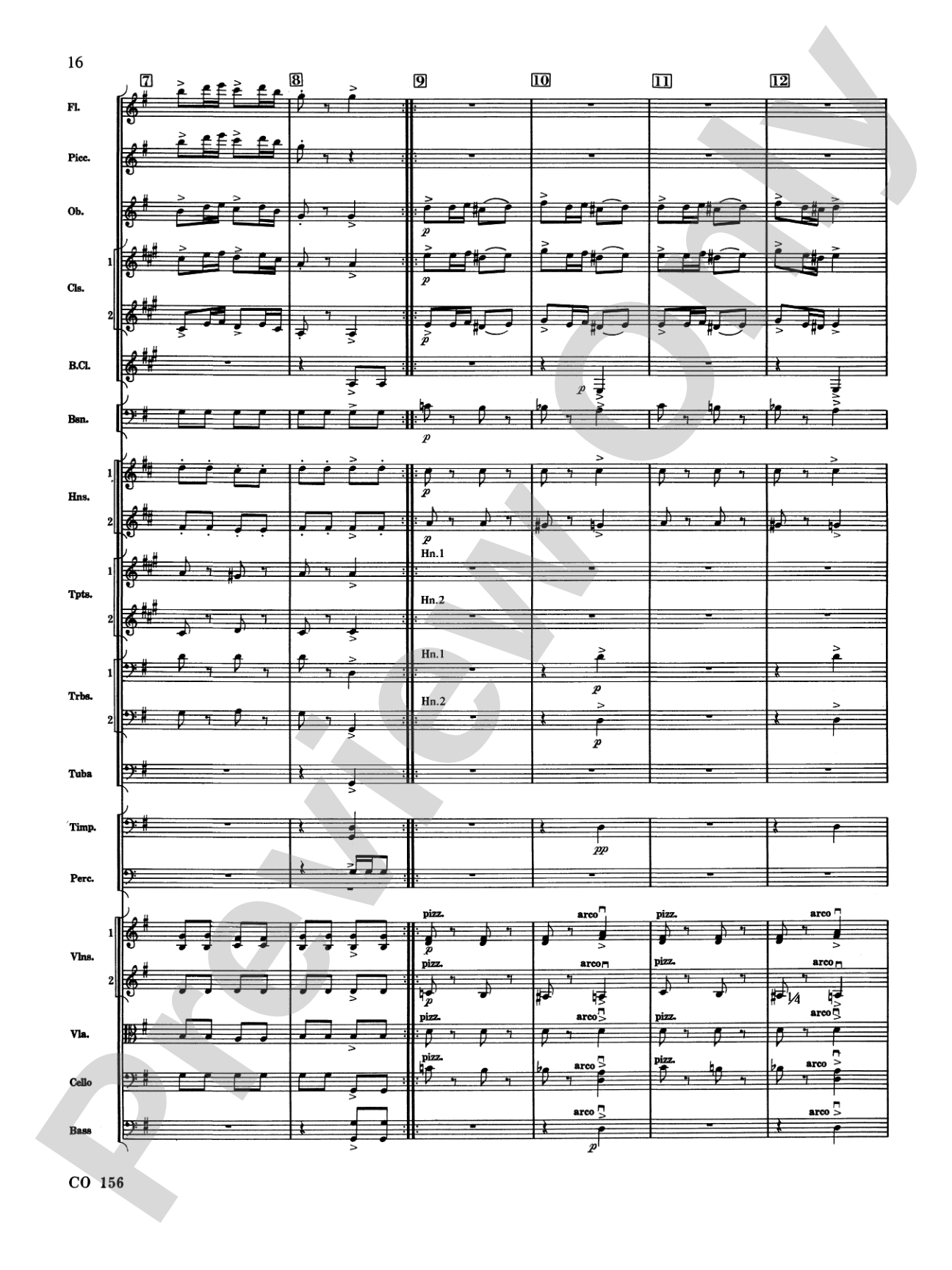
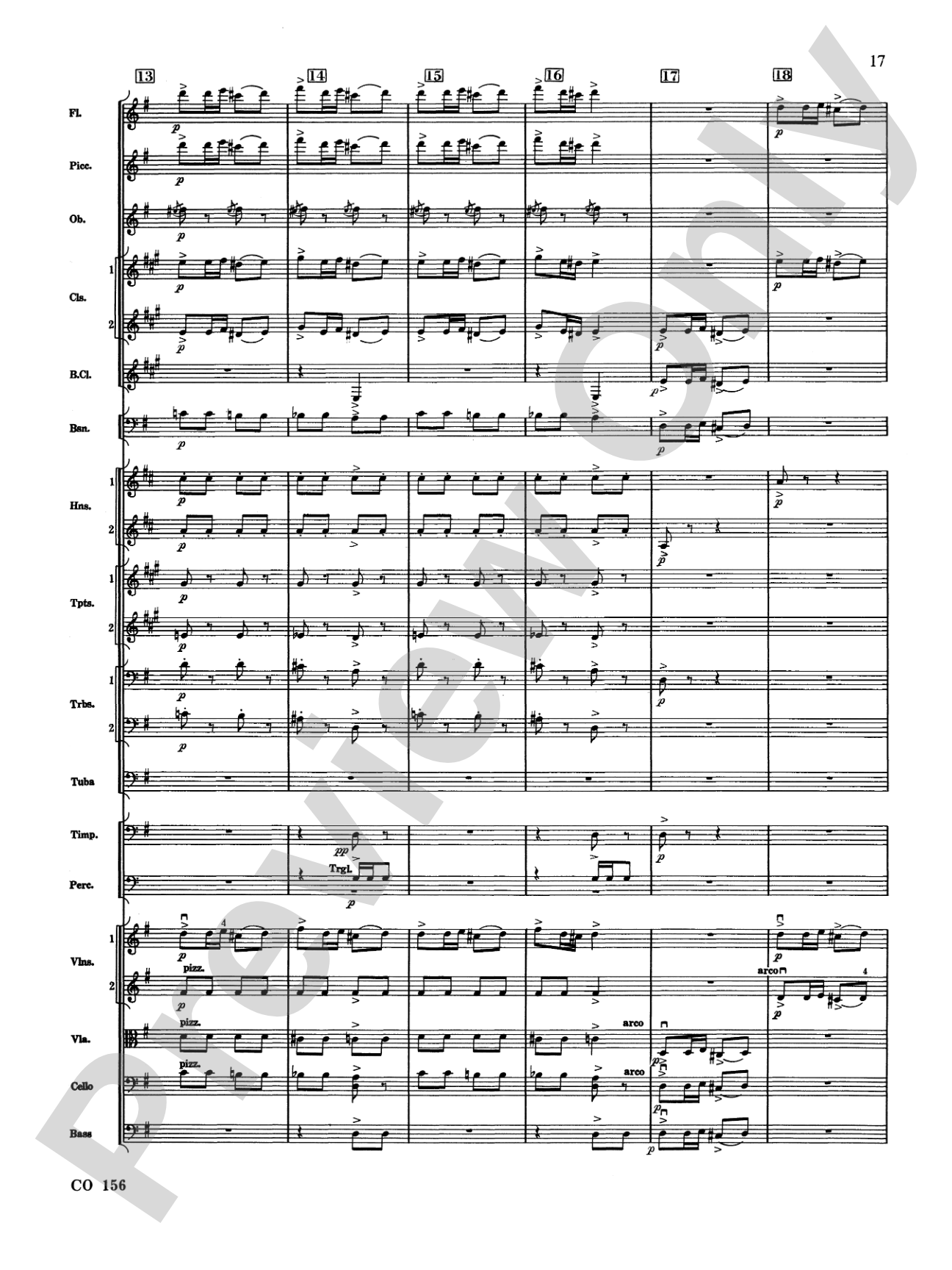
The music of Grieg is expressed very well in this two-part suite for full orchestra. The melodies are familiar, and Merle Isaac's fine arrangement is an excellent choice for either concert or contest usage. (6:17)


Don't just read it, hear it, play along with it, and watch your students grow with it. In MakeMusic Cloud, Norwegian Dances Nos. 2 & 3: Full Orchestra Conductor Score & Parts comes alive with professional accompaniment, adjustable tempo, and built-in practice tools that turn solo practice into real progress.
Open in the Player
Jump straight in and assign it today.
Start Your Free Trial
Open this title and explore the full library in minutes.
Sample Audio
1
Audio File
--:--
0:00
0:00
Sample Video
Additional Details
Series:
Belwin Concert Full Orchestra
Publisher:
Alfred Music
Page Count:
200
SKU:
00-PK-0005352
More about this title
About the Composer: Edvard Grieg
Edvard Grieg (1843, 1907) stands as Norway's most celebrated composer, and his music became a cornerstone of nationalist musical expression in the Romantic era. His gift for melody was extraordinary; he had an instinct for crafting themes that felt both deeply personal and universally recognizable, often drawing from Norwegian folk traditions and landscapes.
For music educators, Grieg's orchestral works offer something rare: they engage students with genuinely moving material while remaining accessible. His textures are colorful without being overcomplicated, his harmonies fresh yet grounded in functional tonality. The Norwegian Dances exemplify this balance, making them ideal for building orchestral maturity in young ensembles.
Why we love this
Isaac's arrangement preserves Grieg's melodic gift and orchestral color while maintaining a Grade 3.5 difficulty that doesn't feel compromised. The familiar material engages audiences immediately, and the two-movement structure provides natural pacing for a concert program or festival appearance without demanding excessive rehearsal time.
What to expect
These dances pulse with the rhythmic vitality of Norwegian folk celebration, yet they breathe with the harmonic sophistication that makes Grieg's voice unmistakable. The melodies dance above a sturdy orchestral foundation, evoking the warmth of a mountain village gathering while maintaining the refinement of concert music.
Who it's for
Conductors seeking accessible orchestral literature with immediate audience appeal and proven contest viability will find this suite invaluable. It suits high school and advanced middle school orchestras that have solid fundamentals in place but may not yet handle complex contemporary harmonies or extended form work.
How to get the most out of it
- Balance the woodwind solos carefully against the string foundation; these melodies need clarity without overwhelm from the ensemble underneath.
- Observe the tempo relationships between the two dances; a slight lift into the second movement prevents the work from feeling static.
- Shape the opening of each dance with subtle dynamic layering in the first two measures to establish character before the main melodic statement.
- Ensure the lower brass and timpani articulate with precision during rhythmic figures, as they anchor the folk dance character without drawing attention away from the melody.
How to use it
Program this as a centerpiece in a Romantic era concert, or pair it with other Grieg arrangements to create a thematic focus on Nordic composers. The 6:17 duration makes it ideal filler between larger works, and its accessibility ensures strong execution even in a busy concert season.
Skills your students will build
- Balance between melodic lines and supporting harmonies across varied orchestrations
- Coordination of articulation and phrasing in folk-inspired rhythmic figures
- Reading multiple instrumental parts with attention to doubling and textural layering
- Shaping Romantic-era melody with appropriate rubato and dynamic nuance
- Understanding arrangement choices that preserve original intent at an accessible level