
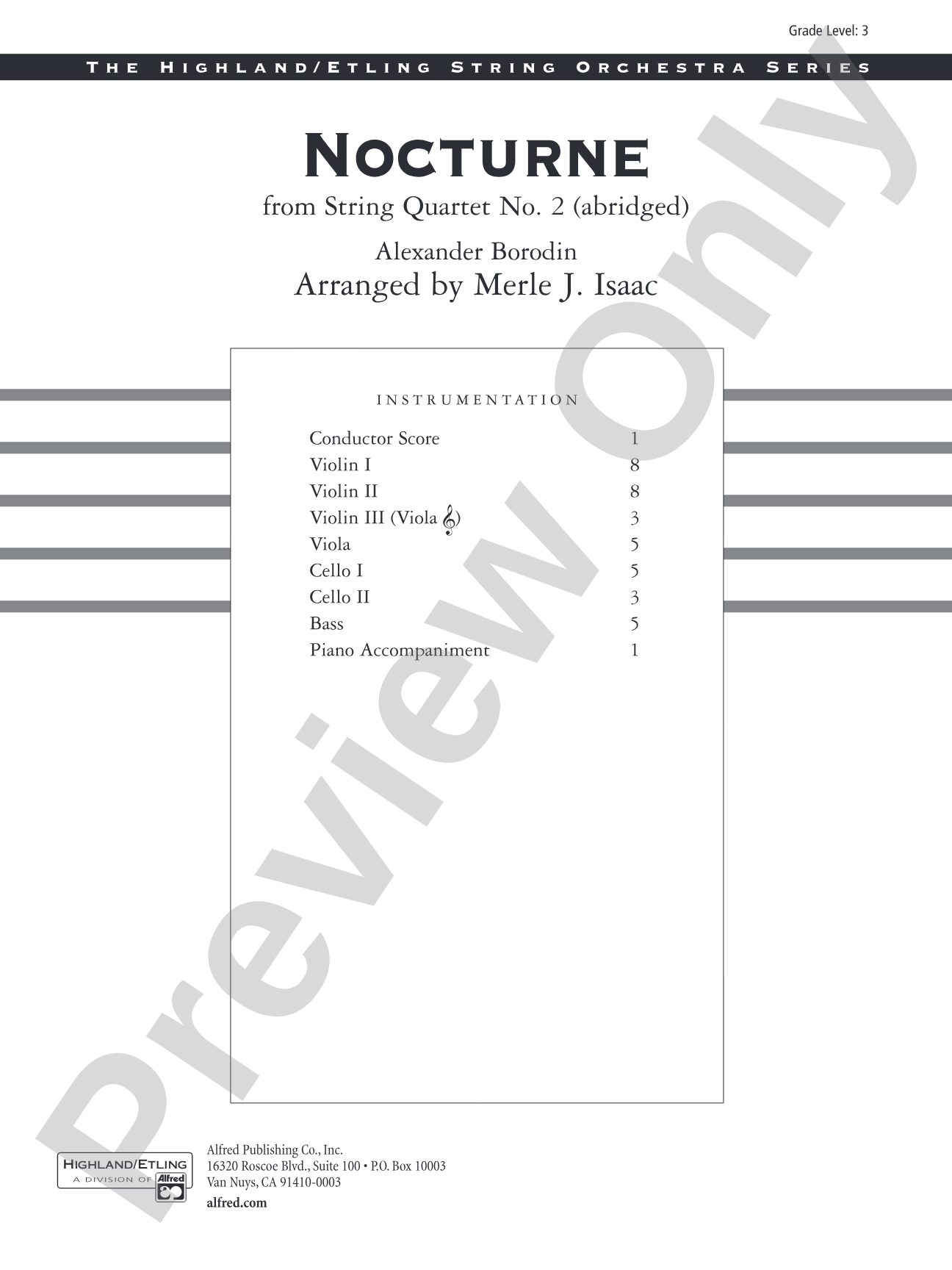
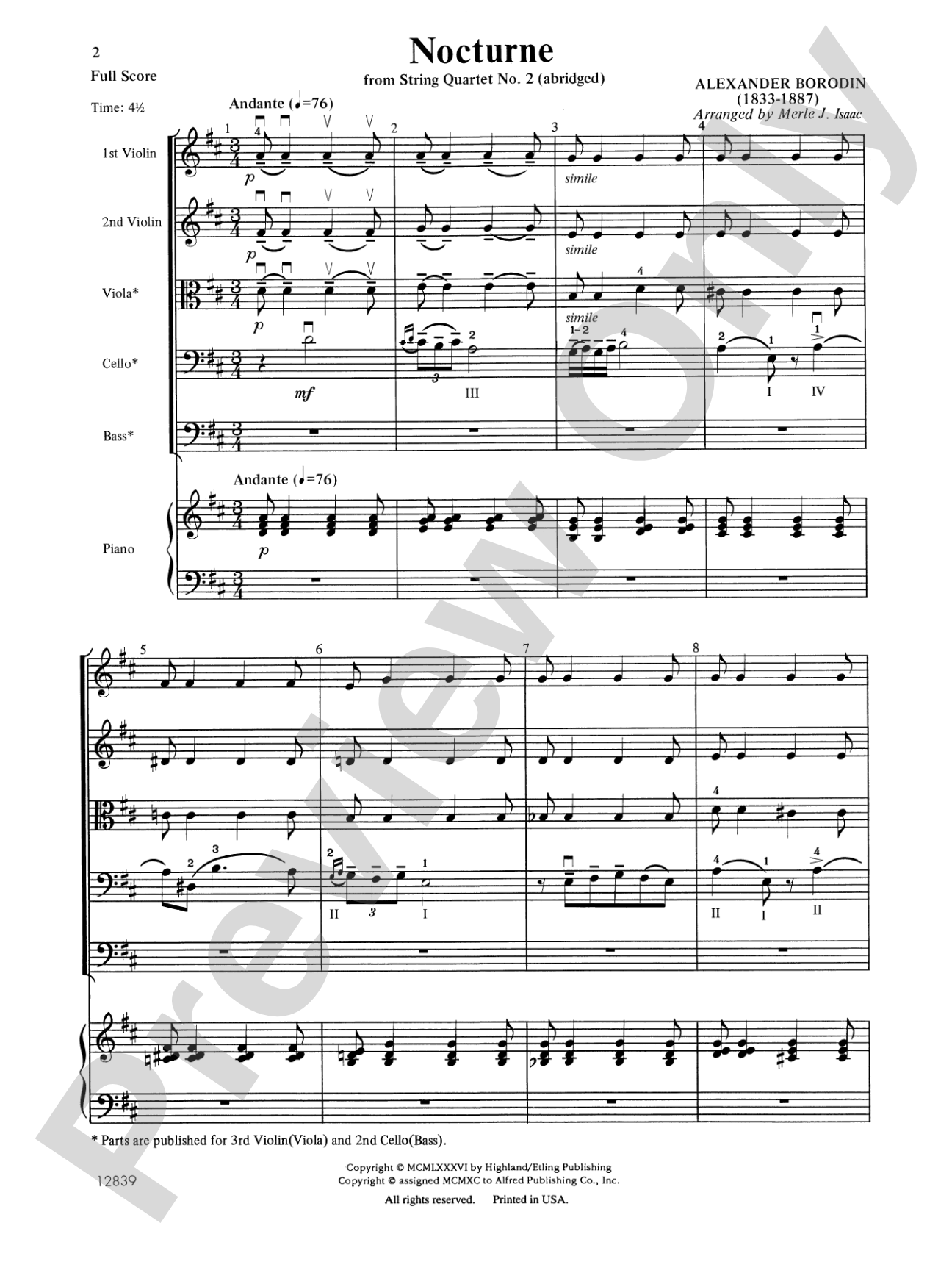
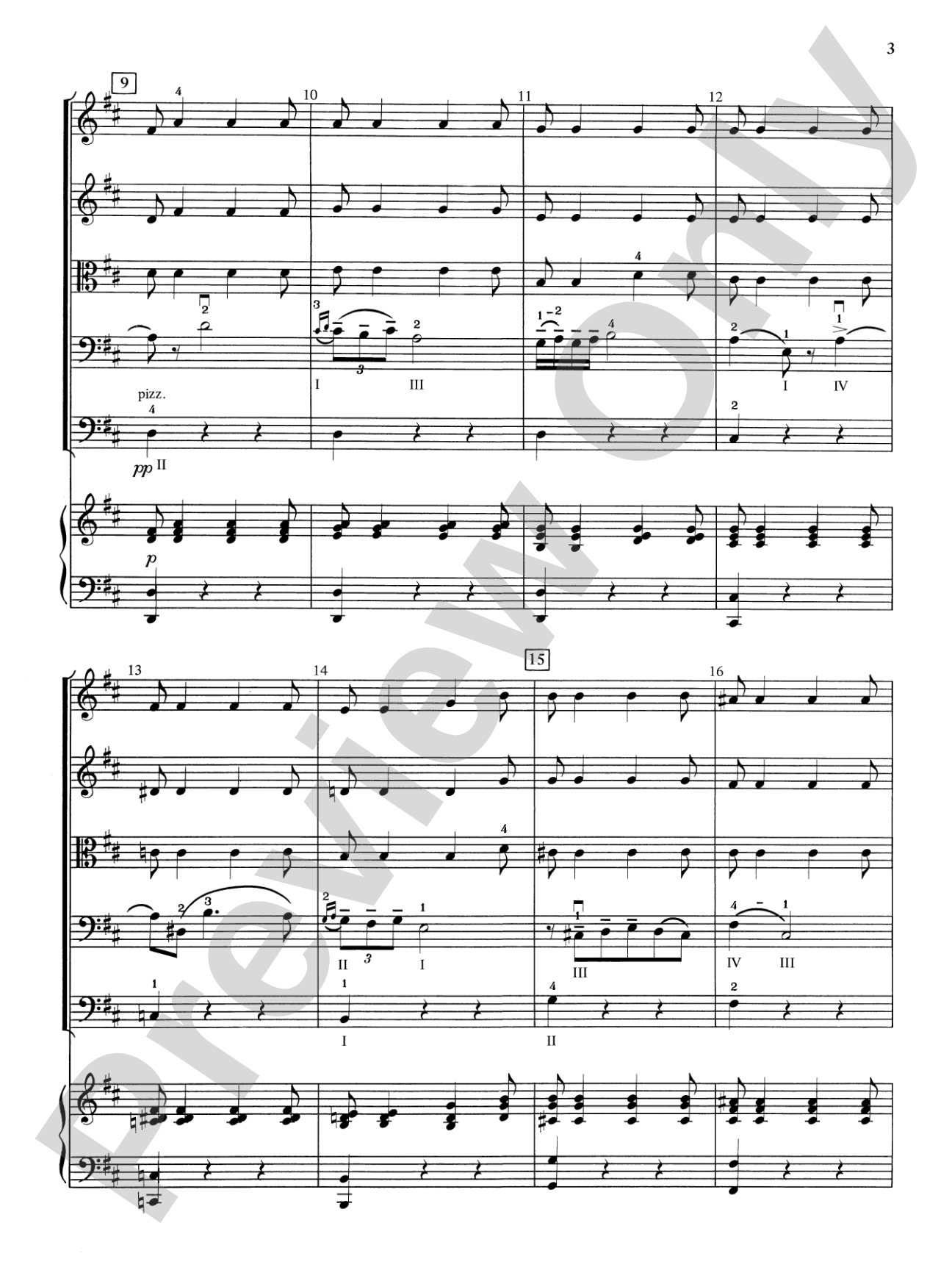
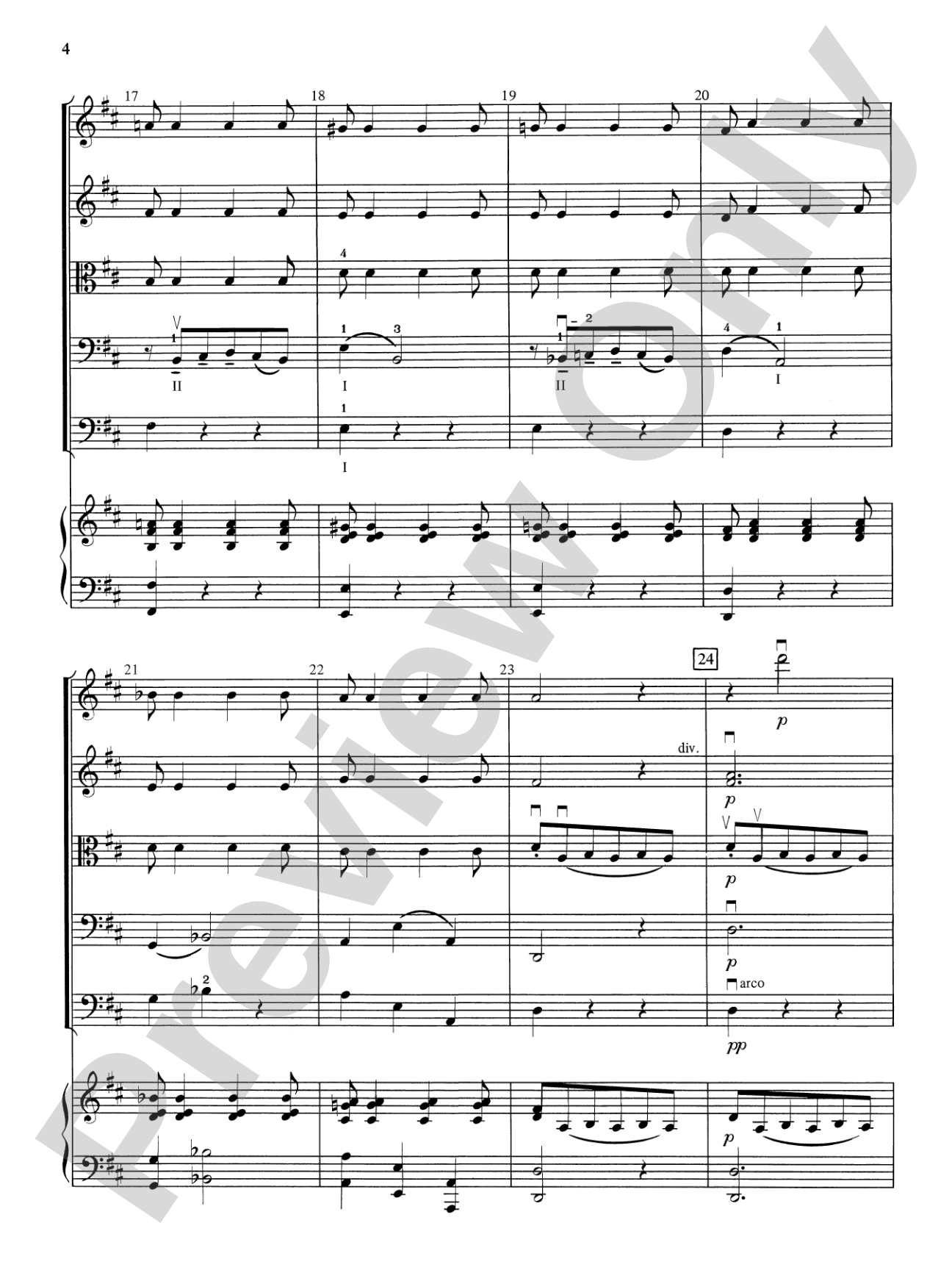
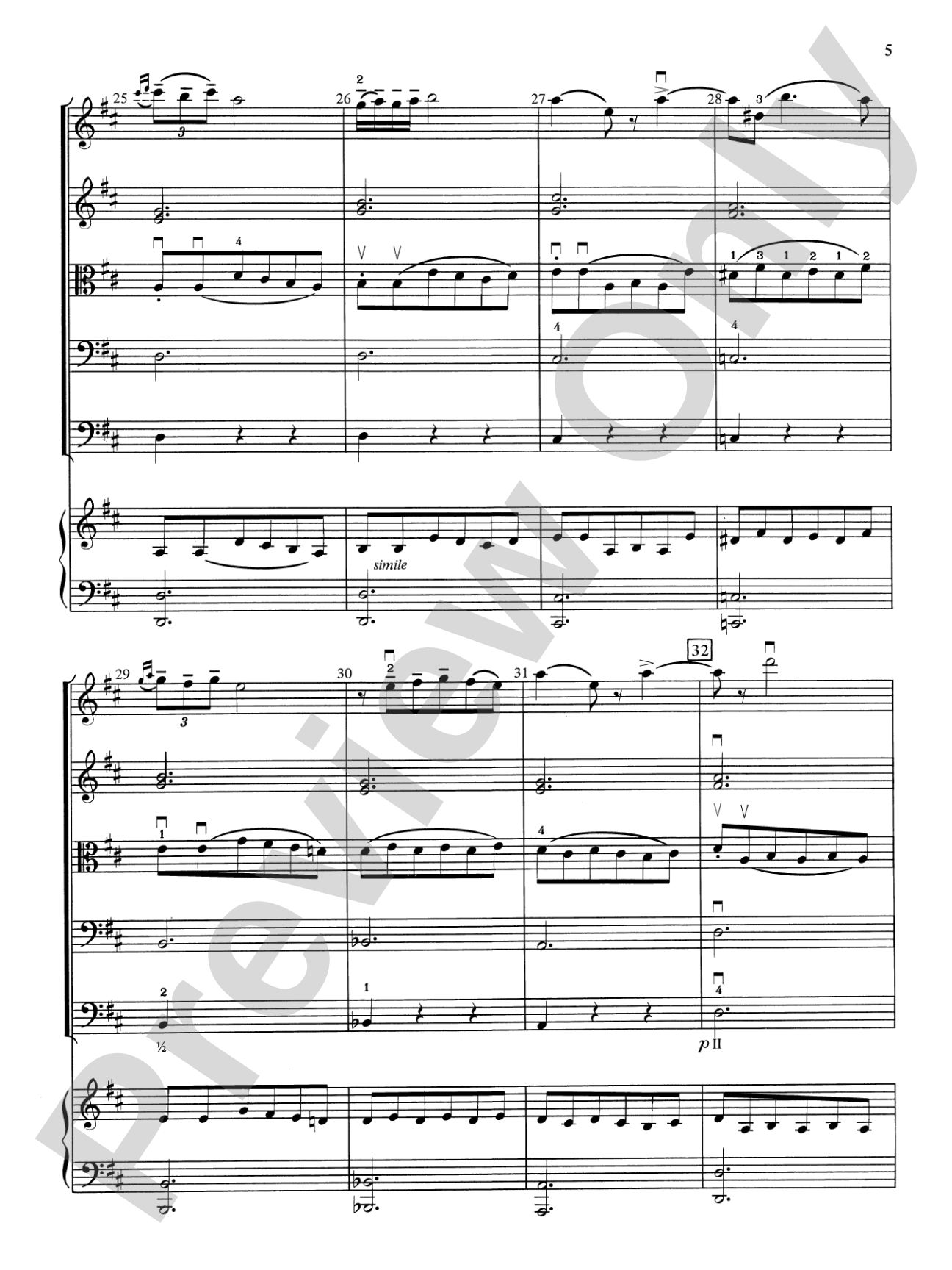
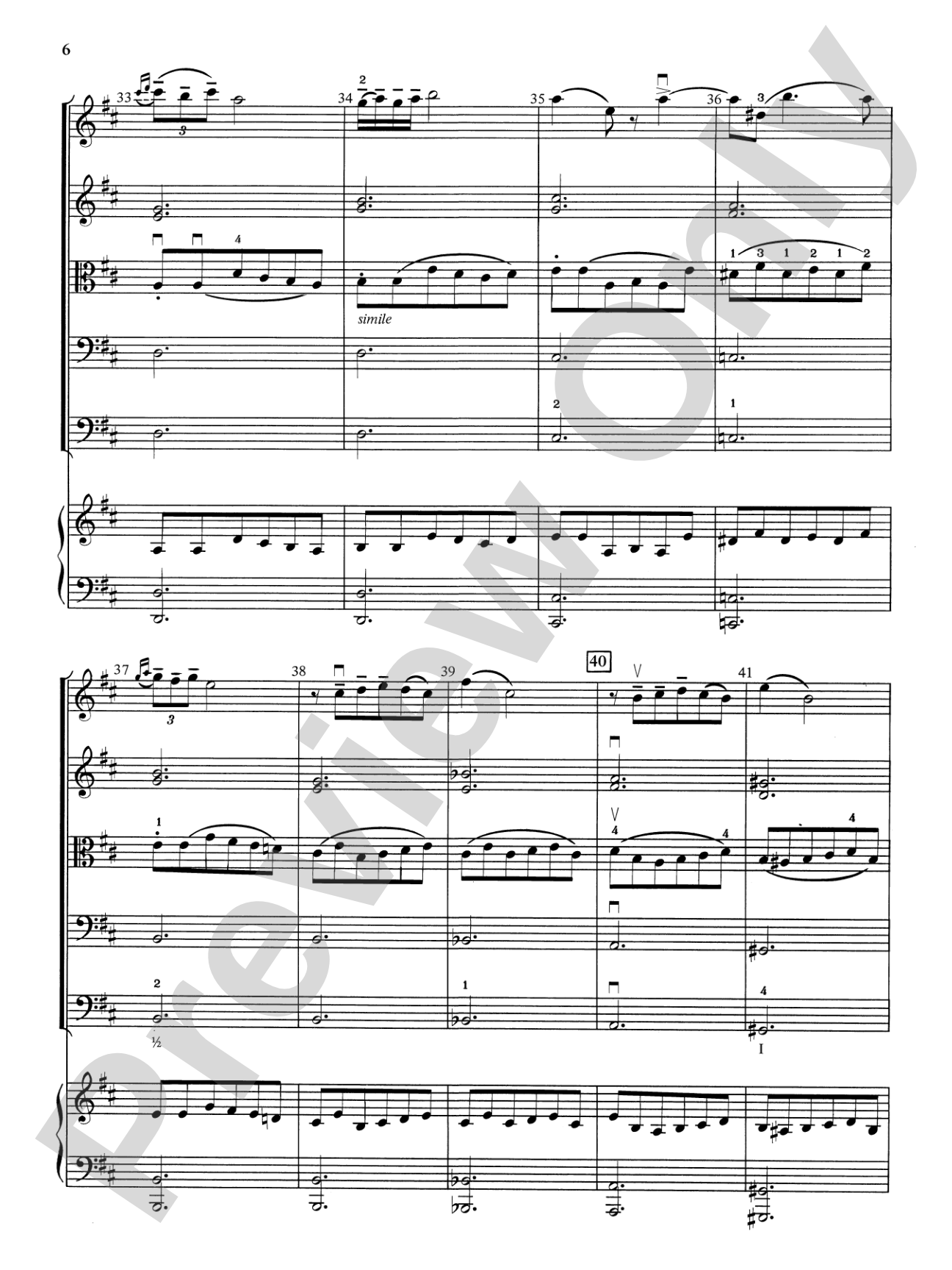
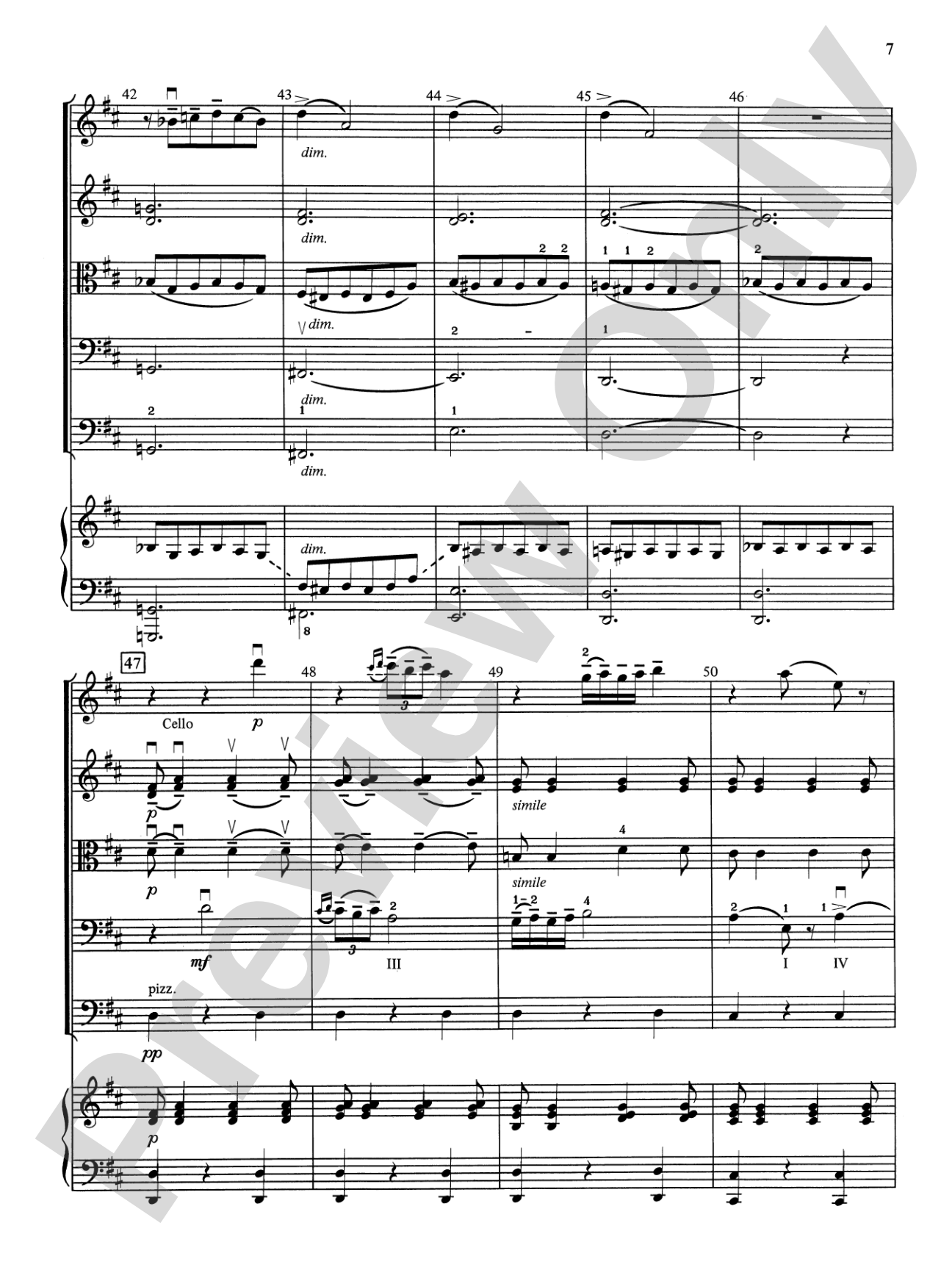
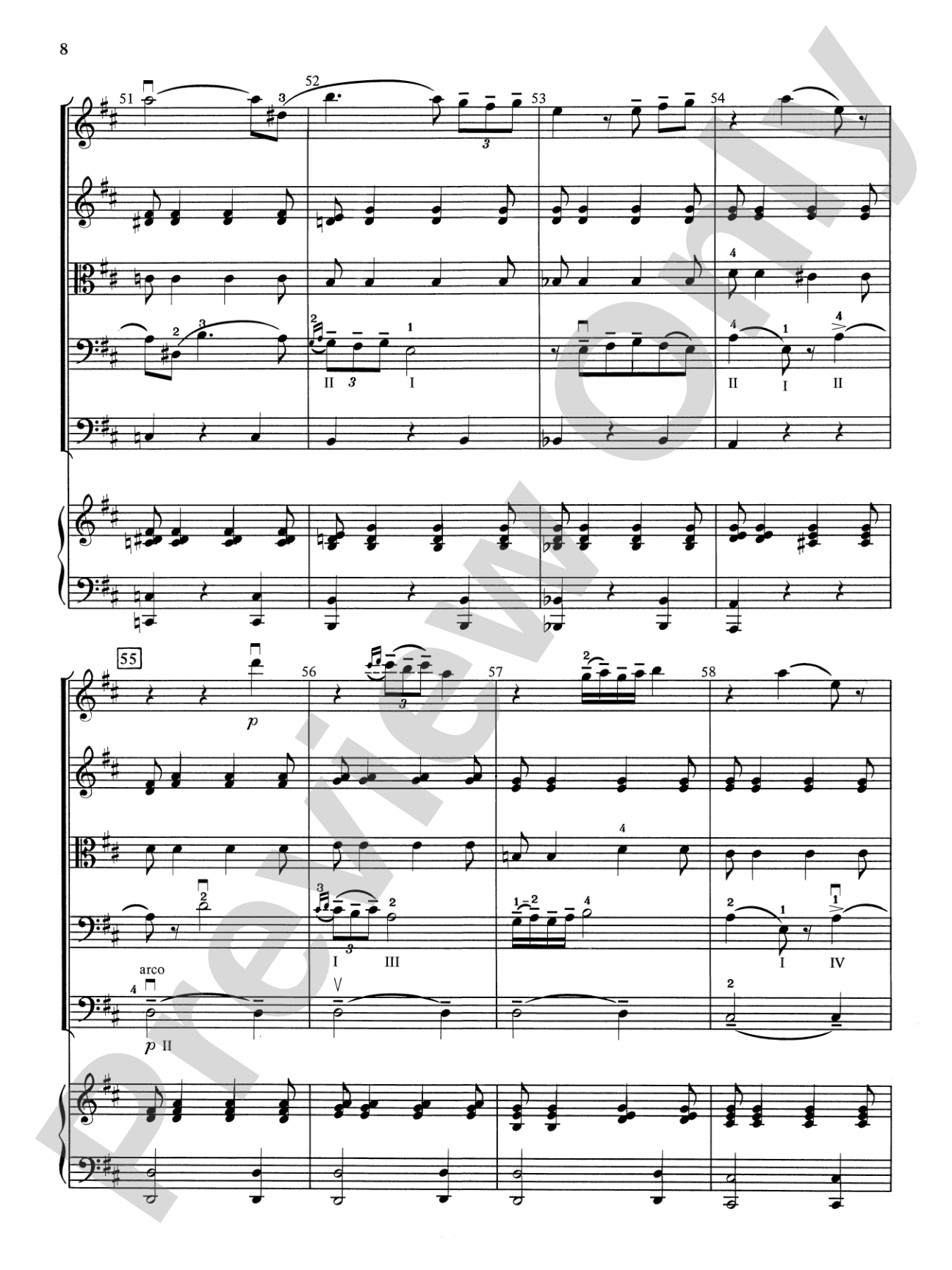
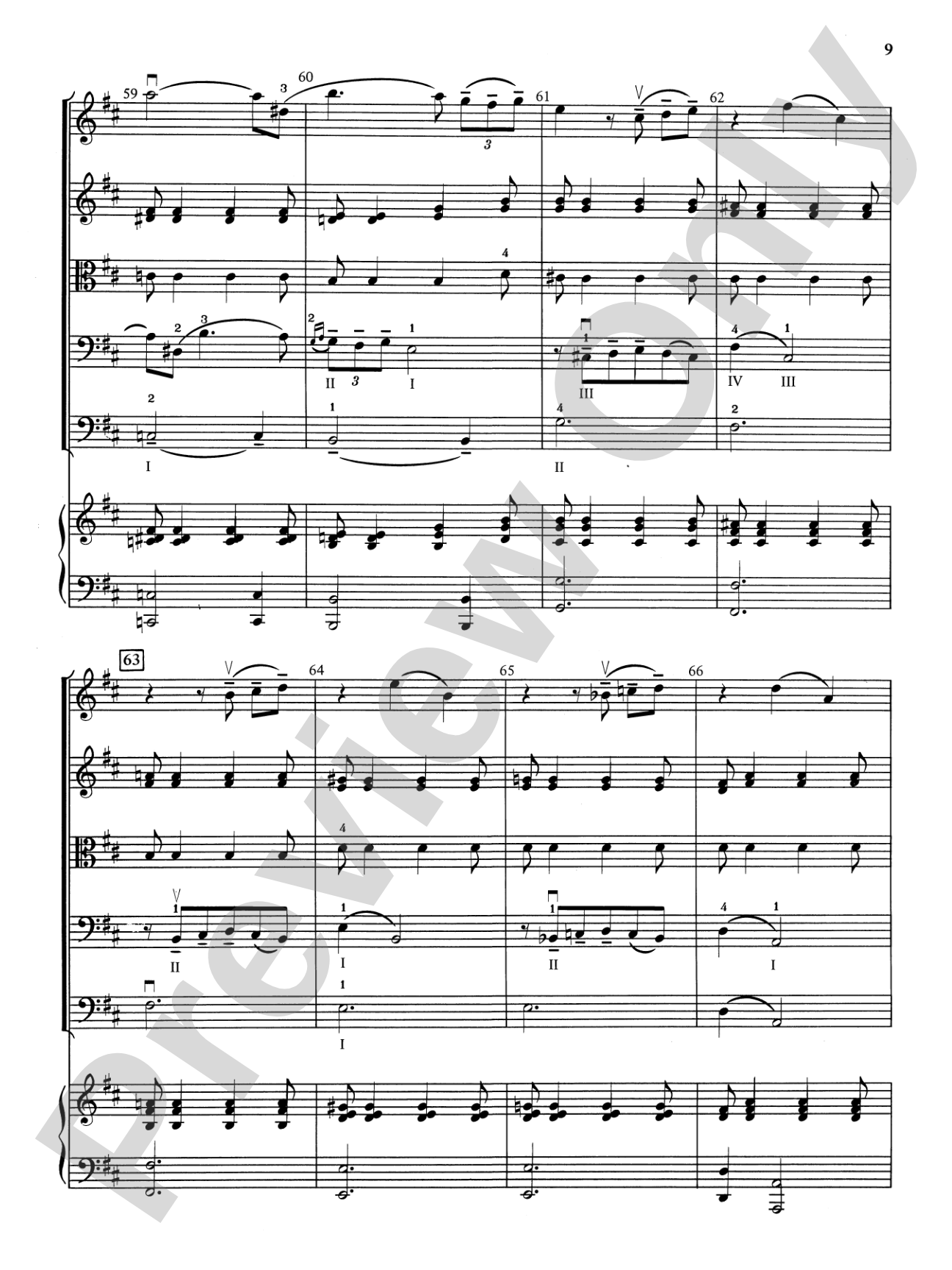
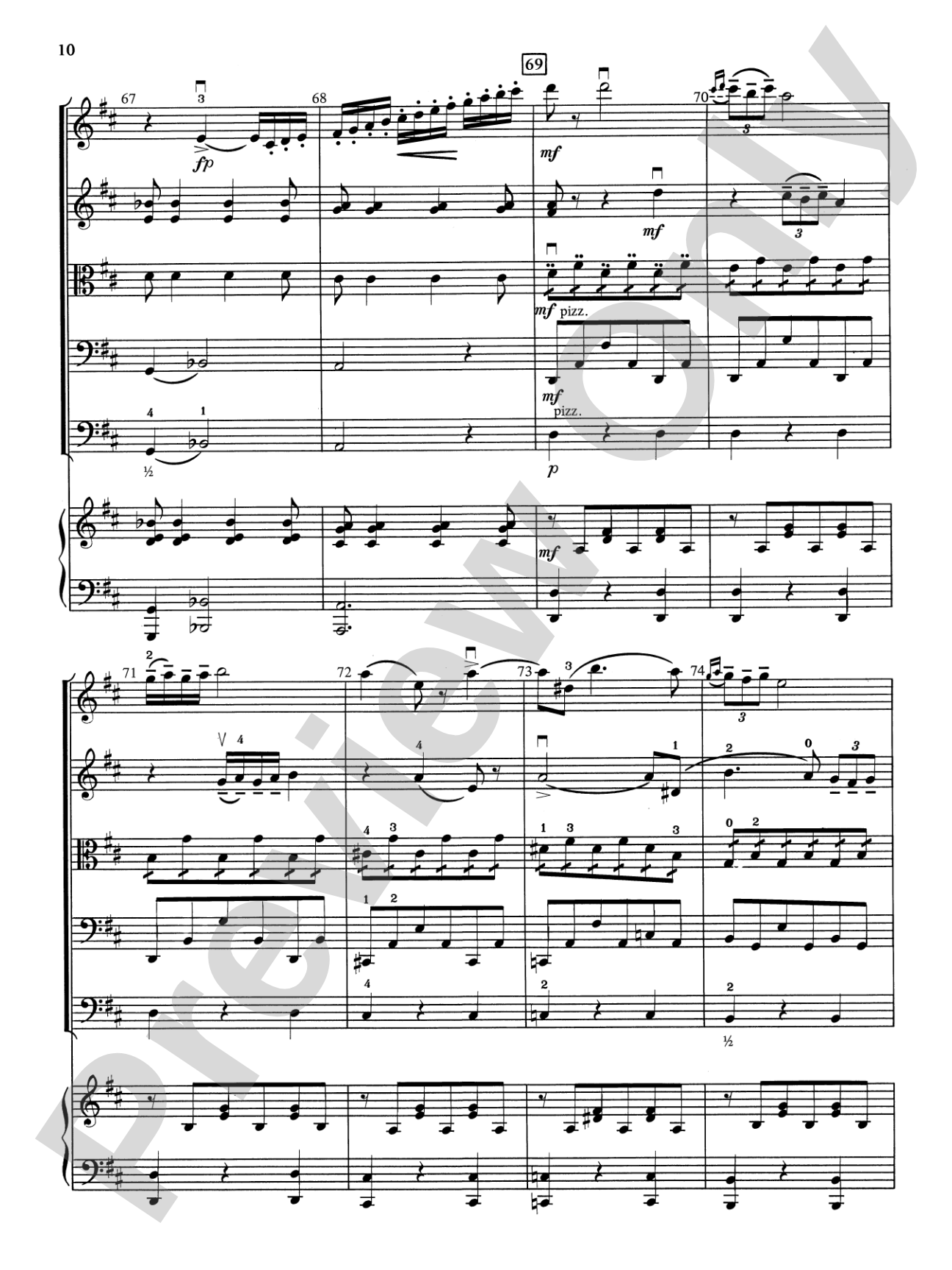
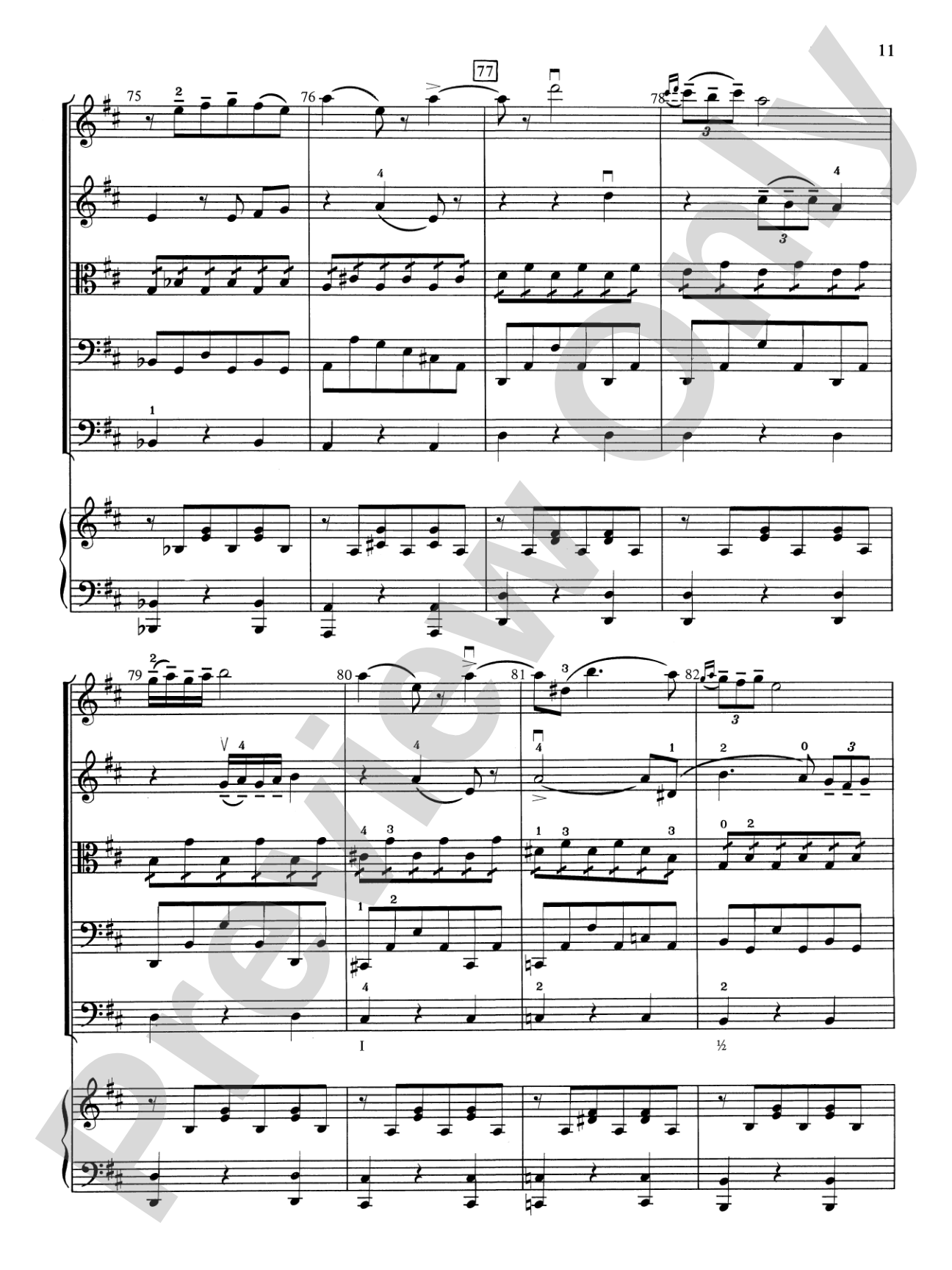
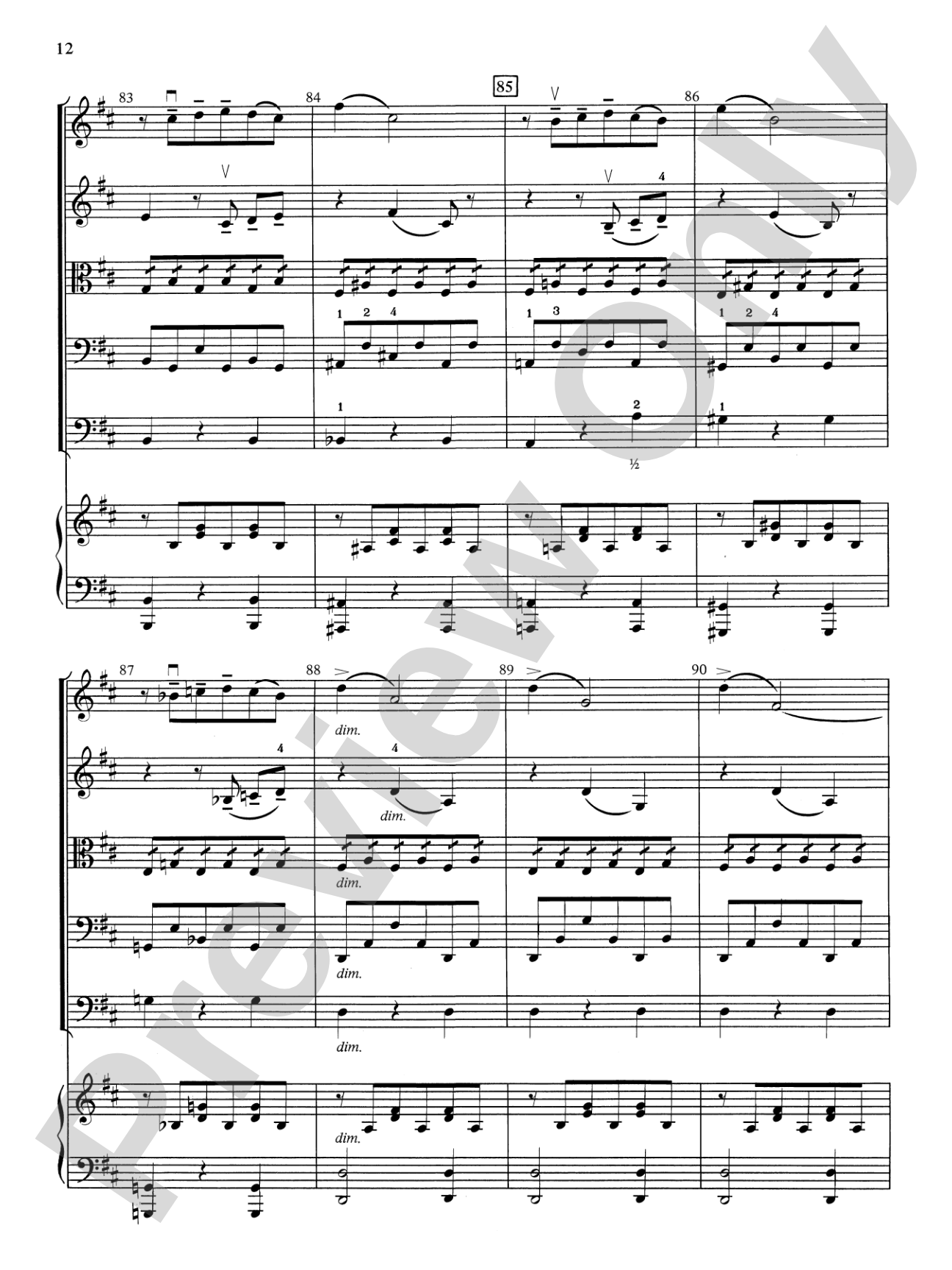
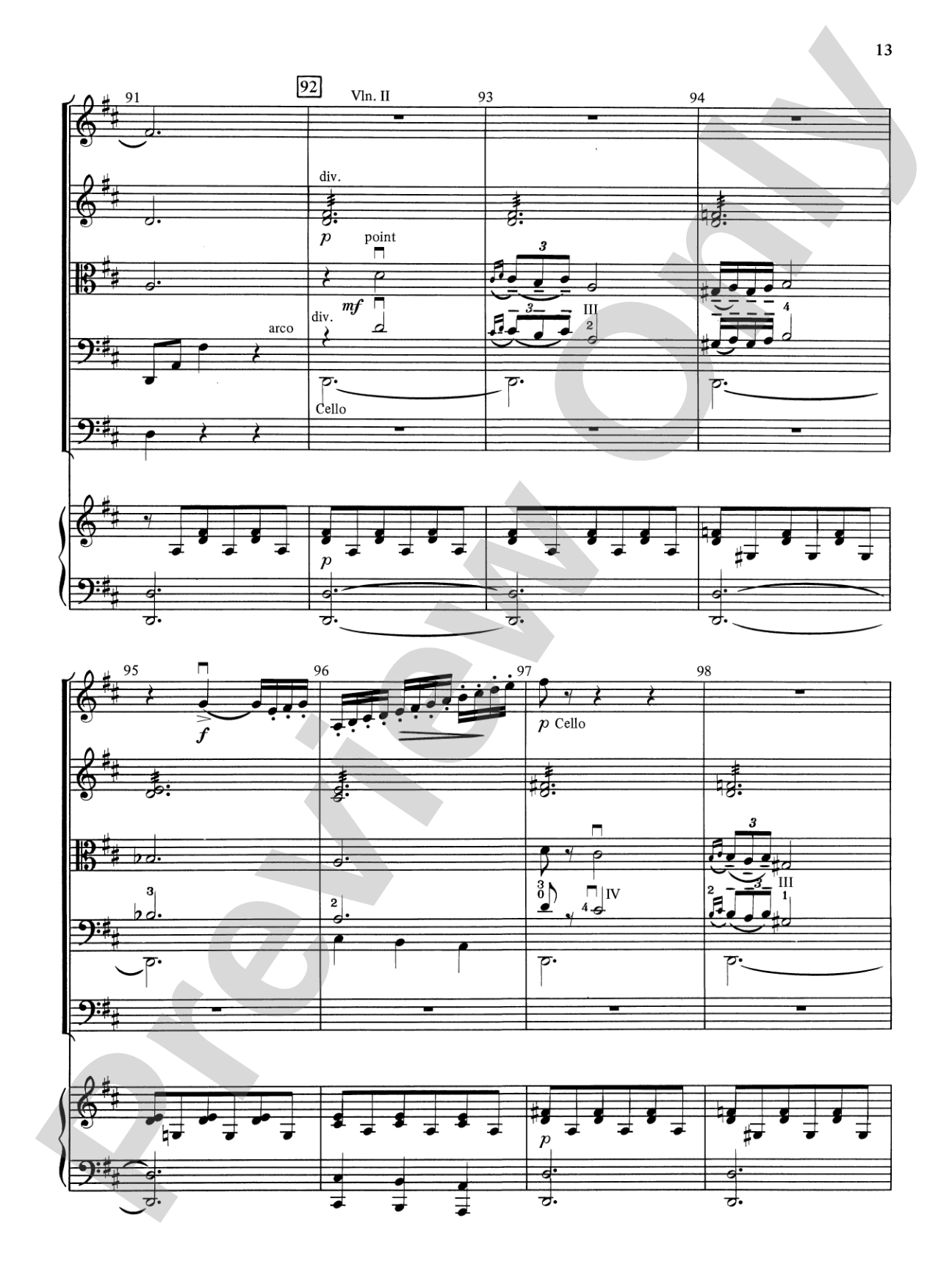
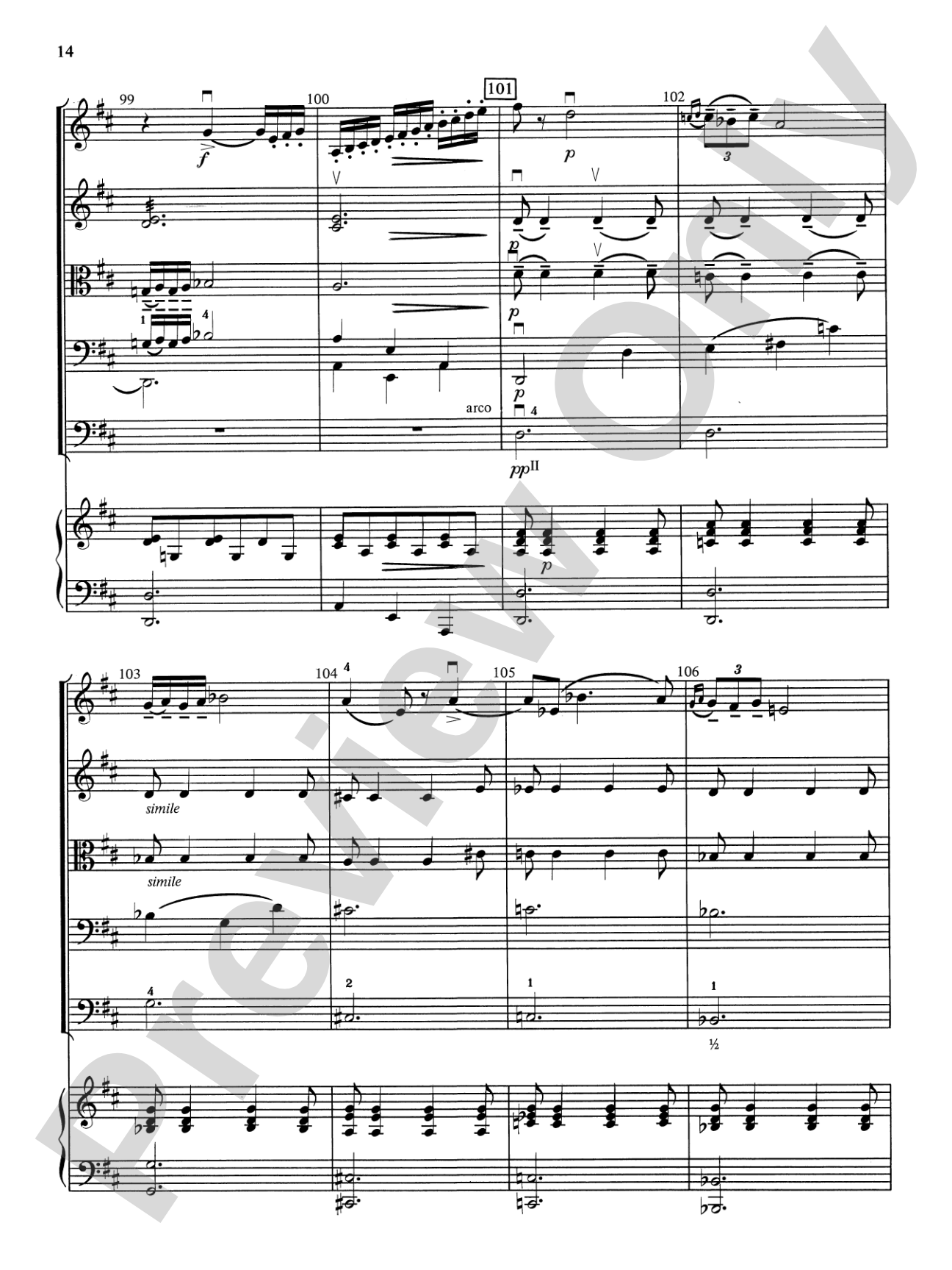
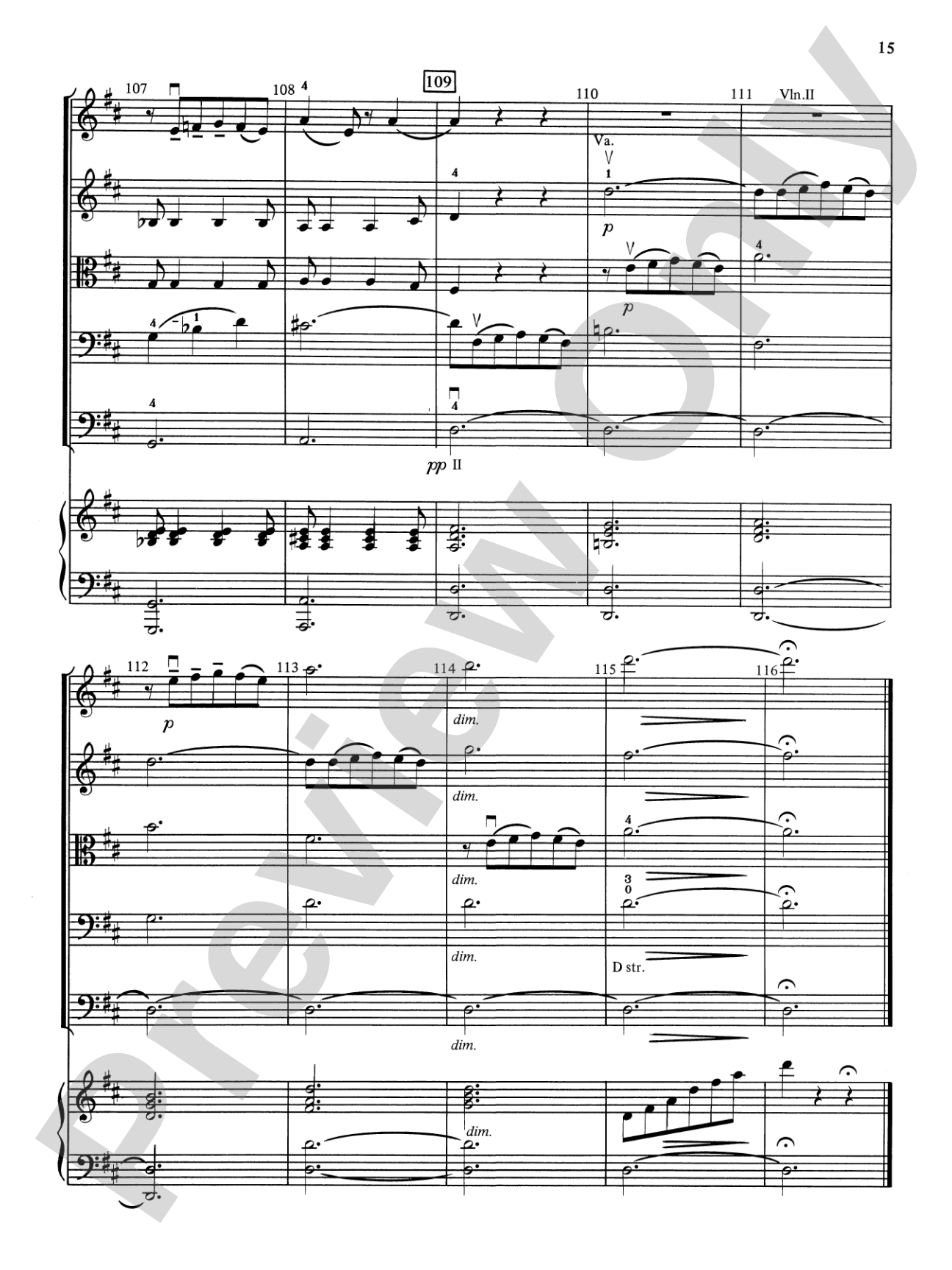


Nocturne: String Orchestra Conductor Score & Parts
from String Quartet No. 2 (Abridged)
By Alexander Borodin / arr. Merle J. Isaac
Grade: 3
Item: 00-PK-0000122

$60.00
Pickup currently not available
Buy Extra Parts (Digital PDF Download)
| Product | Price | Quantity |
|---|---|---|
| Nocturne: Score | $9.00 | |
| Nocturne: 1st Violin | $5.99 | |
| Nocturne: 2nd Violin | $5.99 | |
| Nocturne: 3rd Violin (Viola [TC]) | $5.99 | |
| Nocturne: Viola | $5.99 | |
| Nocturne: Cello | $5.99 | |
| Nocturne: 2nd Cello | $5.99 | |
| Nocturne: String Bass | $5.99 | |
| Nocturne: Piano Accompaniment | $5.99 |
Parts Added to Cart!
Description


Don't just read it, hear it, play along with it, and watch your students grow with it. In MakeMusic Cloud, Nocturne: String Orchestra Conductor Score & Parts comes alive with professional accompaniment, adjustable tempo, and built-in practice tools that turn solo practice into real progress.
Open in the Player
Jump straight in and assign it today.
Start Your Free Trial
Open this title and explore the full library in minutes.
Sample Audio
No sample audio found.
Sample Video
No sample videos found.
Additional Details
Series:
Highland/Etling String Orchestra
Publisher:
Alfred Music
Page Count:
156
SKU:
00-PK-0000122
More about this title
About the Composer: Alexander Borodin
Alexander Borodin (1833, 1887) was a Russian composer who balanced a distinguished career as a chemist with his passion for music. He composed relatively little, but what he wrote, particularly his symphonies and chamber works, stands among the most lyrical and harmonically inventive works of the Romantic era. His gift for melody and orchestration made a lasting impression on Russian musical nationalism.
Why we love this
Merle Isaac's arrangement preserves the intimacy and harmonic warmth of Borodin's original while keeping the string writing accessible for Grade 3 ensembles. The piece gives young musicians a direct experience with Romantic-era melodic sensibility, flowing, expressive lines that reward careful listening and patient phrasing. It's exactly the kind of masterwork that reminds students why they picked up an instrument in the first place.
What to expect
Nocturne unfolds like a quiet conversation, intimate and unhurried, with harmonies that shift subtly beneath a singing melody. The writing speaks to something contemplative and deeply human, drawing listeners into a world of Romantic restraint rather than drama.
Who it's for
String orchestra directors working with Grade 3 ensembles who want repertoire that combines pedagogical value with genuine musical depth. Student players at this level can execute the technical demands while engaging meaningfully with Romantic-era compositional language.
How to get the most out of it
- Bring out the lyrical quality by encouraging sustained, singing tone from every section. This nocturne lives and dies on the orchestra's ability to sustain phrases with control and shape.
- Balance the inner voices carefully; often the violas and lower strings carry important harmonic material that supports the primary melody line.
- Shape long phrases by thinking in terms of musical breathing rather than bar lines. Small crescendos and diminuendos within passages create movement without artificial disruption.
- Use the recorded accompaniment (if available) to establish a consistent tempo foundation, particularly helpful for sections where the ensemble must maintain longer held notes or sparse textures.
How to use it
Program this for concert settings where you want a moment of lyrical contrast, or use it as a contest or festival piece that showcases ensemble musicianship without requiring high technical pyrotechnics. It pairs beautifully alongside other Romantic-era arrangements or as a bridge between modern works and canonical string orchestra repertoire.
Skills your students will build
- Sustaining long tones with consistent tone quality and dynamic control
- Shaping extended phrases and recognizing harmonic structure within Romantic melody
- Balancing ensemble sound across multiple voice parts
- Responding to subtle rubato and expressive tempo variations
- Reading accidentals and chromatic writing common to 19th-century harmonic language