No Spring Chicken Cover Image

No Spring Chicken: Jazz Ensemble Conductor Score

$10.00 USD
Sale price  $10.00 USD Regular price 
Skip to product information
No Spring Chicken Cover Image

No Spring Chicken: Jazz Ensemble Conductor Score

By Kris Berg

Grade: 3 (Medium)

Item: 00-36048S

$10.00
Shipped

One moment…

Description
More chicken please! Kris Berg brings you another helping with "No Spring Chicken." The groove is totally funky, solos are written out for tenor and trumpet, lead trumpet range is to written B, the bass part is fun but not too difficult, and that's the meat of it. This title is available in MakeMusic Cloud.

No Spring Chicken: Jazz Ensemble Conductor Score isn't in MakeMusic Cloud just yet...but it could be. Let us know you'd like to see it, and you'll help shape what comes next. In the meantime, start a free trial and dive into thousands of interactive titles your students can play along with today.

Sample Pages

Sample Audio
0:00
0:00
Sample Video
Additional Details
Series: Jazz Band Series
Publisher: Alfred Music
Page Count: 20
UPC: 038081411422
SKU: 00-36048S

More about this title

About the Composer: Kris Berg
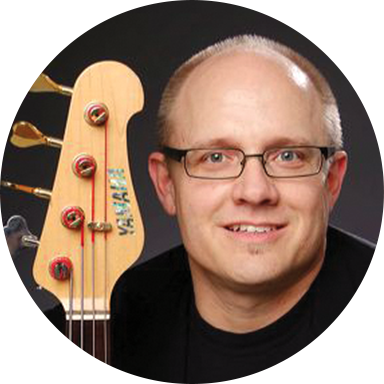
Kris Berg

Kris Berg directs the Jazz Studies program at Collin County Community College in Texas, where he earned both his bachelor's and master's degrees in jazz studies from the University of North Texas. His work has shaped the next generation of jazz musicians and brought national attention to his ensembles through multiple invitations to perform at the Montreux Jazz Festival.

Berg is a prolific composer and arranger whose big band charts have circulated globally through performances and recordings. As a clinician and artist for Yamaha Corporation of America, he has shared the bandstand with major figures including Kurt Elling, Randy Brecker, Peter Erskine, and Clark Terry. He also founded and directs both the Collin Jazz Fest and the Texas All-Star Jazz Camp, and authored the method book Bass Lines in Minutes.

Why we love this

Berg understands what works in the rehearsal room. The written solos for tenor and trumpet give your section leaders something to dig into without requiring advanced improvisation skills, while the funky groove sits solidly in the sweet spot where students actually want to play it. The straightforward range for lead trumpet and manageable bass line mean your whole section can execute this convincingly at Grade 3.

What to expect

Funky, confident, and immediately accessible. The piece has the swagger of a working big band chart, with enough rhythmic pocket and harmonic color to keep players engaged through multiple repetitions. It swings without pretense and grooves without strain.

Who it's for

Jazz ensemble conductors looking for Grade 3 material that lives up to its groove without asking for virtuosic improvisation or excessive range demands. This score works equally well for high school jazz bands stepping into funkier territory and college ensembles seeking repertoire that entertains audiences while remaining teachable.

How to get the most out of it

  • Lock the backbeat pocket early in rehearsal. The funky groove is the engine of this chart, so spend time getting the rhythm section locked before layering in the horn lines.
  • Have tenor and trumpet players mark their written solos clearly and practice them as written first. Once they own the melody, they can explore subtle variations that feel earned rather than tentative.
  • Balance the lead trumpet range carefully. The written top note lands on B, which is manageable for most high school lead players, but watch for strain in the upper register during longer section runs.
  • Feature the bass part. Berg writes a solid walking line that drives the groove without overcomplicating. Let that role breathe in rehearsal so the player gains confidence carrying the tune.

How to use it

Program this in the second half of a jazz concert to shift the energy after a ballad or slower standard, or use it as a curtain-raiser to set a high-energy tone for the evening. It's also an ideal selection for pep band appearances or informal performances where audience engagement matters as much as musical depth.

Skills your students will build

  • Funky groove pocket and syncopated rhythmic precision
  • Reading written solo lines with stylistic phrasing
  • Lead trumpet range management in the upper register (written to B)
  • Walking bass line execution and rhythmic dependability
  • Ensemble blend and section balance within a jazz context

You May Also Like