No Spring Chicken Cover Image

No Spring Chicken: Jazz Ensemble Conductor Score & Parts

$52.00 USD
Sale price  $52.00 USD Regular price 
Skip to product information
No Spring Chicken Cover Image

No Spring Chicken: Jazz Ensemble Conductor Score & Parts

By Kris Berg

Grade: 3 (Medium)

Item: 00-36048

makemusic Cloud badge

Need it now?

Buy Digital Version
$52.00
Shipped

One moment…

Description
More chicken please! Kris Berg brings you another helping with "No Spring Chicken." The groove is totally funky, solos are written out for tenor and trumpet, lead trumpet range is to written B, the bass part is fun but not too difficult, and that's the meat of it. This title is available in MakeMusic Cloud.

Don't just read it, hear it, play along with it, and watch your students grow with it. In MakeMusic Cloud, No Spring Chicken: Jazz Ensemble Conductor Score & Parts comes alive with professional accompaniment, adjustable tempo, and built-in practice tools that turn solo practice into real progress.

Sample Pages

Sample Audio
0:00
0:00
Sample Video
Additional Details
Series: Jazz Band Series
Publisher: Alfred Music
Page Count: 94
UPC: 038081411415
SKU: 00-36048

More about this title

About the Composer: Kris Berg
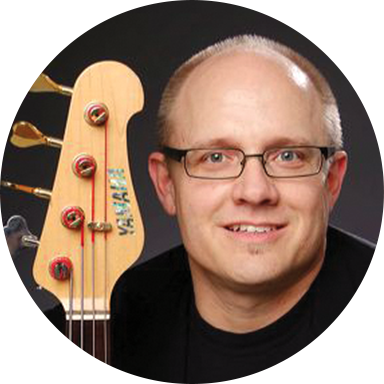
Kris Berg

Kris Berg directs the jazz studies program at Collin County Community College in Texas, where he earned both his bachelor's and master's degrees in jazz studies from the University of North Texas. His arranging and composing work has circulated internationally, establishing him as a prolific voice in contemporary big band writing for Belwin Jazz. He founded and leads both the Collin Jazz Fest and the Texas All-Star Jazz Camp, platforms that have brought his ensembles repeated invitations to perform at Montreux.

Beyond the page, Berg maintains an active presence as a clinician and artist for Yamaha Corporation, sharing the stage with jazz luminaries including Kurt Elling, Randy Brecker, Peter Erskine, and Clark Terry. He authored the widely adopted Bass Lines in Minutes and continues to shape jazz education across the country through festivals, camps, and direct instruction.

Why we love this

Berg knows how to write for working ensembles. The written solos for tenor and trumpet give your section players a clear roadmap while still leaving room for individual voice. The lead trumpet range (written B) keeps things playable for your top chair without sacrificing that infectious, funky groove that makes players actually want to rehearse this piece.

What to expect

Funky and energetic from the first measure. The groove is immediately contagious, built on a solid bass foundation and horn lines that sit comfortably in the pocket without overshooting technique. This is music designed to make people move.

Who it's for

Grade 3 jazz ensembles with developing players who benefit from structured, playable solos. Directors looking for a crowd-pleasing chart that doesn't require a virtuoso lead trumpet or advanced harmonic independence will find this accessible and fun to teach.

How to get the most out of it

  • Lock in the bass part early; it anchors the whole groove. Even though it sits in a comfortable range, the rhythmic specificity is what makes the arrangement breathe.
  • Have your tenor and trumpet soloists dig into their written lines in sectionals first. Knowing the changes inside out before they improvise will deepen their confidence.
  • Keep the tempo steady and slightly ahead of the beat. Funk lives in that pocket, and rushing even slightly flattens the energy.
  • Balance the ensemble so the horn lines cut through without the rhythm section sinking back. This chart rewards a tight, responsive rhythm section.

How to use it

Perfect for a concert's second half when you want to shift energy and remind audiences why jazz ensembles are thrilling. Pair it alongside another Berg original or another medium-level contemporary chart to showcase the range of your ensemble's repertoire.

Skills your students will build

  • Playing with rhythmic precision in a funk/groove context
  • Reading and executing written jazz solos with stylistic accuracy
  • Supporting ensemble cohesion through solid bass part execution
  • Listening and responding to rhythm section pocket
  • Balancing personal voice within arranged horn sections

You May Also Like
