

No Need to Knock!: TTBB, a cappella Choral Octavo
Music by Sally K. Albrecht
Item: 00-PO-0007741
$1.65
Minimum order quantity: 20 copies
Pickup currently not available
Related Items
No Need to Knock!: SATB, a cappella Choral Octavo |
$2.25
|
View | |
No Need to Knock!: SSAB, a cappella Choral Octavo |
$2.25
|
View | |
No Need to Knock!: SATB, a cappella Choral Octavo |
$2.25
|
View | |
No Need to Knock!: SSAB, a cappella Choral Octavo |
$2.25
|
View | |
No Need to Knock!: TTBB, a cappella Choral Octavo |
$1.65
|
View |
Description
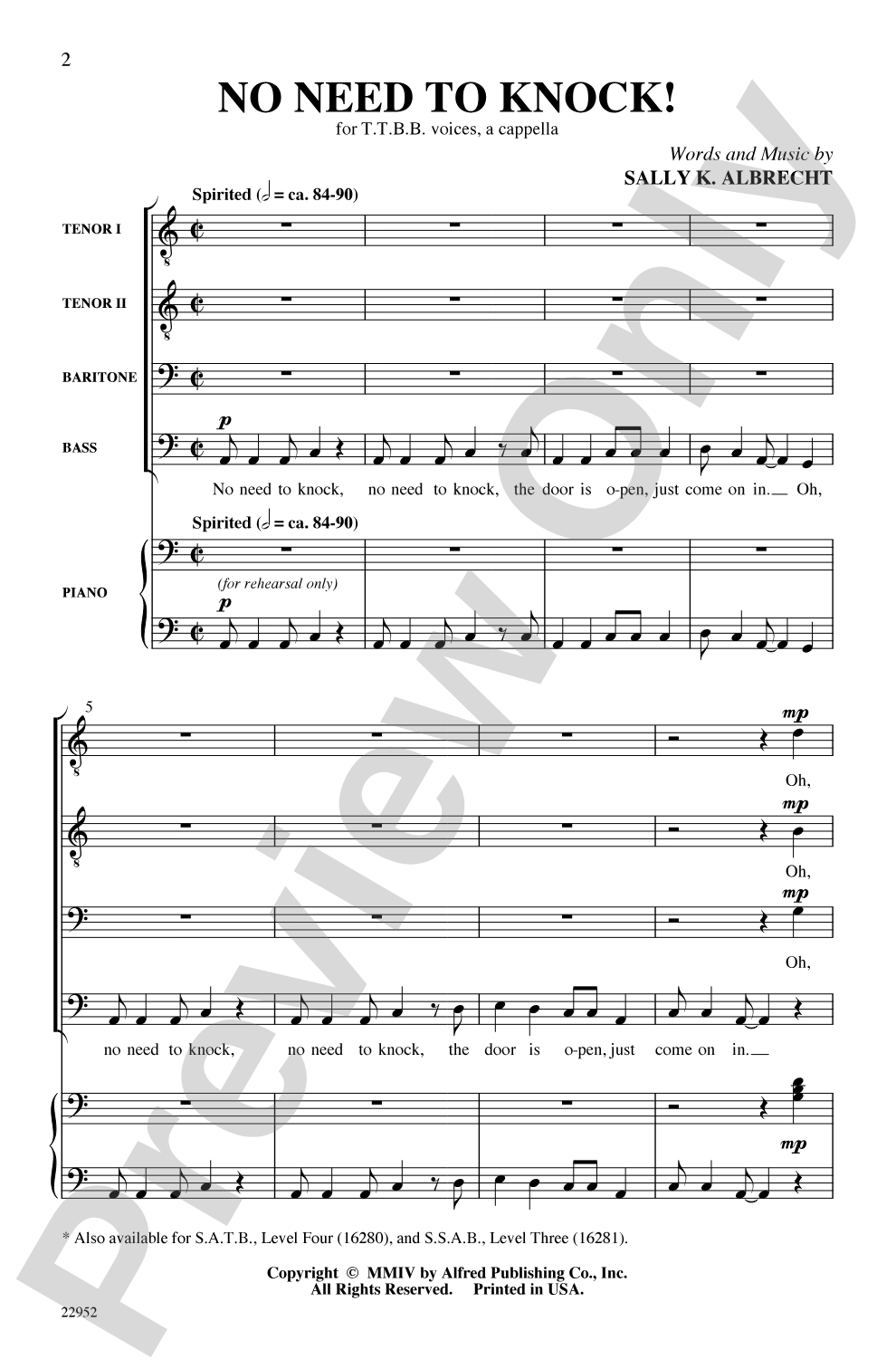
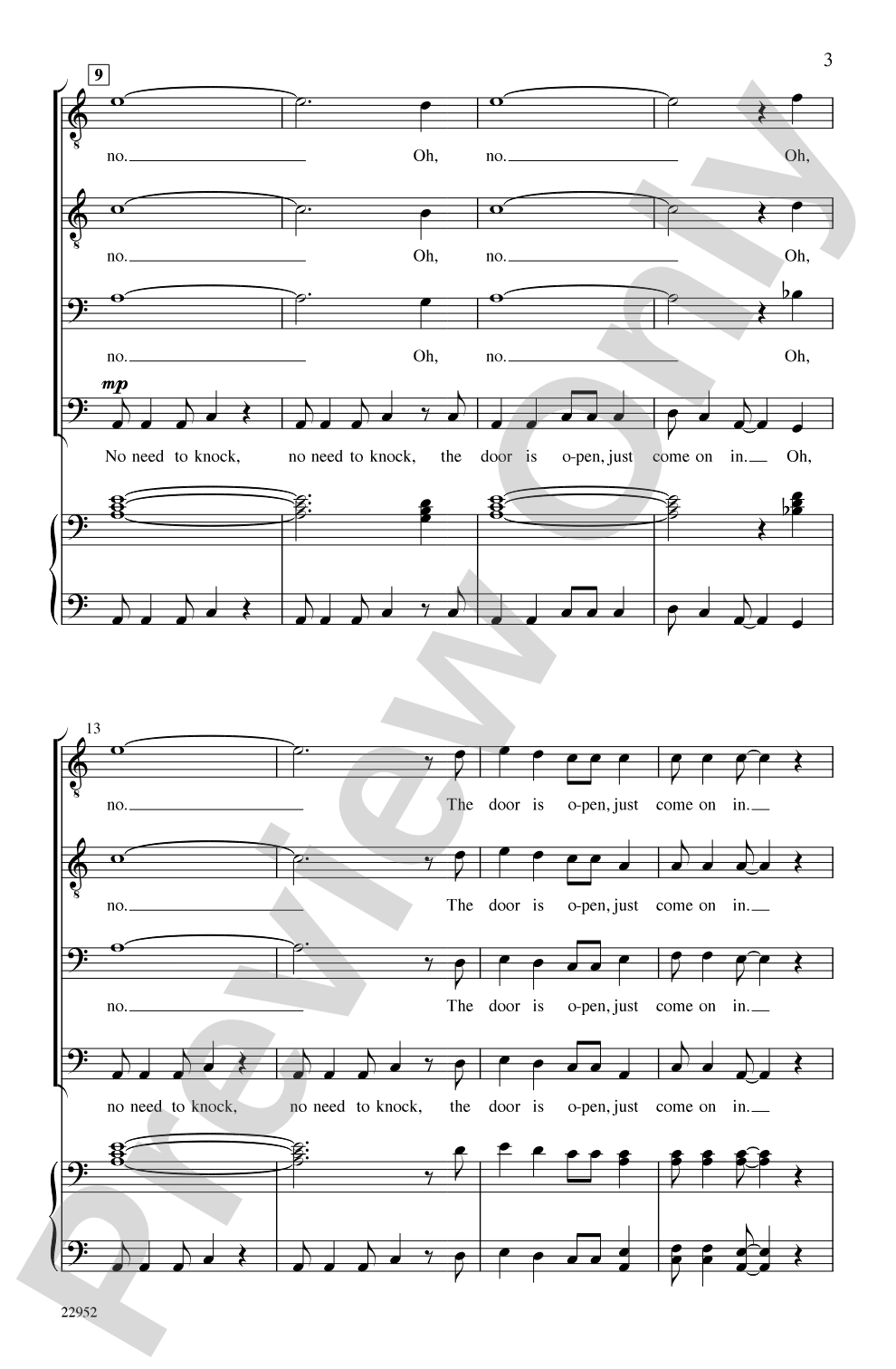
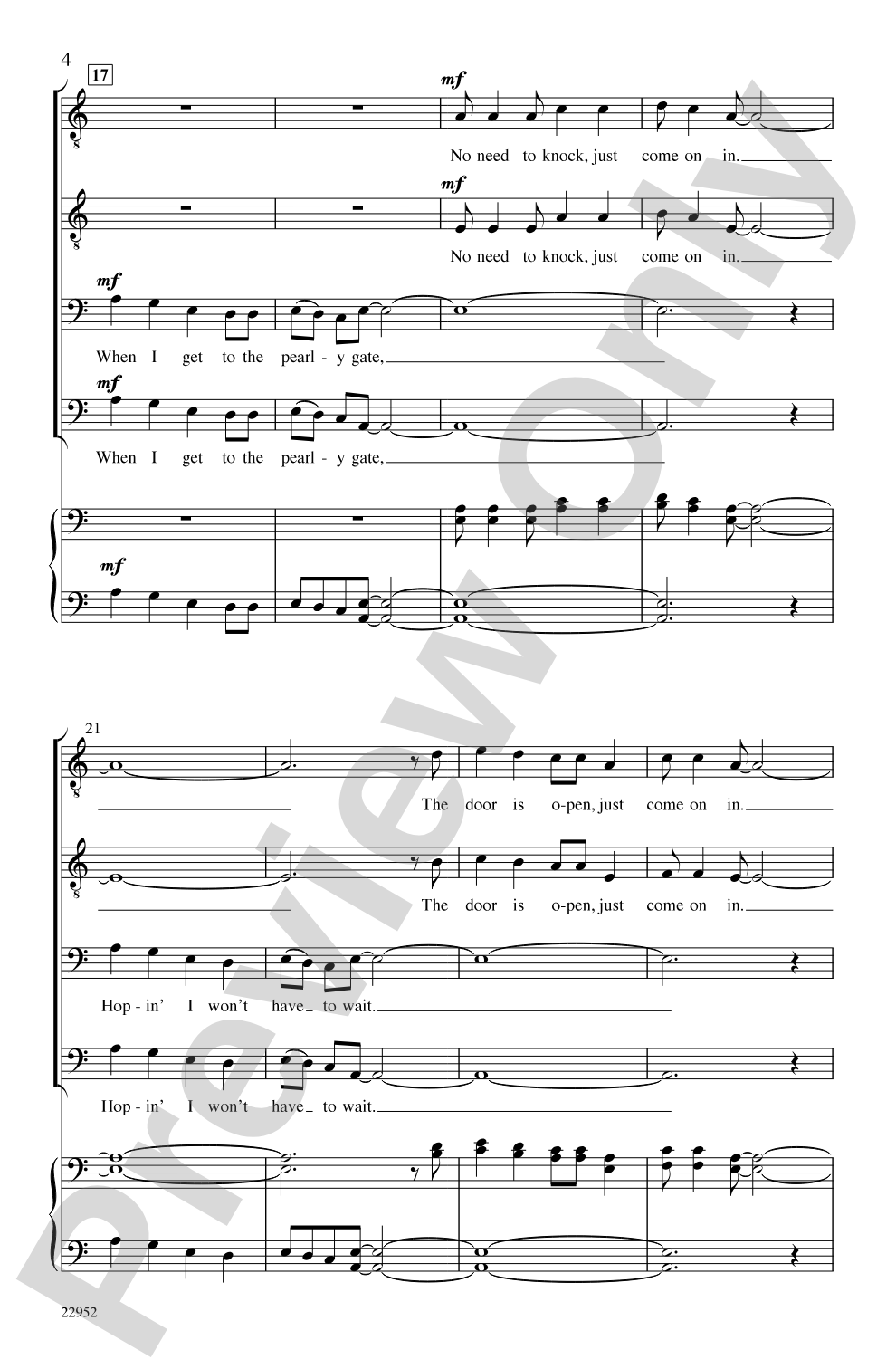
This popular general-purpose spiritual is now available for your men. Creative and full-sounding choral writing features both homophonic and 2-part textures. Clever, innovative, non-sacred text: "No need to knock, the door is open, just come on in." This choral work has many uses and can be performed in any concert, any time of year. A top-seller! Featured on the new staging DVD/Video "On the Stage!" (DVD #23037, Video #23129).


No Need to Knock!: TTBB, a cappella Choral Octavo isn't in MakeMusic Cloud just yet...but it could be. Let us know you'd like to see it, and you'll help shape what comes next. In the meantime, start a free trial and dive into thousands of interactive titles your students can play along with today.
Request This Title
Tell us you want it.
Start Your Free Trial
Explore everything that's ready to play right now.
Sample Audio
1
Audio File
--:--
0:00
0:00
Sample Video
No sample videos found.
Additional Details
Series:
Alfred Choral Designs
Publisher:
Alfred Music
Page Count:
12
SKU:
00-PO-0007741
More about this title
About the Composer: Sally K. Albrecht
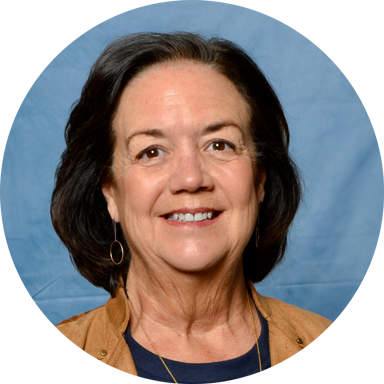
Sally K. Albrecht has built a career writing music that moves both singers and audiences. Since 1987, she has received the ASCAP Special Music Award annually and has over 600 published choral works in circulation, along with 75 larger musicals and songbooks. She has conducted honor choirs at major venues including Lincoln Center, Carnegie Hall, and The Kennedy Center, and spent more than three decades directing choral and vocal publications for major educational publishers, including her most recent work at Alfred Music.
Albrecht's background uniquely bridges music and theater. She earned a B.A. from Rollins College in 1976 with a double major in Music and Theater, followed by an M.A. in Drama and an M.M. in Accompanying from the University of Miami. She has taught at Oakland University, Jersey City State College, and Meredith College. In 2021, she received the Distinguished Alumna Award from both the University of Miami Frost School of Music and Rollins College, where she serves on the Board of Trustees. She lives in Wake Forest, North Carolina, with her husband, composer and arranger Jay Althouse.
Why we love this
Albrecht's a cappella writing for men's voices achieves that rare balance of sounding full and rich while remaining accessible to most choirs. The mix of homophonic and two-part textures keeps the arrangement from feeling too simple, and the uplifting text turns what could have been strictly devotional material into something that works year-round and fits naturally into any concert program. The fact that it's a proven crowd-pleaser means your singers will feel the audience connection before you even step on stage.
What to expect
Inviting and unpretentious, with the kind of musical warmth that comes from clear writing rather than elaborate harmony. The piece radiates openness, in its text, its texture, and its accessibility, while maintaining enough compositional interest to keep singers engaged.
Who it's for
TTBB choirs looking for versatile repertoire that combines warmth and accessibility. This works equally well for community choirs, educational ensembles, and barbershop-adjacent groups seeking material that's genuinely singable without sacrificing musical substance.
How to get the most out of it
- Balance the parts with care during homophonic sections so that no single voice carries the melody; the text deserves a unified sound from all four parts working together.
- In the two-part passages, lock the vertical sonorities before worrying about stylistic shaping; secure intonation in fewer voices opens up room for expressive interpretation.
- Consider how movement and staging can enhance the text's welcoming message; consult the referenced DVD for proven staging ideas that your singers can execute without distraction from singing.
How to use it
Program this as a concert opener or closer to set a welcoming, positive tone. Its year-round appeal means it works in winter concerts, spring programs, or special events without any seasonal awkwardness. The combination of spiritual roots and modern text also makes it a natural bridge between traditional and contemporary repertoire.
Skills your students will build
- Balancing homophonic and two-part textures in a cappella writing
- Sustaining blend and intonation across four independent voice parts
- Interpreting spiritual tradition with contemporary arrangement techniques
- Coordinating movement integration with vocal performance