No Harm / No Fowl Cover Image

No Harm / No Fowl: Jazz Ensemble Conductor Score

$9.00 USD
Sale price  $9.00 USD Regular price 
Skip to product information
No Harm / No Fowl Cover Image

No Harm / No Fowl: Jazz Ensemble Conductor Score

By Kris Berg

Grade: 2.5

Item: 00-49616S

$9.00
Shipped

One moment…

Description
It's the annual chicken chart! No Harm / No Fowl by Kris Berg is a very accessible rock groove played around 146 BPM, and features written-out solo opportunities for all saxes and all brass, and lead trumpet range is to written G on the staff. This chart has a catchy melody, is fun to play, and will please the band and the audience---we promise! (4:30)

No Harm / No Fowl: Jazz Ensemble Conductor Score isn't in MakeMusic Cloud just yet...but it could be. Let us know you'd like to see it, and you'll help shape what comes next. In the meantime, start a free trial and dive into thousands of interactive titles your students can play along with today.

Sample Pages

Sample Audio
0:00
0:00
Sample Video
Additional Details
Series: Young Jazz Ensemble
Publisher: Alfred Music
Page Count: 24
ISBN10: 1-4706-5139-4
ISBN13: 978-1-4706-5139-8
UPC: 038081572307
SKU: 00-49616S

More about this title

About the Composer: Kris Berg
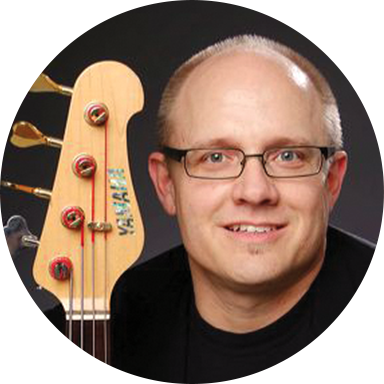
Kris Berg

Kris Berg directs the jazz studies program at Collin County Community College in Texas, where he earned both his bachelor's and master's degrees in jazz studies from the University of North Texas. His work extends far beyond the classroom: he founded and directs the Collin Jazz Fest and the Texas All-Star Jazz Camp, and has guided his ensembles to multiple invitations to the Montreux Jazz Festival.

Berg's arrangements and compositions have circulated internationally among professional and student ensembles alike. As a prolific composer for Belwin Jazz (Alfred Publishing), he has established himself as a sought-after voice in big band writing. He remains actively engaged as an artist and clinician for Yamaha Corporation, has collaborated with jazz luminaries including Kurt Elling, Randy Brecker, Peter Erskine, Bob Mintzer, and Clark Terry, and authored the widely-used Bass Lines in Minutes.

Why we love this

Berg writes charts that students actually want to play. The accessible Grade 2.5 level, energetic rock groove, and solo opportunities for every section make this feel like a "real" jazz ensemble experience rather than simplified pedagogy. Directors consistently find that pieces like this one generate genuine enthusiasm from both players and audiences.

What to expect

A propulsive rock groove with infectious momentum. The melody lands with instant appeal, and the energy of the ensemble sound carries audiences along. There's a lightness and humor built into the piece that keeps it from feeling forced or overly clever.

Who it's for

Jazz ensemble directors looking for a high-energy, playable chart that sits comfortably at Grade 2.5 without sacrificing fun or musicality. Students benefit from written-out solo sections that build confidence and give everyone a moment in the spotlight. This piece works equally well in the rehearsal room and on the concert stage.

How to get the most out of it

  • Lock the groove at 146 BPM by having the rhythm section lock in first; bass and drums should establish the pocket before running the full chart.
  • Balance the lead trumpet's range to written G by checking intonation in that register during sectionals; the high passages need security and clarity to cut through the ensemble.
  • Coach soloists to listen actively to the rhythm section during their written-out moments; this isn't background music, so soloists should react and breathe with the groove.
  • Let the catchy melody speak for itself in early rehearsals; don't over-complicate the phrasing. The tune's strength lies in its directness and swing feel.

How to use it

Program this as a mid-set energizer at a jazz concert, or bookend a formal piece with it for contrast. It's also ideal for festival rotations, pop shows, or any context where you want to demonstrate what an engaged jazz ensemble sounds like. The 4:30 length gives you flexibility in pacing a full program.

Skills your students will build

  • rock groove comping and swing feel in a contemporary jazz idiom
  • solo construction and improvisation within written frameworks
  • ensemble balance with lead trumpet in an extended upper register
  • listening and reacting to rhythm section pocket during solo passages
  • section coordination across saxes and brass with simultaneous written-out parts

You May Also Like