
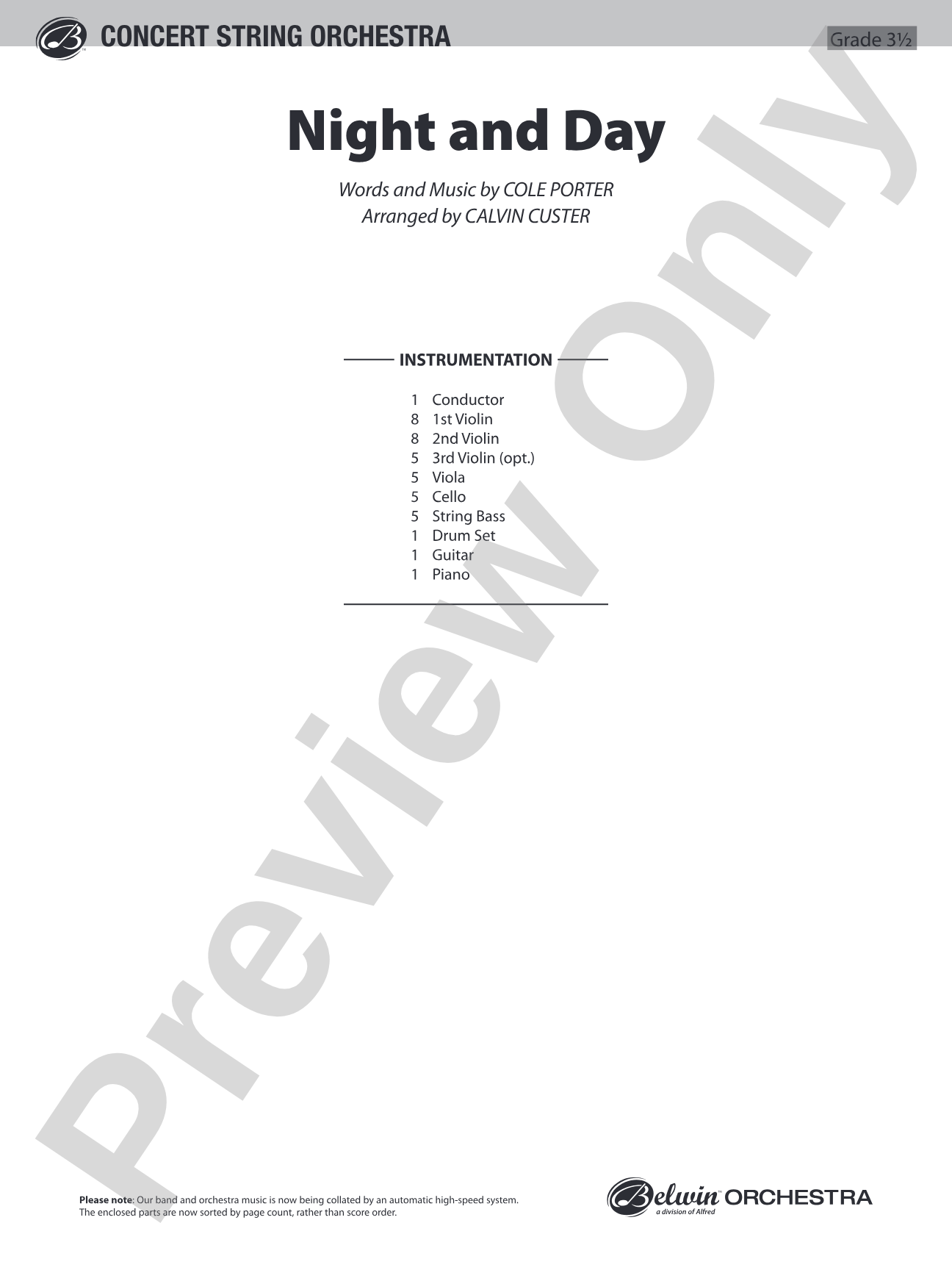

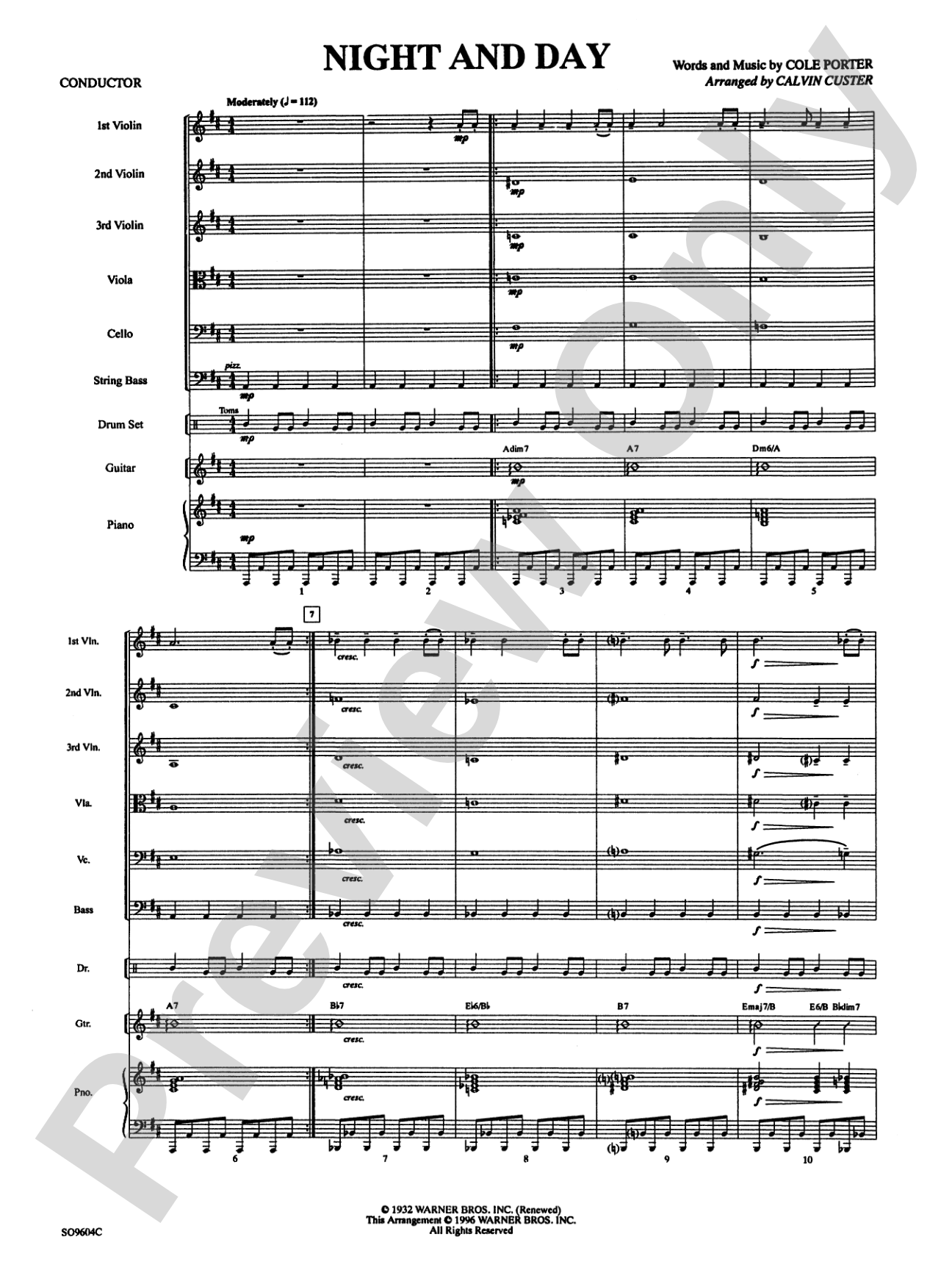
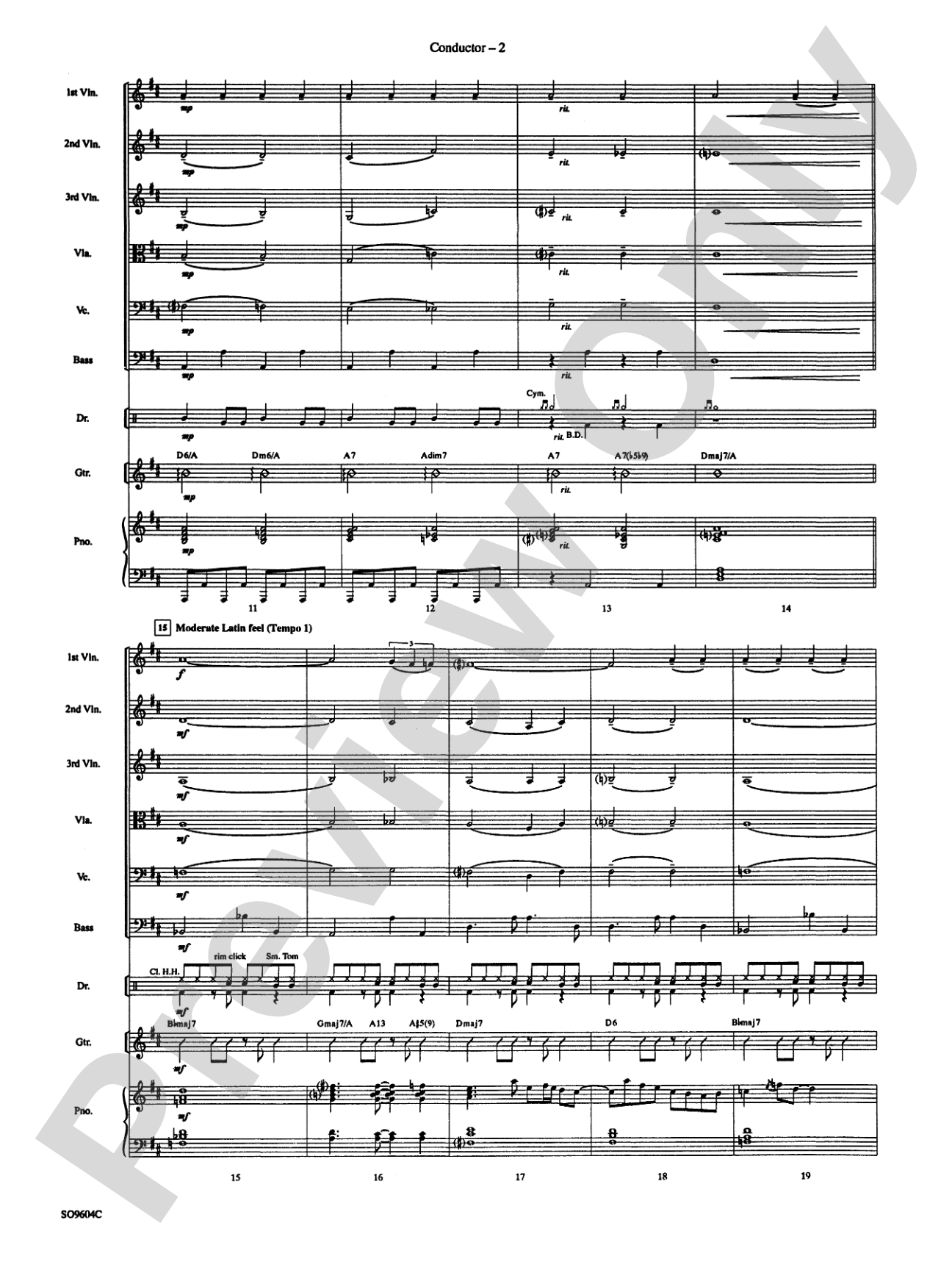
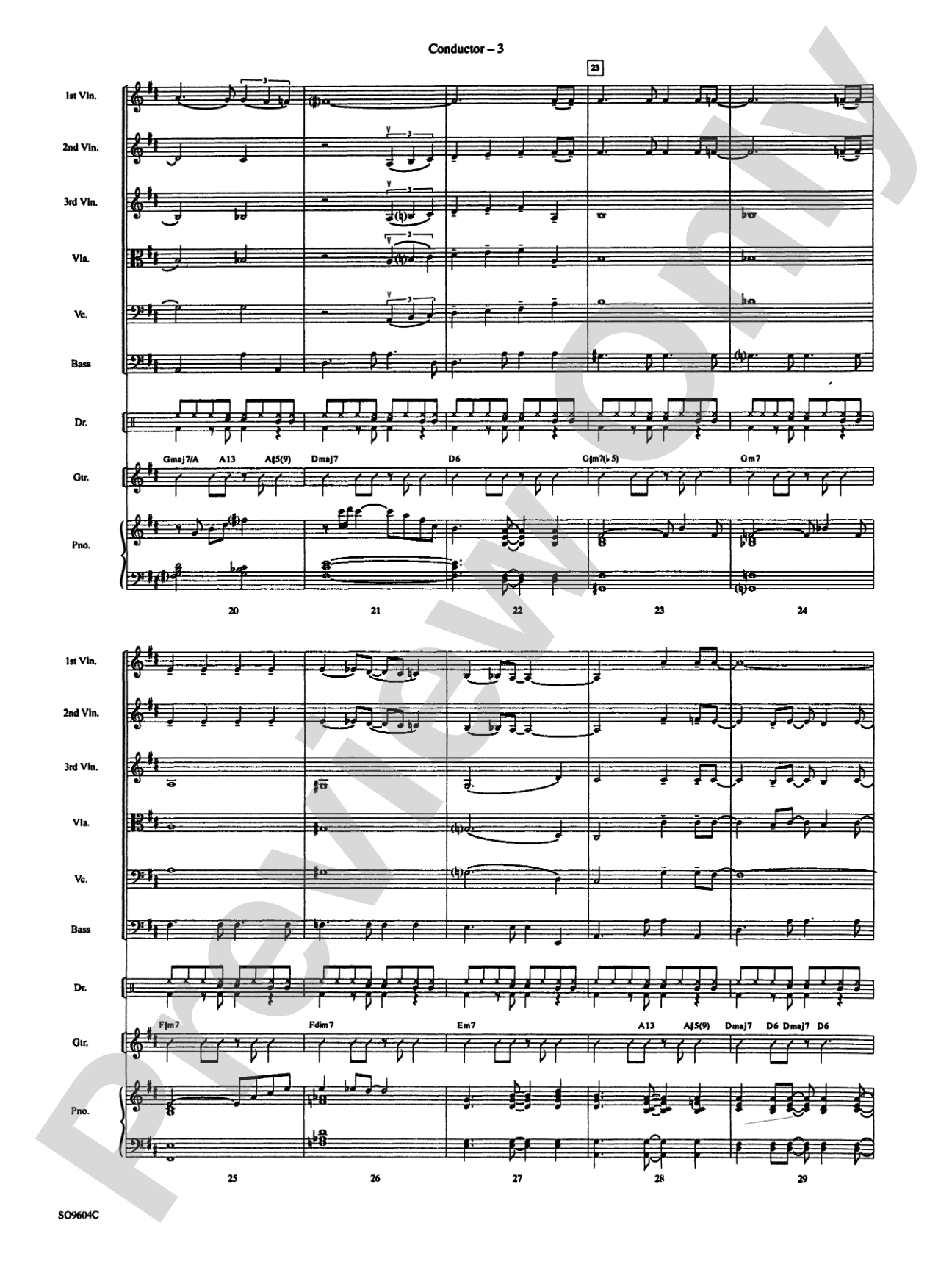
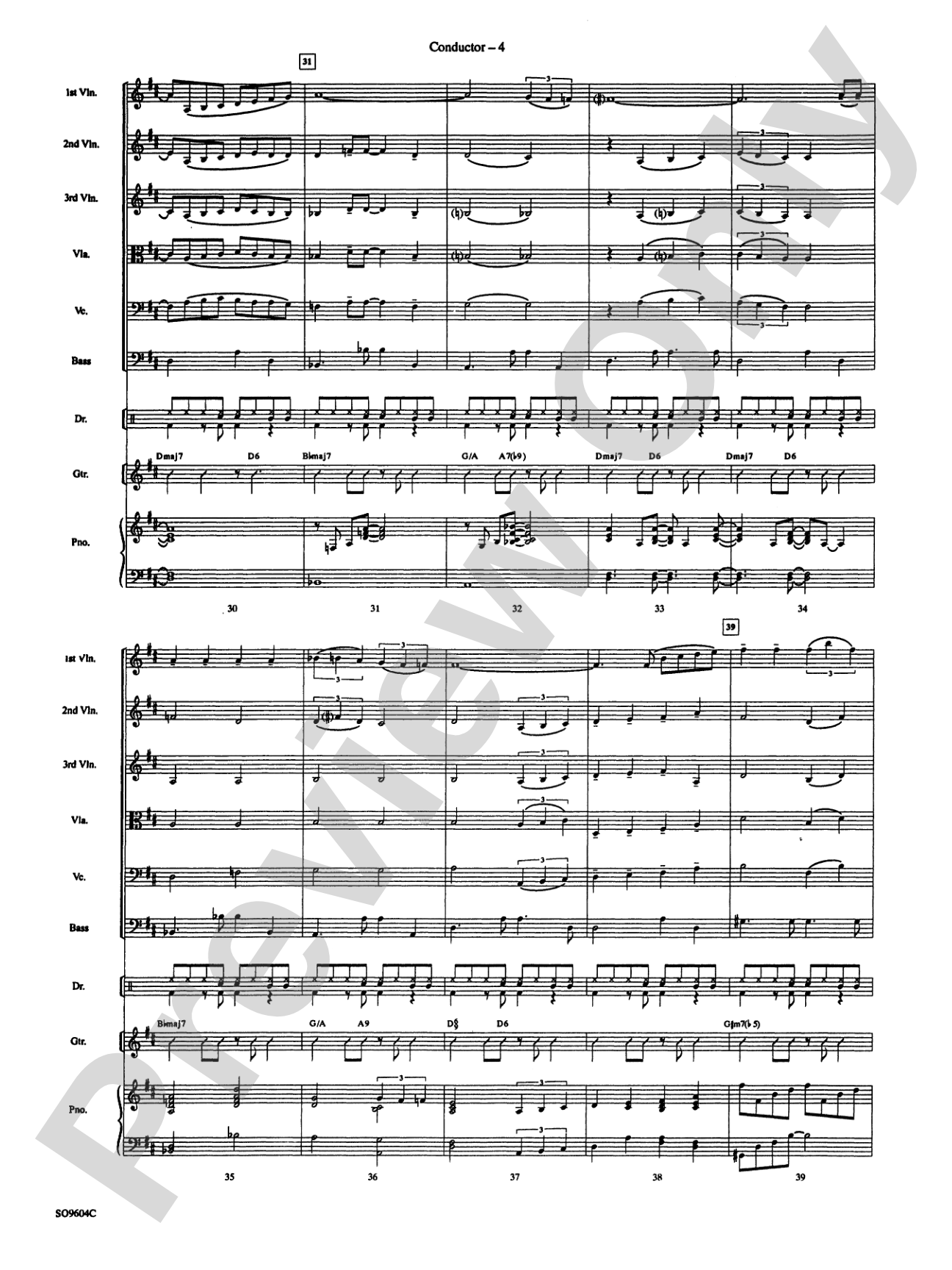
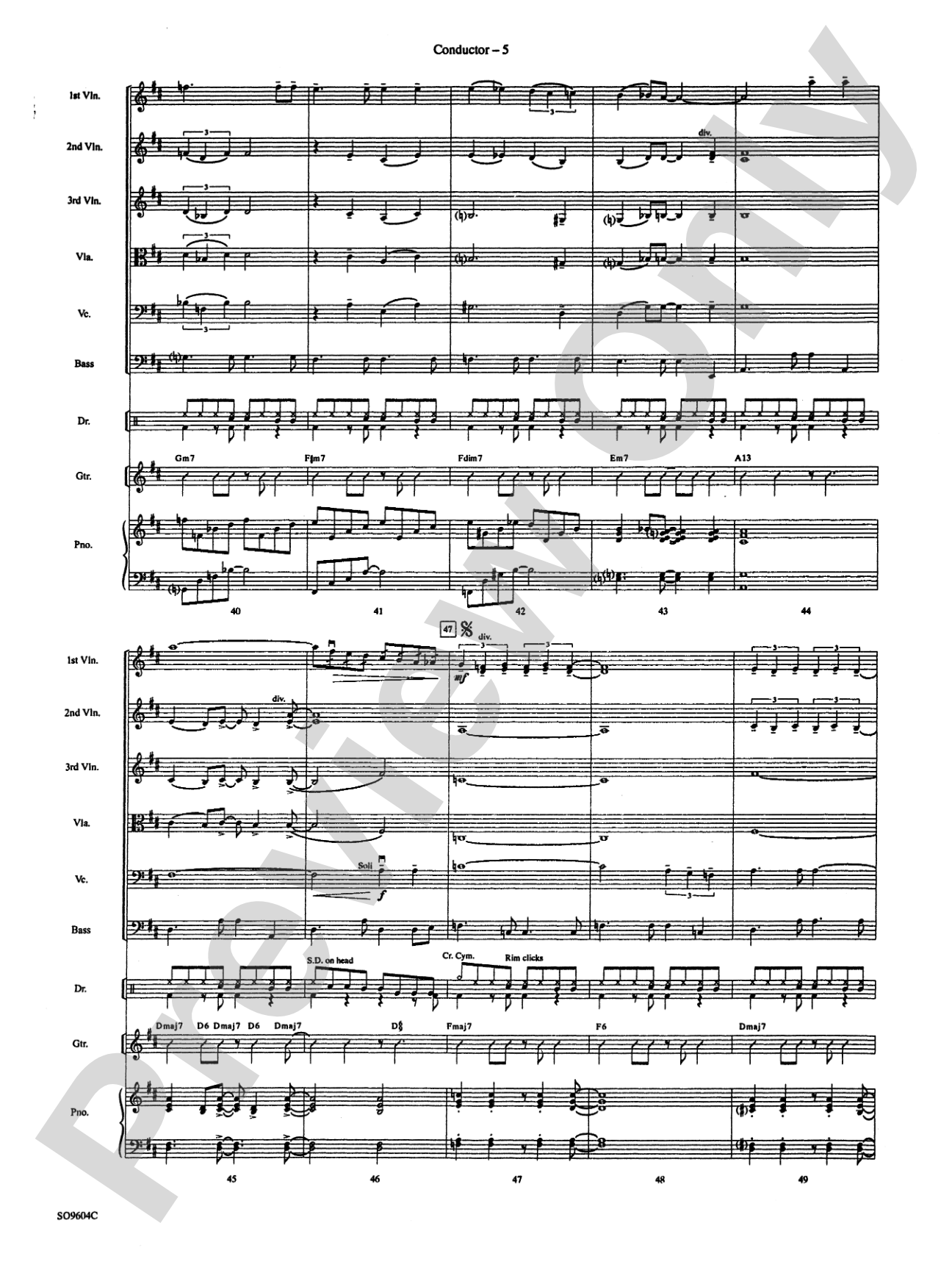
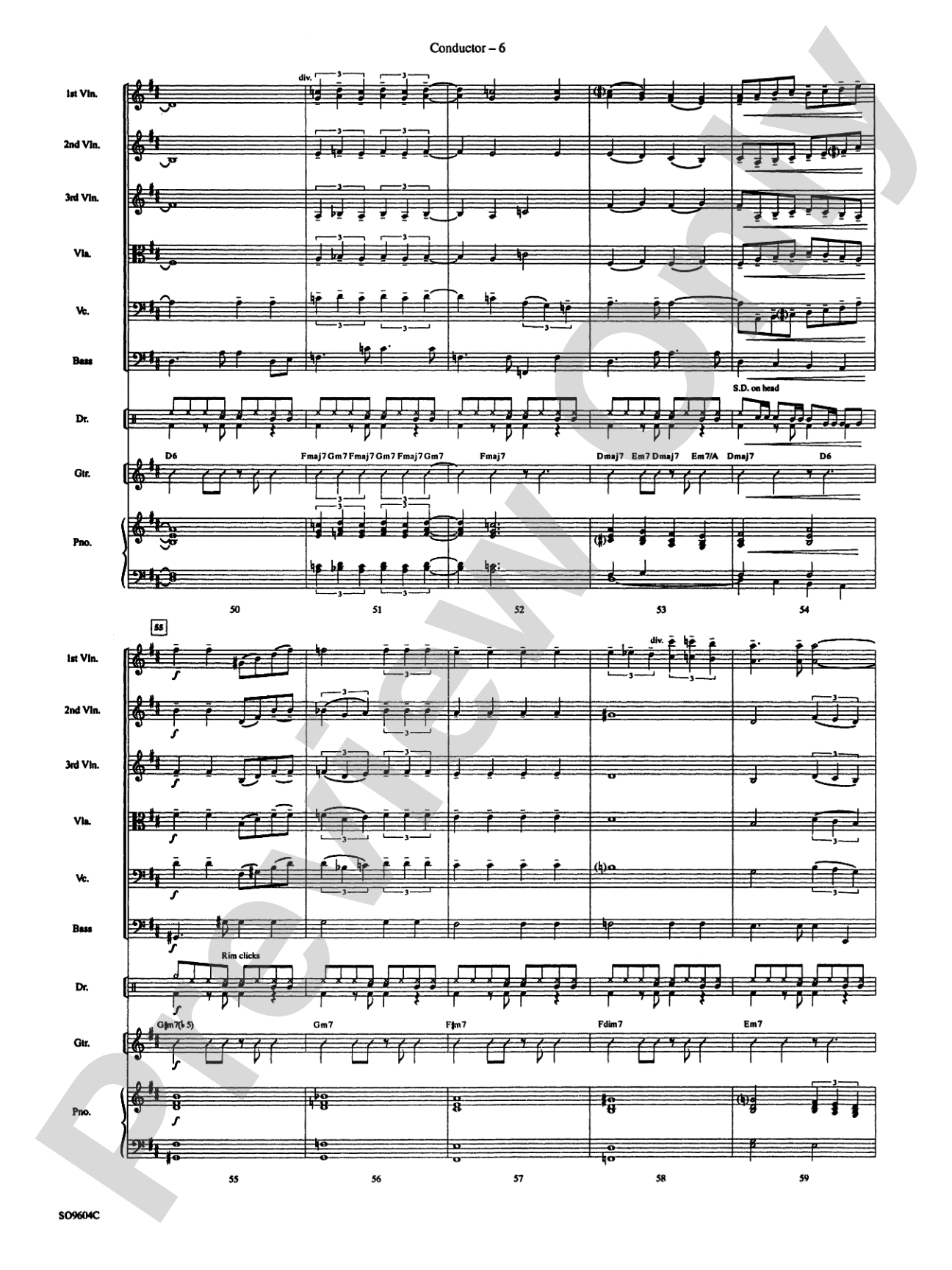
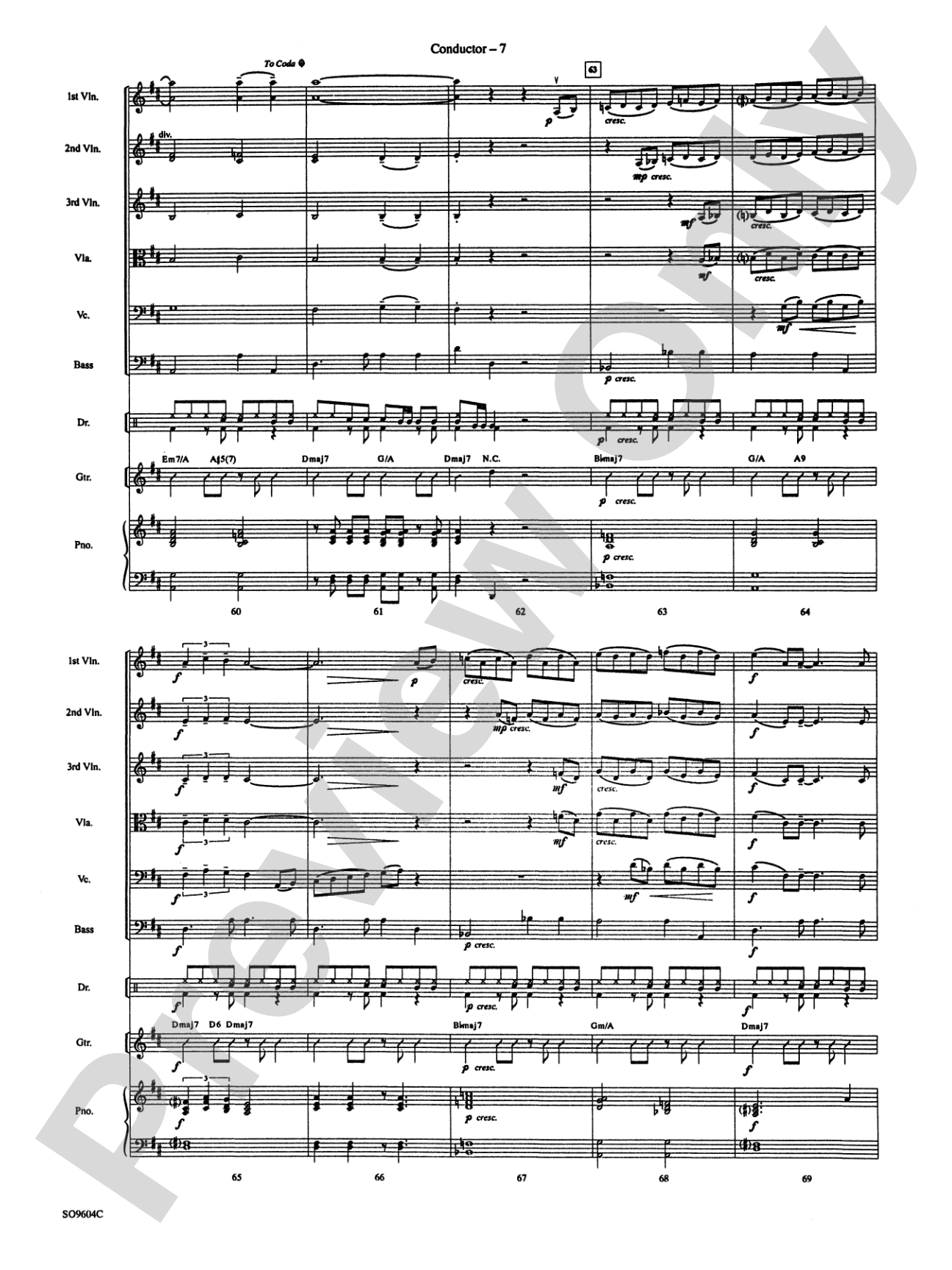
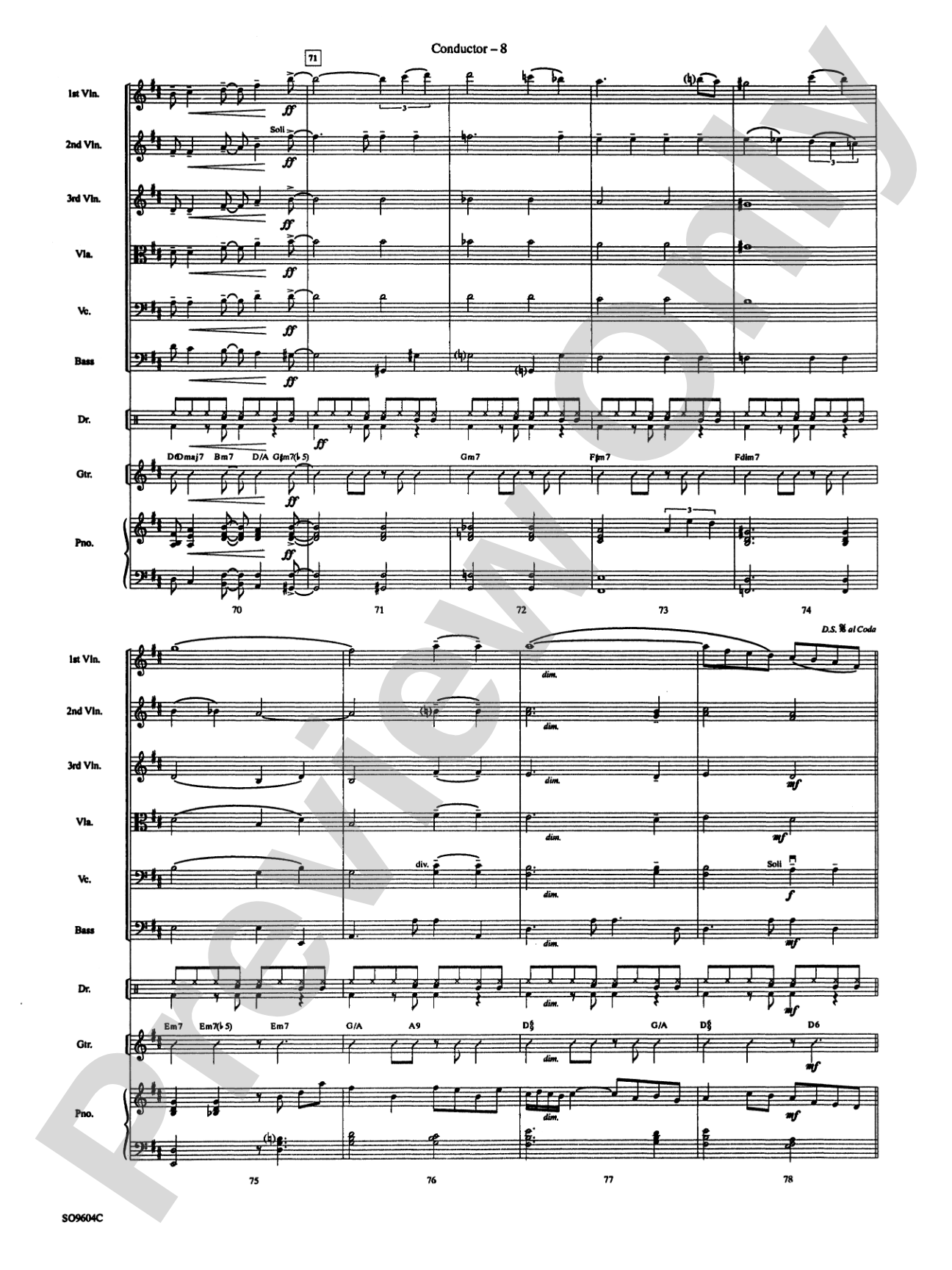
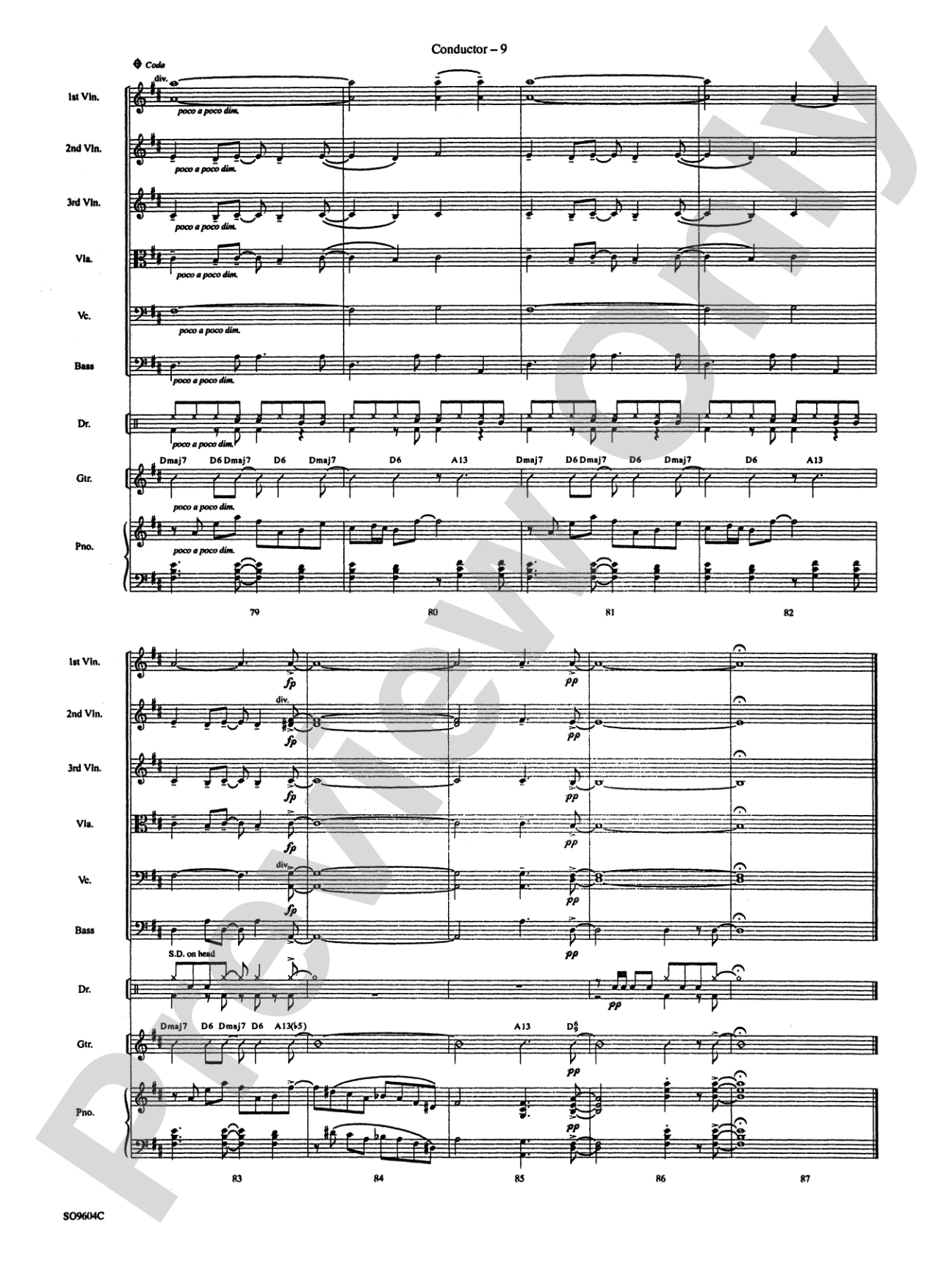


Night and Day: String Orchestra Conductor Score & Parts
By Cole Porter / arr. Calvin Custer
Grade: 3.5
Item: 00-PK-0002618

$64.00
One moment…
Description
"Like the beat, beat, of the tom-tom, when the jungle shadows fall..." So begins this superlative Cole Porter standard. Years pass and each generation happily rediscovers this man's genius. Calvin Custer presents his jazz-tinged arrangement for string orchestra. Sophisticated and elegant. (3:33)


Don't just read it, hear it, play along with it, and watch your students grow with it. In MakeMusic Cloud, Night and Day: String Orchestra Conductor Score & Parts comes alive with professional accompaniment, adjustable tempo, and built-in practice tools that turn solo practice into real progress.
Open in the Player
Jump straight in and assign it today.
Start Your Free Trial
Open this title and explore the full library in minutes.
Sample Audio
1
Audio File
--:--
0:00
0:00
Sample Video
No sample videos found.
Additional Details
Series:
Pop Concert String Orchestra
Publisher:
Alfred Music
Page Count:
168
SKU:
00-PK-0002618
More about this title
About the Composer: Cole Porter
Cole Porter (1891-1964) was an American composer and lyricist who created some of the most enduring standards of the twentieth century. His gift for witty, sophisticated lyrics paired with memorable melodies made him a dominant force in Broadway and film music throughout the 1930s and 1940s. Porter's influence extends far beyond his era; his songs remain central to the Great American Songbook and continue to be recorded and performed across every musical genre.
Why we love this
Calvin Custer's arrangement captures the urbane sophistication of Porter's original while making it genuinely playable for intermediate string orchestras. The jazz-tinged orchestration adds textural interest without overwhelming younger players, and the piece works equally well in a concert setting or competition context.
What to expect
Sophisticated and elegant, just as the description promises. The piece evokes a smoky nightclub or an elegant hotel ballroom, with Porter's genius for memorable melody shining through the lush string voicings. There's an inherent swing to the rhythmic language that feels modern and refined at once.
Who it's for
String orchestra directors working at the intermediate level (Grade 3.5) who want to program accessible, musically intelligent popular standards. This arrangement serves students ready to handle rhythmic independence and jazz articulation without requiring advanced technique.
How to get the most out of it
- Attend to the rhythmic precision of the jazz elements; loose ensemble timing will flatten the groove. Mark clear subdivisions in rehearsal and lock the string sections together on syncopated passages.
- Shape the melody with the same care you would give a classical phrase. Porter's tunes reward legit singing, even in a swinging arrangement.
- Balance the arrangement so supporting figures don't overshadow the main melodic line. Adjust dynamic assignments if your first violins need additional support on exposed passages.
- Use the 3:33 duration as a guideline for pacing. Let the swing feel breathe rather than rushing to get through the standard ballad form.
How to use it
This works beautifully as a crossover piece on a classical concert, offering audiences a break in programming while maintaining musical substance. It's also a strong choice for festival competitions where judges appreciate stylistic range and good orchestration.
Skills your students will build
- Jazz articulation and swing feel in a string context
- Rhythmic independence while maintaining ensemble cohesion
- Balancing melody and accompaniment figures
- Phrasing and expression in popular song form