
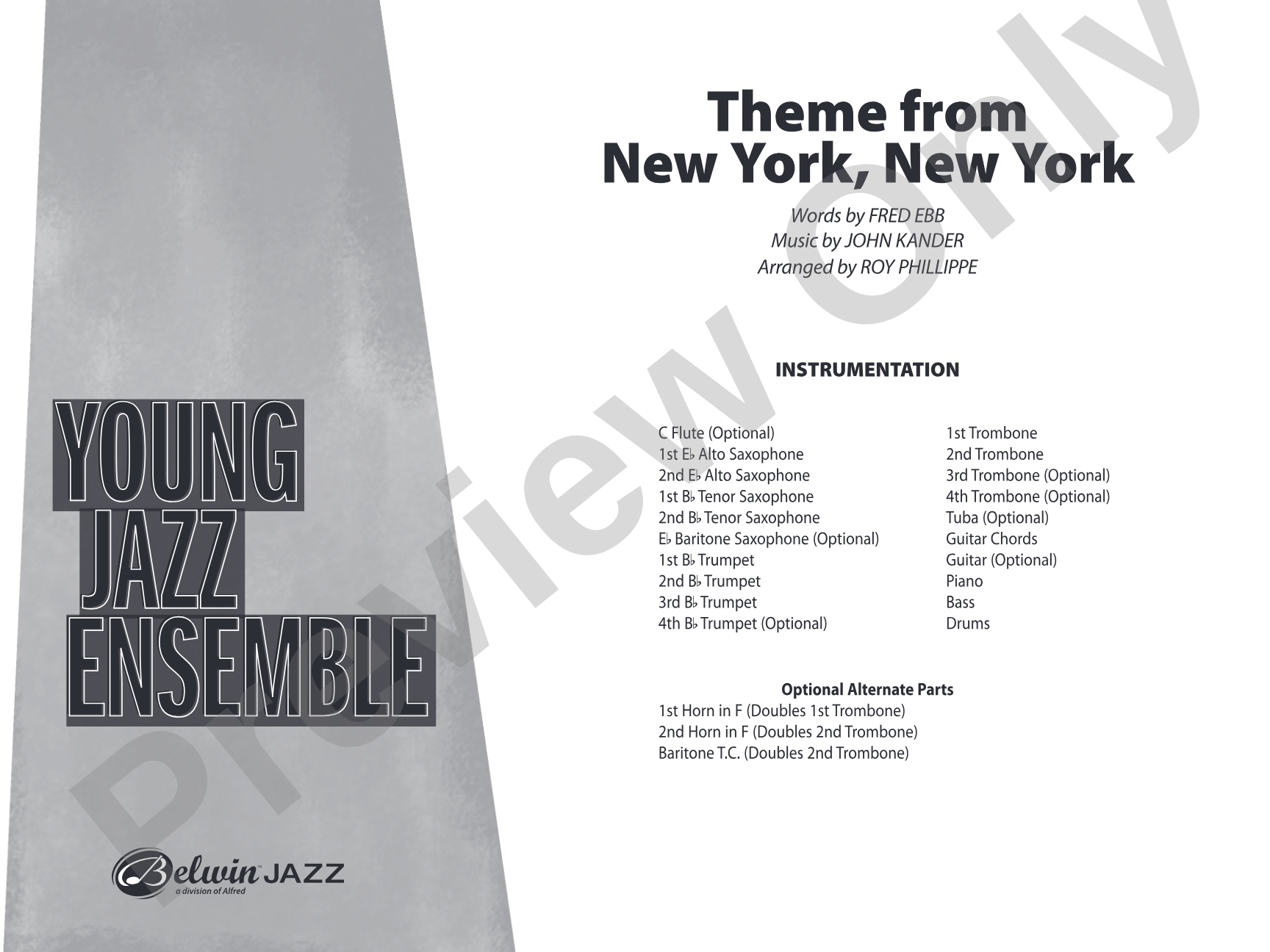
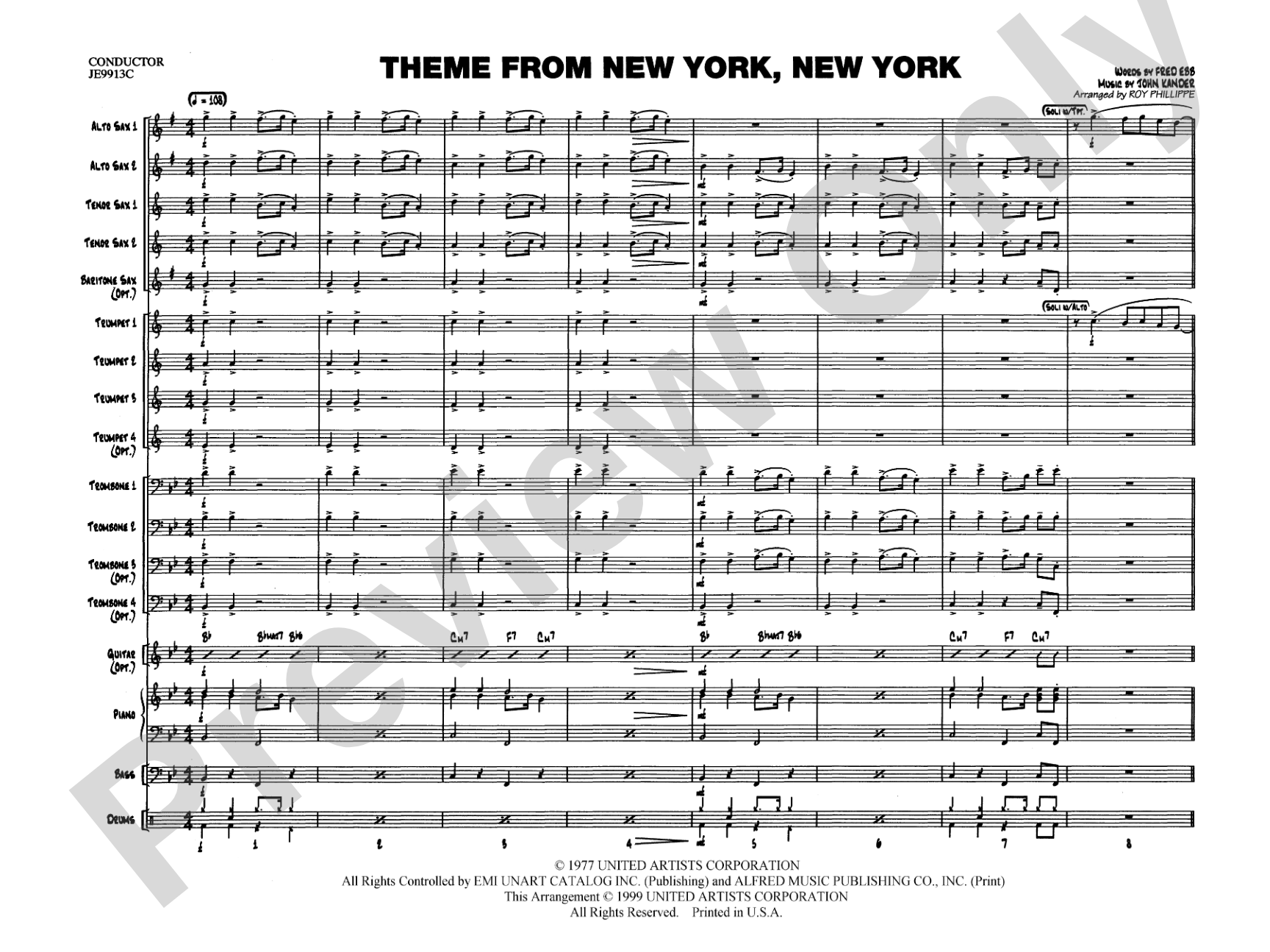
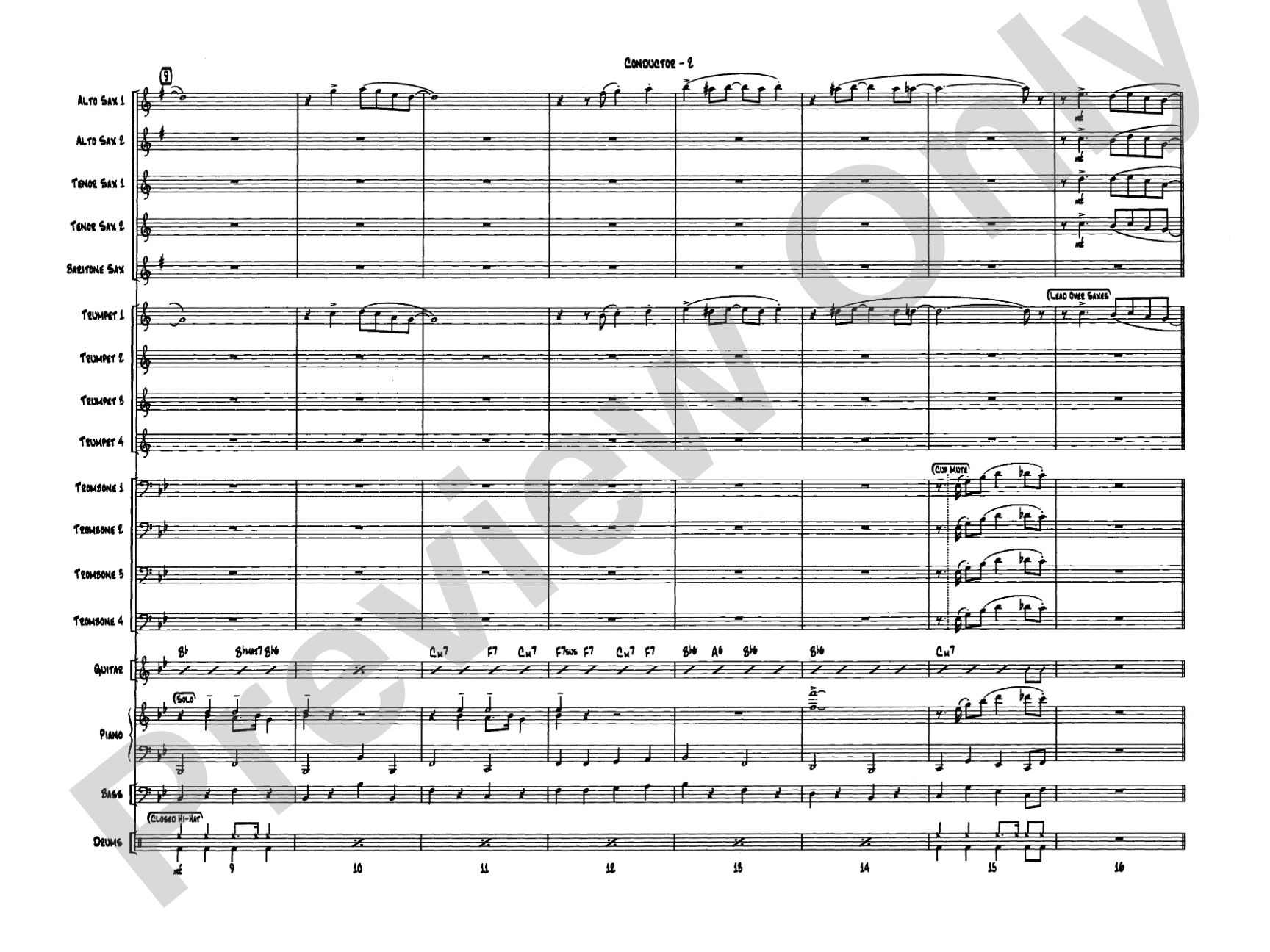
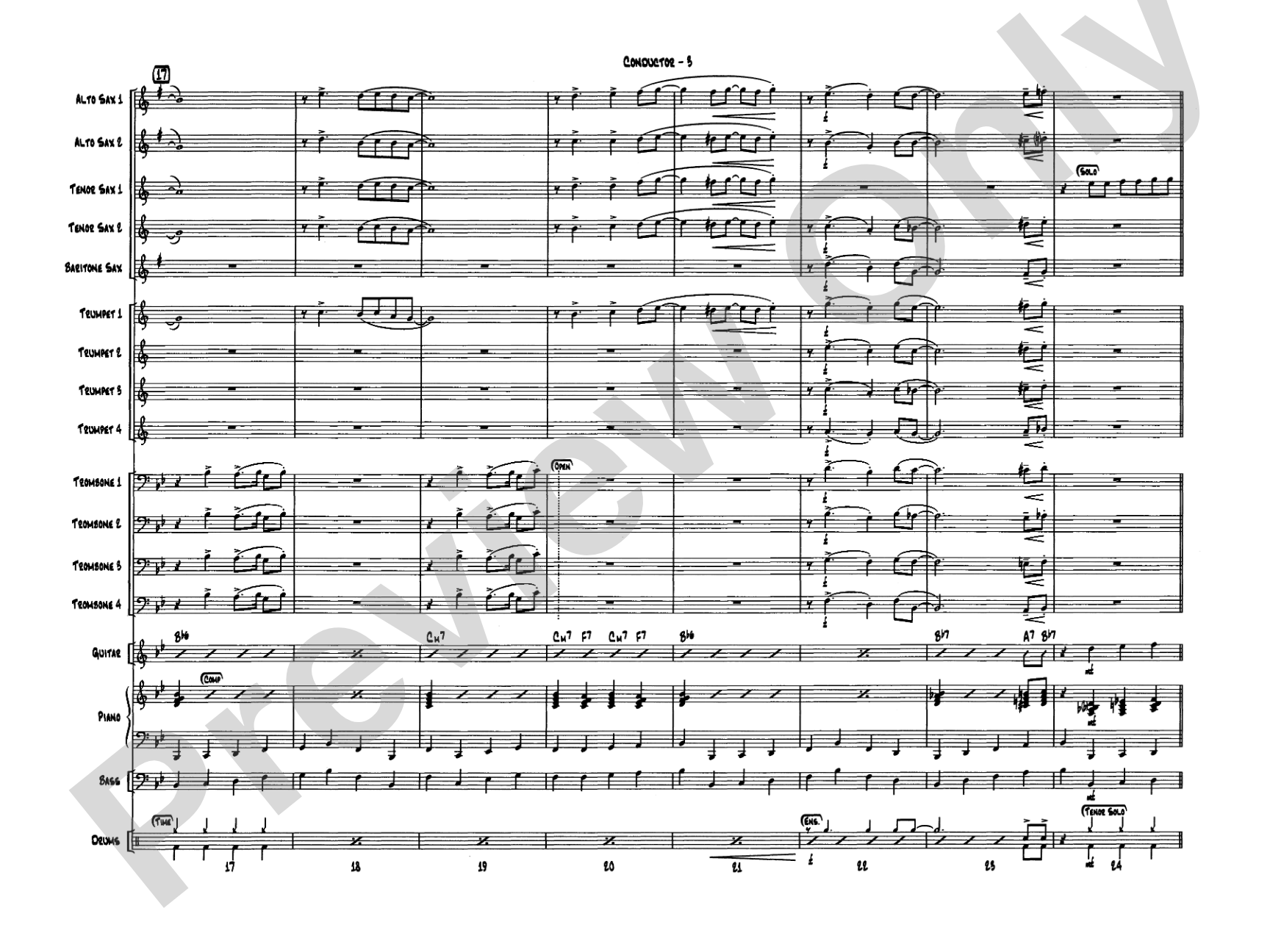
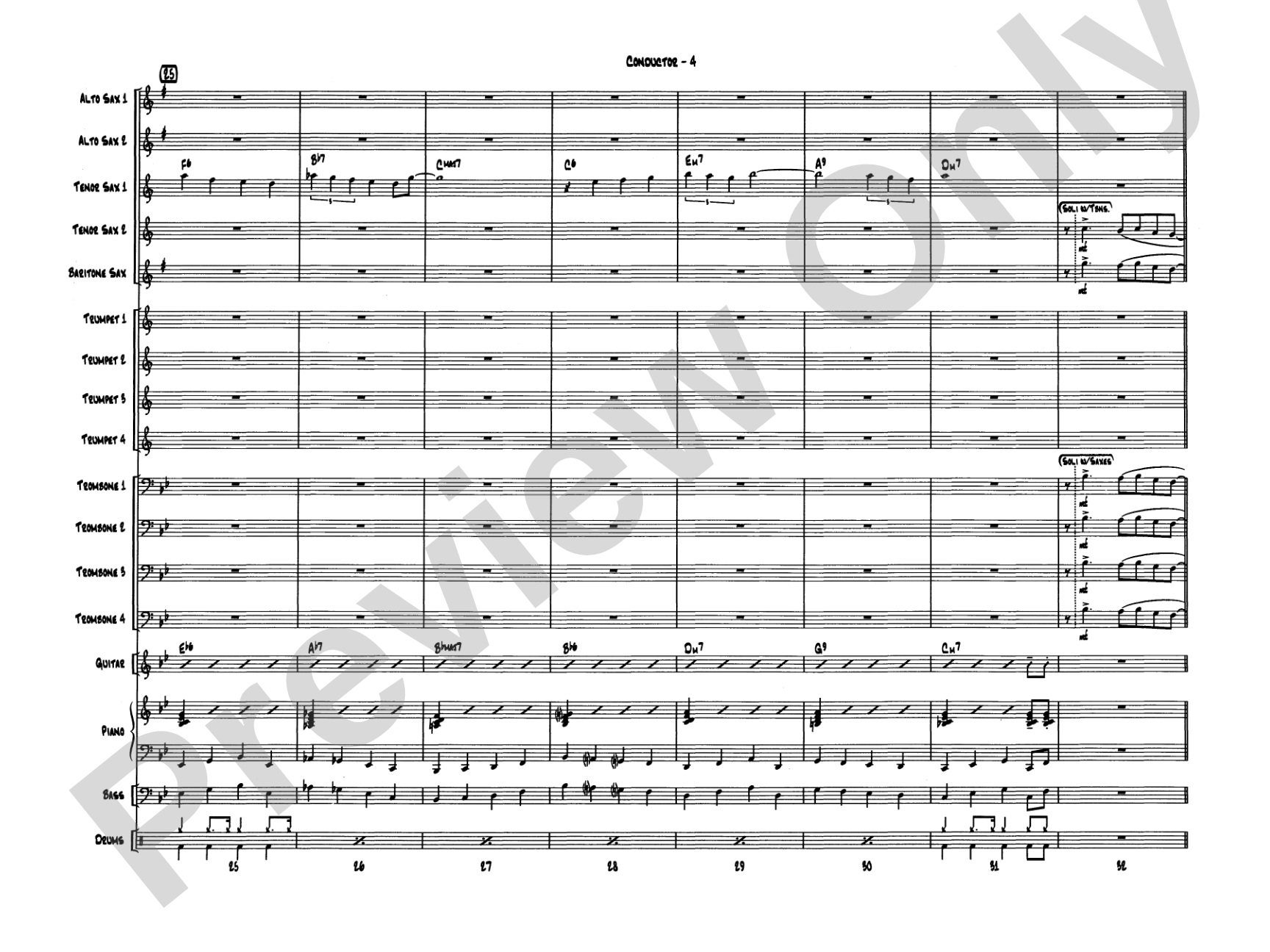
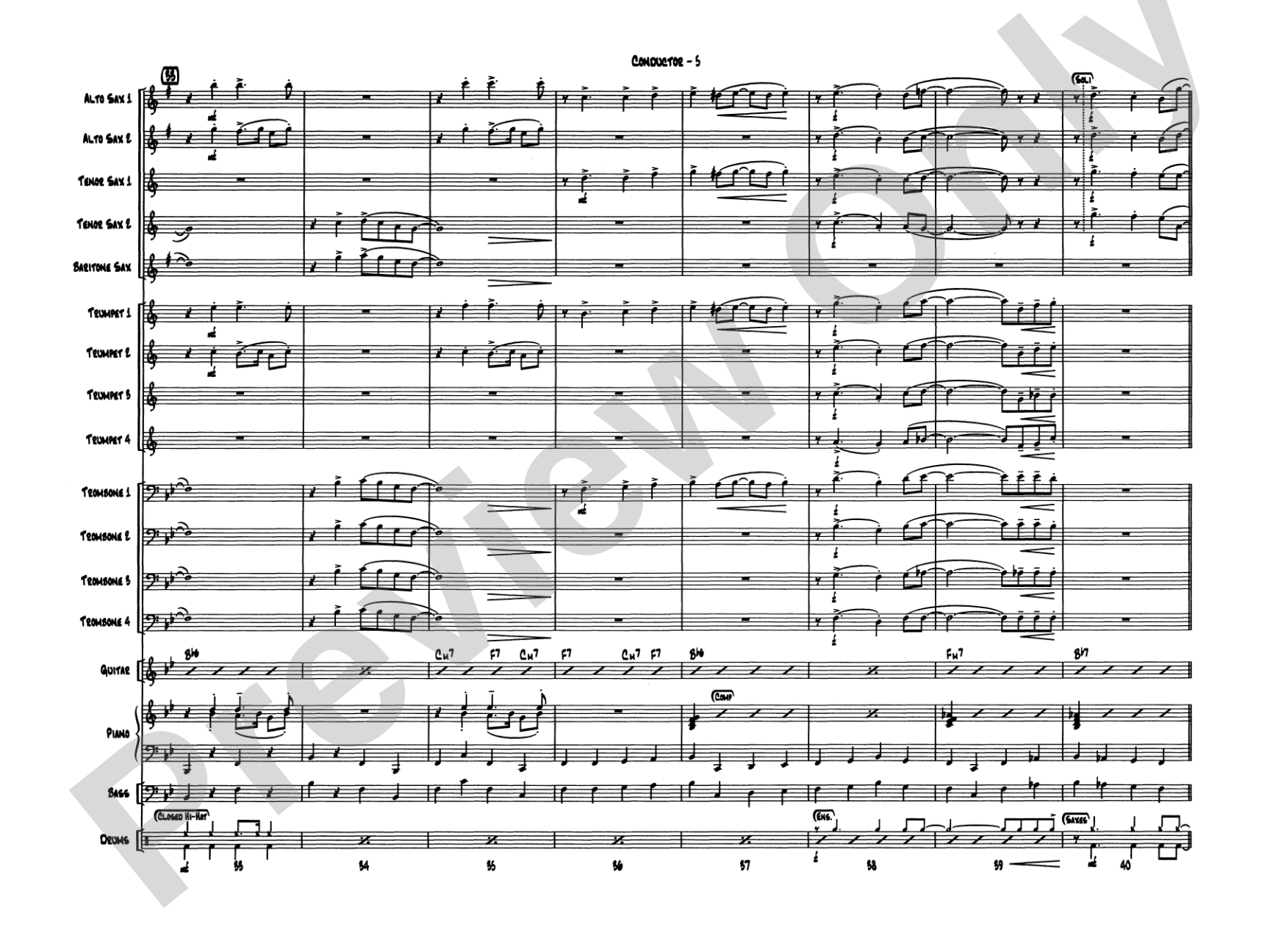
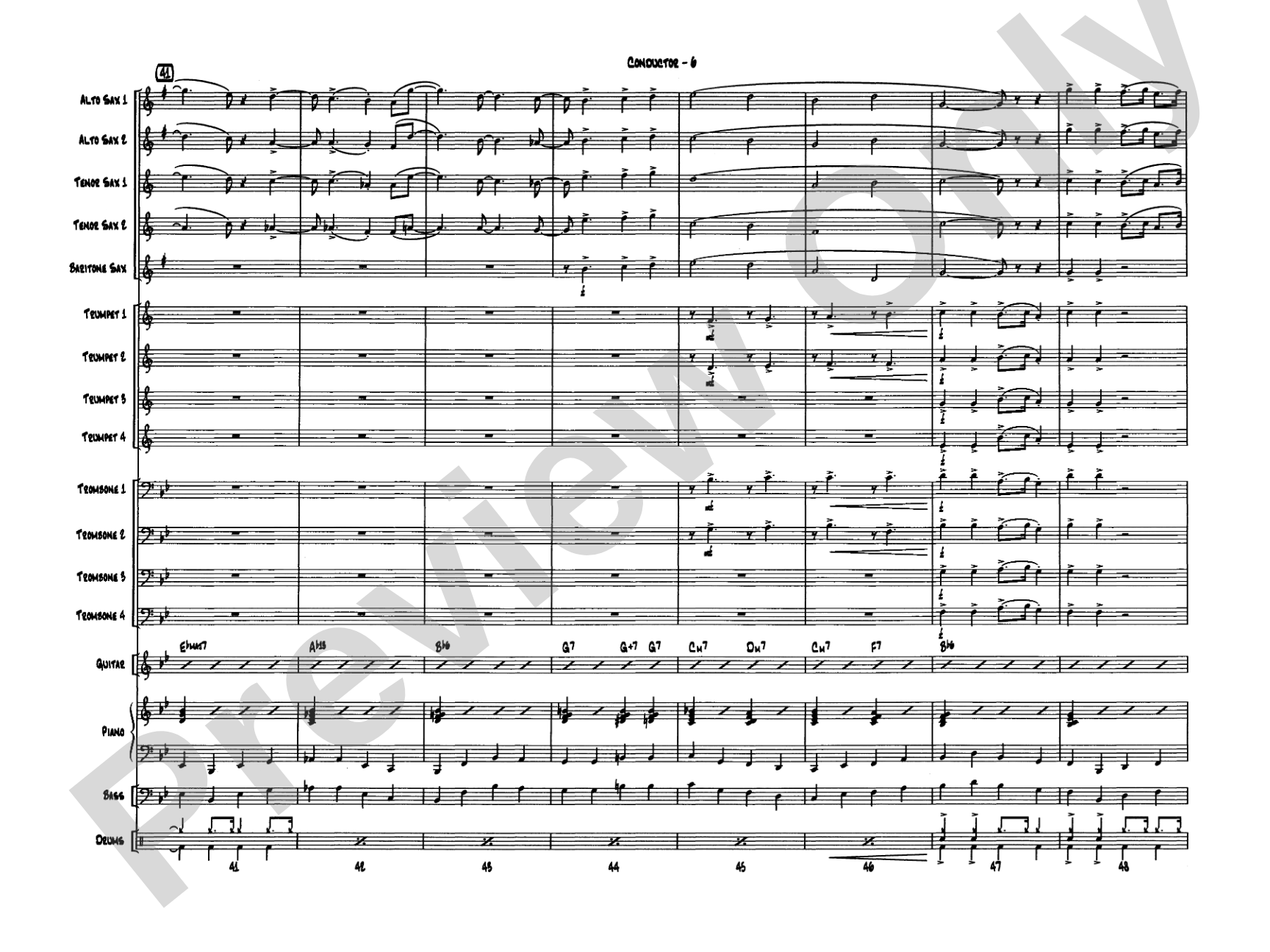
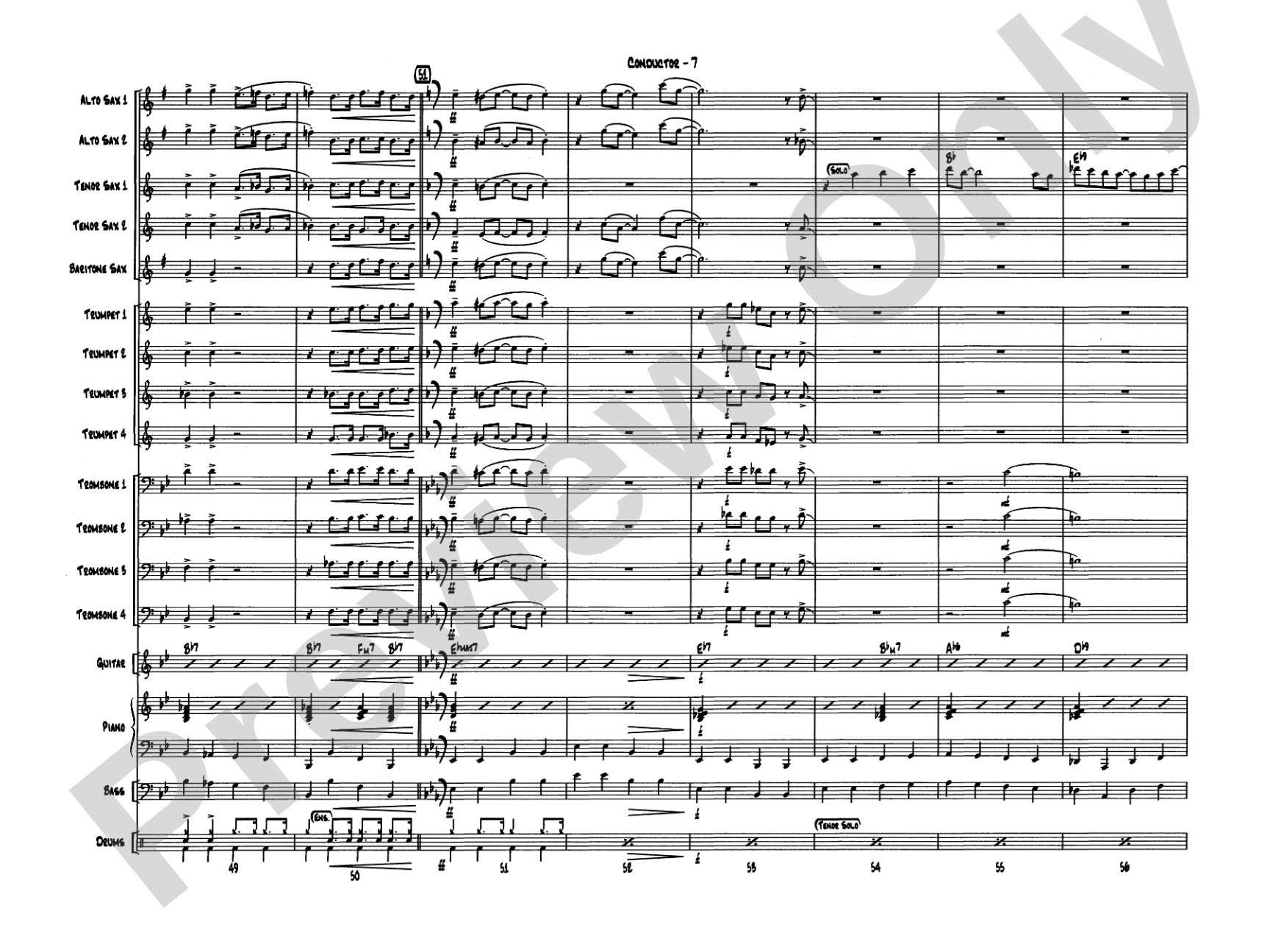
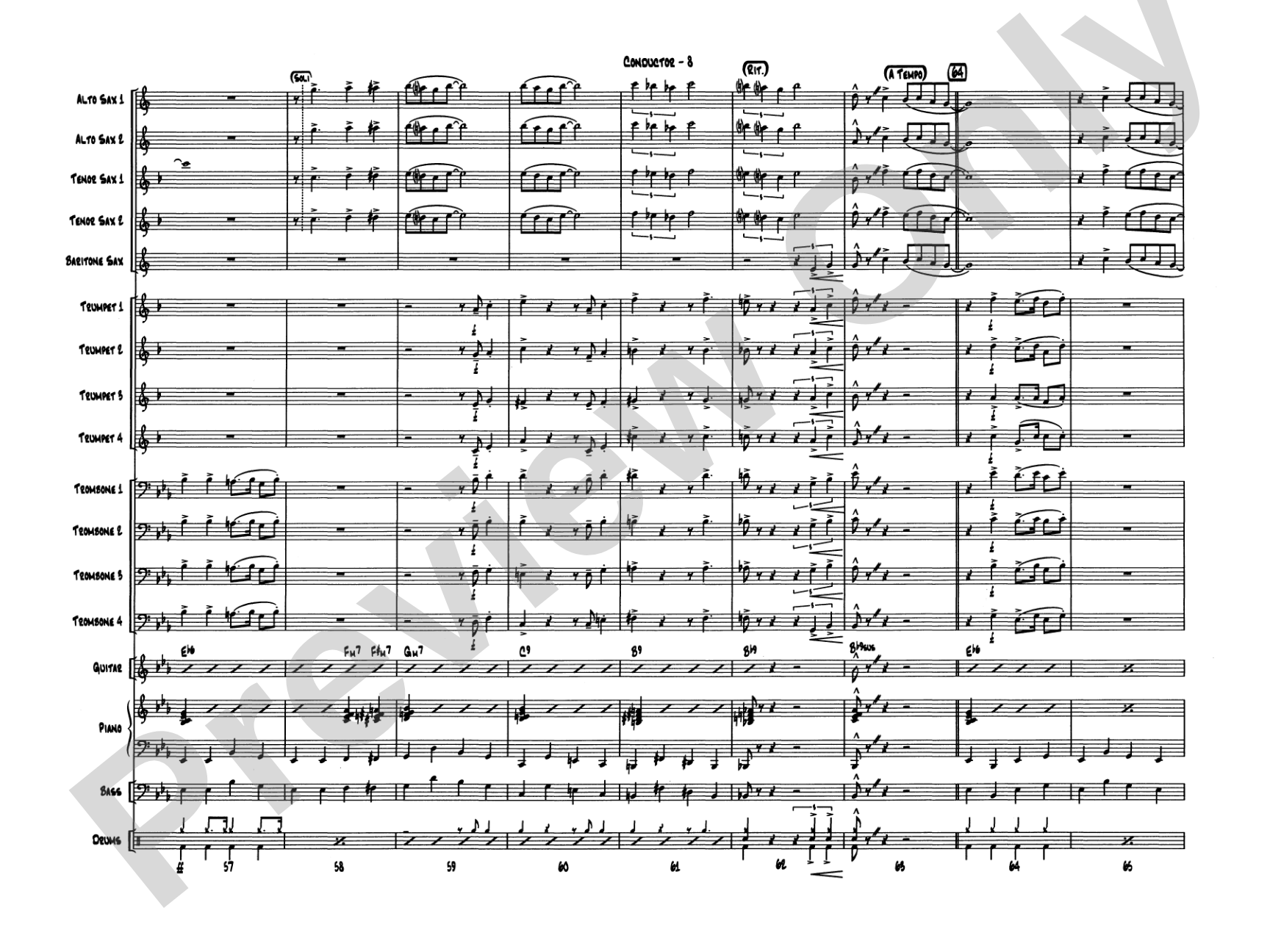
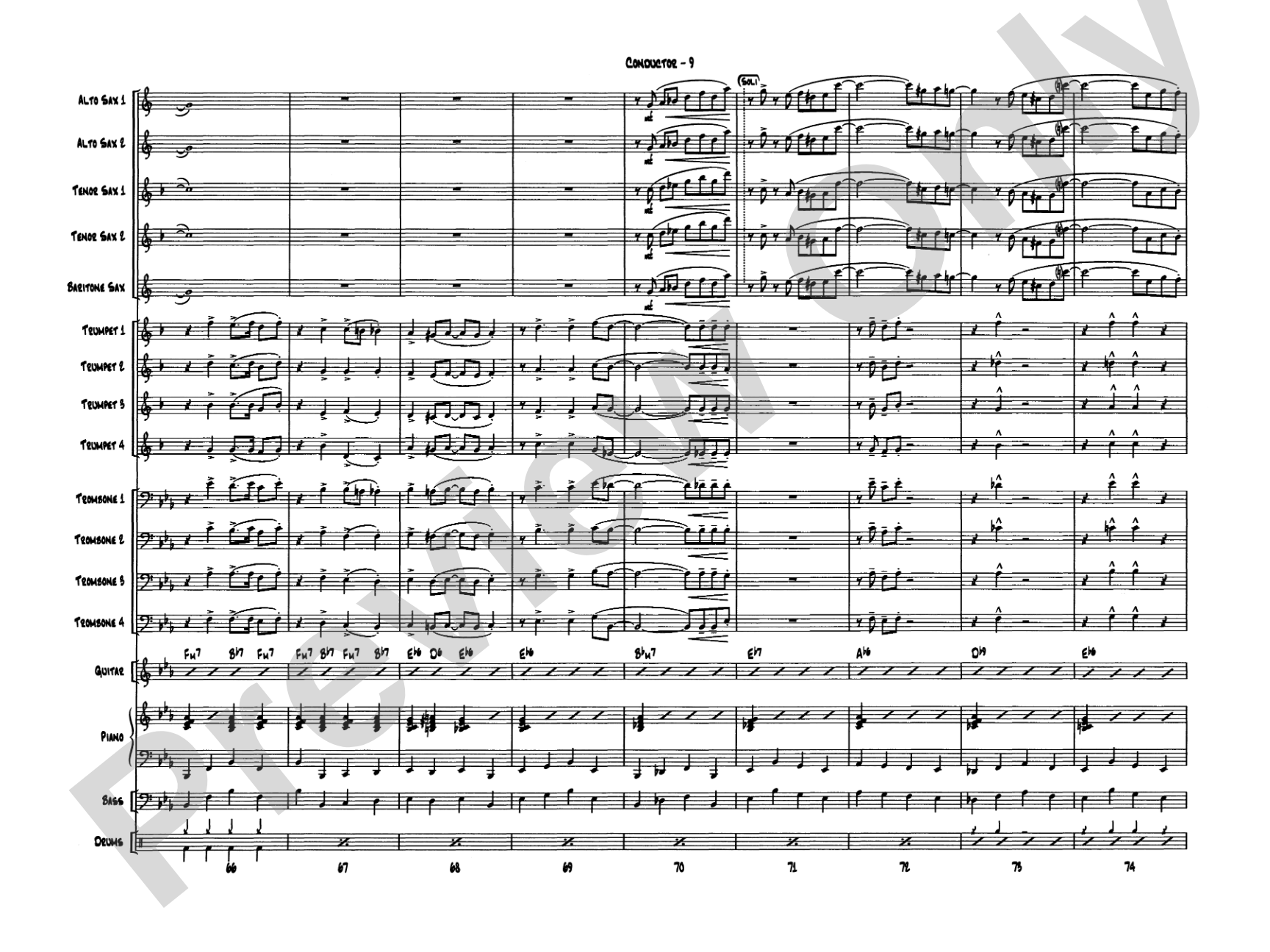
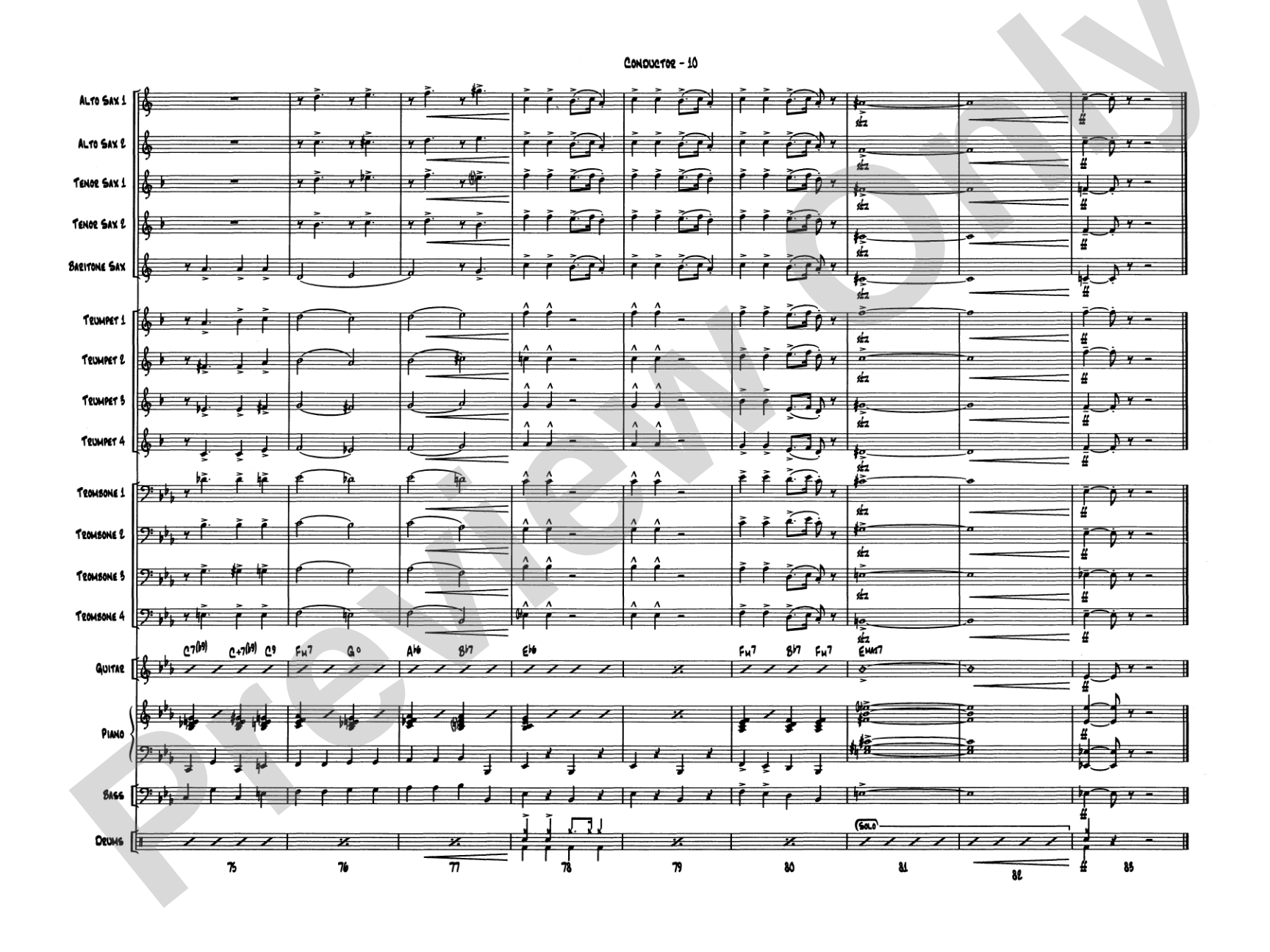


New York, New York, Theme from: Jazz Ensemble Conductor Score & Parts
Arr. Roy Phillippe
Grade: 2 (Medium Easy)
Item: 00-PK-0004974

$48.00
One moment…
Related Items
New York, New York, Theme from: Jazz Ensemble Conductor Score & Parts |
$48.00
|
View |
Description
The all-time classic Frank Sinatra signature tune really shines in this easy-to-perform arrangement by Roy Phillippe. All of the famous licks are presented in this chart but with considerations made for range and technical demands. Includes some great tenor sax solo opportunities that stay really close to the melody, and big, bold ensemble shouts contrast the solo. Give your students the opportunity to know this music and to experience the legend of Frank Sinatra. Easy (3:05)


Don't just read it, hear it, play along with it, and watch your students grow with it. In MakeMusic Cloud, New York, New York, Theme from: Jazz Ensemble Conductor Score & Parts comes alive with professional accompaniment, adjustable tempo, and built-in practice tools that turn solo practice into real progress.
Open in the Player
Jump straight in and assign it today.
Start Your Free Trial
Open this title and explore the full library in minutes.
Sample Audio
No sample audio found.
Sample Video
No sample videos found.
Additional Details
Series:
Young Jazz Ensemble
Publisher:
Alfred Music
Page Count:
90
SKU:
00-PK-0004974
More about this title
About the Arranger: Roy Phillippe

Roy Phillippe holds a Bachelor of Music degree from Kent State University, where he developed foundational skills in composition and arranging. In Los Angeles, he has spent decades writing for film, television, and the recording studio, with his arrangements performed by ensembles ranging from Count Basie's orchestra to the L.A. Express and numerous symphony orchestras. His work appears regularly in published collections for jazz ensemble, orchestra, and concert band worldwide.
Phillippe studied composition, arranging, and orchestration privately with Phil Rizzo, a theorist and director for the Stan Kenton Jazz Orchestra in Residence program. His professional credentials include membership in ASCAP, NARAS, and the Jazz Educators Network, and he formerly served as executive secretary of the American Society of Music Arrangers and Composers. His arranging expertise spans both the commercial and educational markets, making his charts accessible to student ensembles while maintaining the sophistication that professional musicians demand.
Why we love this
Phillippe strips away unnecessary technical complexity while preserving the unmistakable character of this jazz standard, letting your students experience an iconic piece without drowning in range issues or impossible rhythmic demands. The tenor saxophone solo stays melodically grounded, giving players a genuine solo spotlight that builds confidence rather than requiring virtuosity they haven't yet developed. Ensemble shouts punctuate the quiet moments with real punch, creating that classic big-band feel that students recognize instantly from decades of Hollywood and radio.
What to expect
This arrangement channels Frank Sinatra's swagger and polish: confident, slightly sophisticated, and deeply familiar in a way that makes players feel like they're part of something timeless. The tenor sax solos carry the kind of conversational melody that makes you want to hum along, while the ensemble shouts deliver just enough brass-and-reed punch to remind everyone this is a real jazz chart, not just a ballad.
Who it's for
Jazz ensemble directors teaching intermediate students who are ready to tackle real standards but need arrangements that respect their current technical range and reading abilities. Players in grades 2-3 jazz ensembles benefit from learning a genuinely famous piece that they (and their families) actually know, rather than abstract jazz originals that don't connect to the world outside the rehearsal room.
How to get the most out of it
- Balance the tenor sax solo against the ensemble background carefully; the solo needs to sing over the chords without the band drowning it out, but the shouts should cut through with brightness and definition.
- Lock the rhythm section into a relaxed swing feel first, before layering in the horn lines; Sinatra's version floats on a steady, confident pulse that makes the licks sit just right.
- Shape the phrase endings with clear articulation and a touch of restraint, letting the silence between sections land with intention rather than rushing into the next idea.
- Work the dynamic contrast between the solo passages and the big ensemble moments; that push-pull between vulnerability and swagger is what makes this arrangement sing.
How to use it
Program this after your ensemble has solidified basic swing feel and sectional balance, perhaps mid-year when confidence is building. It works brilliantly on a concert alongside other standards from the Great American Songbook, or as a capstone piece that showcases how students have grown into recognizing and interpreting real jazz repertoire. A 3-minute piece of this stature also fills the program with substance without overwhelming a student concert.
Skills your students will build
- Swing articulation and phrasing at Grade 2 technical demands
- Accompanying small solos (tenor sax) while maintaining ensemble cohesion
- Dynamic contrast between solo and tutti sections
- Interpretation of jazz standards and recognition of famous arrangements
- Intonation and balance in chord-tone accompaniment patterns