<I>New York, New York,</I> Theme from Cover Image

<I>New York, New York,</I> Theme from: Jazz Ensemble Conductor Score & Parts

$48.00 USD
Sale price  $48.00 USD Regular price 
Skip to product information
<I>New York, New York,</I> Theme from Cover Image

New York, New York, Theme from: Jazz Ensemble Conductor Score & Parts

Arr. Roy Phillippe

Grade: 2 (Medium Easy)

Item: 00-JE9913

makemusic Cloud badge
$48.00
Shipped

One moment…

Description
The all-time classic Frank Sinatra signature tune really shines in this easy-to-perform arrangement by Roy Phillippe. All of the famous licks are presented in this chart but with considerations made for range and technical demands. Includes some great tenor sax solo opportunities that stay really close to the melody, and big, bold ensemble shouts contrast the solo. Give your students the opportunity to know this music and to experience the legend of Frank Sinatra. Easy (3:05)

Don't just read it, hear it, play along with it, and watch your students grow with it. In MakeMusic Cloud, New York, New York, Theme from: Jazz Ensemble Conductor Score & Parts comes alive with professional accompaniment, adjustable tempo, and built-in practice tools that turn solo practice into real progress.

Sample Pages

Sample Audio
No sample audio found.
Sample Video
Additional Details
Series: Young Jazz Ensemble
Publisher: Alfred Music
Page Count: 90
ISBN10: 0-7579-3492-7
ISBN13: 978-0-7579-3492-6
UPC: 029156962611
SKU: 00-JE9913

More about this title

About the Arranger: Roy Phillippe
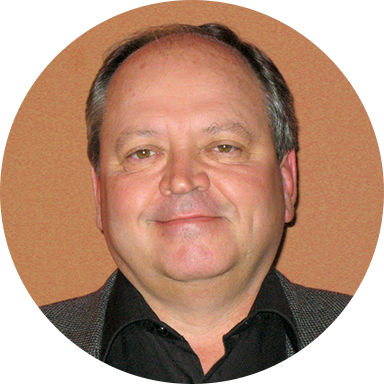
Roy Phillippe

Roy Phillippe studied composition, arranging, and orchestration at Kent State University and later with Phil Rizzo, a key figure in the Stan Kenton Jazz Orchestra in Residence program. After completing his degree, he relocated to Los Angeles and established himself as a prolific arranger across film, television, and recording studios.

Phillippe's arrangements have been performed and recorded by ensembles ranging from Count Basie to the L.A. Express, the Everett Symphony, and the Young Musician's Foundation Debut Orchestra. His published works for jazz ensemble, orchestra, and concert band circulate among student and professional musicians worldwide. He served as executive secretary of the American Society of Music Arrangers and Composers and maintains active memberships in ASCAP, NARAS, and the Jazz Educators Network.

Why we love this

Phillippe strips away nothing essential from Sinatra's iconic tune while making it genuinely playable for young ensembles. The tenor sax solo sits comfortably close to the original melody, so your section doesn't have to reinvent the wheel, yet the big ensemble hits land with the kind of punch that makes students feel like they're swinging at a real jazz room.

What to expect

Smooth, confident, and deeply American. The melody has that unmistakable Sinatra swagger, but the arrangement keeps things conversational and warm rather than overly slick. When the full ensemble comes together on the hits, there's a real sense of stylistic unity.

Who it's for

Young jazz ensembles ready to tackle a standard that carries real cultural weight without getting buried in technical complications. This works equally well for directors building a jazz curriculum and for groups that want to program something their audiences will recognize and love.

How to get the most out of it

  • Shape the solo section with clear dynamics. The tenor should sit slightly forward in the mix, but the ensemble background voices need enough support to feel like a real conversation, not just accompaniment.
  • Lock the rhythm section into a relaxed, laid-back feel. Sinatra's version floats over the beat, so encourage your bass and drums to stay patient rather than pushing the tempo.
  • Hit the ensemble shouts with unanimous articulation. These moments define the arrangement's character, so rehearse the attack and release as a single unit.
  • Balance range considerations across all parts. Since Phillippe wrote with accessibility in mind, take advantage of that breathing room to focus on tone and phrasing rather than struggling with extreme registers.

How to use it

Program this as a crowd-pleaser that still commands musical respect, especially in a concert pairing jazz standards with other mid-century American repertoire. It works beautifully as an opener to establish energy and familiarity, or as a closer that sends audiences out smiling.

Skills your students will build

  • Reading jazz articulation and phrasing conventions
  • Balancing solo and ensemble voices in a jazz context
  • Maintaining a relaxed, behind-the-beat jazz feel
  • Executing tight ensemble unison on syncopated rhythmic figures
  • Interpreting a well-known standard with stylistic authenticity

You May Also Like
