
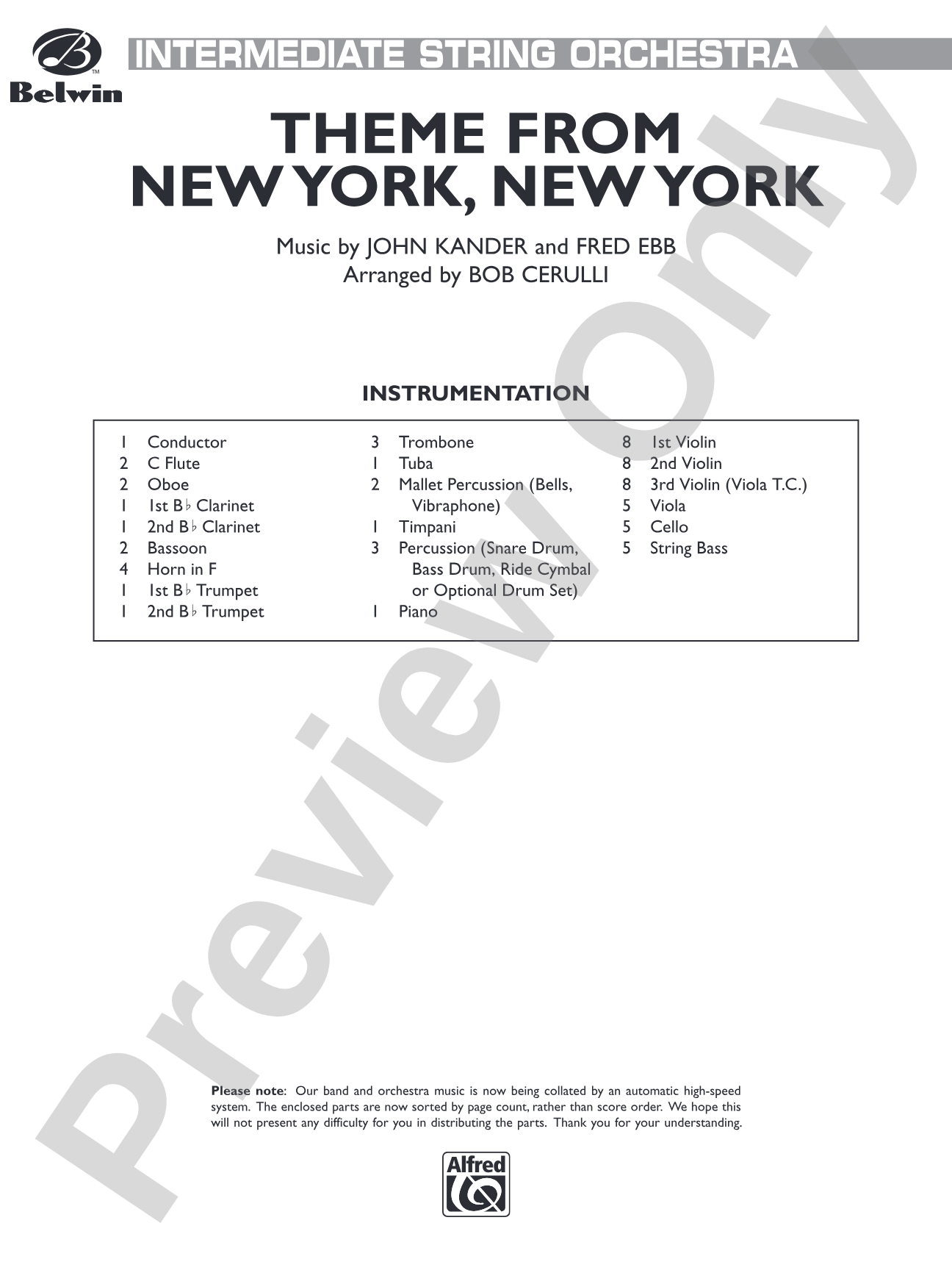
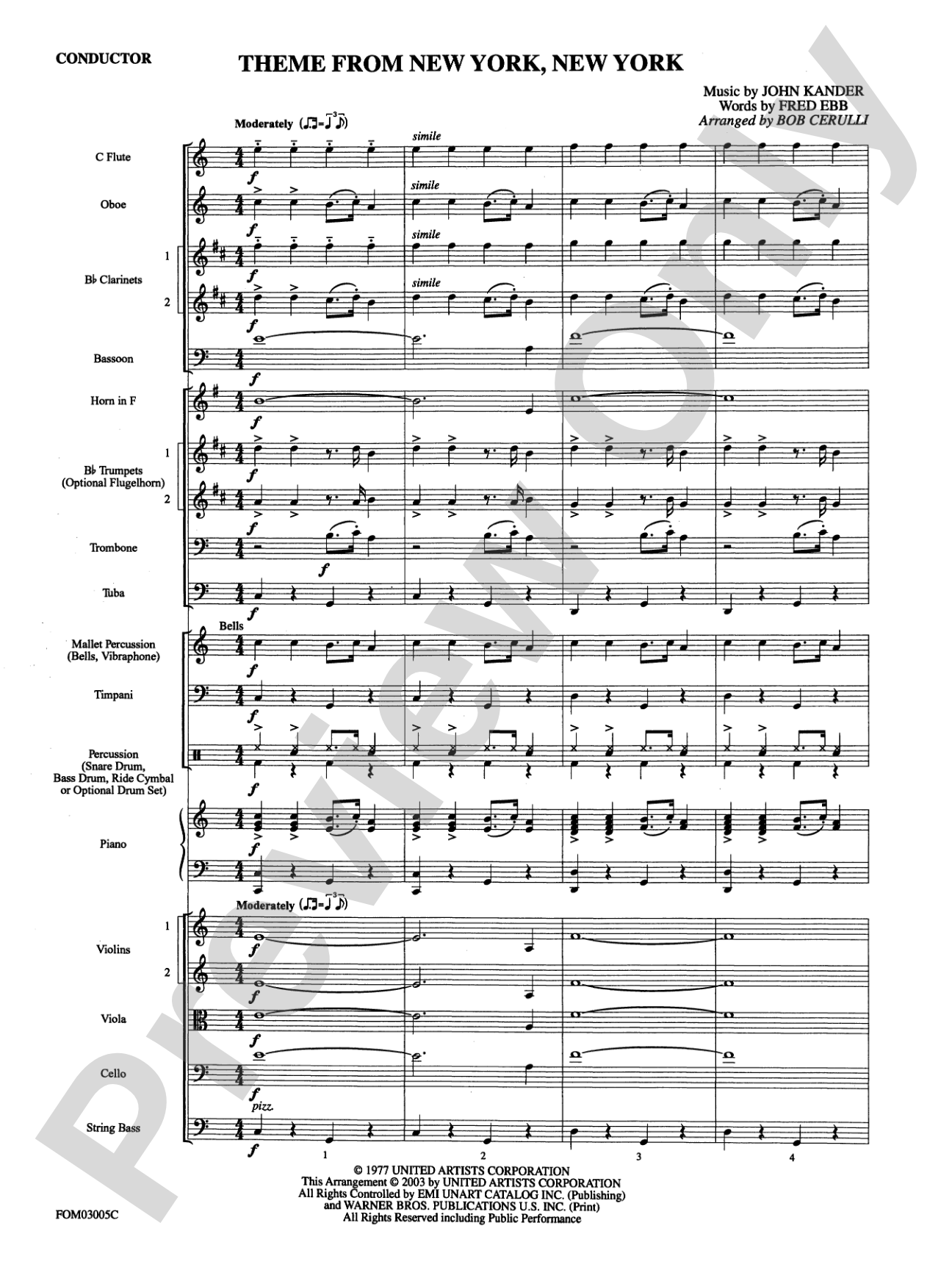
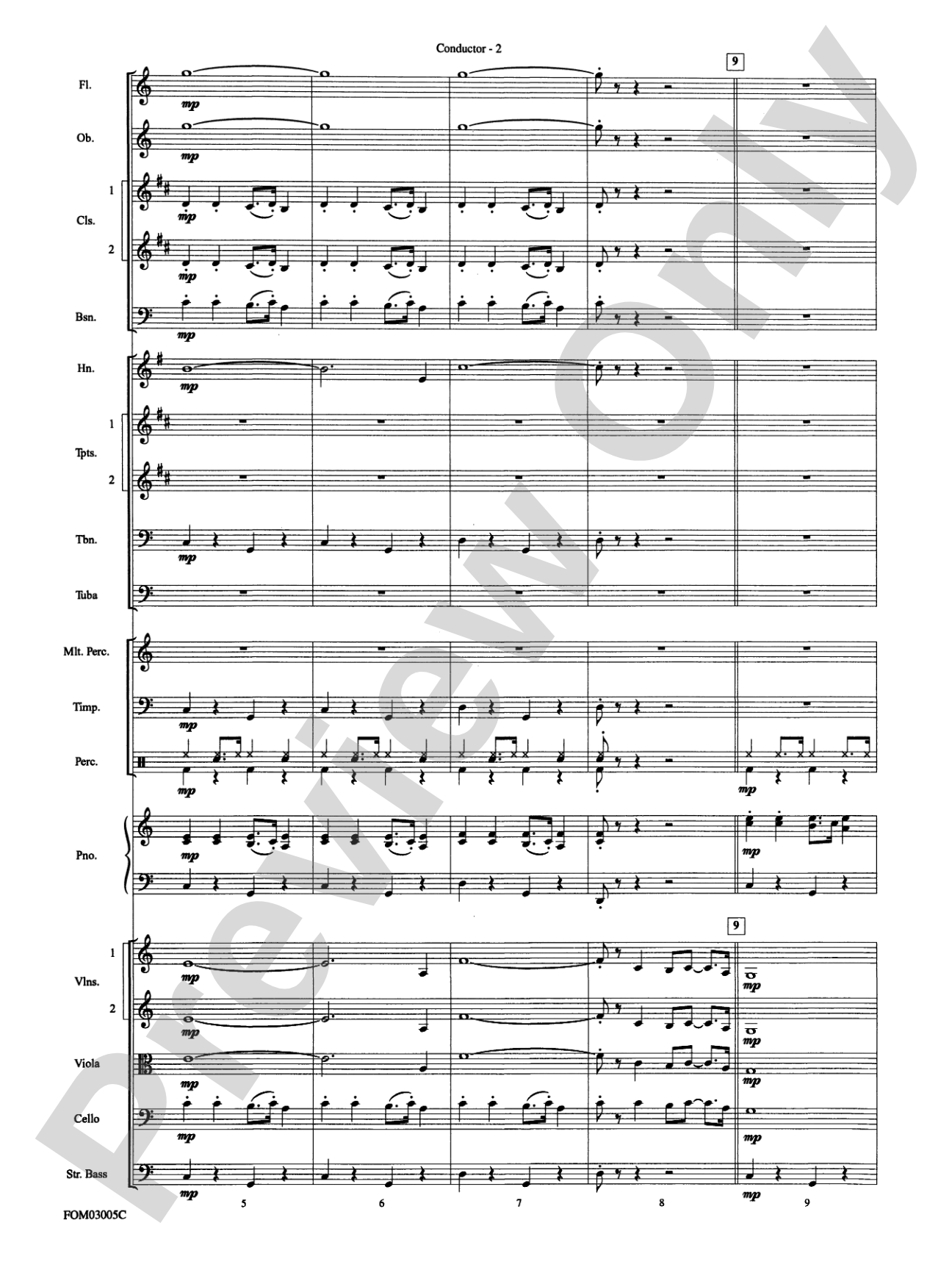
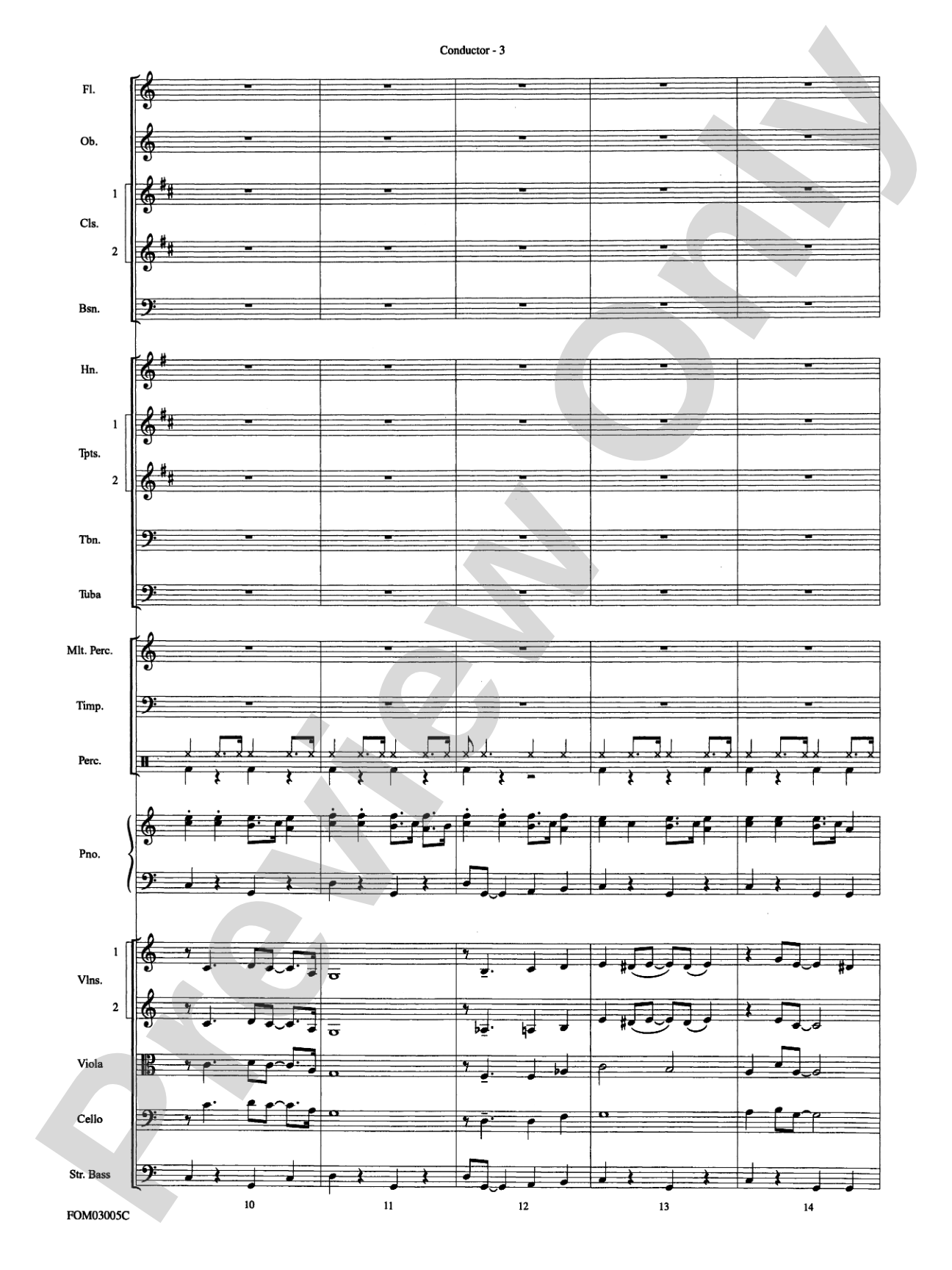
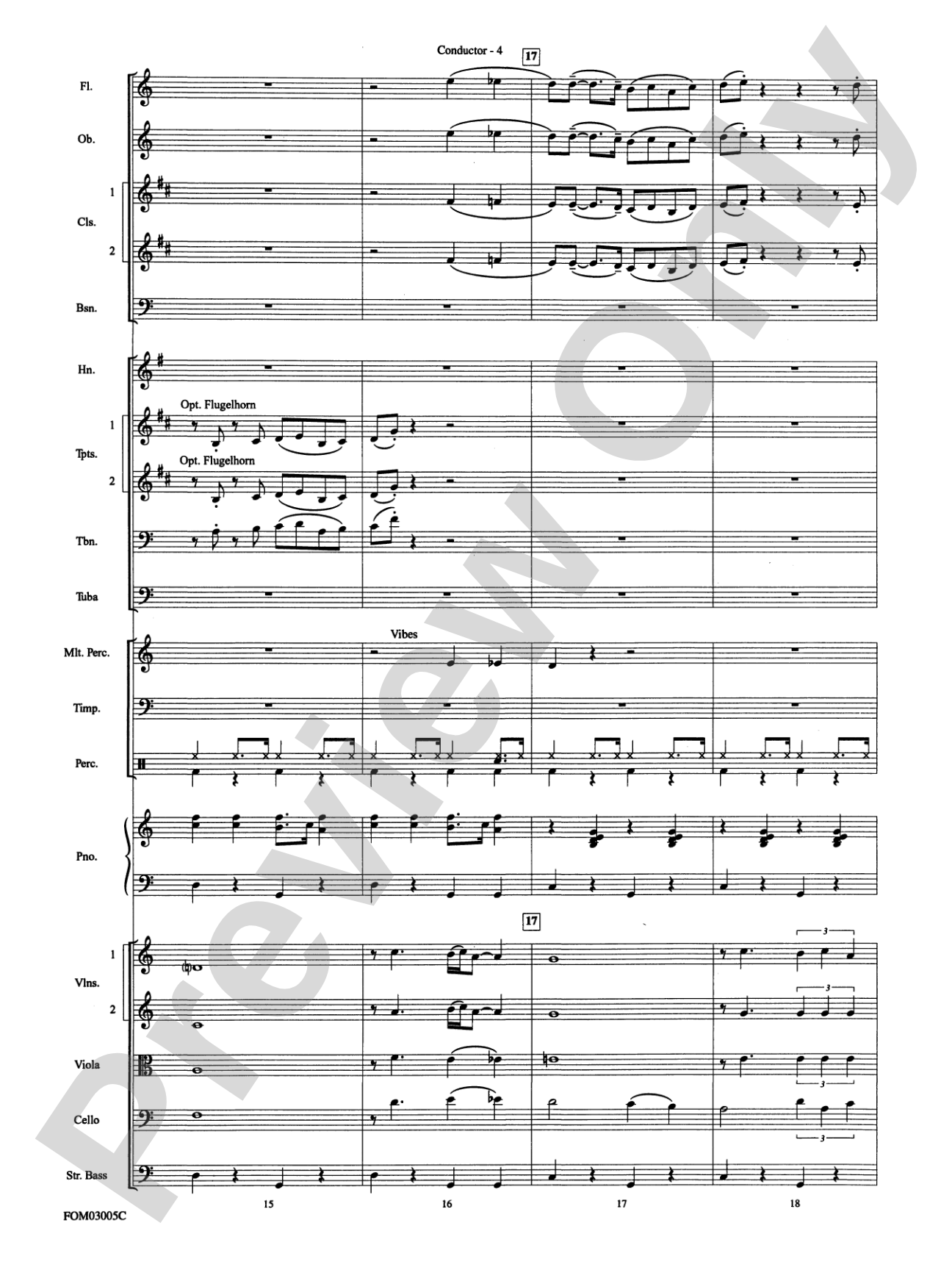
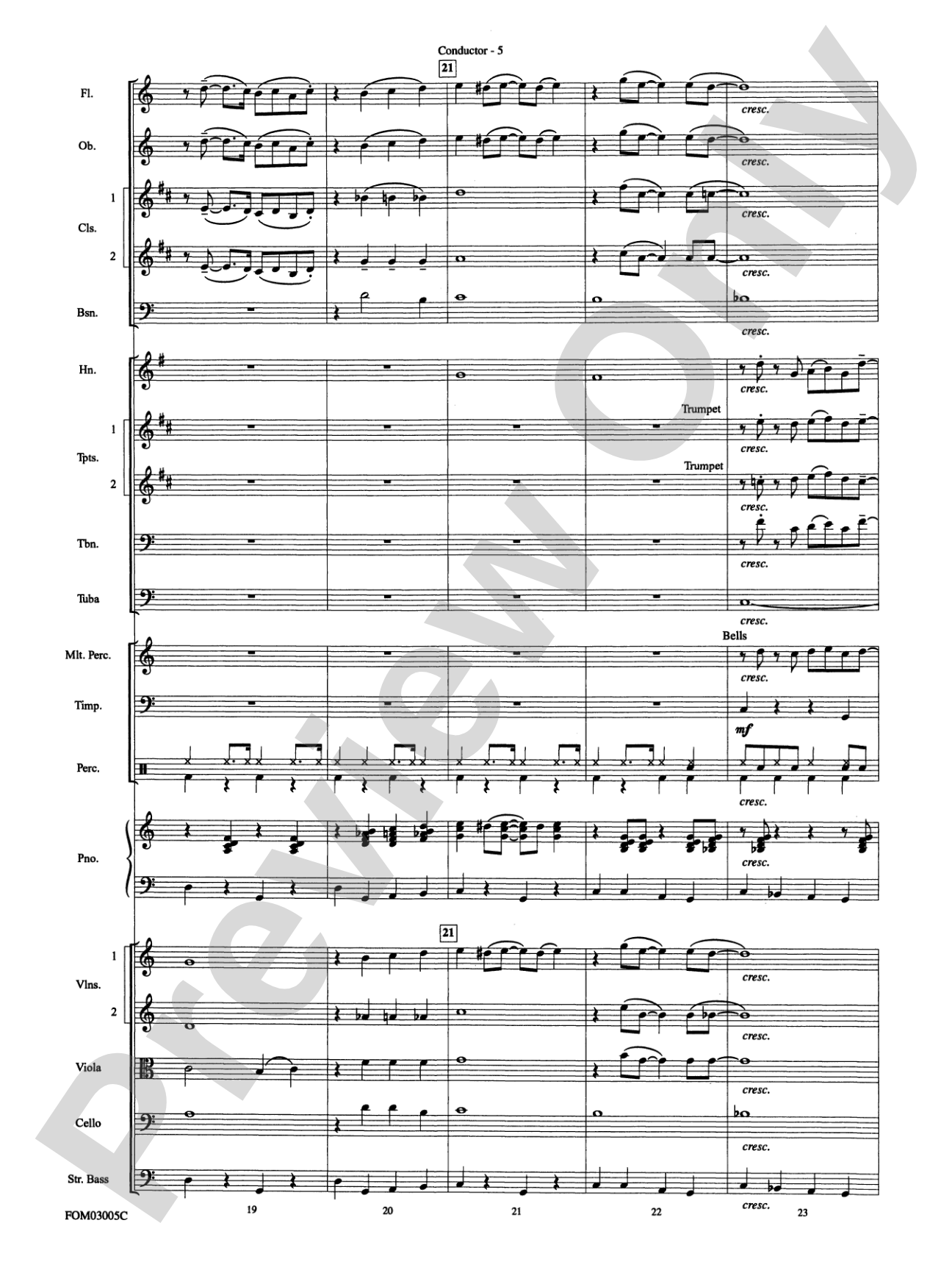
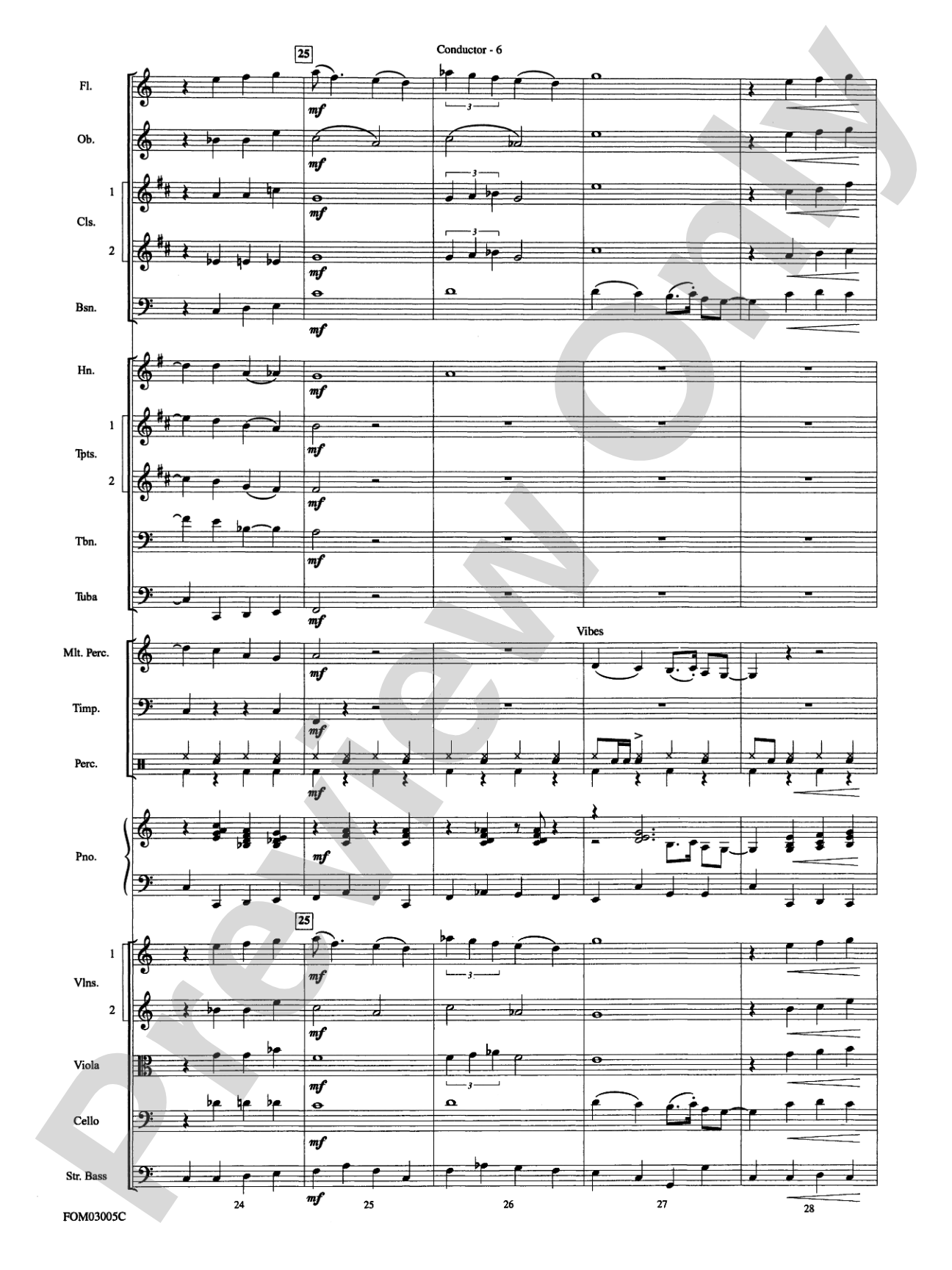
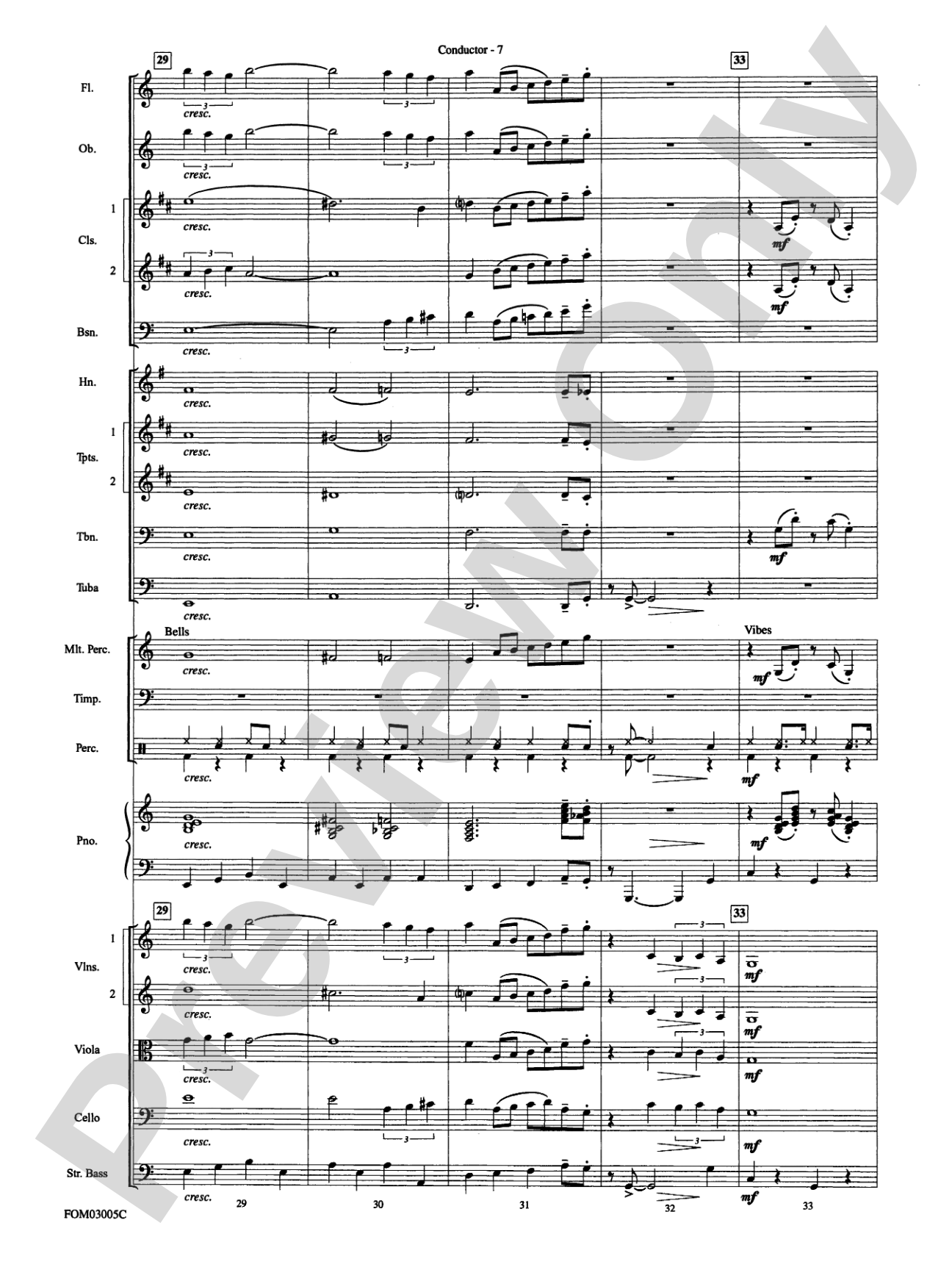
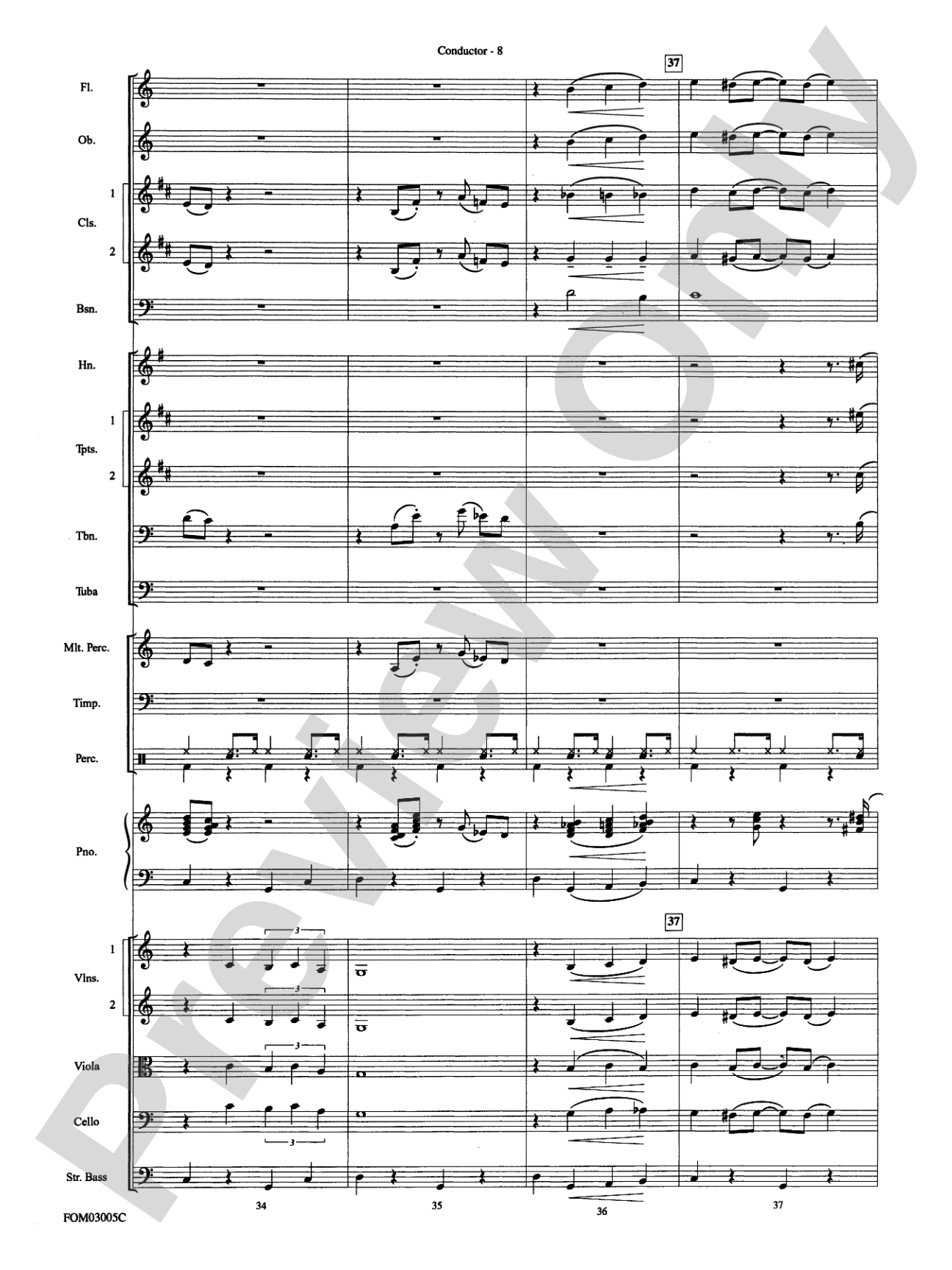
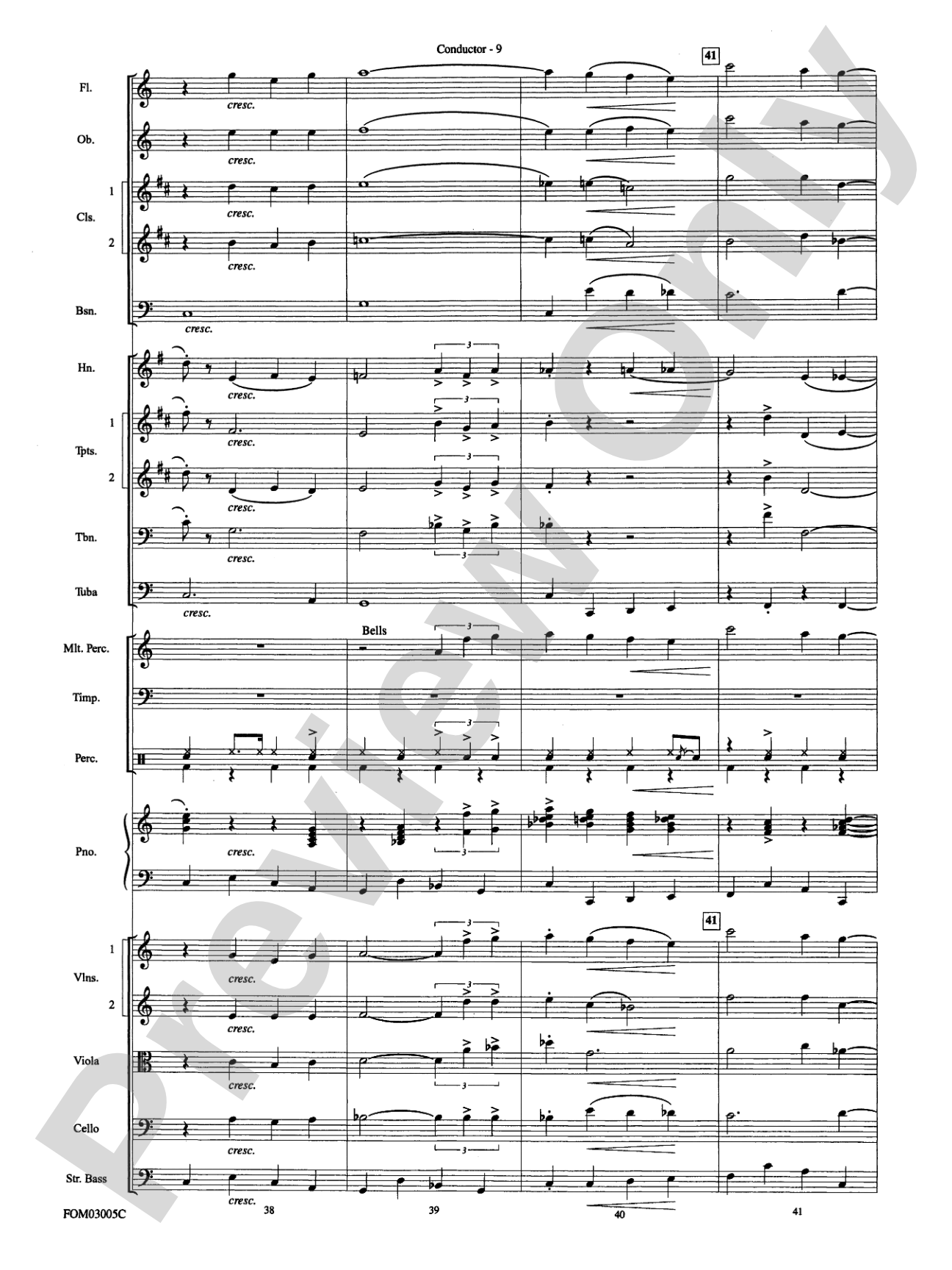
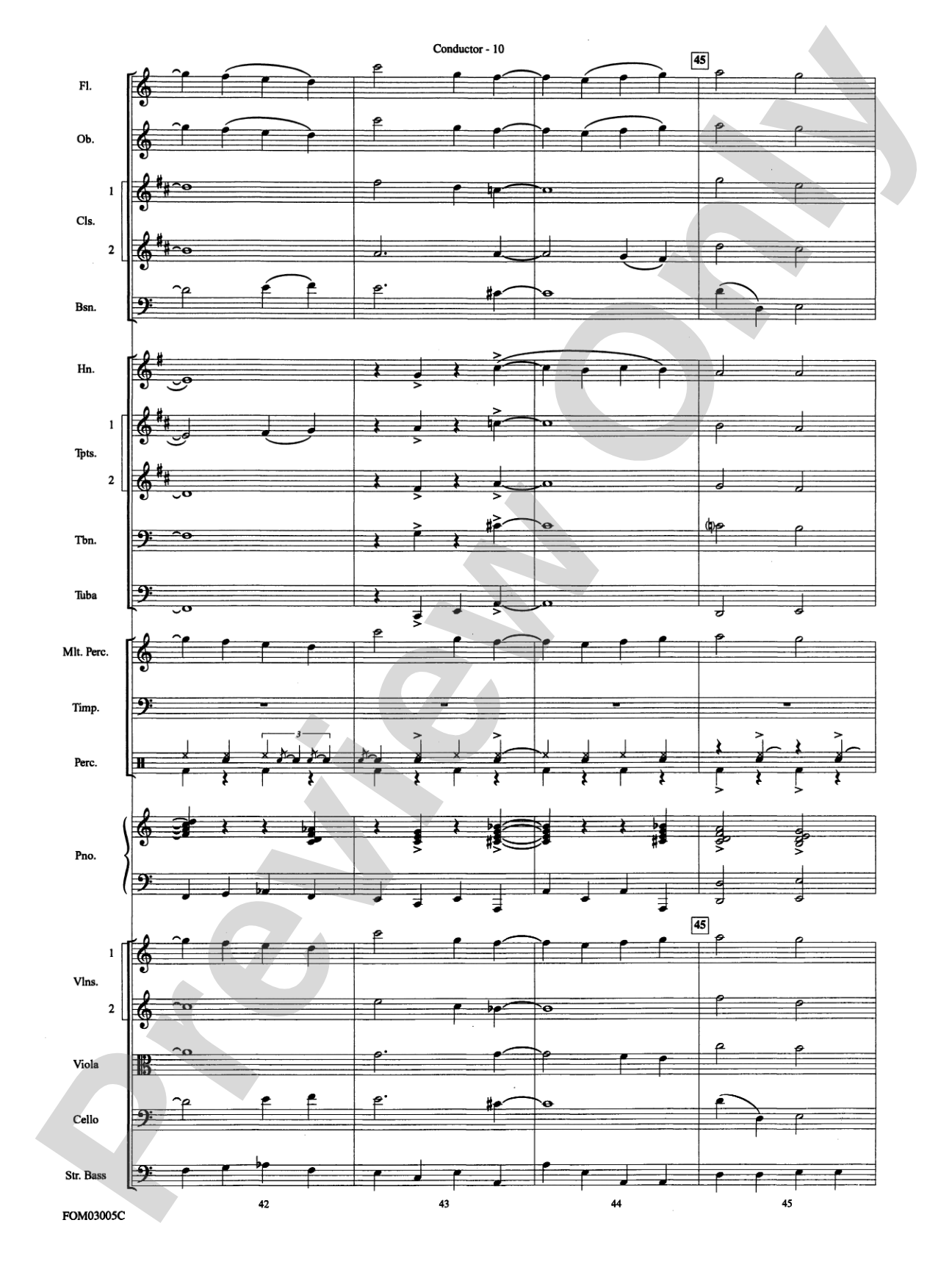
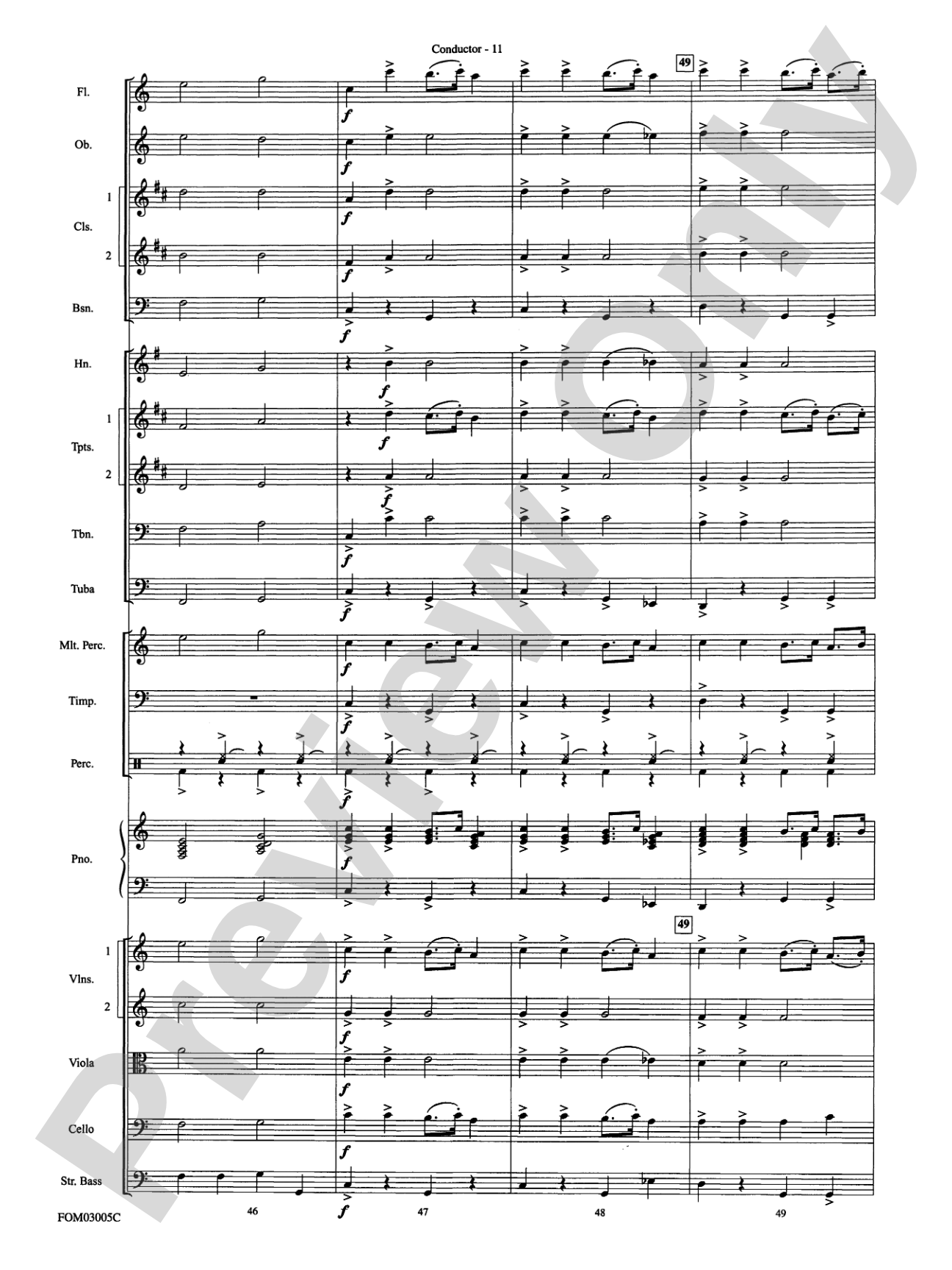
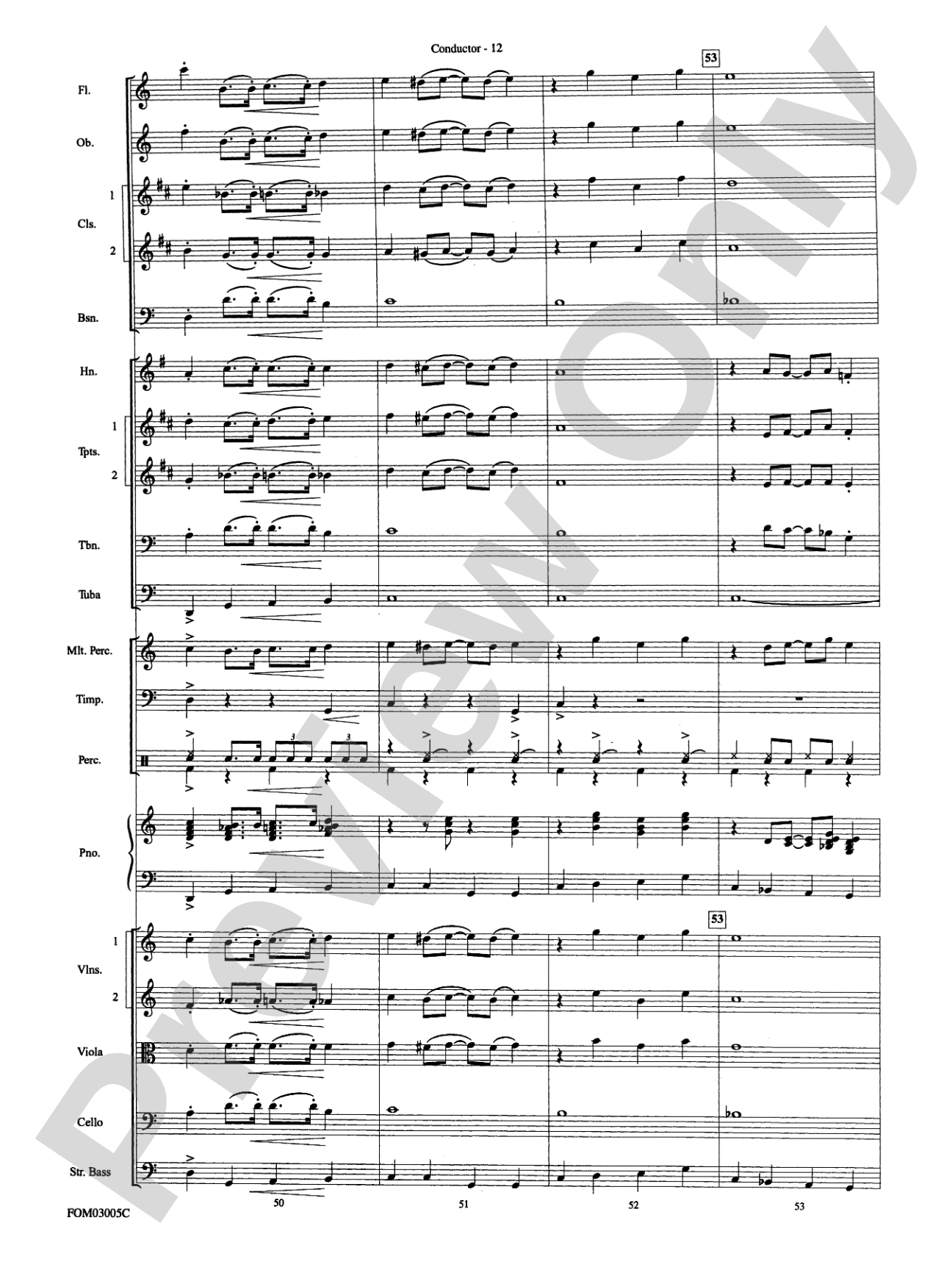
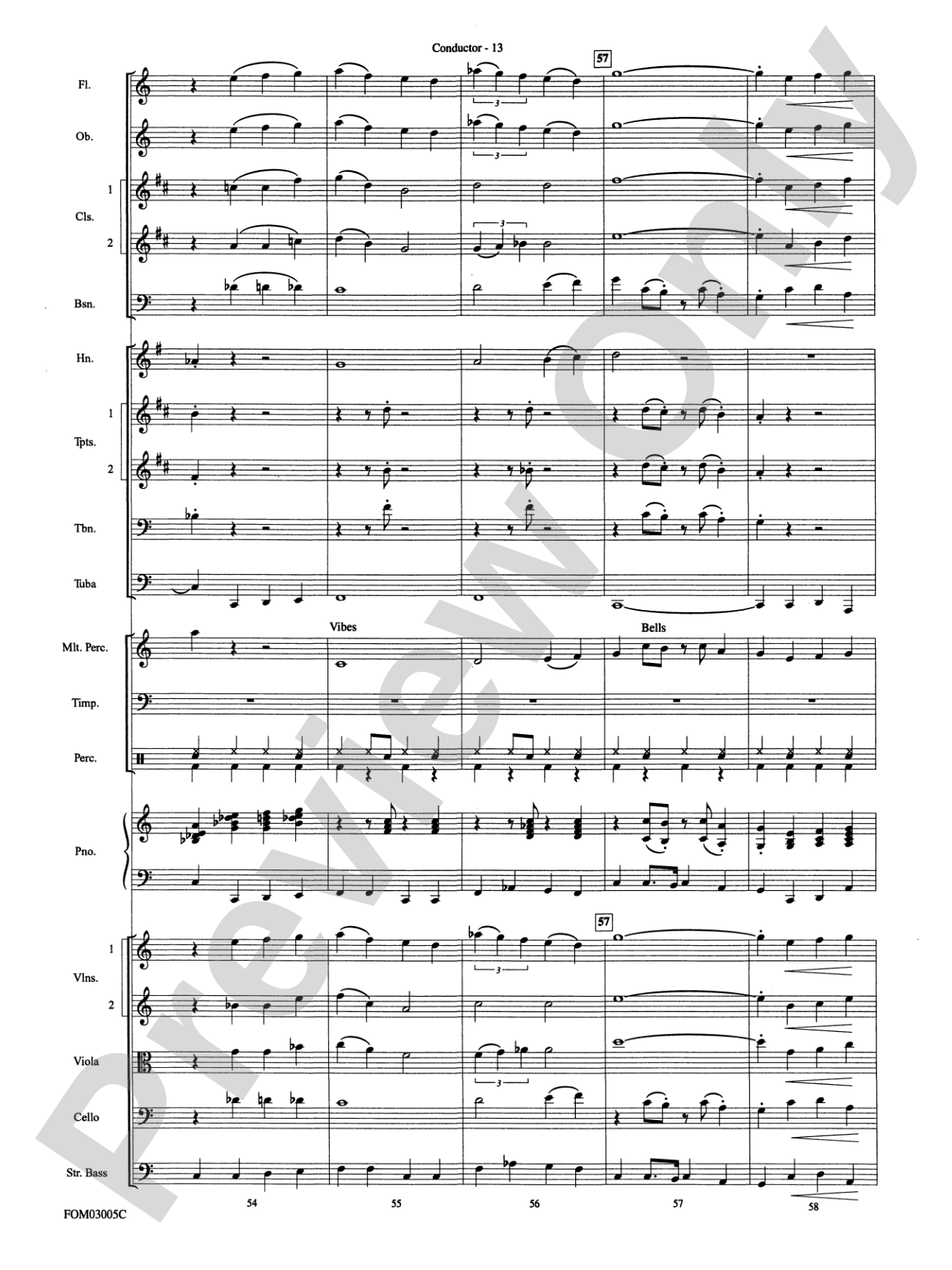
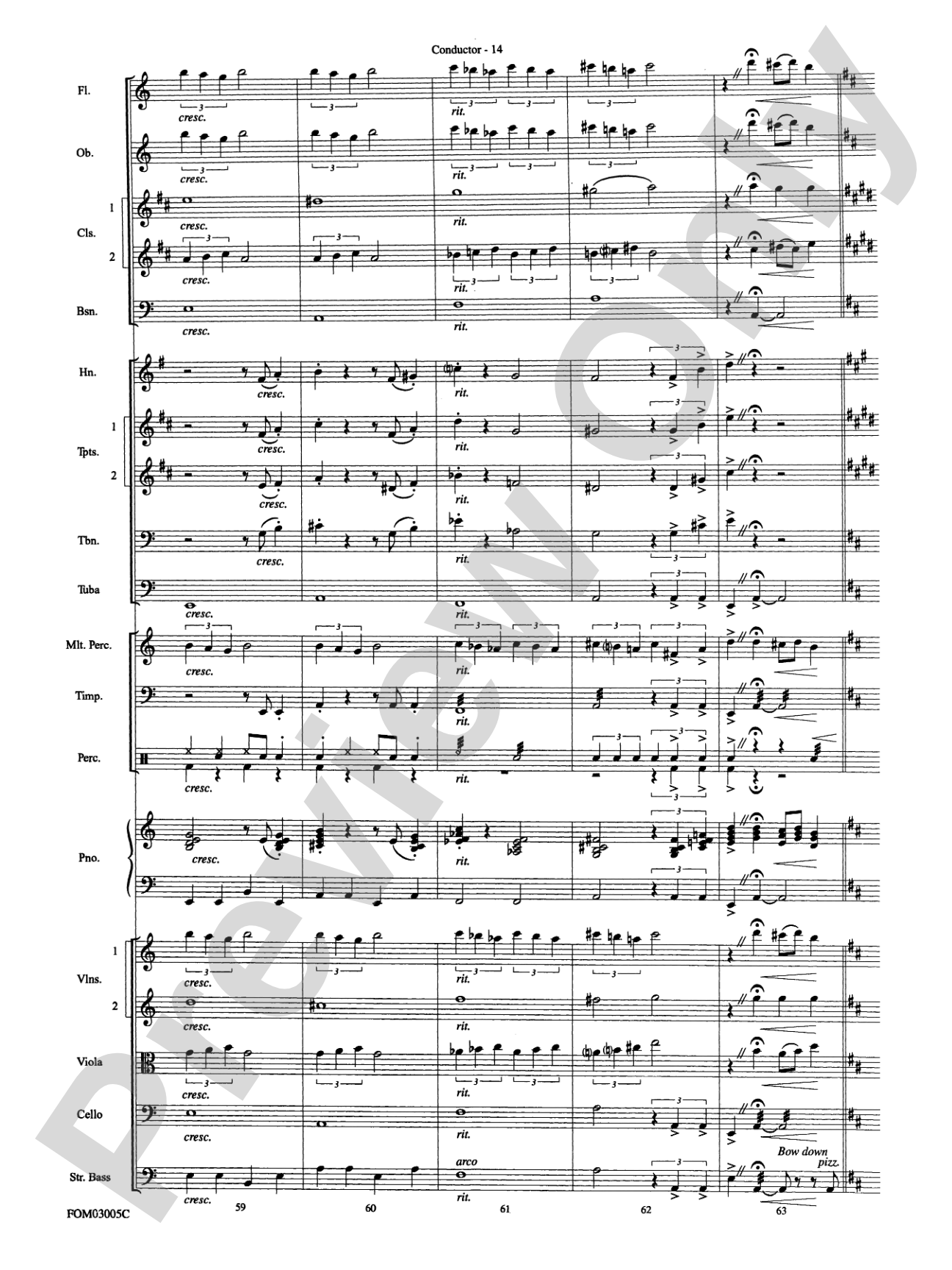
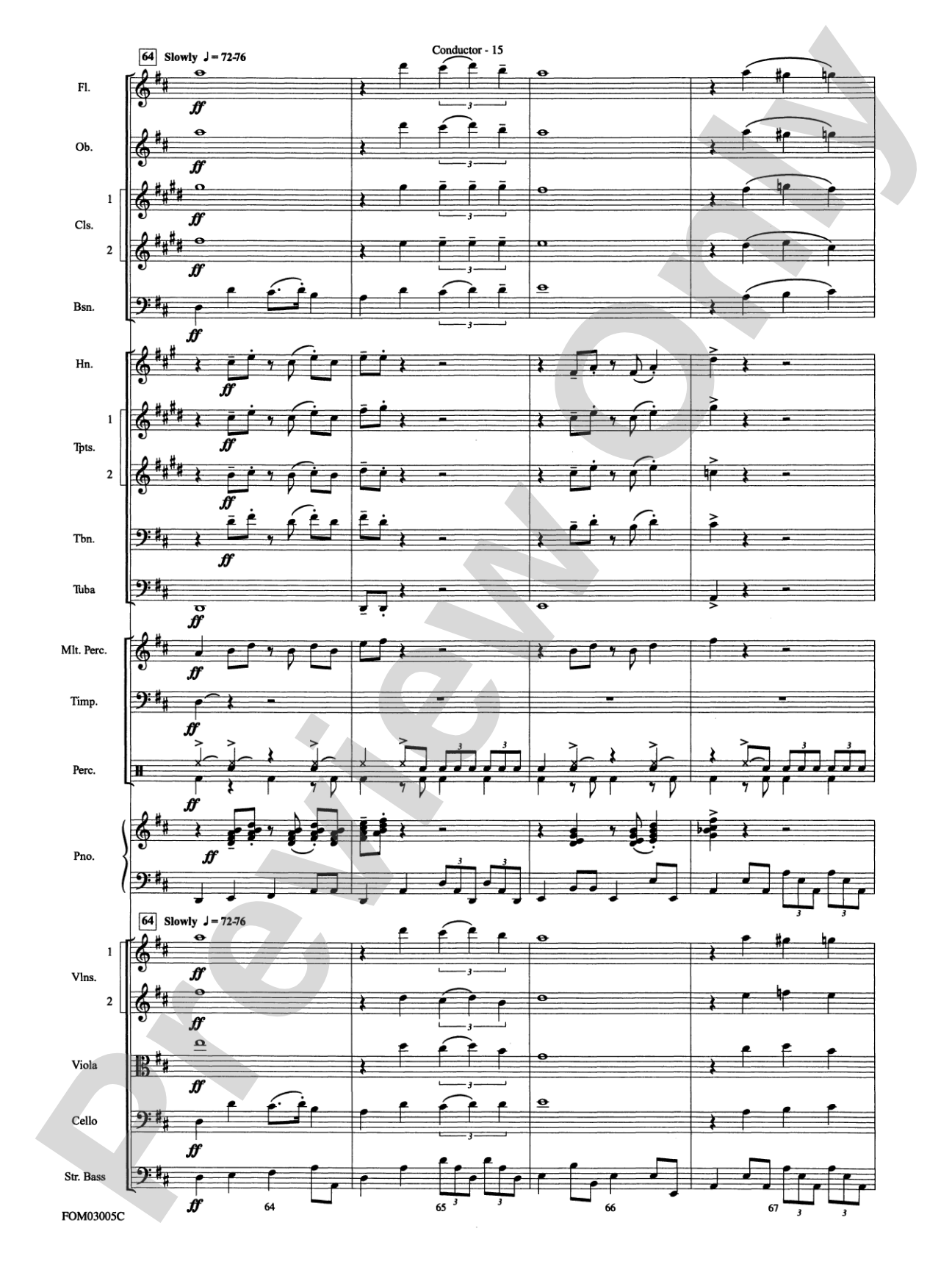
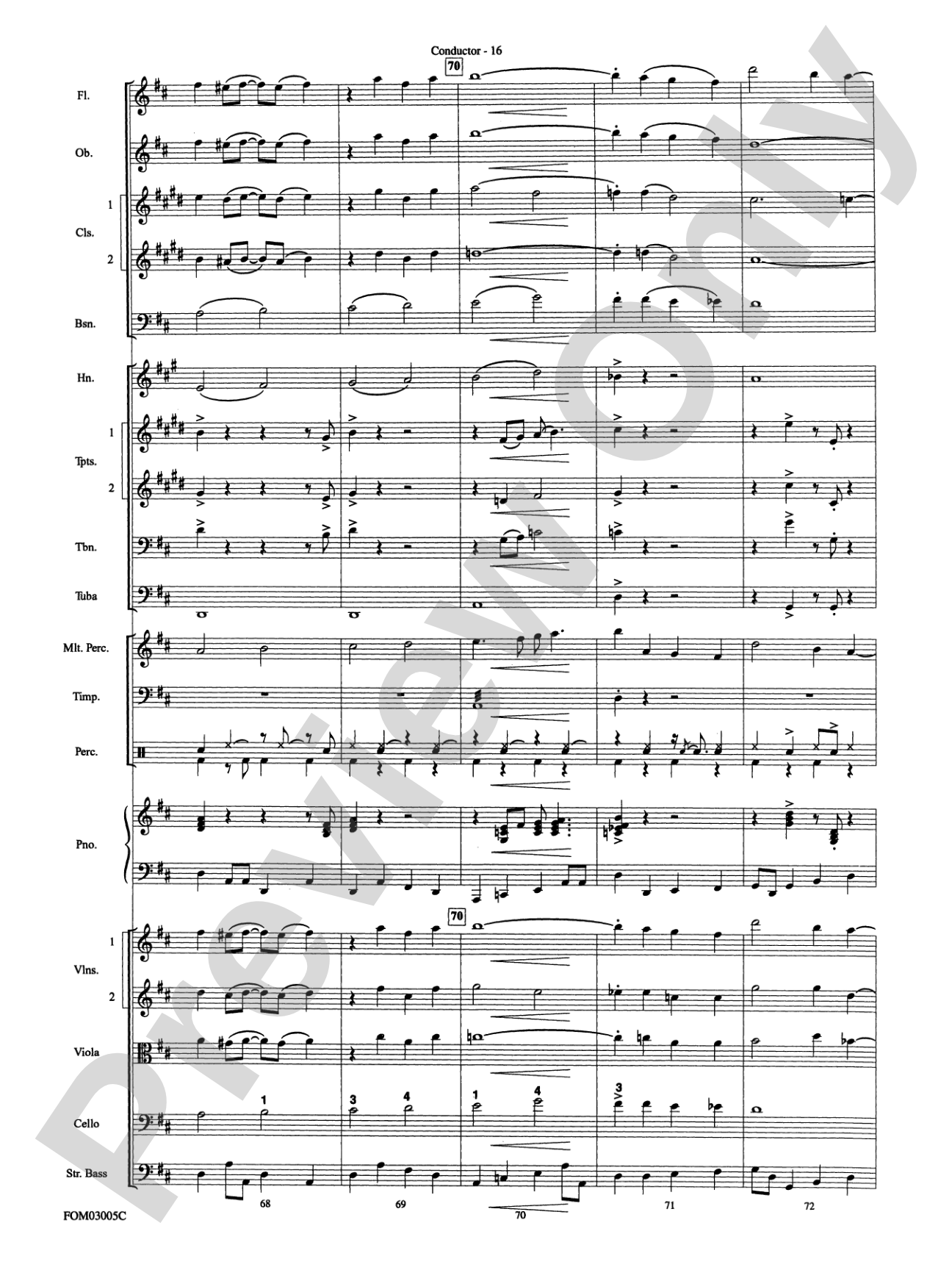
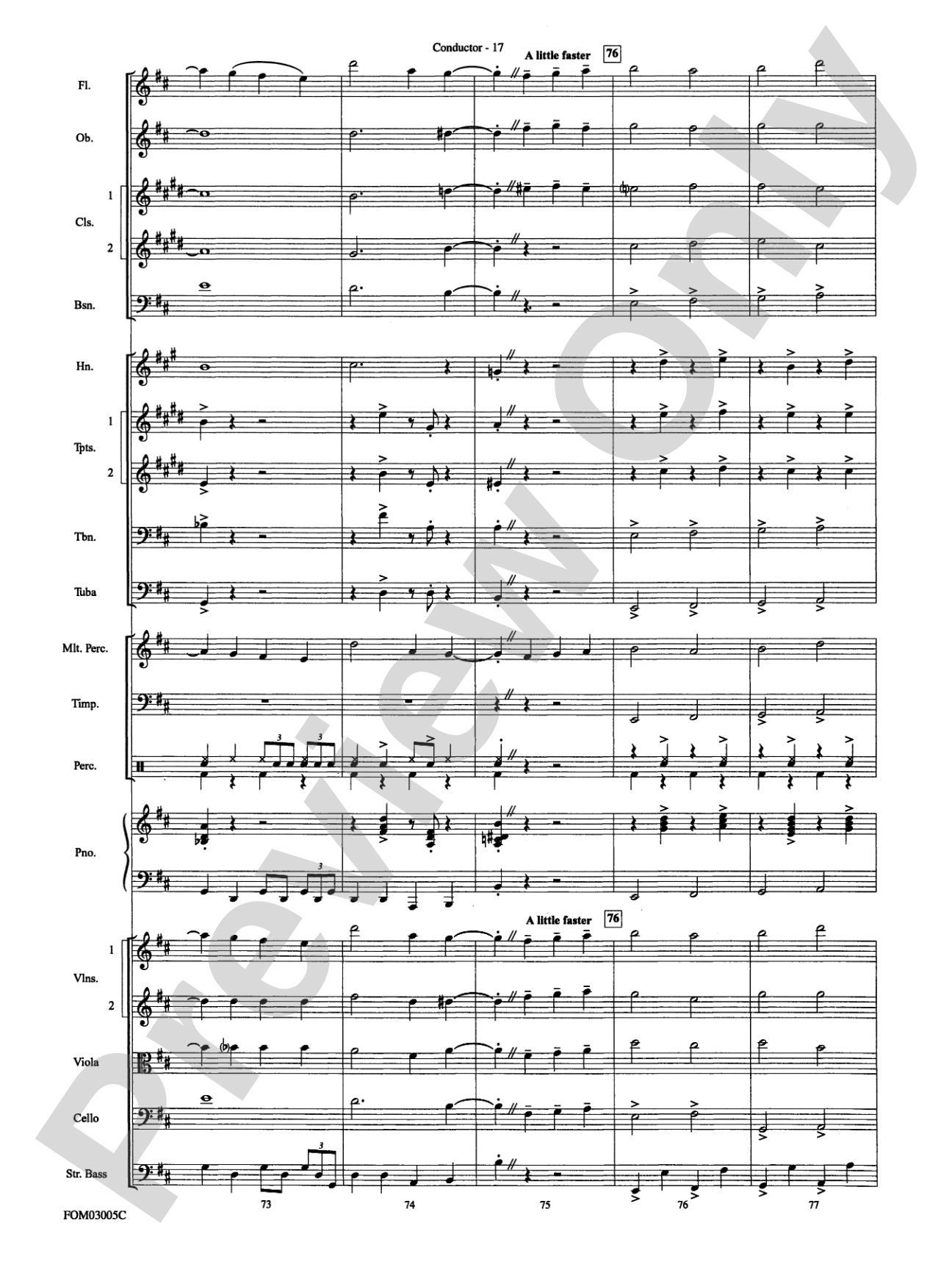
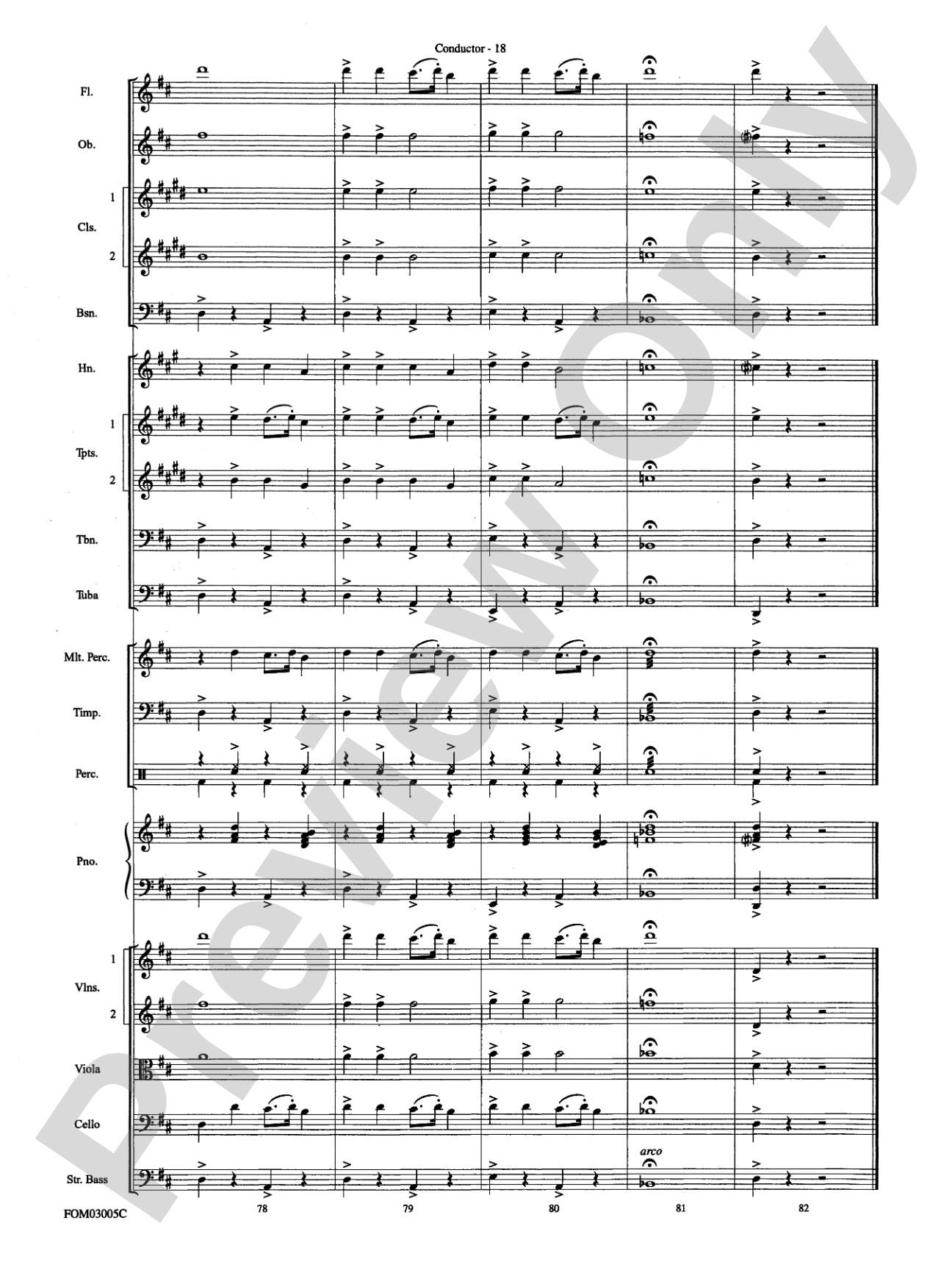


New York, New York, Theme from: Full Orchestra Conductor Score & Parts
Music by John Kander and Fred Ebb / arr. Bob Cerulli
Grade: 2.5
Item: 00-PK-0002415

$69.00
One moment…
Description
Start spreading the word! With all the pizzazz of Frank, here's Bob Cerulli's newest addition to the intermediate full orchestra pop series. Playable with strings and piano, these little town blues are recognizable by young and old. This one's a sure hit on your spring concert! (2:49)


Don't just read it, hear it, play along with it, and watch your students grow with it. In MakeMusic Cloud, New York, New York, Theme from: Full Orchestra Conductor Score & Parts comes alive with professional accompaniment, adjustable tempo, and built-in practice tools that turn solo practice into real progress.
Open in the Player
Jump straight in and assign it today.
Start Your Free Trial
Open this title and explore the full library in minutes.
Sample Audio
1
Audio File
--:--
0:00
0:00
Sample Video
No sample videos found.
Additional Details
Series:
Pop Intermediate String/Full Orchestra
Publisher:
Alfred Music
Page Count:
278
SKU:
00-PK-0002415
More about this title
About the Composer: John Kander
John Kander composed music for theater and film throughout a career spanning decades, establishing himself as a master of melody and rhythmic precision. His collaborations with lyricist Fred Ebb produced some of Broadway's most enduring scores, including works that defined the sound of American musical theater in the 1960s and 1970s. Kander's gift for writing memorable, singable lines makes his music particularly valuable in educational settings, where clarity and accessibility serve musicians at every level.
Why we love this
Bob Cerulli's arrangement captures the signature swagger and polish of Kander and Ebb's original without overwhelming a Grade 2.5 orchestra. The orchestration stays true to the song's character while remaining playable by developing musicians, making it an actual crowd-pleaser rather than a scaled-down compromise. Programming this on a spring concert signals confidence in your ensemble's ability to deliver a professional-sounding, recognized piece that audiences genuinely love.
What to expect
Confident and swinging, with the kind of rhythmic lightness that makes you want to move. The orchestration sparkles without glitter, delivering the song's iconic optimism and just enough sophistication to feel grown-up without alienating the young players performing it.
Who it's for
This is written for full orchestras working at Grade 2.5, where strings and winds are developing ensemble awareness and technical facility. It works equally well for directors programming a spring pops concert or looking for a piece that builds confidence through recognition and musical gratification. Players at this level will recognize the tune, understand its cultural weight, and feel pride in executing a polished arrangement of a standard.
How to get the most out of it
- Establish the rhythmic snap early in rehearsals. The syncopation that gives this tune its personality can dissolve into sluggishness if you allow rubato or don't anchor the pulse firmly in the rhythm section.
- Balance the melody line against the inner voices and countermelodies. Young players tend to either overplay solos or disappear into the background; consistent section work during rehearsal prevents both extremes.
- Honor the marked articulations throughout. Pizzicato moments and staccato passages in the winds define the arrangement's character and separate it from other string-orchestra versions.
- Shape phrases across the full melodic arc rather than playing passage-by-passage. This song rewards legit, song-like musicianship even within the rhythmic precision it demands.
How to use it
Pair this with other Broadway or film standards to create a themed concert segment, or anchor a pop-focused spring concert that appeals to community audiences and families. The runtime of 2:49 makes it ideal as a second-half opener; the piece's energy and immediate recognizability refresh audience attention without upending concert flow.
Skills your students will build
- Executing syncopated rhythms with precision and swing feel
- Balancing melodic soloists against ensemble harmonic support
- Interpreting articulation markings (pizzicato, staccato, legato) as character choices rather than technical exercises
- Sustaining rhythmic accuracy while attending to phrase shape and musical phrasing
- Reading full orchestral texture and understanding individual voice function within it