New Horizons Cover Image

New Horizons: Concert Band Conductor Score & Parts

$75.00 USD
Sale price  $75.00 USD Regular price 
Skip to product information
New Horizons Cover Image

New Horizons: Concert Band Conductor Score & Parts

By William Owens

Grade: 2.5

Item: 98-B1667

Need it now?

Buy Digital Version
$75.00
Shipped

One moment…

Description
Driving rhythms and robust harmonies are very much at the heart of this highly spirited concert march! Energy and excitement abound as tuneful melodic lines adorn your performance with varying styles and colors. Great scoring and colossal sounds!

New Horizons: Concert Band Conductor Score & Parts isn't in MakeMusic Cloud just yet...but it could be. Let us know you'd like to see it, and you'll help shape what comes next. In the meantime, start a free trial and dive into thousands of interactive titles your students can play along with today.

Sample Pages

Sample Audio
0:00
0:00
Sample Video
Additional Details
Series: FJH Young Band
Publisher: The FJH Music Company, Inc.
UPC: 241444369210
SKU: 98-B1667

More about this title

About the Composer: William Owens
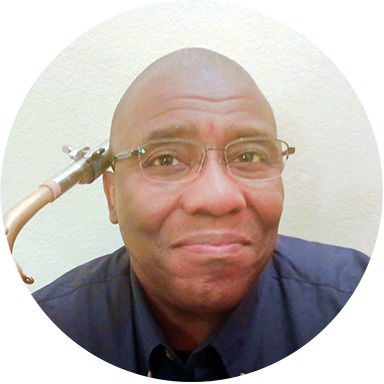
William Owens

William Owens has spent decades writing music that speaks directly to the needs of young ensembles. Born in Gary, Indiana, he combines his experience as a longtime band director with a compositional voice that prioritizes clarity, teachability, and genuine musicality. His output is staggering: over 300 works for concert band, string orchestra, and chamber groups since 1993, many of which have become cornerstones of the standard repertoire.

Owens studied at VanderCook College of Music and has earned recognition from major organizations including ASCAP and the American Bandmasters Association. His music appears on festival lists and in educational texts across North America, a testament to both its accessibility and artistic substance. After 30 years leading bands in Texas, he now divides his time between composition, guest conducting, and enjoying the fruits of a richly creative career.

Why we love this

Owens has a gift for delivering genuine concert moments at Grade 2.5, where the bar for writing something both satisfying and playable can feel impossibly high. The march form gives you a natural arc, the scoring provides real substance without drowning young players, and the spirited character translates immediately to an audience. This is the kind of piece that reminds everyone why concert band exists.

What to expect

A march that swaggers. The energy never flags, but it's never breathless either; there's room for the players to shape phrases and let Owens's harmonic colors ring out. The shifting melodic styles keep the piece from feeling routine, offering moments of genuine personality within a firmly traditional structure.

Who it's for

Concert bands at the upper Grade 2 or low Grade 3 level looking for a complete march that demands musicality without overwhelming players. Directors preparing for festival or contest calendars will find this sits perfectly in a mixed program of varied styles.

How to get the most out of it

  • Keep the march tempo steady and declarative; the driving rhythms need a conductor who commits to the pulse without rushing through transitions between sections.
  • Balance the melodic lines carefully across the sections. Since Owens uses varying styles and colors, clarity of voice becomes your tool for showcasing the compositional variety.
  • Build dynamic contrast between the primary theme and its surroundings. Grade 2.5 players respond well to clear direction about which moments matter most.
  • Let the harmonic foundation breathe. The robust harmony Owens writes deserves room in the mix, so avoid the common trap of drowning low brass and woodwinds in the upper parts.

How to use it

Open a concert with this to set a tone of confidence and polish. The march format works beautifully as a palate cleanser between weightier selections, and its accessibility makes it ideal for early-season performances when your ensemble is still finding its ensemble sound.

Skills your students will build

  • Marching meter fundamentals and consistent pulse maintenance
  • Dynamic control within a traditional march form
  • Sectional balance and voice independence in four-part harmony
  • Musical phrasing across multiple melodic styles within a single work

You May Also Like