Mysterious Forces Cover Image

Mysterious Forces: String Orchestra Conductor Score

$10.00 USD
Sale price  $10.00 USD Regular price 
Skip to product information
Mysterious Forces Cover Image

Mysterious Forces: String Orchestra Conductor Score

By Michael Hopkins

Grade: 3

Item: 00-51717S

$10.00
Shipped

One moment…

Description
Mysterious Forces, by Michael Hopkins, is a fast and rhythmically energetic piece in E minor for intermediate orchestra. All sections of the orchestra are featured on melodic material. Violin, viola, and cello parts are playable in first position. Double basses have a few shifts to half, 2nd, and 3rd positions. Cellos have a few extensions to B-flat on the A string, and violins and violas have a few spots with low 1st finger and high 3rd finger. This is a great piece to work on articulations and bow speed. The melody features the slur 2-separate 2 bowing. The music features both short staccato bow strokes and longer legato bow strokes, and it features lots of dynamic contrasts and opportunities for learning about phrasing and shaping musical lines. (4:10)

Mysterious Forces: String Orchestra Conductor Score isn't in MakeMusic Cloud just yet...but it could be. Let us know you'd like to see it, and you'll help shape what comes next. In the meantime, start a free trial and dive into thousands of interactive titles your students can play along with today.

Sample Pages

Sample Audio
0:00
0:00
Sample Video
Additional Details
Series: Belwin Concert String Orchestra
Publisher: Alfred Music
ISBN10: 1-4706-7368-1
ISBN13: 978-1-4706-7368-0
UPC: 038081595887
SKU: 00-51717S

More about this title

About the Composer: Michael Hopkins
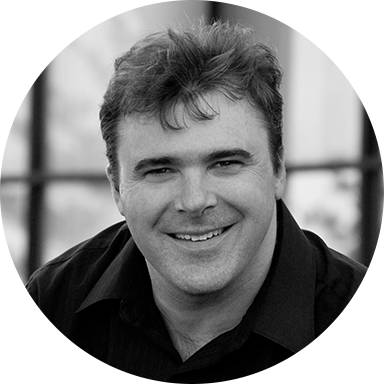
Michael Hopkins

Michael Hopkins directs the music education program at the University of Michigan, where he teaches string techniques, orchestra methods, and courses on music psychology and research. His career spans both higher education and K-12 settings; he has conducted orchestras at the University of Vermont and led programs in Colorado, Michigan, and Vermont before moving to Ann Arbor. He founded the Burlington Chamber Orchestra and has served as a guest conductor at more than 100 festivals and clinics nationwide.

Hopkins has authored over 70 compositions and arrangements for orchestra, along with The Art of String Teaching, a pedagogical resource published by GIA Publications. His research and writing appear regularly in peer-reviewed journals including the Journal of Research in Music Education, American String Teacher, and the Music Educators' Journal. He has presented at numerous state and national conferences on topics ranging from string pedagogy to music technology.

Why we love this

Hopkins writes orchestra music that teaches while it engages. The careful balance of rhythmic drive and melodic writing gives every section meaningful material, and the deliberate technical challenges—slur-2-separate-2 bowing, contrasting stroke lengths, dynamic shaping—target skills directors actually need to develop. This is concert repertoire with a clear pedagogical spine.

What to expect

Mysterious Forces moves with propulsive energy anchored in E minor, never losing sight of melody despite the rhythmic complexity. The piece lives in the space between driving urgency and legato lyricism, asking players to shift between bow speeds and articulations with precision and musicality. It feels focused and contemporary while remaining accessible to growing orchestras.

Who it's for

Intermediate string orchestras ready to tackle articulation and bow control in a rhythmically driven context. Directors developing student conductors will appreciate the clear orchestration and balanced voicing. The festival-ready energy and technical specificity make it ideal for ensembles working toward contest or performance goals.

How to get the most out of it

  • Shape the slur-2-separate-2 figures with intention. The legato notes should breathe together, and the separate strokes should articulate cleanly without losing forward momentum.
  • Experiment with bow speed to control the rhythmic energy. Slower bow speeds on staccato passages keep the piece from becoming frantic; faster speeds on legato sections help sustain the line.
  • Work dynamic contrasts section by section rather than all at once. Let each section own its dynamic shape before balancing across the full orchestra.
  • Attend to the double bass shifts early in rehearsal. Mark them clearly in the parts and isolate those passages so basses gain confidence before the full ensemble tempo.

How to use it

This works well as a centerpiece in a festival or contest program, offering strong contrast to slower works or lighter pieces. Program it alongside a lyrical selection to showcase the orchestra's range of techniques and tonal colors. It also serves as an effective teaching tool within a fall or winter concert when directors want to highlight progress on articulation and phrasing.

Skills your students will build

  • Slur-2-separate-2 bowing patterns
  • Contrasting articulations (staccato and legato in rapid succession)
  • Dynamic shaping and phrasing across full orchestra
  • Shifting for double bass (half, 2nd, and 3rd positions)
  • First position extensions on cello (B-flat on A string)
  • Bow speed control for rhythmic precision
  • Reading and balancing E minor harmonic language

You May Also Like