
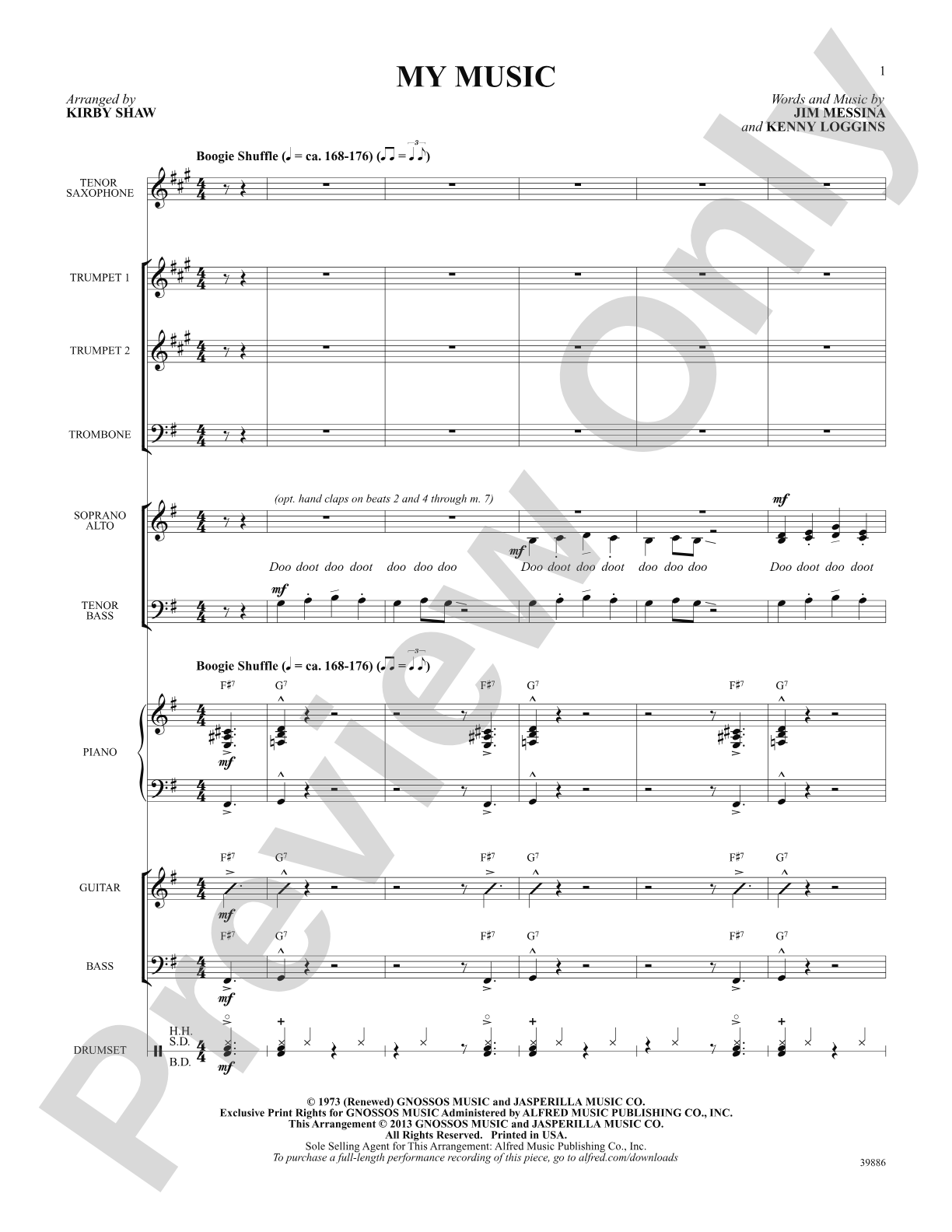
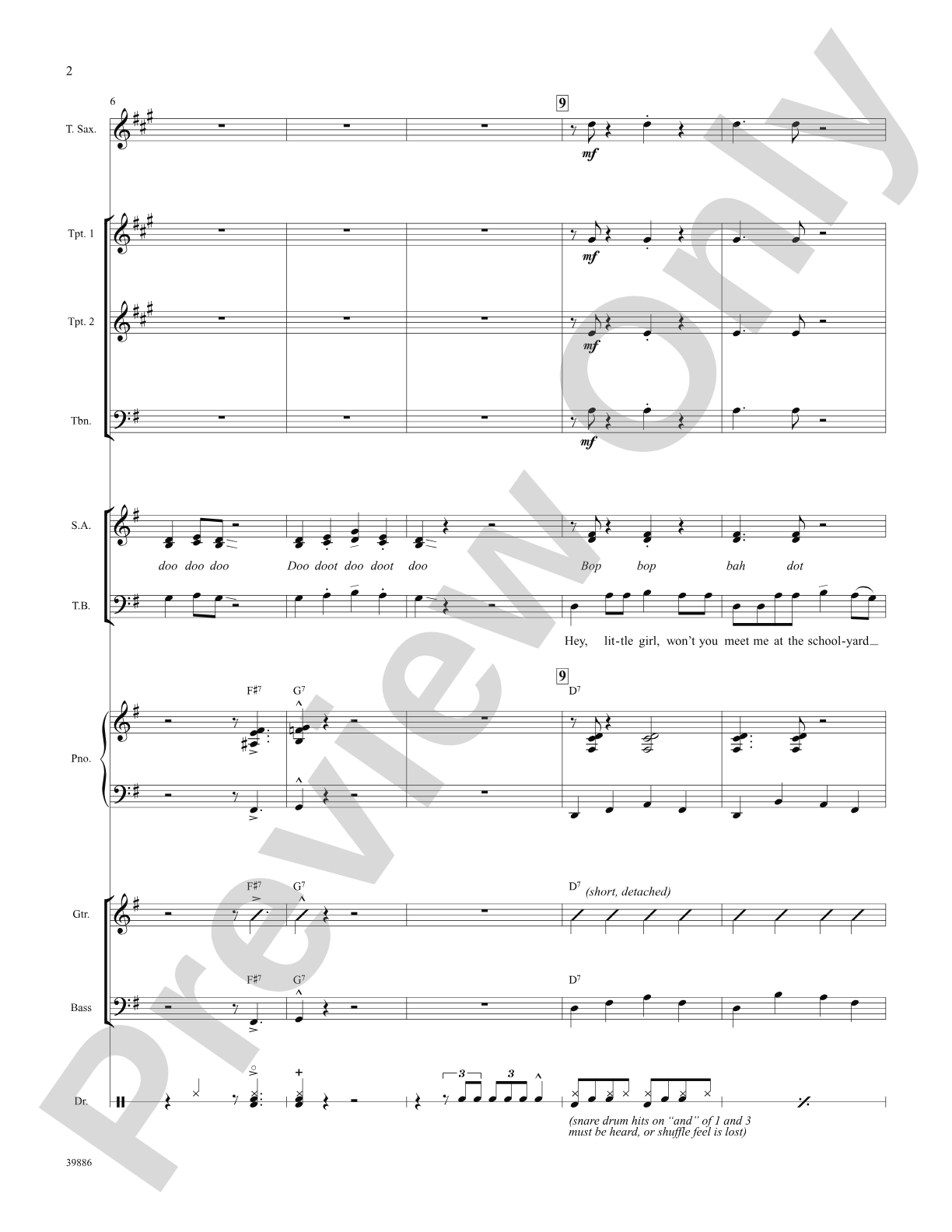
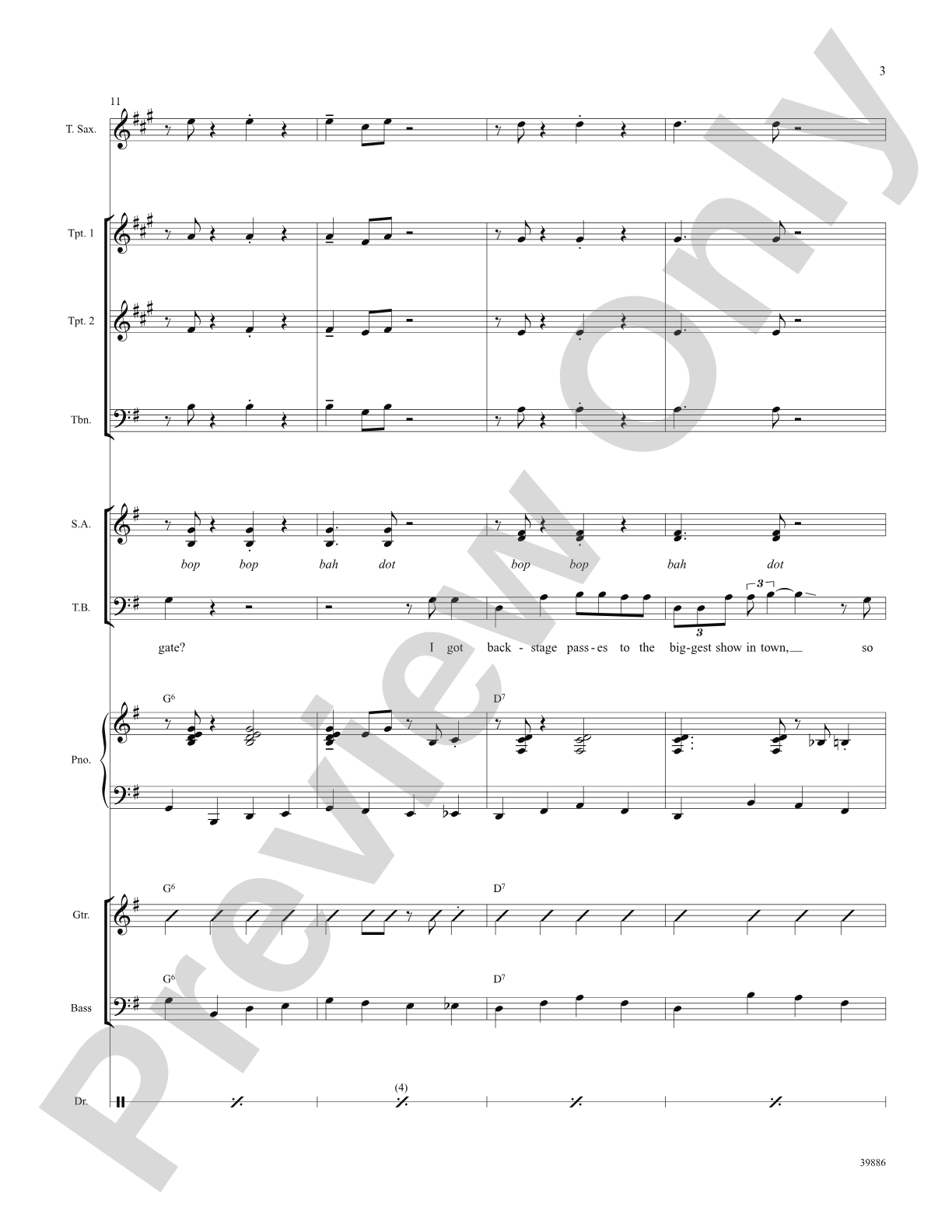
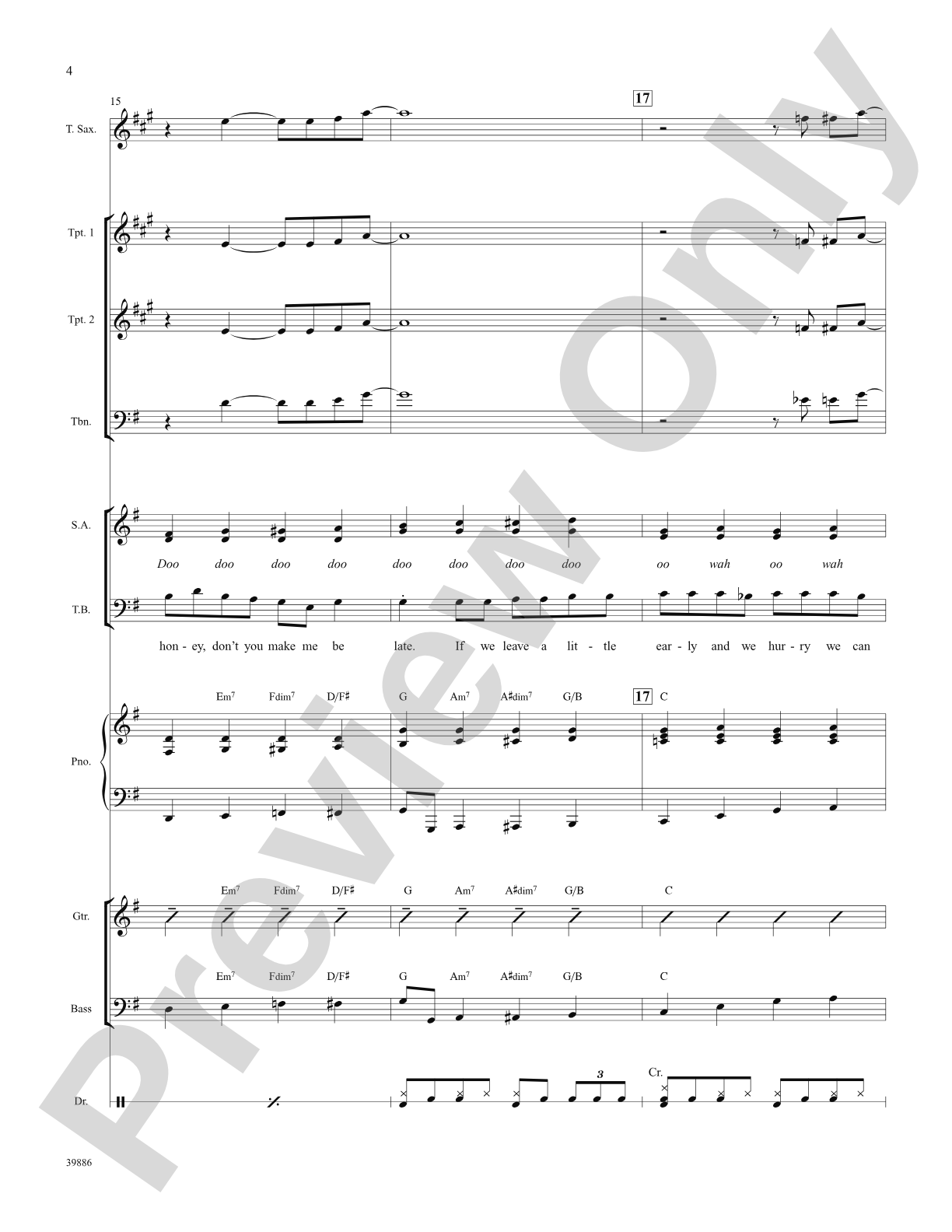
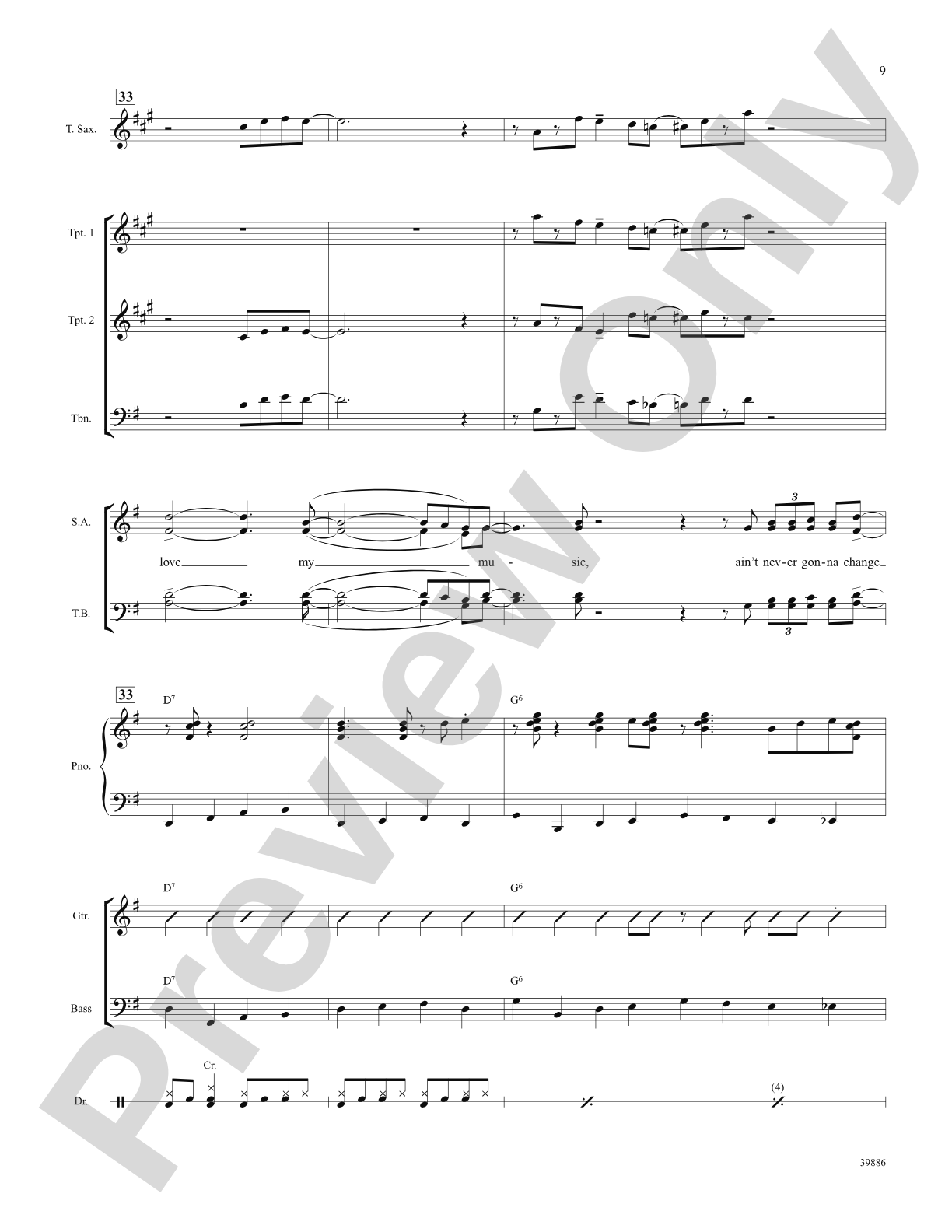
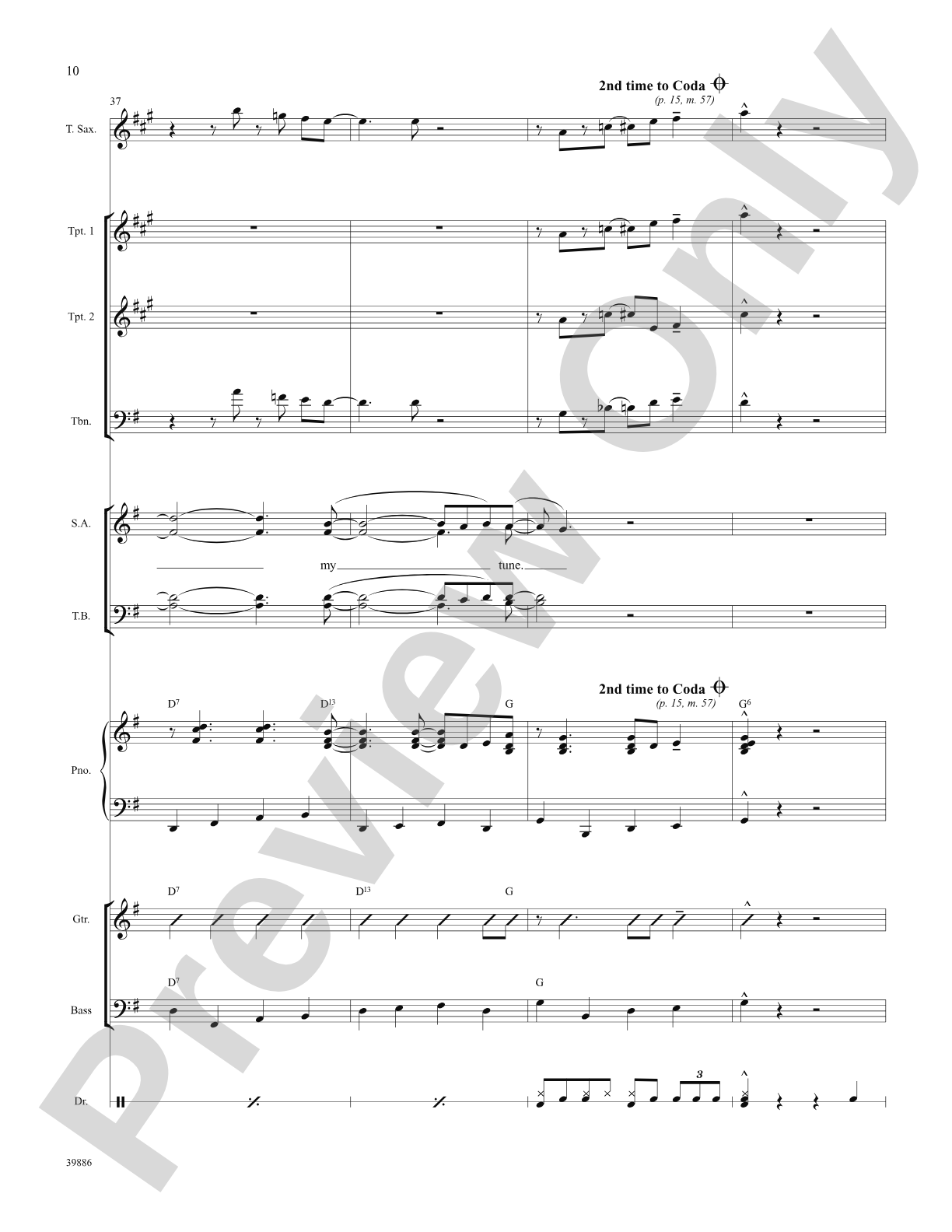
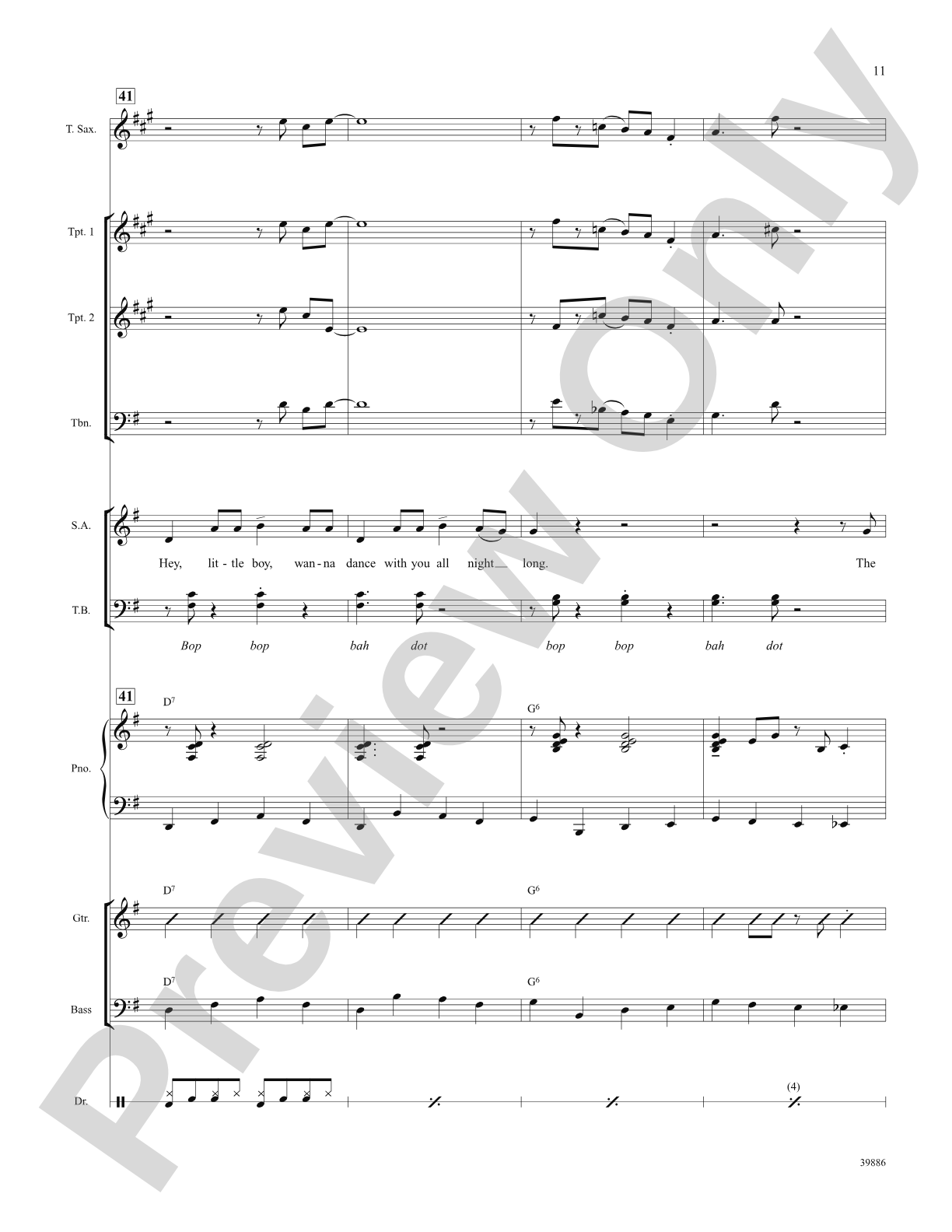
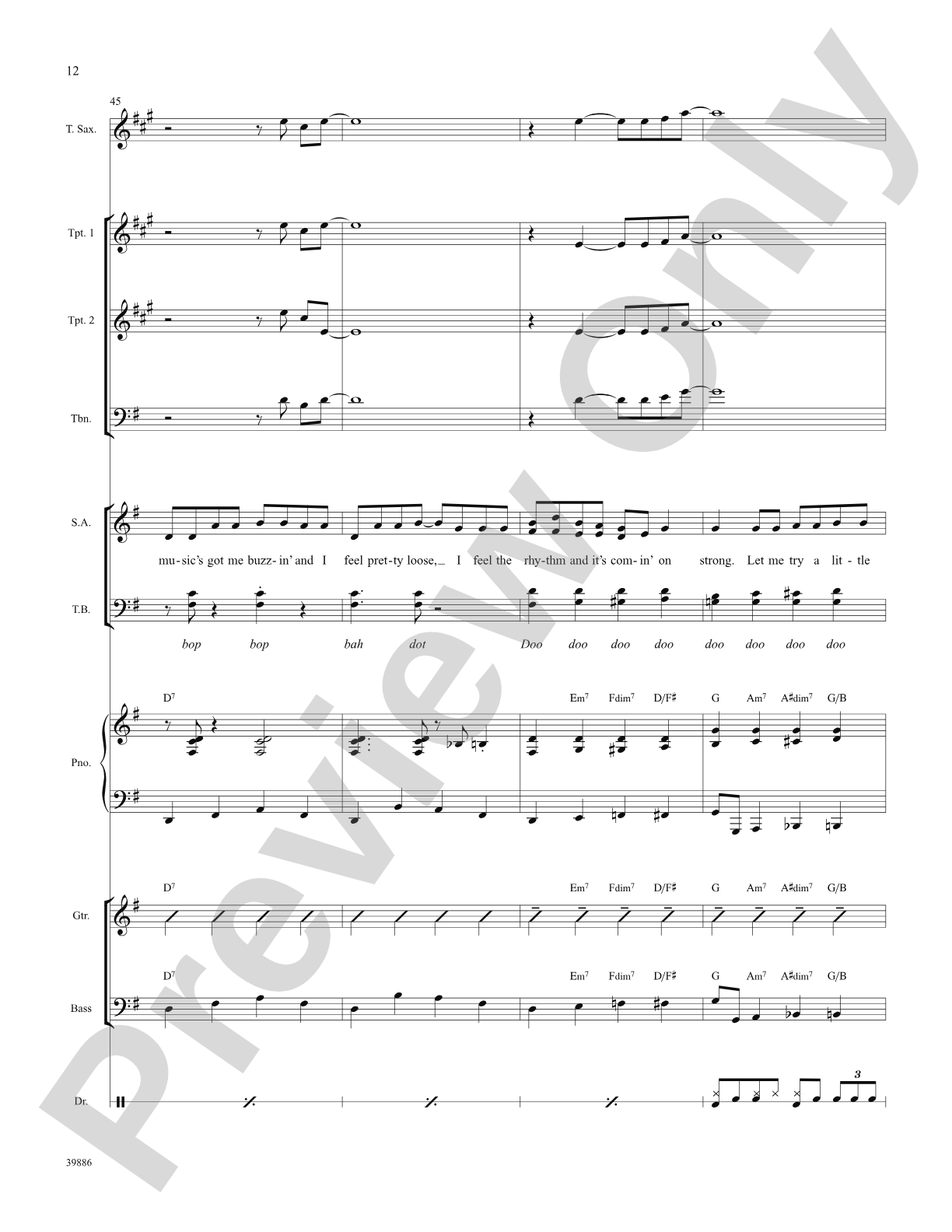
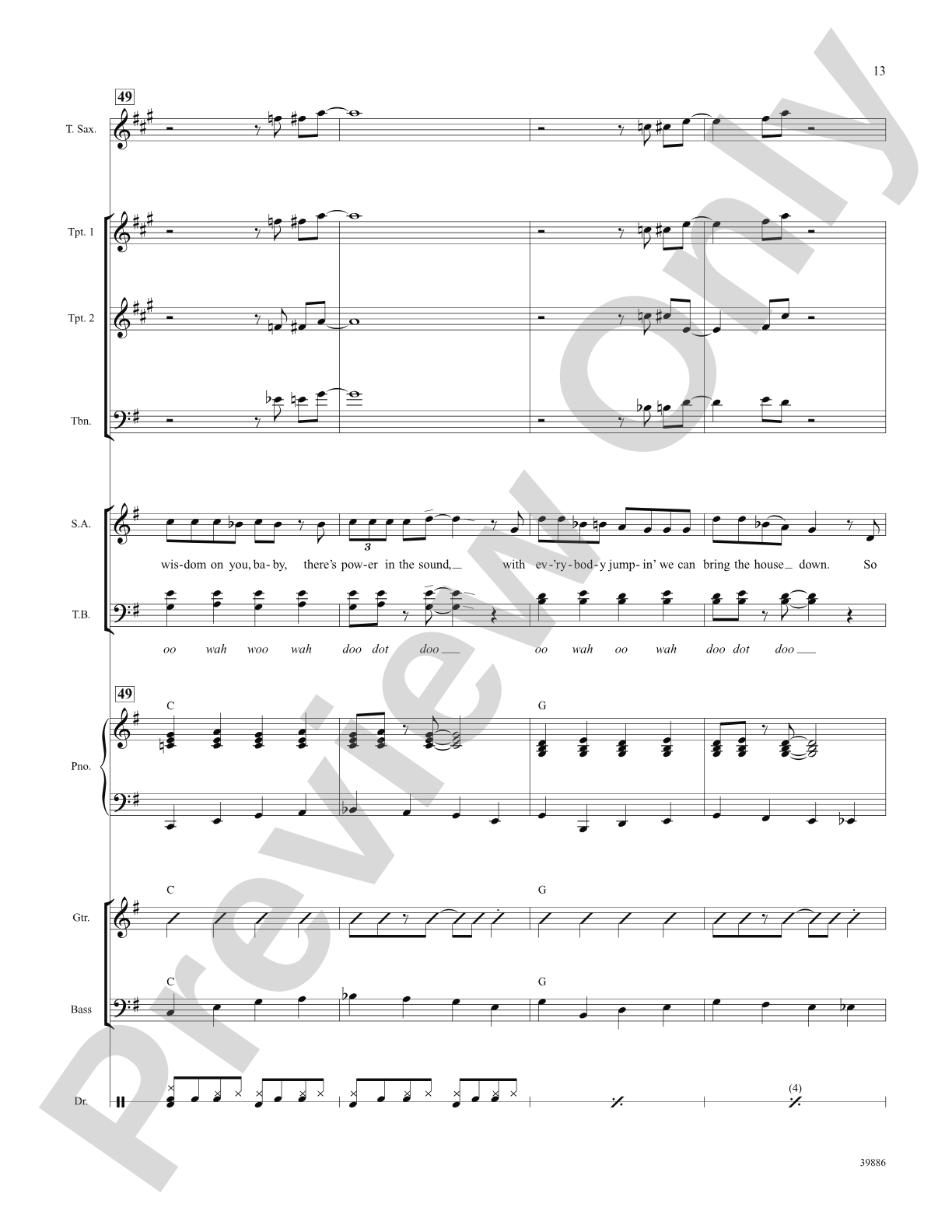
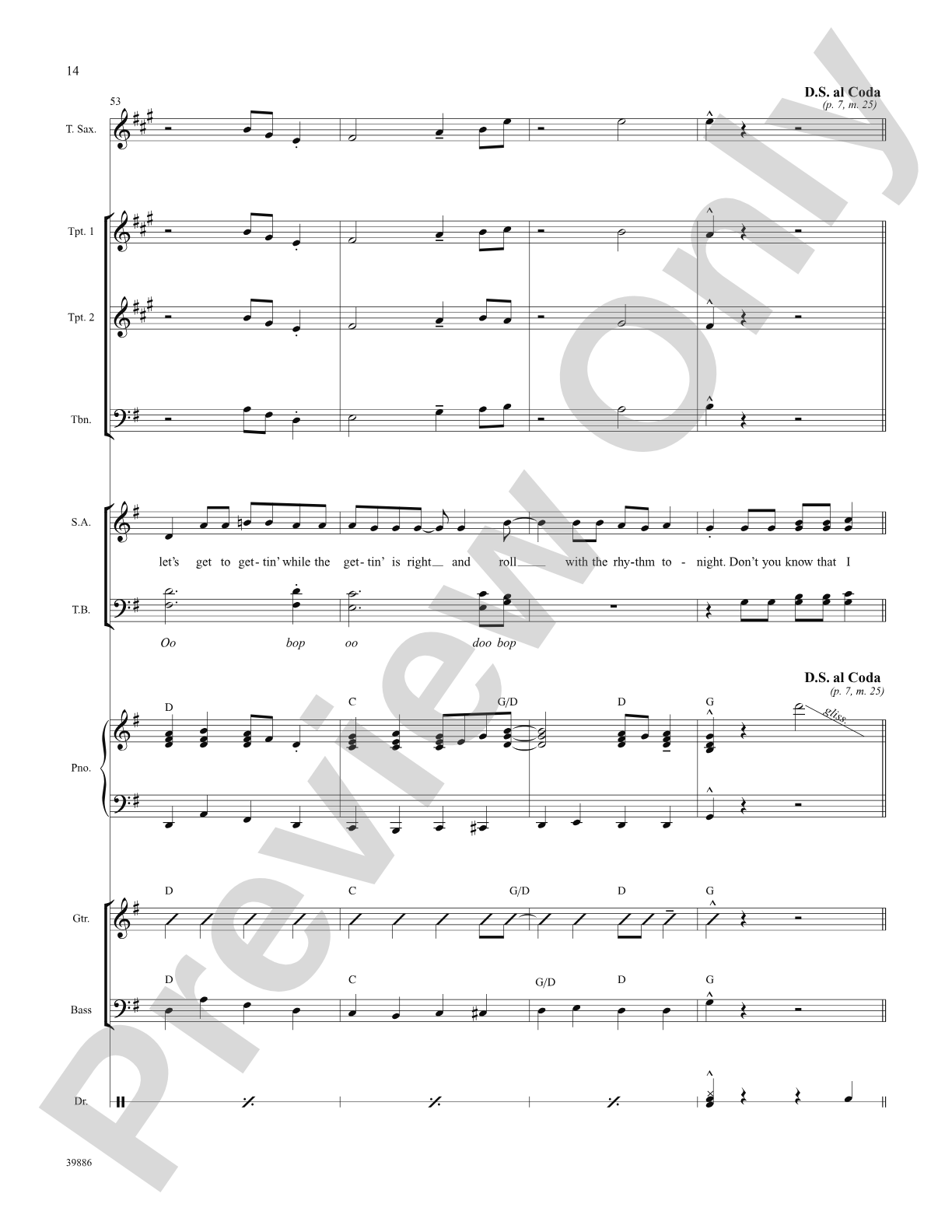
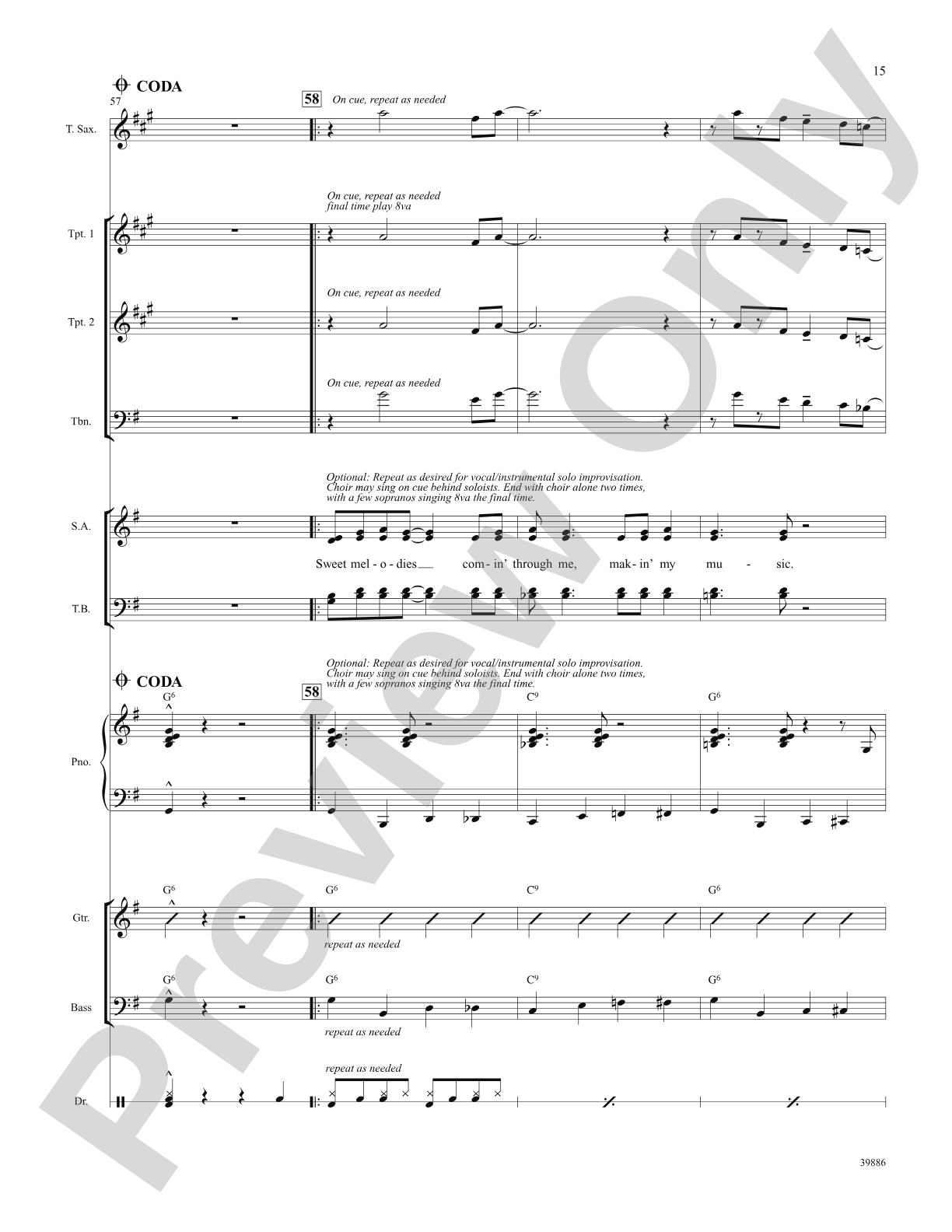
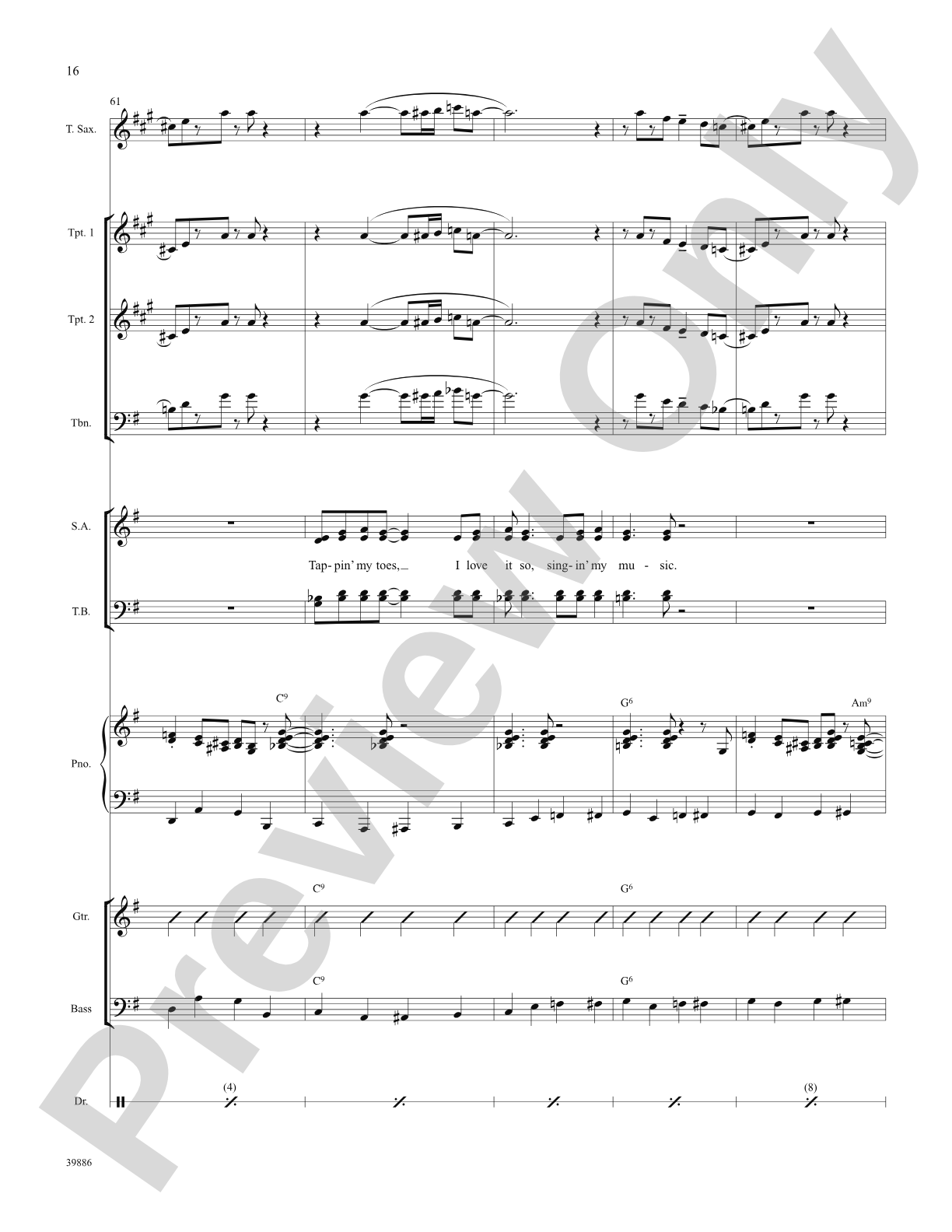
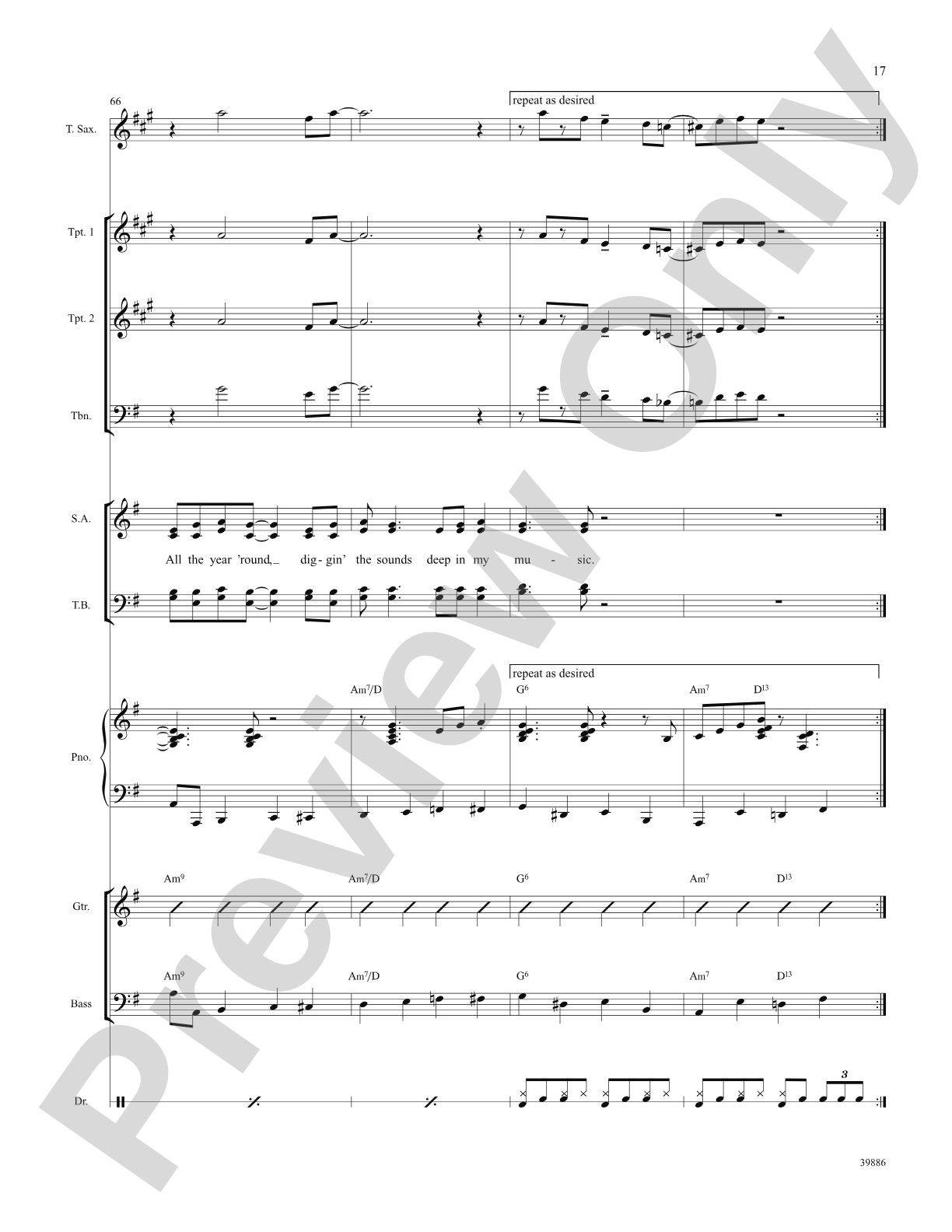
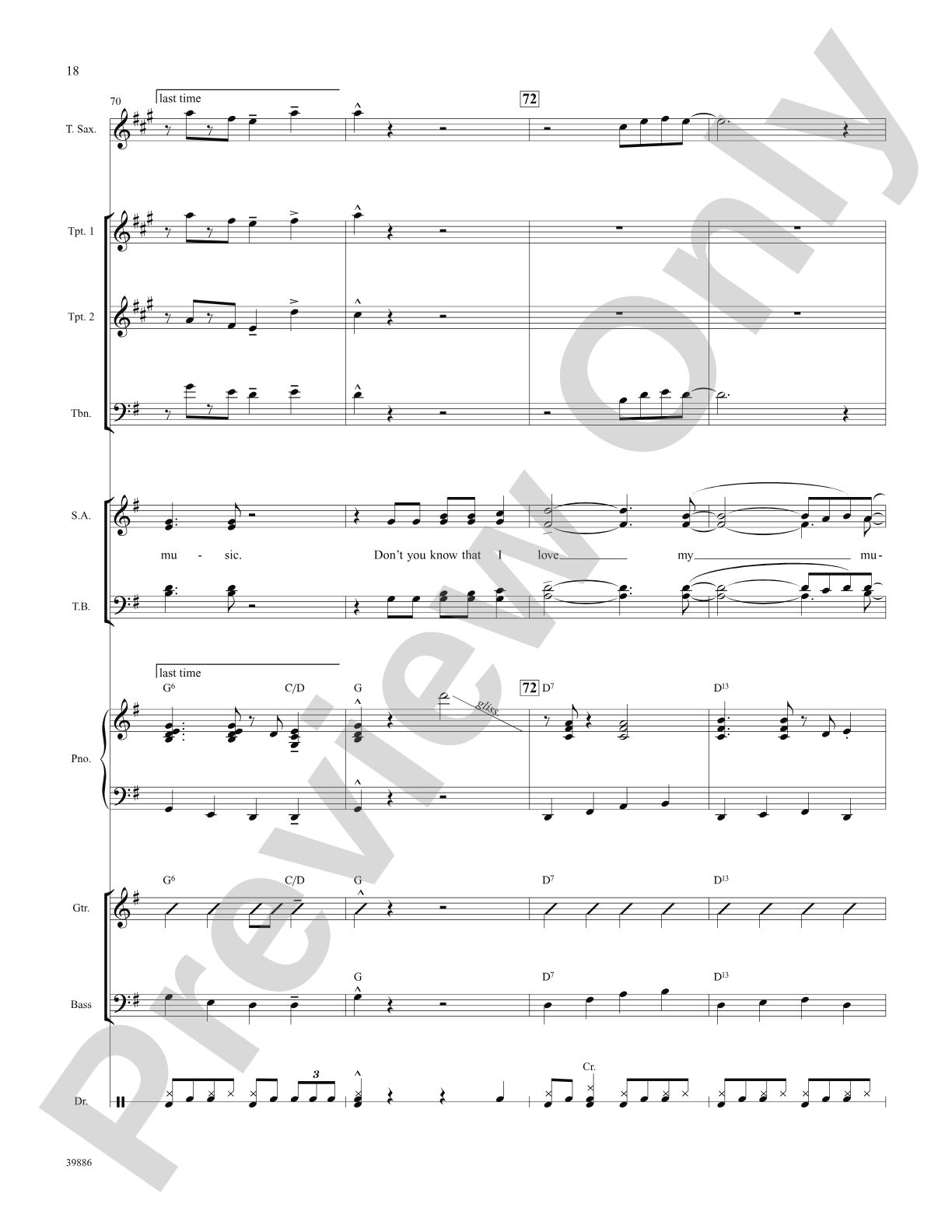
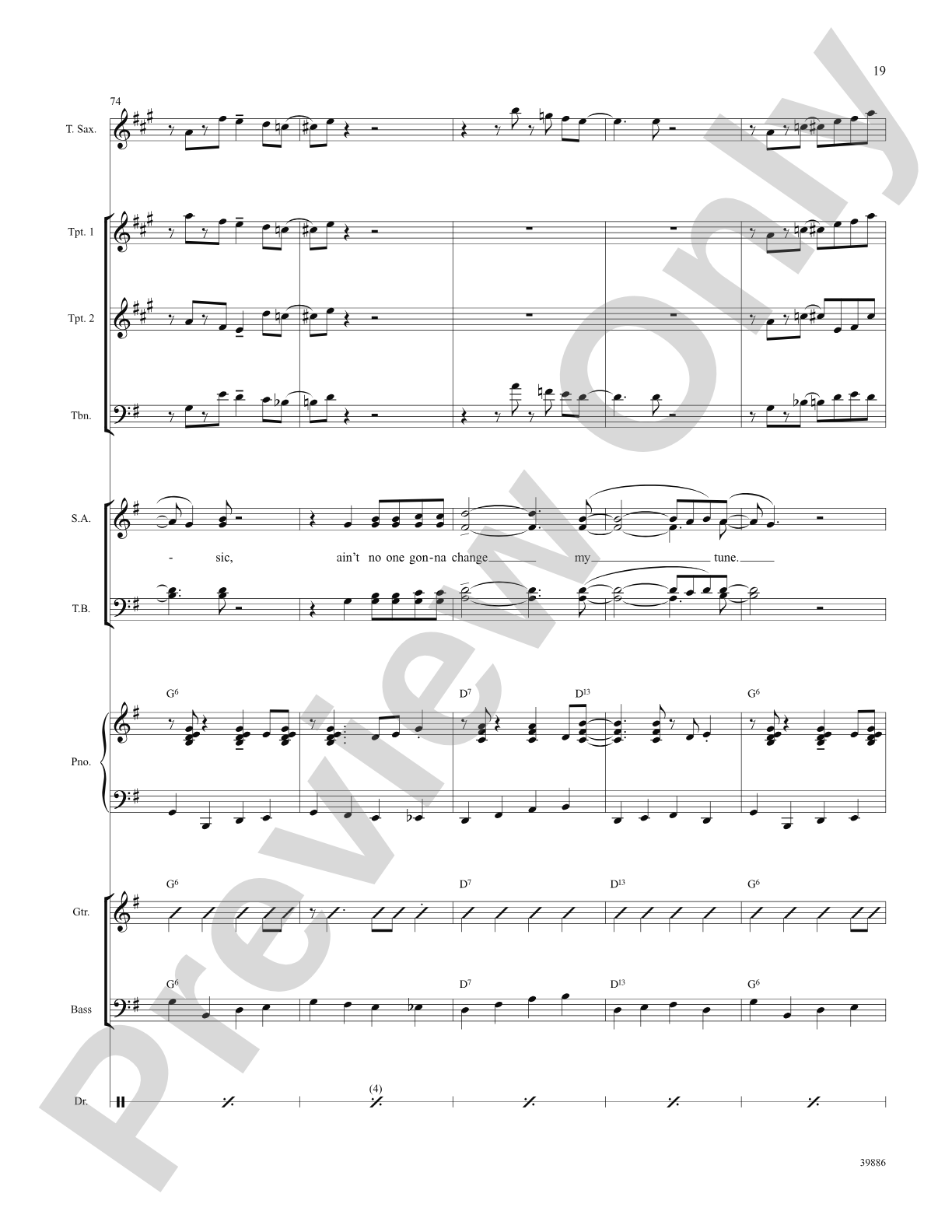
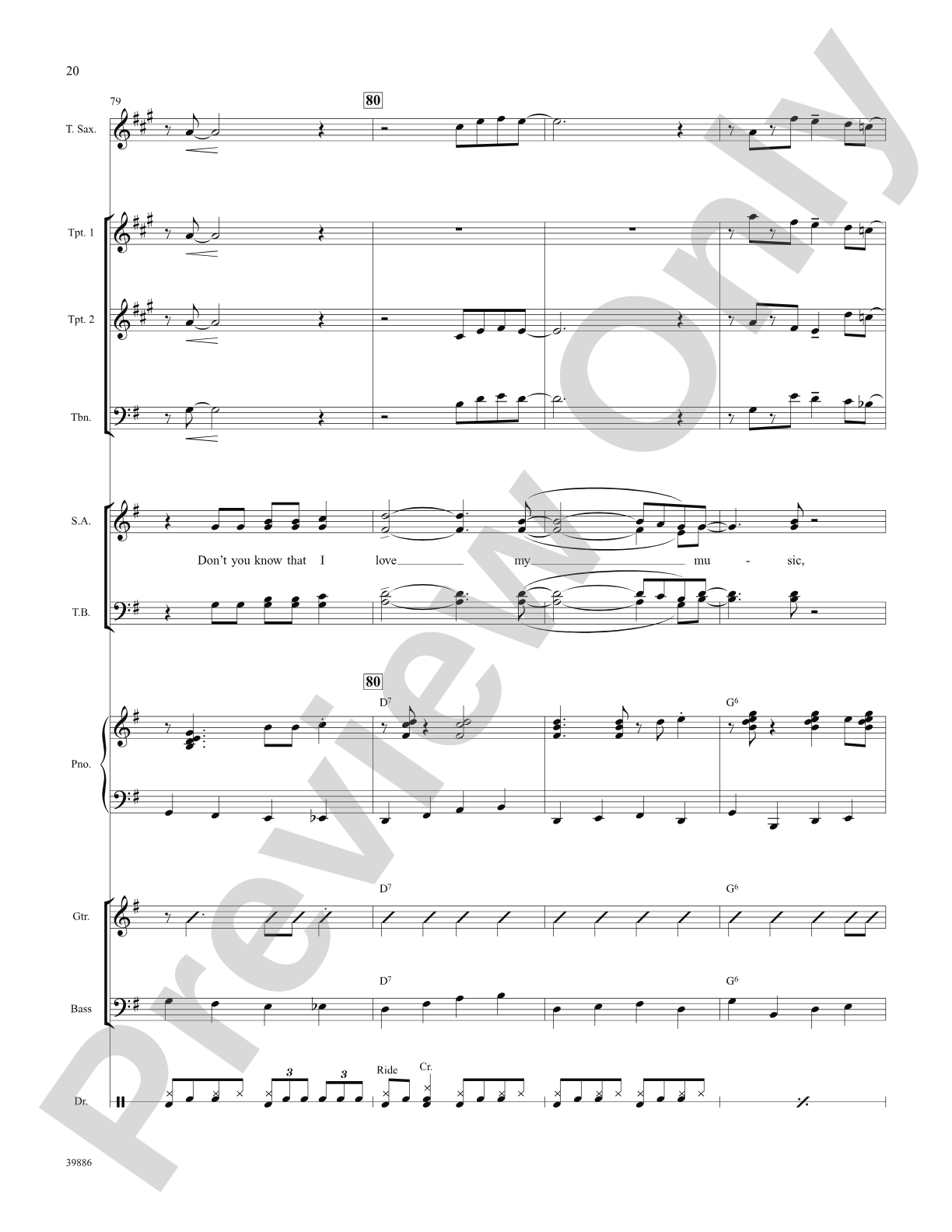
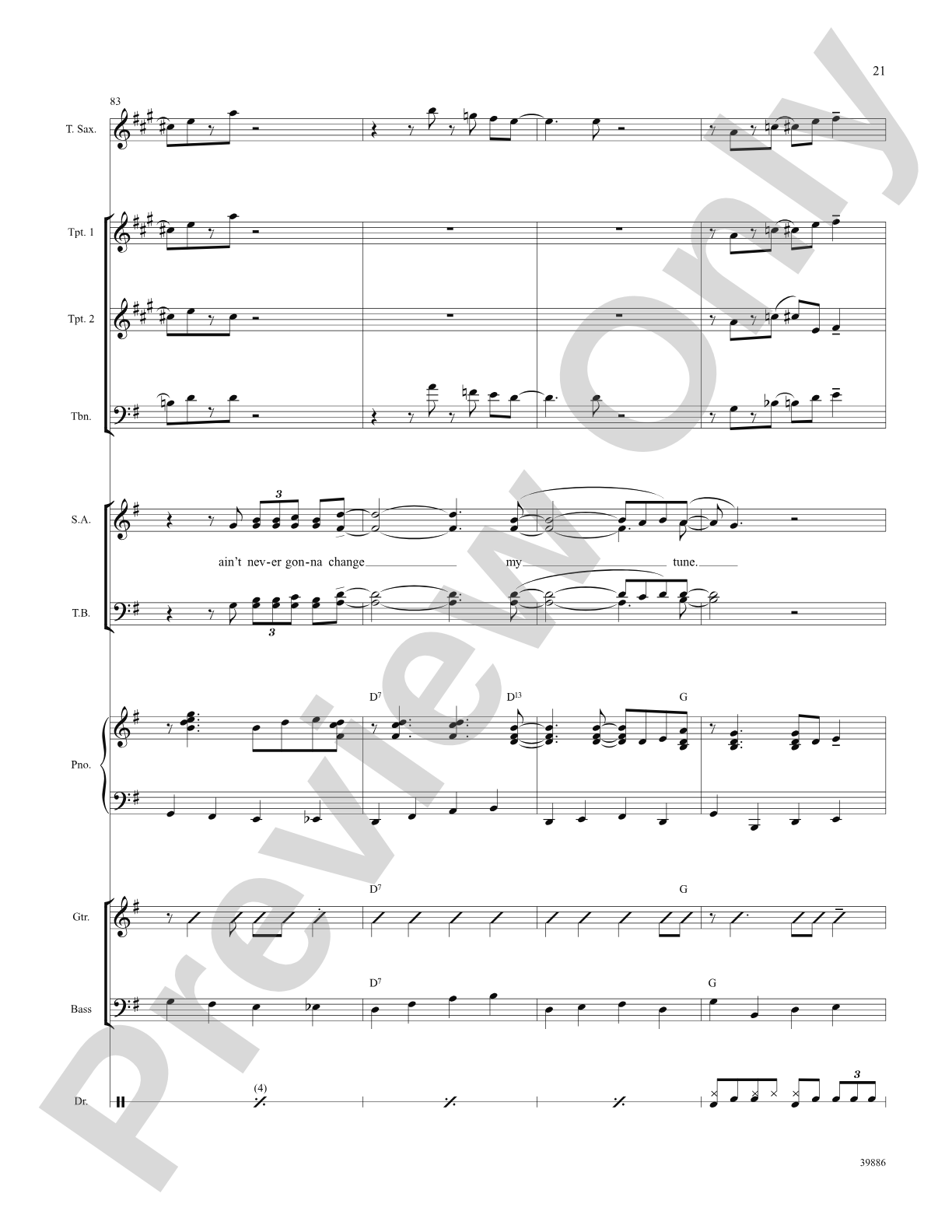
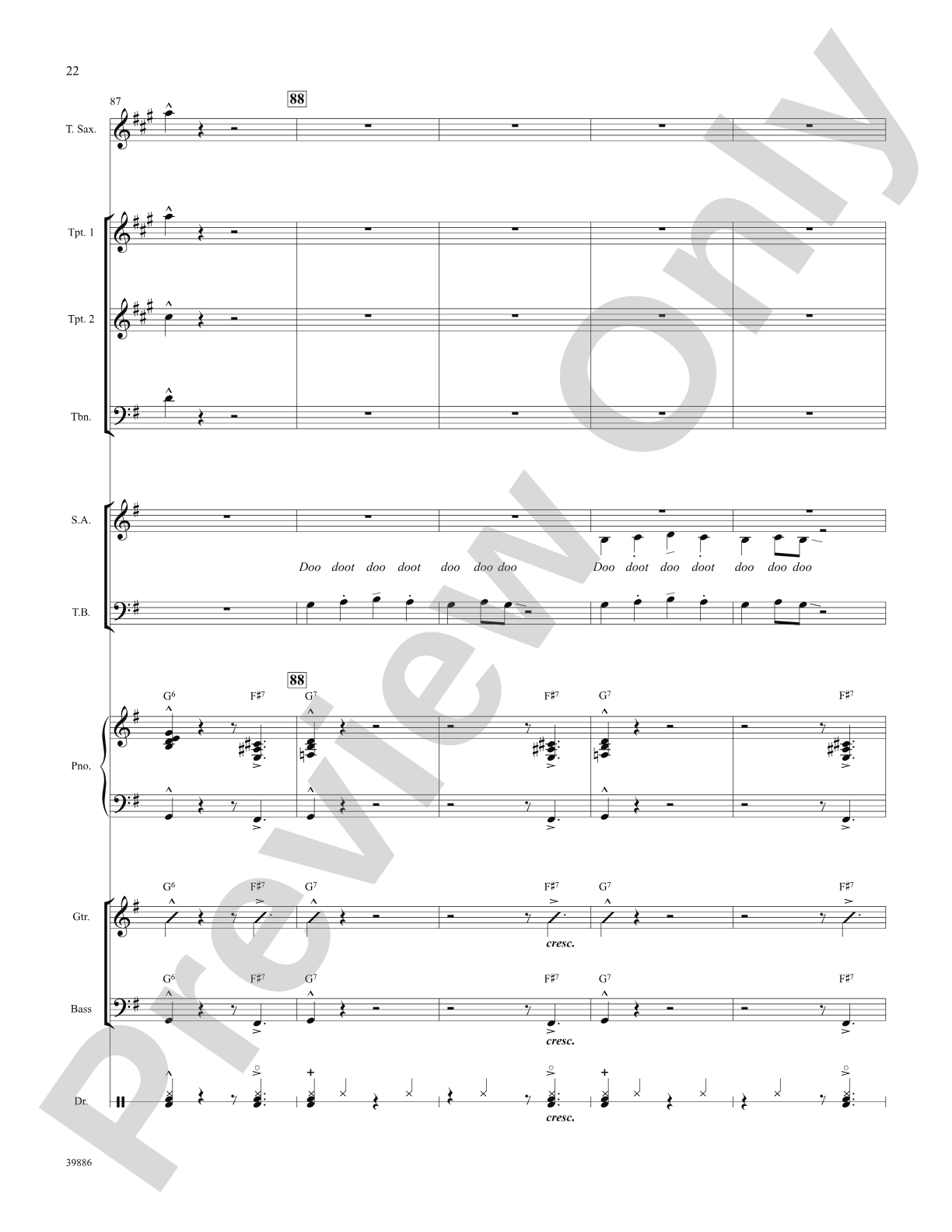
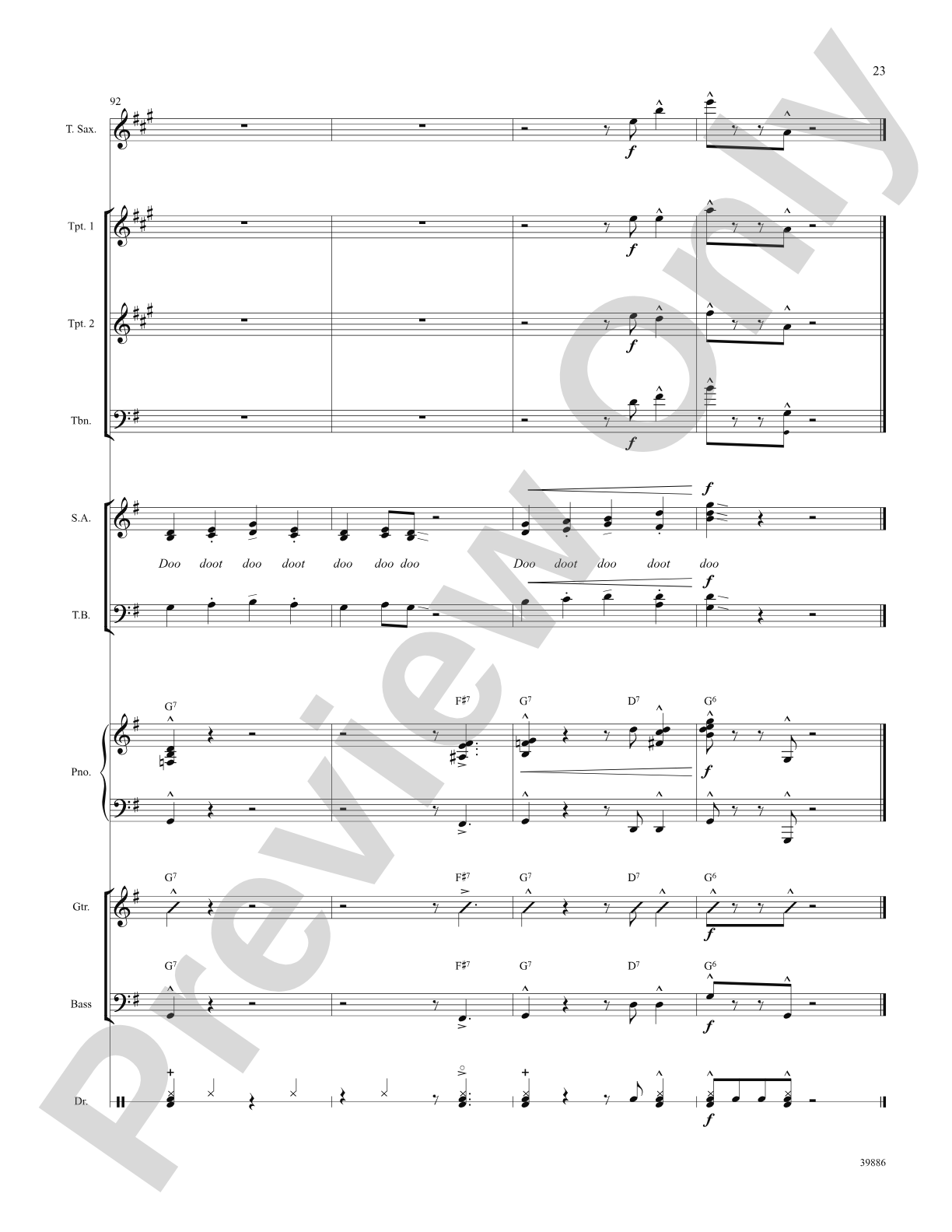


My Music: Choral SoundPax
Words and music by Jim Messina and Kenny Loggins [Loggins & Messina] / arr. Kirby Shaw
Item: 00-PK-0005676

$35.00
One moment…
Related Items
My Music: SoundTrax Digital Audio Download |
$27.99
|
View | |
My Music: SAB Choral Octavo |
$1.90
|
View | |
My Music: SSA Choral Octavo |
$1.90
|
View | |
My Music: SATB Choral Octavo |
$1.90
|
View | |
My Music: SAB Choral Octavo |
$1.90
|
View | |
My Music: SSA Choral Octavo |
$1.90
|
View | |
My Music: Choral Octavo SoundTrax CD |
$27.99
|
View | |
My Music: Choral SoundPax |
$35.00
|
View |
Description
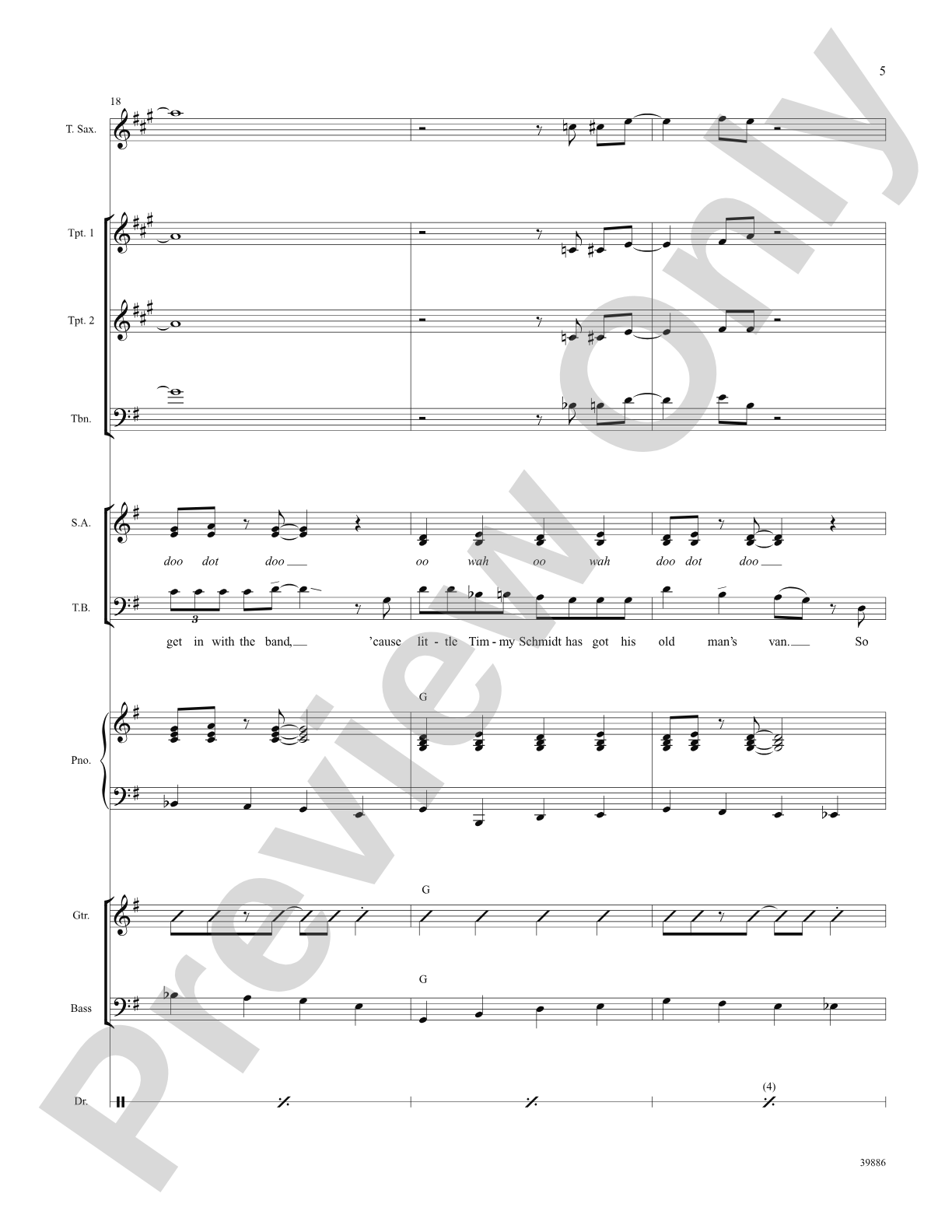
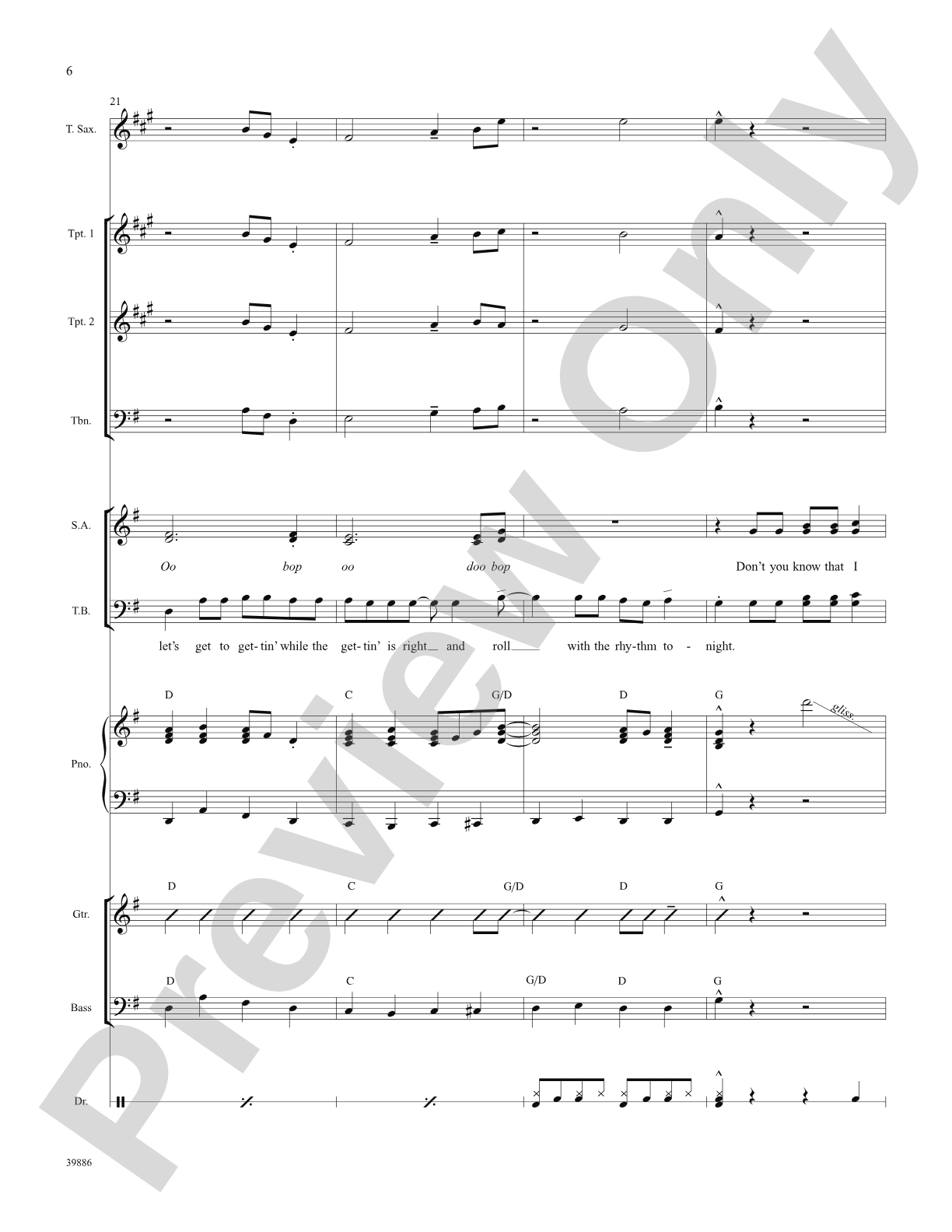
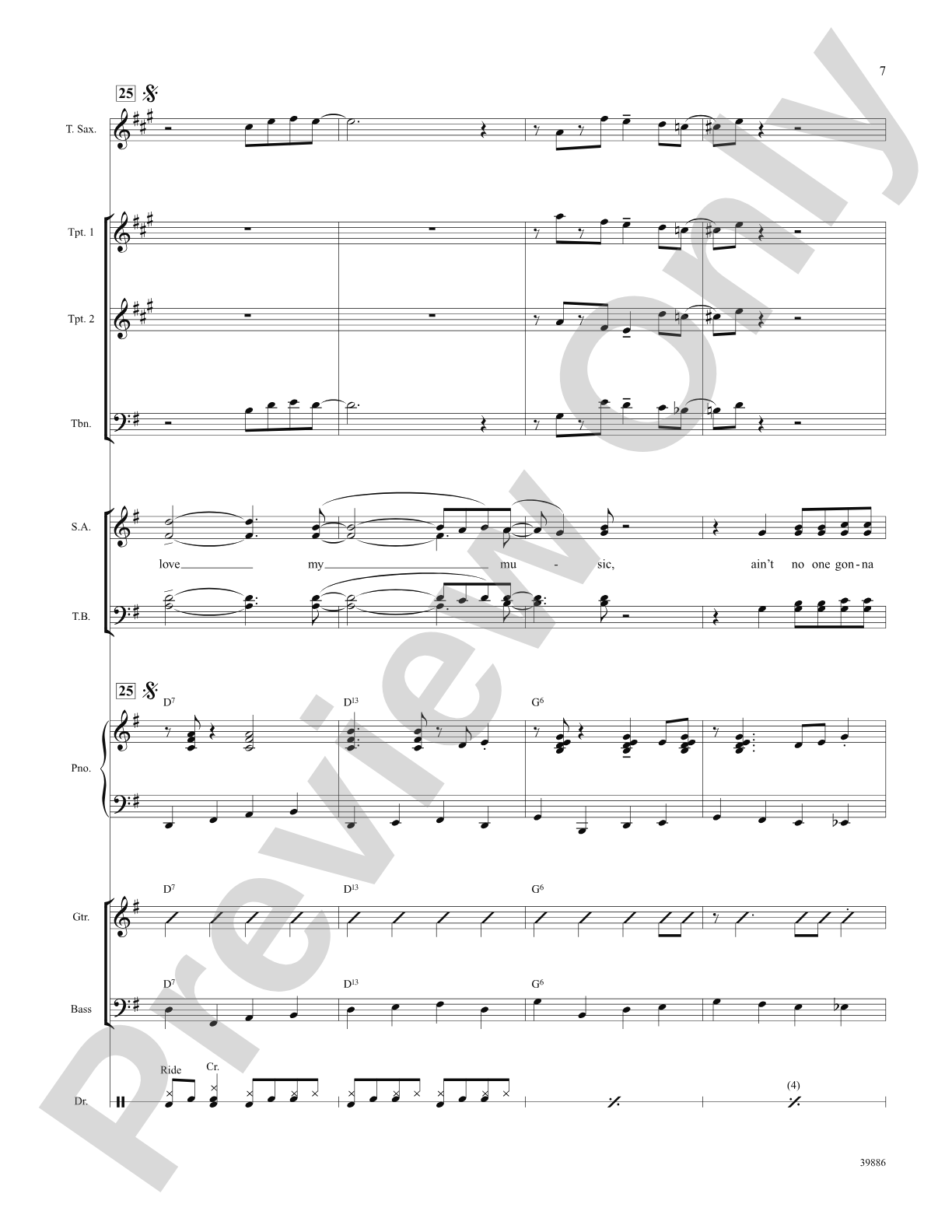
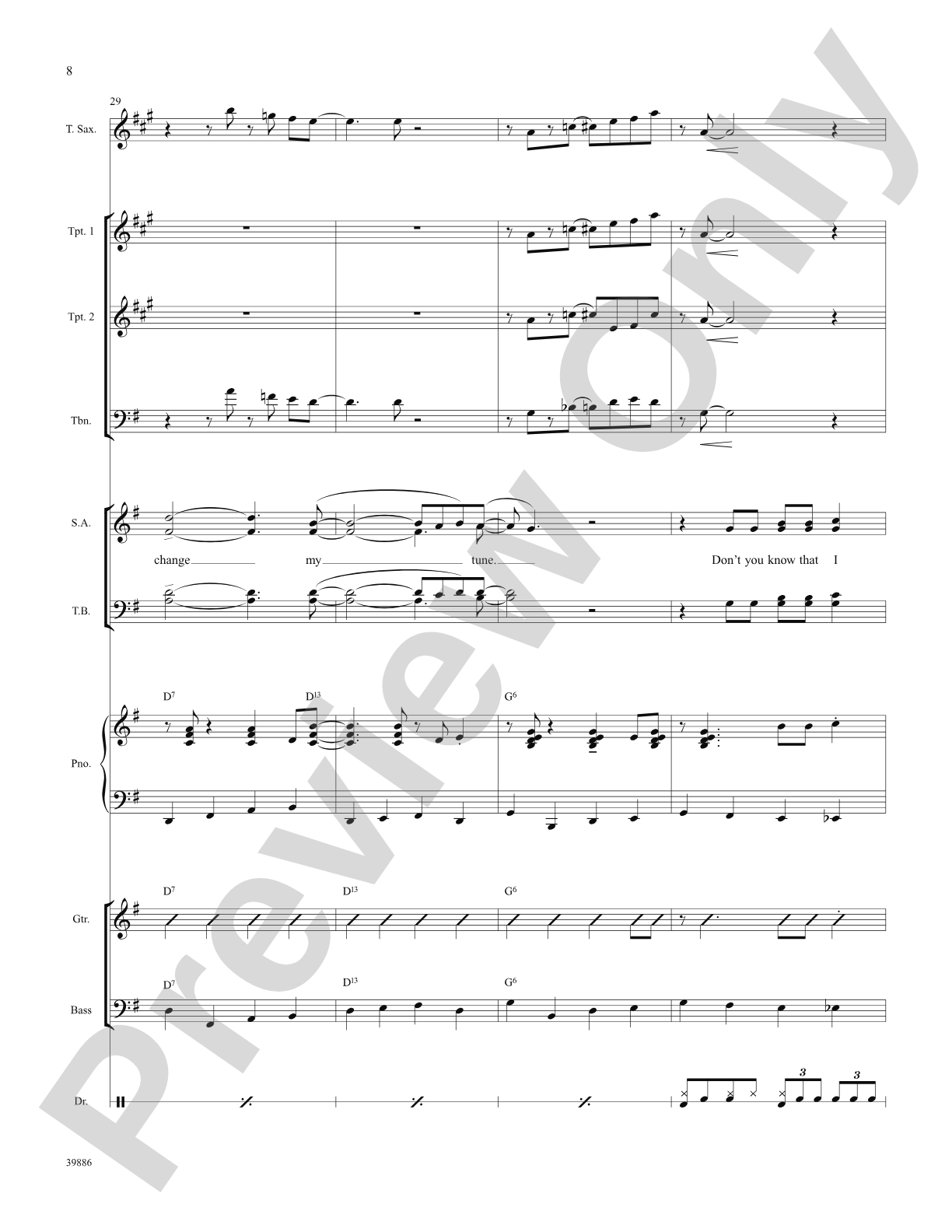
Easy-to-sing harmonies and a repetitive chorus make this 1970s Loggins & Messina classic quick to learn. A fun addition to concerts at any time of year.


Don't just read it, hear it, play along with it, and watch your students grow with it. In MakeMusic Cloud, My Music: Choral SoundPax comes alive with professional accompaniment, adjustable tempo, and built-in practice tools that turn solo practice into real progress.
Open in the Player
Jump straight in and assign it today.
Start Your Free Trial
Open this title and explore the full library in minutes.
Sample Audio
1
Audio File
--:--
0:00
0:00
Sample Video
No sample videos found.
Additional Details
Series:
Alfred Pop Choral Series
Publisher:
Alfred Music
Page Count:
28
SKU:
00-PK-0005676
Instrumentation:
SoundPax
More about this title
About the Composer: Jim Messina
Jim Messina co-founded Loggins & Messina in 1971, bringing his background as a session guitarist and producer to the duo's distinctive West Coast sound. His songwriting balanced accessibility with harmonic sophistication, helping define the pop-rock landscape of the 1970s and establishing him as a skilled craftsman of singable melodies.
Why we love this
Kirby Shaw's arrangement captures the infectious groove and open harmonies of the original without overwhelming young singers. The repetitive chorus structure means students lock in the melody quickly, freeing mental energy for part independence and ensemble blend. It's a genuine crowd-pleaser that lands well in spring concerts or casual performance settings where energy and fun matter as much as technical complexity.
What to expect
Warm, uplifting, and energetic. The arrangement captures the laid-back California rock essence of the original while keeping voices comfortable and parts achievable. Singers feel the groove immediately and find themselves smiling as their harmonies click into place.
Who it's for
Choirs seeking accessible pop-rock repertoire that engages singers without excessive technical demands. This works well for middle school, high school, and community choirs looking to program something students actually know and enjoy singing.
How to get the most out of it
- Establish a steady, relaxed pulse before diving into the arrangement. The 1970s feel relies on groove rather than precision, so let the rhythm section (via the recorded accompaniment) anchor the ensemble rather than fighting against it.
- Work the chorus in isolation first. Once all sections own their parts confidently, layer in the verses to build complexity gradually.
- Shape the dynamics to match the song's original recording. Lean into the softer moments in the verses, then open up fully when the chorus hits.
- Balance upper and lower voices in the harmonies without letting either blend disappear. The fun of this arrangement is hearing all the parts lock together, so avoid letting any section fade into the background.
How to use it
Pair this with other 1970s pop standards to create a cohesive set, or use it as a concert opener or closer where its immediate appeal lifts the room. The recorded accompaniment makes it ideal for smaller ensembles or mixed groups where instrumental backup would otherwise be difficult to arrange.
Skills your students will build
- Singing simple close-harmony voicings without losing individual melodic line
- Maintaining ensemble pulse in grooved, rhythmically relaxed contexts
- Balancing familiarity (recognizing the original song) with the discipline of part-singing
- Responding to recorded accompaniment and staying aligned with an external rhythm source