
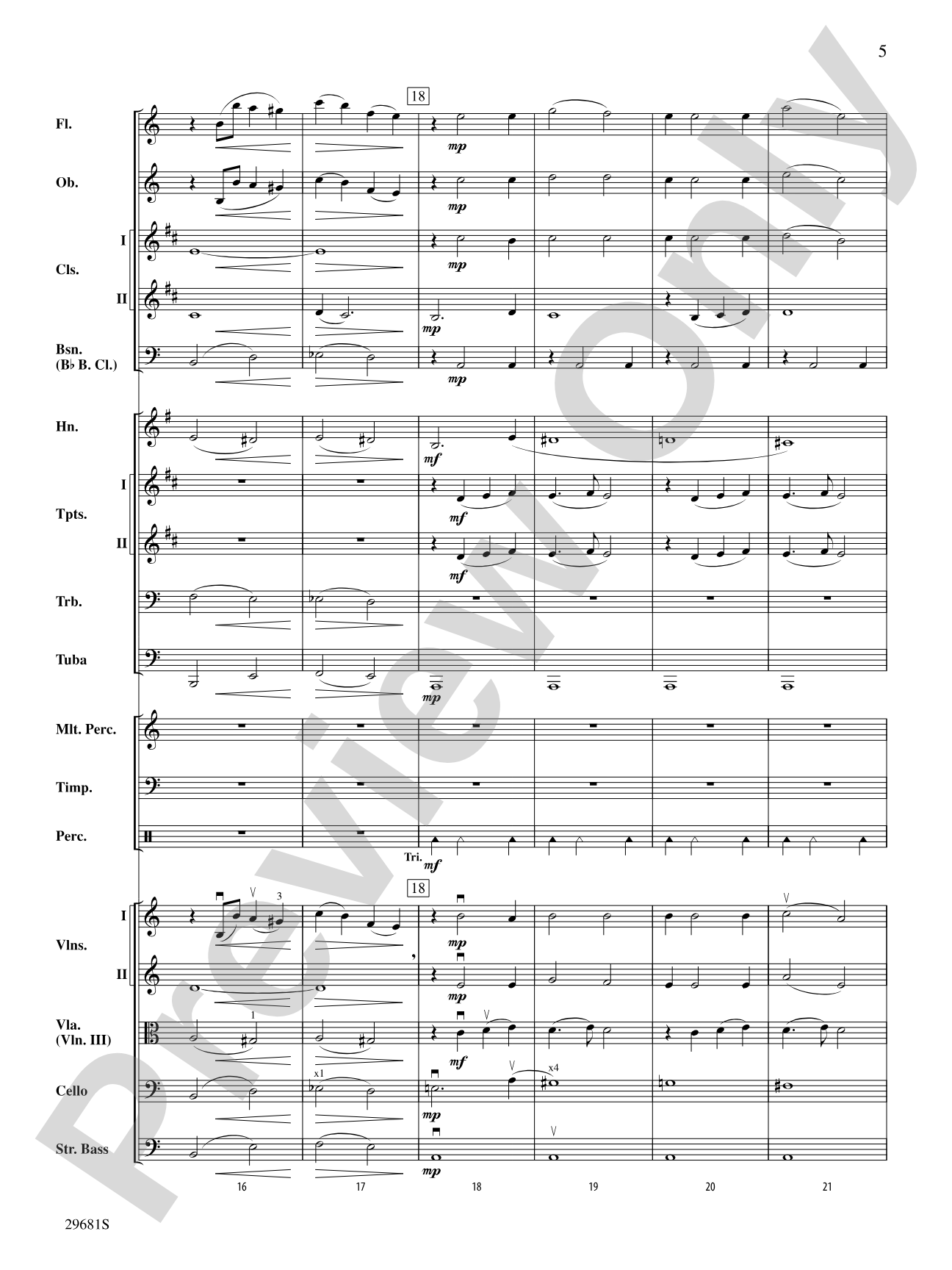
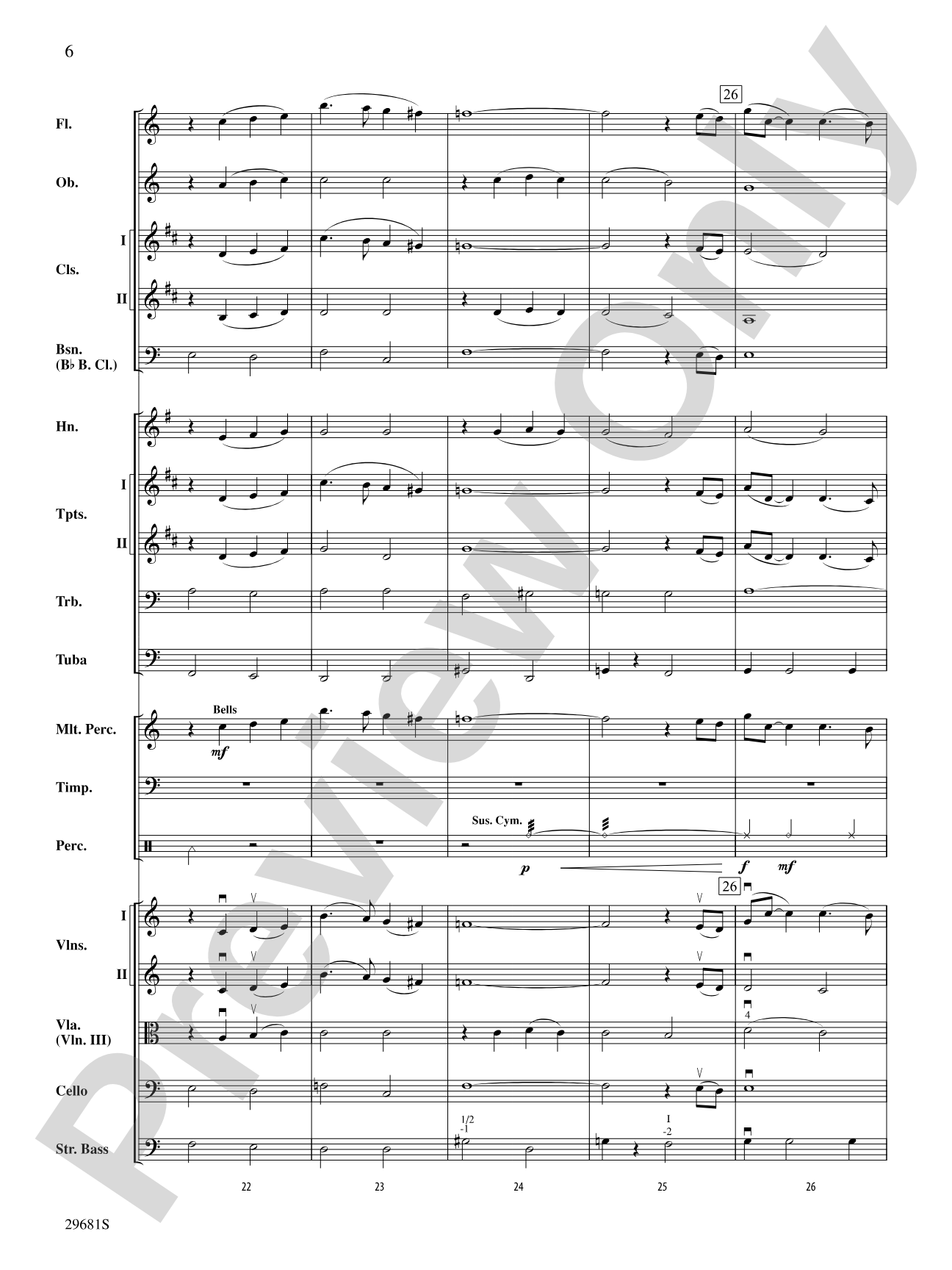
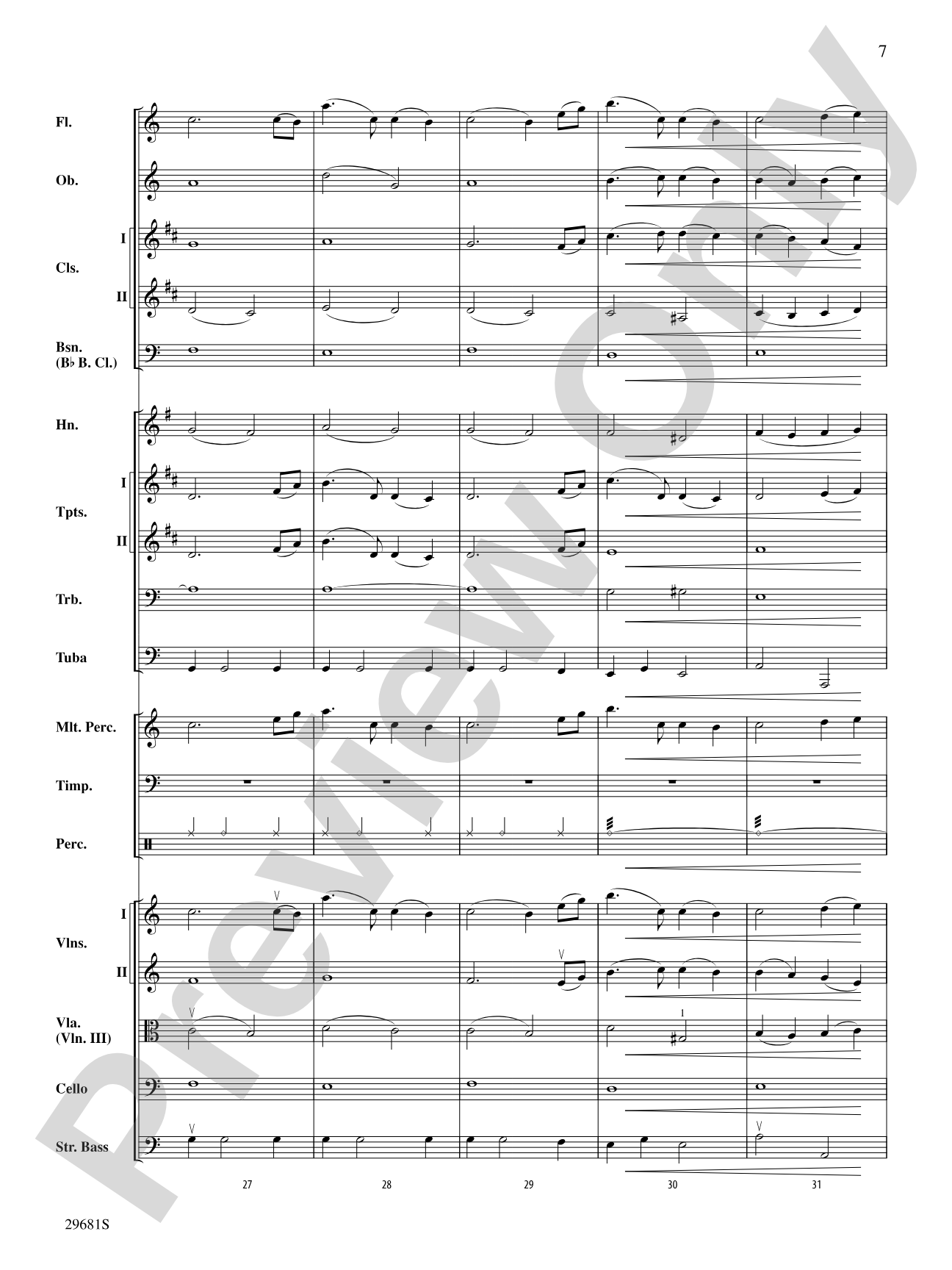
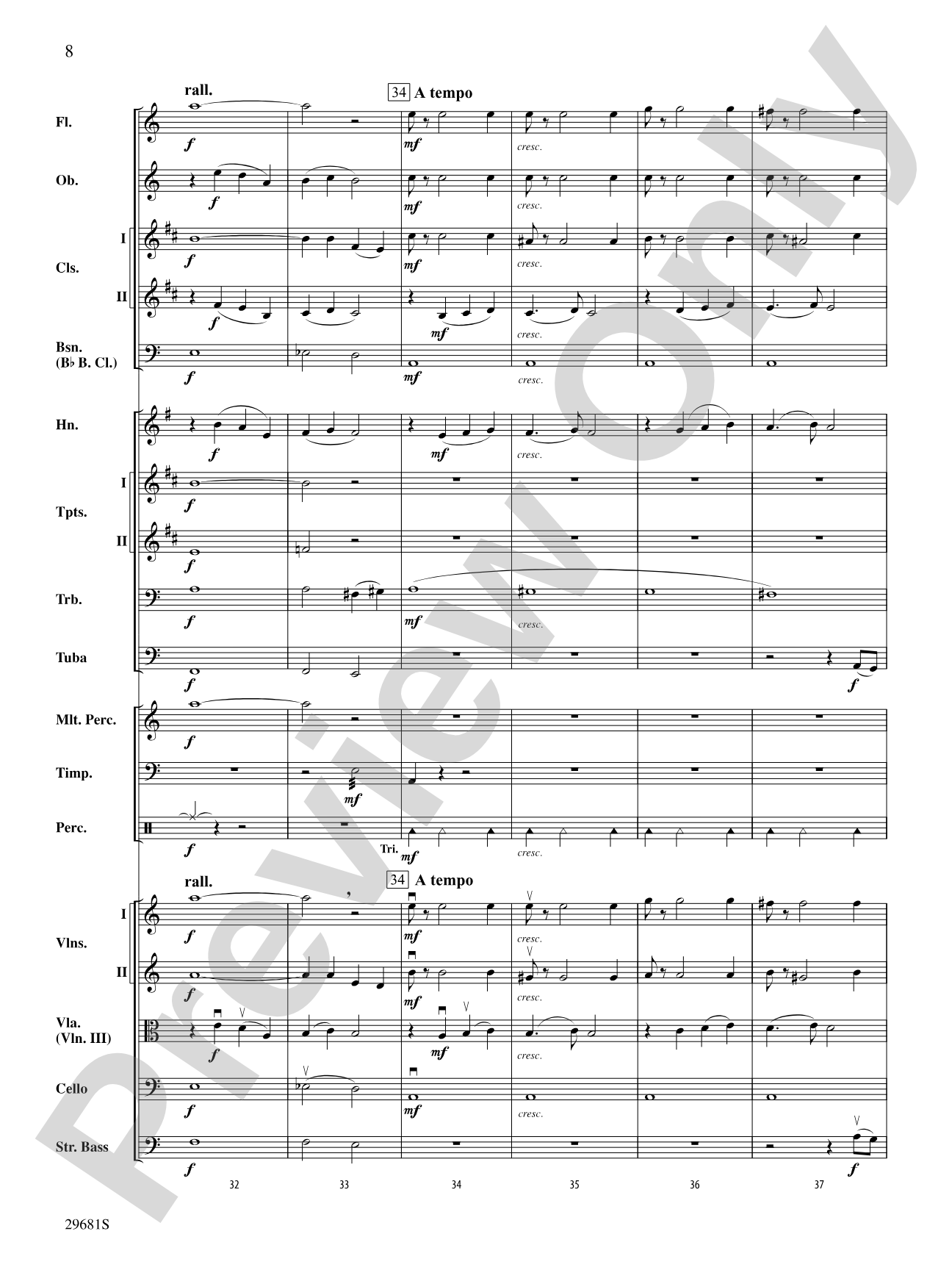
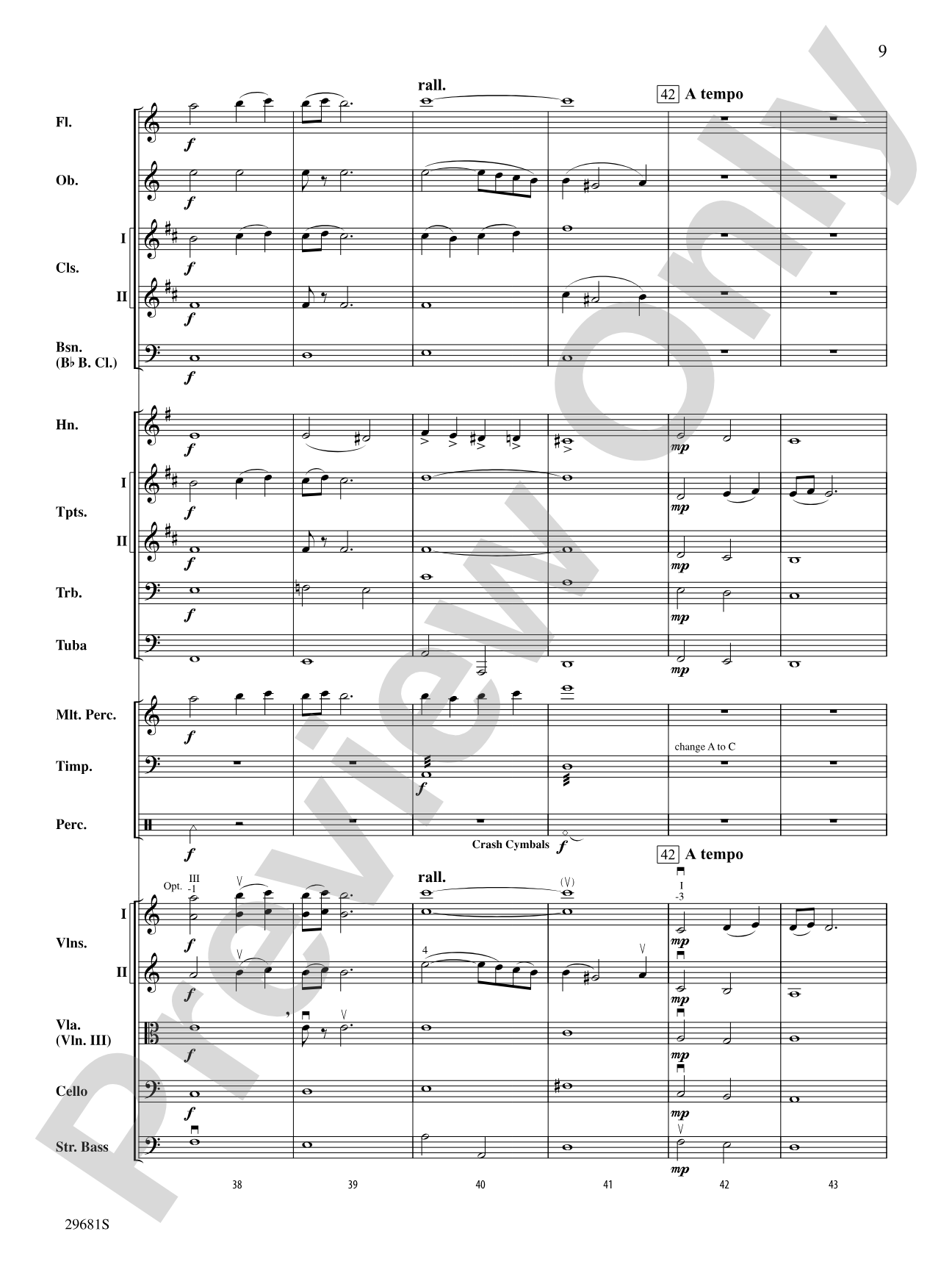
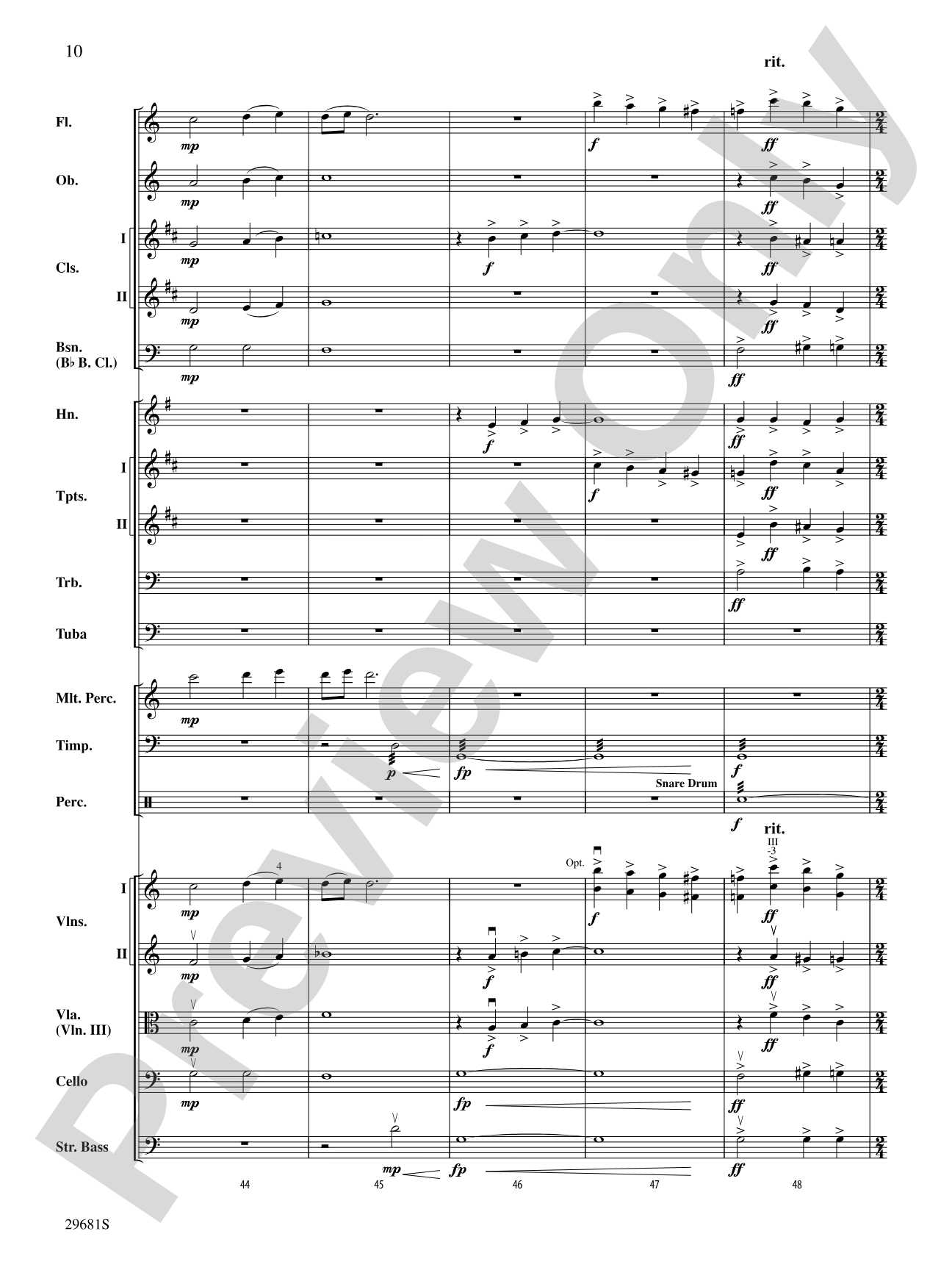
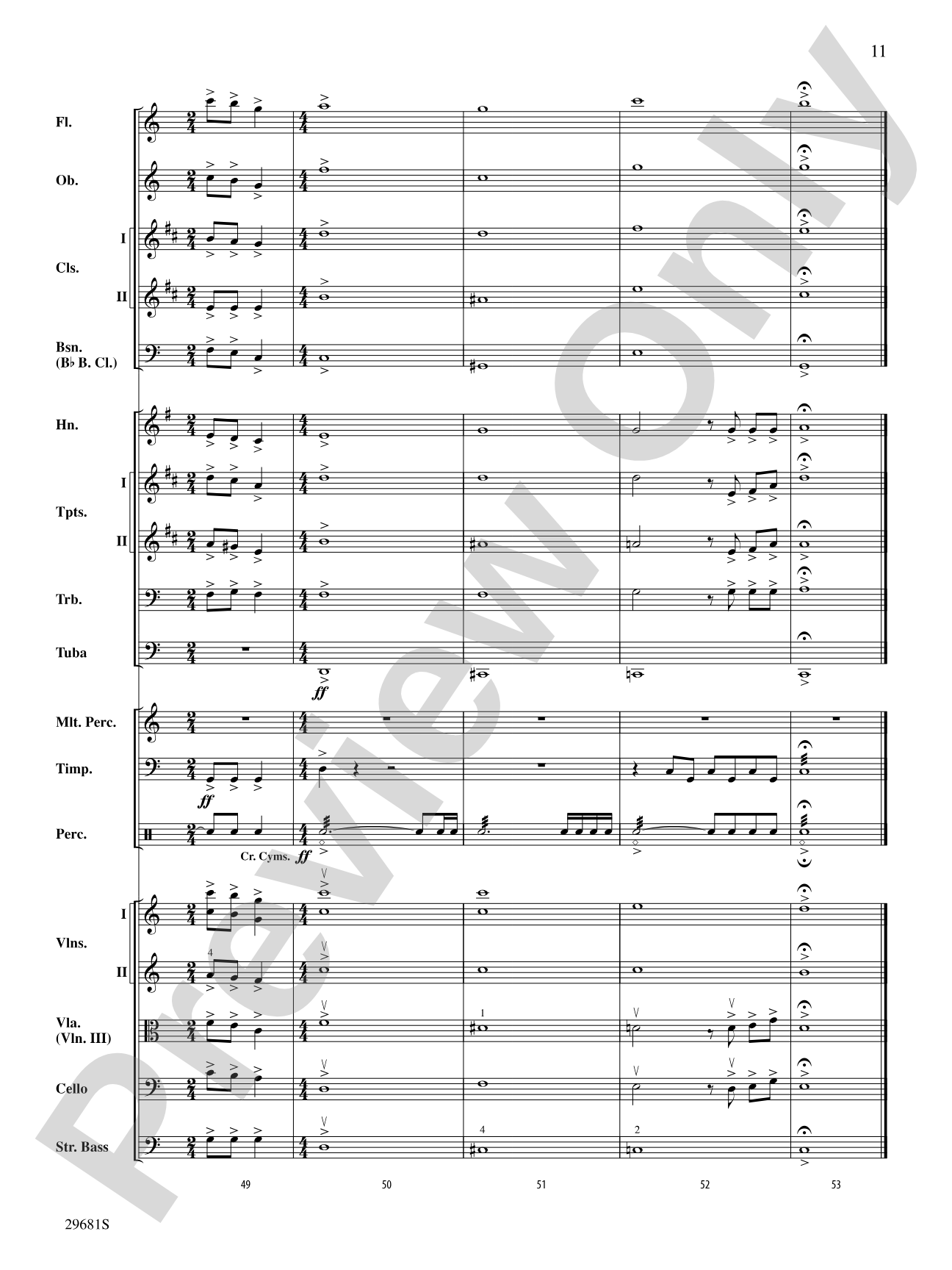


My Funny Valentine: Full Orchestra Conductor Score & Parts
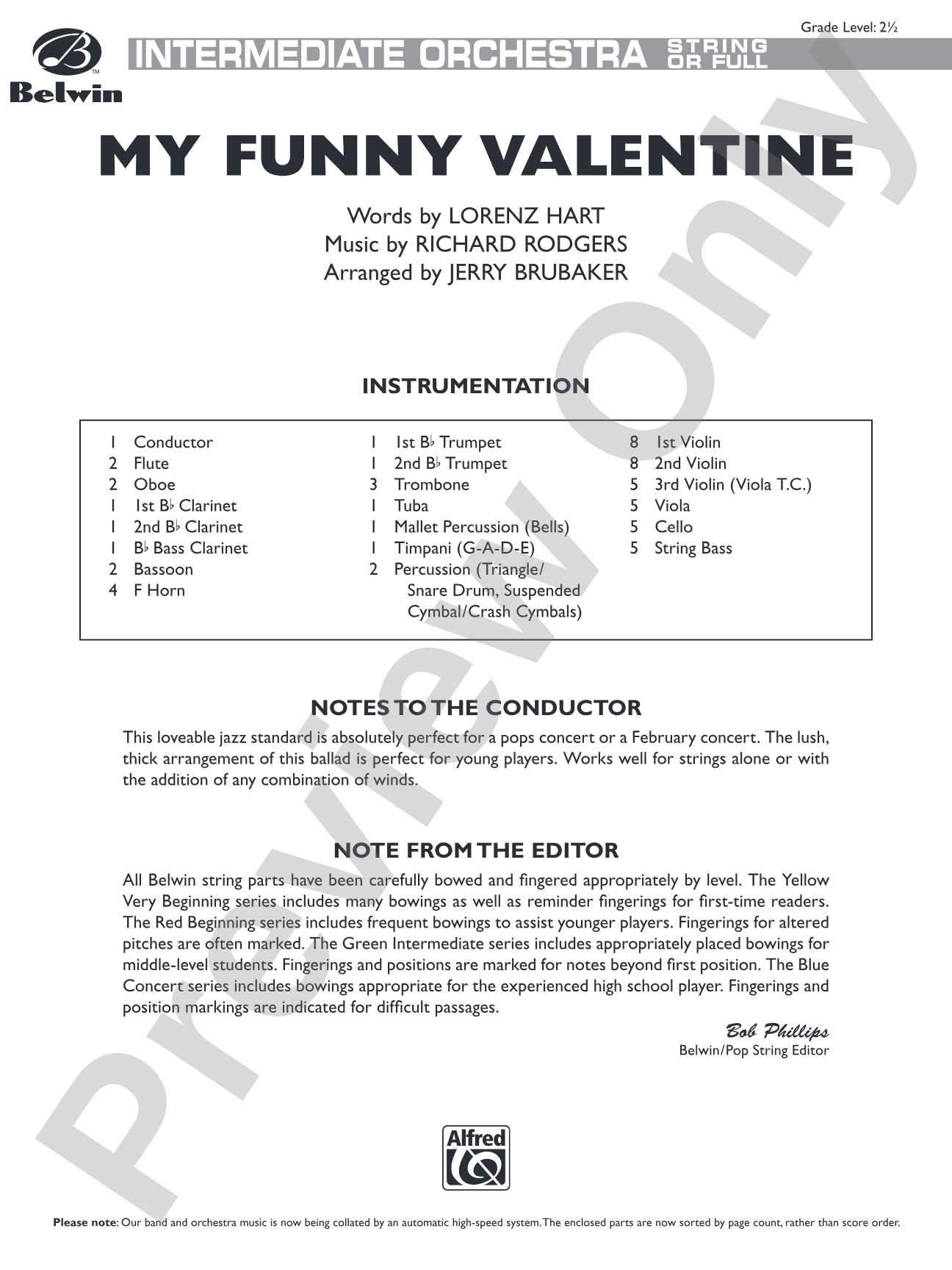
Words by Lorenz Hart, music by Richard Rodgers / arr. Jerry Brubaker
Grade: 2.5
Item: 00-PK-0001559

$58.00
One moment…
Description
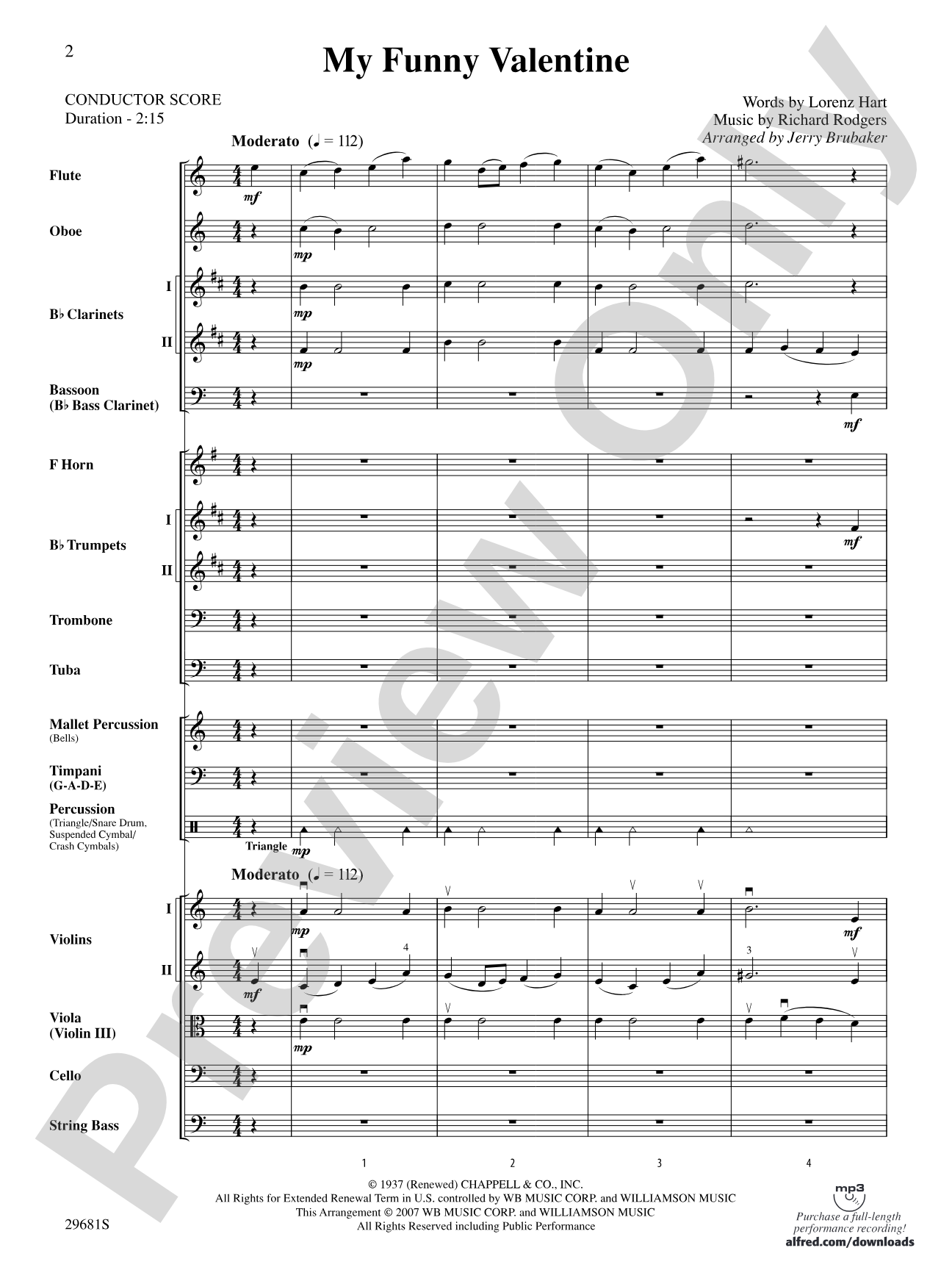
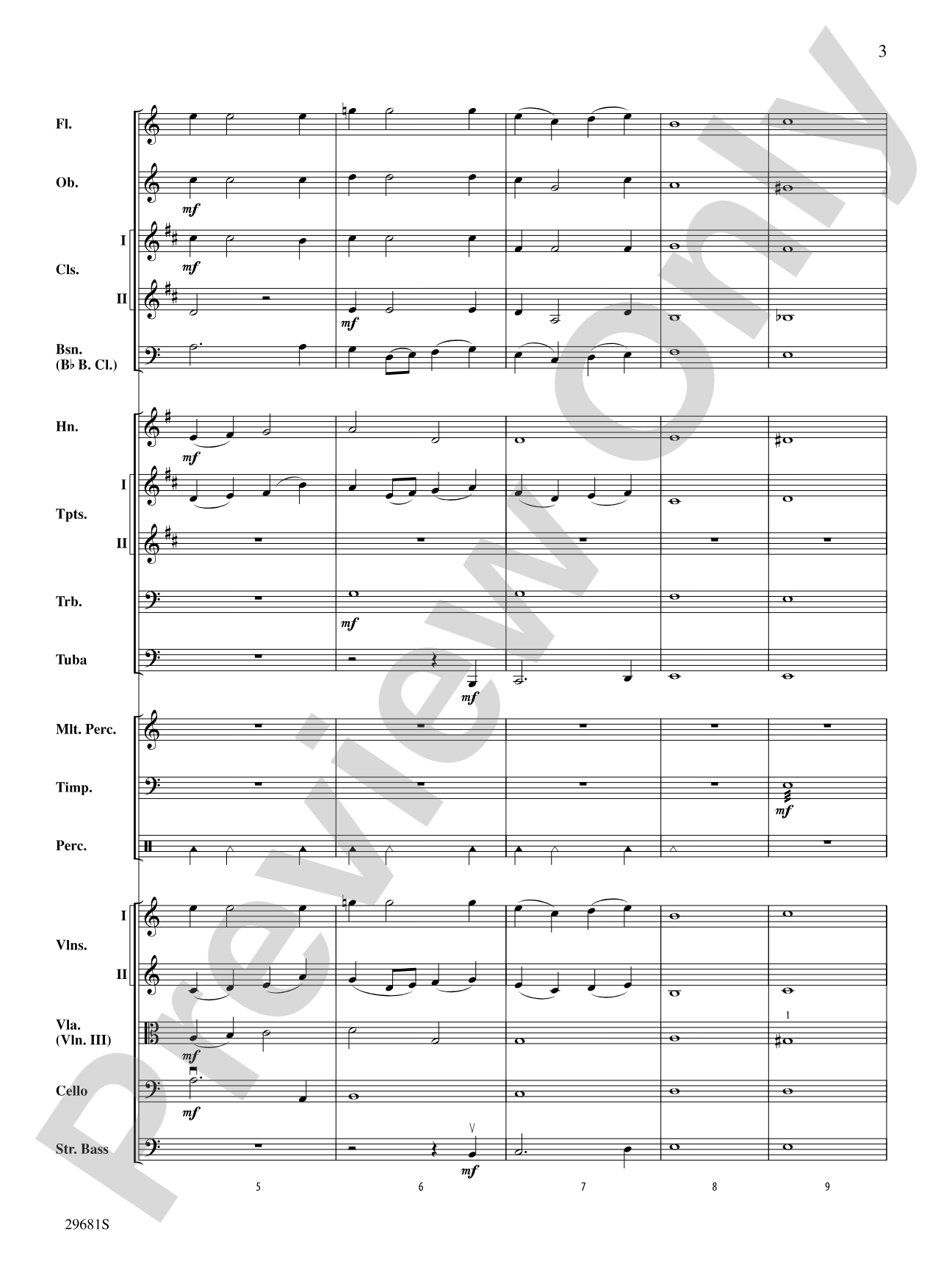
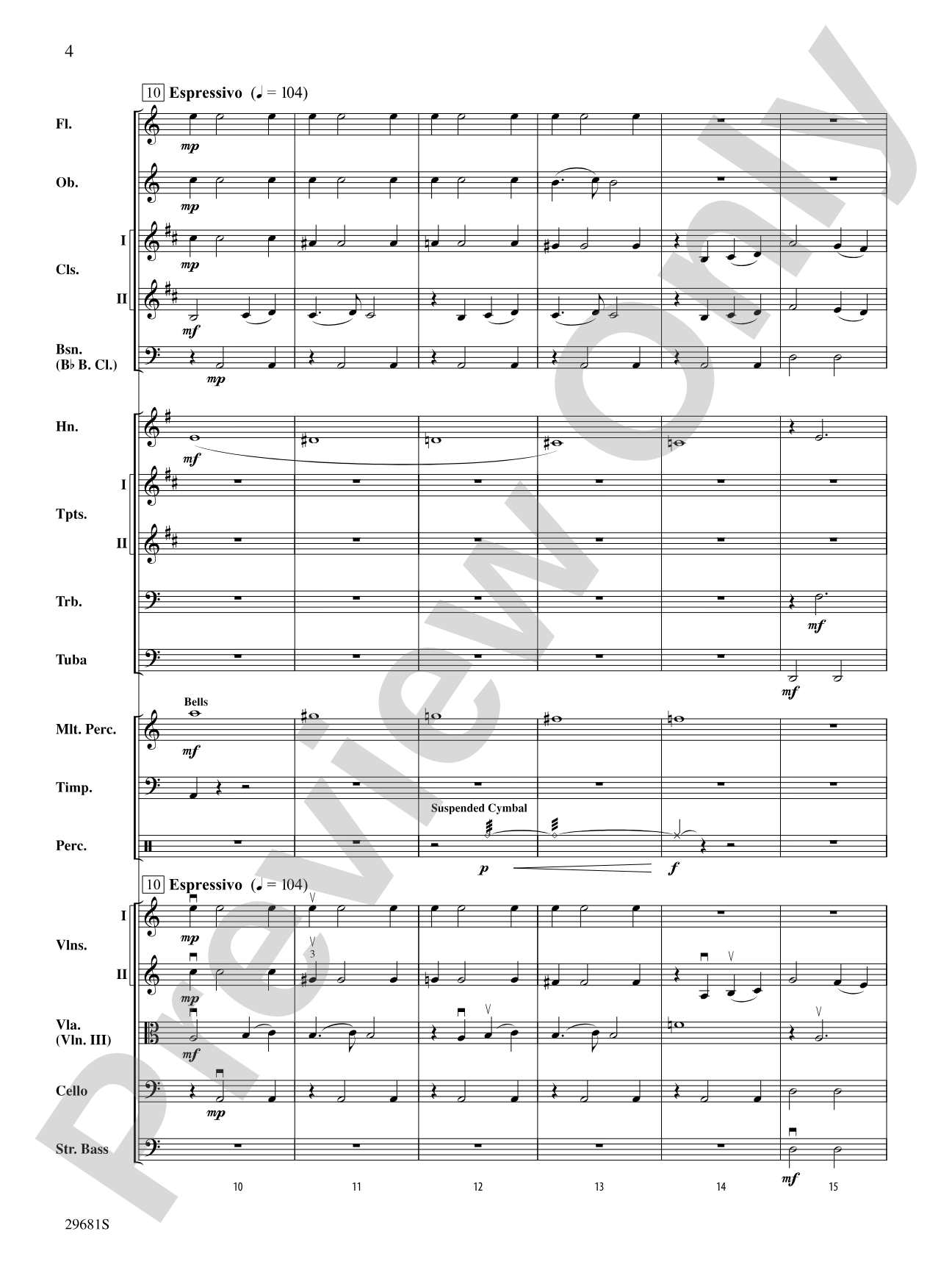
This loveable jazz standard is absolutely perfect for a pops concert or a February concert. The lush, thick arrangement of this ballad is perfect for young players. It works well for strings alone or with the addition of any combination of winds. (2:15)


Don't just read it, hear it, play along with it, and watch your students grow with it. In MakeMusic Cloud, My Funny Valentine: Full Orchestra Conductor Score & Parts comes alive with professional accompaniment, adjustable tempo, and built-in practice tools that turn solo practice into real progress.
Open in the Player
Jump straight in and assign it today.
Start Your Free Trial
Open this title and explore the full library in minutes.
Sample Audio
1
Audio File
--:--
0:00
0:00
Sample Video
No sample videos found.
Additional Details
Series:
Pop Intermediate String/Full Orchestra
Publisher:
Alfred Music
Page Count:
118
SKU:
00-PK-0001559
More about this title
About the Composer: Richard Rodgers
Richard Rodgers (1902-1979) shaped American musical theater across five decades, composing melodies that have become the soundtrack to American culture. His partnership with lyricist Oscar Hammerstein II produced some of the most enduring works in the Great American Songbook, including Oklahoma!, Carousel, The King and I, and The Sound of Music. Rodgers had an extraordinary gift for writing memorable, singable lines that reveal themselves anew with each hearing, making his work a cornerstone of music education repertoire.
Why we love this
Jerry Brubaker's orchestration captures the warmth and sophistication of this ballad while keeping the writing accessible for Grade 2.5 ensembles. The flexibility to perform with strings alone or add winds in any combination means you can adapt it to your specific instrumentation without compromising the lush, full sound. It's the kind of standard that reminds both young musicians and audiences why these melodies have lasted nearly a century.
What to expect
Tender and wistful, this arrangement wraps the beloved melody in rich harmonies that feel both mature and inviting. The lush textures invite listeners into an intimate emotional space, creating a moment of genuine musicality that resonates long after the final chord.
Who it's for
This score is designed for young conductors and orchestras working at the intermediate level who want to program something musically substantial without overwhelming their ensemble. It works equally well as a centerpiece for a pops or cabaret concert, a Valentine's Day program, or a showcase of Great American Songbook repertoire.
How to get the most out of it
- Shape the melody with long-line phrasing rather than individual note articulation; this ballad breathes best when the ensemble thinks in arcs and resolves, not isolated events.
- Balance the harmonic voices to let inner lines sing; a jazz standard lives or dies by the richness of its chord voicing, and young players often bury secondary parts.
- Conduct through with rubato flexibility to accommodate the sentimental quality of the piece; Rodgers' melody rewards subtle tempo give-and-take that feels natural, not mechanical.
- If adding winds to strings, rehearse blend separately; winds and strings require different dynamic concepts, and finding unified color will pay dividends in the final performance.
How to use it
Open a pops concert with this as a palate-cleanser after a brighter opening number, or use it as a concert closer to send the audience home in a reflective mood. It pairs beautifully alongside other jazz standards or American songbook selections, and its modest length (2:15) makes it ideal filler between larger works without feeling slight.
Skills your students will build
- Sustained legato playing across entire phrases
- Dynamic balance within thick chord voicings
- Responding to rubato and subtle tempo modifications
- Blend and intonation in jazz-inflected harmony