My Funny Valentine Cover Image

My Funny Valentine: Jazz Ensemble Conductor Score & Parts

$50.00 USD
Sale price  $50.00 USD Regular price 
Skip to product information
My Funny Valentine Cover Image

My Funny Valentine: Jazz Ensemble Conductor Score & Parts

Arr. Dave Wolpe

Grade: 3 (Medium)

Item: 00-JE9815

makemusic Cloud badge

Need it now?

Buy Digital Version
$50.00
Shipped

One moment…

Description
You don't even have to hear this arrangement to know how good it is, because it already has the top two ingredients: 1) a great tune, and 2) the best arranger around---Dave Wolpe! Still, we hope you listen, because it's worth your time. Dave has taken one of the most gorgeous ballads of our time and crafted a special trumpet solo feature for your jazz ensemble. It is lush and beautifully scored. You gotta have it! (4:59)

Don't just read it, hear it, play along with it, and watch your students grow with it. In MakeMusic Cloud, My Funny Valentine: Jazz Ensemble Conductor Score & Parts comes alive with professional accompaniment, adjustable tempo, and built-in practice tools that turn solo practice into real progress.

Sample Pages

Sample Audio
No sample audio found.
Sample Video
Additional Details
Series: Jazz Band Series
Publisher: Alfred Music
Page Count: 82
UPC: 029156909418
SKU: 00-JE9815

More about this title

About the Arranger: Dave Wolpe
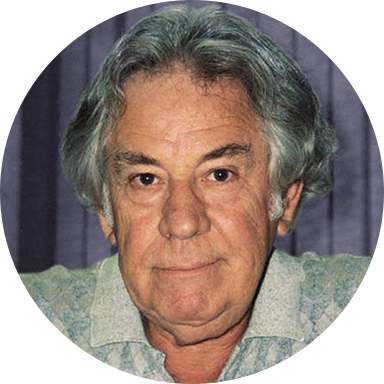
Dave Wolpe

Dave Wolpe built his career as an arranger starting in 1965, working steadily across multiple decades and ensembles. His work with the Glenn Miller Orchestra spans dozens of arrangements, and he co-arranged the platinum-certified album In the Christmas Mood. Beyond his work with the Miller organization, Wolpe has contributed arrangements to orchestras led by Ray Anthony, Lawrence Welk, and Les Brown, establishing himself as a trusted voice in big band and jazz orchestration.

Why we love this

Wolpe's arrangement respects the melodic beauty of the Rodgers and Hart standard while adding sophisticated jazz vocabulary and textural variety. The dedicated trumpet solo feature gives your lead player a genuine showcase moment, and the lush scoring around that solo keeps the ballad feeling intimate even at the ensemble level. For a Grade 3 chart, the voice leading and harmonic sophistication feel genuinely crafted, not simplified.

What to expect

This is unhurried and romantic, with the kind of orchestral warmth that makes a ballad breathe. The arrangement honors the song's theatrical heritage while grounding it in jazz language, creating a performance that feels both intimate and full.

Who it's for

Jazz ensembles at the intermediate level looking for a sophisticated ballad that doesn't require advanced harmonic reading or complex rhythmic figures. Directors who want to feature a strong trumpet player in a genuinely musical context will find this especially valuable.

How to get the most out of it

  • Balance the solo trumpet against the ensemble background during the feature section; the arrangement expects warmth from the sax section and rhythm, so ensemble players should listen actively to avoid overpowering the lead voice.
  • Shape the overall arc of the ballad by allowing the tempo to breathe slightly in measures where the harmony shifts or the texture thins; avoid rigidity that can flatten the emotional contour.
  • Work the rhythm section as a unit early in rehearsal to establish pocket feel in the slower tempo; even a Grade 3 jazz chart demands cohesion between drums, bass, and piano to support the soloist.

How to use it

Place this as a feature moment in a jazz concert, perhaps in the second half after more uptempo selections; it offers a genuine tonal shift that audiences appreciate. The piece also works well as a showcase for your jazz program's dynamic range if you're programming alongside swing charts and blues.

Skills your students will build

  • Ballad phrasing and the relationship between ensemble texture and solo line
  • Supporting a featured soloist through sensitive background playing
  • Reading jazz articulation and dynamic control at the Grade 3 level
  • Listening across the ensemble to maintain cohesion in slower tempos

You May Also Like
