My First Pop Songs, Book 1 Cover Image

My First Pop Songs, Book 1: Piano Book

$8.99 USD
Sale price  $8.99 USD Regular price 
Skip to product information
My First Pop Songs, Book 1 Cover Image

My First Pop Songs, Book 1: Piano Book

Eleven Favorite Pop Songs for the Beginning Pianist

Arr. Gayle Kowalchyk, E. L. Lancaster and Christine H. Barden

Level: Early Elementary

Item: 00-29214

$8.99
Shipped

One moment…

Description
Designed for those students who have had only a few weeks of study and consequently have limited skills in note-reading. Many of these pre-reading solos are in the Middle C Position with the melody divided between the hands. All of the pieces include a duet accompaniment part for parents or the teacher. Titles: Hooray for Hollywood * If I Only Had a Brain * Itsy Bitsy Teenie Weenie Yellow Polka Dot Bikini * (Meet) The Flintstones * Mickey Mouse March * Over the Rainbow * The Pink Panther * Puff (the Magic Dragon) * Star Wars (Main Title) * Supercalifragilisticexpialidocious * Winnie the Pooh.

My First Pop Songs, Book 1: Piano Book isn't in MakeMusic Cloud just yet...but it could be. Let us know you'd like to see it, and you'll help shape what comes next. In the meantime, start a free trial and dive into thousands of interactive titles your students can play along with today.

Sample Pages

Sample Audio
No sample audio found.
Sample Video
Additional Details
Series: My First...
Publisher: Alfred Music
Page Count: 24
ISBN10: 0-7390-5101-6
ISBN13: 978-0-7390-5101-6
UPC: 038081323053
SKU: 00-29214

More about this title

About the Arranger: Christine H. Barden
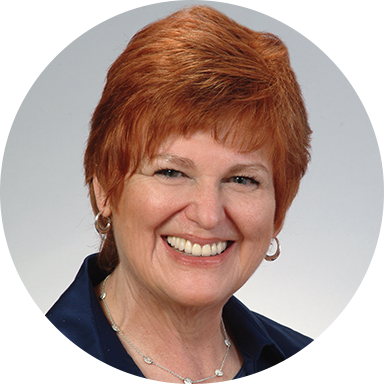
Christine H. Barden

Christine H. Barden has shaped early piano pedagogy as a co-creator of Alfred's Music for Little Mozarts, the preschool piano method widely used in studios across the country. Her training runs deep: a piano performance graduate from San Francisco State University who studied under Vladimir Brenner (pianist for the NBC Symphony Orchestra), she spent four years in Europe developing her craft and later became one of the first American teachers to train with Yamaha Music Foundation instructors in Japan.

Barden's work with Yamaha extended across 17 years as a national staff member, where she directed curriculum development and served as National Chief Instructor for the Yamaha Music Education System. Today she maintains an independent studio in Reno, Nevada, teaching piano and composition to students at all levels while continuing to lead Music for Little Mozarts classes. Her clinician presentations have taken her to professional conferences throughout the United States, England, Norway, and Singapore, and her original compositions (including the NFMC Junior Festival selection "Etude Toccata") remain fixtures in early elementary repertoire.

Why we love this

These arrangements meet brand-new pianists where they actually are: reading is minimal, the Middle C Position keeps hand movement predictable, and the melody splits naturally between both hands so neither feels abandoned. The duet accompaniment transforms what could feel like a lonely first solo experience into a genuine musical conversation, which keeps young students engaged and builds their confidence faster than playing alone ever could.

What to expect

There's genuine delight in these arrangements. They capture the playfulness and charm of songs students already love (from Hollywood standards to cartoons to modern classics), but presented in a way that feels achievable rather than intimidating. The melodies are bright and singable; the accompaniments are supportive and musical, never burdensome.

Who it's for

This collection belongs in the hands of teachers and parents working with pianists in their first few weeks of lessons. The limited note-reading demand and Middle C Position focus mean students can begin making real music before their reading skills are solid, which matters enormously for motivation and retention at this tender stage.

How to get the most out of it

  • Play the duet part expressively yourself. Your interpretation of the accompaniment sets the emotional tone and gives your student a musical context to respond to, turning the experience into real ensemble playing.
  • Keep the tempo steady and unhurried during early rehearsals. Once your student feels secure with note placement and hand position, the music naturally opens up.
  • Balance the volume so the melody sings clearly above the accompaniment. This helps reinforce which notes matter most and builds the student's sense of musical shape.
  • Celebrate the recognition. These are beloved songs students hear everywhere. Let them enjoy the joy of playing something they already know.

How to use it

Use this book as a bridge between lesson material and performance readiness. A student working through these pieces is building confidence and independence while still requiring close teacher guidance, making them ideal for student recitals or informal studio play-throughs. They also work beautifully as pieces to send home for family sharing, where parents can take the duet part and reinforce the joy of music-making outside the lesson.

Skills your students will build

  • Reading notes in Middle C Position
  • Hand independence (melody divided between right and left hands)
  • Steady tempo maintenance in ensemble context
  • Responding to a musical partner
  • Phrase awareness and musical line shaping
  • Confidence in early performance settings

You May Also Like