Musical Scenes, Book 3 Cover Image

Musical Scenes, Book 3: Piano Book

$6.99 USD
Sale price  $6.99 USD Regular price 
Skip to product information
Musical Scenes, Book 3 Cover Image

Musical Scenes, Book 3: Piano Book

8 Intermediate to Late Intermediate Character Pieces for Piano Solo

By Joyce Grill

Level: Intermediate / Late Intermediate

Item: 00-42652

$6.99
Shipped

One moment…

Description
These diverse and entertaining solos are "character pieces" that create a mental picture of a particular scene or episode. Students will find it easy to relate to the "picture title" of each solo in order to determine its mood, style, and tempo. By interjecting their own musical ideas (such as dynamics, lyrics, rubato, etc.), students will enjoy using their imagination to help make each scene or episode even more colorful and descriptive. These pieces will inspire students to become more thoughtful and expressive musicians. Titles: Learning to Waltz * Melancholy * Reflections * Skeletons' Ball * Soaring * Sometimes at Night * Storm * Wondering.

Musical Scenes, Book 3: Piano Book isn't in MakeMusic Cloud just yet...but it could be. Let us know you'd like to see it, and you'll help shape what comes next. In the meantime, start a free trial and dive into thousands of interactive titles your students can play along with today.

Sample Pages

Sample Audio
No sample audio found.
Sample Video
Additional Details
Series: Musical Scenes
Publisher: Alfred Music
Page Count: 24
ISBN10: 1-4706-1465-0
ISBN13: 978-1-4706-1465-2
UPC: 038081480428
SKU: 00-42652

More about this title

About the Composer: Joyce Grill
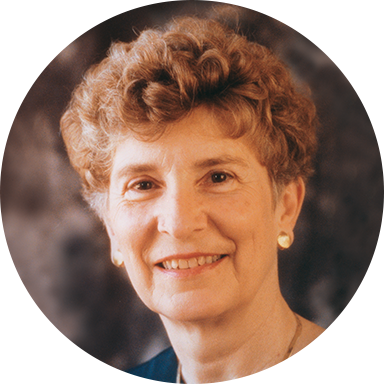
Joyce Grill

Joyce Grill has spent decades shaping piano pedagogy through both direct instruction and professional leadership. A retired faculty member from the University of Wisconsin-La Crosse, she holds the MTNA Master Teacher Certificate and earned degrees from the University of Wisconsin-Madison, supplemented by advanced study in theory and composition with Nadia Boulanger at the School of Fine Arts in Fontainebleau, France. She also studied piano with Robert and Jean Casadesus during her time abroad.

Grill's influence extends far beyond her own studio. She has served as Wisconsin State President and Division Vice-President of MTNA, founded the La Crosse Area Music Teachers Association, and was named a MTNA Foundation Fellow in 2006. She leads workshops nationwide and frequently conducts multi-piano concerts. Her ensemble writing is particularly well-regarded, and several of her most popular titles, originally published by Warner Bros. Publications, are now distributed through Alfred Music Publishing.

Why we love this

Grill's gift here is making expressive playing feel natural rather than forced. Each title functions as a creative prompt, giving students a concrete emotional anchor before they sit down at the piano; they're not just reading notes on a page, they're interpreting a scene. The collection strikes an excellent balance between accessibility and genuine musicality, offering intermediate pianists real opportunities to explore dynamics, rubato, and character without overwhelming technical demands.

What to expect

Opening this book is like stepping into eight distinct musical snapshots. One moment you're waltzing, the next you're caught in a storm or peering out at the night sky. Each piece carries its own emotional atmosphere while remaining grounded in pianistic clarity and accessibility. Students discover that playing expressively doesn't require virtuosity; it requires imagination.

Who it's for

Intermediate to late intermediate piano students ready to move beyond technique-driven repertoire and explore expressive interpretation. These pieces work equally well in the private studio and in recital contexts, offering young pianists a chance to develop their own musical voice within a carefully structured framework.

How to get the most out of it

  • Let the title guide your interpretive choices before you focus on notes. What colors and textures does "Melancholy" or "Soaring" suggest to you? Build your sound concept from that image.
  • Experiment with tempo flexibility within each piece. Rubato becomes a storytelling tool in character pieces; a slight push forward during "Skeletons' Ball" or a hesitation in "Sometimes at Night" deepens the narrative.
  • Add your own dynamic shaping where the score invites it. Grill leaves intentional space for your musical ideas to emerge; resist playing the piece exactly as printed if your interpretation suggests something richer.
  • Shape each phrase as though you're painting rather than stating. These pieces reward careful attention to voice leading and subtle tonal balance, especially in the more introspective titles like "Reflections" and "Wondering."

How to use it

These character pieces work beautifully in student recitals, where each title prepares the audience (and the performer) for what's coming. Consider clustering several titles in a single concert program to showcase a pianist's range and interpretive growth, or space them throughout the year as students progress through the book. They're also engaging repertoire for exploratory practice sessions when a student needs to play something that rewards careful listening and personal musical input.

Skills your students will build

  • Interpreting programmatic content (translating scene titles into musical expression)
  • Adding expressive elements independently (dynamics, rubato, tone color choices)
  • Developing musical imagination within a structured piece
  • Creating mood through tempo flexibility and phrasing choices
  • Building confidence as an interpreter rather than just a note-reader

You May Also Like