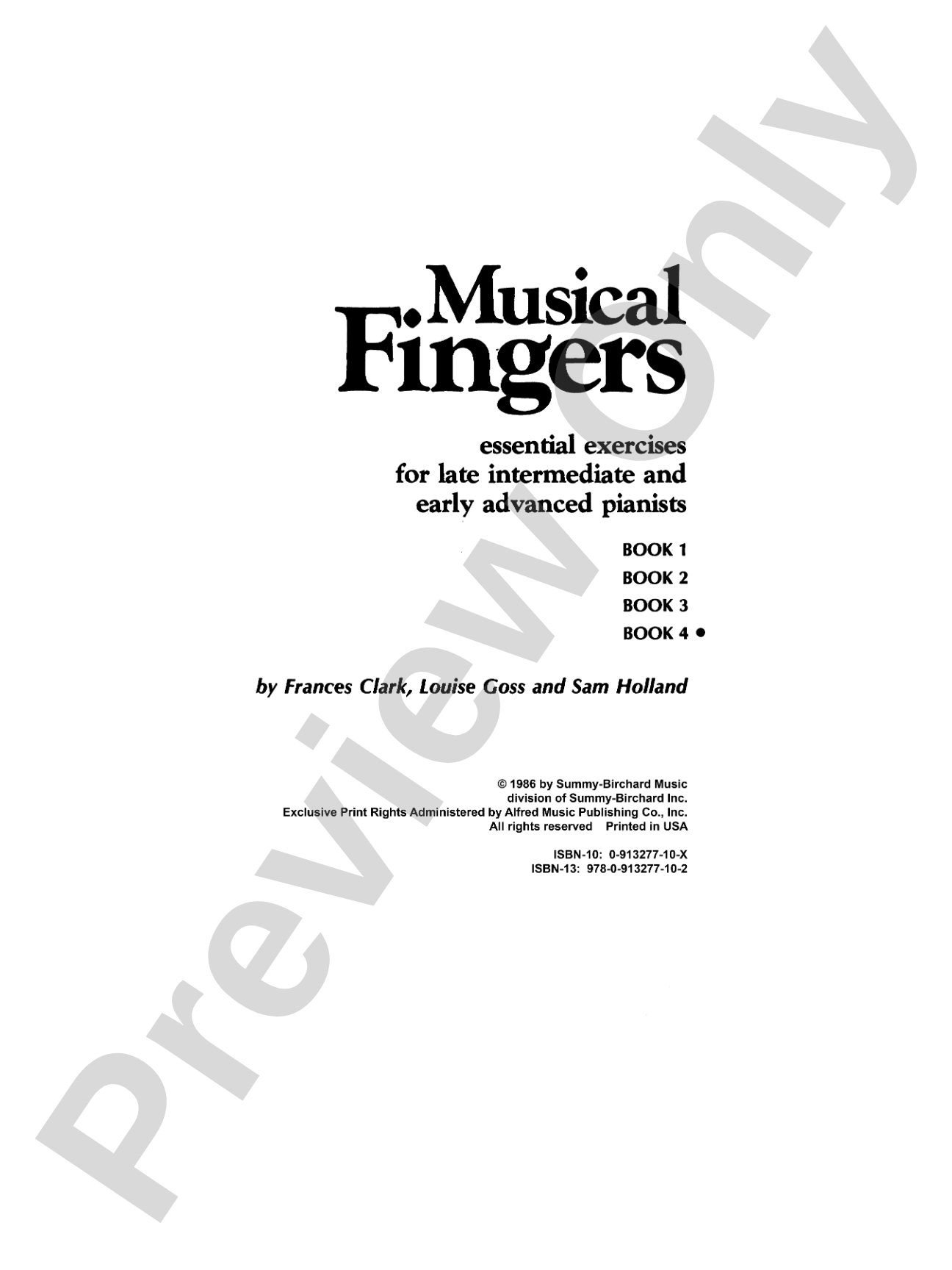
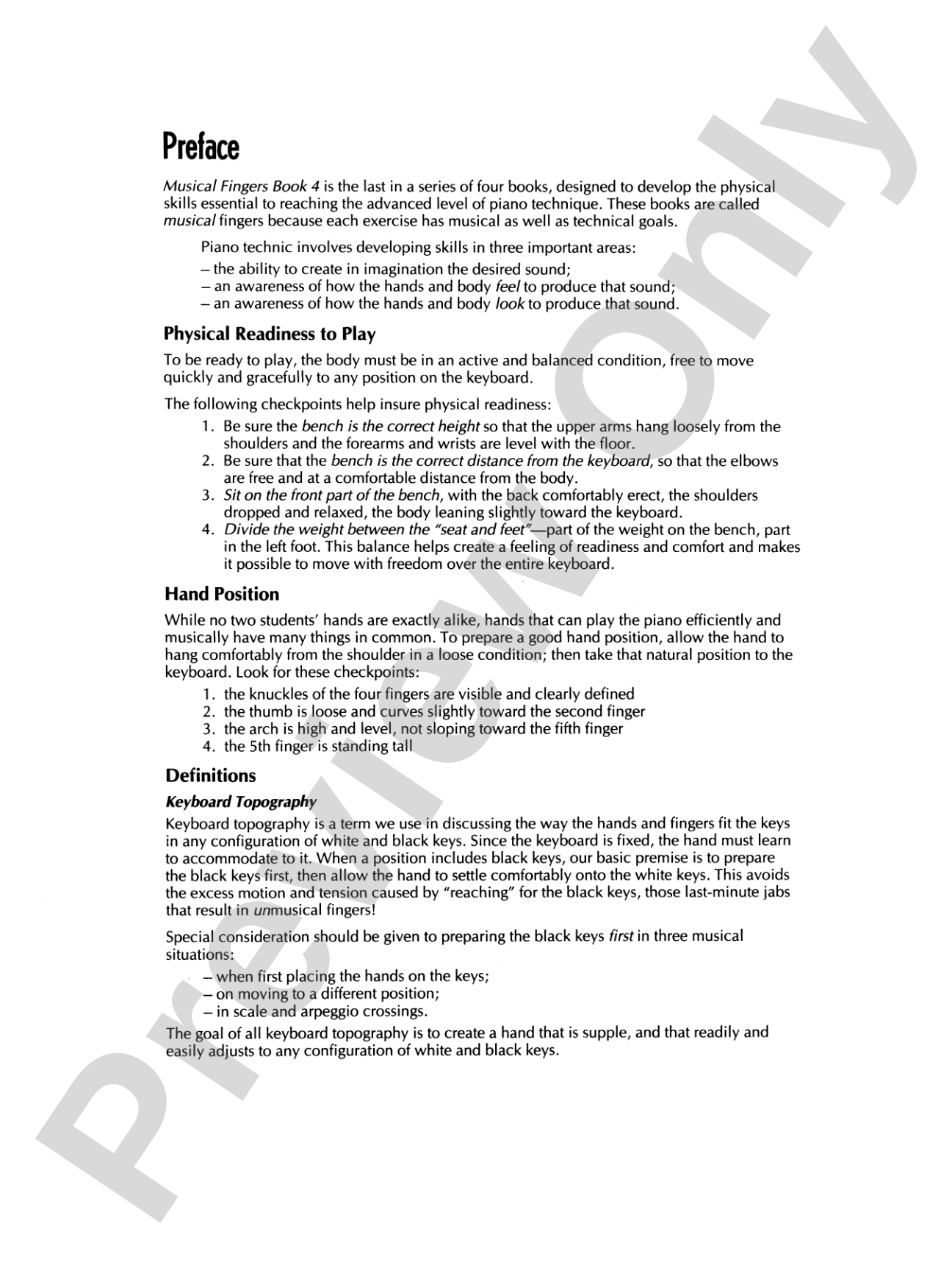
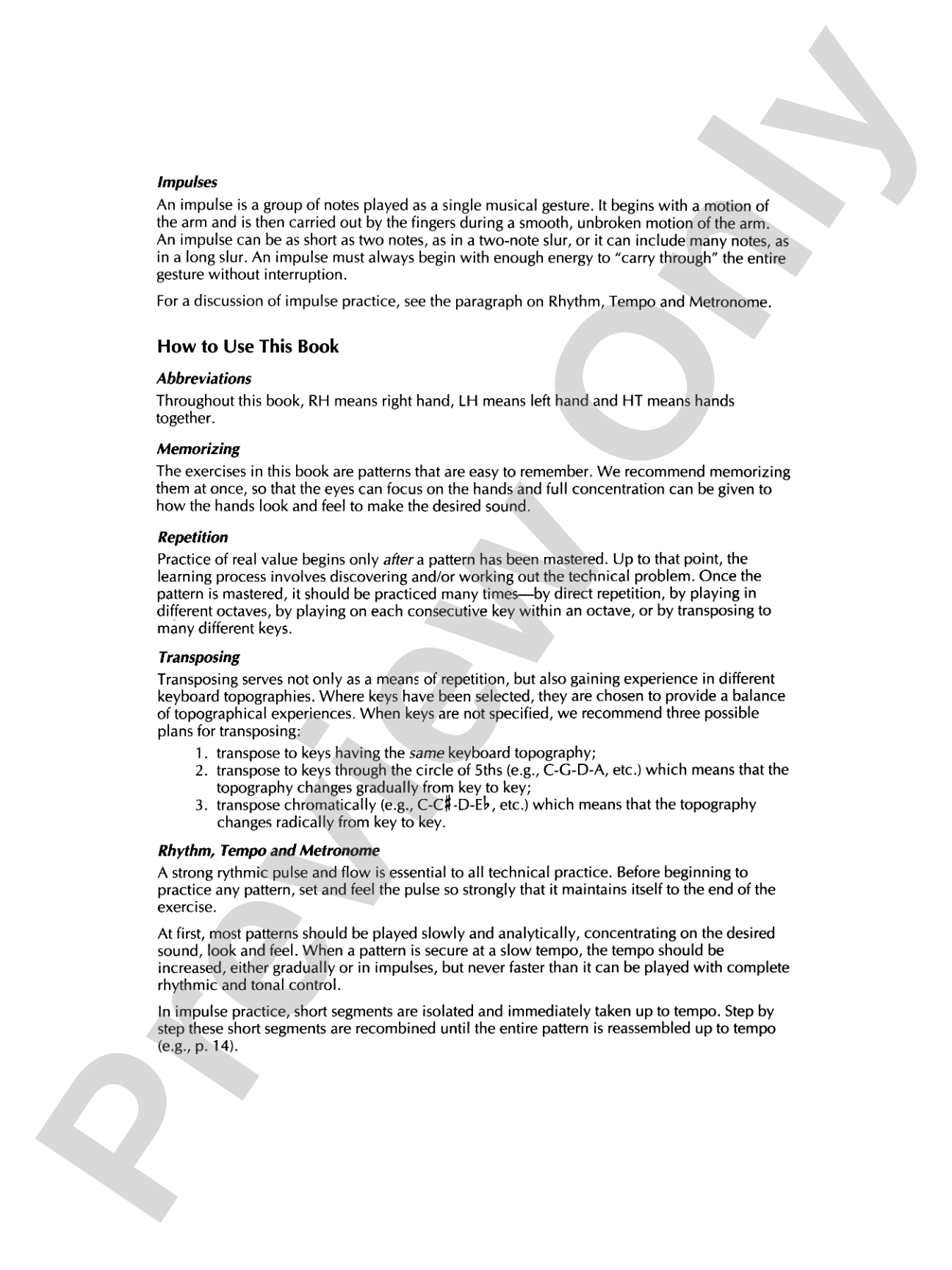
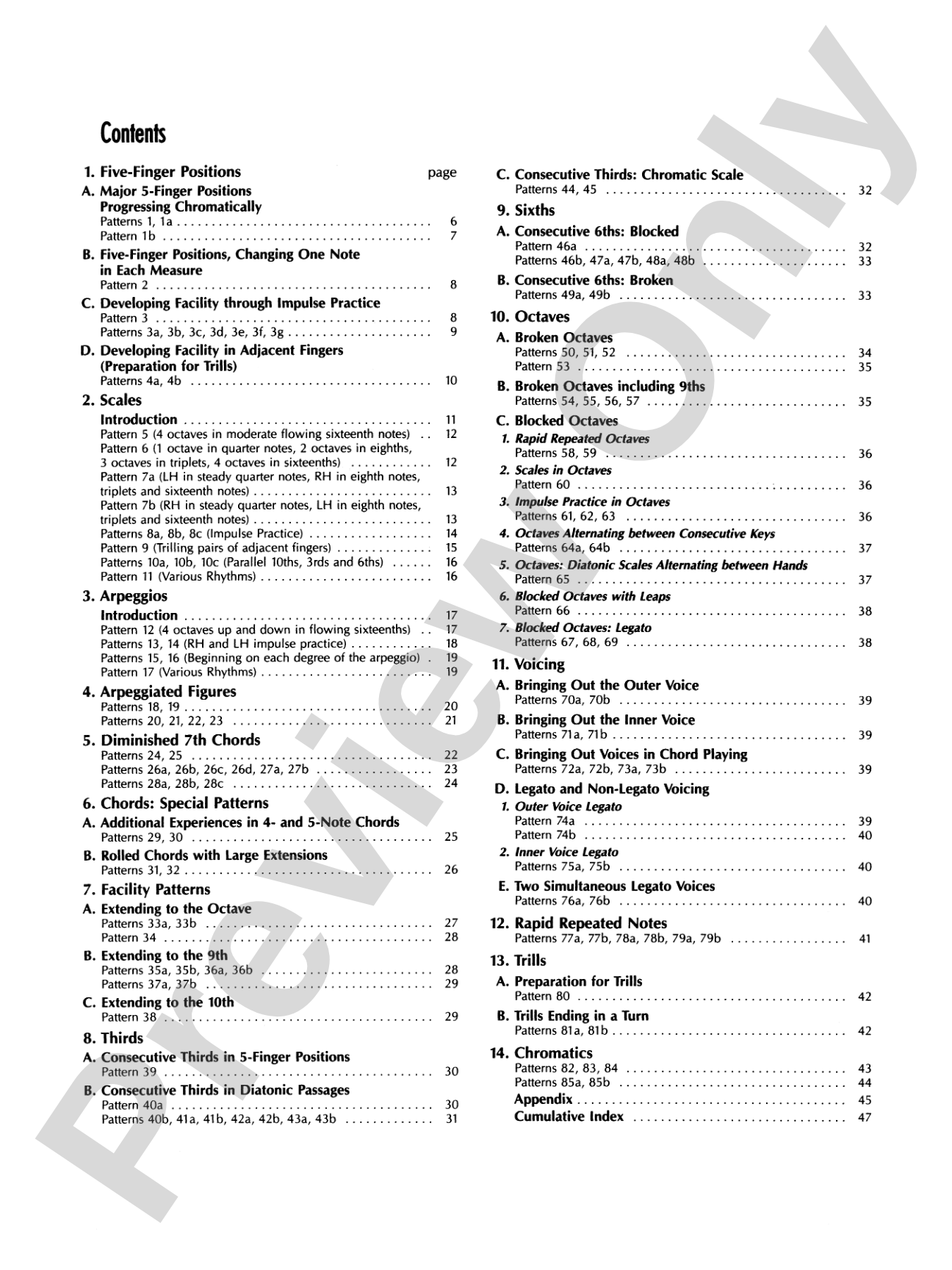
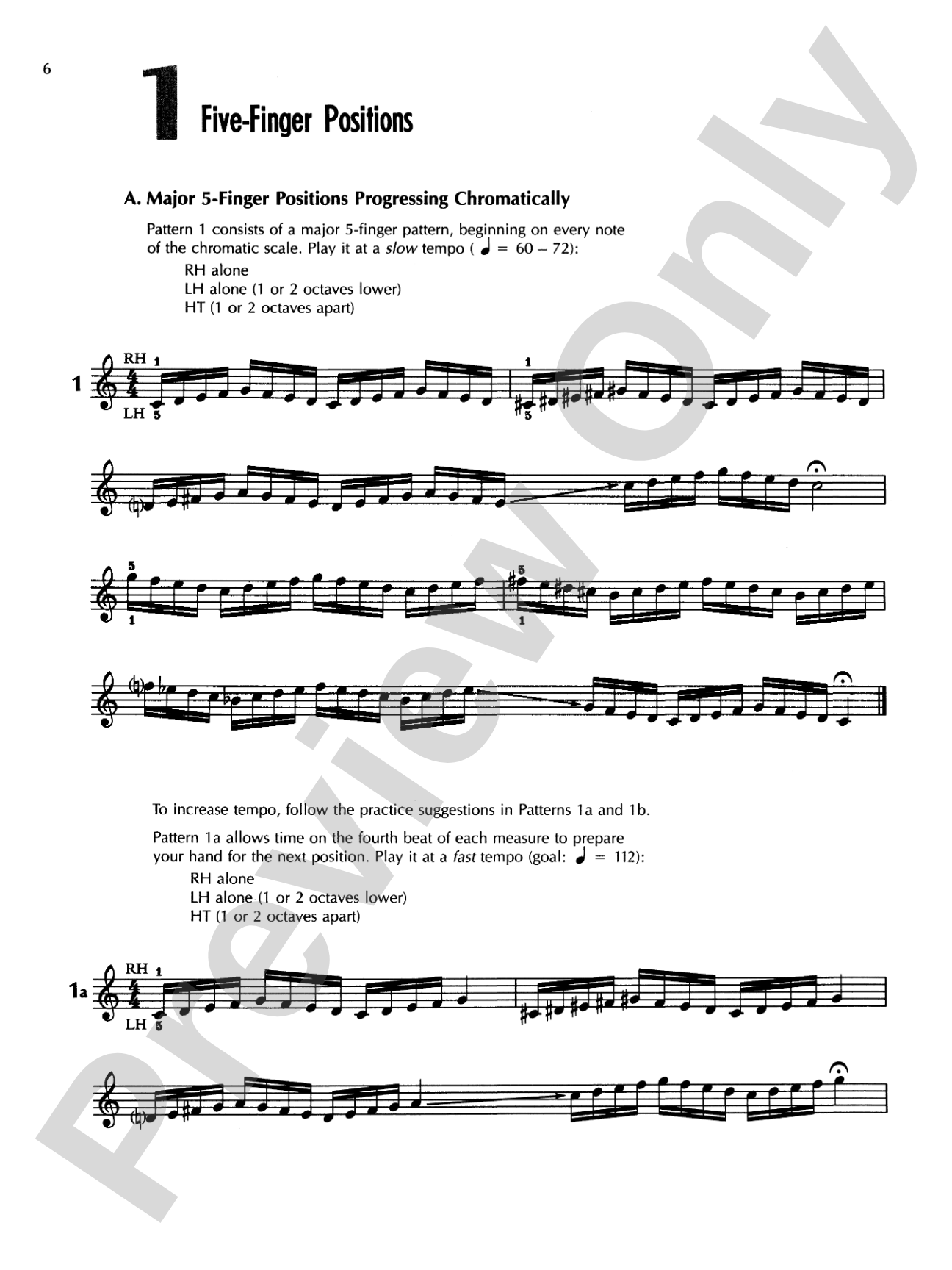
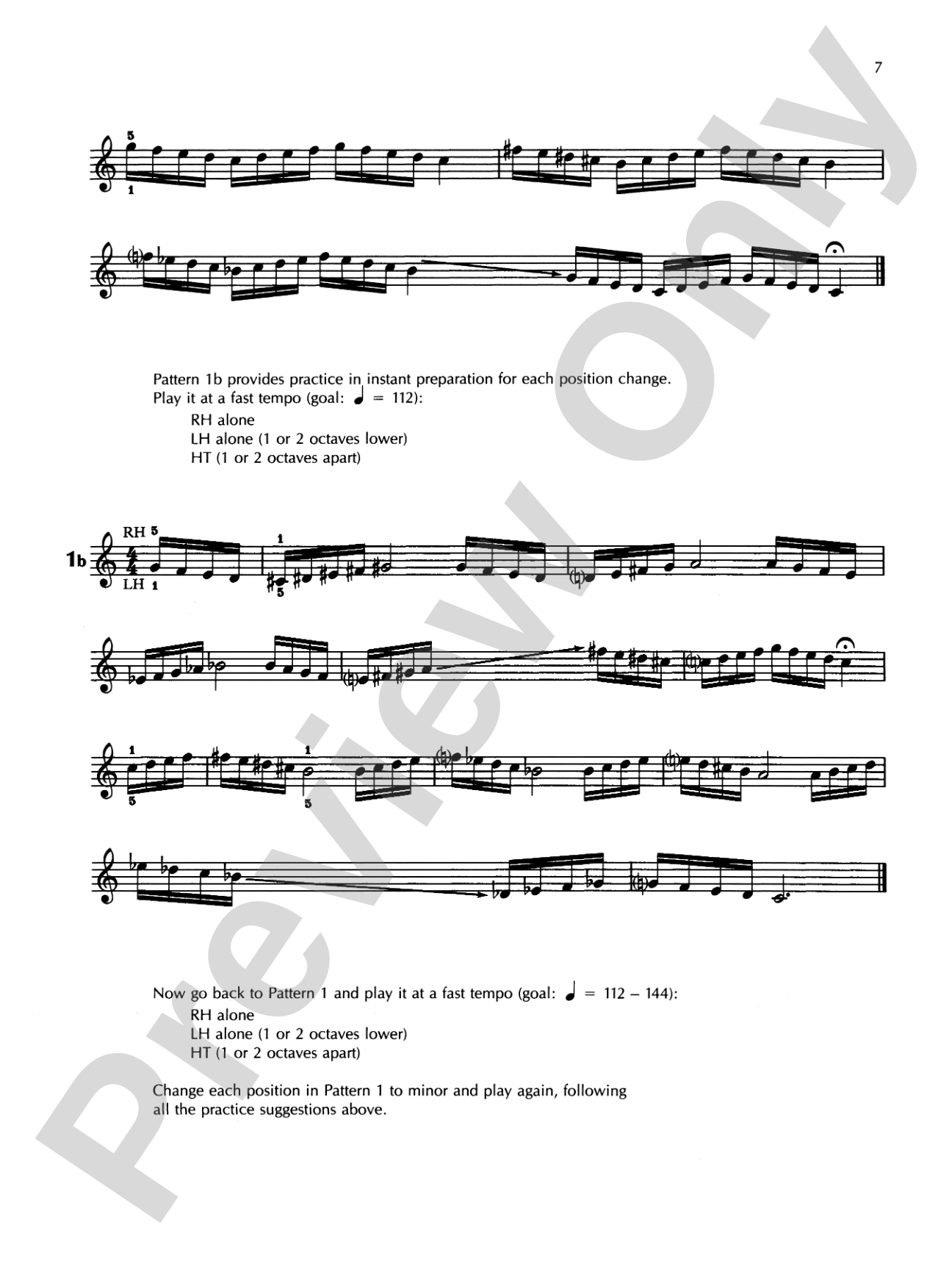
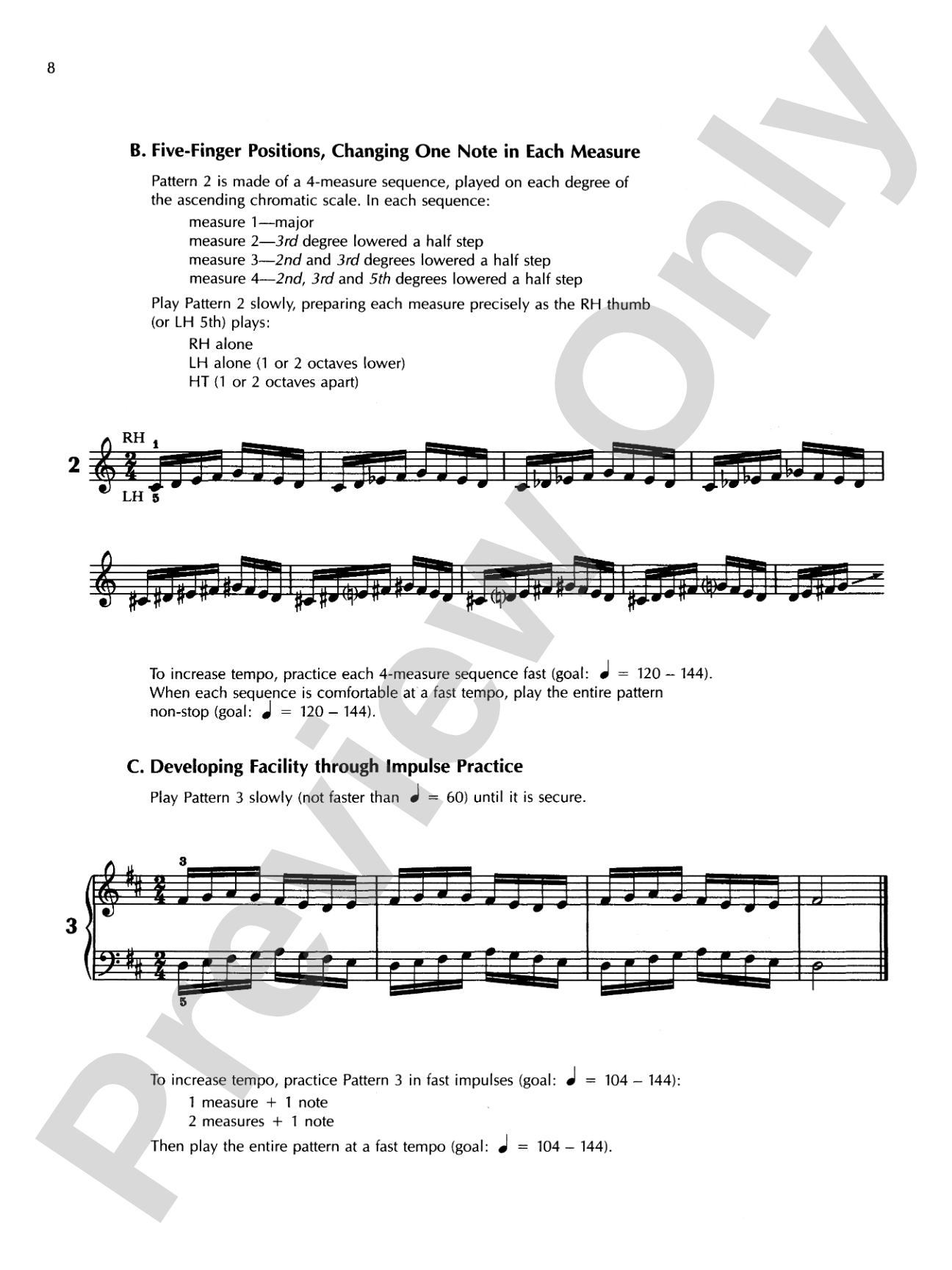
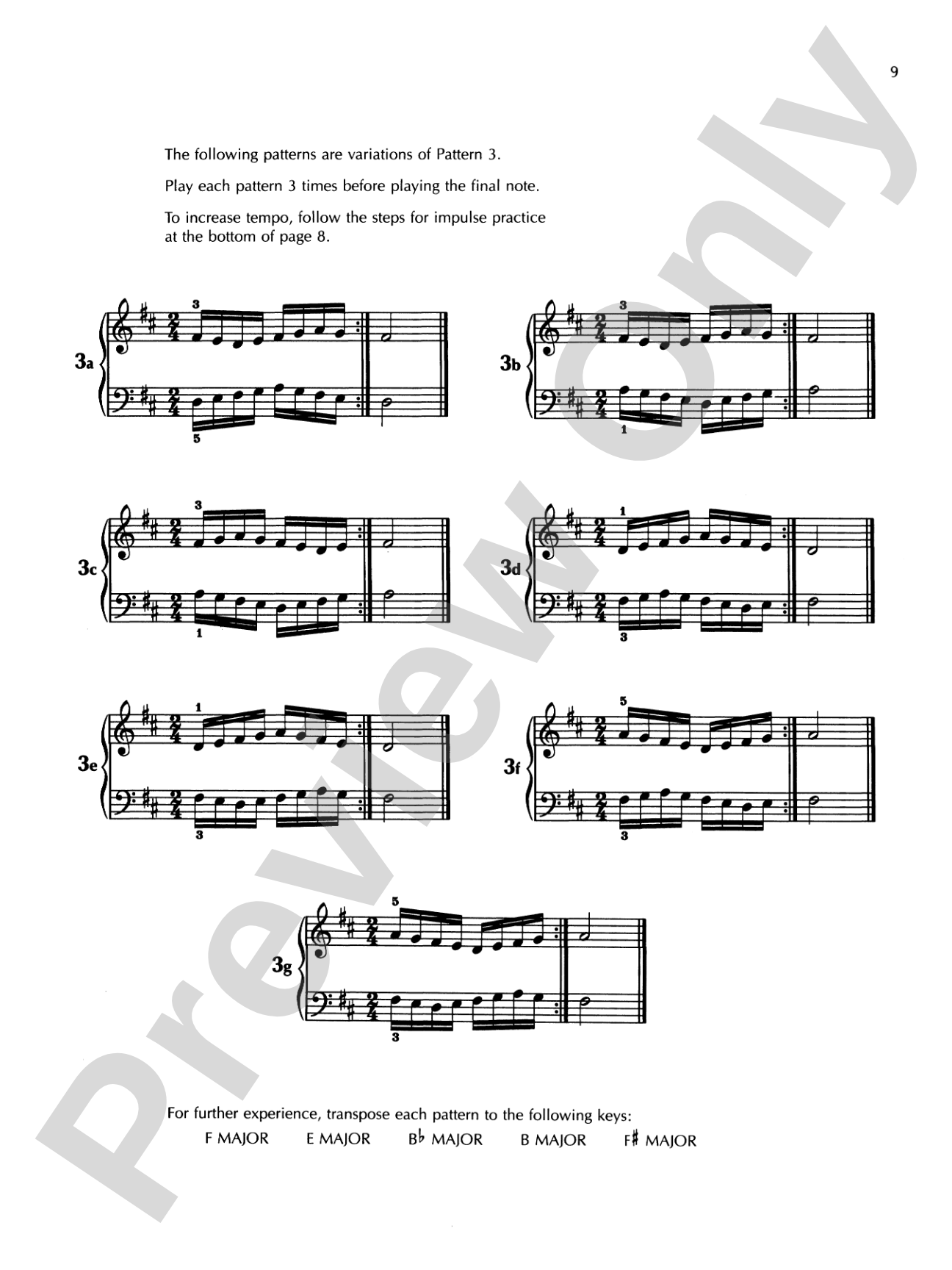
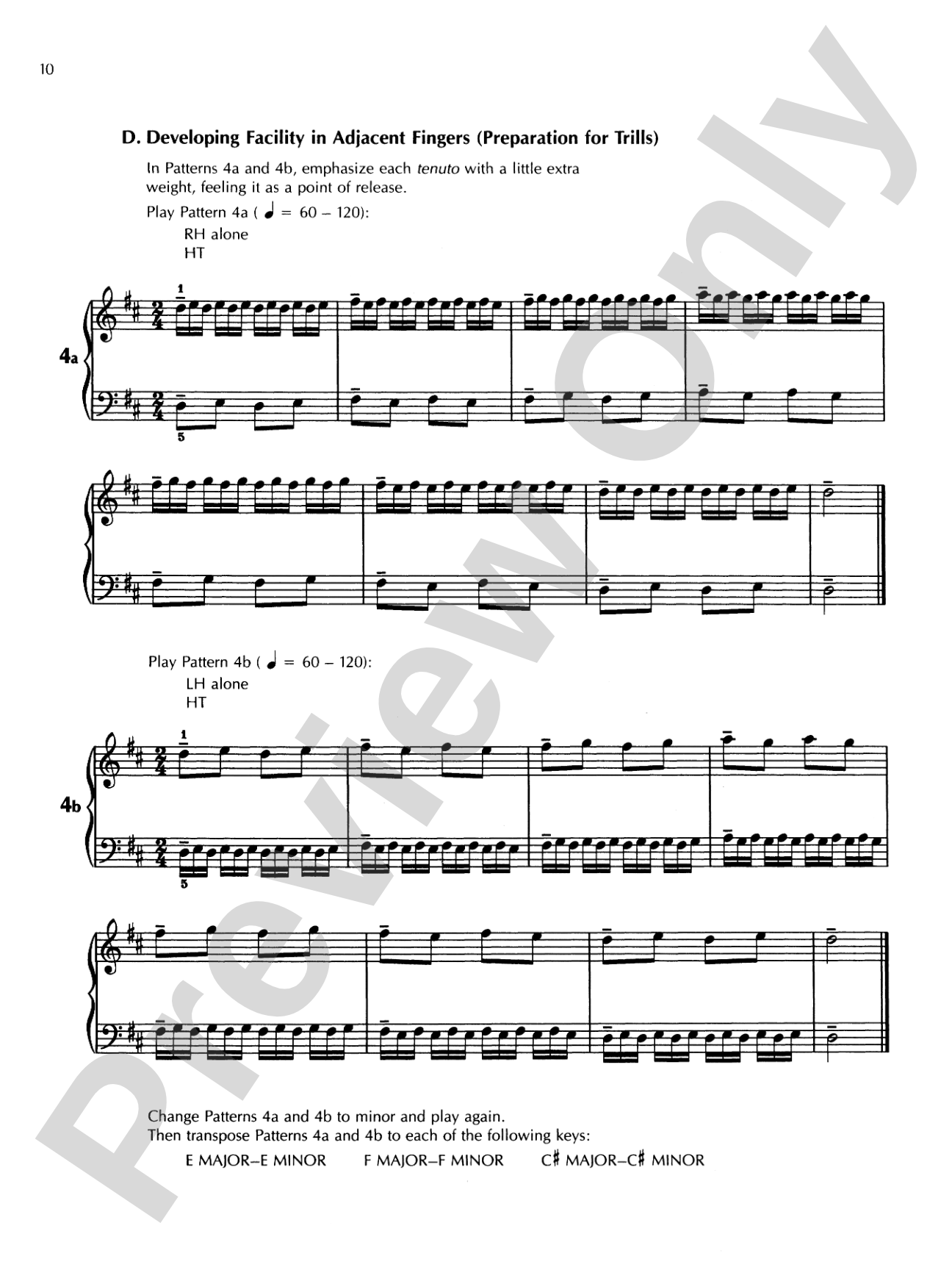
An invaluable compendium of pre-college technique for students of late elementary through early advanced levels. The four volumes are designed to benefit any student in the mastery of crucial elements of technique, to learn to play well both technically and musically, and to think and listen from the twin standpoints of facility and tone production. Teaching Musical Fingers -- A Handbook for Teachers, stresses points to consider in teaching the exercises, as well as musical and technical attitudes to foster and develop.
Discover MakeMusic Cloud: thousands of interactive titles your students can play along with today.
Frances Clark fundamentally shaped how American piano teachers approach technique and musicality. Her pedagogical philosophy rejected the notion that exercises and artistry exist separately; instead, she insisted that every scale, arpeggio, and finger study develop both facility and listening skills. Clark's influence extends across generations of piano students through her carefully scaffolded series, which remain standard in pre-college studios and conservatory preparation programs.
Why we love this
Book 4 captures that crucial moment when students possess enough technical foundation to handle genuine musical demands but still benefit from targeted, purposeful work. The coordination between Clark's systematic approach and her insistence on tone production means students never feel they're grinding through abstract finger patterns; instead, they're building the specific capacities needed for the repertoire waiting at this level.
What to expect
Purposeful and rewarding. These exercises avoid the sense of mechanical repetition; instead, each one addresses a genuine technical problem and offers immediate musical payoff when you apply it to repertoire. Working through Book 4 feels like receiving a master class in efficiency, as you discover that careful, intelligent practice transforms not just your finger facility but your entire relationship with the keyboard.
Who it's for
Late-intermediate and early-advanced pianists preparing for the technical demands of standard repertoire at this level. Private studio teachers will find Book 4 essential for students navigating the jump from early-intermediate work, offering concentrated study of the specific skills that allow pieces to sound polished rather than labored.
How to get the most out of it
Record yourself practicing the same exercise over several days. Listen not just for accuracy but for consistency in tone quality across all dynamics and registers.
Isolate sections that expose technical weakness (hand position shifts, scale passages, rapid chord changes) and work these at a tempo slow enough that you hear every note clearly before gradually increasing speed.
Pair exercises with corresponding passages from pieces you're learning. When you encounter a tricky arpeggio in Chopin, return to the relevant exercise and apply its solutions directly to the repertoire.
Pay attention to the touch and arm weight suggestions throughout the book. These aren't cosmetic details; they're central to developing efficient, injury-resistant technique.
How to use it
Assign Book 4 as core technical work for students preparing for auditions, competitions, or the jump to conservatory-level courses. The 48-page collection works perfectly alongside a standard lesson rotation, with students selecting 2-3 exercises weekly that address the technical hurdles in their current repertoire assignments.
Skills your students will build
Coordinated hand position and weight transfer across various registers
Scale and arpeggio fluency at increased tempos with consistent tone production
Rapid finger independence in mixed rhythmic patterns
Chord voicing and quick position shifts
Left-hand dexterity in Alberti and broken-chord figures
Conscious listening and self-correction while executing technical passages
You May Also Like
Scan to Complete Your Purchase
Use your phone's camera to scan the code below
You'll log in on your phone and the order will be added to your account