Music for Multi-Percussion: A World View Cover Image

Music for Multi-Percussion: A World View: Part(s)

$8.95 USD
Sale price  $8.95 USD Regular price 
Skip to product information
Music for Multi-Percussion: A World View Cover Image

Music for Multi-Percussion: A World View: Part(s)

By James Campbell and Julie Hill

Item: 00-31393

$8.95
Shipped

One moment…

Description
Music for Multi-Percussion: A World View is designed as a progression of complex skills required to play multi-percussion. Ten percussion solos and two duets are presented with the intention of being performed in recitals, auditions, studio classes and contests.

The collection of solos and duets is organized into four categories which focus on specific skill sets:

Category 1: Single instruments (or instrument set)
Category 2: Changing implements on a single instrument (or instrument set)
Category 3: Multiple instruments and implements
Category 4: Three- and four-way coordination

Music for Multi-Percussion: A World View: Part(s) isn't in MakeMusic Cloud just yet...but it could be. Let us know you'd like to see it, and you'll help shape what comes next. In the meantime, start a free trial and dive into thousands of interactive titles your students can play along with today.

Sample Pages

No sample pages found.

Sample Audio
No sample audio found.
Sample Video
Additional Details
Publisher: Alfred Music
Page Count: 36
ISBN10: 0-7390-5581-X
ISBN13: 978-0-7390-5581-6
UPC: 038081335483
SKU: 00-31393

More about this title

About the Composer: James Campbell
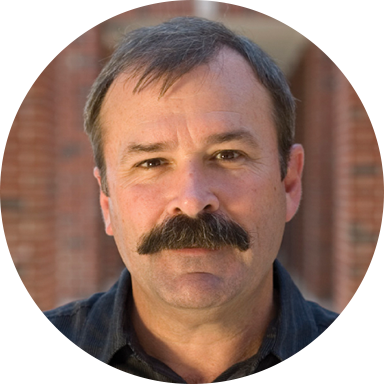
James Campbell

James Campbell stands as a central figure in contemporary percussion education and composition. His career spans performance at the highest levels (Principal Percussionist with the Lexington Philharmonic, drummer with the Kentucky Jazz Repertory Orchestra), teaching (Director of Percussion Studies at the University of Kentucky), and significant contributions to marching arts as principal instructor and Program Coordinator for the Rosemont Cavaliers. His work has been published across major houses including Hal Leonard, Alfred, and C.L. Barnhouse, and he serves as Percussion Team Author for the Expressions Music Curriculum.

Beyond the concert hall, Campbell has shaped percussion pedagogy through clinics at international conferences, the Percussive Arts Society, and partnerships with leading instrument manufacturers including Yamaha, Zildjian, and Innovative Percussion. His dual expertise in concert and marching percussion, combined with decades of teaching experience, makes his approach to multi-percussion literature both technically rigorous and pedagogically sound.

Why we love this

This collection respects the learning process. Rather than presenting an arbitrary assortment of multi-percussion solos, Campbell and Hill organize the ten solos and two duets into a clear pedagogical progression that mirrors how coordinators actually develop as players: starting with single-instrument focus, moving through implement changes, adding multiple instruments, and finally building the physical and mental demands of three- and four-way coordination. Directors and studio teachers can assign pieces strategically and watch students gain genuine command of the multi-percussion setup.

What to expect

These pieces balance musical intention with technical clarity. You are not fighting through poorly conceived writing to find musicality; instead, each solo and duet allows you to focus on the specific coordination challenge at hand while maintaining phrase shape and expressive control.

Who it's for

Percussion students preparing for recitals, auditions, studio classes, and contests will find solos matched to their developing technical range. The duets also serve ensemble classes and studio partnerships where two percussionists can work together on coordinated playing.

How to get the most out of it

  • Set up your instruments and mallets before rehearsal begins so you can focus entirely on the musical elements rather than logistics during practice time.
  • Record yourself working through each piece at practice tempo, then listen back to identify coordination breaks or uneven transitions between instruments.
  • When moving between implements on the same instrument, practice the hand motion without sound first; muscle memory for the motion prevents timing delays when you add tone.
  • Study each piece's technical demands in isolation before putting the full arrangement together; knowing what coordination challenge each section asks for helps you allocate practice time wisely.

How to use it

Program individual solos across a recital season, selecting from each category as your students progress through the year. The duets work well for studio class performances or as companion pieces alongside solo work, allowing peers to perform together and learn from each other's approaches.

Skills your students will build

  • Single-instrument technique and tone production (Category 1)
  • Implement changes on one instrument while maintaining consistent sound and tempo (Category 2)
  • Smooth transitions between multiple percussion instruments without losing musical line (Category 3)
  • Three- and four-way coordination between hands and feet across different drum and percussion setups (Category 4)
  • Recital and audition readiness through focused, performable repertoire

You May Also Like