
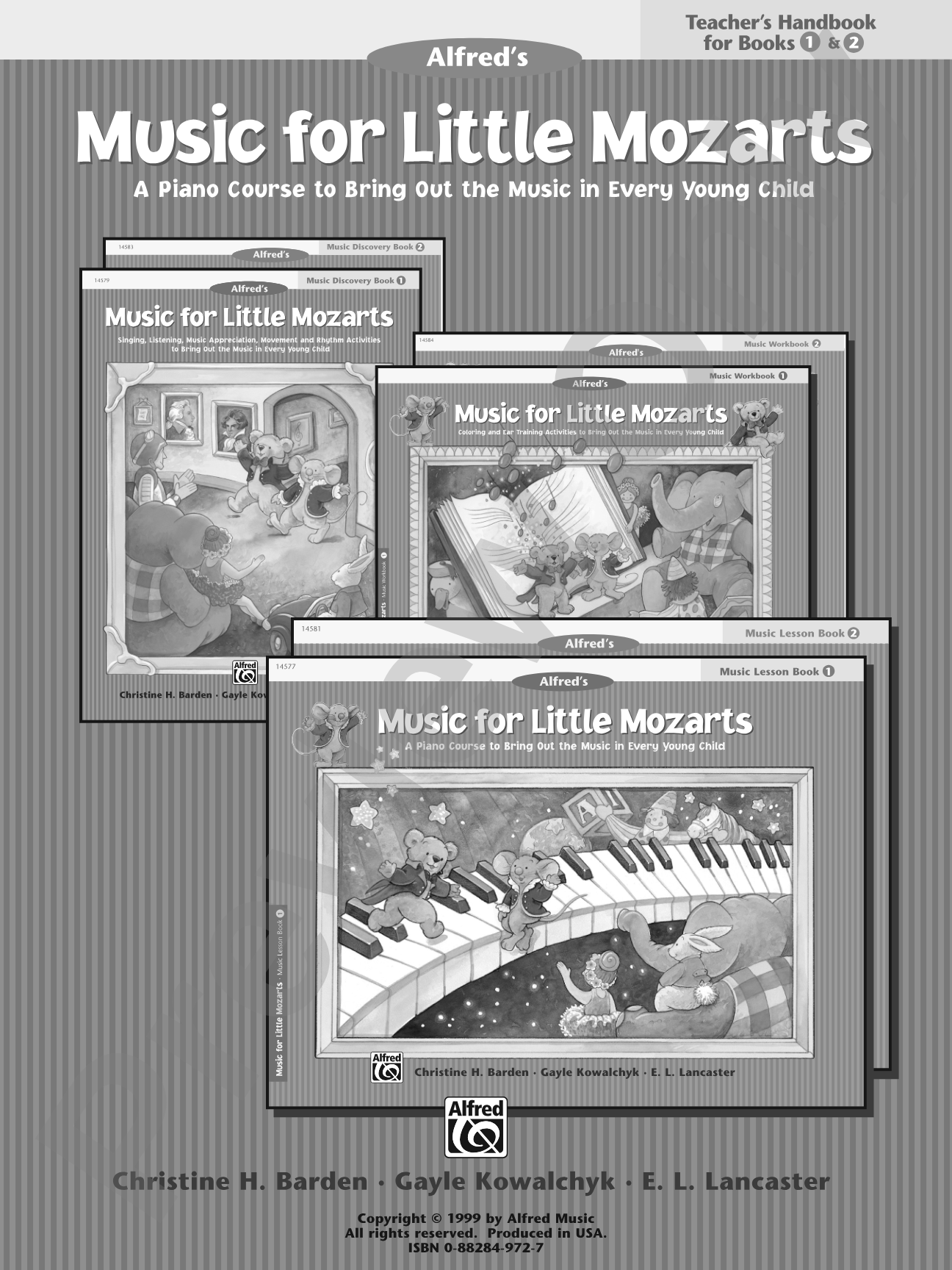
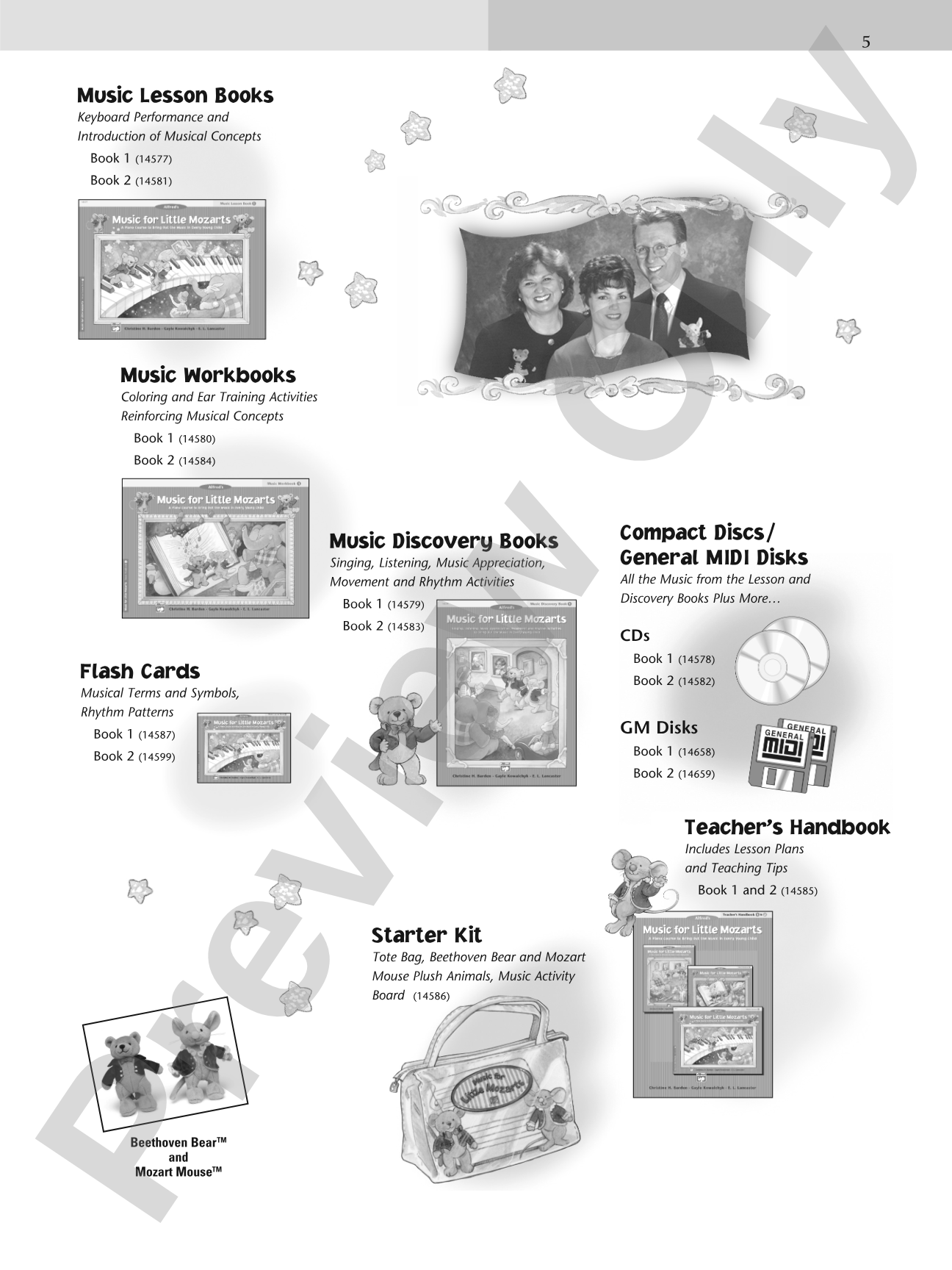
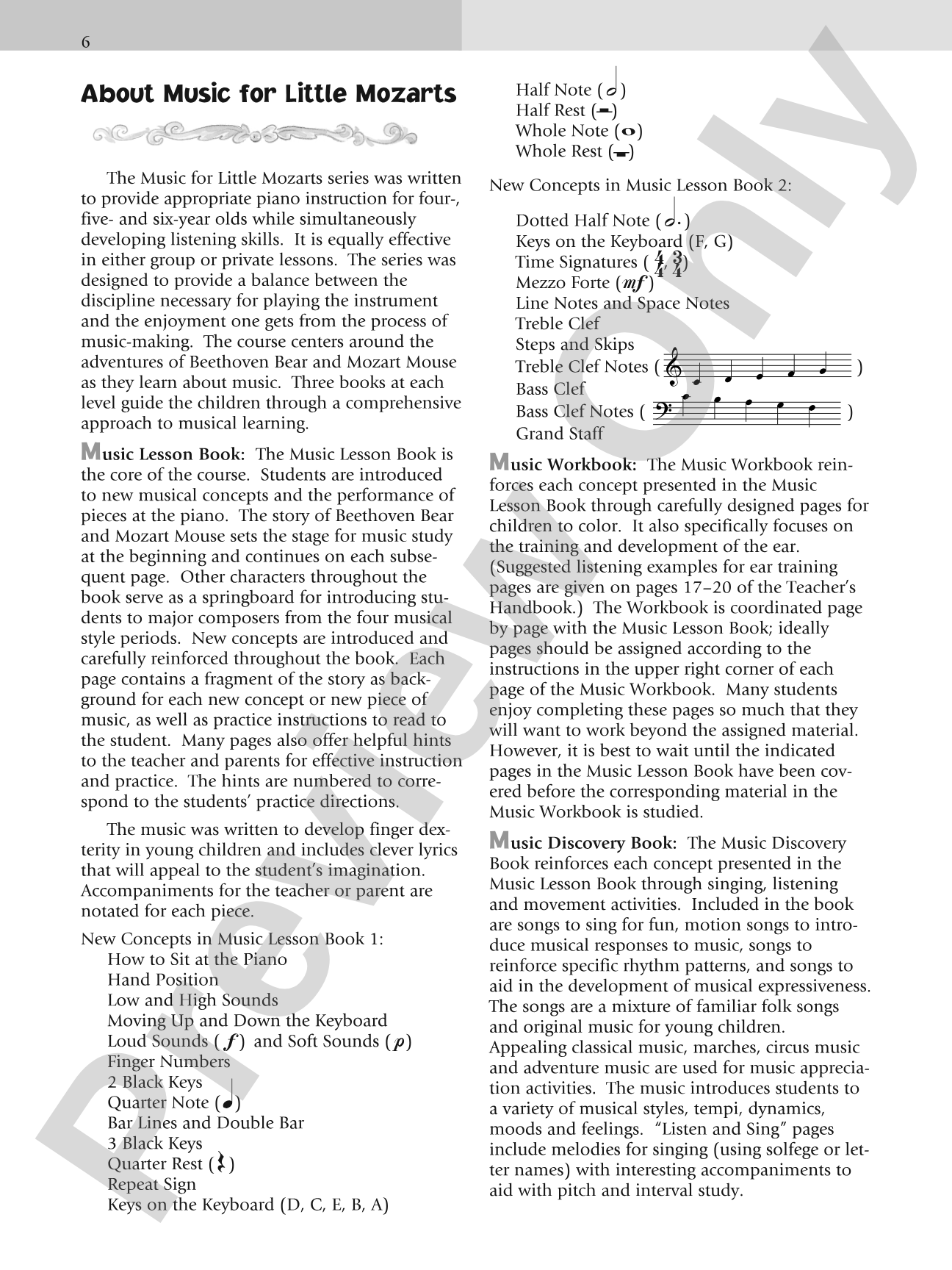
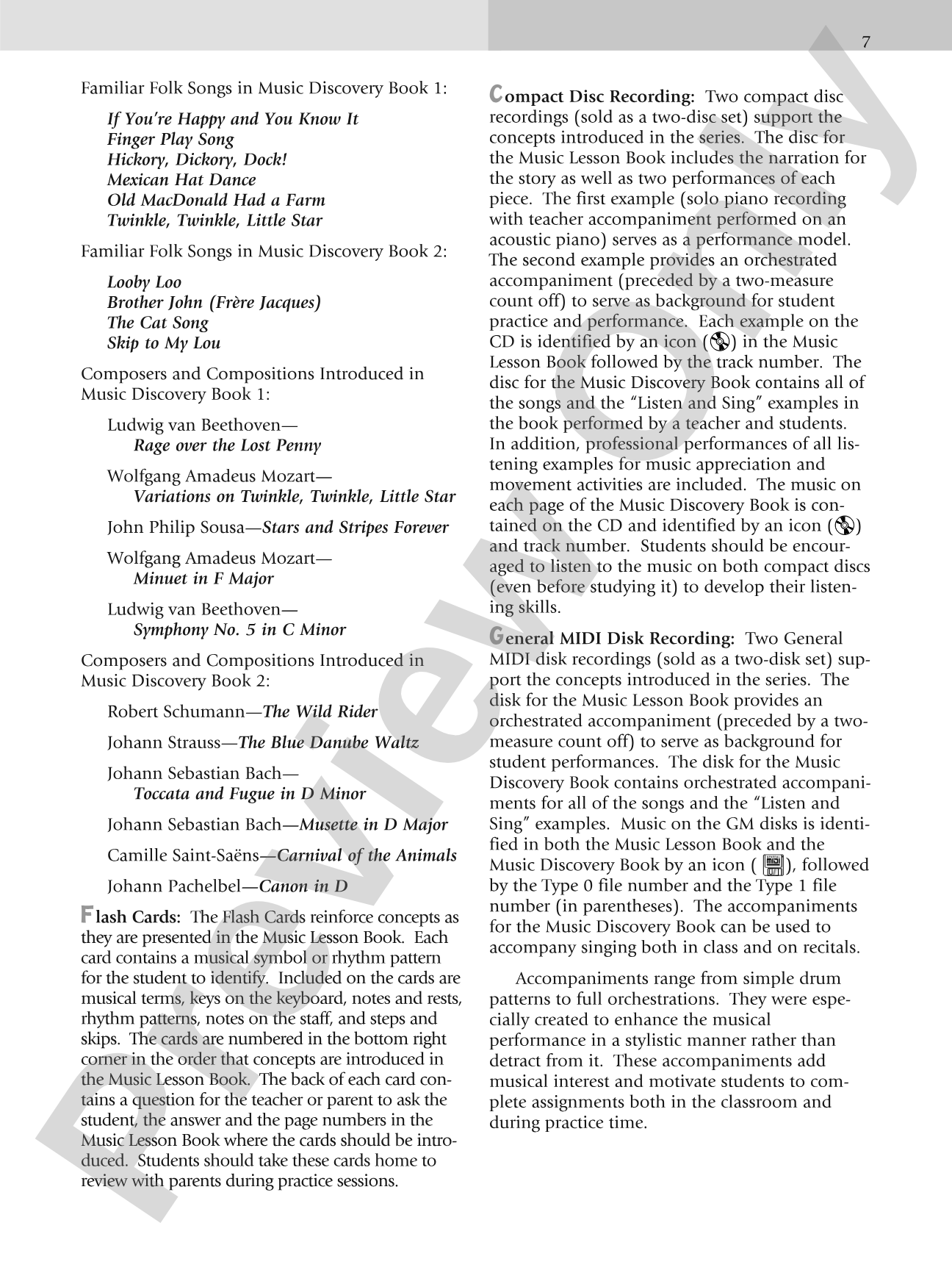
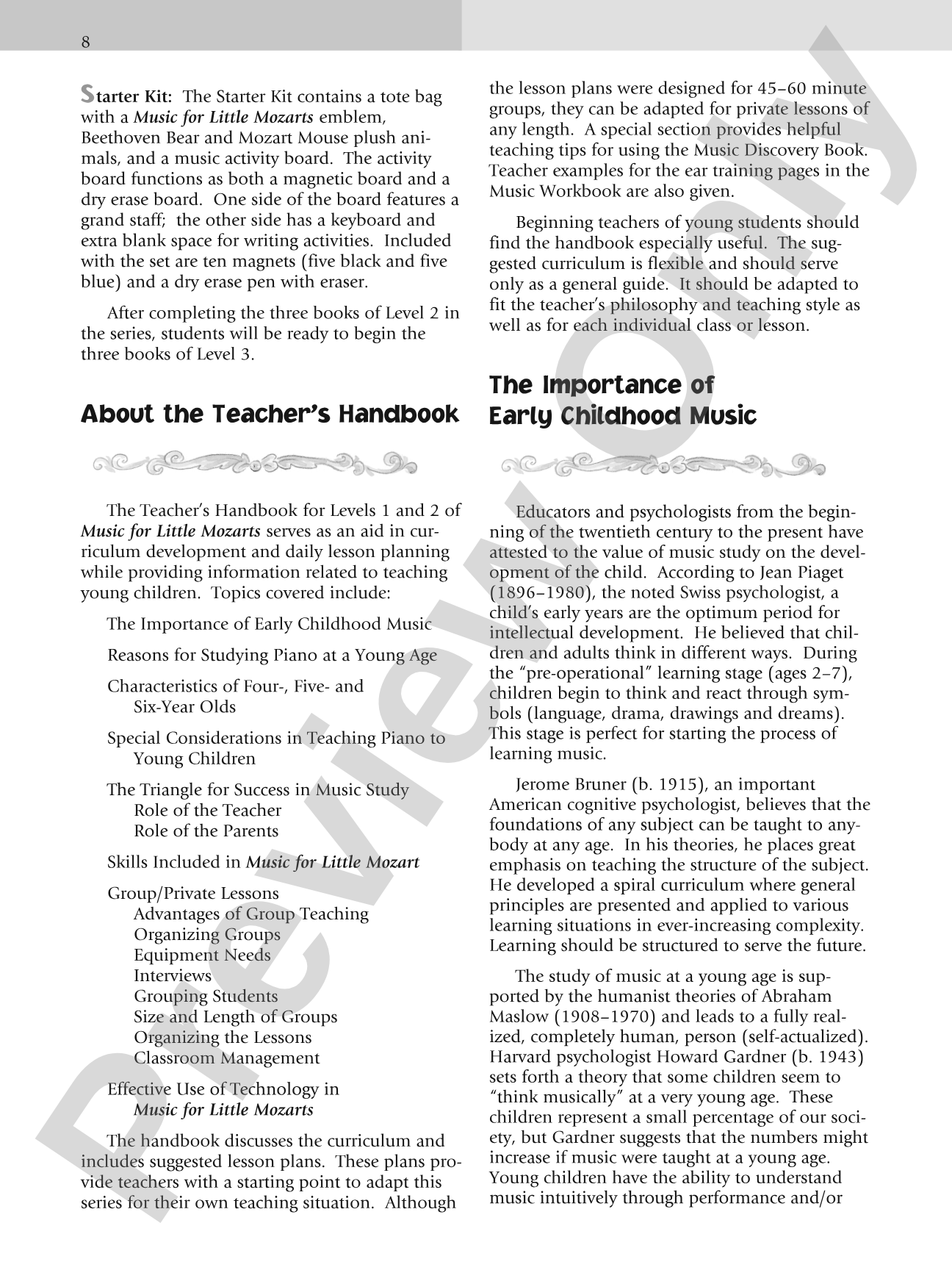

Music for Little Mozarts: Teacher's Handbook for Books 1 & 2: A Piano Course to Bring Out the Music in Every Young Child: Piano
A Piano Course to Bring Out the Music in Every Young Child
By Christine H. Barden, Gayle Kowalchyk, and E. L. Lancaster
Level: 1 & 2
Item: 00-PB-0002096
$10.99
Pickup currently not available
Related Items
Music for Little Mozarts: Teacher's Handbook for Books 1 & 2: Piano Book |
$10.99
|
View |
Description
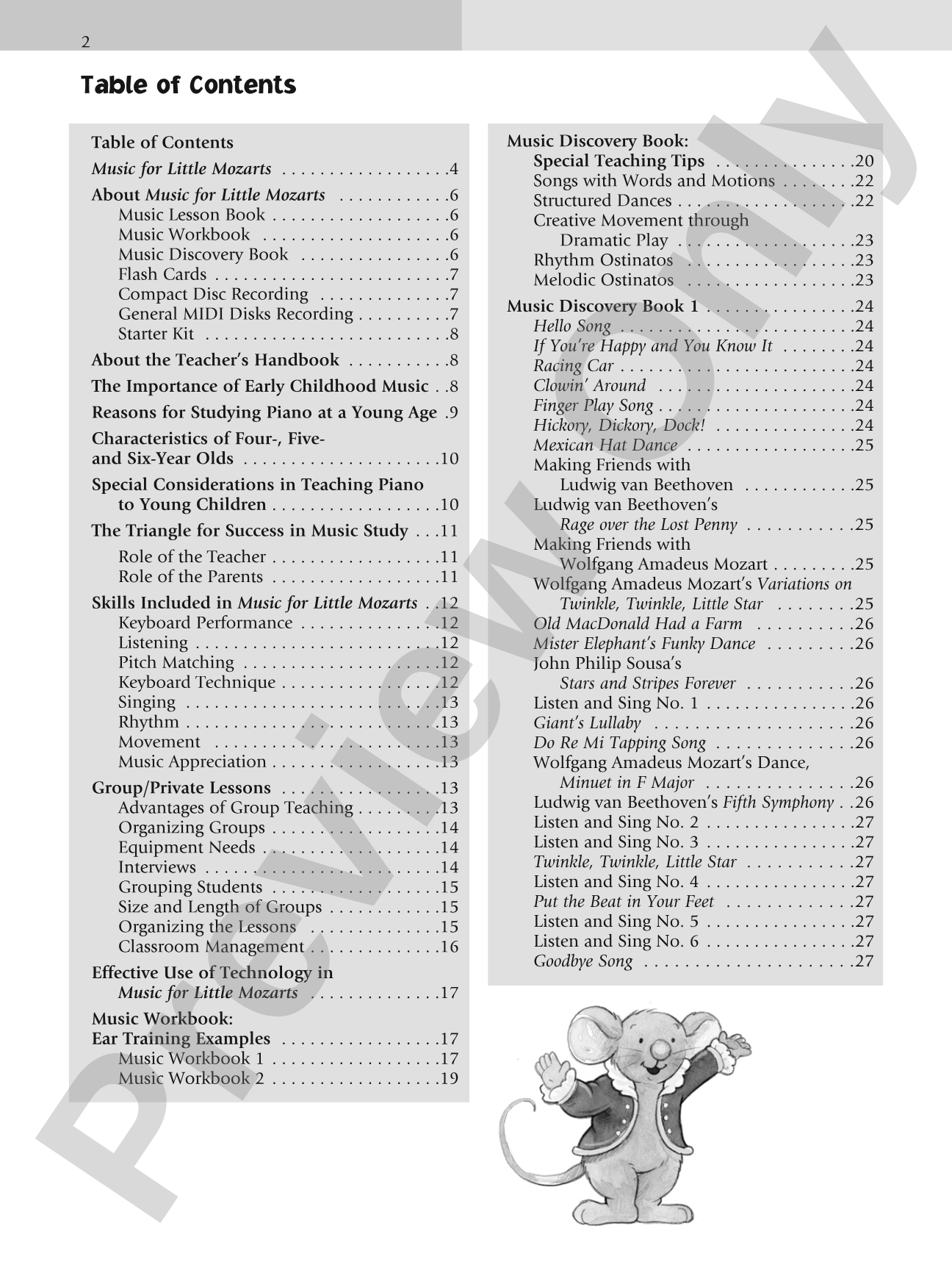
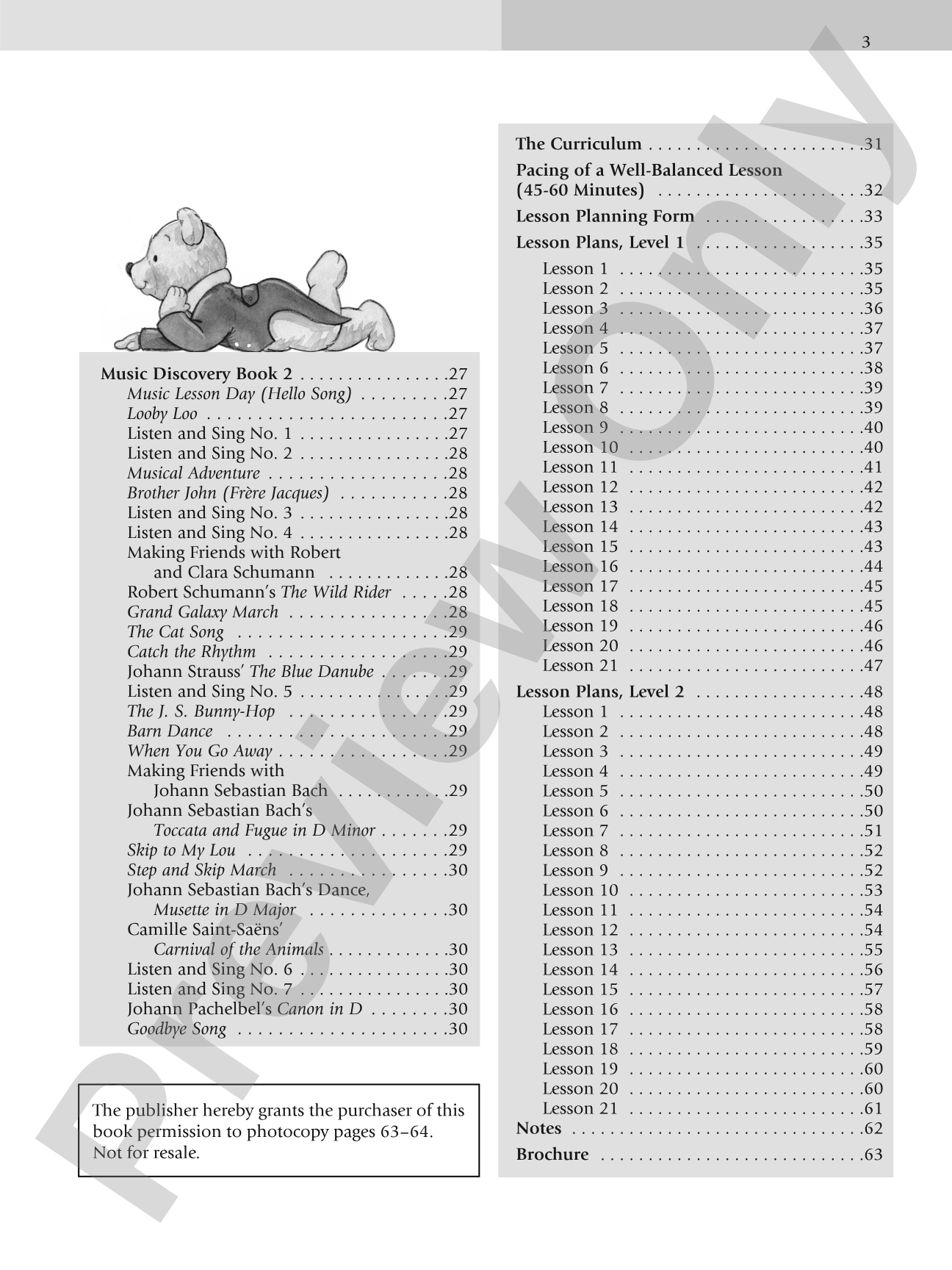
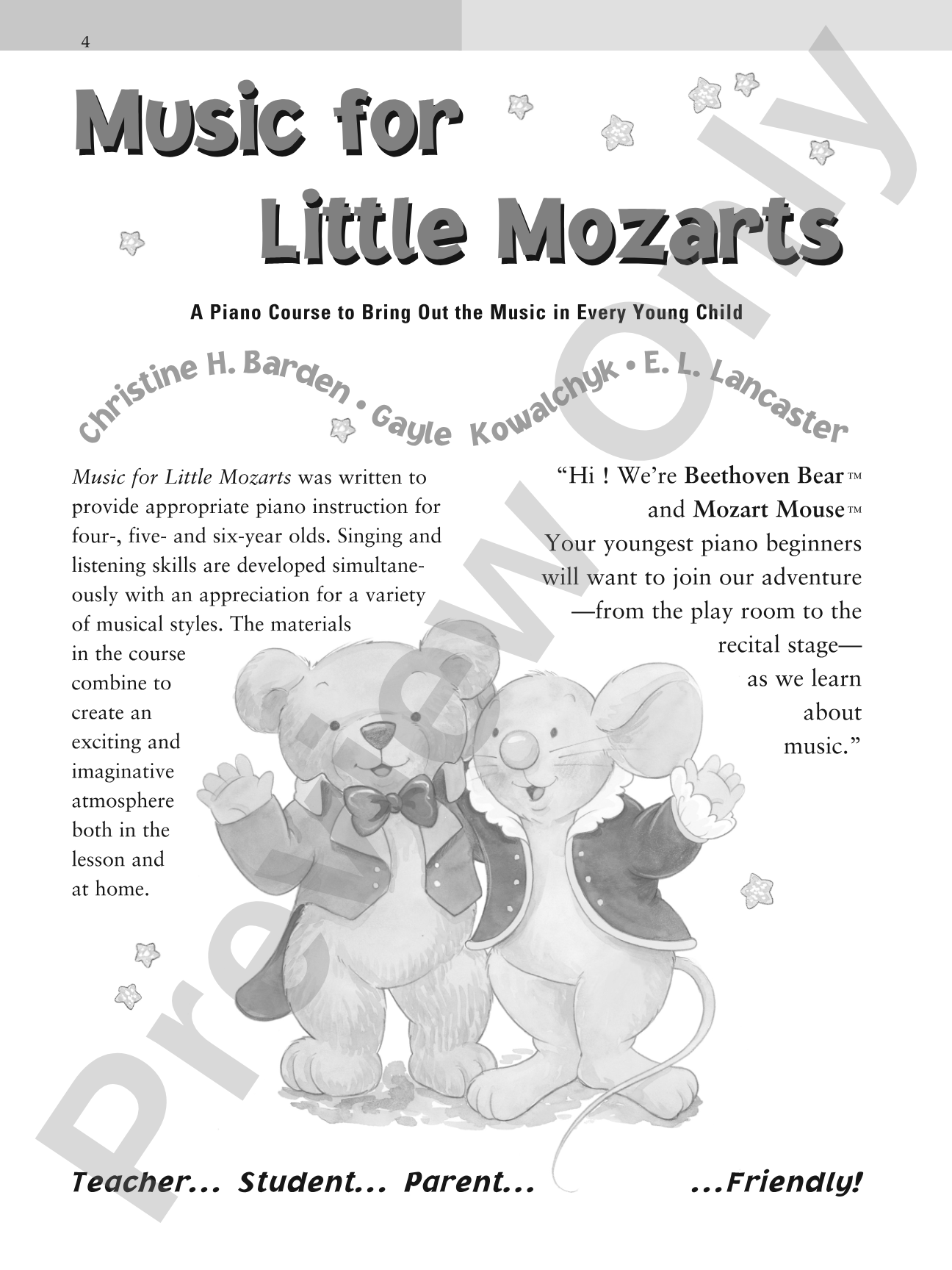
The Teacher's Handbook for Levels 1 & 2 of Music for Little Mozarts serves as an aid in curriculum development and daily lesson planning while providing information related to teaching young children. The suggested lesson plans provide teachers with a starting point to adapt this series for their own teaching situation. A special section provides helpful teaching tips for using the Music Discovery Book and teacher examples for the ear training pages in the Music Workbook are also given. Beginning teachers of young students should find the handbooks extremely useful.


Music for Little Mozarts: Teacher's Handbook for Books 1 & 2: A Piano Course to Bring Out the Music in Every Young Child: Piano isn't in MakeMusic Cloud just yet...but it could be. Let us know you'd like to see it, and you'll help shape what comes next. In the meantime, start a free trial and dive into thousands of interactive titles your students can play along with today.
Request This Title
Tell us you want it.
Start Your Free Trial
Explore everything that's ready to play right now.
Sample Audio
No sample audio found.
Sample Video
No sample videos found.
Additional Details
Series:
Music for Little Mozarts
Publisher:
Alfred Music
Page Count:
64
SKU:
00-PB-0002096
More about this title
About the Composer: Christine H. Barden

Christine H. Barden has shaped early childhood music pedagogy through decades of hands-on teaching and curriculum development. A piano performance graduate from San Francisco State University who studied under Vladimir Brenner, she brought her training back from Europe and Japan (where she studied with Yamaha Foundation instructors) to establish herself as a leading voice in preschool music education. For 17 years she served Yamaha Music Education System in leadership roles, including Director of Curriculum and National Chief Instructor.
Today Barden teaches piano and composition students in Reno, Nevada, many of whom have won awards, while continuing to lead Music for Little Mozarts classes. She regularly conducts workshops for piano teachers across the United States and internationally, and her compositions have been recognized by the National Federation of Music Clubs. Her practical understanding of how young learners develop musically informs every page of the materials she has created with her co-authors.
Why we love this
This handbook transforms lesson planning from guesswork into purposeful instruction by offering concrete daily structures you can customize rather than rigid scripts you must follow. The ear training guidance and Music Discovery Book tips address the specific challenges of teaching young students, giving you confidence in how to develop listening skills and musical independence from the earliest lessons.
What to expect
Working through this handbook feels like having an experienced mentor in the room, offering gentle guidance on pacing, materials organization, and developmentally appropriate teaching moves. The tone is practical and reassuring, acknowledging that teaching very young students requires different tools than teaching older children.
Who it's for
Piano teachers working with preschool through early elementary students need structured support in translating a comprehensive method book into effective daily lessons. This handbook is especially valuable for new teachers entering early childhood instruction who want proven frameworks without sacrificing flexibility.
How to get the most out of it
- Review the suggested lesson plans as templates, not prescriptions. Notice which sections align with your own teaching philosophy and adapt the pacing to match what you observe in your specific students.
- Use the ear training examples to build listening vocabulary alongside note reading. Students develop confidence faster when they can recognize what they hear before they see it on the page.
- Implement the Music Discovery Book strategies during your initial student assessment. These activities reveal how each child processes music and guide you toward effective scaffolding.
How to use it
Keep this handbook at your desk during lesson preparation each week, referring to the relevant sections as you plan what to emphasize and what to lightly touch in each student's lesson. The 64 pages provide enough detail to support your teaching year while remaining compact enough to carry to student homes or professional conferences.
Skills your students will build
- Listening and identifying melodic contours before reading notation
- Fine motor coordination through age appropriate keyboard technique
- Letter name recognition and staff reading fundamentals
- Rhythmic independence through guided ear training exercises
- Musical expression and interpretation at an early developmental stage