
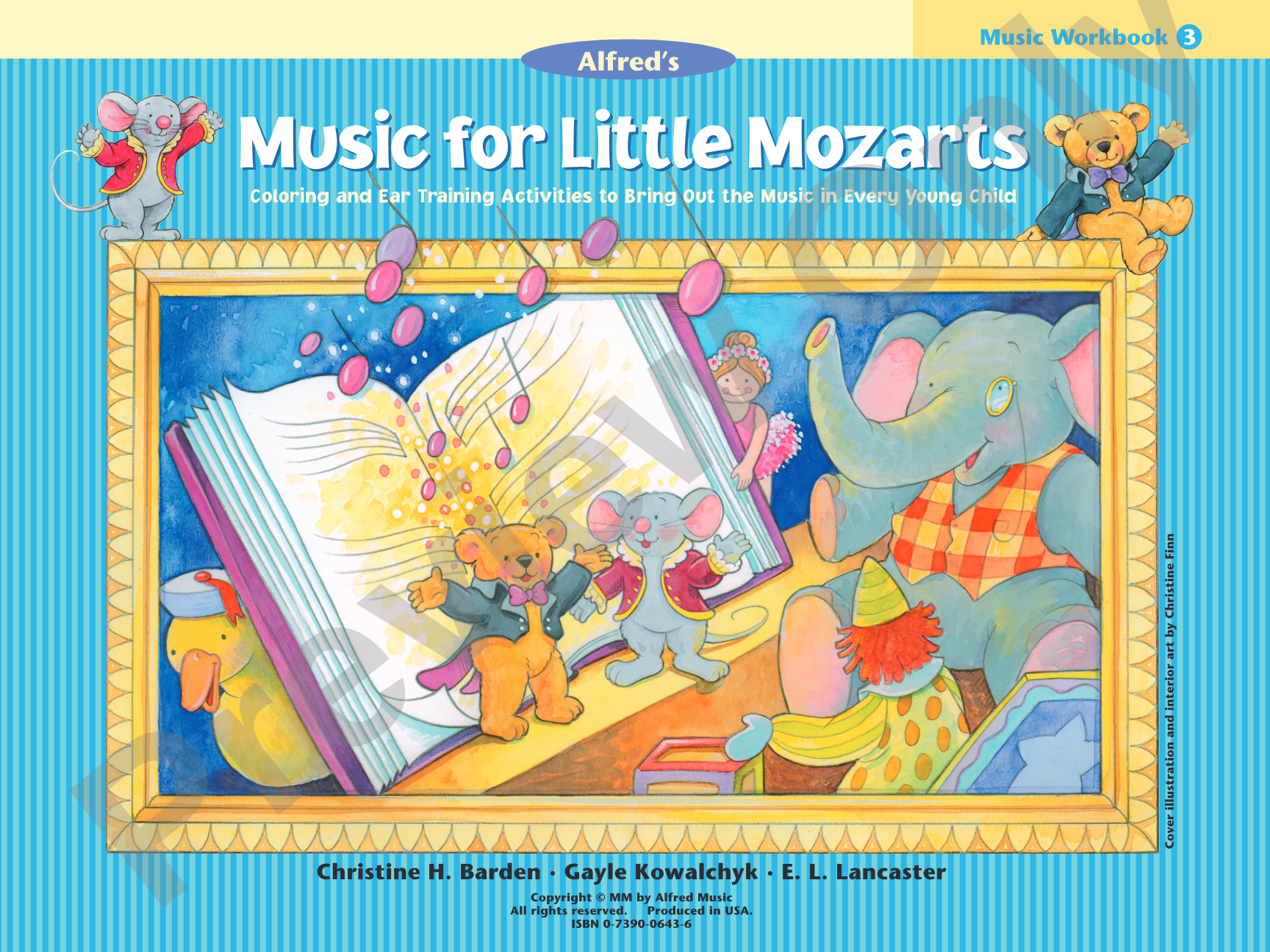

Music for Little Mozarts: Music Workbook 3: Coloring and Ear Training Activities to Bring Out the Music in Every Young Child: Piano
Coloring and Ear Training Activities to Bring Out the Music in Every Young Child
By Christine H. Barden, Gayle Kowalchyk, and E. L. Lancaster
Item: 00-PB-0002554
$9.99
Pickup currently not available
Related Items
Music for Little Mozarts: Music Workbook 3: Piano Book |
$9.99
|
View |
Description
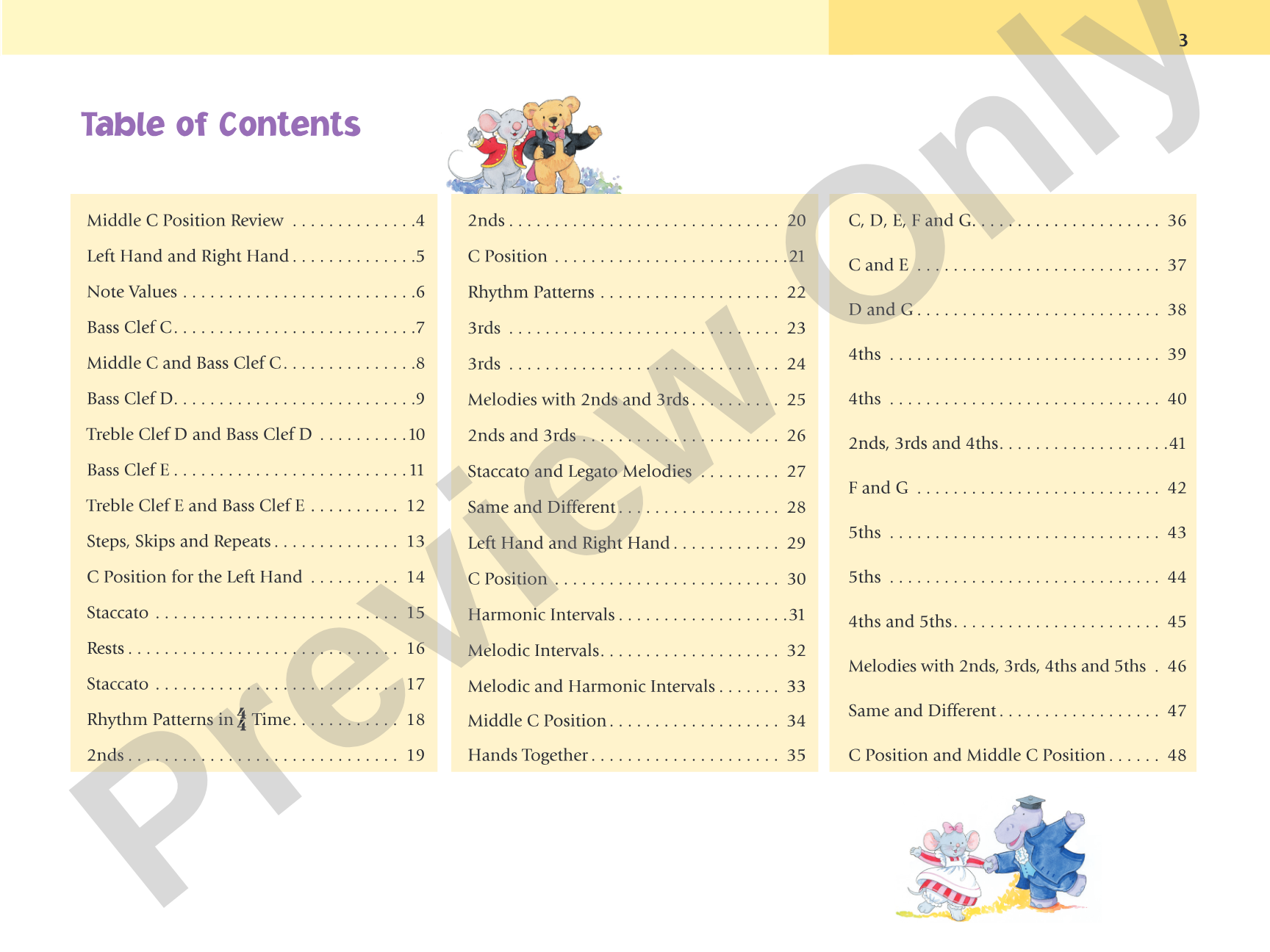
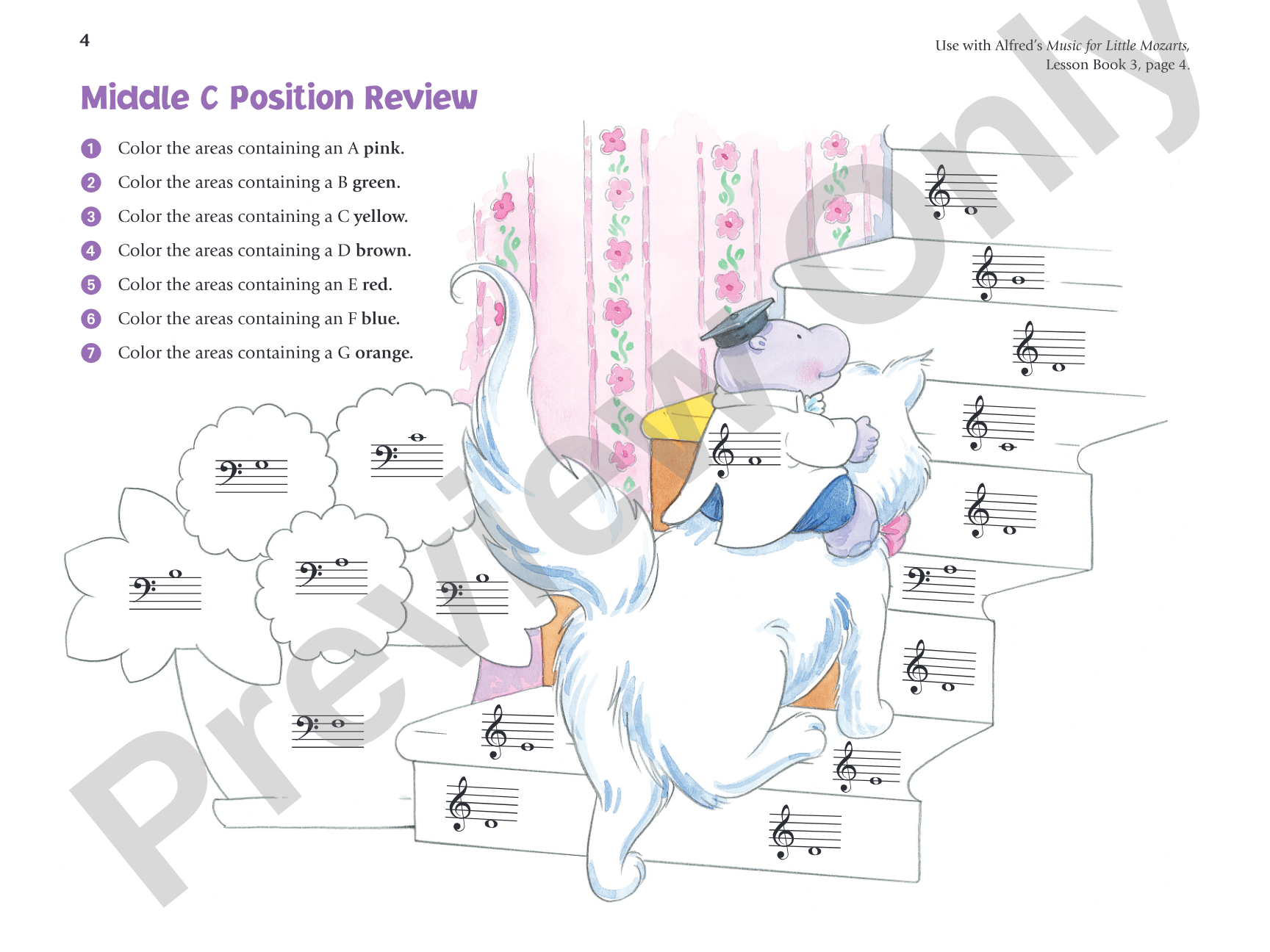
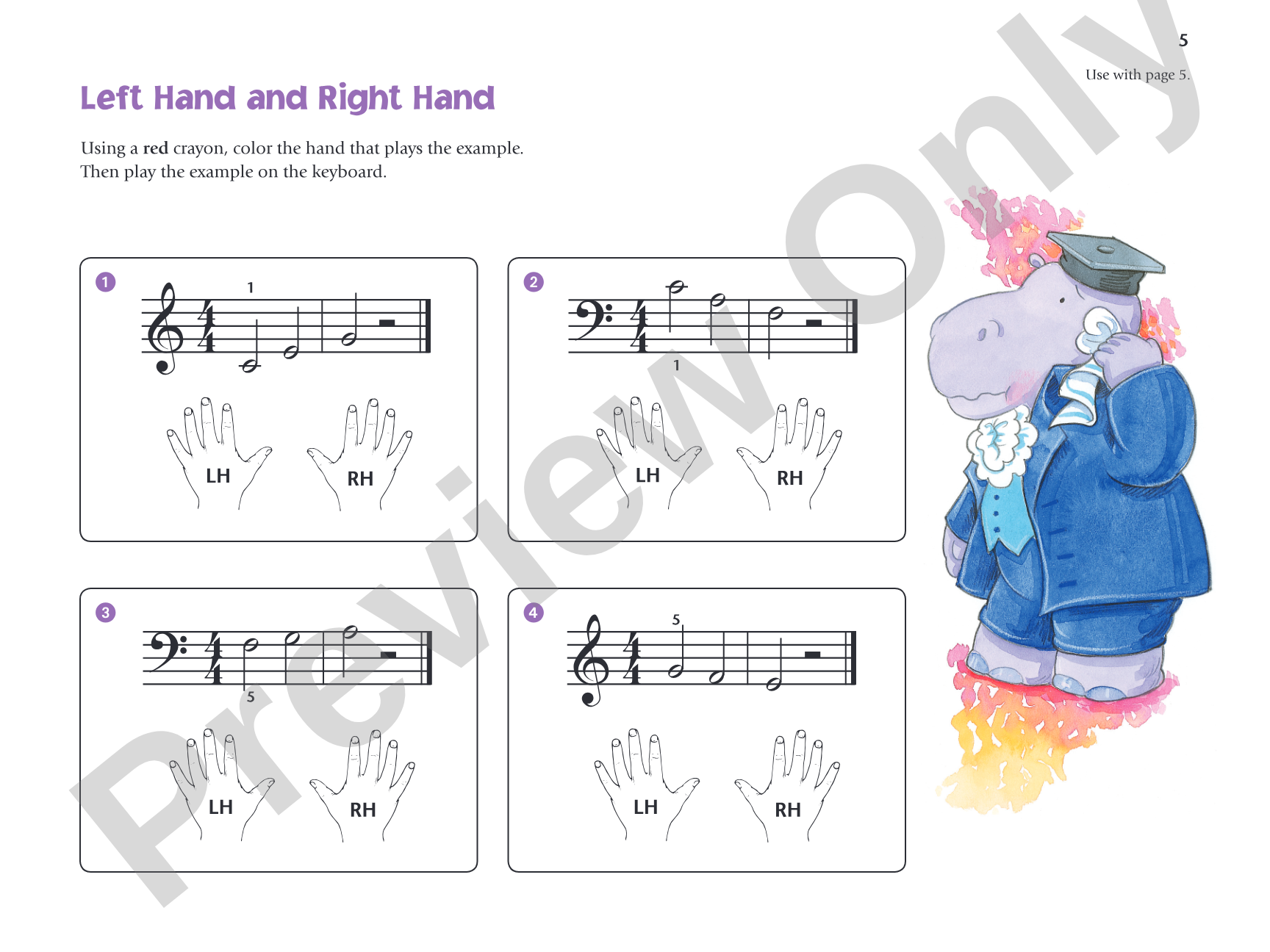
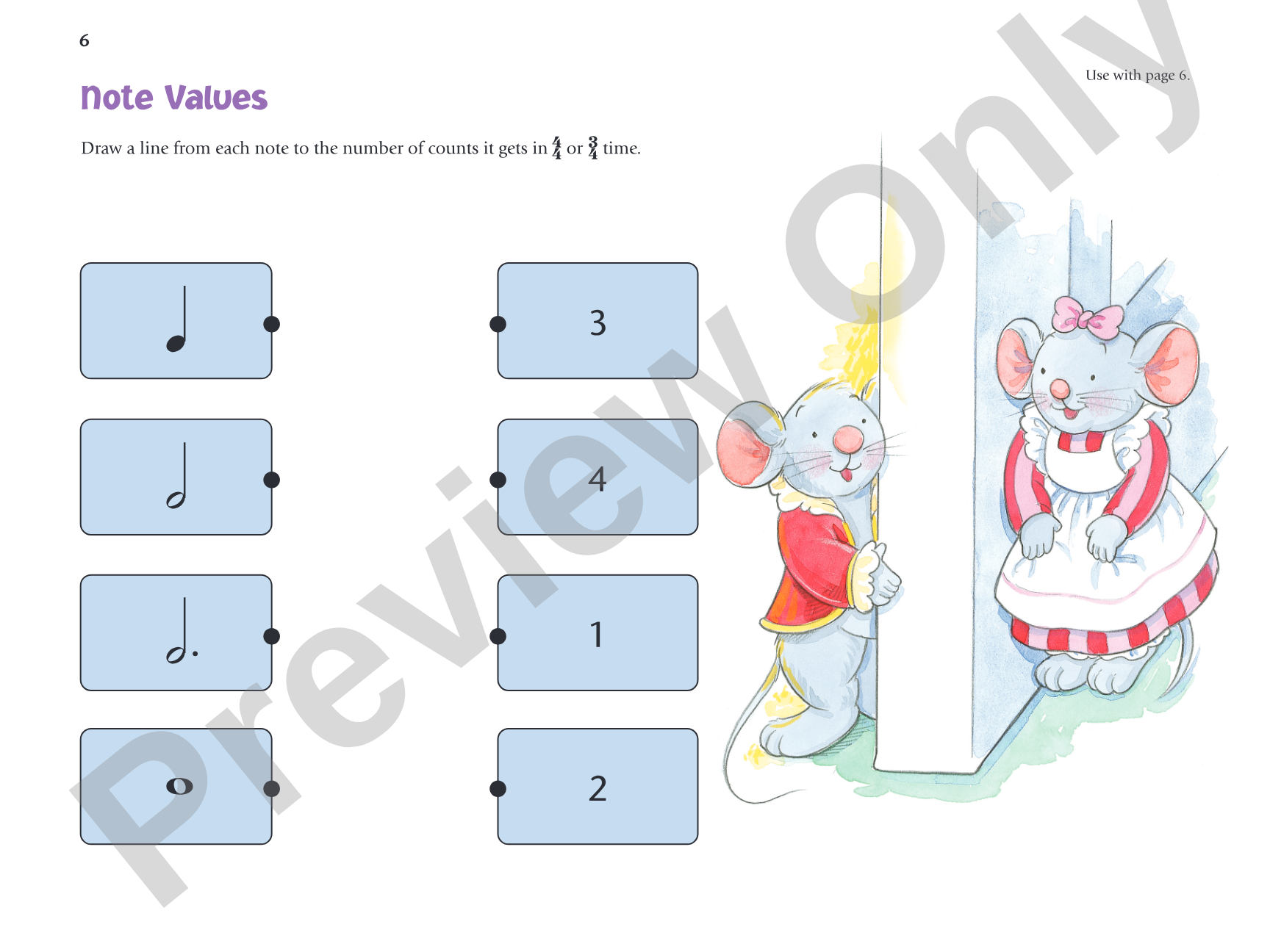
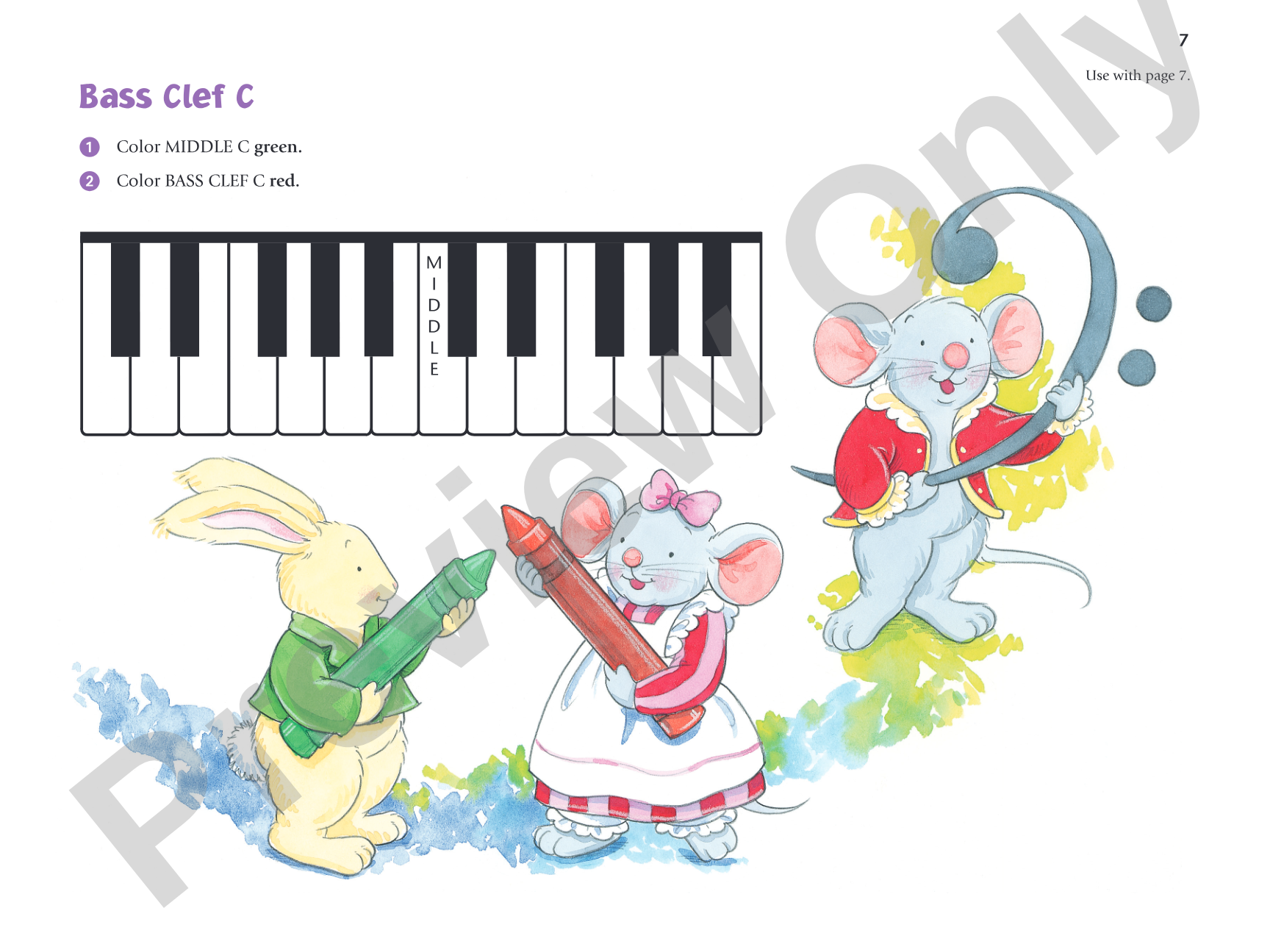
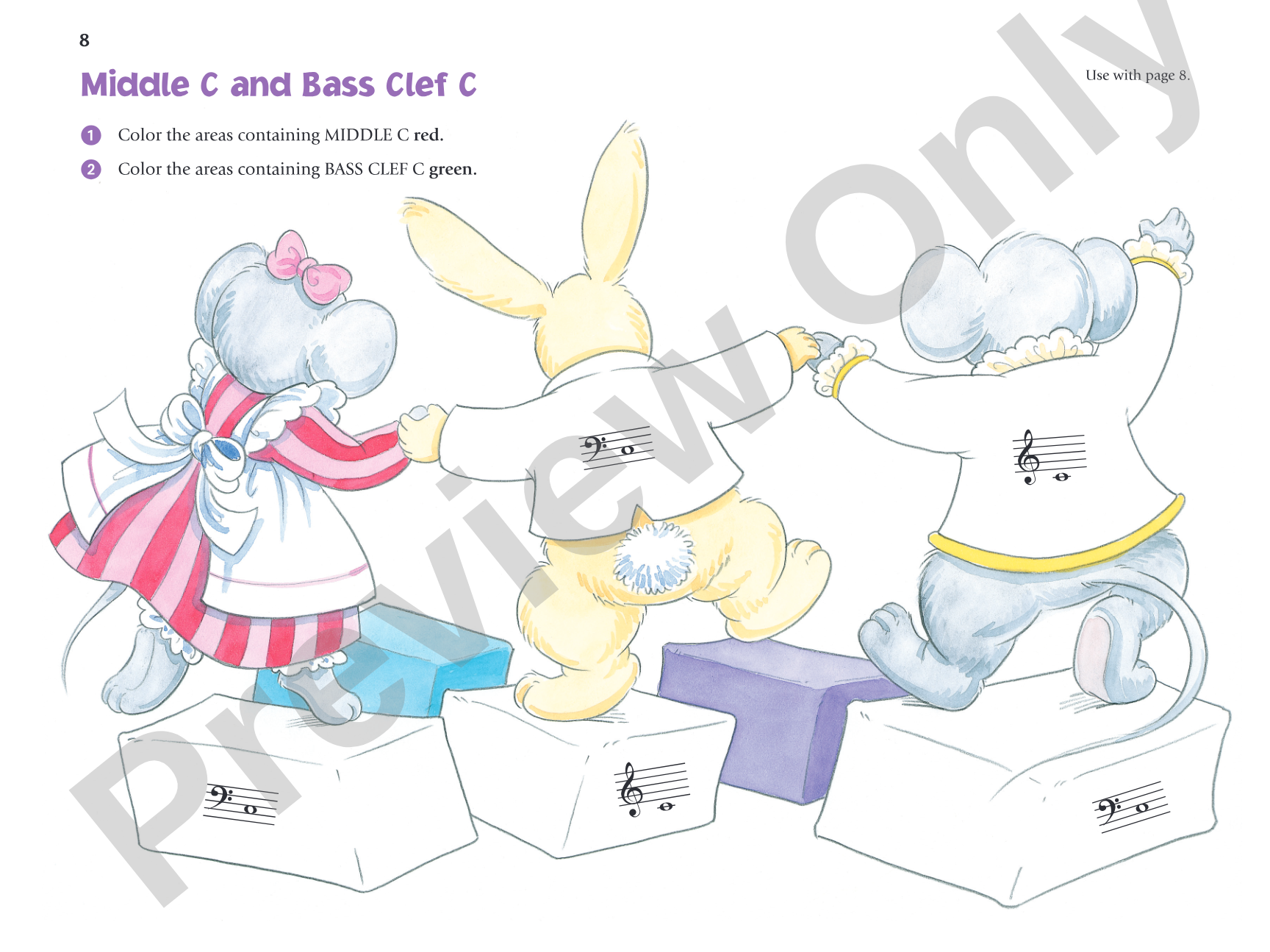
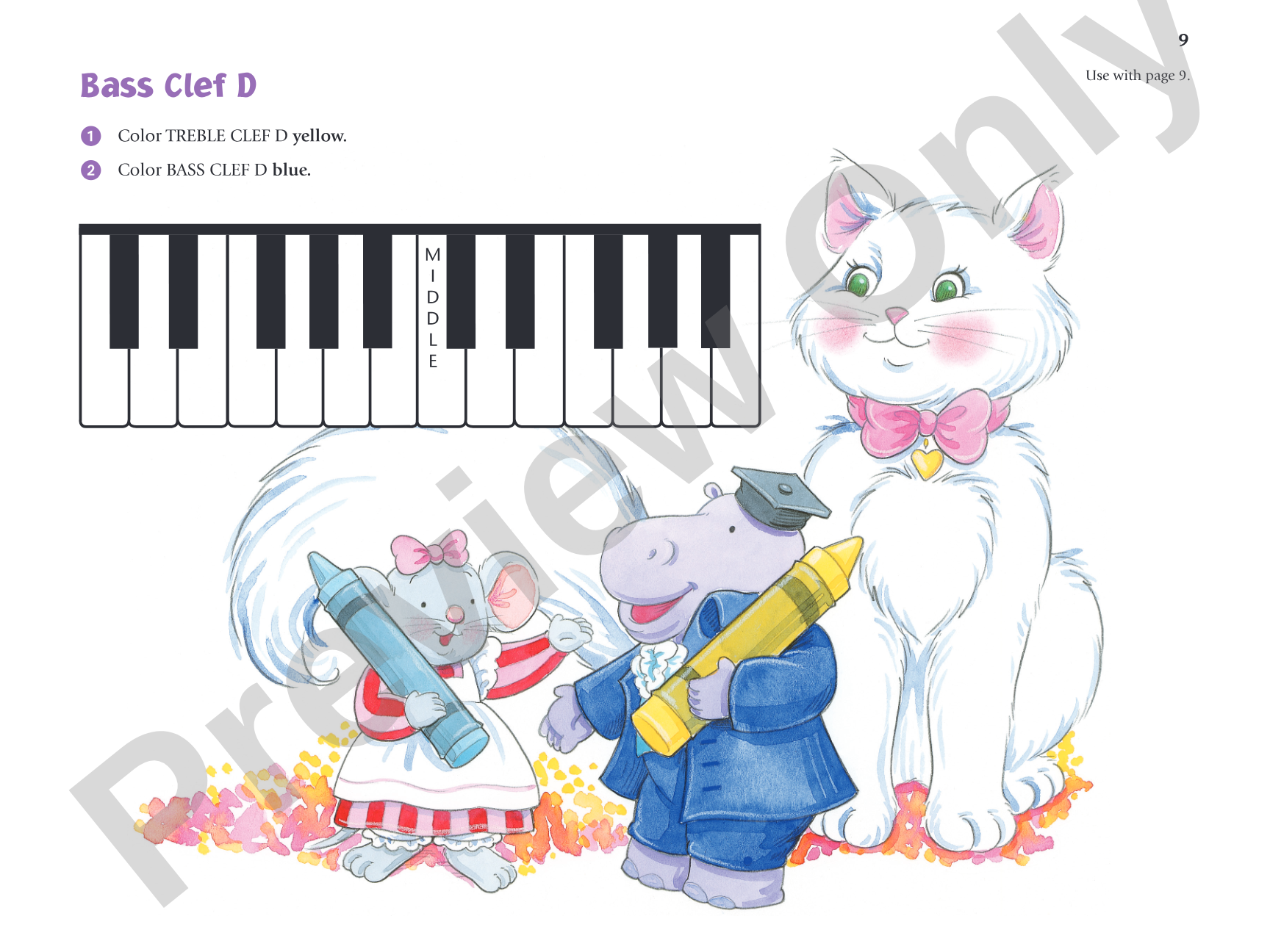
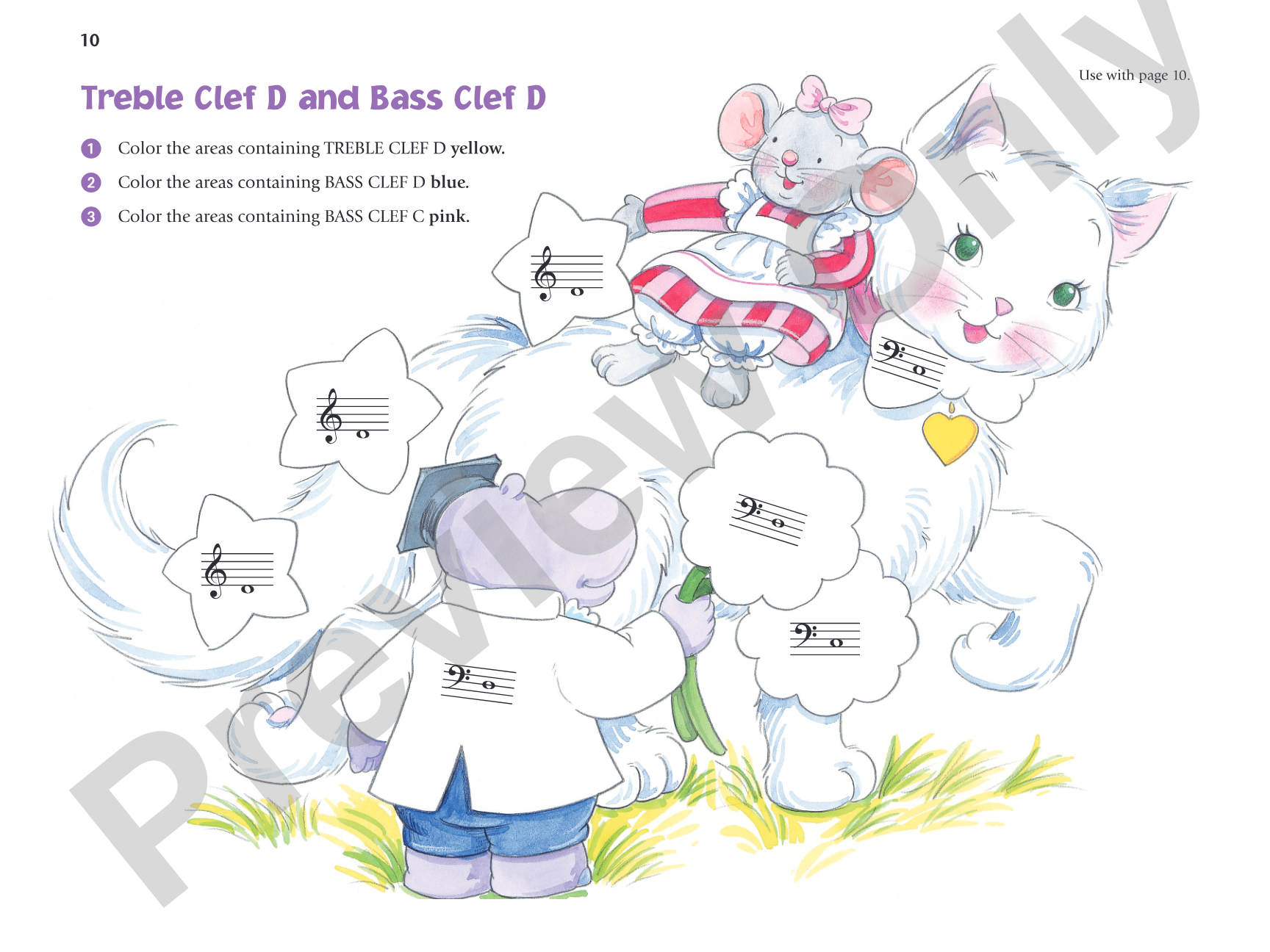
The Music Workbook contains pages of coloring, tracing, matching, ear training and listening that have been carefully designed to reinforce the musical concepts introduced in the Music Lesson Book 3. In full color, 48 pages.


Discover MakeMusic Cloud: thousands of interactive titles your students can play along with today.
Sample Audio
No sample audio found.
Sample Video
No sample videos found.
Additional Details
Series:
Music for Little Mozarts
Publisher:
Alfred Music
Page Count:
48
SKU:
00-PB-0002554
More about this title
About the Composer: Christine H. Barden

Christine H. Barden shaped early childhood music education as a co-developer of Alfred's Music for Little Mozarts and brings decades of classroom experience to her pedagogical work. Based in Reno, Nevada, she maintains an active teaching studio where her students excel in piano performance and composition, while also leading Music for Little Mozarts classes. Her credentials span from a piano performance degree at San Francisco State University (where she studied with Vladimir Brenner, NBC Symphony pianist) through four years of study and performance in Europe, and crucially, through 17 years as a national staff member with Yamaha, where she directed curriculum and served as National Chief Instructor for their music education system.
Barden's influence extends well beyond her studio. She has led teacher training workshops at conferences across the United States and internationally in England, Norway, and Singapore. Her published compositions for young pianists have earned recognition, including a National Federation of Music Clubs Junior Festival selection. Her work consistently reflects a deep understanding of how young children absorb musical concepts through multiple modalities.
Why we love this
This workbook anchors abstract musical learning in tactile, visual, and aural experiences that stick with young students long after the lesson ends. Rather than asking children to simply absorb concepts, it gives them multiple pathways to internalize pitch relationships, rhythmic patterns, and note names through coloring, tracing, and listening activities that feel like play. The careful alignment with Music Lesson Book 3 means every page reinforces exactly what students are working on at the piano, eliminating the disconnect between theory worksheets and actual playing.
What to expect
Engaging and playful without sacrificing musical rigor. The full-color design draws young eyes while the carefully sequenced activities build confidence as students recognize patterns they're already learning at the piano. Each page invites curiosity and celebrates small victories in music literacy.
Who it's for
Young pianists in early elementary levels who learn best through hands-on, visual, and aural reinforcement alongside their lesson book instruction. Parents and teachers working one-on-one with preschool and early elementary students will find these pages essential for deepening musical understanding between lessons.
How to get the most out of it
- Pair ear training activities with listening to the corresponding recordings so students develop the habit of matching sound to symbol before they encounter the piece in their lesson book.
- Use the coloring pages as a reward activity after technique work, but frame them as active music study rather than downtime—ask students to identify which note they colored or why a particular rhythm gets that color.
- Invite students to trace note names and rhythmic patterns while saying them aloud, engaging both fine motor and auditory memory at the same time.
- Check matching activities during the lesson to catch any conceptual gaps; a student who struggles here will struggle at the keyboard too.
How to use it
Assign pages weekly in tandem with the corresponding lesson from Music Lesson Book 3, using them as the bridge between piano practice and fuller musical understanding. In group settings, these activities work beautifully as warm-up exercises or center-based stations where students rotate through ear training and coloring while waiting for individual instruction.
Skills your students will build
- Matching note names to their positions on the staff
- Recognizing rhythmic patterns through visual representation
- Developing ear training in context (identifying specific melodic and rhythmic figures by listening)
- Fine motor control through tracing and coloring within musical notation
- Building symbol-to-sound connections before reading becomes automatic