
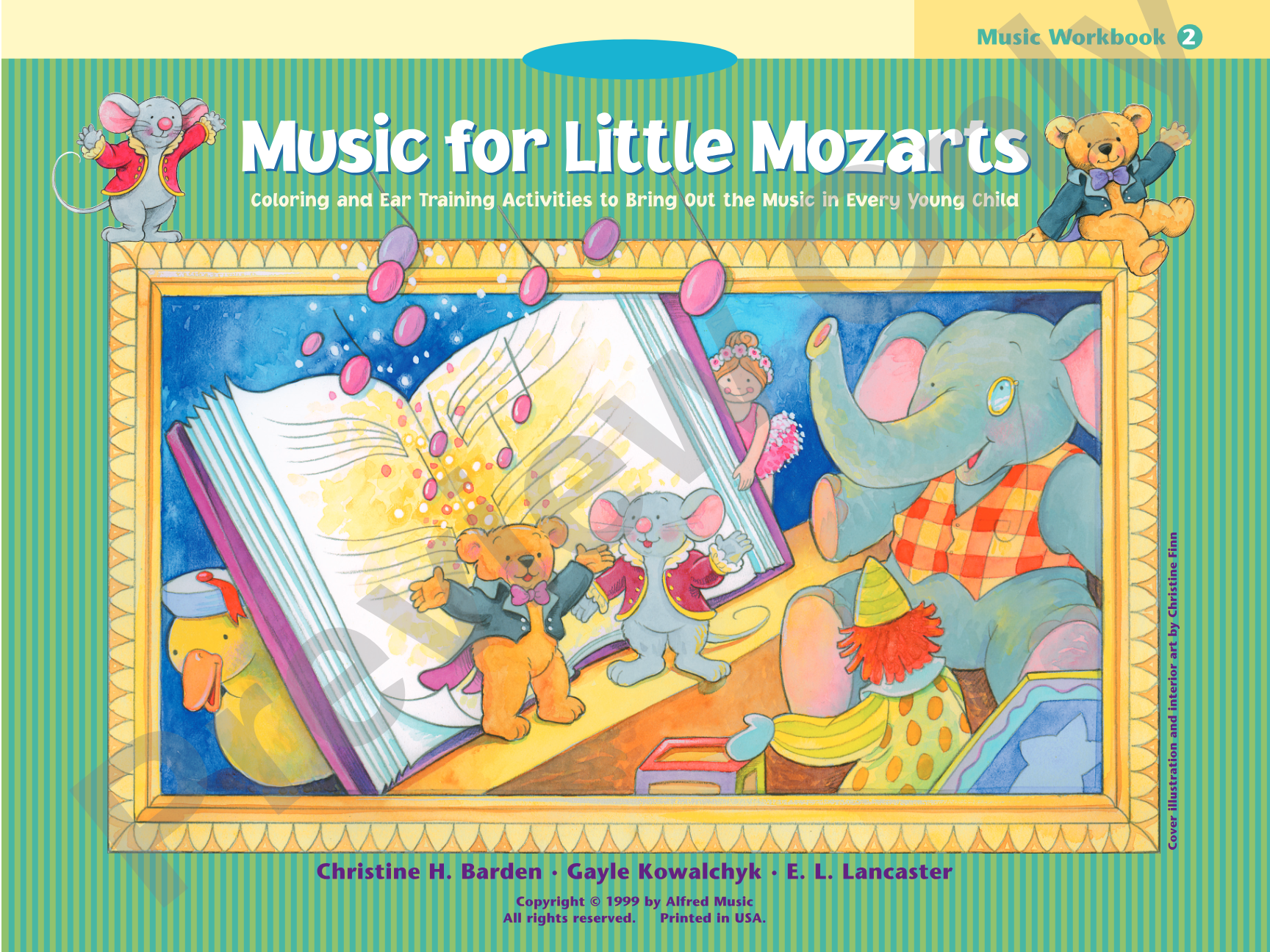

Music for Little Mozarts: Music Workbook 2: Coloring and Ear Training Activities to Bring Out the Music in Every Young Child: Piano
Coloring and Ear Training Activities to Bring Out the Music in Every Young Child
By Christine H. Barden, Gayle Kowalchyk, and E. L. Lancaster
Item: 00-PB-0002171
$10.99
Pickup currently not available
Related Items
Music for Little Mozarts: Music Workbook 2: Piano Book |
$10.99
|
View |
Description
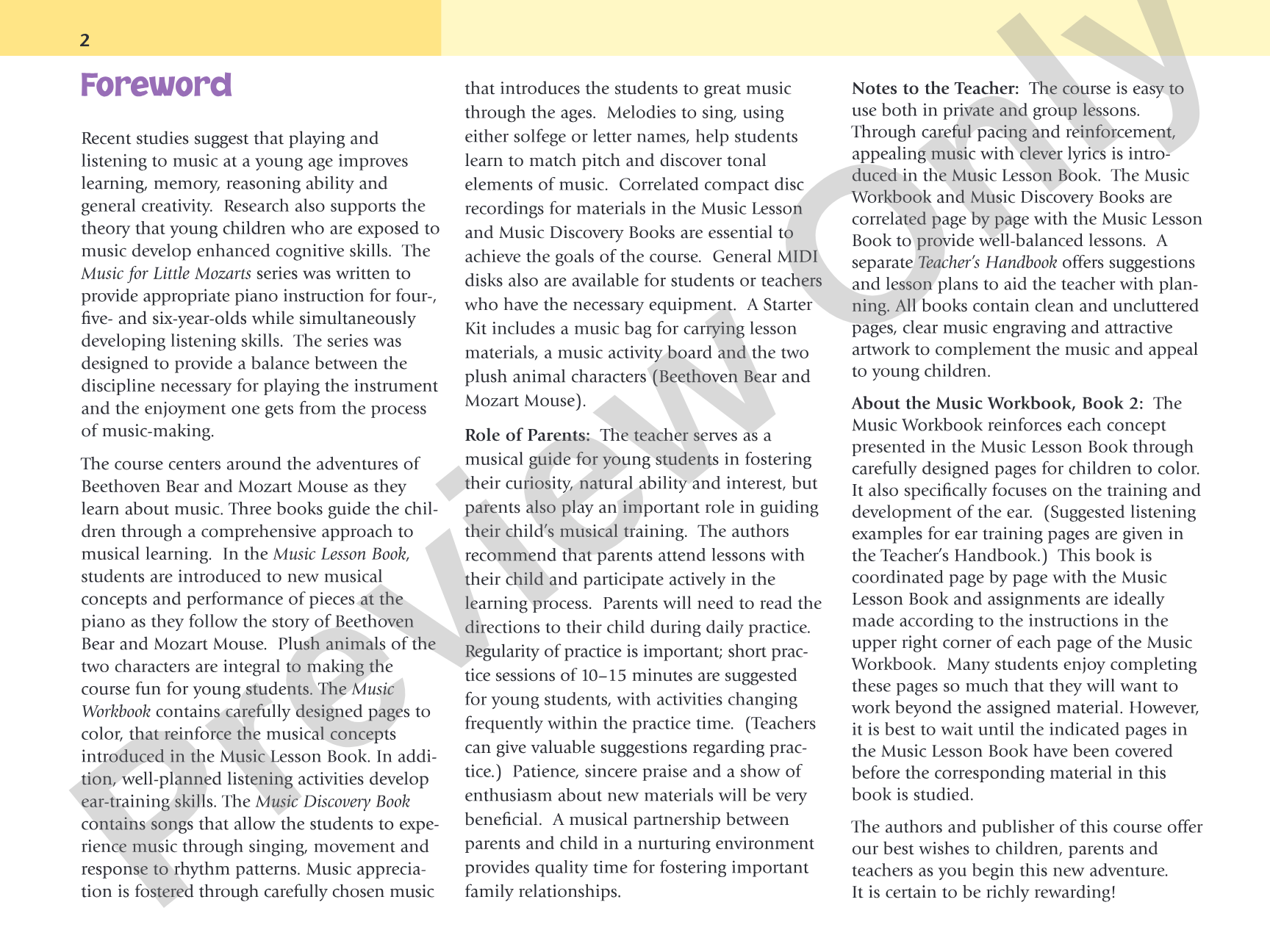
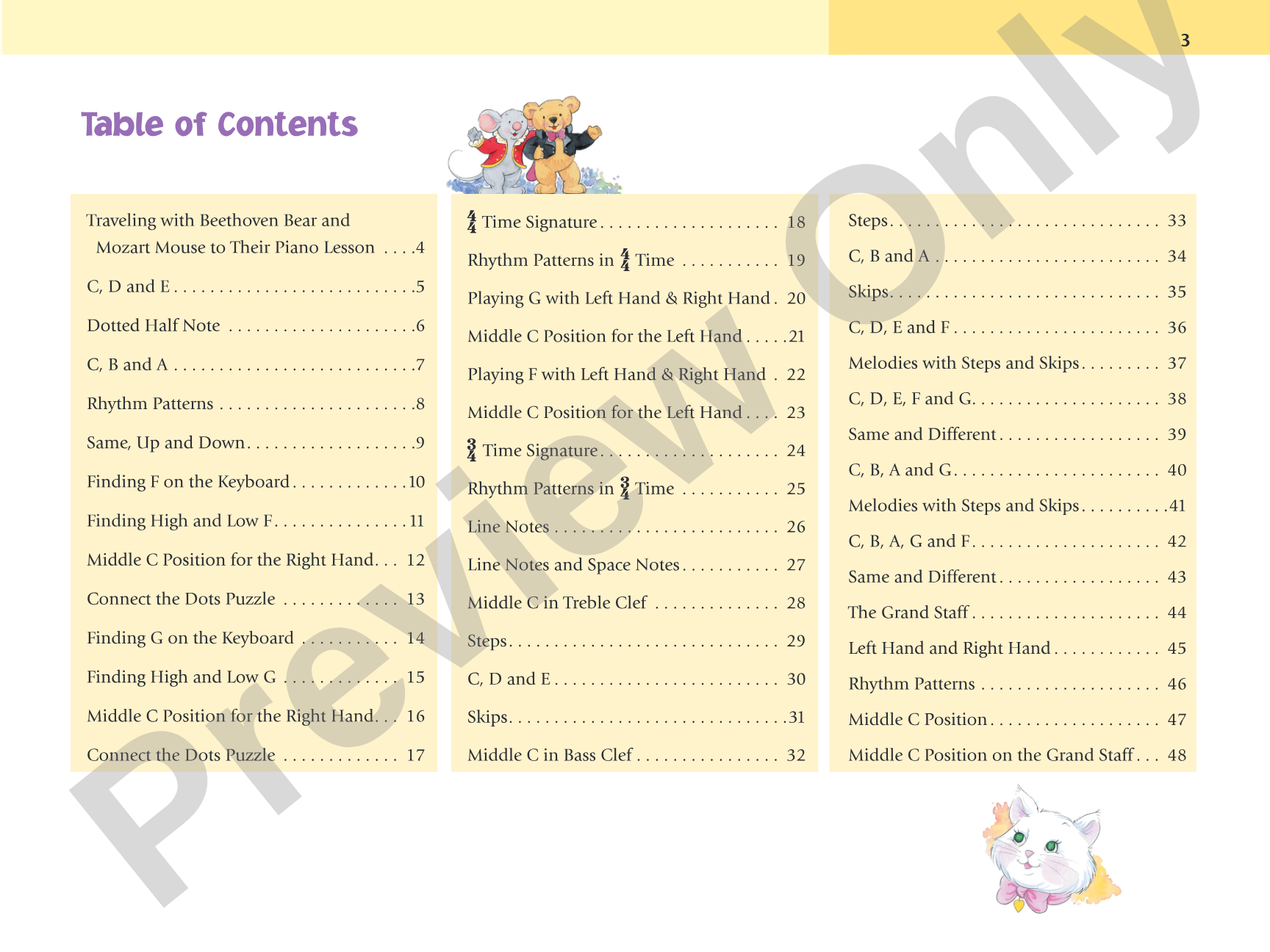
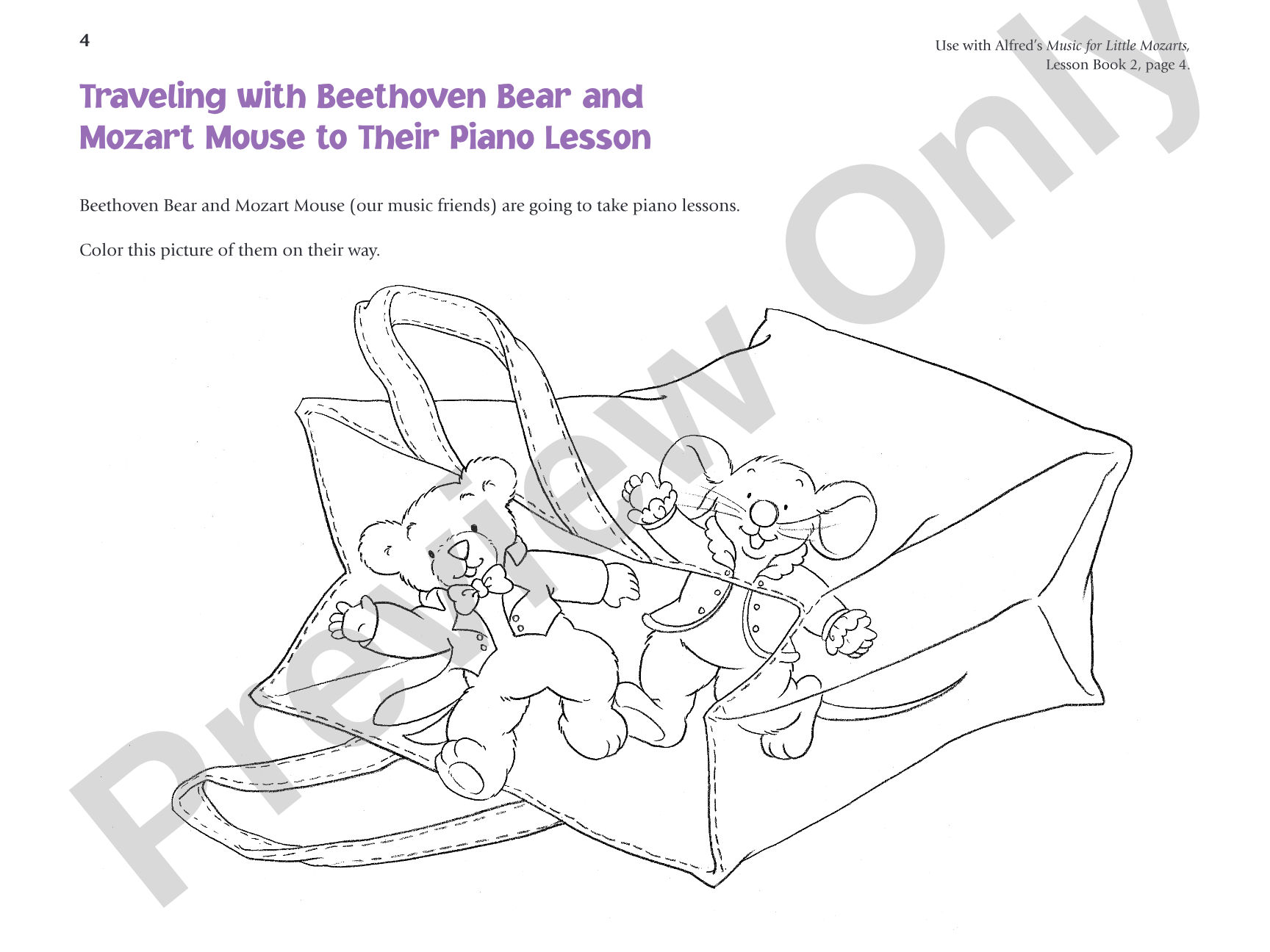
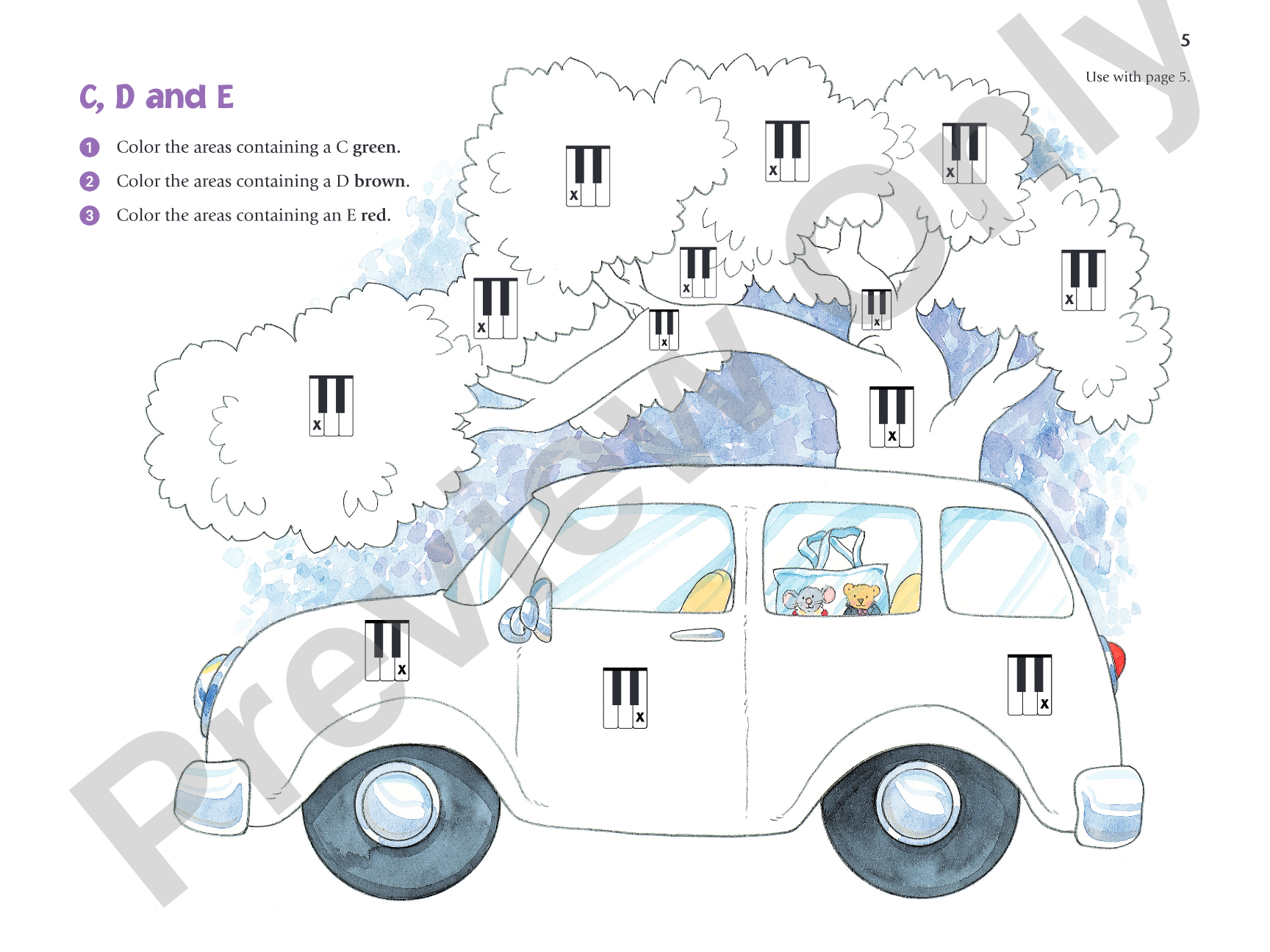
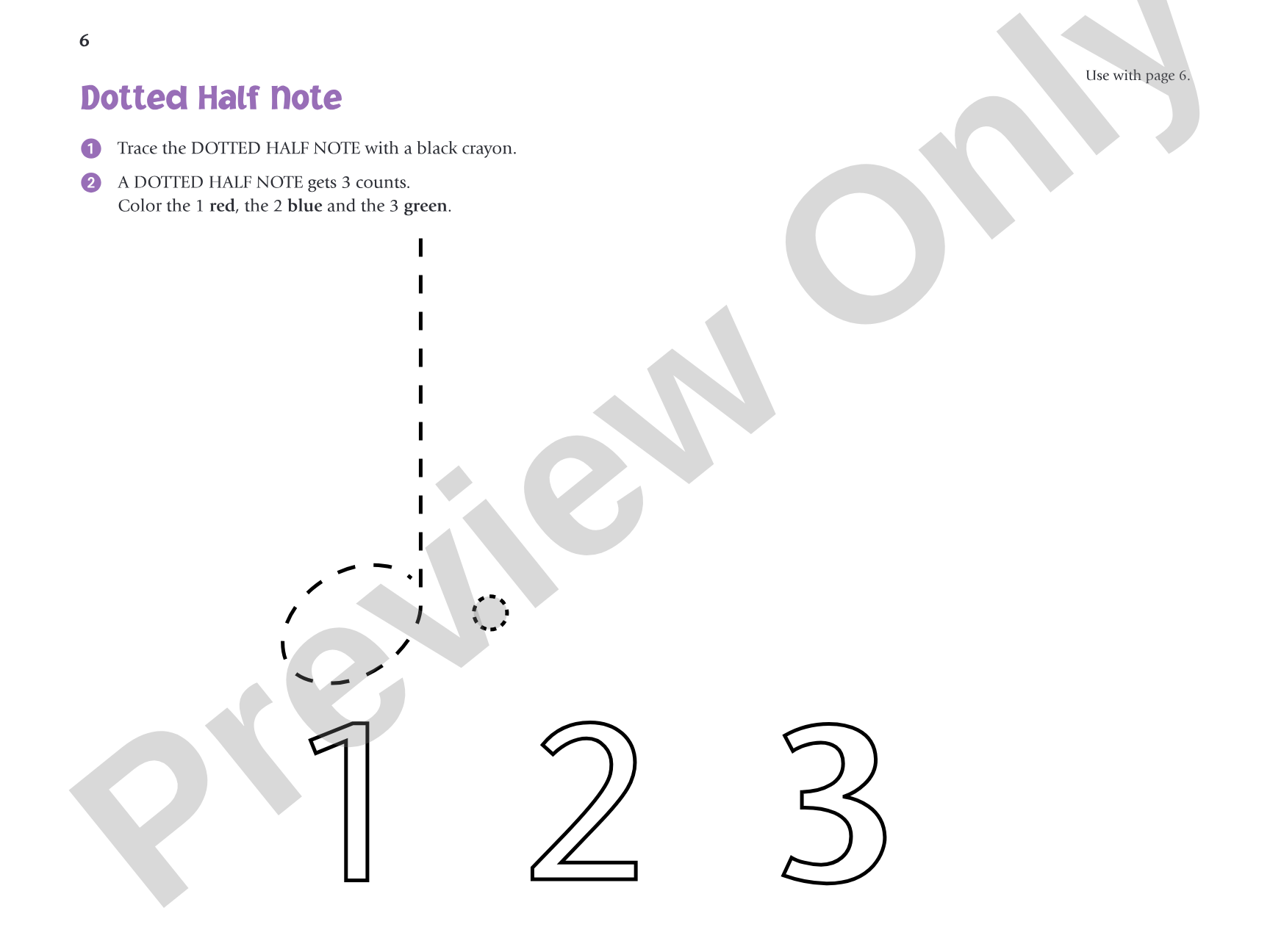
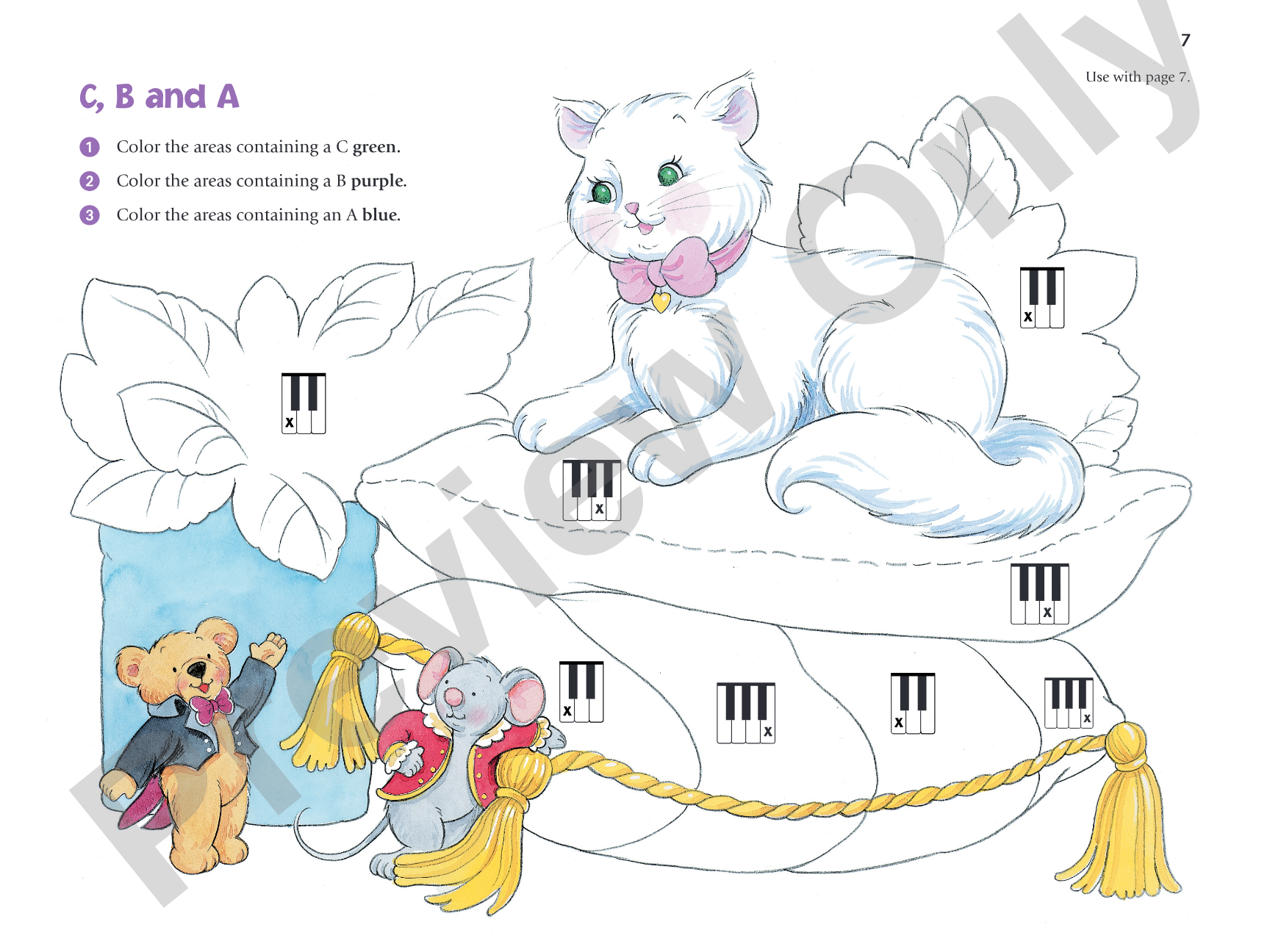
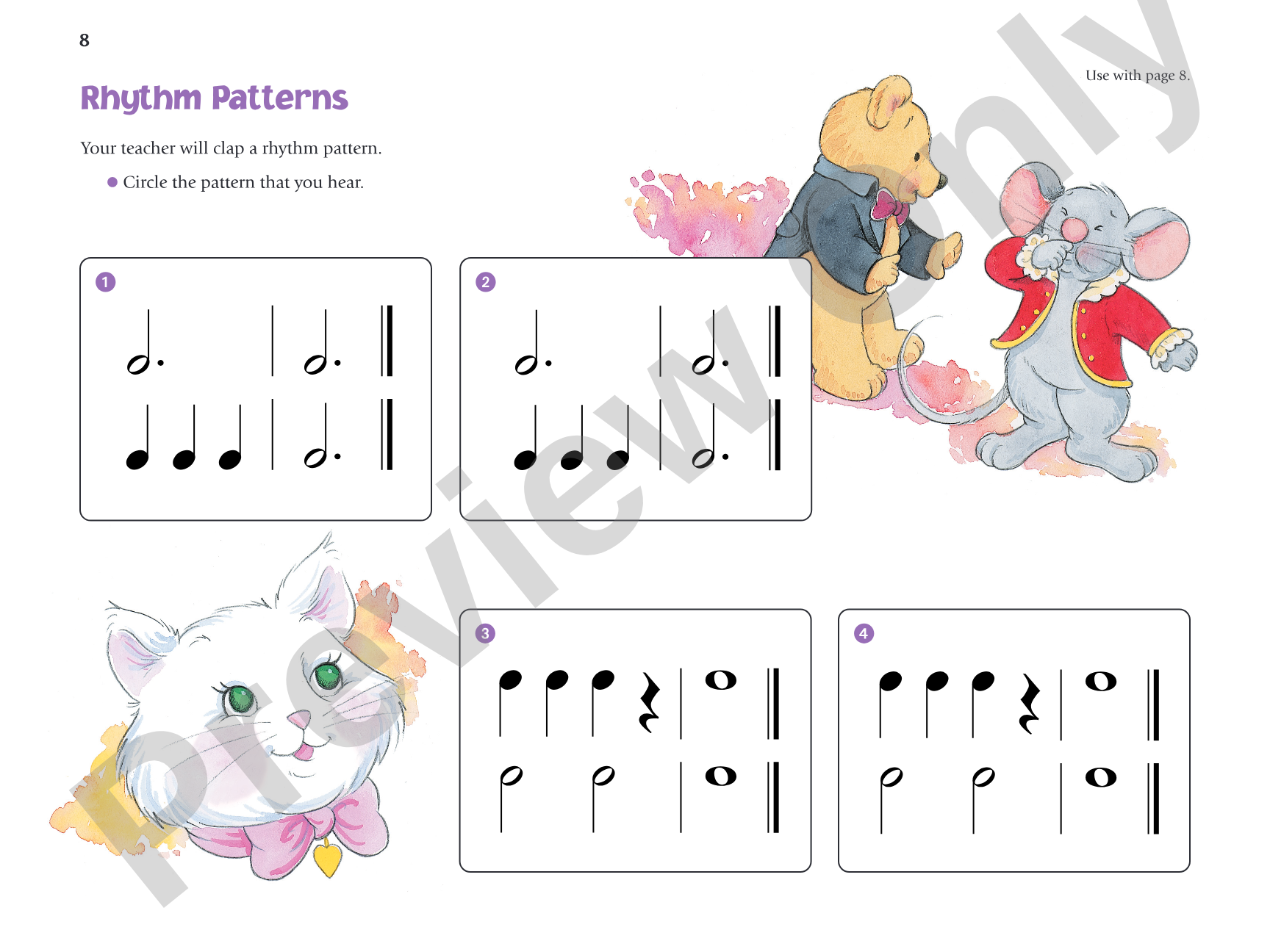
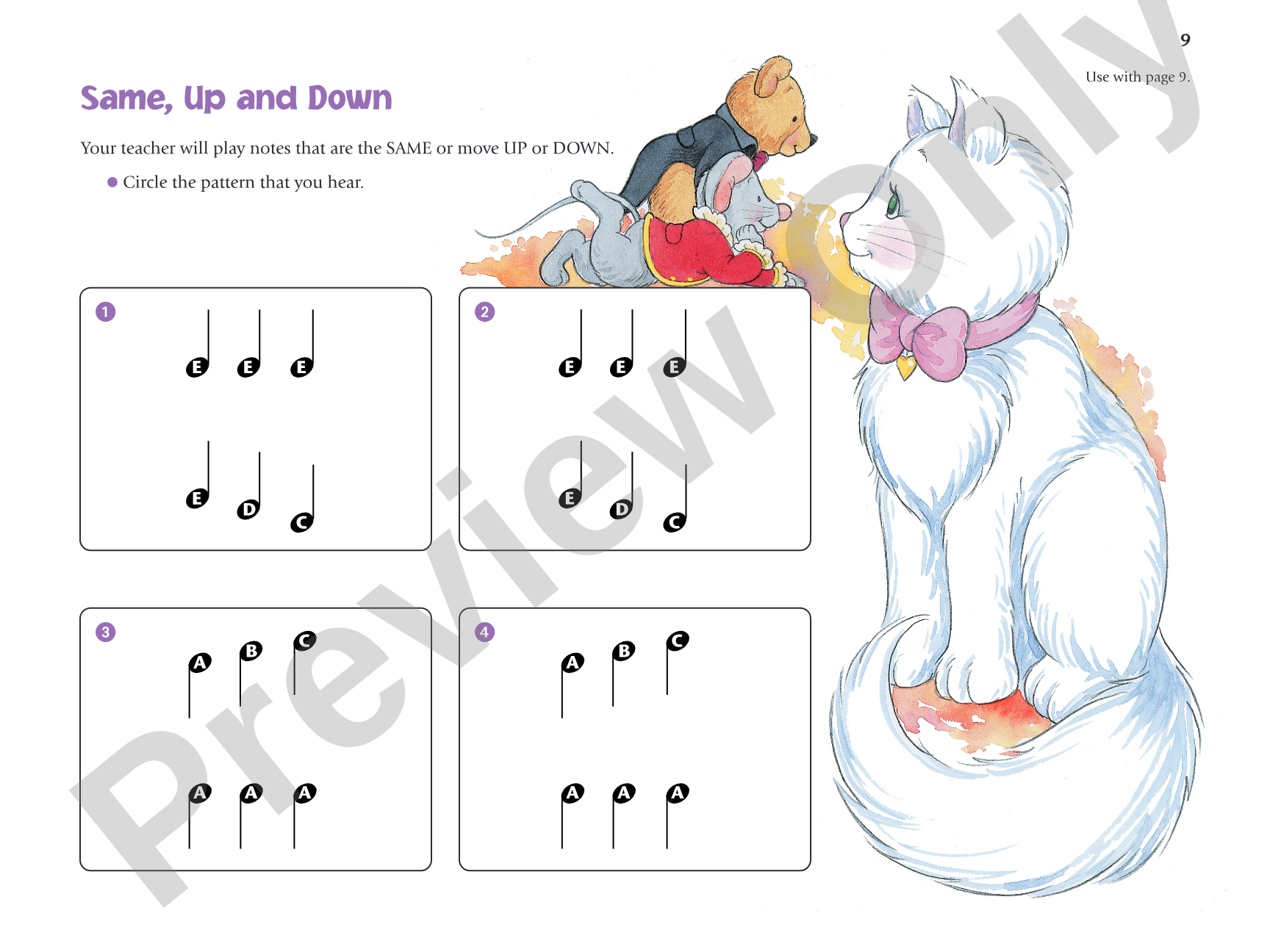
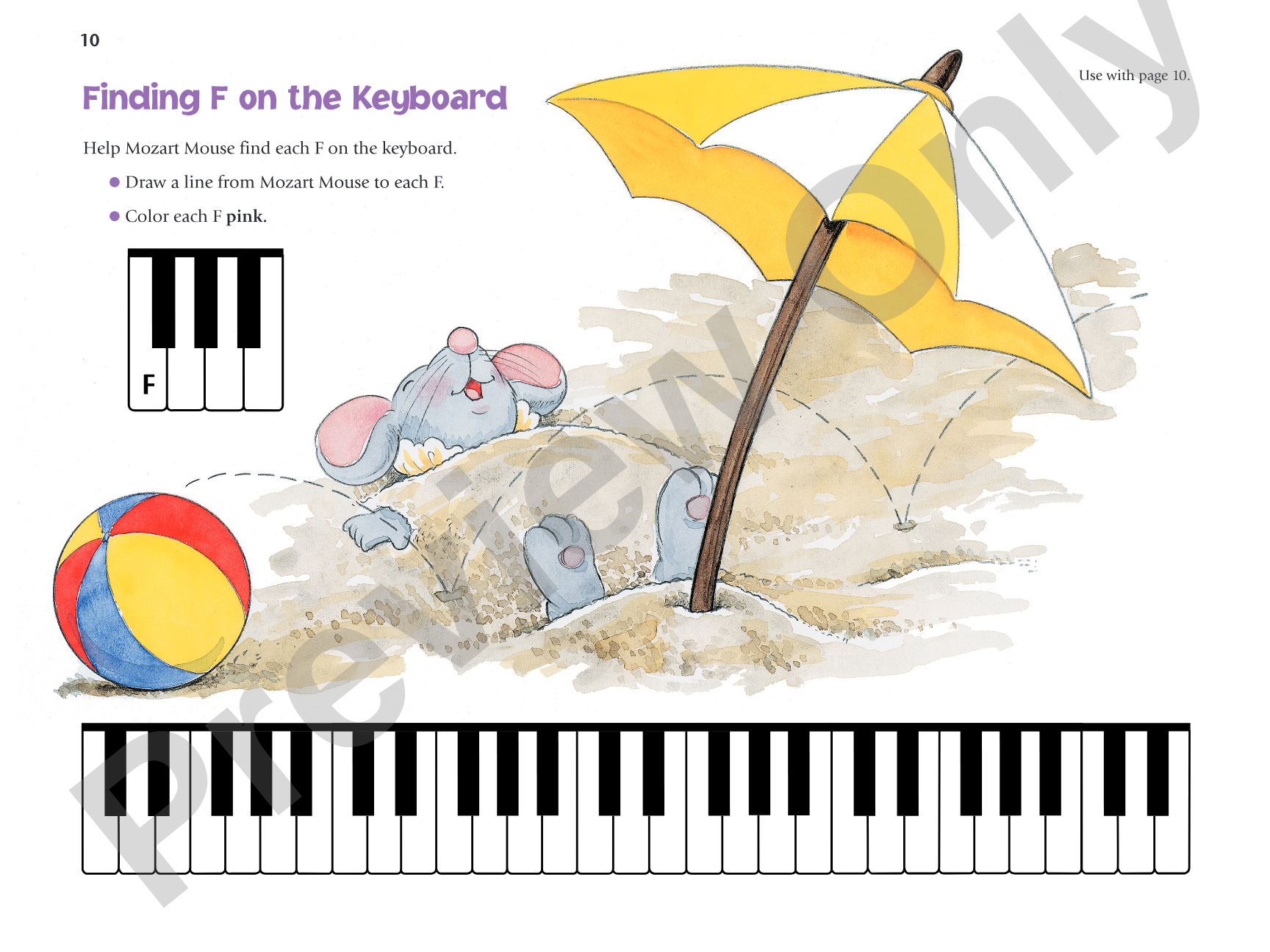
The Music Workbook contains pages of coloring, tracing, matching, ear training and listening that have been carefully designed to reinforce the musical concepts introduced in the Music Lesson Book 2. In full color, 48 pages.


Music for Little Mozarts: Music Workbook 2: Coloring and Ear Training Activities to Bring Out the Music in Every Young Child: Piano isn't in MakeMusic Cloud just yet...but it could be. Let us know you'd like to see it, and you'll help shape what comes next. In the meantime, start a free trial and dive into thousands of interactive titles your students can play along with today.
Request This Title
Tell us you want it.
Start Your Free Trial
Explore everything that's ready to play right now.
Sample Audio
No sample audio found.
Sample Video
No sample videos found.
Additional Details
Series:
Music for Little Mozarts
Publisher:
Alfred Music
Page Count:
48
SKU:
00-PB-0002171
More about this title
About the Composer: Christine H. Barden

Christine H. Barden shaped early childhood music pedagogy as co-author of Alfred's Music for Little Mozarts, establishing herself as a recognized voice in preschool piano instruction. Her background spans piano performance studies at San Francisco State University under Vladimir Brenner and formative years studying and teaching across Europe. She spent 17 years as a national staff member with Yamaha Music Education System, where she served as Director of Curriculum and National Chief Instructor, bringing that depth of experience into every resource she creates.
Barden maintains an independent piano studio in Reno, Nevada, where she teaches composition and piano while continuing to lead Music for Little Mozarts classes. Her published compositions have earned recognition including a National Federation of Music Clubs Junior Festival selection. She is a sought-after clinician who has conducted workshops for piano teachers at conferences across the United States, England, Norway, and Singapore.
Why we love this
This workbook does the heavy lifting of concept reinforcement without asking you to design activities from scratch. Every page connects directly to the corresponding lesson book material, so students aren't puzzle-solving generic worksheets; they're deepening the exact concepts you just introduced. The balance between creative activities (coloring, tracing) and focused ear training keeps young students engaged while building genuine listening skills.
What to expect
Colorful, playful, and purposeful. Students encounter familiar melodies and musical concepts woven into activities that feel like play rather than drill work. The thoughtful design keeps young hands and ears engaged while building the foundational skills that make reading music feel natural.
Who it's for
Early elementary pianists working through the Music for Little Mozarts curriculum will find these 48 pages essential for consolidating what they're learning in weekly lessons. Teachers running Music for Little Mozarts classes benefit from having structured, developmentally appropriate activities that reinforce concepts without requiring hours of preparation.
How to get the most out of it
- Have students complete ear training pages immediately after you introduce the corresponding concept in the lesson book, while their ears are still actively tuned to the new sound or interval.
- Create a ritual around the coloring and tracing pages by having students share their finished work with the class; this builds confidence and models that music learning includes creative expression.
- Use matching activities as a quick informal assessment tool to identify who needs more time with a particular concept before moving forward.
- Play the recorded accompaniments while students work through listening pages to anchor their experience in actual sound rather than only visual representation.
How to use it
Assign workbook pages as homework directly aligned with each week's lesson, or dedicate the last 10 minutes of group classes to guided work on pages students find challenging. Teachers using Music for Little Mozarts in preschool settings can integrate workbook activities into classroom music time to extend learning beyond the piano bench.
Skills your students will build
- Identifying interval relationships through ear training activities
- Recognizing note names and their positions on the staff
- Tracking melodic contour and directional movement
- Matching musical symbols with their sound equivalents
- Fine motor control through tracing and coloring that reinforces note literacy
- Sustained listening attention in short, focused exercises