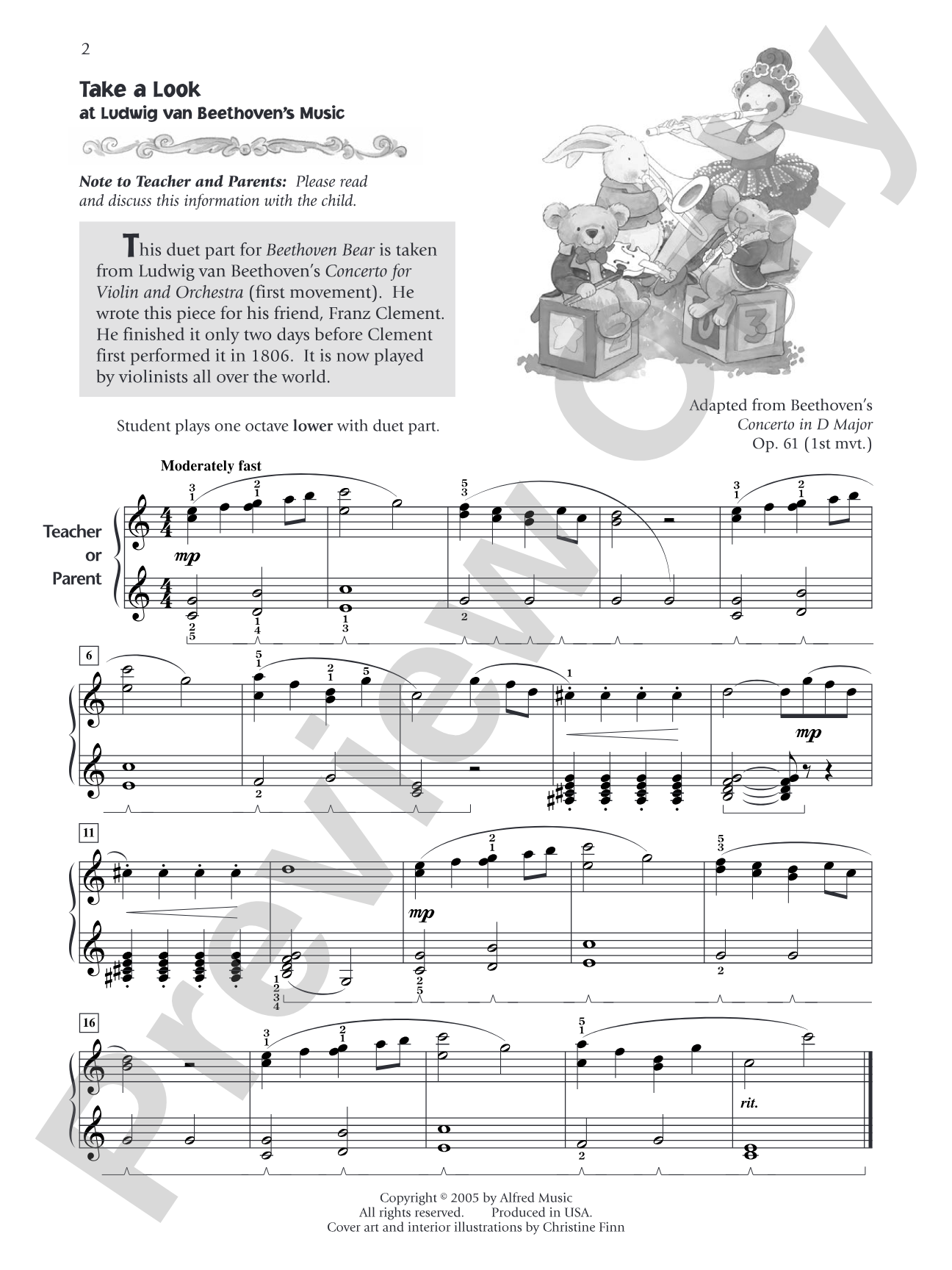
Music for Little Mozarts: Character Solo -- Beethoven Bear, Level 2 Sheet Music Preview

Music for Little Mozarts: Character Solo -- Beethoven Bear, Level 2: Piano

By Christine H. Barden, Gayle Kowalchyk, and E. L. Lancaster

Item: 00-PS-0017793

Digital Download
$3.99
Description
Using themes from Beethoven's "Concerto for Violin and Orchestra," this sheet solo includes interesting facts about Beethoven and his life, rhythm exercises, fun pictures and charming accompaniments.

Music for Little Mozarts: Character Solo -- Beethoven Bear, Level 2: Piano isn't in MakeMusic Cloud just yet...but it could be. Let us know you'd like to see it, and you'll help shape what comes next. In the meantime, start a free trial and dive into thousands of interactive titles your students can play along with today.

Sample Audio
No sample audio found.
Sample Video
Additional Details
Series: Music for Little Mozarts
Publisher: Alfred Music
Page Count: 4
SKU: 00-PS-0017793

More about this title

About the Composer: Christine H. Barden

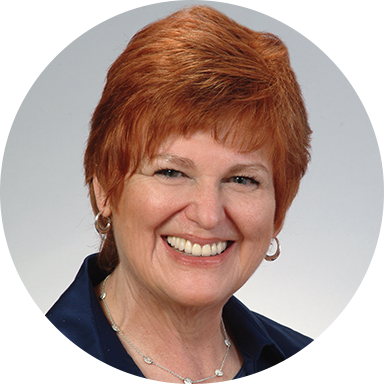
Christine H. Barden

Christine H. Barden co-developed Alfred's Music for Little Mozarts, a foundational preschool piano curriculum recognized internationally for its pedagogical approach to early keyboard learning. Based in Reno, Nevada, she maintains a private teaching studio where she works with prize-winning young pianists and leads Music for Little Mozarts classes. Her training includes a degree in piano performance from San Francisco State University and studies with Vladimir Brenner, pianist for the NBC Symphony Orchestra, followed by four years of study, performance, and teaching in Europe.

Barden served as Director of Curriculum and National Chief Instructor for the Yamaha Music Education System for 17 years, and was among the first American educators to train with Yamaha Music Foundation instructors in Japan. She has delivered clinician workshops at professional conferences across the United States, England, Norway, and Singapore. Her published compositions include several piano solos for young students; "Etude Toccata" earned recognition as a National Federation of Music Club Junior Festival selection.

Why we love this

This piece brings Beethoven to life through a lens young pianists can actually connect with. The inclusion of biographical context alongside the music itself teaches students that composers are real people with stories, making the historical connection feel immediate rather than distant. The combination of a recognizable theme, supportive accompaniment, and integrated rhythm work means your students practice something musically engaging rather than just drilling.

What to expect

Stately and spirited, with the determined energy Beethoven is famous for. The piece carries dignity without heaviness, letting young hands experience what it feels like to play music written by one of history's greatest composers.

Who it's for

This solo is designed for early elementary pianists at Level 2 who are ready to explore themes from the classical composers. It works especially well for students in the Music for Little Mozarts program who want to expand beyond the method book into short, character-driven pieces that match their technical level.

How to get the most out of it

  • Work through the rhythm exercises before tackling the melody line; they're designed to prepare your hands for the rhythmic gestures that appear in the solo itself.
  • Use the accompaniment as your foundation. Listen to it first without playing, so you understand the harmonic context and can sit comfortably within it rather than rushing ahead.
  • Pay attention to the dynamics marked in the score. Even at Level 2, shaping the phrase with soft and loud moments gives the Beethoven theme character and keeps it from sounding mechanical.

How to use it

Feature this as a recital solo during a "Composers Around the World" concert, or pair it with other Character Solos from the Music for Little Mozarts series to create a thematic program exploring different musical personalities. The biographical information printed in the score makes it perfect for students preparing program notes or short spoken introductions before performance.

Skills your students will build

  • Recognizing and executing rhythm patterns from written exercises
  • Playing melodic themes above a written accompaniment without losing independence
  • Understanding historical context and composer biography as part of musical interpretation
  • Maintaining steady tempo against harmonic support

You May Also Like