Moonlight Cover Image

Moonlight: SSA Choral Octavo

$2.30 USD
Sale price  $2.30 USD Regular price 
Skip to product information
Moonlight Cover Image

Moonlight: SSA Choral Octavo

Words by Emily Brontë, music by Mark Burrows

Item: 00-51548

Need it now?

Buy Digital Version
$2.30
Shipped

One moment…

Description
Emily Brontë's evocative poetry absolutely shimmers in this serene setting by Mark Burrows. Elegant vocal parts include soaring melodies, sumptuous harmonies, and expressive nuances, all of which mirror the tranquil beauty and solitude of nighttime. Perform with the stunning piano alone, or add the artful cello obbligato (available as a free download).

Moonlight: SSA Choral Octavo isn't in MakeMusic Cloud just yet...but it could be. Let us know you'd like to see it, and you'll help shape what comes next. In the meantime, start a free trial and dive into thousands of interactive titles your students can play along with today.

Sample Pages

Sample Audio
0:00
0:00
Sample Video
Additional Details
Series: Alfred Choral Designs
Publisher: Alfred Music
Page Count: 12
UPC: 038081590486
SKU: 00-51548

More about this title

About the Composer: Mark Burrows
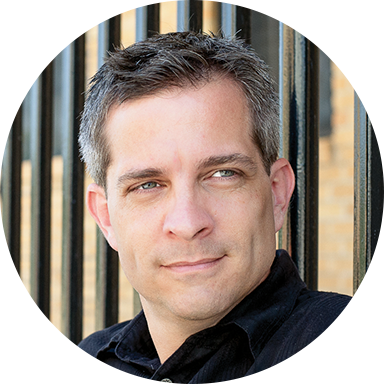
Mark Burrows

Mark Burrows composes for ensembles across the full spectrum of choral music, from youth choirs to adult festival groups. His works appear regularly on state and festival lists, and he fields commissions consistently from diverse communities. He holds degrees in music education from Southern Methodist University and in conducting from Texas Christian University, and serves as Director of Children's Ministries at FUMC in Fort Worth, Texas.

Burrows brings practical classroom experience to his compositional voice. He understands what singers need to connect with a text, how to craft parts that challenge without overwhelming, and where to place the moments that linger. His music lives in concert halls and festival stages across the country, shaped by years of working directly with the singers who bring it to life.

Why we love this

Burrows sets Brontë's poetry with unusual restraint and clarity. Rather than drowning the text in accompaniment, he lets the piano and optional cello support singers who have genuine, singable melodies to carry. The harmonic language feels fresh without demanding a specialized ensemble; most high school and collegiate SSA choirs will find these parts accessible and genuinely rewarding to learn.

What to expect

Serene and introspective, with moments of gentle intensity that never break the spell of moonlit solitude. The harmony suggests depth without heaviness; the vocal writing soars without strain. Listeners will feel the quiet intimacy of Brontë's vision, held in the singers' voices and the piano's delicate support.

Who it's for

High school and college SSA choirs seeking concert and festival repertoire with literary substance. This piece works equally well for groups prioritizing expressive artistry and for ensembles building toward more complex harmonic writing.

How to get the most out of it

  • Shape the vocal lines through the text first. The poetry benefits from slight rubato that follows the natural phrasing of Brontë's language rather than rigid metric adherence.
  • If you include the cello obbligato, rehearse the choir independently first so singers own their harmonic foundation before the added instrumental color enters.
  • Attend to the dynamic range marked in the score. The contrast between the softest passages and the fuller sections creates the emotional arc that makes this work memorable.

How to use it

This piece anchors a concert's introspective second half or serves as a striking festival selection that stands apart from more energetic programming. It pairs naturally with other art song settings or with instrumental works of similar sensibility, and its moderate length (12 pages) allows room for contrasting repertoire in the same concert.

Skills your students will build

  • sustaining long lines while maintaining consistent tone
  • balancing three-part harmony in close voicings
  • expressive text interpretation and musical phrasing
  • dynamic control across a quiet tessitura
  • independence of individual vocal lines within harmonic texture

You May Also Like