
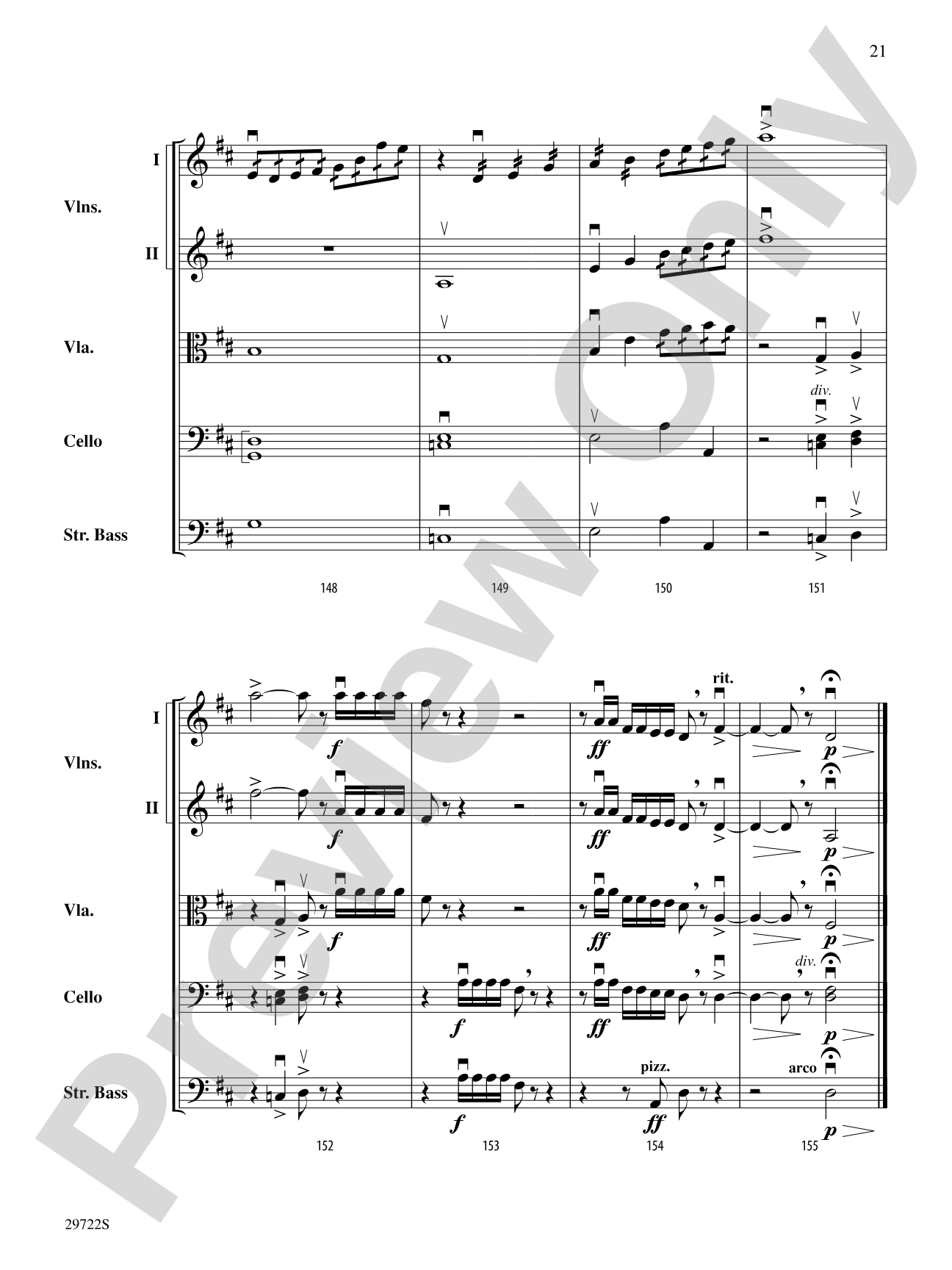




Momentum: String Orchestra Conductor Score & Parts
By Richard Meyer
Grade: 3
Item: 00-PK-0001583

$60.00
Pickup currently not available
Buy Extra Parts (Digital PDF Download)
| Product | Price | Quantity |
|---|---|---|
| Momentum: Score | $10.00 | |
| Momentum: 1st Violin | $5.99 | |
| Momentum: 2nd Violin | $5.99 | |
| Momentum: Viola | $5.99 | |
| Momentum: Cello | $5.99 | |
| Momentum: String Bass | $5.99 |
Parts Added to Cart!
Description
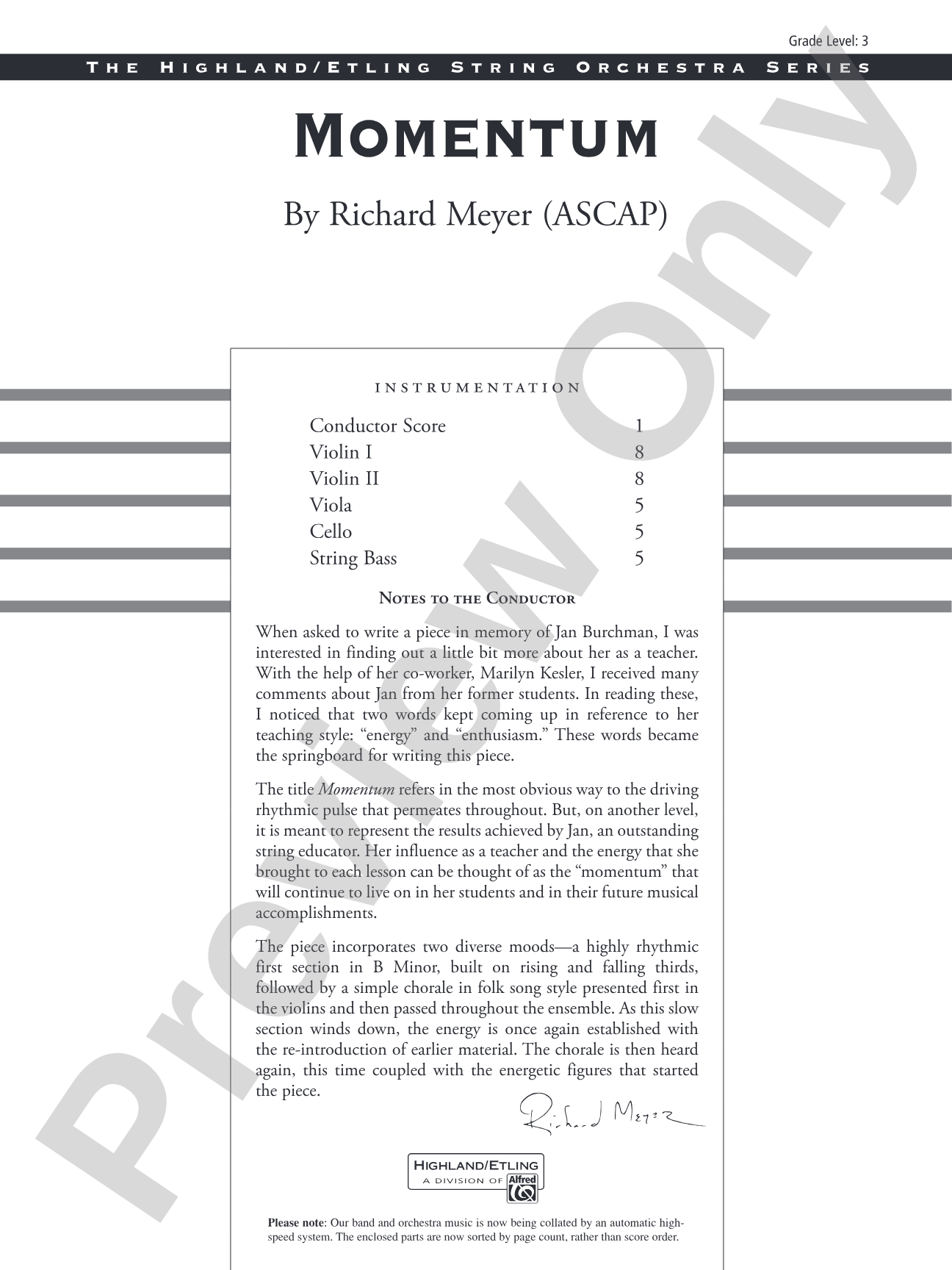
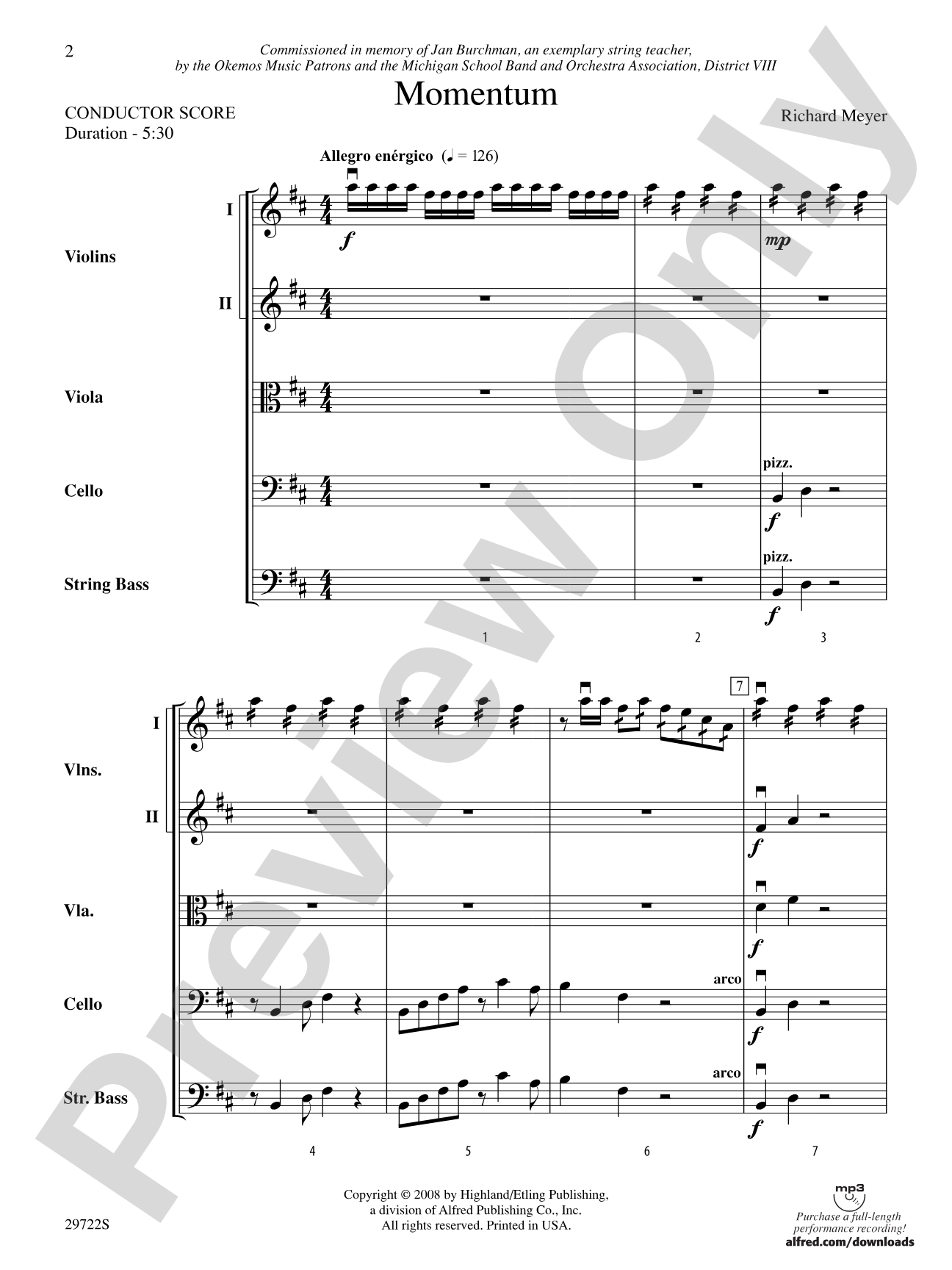
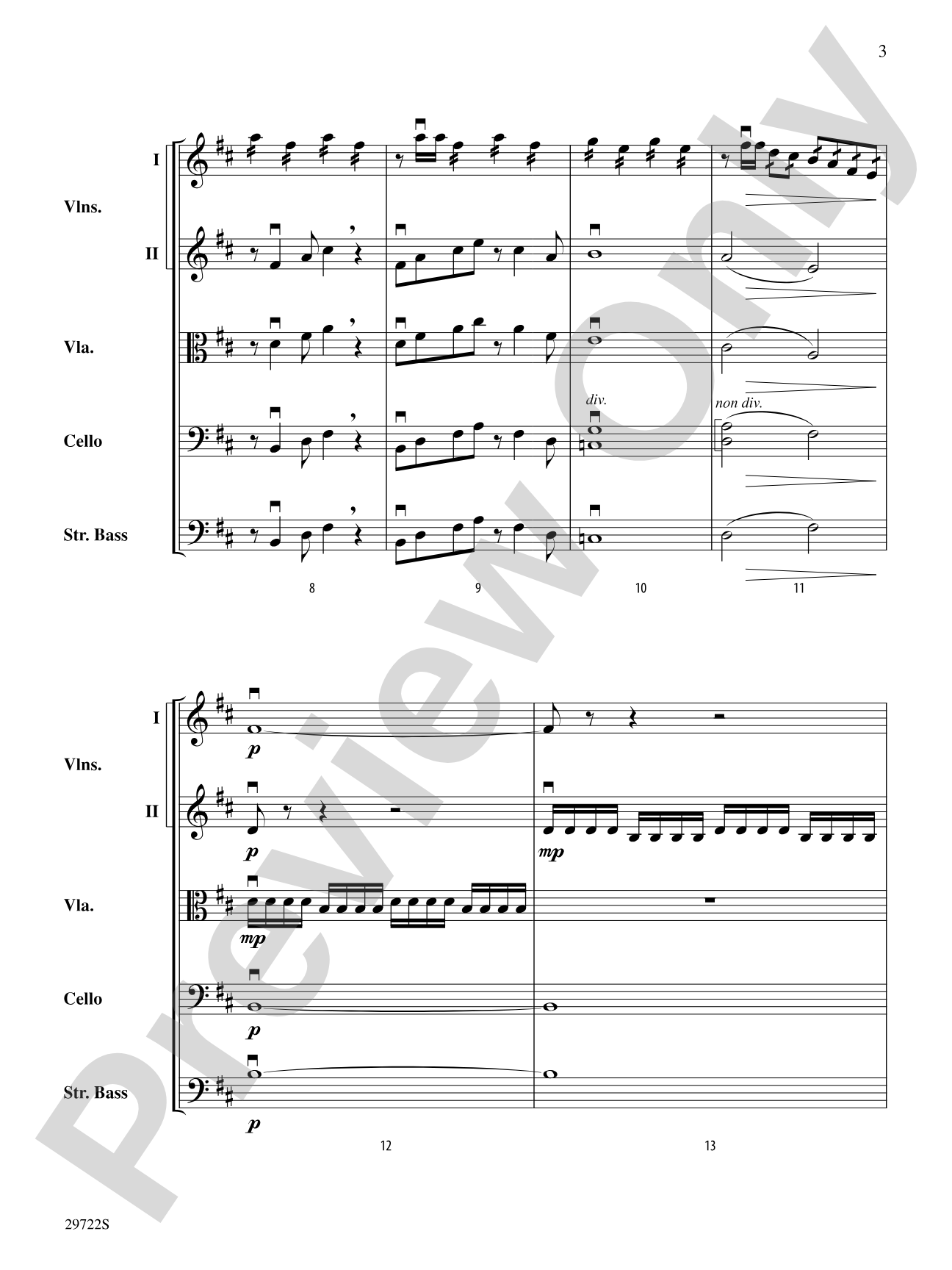
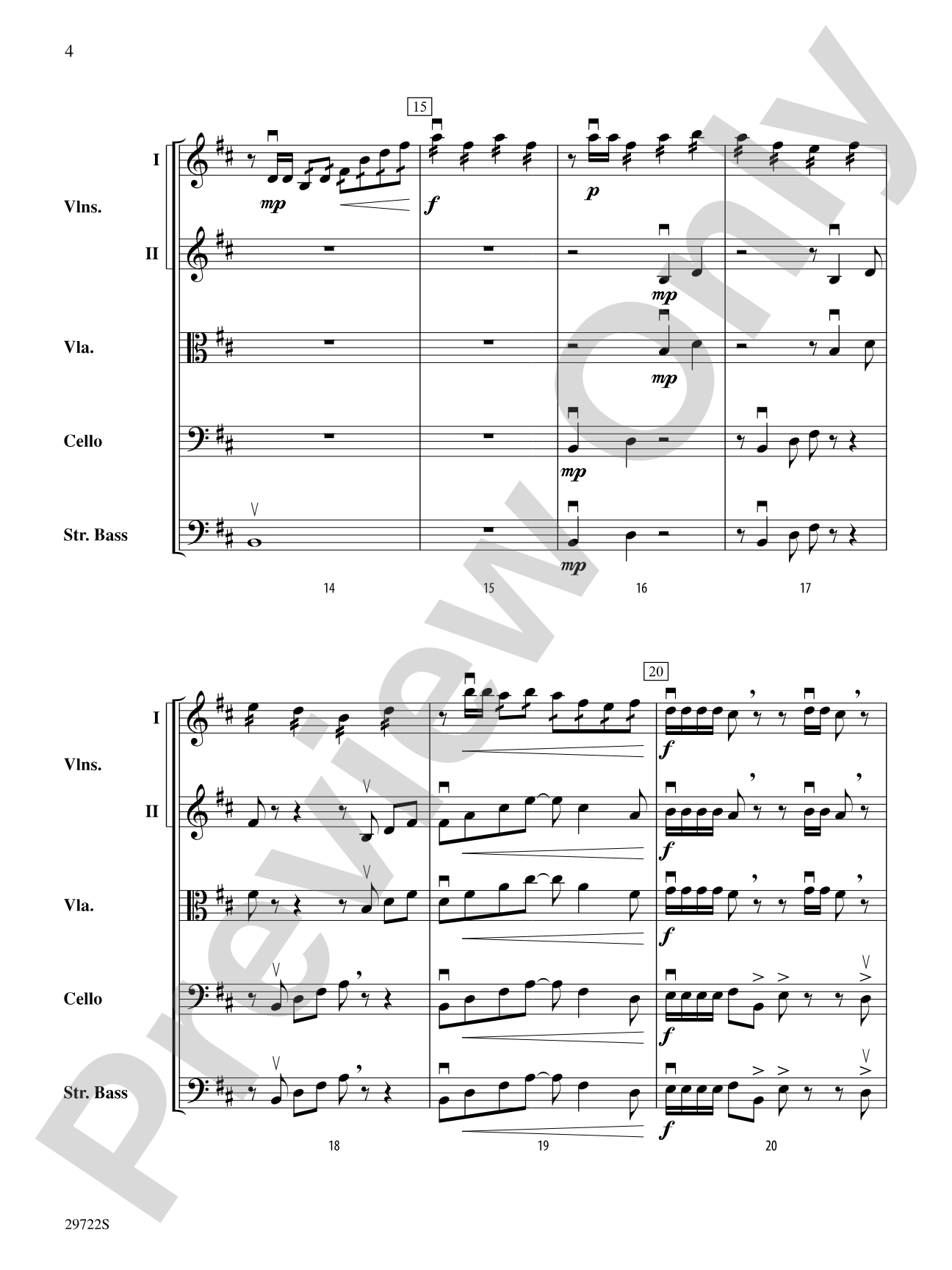
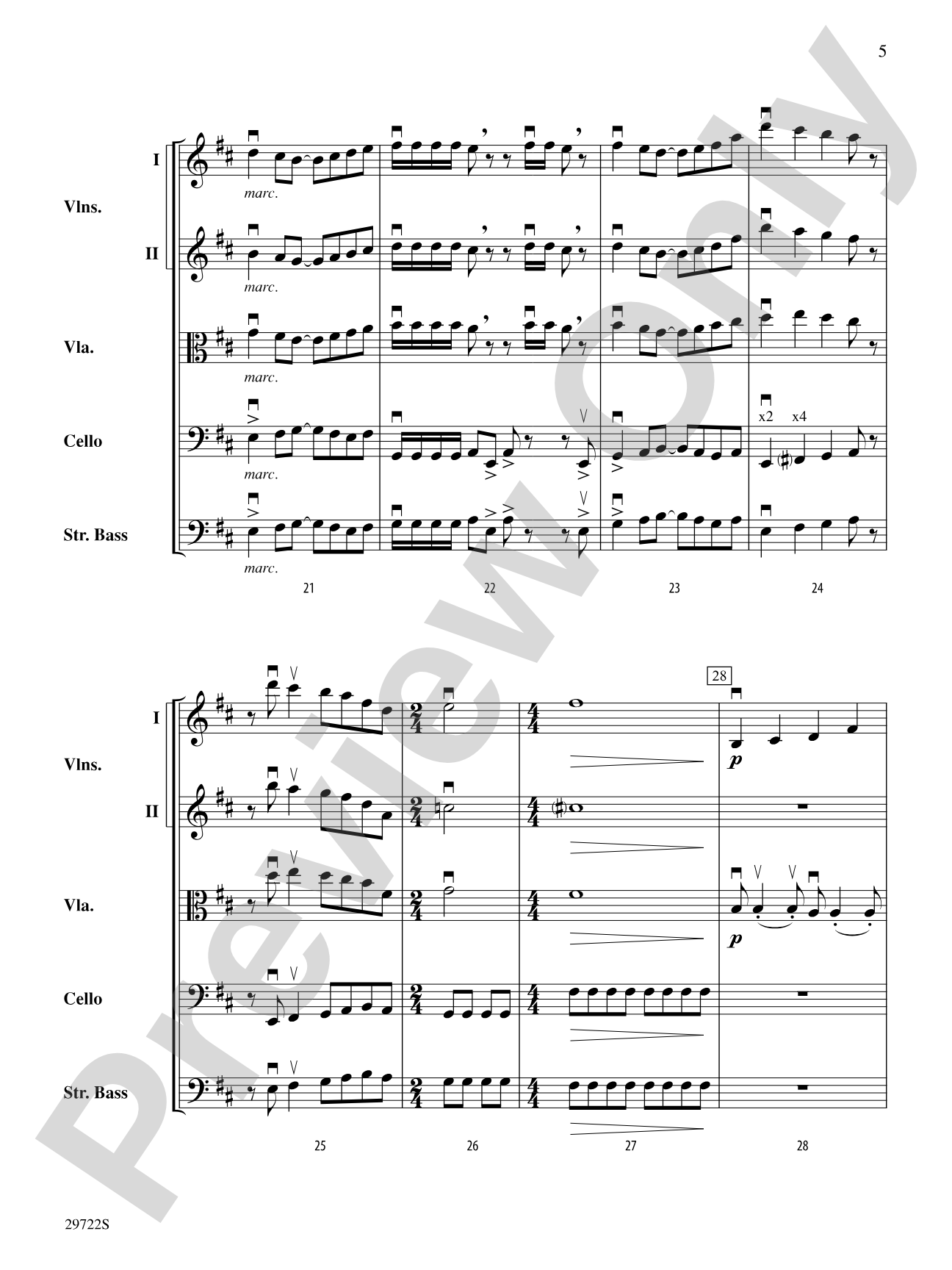
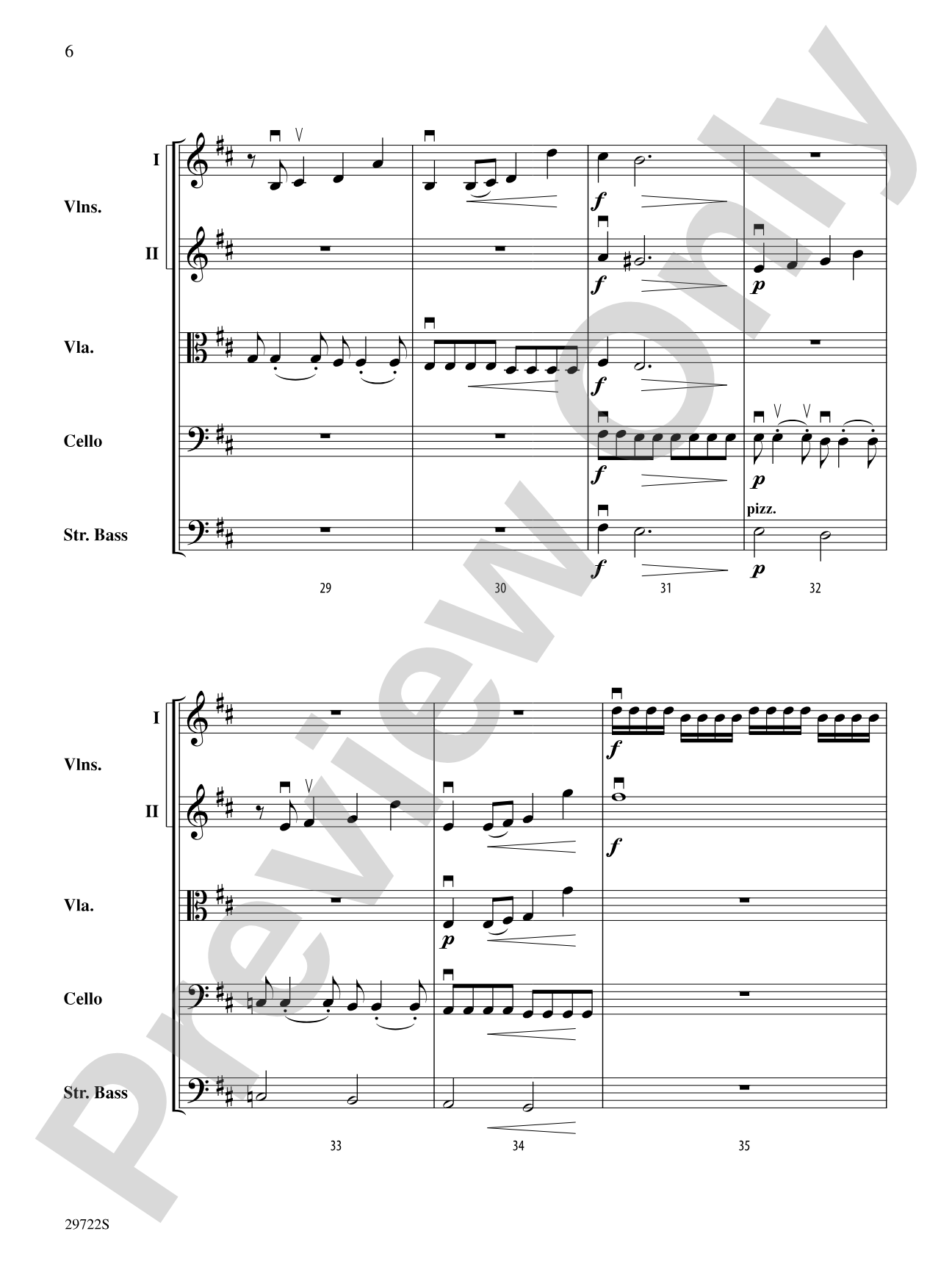
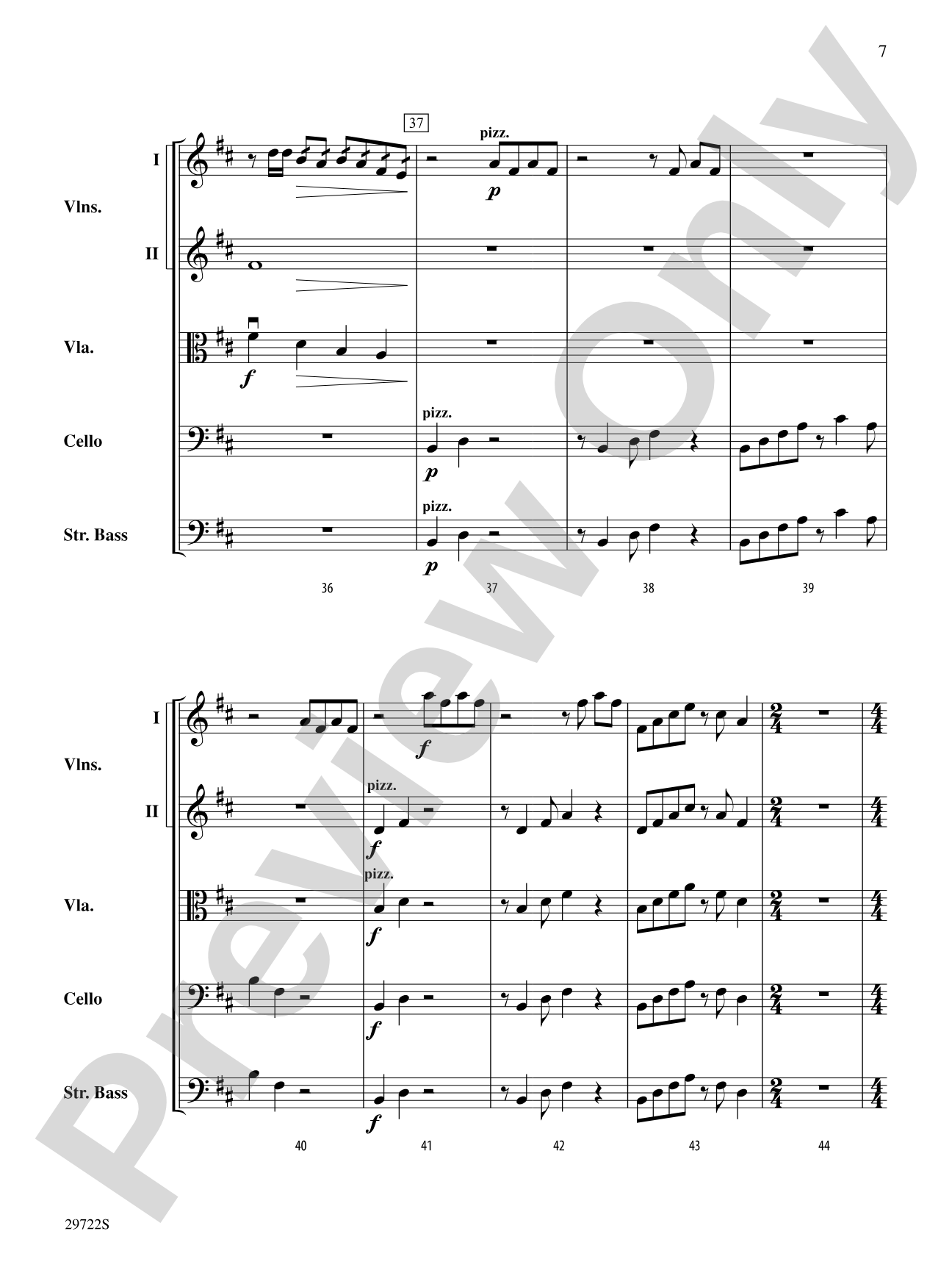
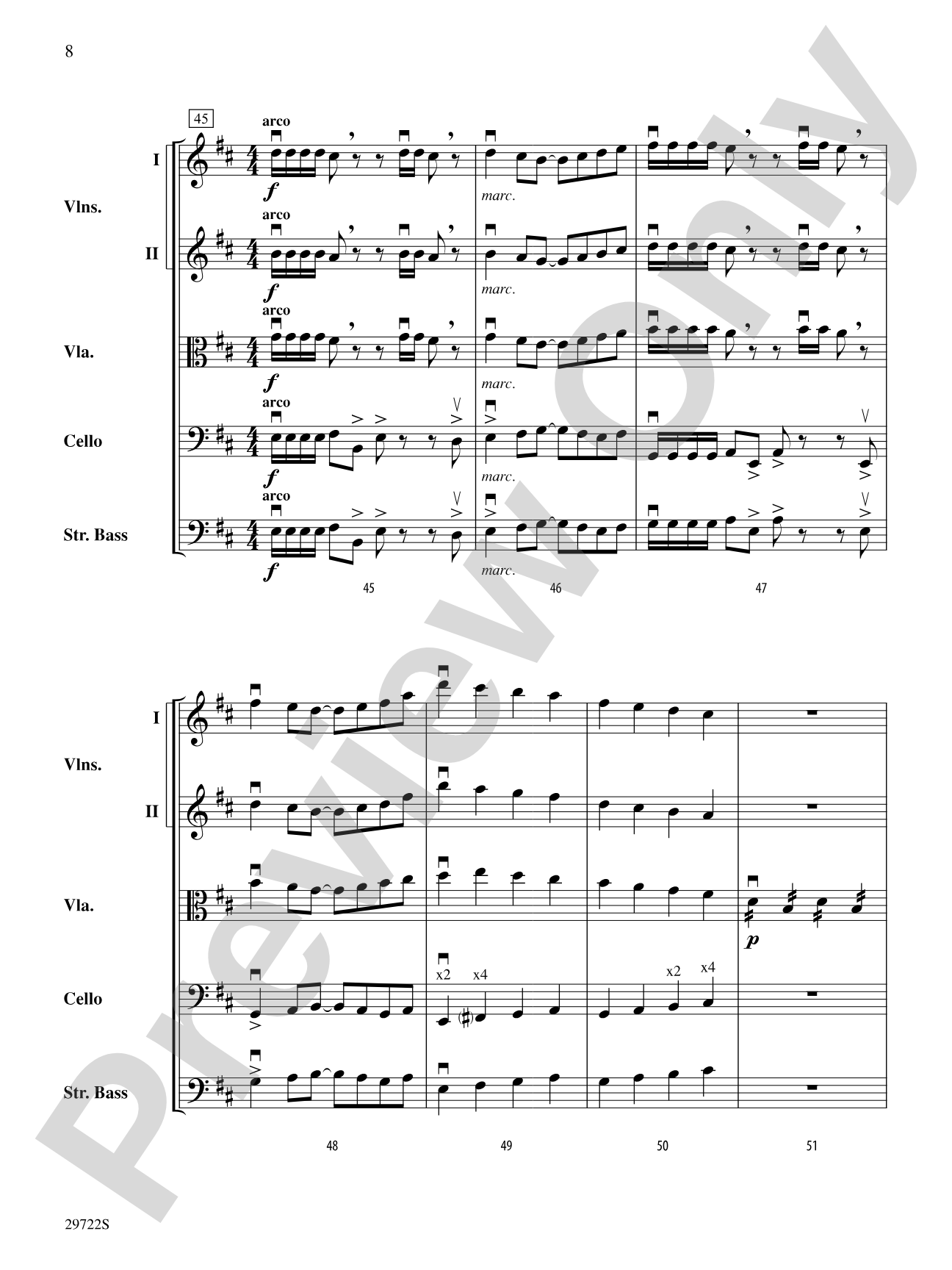
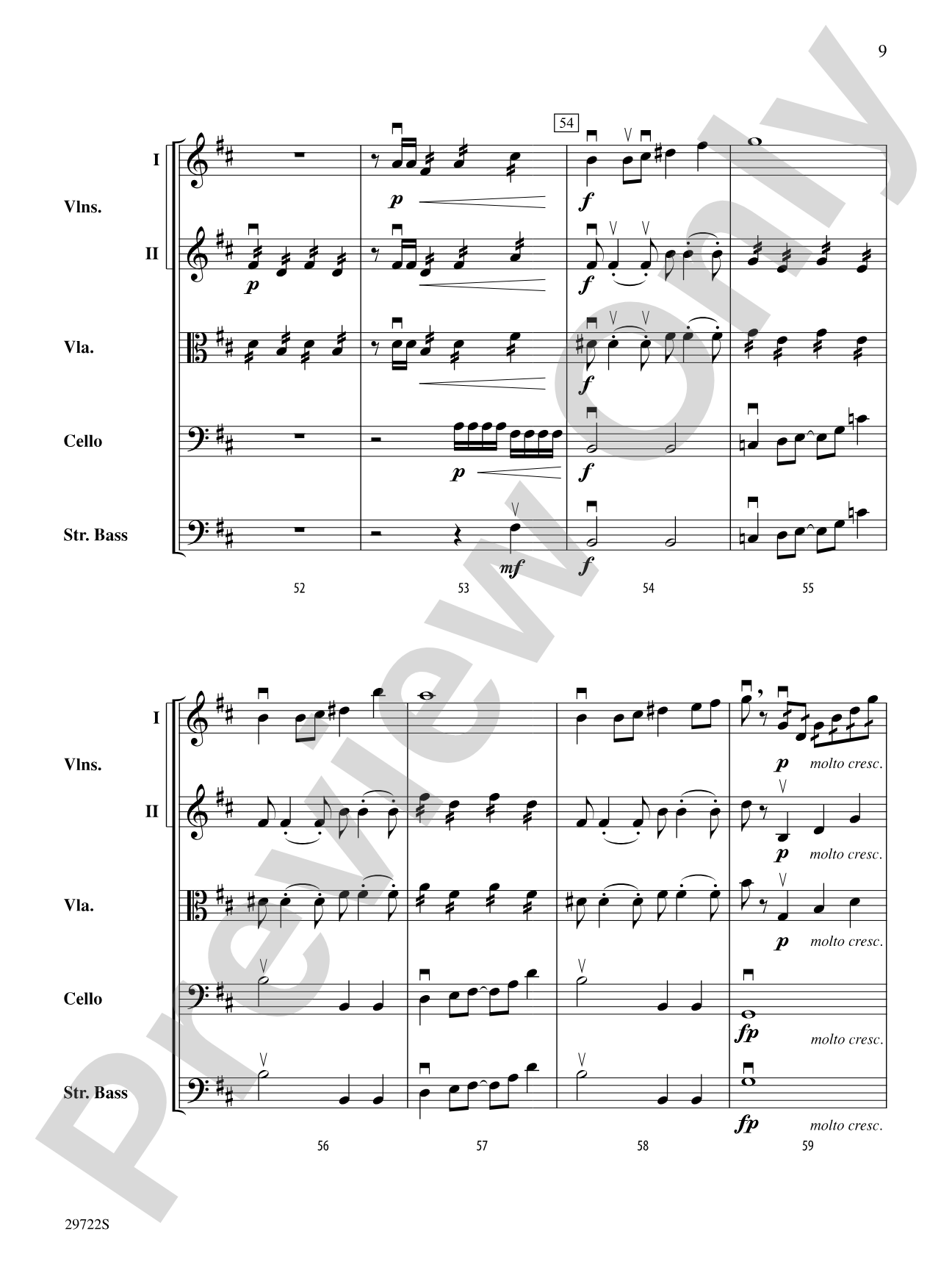
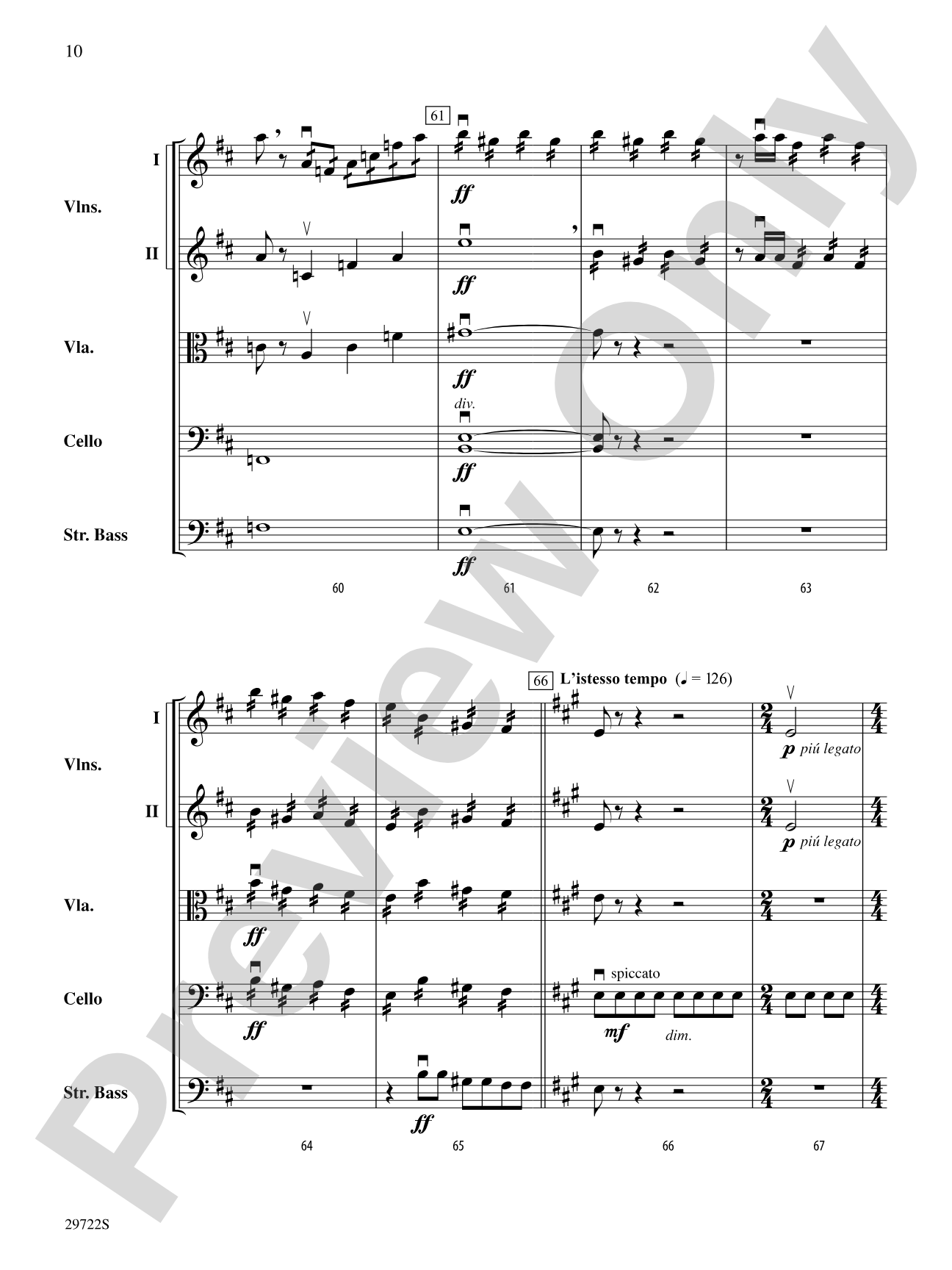
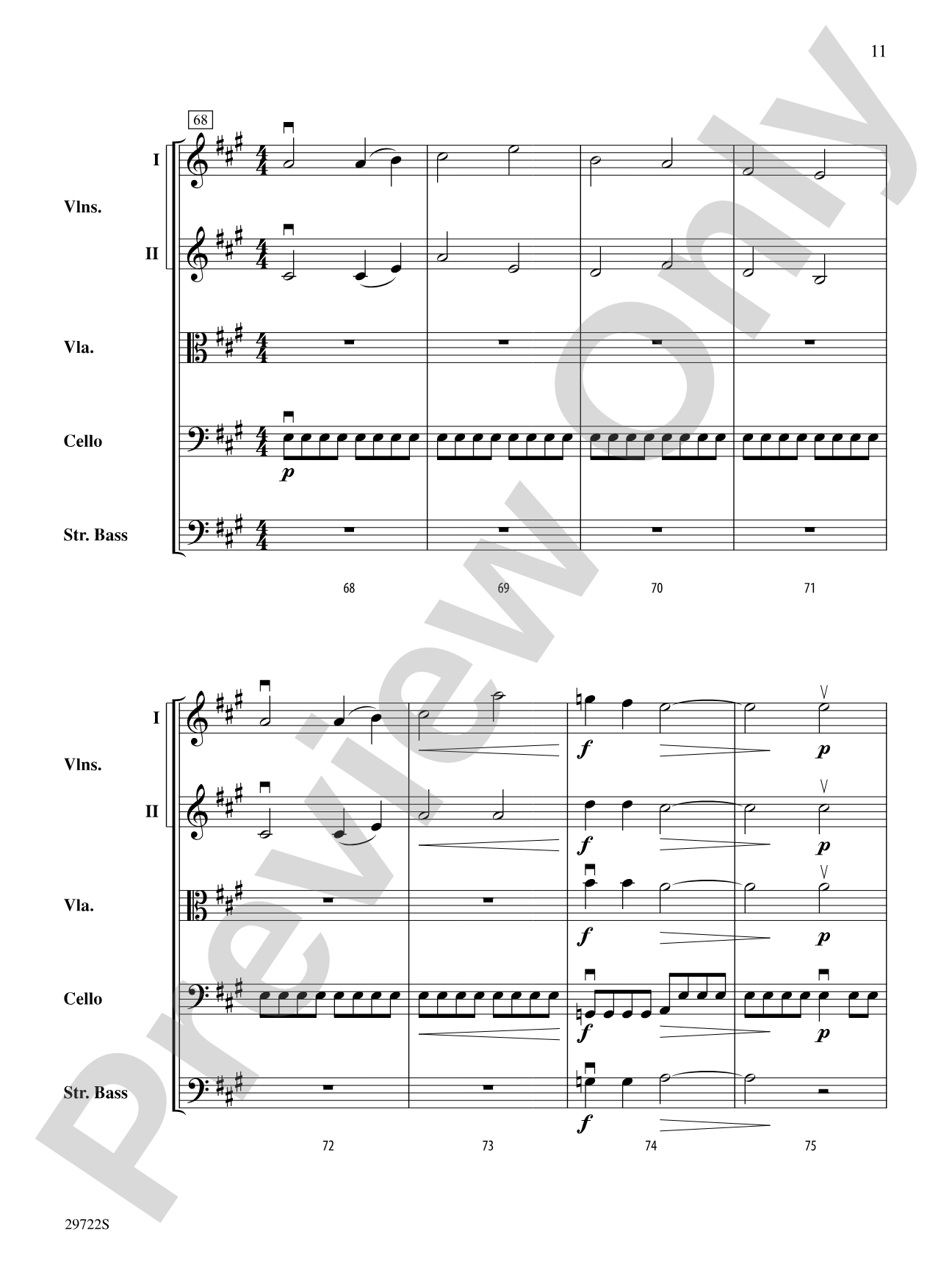
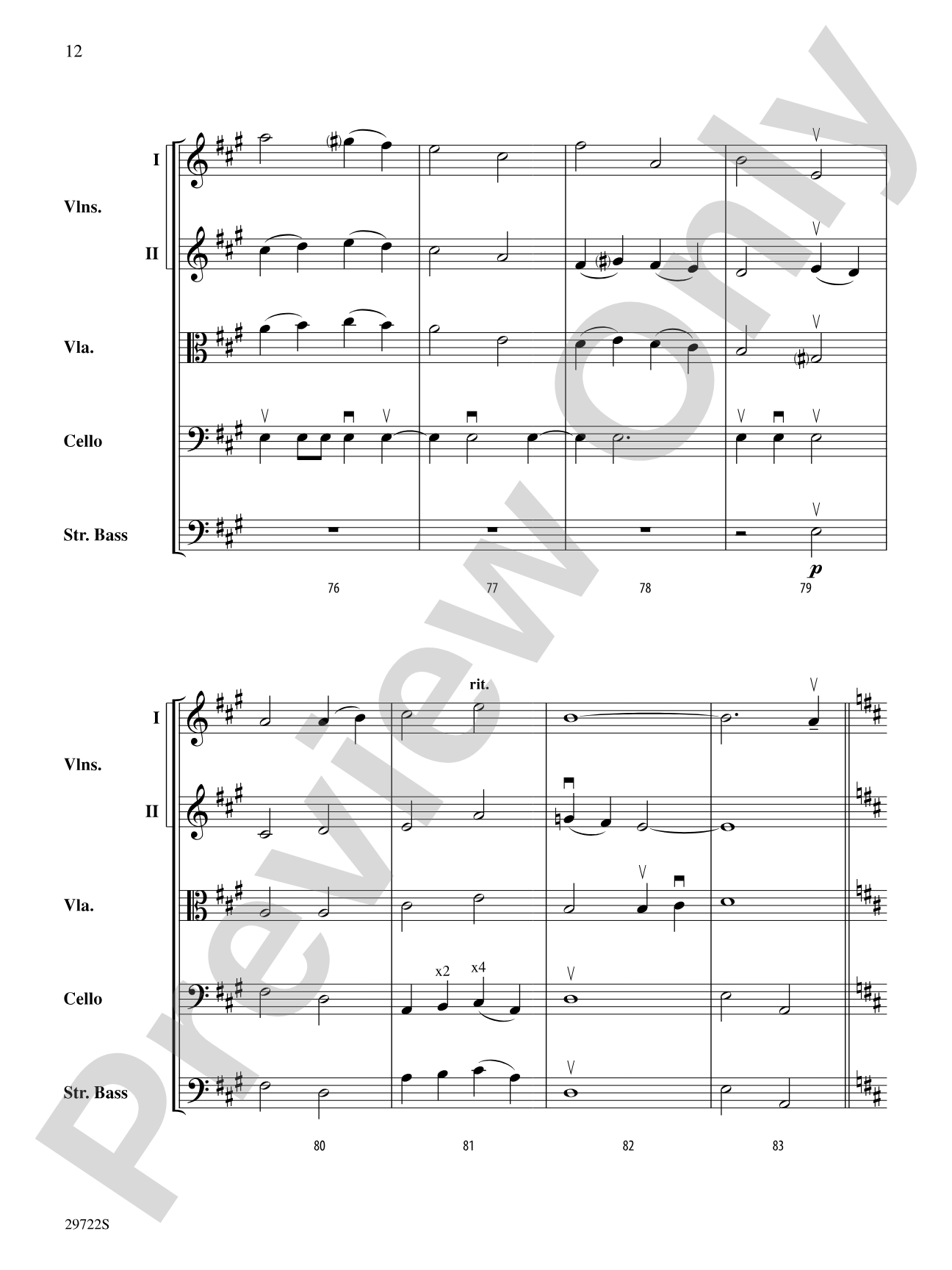
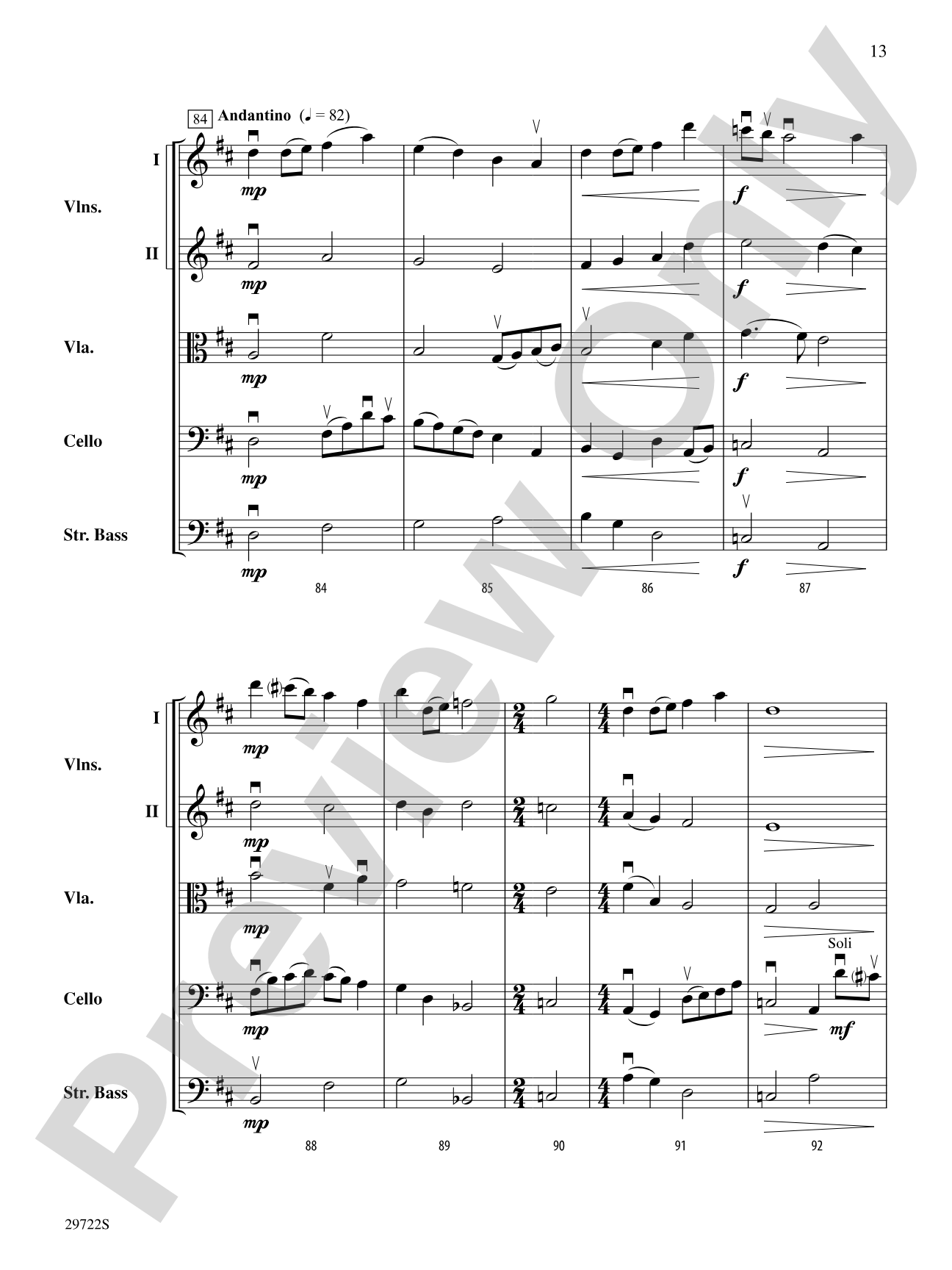
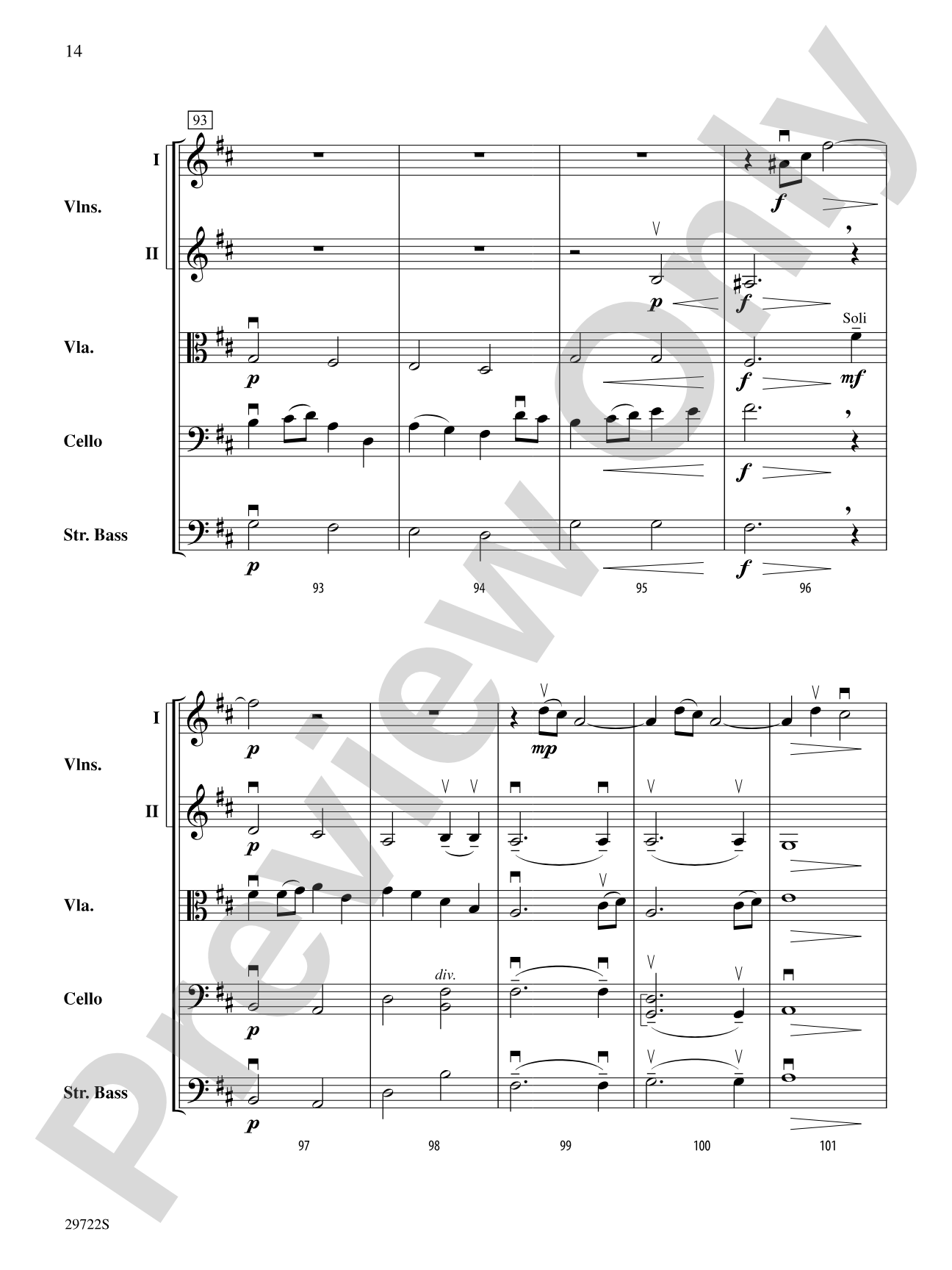
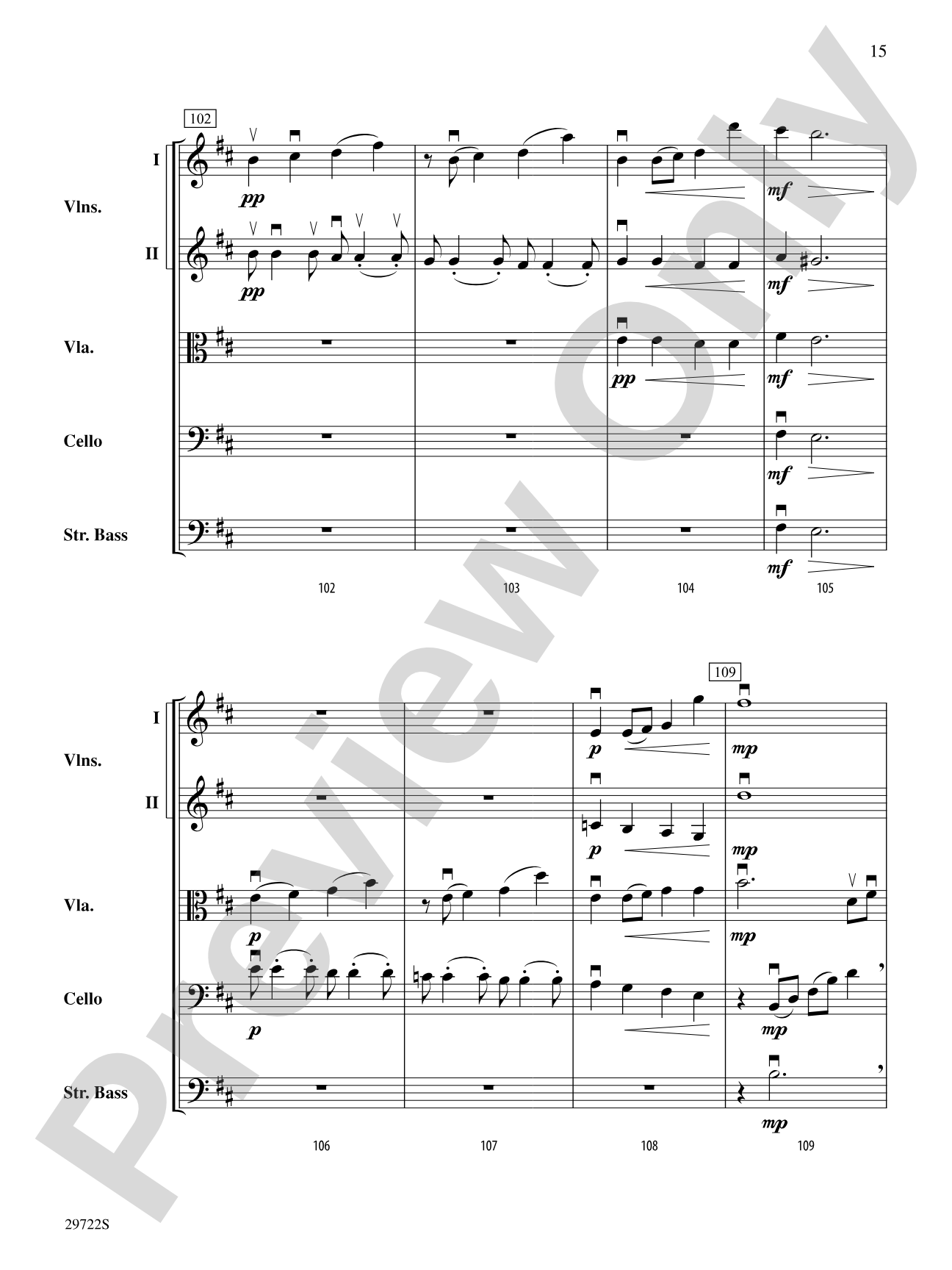
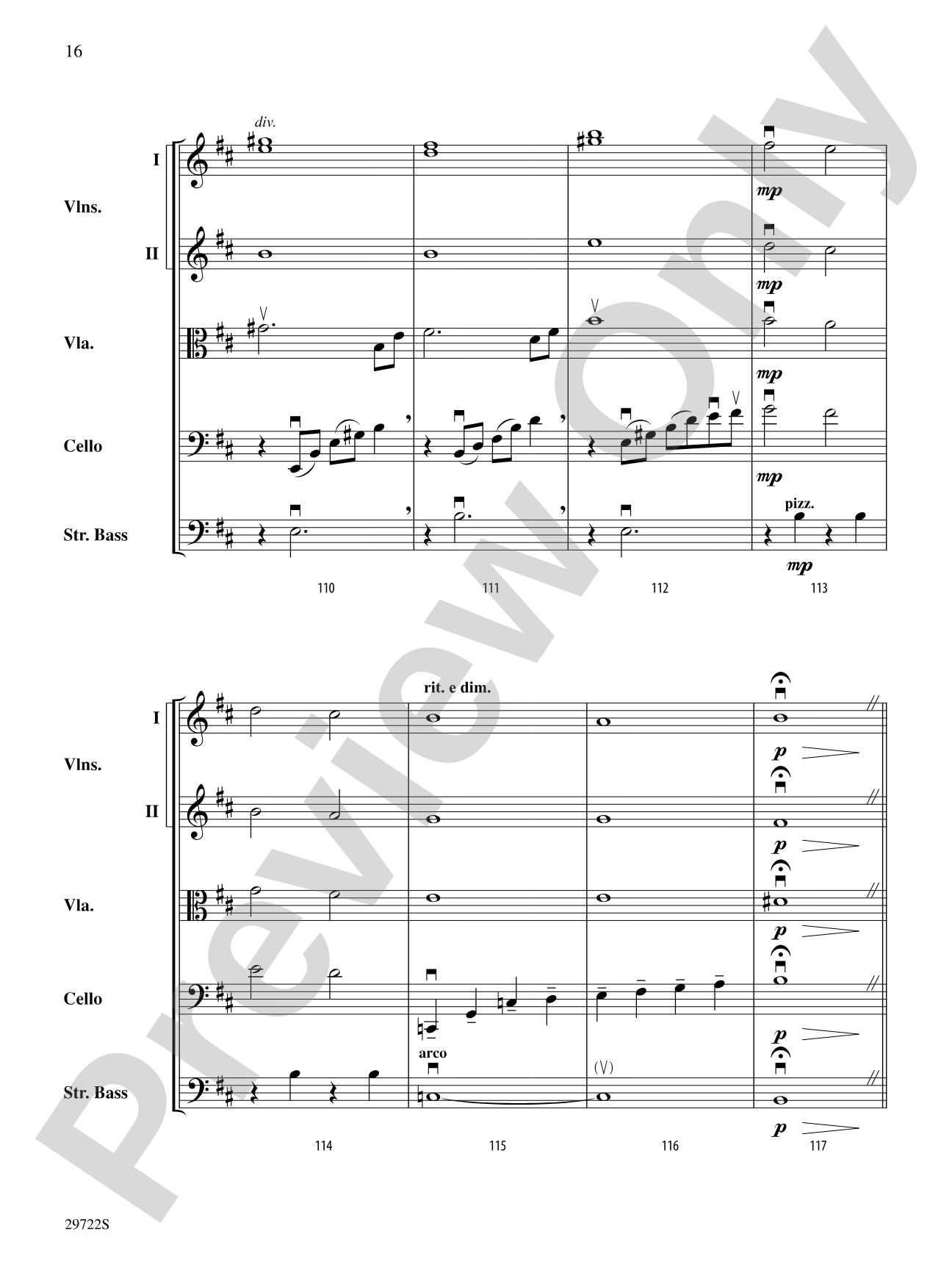
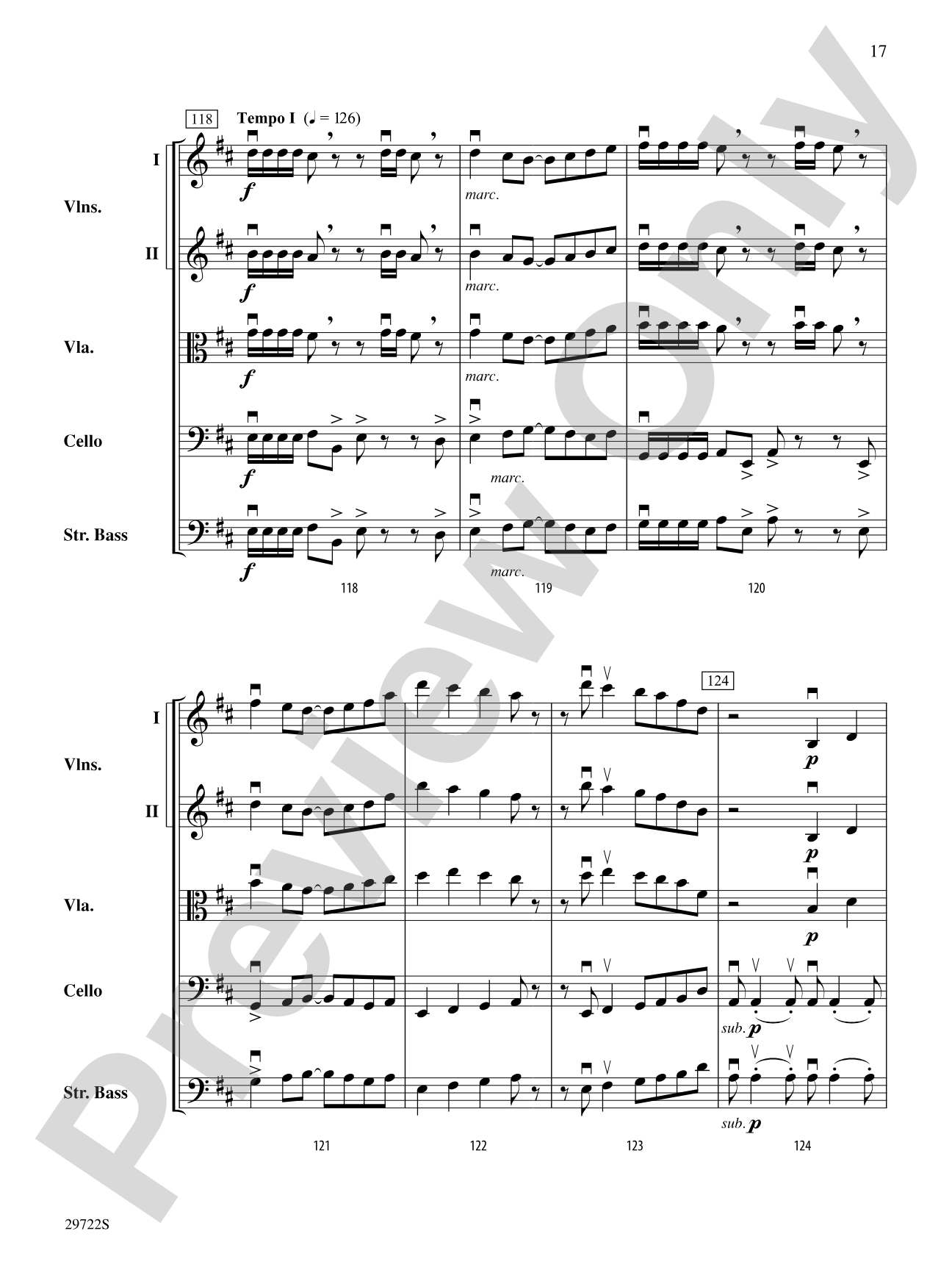
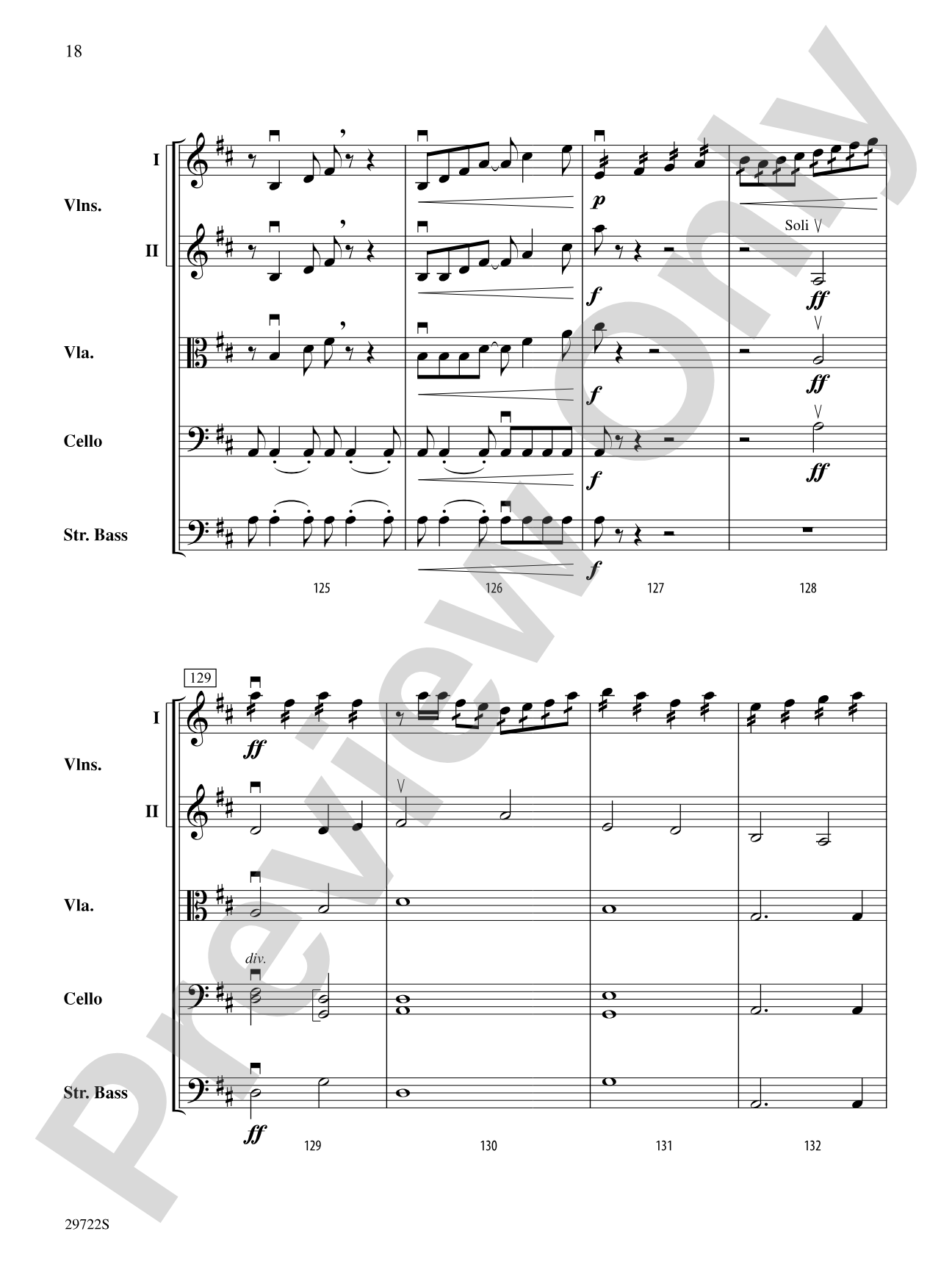
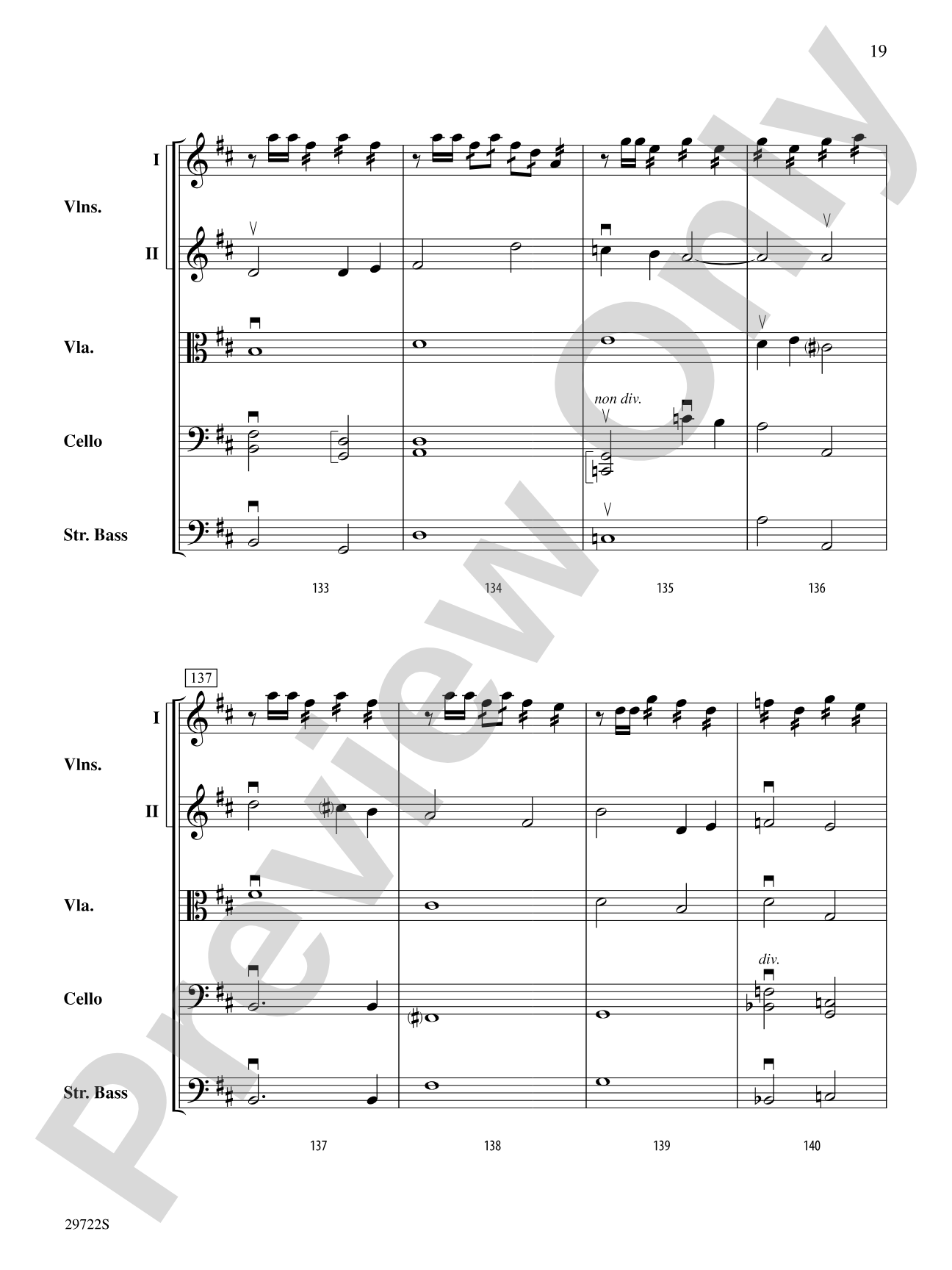
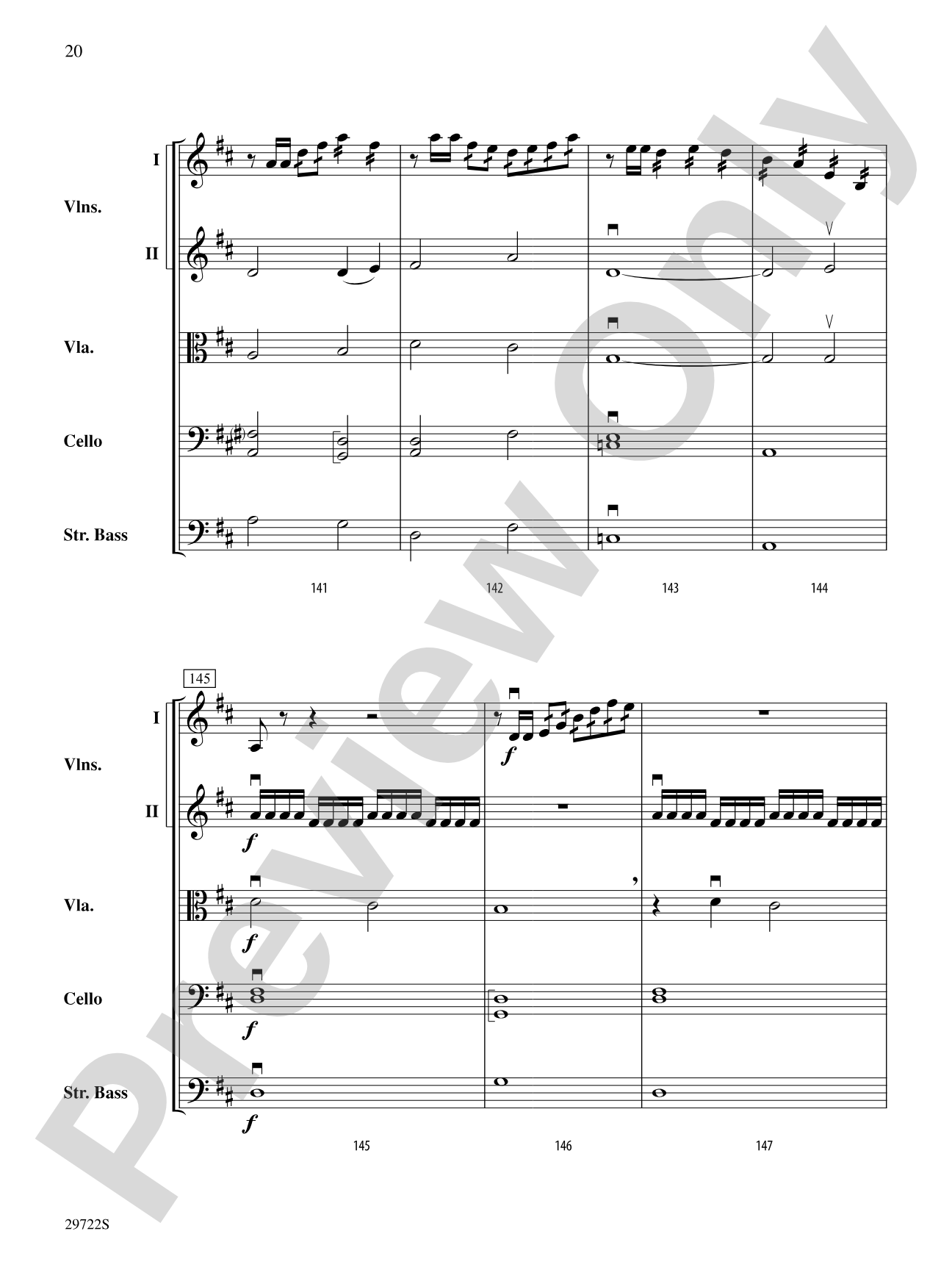
As the title suggests, a driving, rhythmic pulse permeates throughout this contemporary original selection by Richard Meyer. The piece incorporates two diverse moods---a highly rhythmic first section in B Minor, built on rising and falling thirds, followed by a simple chorale in folk-song style presented first in the violins and then passed throughout the ensemble. As this slow section winds down, the energy is once again established with the re-introduction of earlier material. The chorale is then heard again, this time coupled with the energetic figures that started the piece. A great choice for your next concert or contest, "Momentum" provides a wide variety of outstanding teaching opportunities while using a fresh "new" sound that your students will love! (5:30)


Don't just read it, hear it, play along with it, and watch your students grow with it. In MakeMusic Cloud, Momentum: String Orchestra Conductor Score & Parts comes alive with professional accompaniment, adjustable tempo, and built-in practice tools that turn solo practice into real progress.
Open in the Player
Jump straight in and assign it today.
Start Your Free Trial
Open this title and explore the full library in minutes.
Sample Audio
1
Audio File
--:--
0:00
0:00
Sample Video
Additional Details
Series:
Highland/Etling String Orchestra
Publisher:
Alfred Music
Page Count:
248
SKU:
00-PK-0001583
More about this title
About the Composer: Richard Meyer

Richard Meyer spent 35 years teaching strings across elementary, middle, and high school levels in public school settings. At Oak Avenue Intermediate School in Temple City, California, he transformed a program of 29 students into a thriving orchestra of 200 while simultaneously directing the city's elementary string curriculum. His work earned national recognition, particularly through the "Giving Bach" program he launched in 2009, which uses interactive concerts to reach special needs and underserved students throughout Southern California.
Beyond the classroom, Meyer has shaped the field as a guest conductor, clinician, and prolific composer with nearly 200 published works and arrangements. He directed the Pasadena Youth Symphony Orchestra for 16 years and has been featured at major conferences including the A.S.T.A. National Conference and workshops at Ohio State University. His contributions to music education publishing include co-authoring the String Explorer Series and serving as string editor for Alfred Publishing Company for over a decade.
Why we love this
Meyer crafts a genuinely engaging listening experience without sacrificing pedagogical depth. The structural clarity and the interplay between rhythmic and lyrical material give students memorable musical moments while building real conducting and ensemble awareness, and the contemporary idiom lands with your players without sounding dated or gimmicky.
What to expect
The piece opens with visceral, propulsive energy driven by rising and falling thirds that pull the ensemble forward. When the folk-song chorale enters, you slip into something intimate and grounded, then gradually build back toward that initial momentum, creating a satisfying emotional arc that feels both accessible and sophisticated.
Who it's for
Grade 3 orchestras ready for contemporary repertoire that balances technical growth with immediate musical satisfaction. Works equally well for concert programming or festival competition, and scales nicely for ensembles of varying size.
How to get the most out of it
- Establish the rhythmic foundation in the first section before layering in the rising and falling thirds. Lock this pulse early so the contrast with the chorale feels earned.
- The folk-song style chorale benefits from transparent voicing in its first statement through the violins. Resist the urge to add thickness until the ensemble picks it up.
- When the energetic figures return alongside the chorale in the final section, highlight which voices carry the melody and which provide rhythmic texture to prevent muddiness.
- The 5:30 duration gives you room to shape the transitions between sections. Use slight tempo flexibility during the wind-down passage to set up the final energy surge.
How to use it
Pair this as a centerpiece selection in a concert that explores contemporary string writing, or lead your competition set with it to establish energy and audience engagement. Its 5:30 length and confident scoring make it an excellent anchor piece when programming alongside contrasting classical or Baroque works.
Skills your students will build
- Reading and executing rising and falling third intervallic patterns
- Sustaining contrasting musical character (rhythmic versus lyrical sections)
- Balancing ensemble blend when melodic material passes between sections
- Responding to conductor direction through tempo and dynamics shifts
- Creating rhythmic precision within contemporary harmonic language