Merry-Go-Round Cover Image

Merry-Go-Round: String Orchestra Conductor Score

$5.00 USD
Sale price  $5.00 USD Regular price 
Skip to product information
Merry-Go-Round Cover Image

Merry-Go-Round: String Orchestra Conductor Score

By William Owens

Grade: 1.5

Item: 98-ST6196S

$5.00
Shipped

One moment…

Description
Experience a whimsical carousel through the eyes of the young and young-at-heart! Playful melodies create the feeling of gliding through the air on your favorite animal. Melodies move seamlessly between upper and lower string voices, giving everyone an active role as the piece develops before the merry-go-round ends with a playful jolt. Lots of fun!

Merry-Go-Round: String Orchestra Conductor Score isn't in MakeMusic Cloud just yet...but it could be. Let us know you'd like to see it, and you'll help shape what comes next. In the meantime, start a free trial and dive into thousands of interactive titles your students can play along with today.

Sample Pages

Sample Audio
No sample audio found.
Sample Video
Additional Details
Series: FJH Beginning Strings
Publisher: The FJH Music Company, Inc.
UPC: 241444559222
SKU: 98-ST6196S

More about this title

About the Composer: William Owens
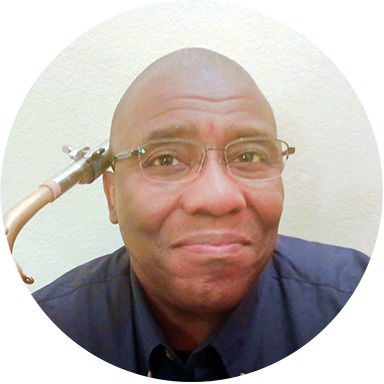
William Owens

William Owens brings three decades of classroom experience to his compositional work. A native of Gary, Indiana, and graduate of VanderCook College of Music, he has established himself as a trusted voice in young ensemble writing through his practical, playable approach to composition. His catalog of more than 300 works for concert band, string orchestra, and small ensemble appears on required repertoire lists across North America and has become foundational to young musician development.

Owens served as a band director in Texas for 30 years before retiring in 2014, a career that deeply informed his understanding of what young musicians need musically and pedagogically. His compositions have earned recognition through numerous awards and commissions, and he maintains active involvement as a clinician and conductor. He holds professional memberships in ASCAP, TMEA, and Phi Beta Mu International, and was honored as a Distinguished Alumnus by VanderCook College.

Why we love this

Owens understands exactly what makes a first or second-year string orchestra sound and feel successful. His melodies naturally distribute across the ensemble so that violins, violas, and cellos all carry the story, building confidence in younger players who might otherwise sit passively. The whimsical carousel concept gives your ensemble a clear character to inhabit without demanding technical heroics.

What to expect

Imagine the gentle, floating sensation of riding a carousel animal as it spins and rises, with melodies gliding from one group of instruments to another like watching painted horses pass by. The orchestration creates a sense of playful motion that feels natural and unhurried until the final jolt brings the ride to an unexpected stop.

Who it's for

Beginning string orchestras at the 1.5 grade level will find this piece both approachable and genuinely rewarding. Conductors leading orchestras in their first or second year of playing together will appreciate how the writing ensures every section stays engaged and contributes meaningfully to the overall sound.

How to get the most out of it

  • Shape the melody transfers between upper and lower voices with intentional dynamic support so listeners hear the music continue rather than shift.
  • Maintain a consistent, energetic pulse throughout the gentle sections; the playful finale lands harder when the earlier material feels grounded and lilting.
  • Balance the string sections so that secondary melodic lines remain audible when the primary melody sits in a different voice part.

How to use it

This works beautifully on family concerts or spring pops programs where younger audience members connect immediately with the carousel imagery. It also serves as an excellent confidence builder mid-rehearsal season, offering a complete, satisfying musical statement without the technical demands that might frustrate developing ensembles.

Skills your students will build

  • Passing primary and secondary melodic material between voice parts
  • Maintaining consistent pulse during rubato or flexible phrasing
  • Balancing within the string section to support the active role of each voice
  • Creating character and storytelling through ensemble coordination rather than individual virtuosity

You May Also Like