

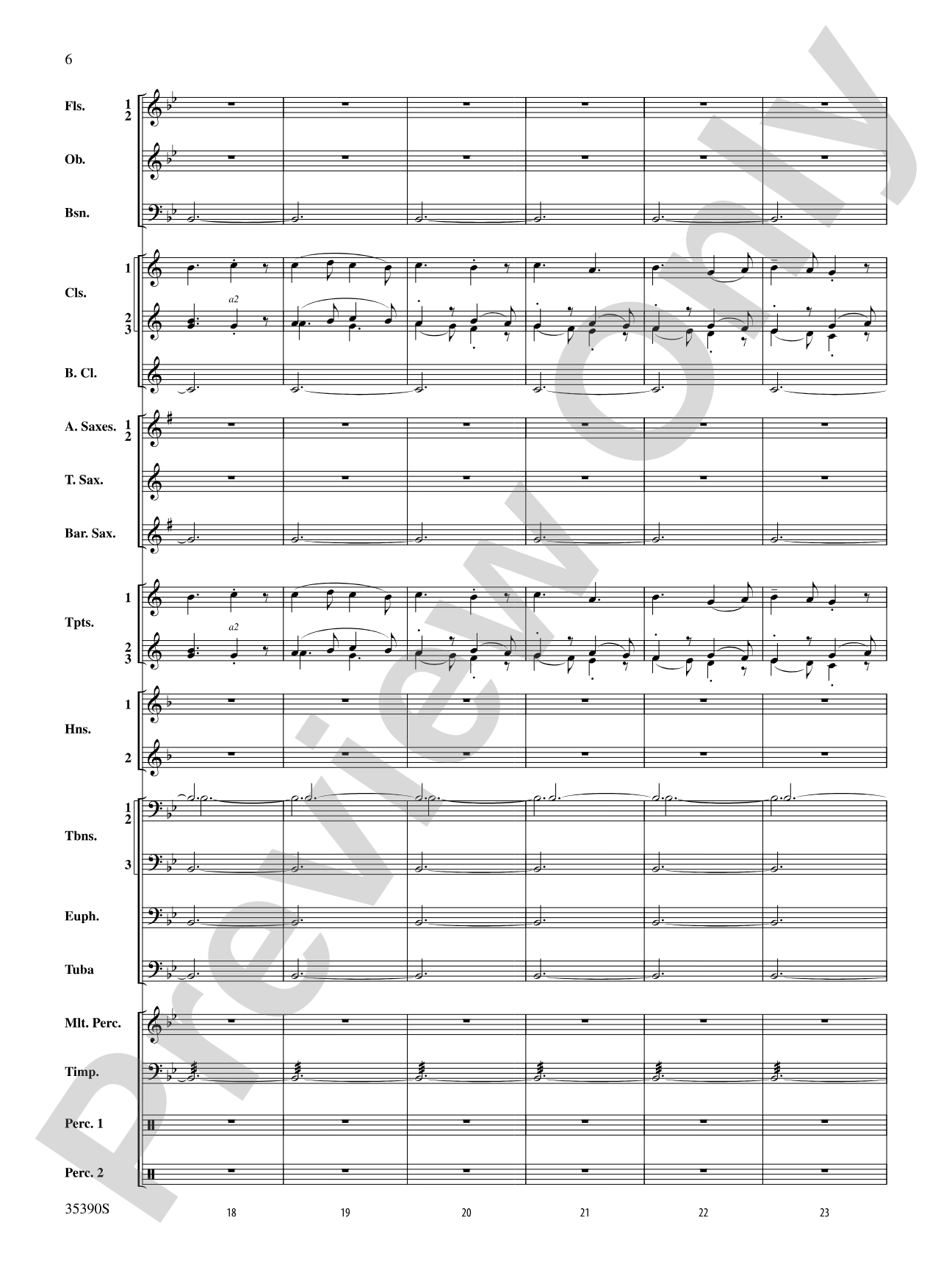
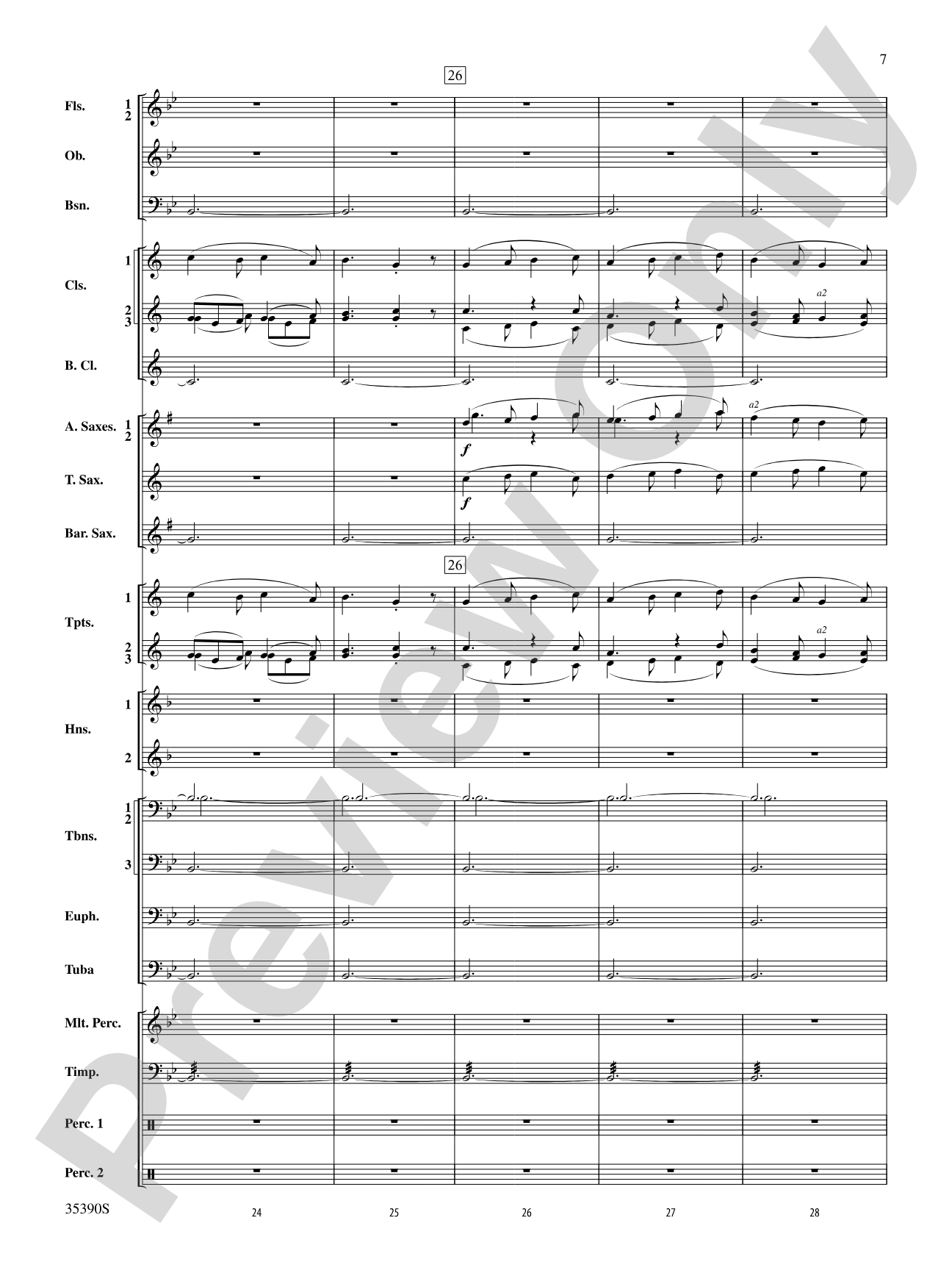
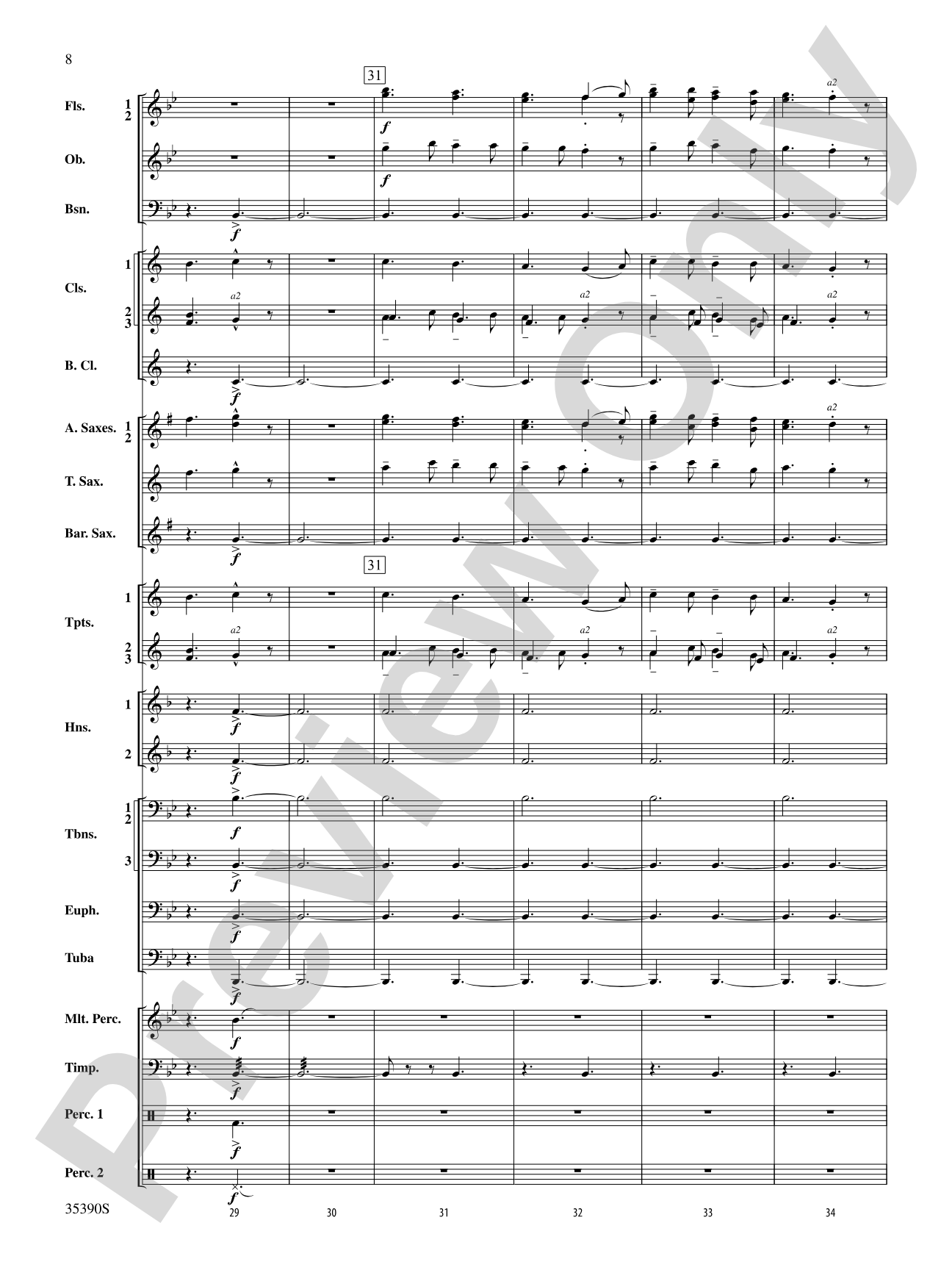
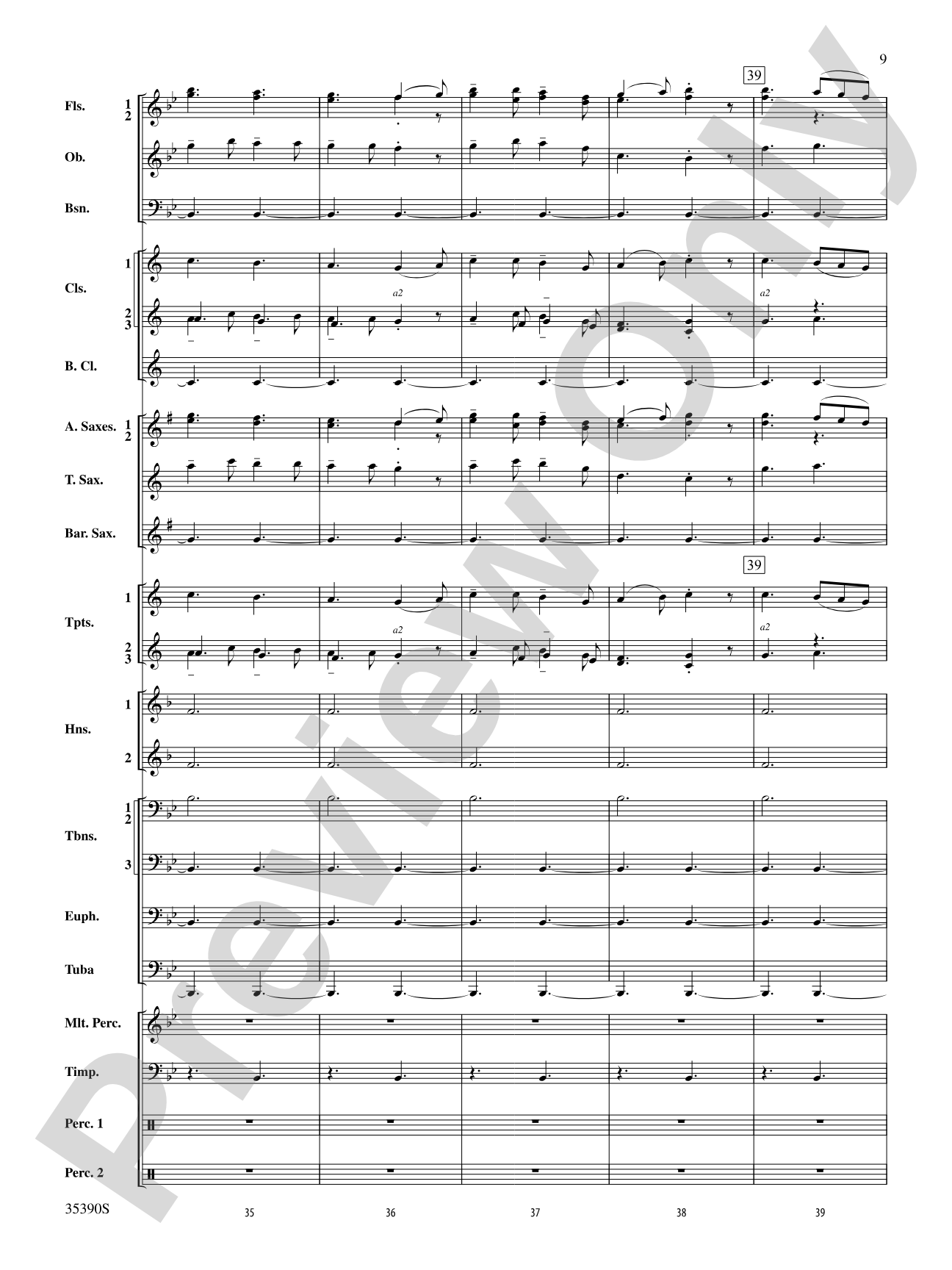
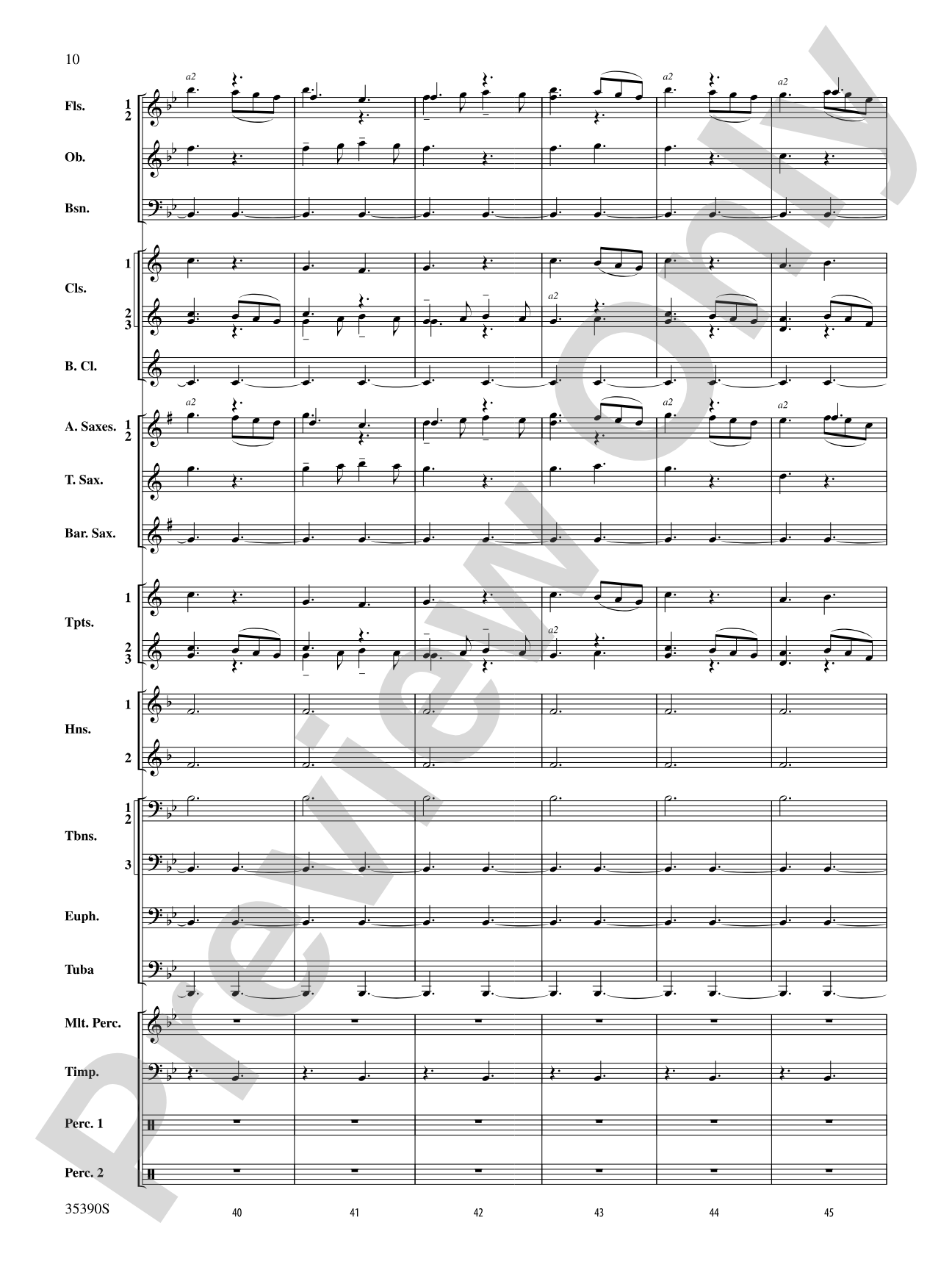
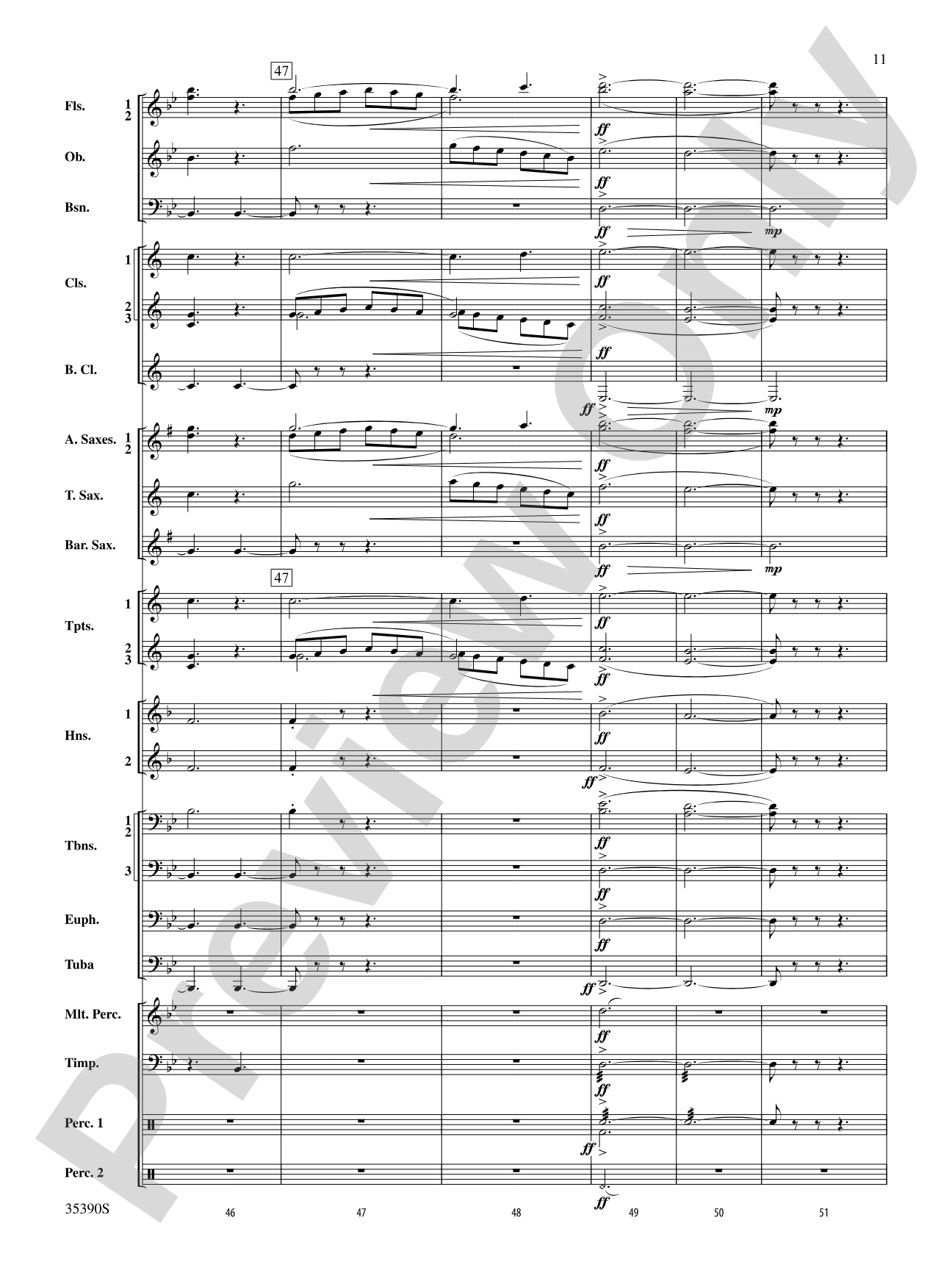
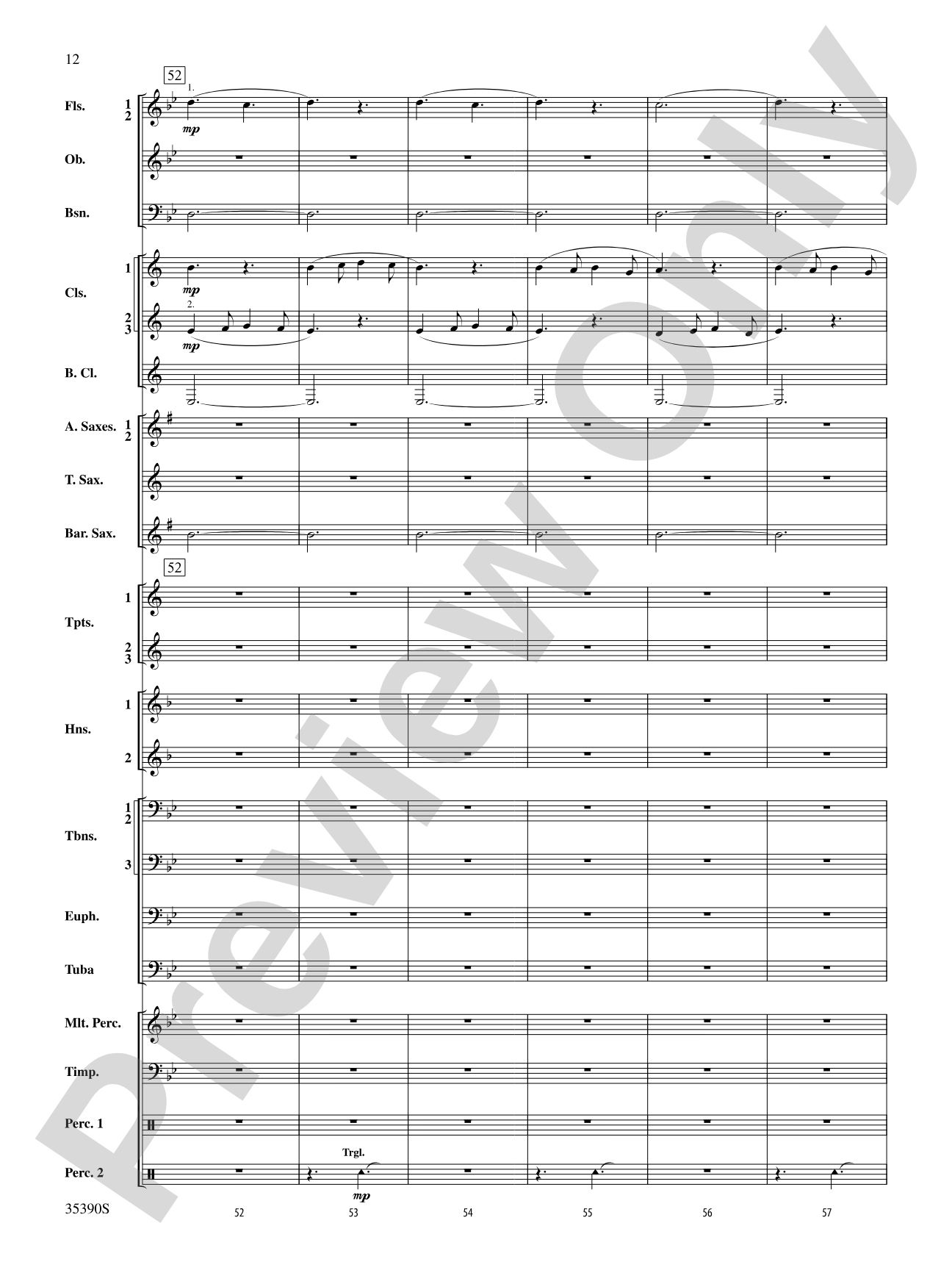
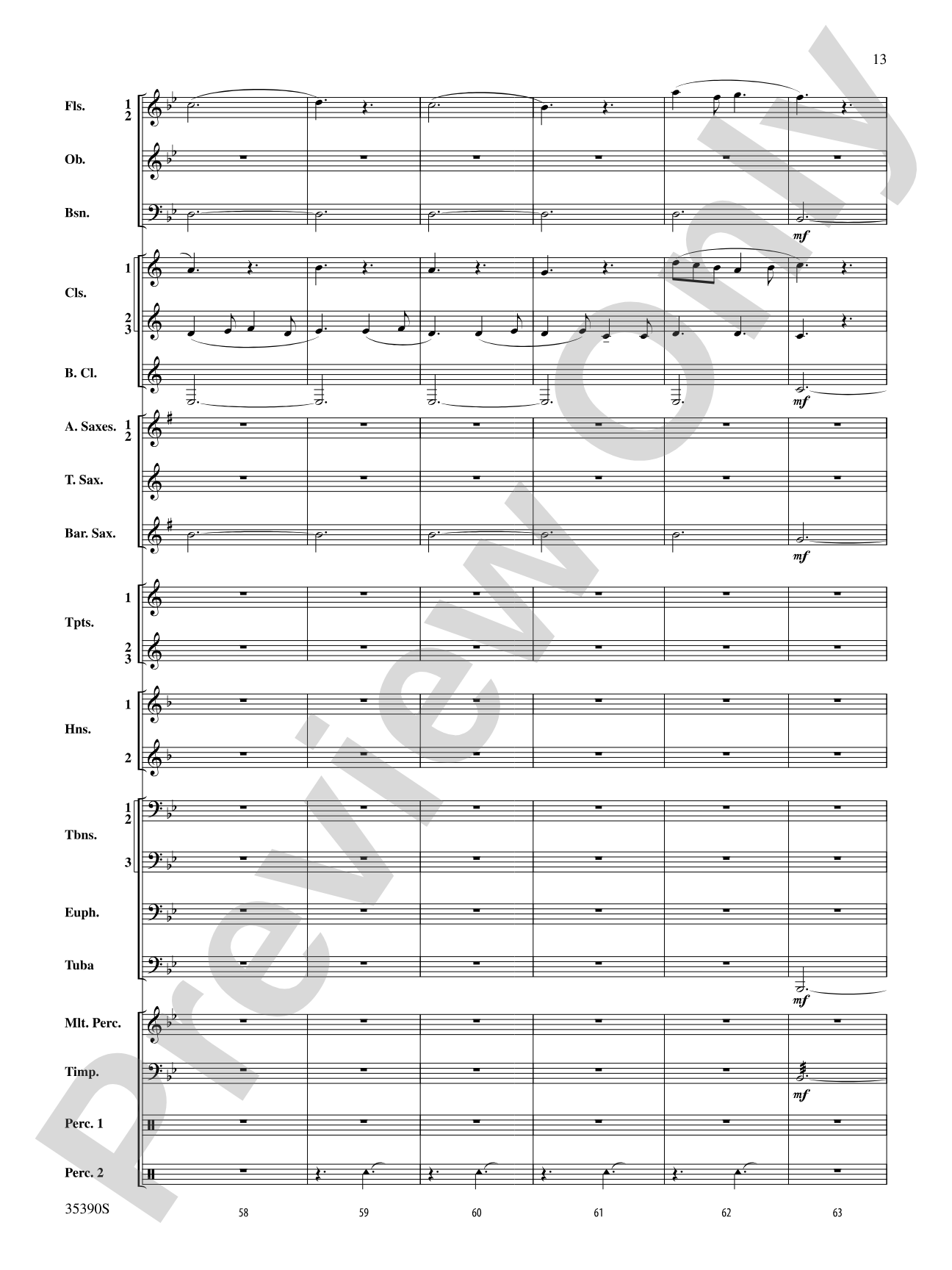
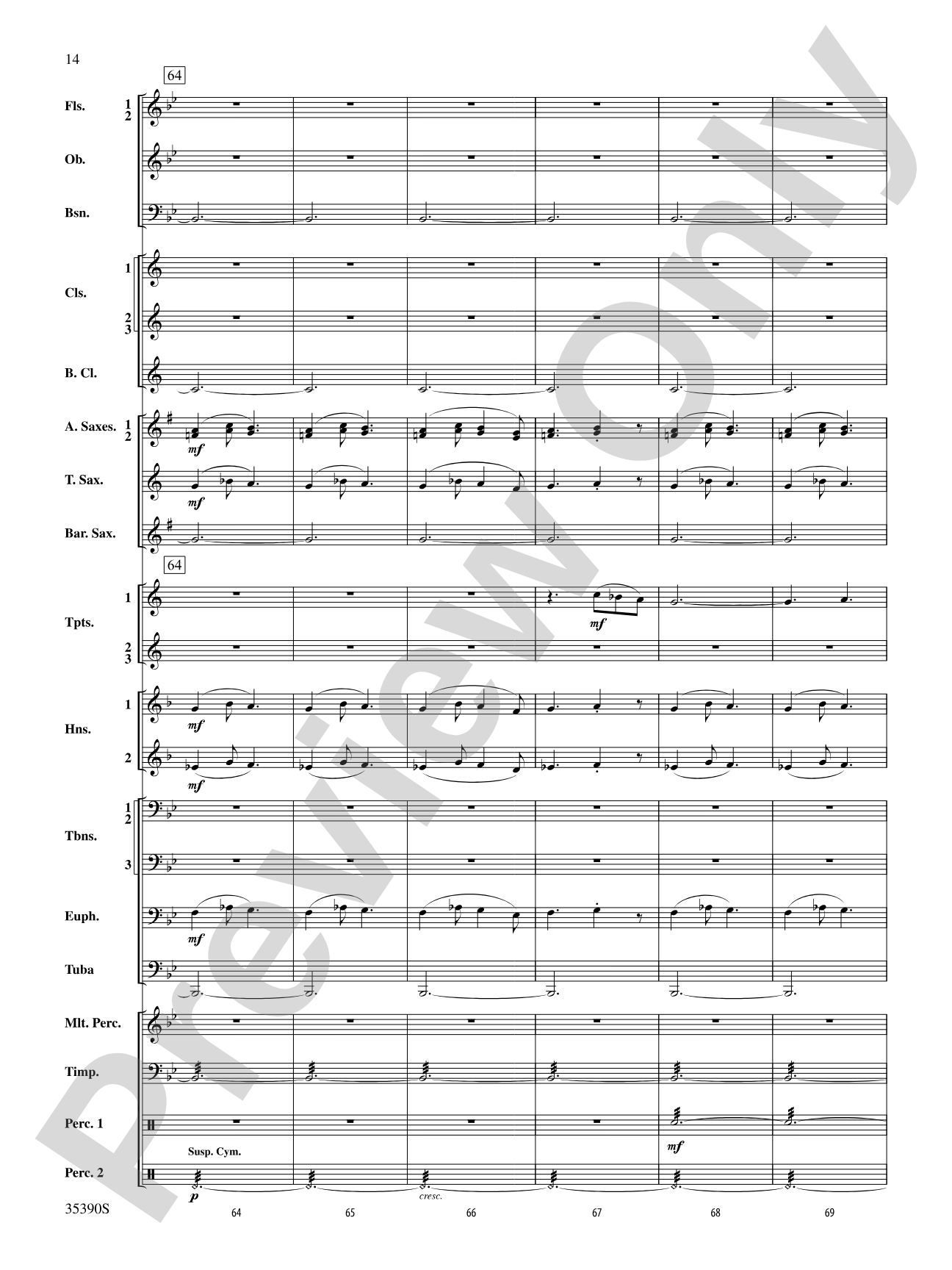
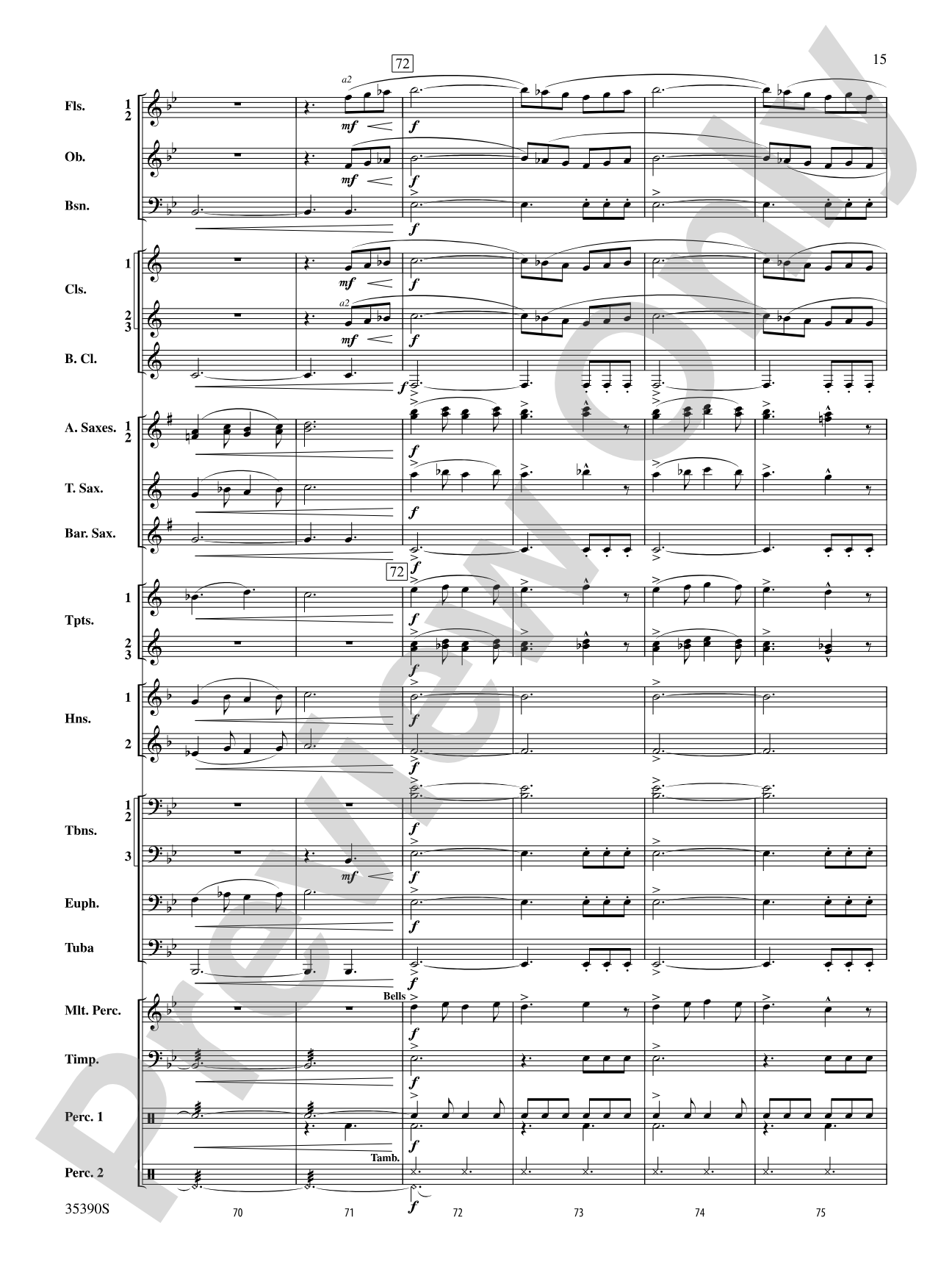
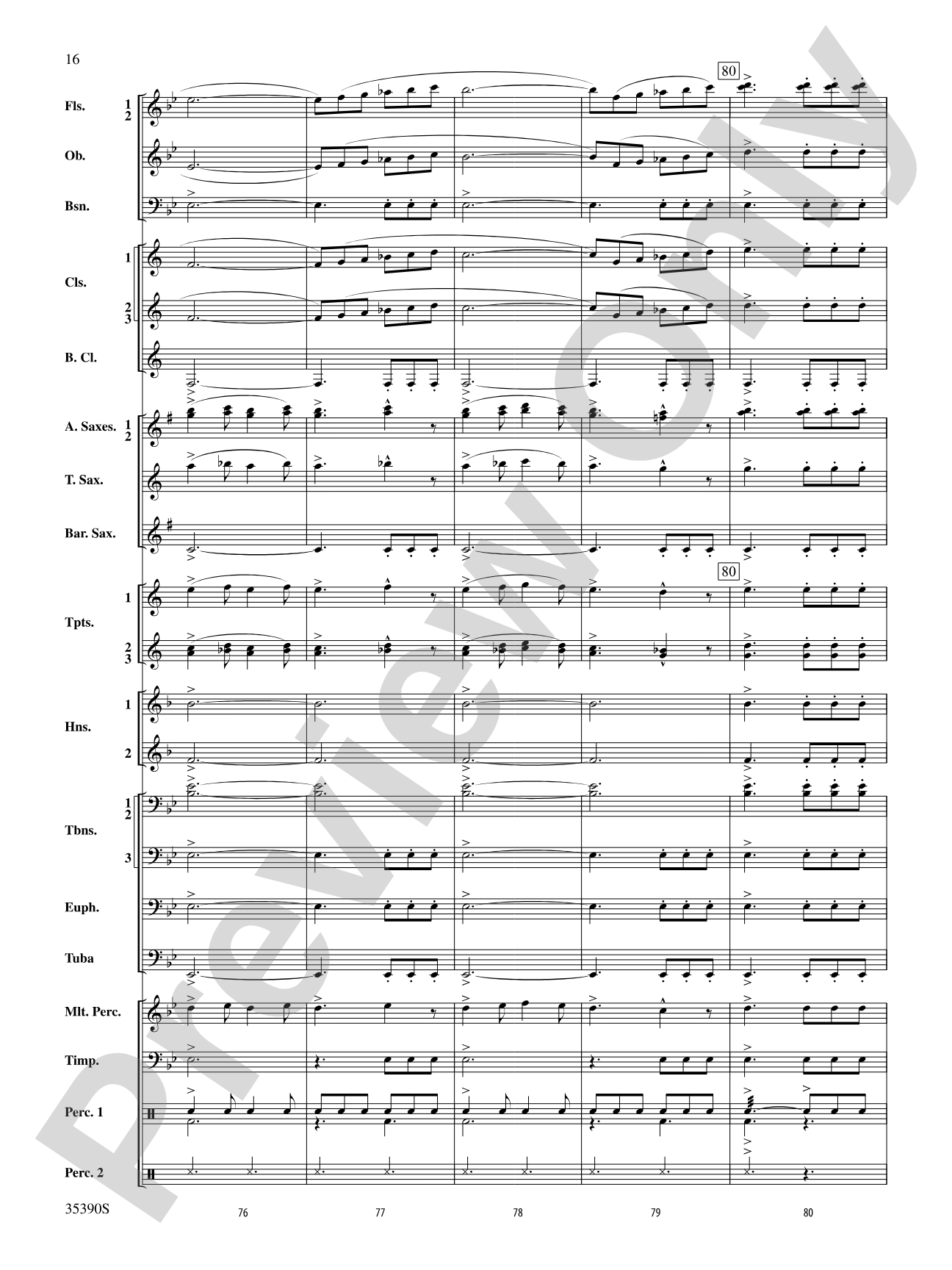
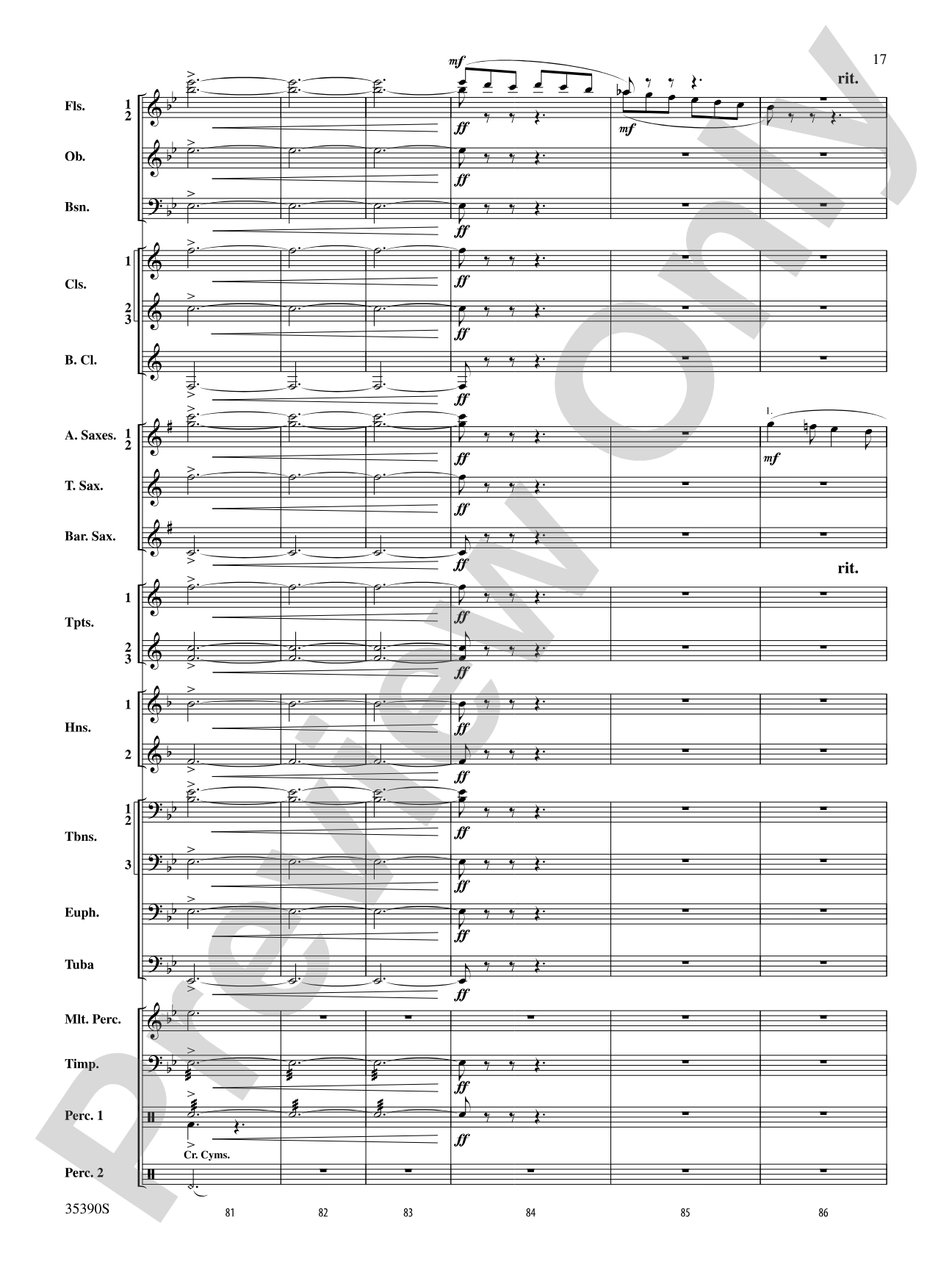
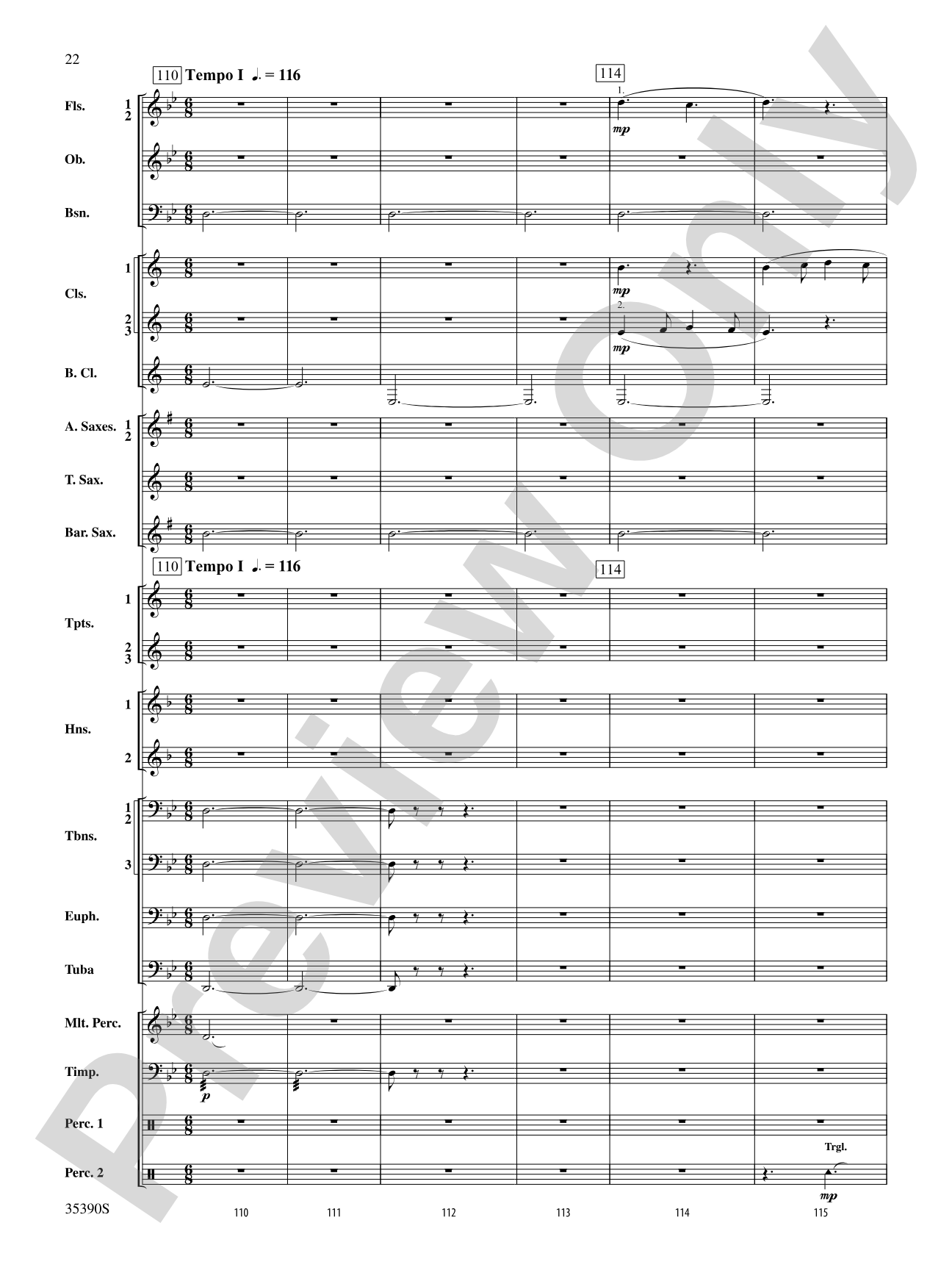
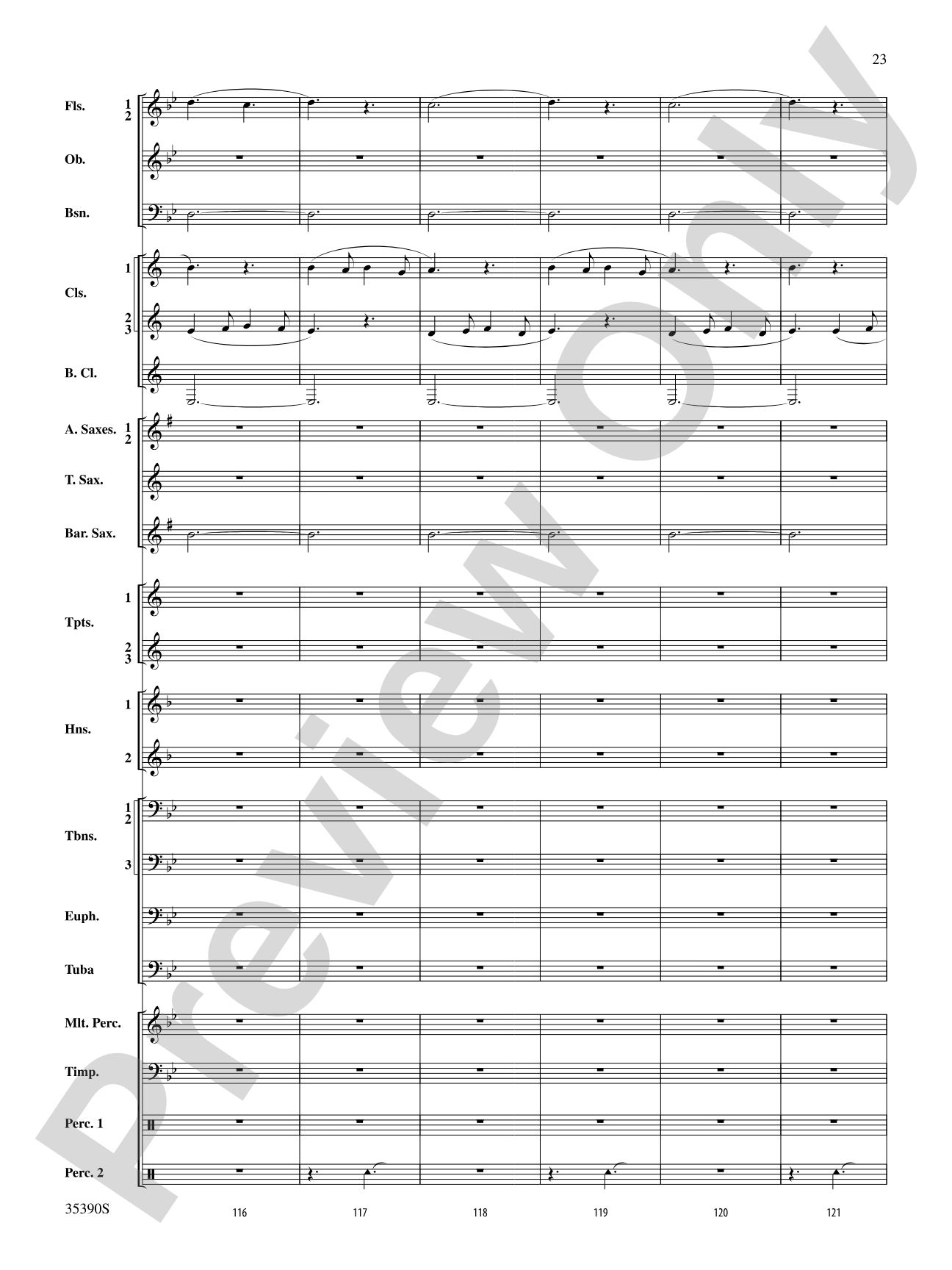
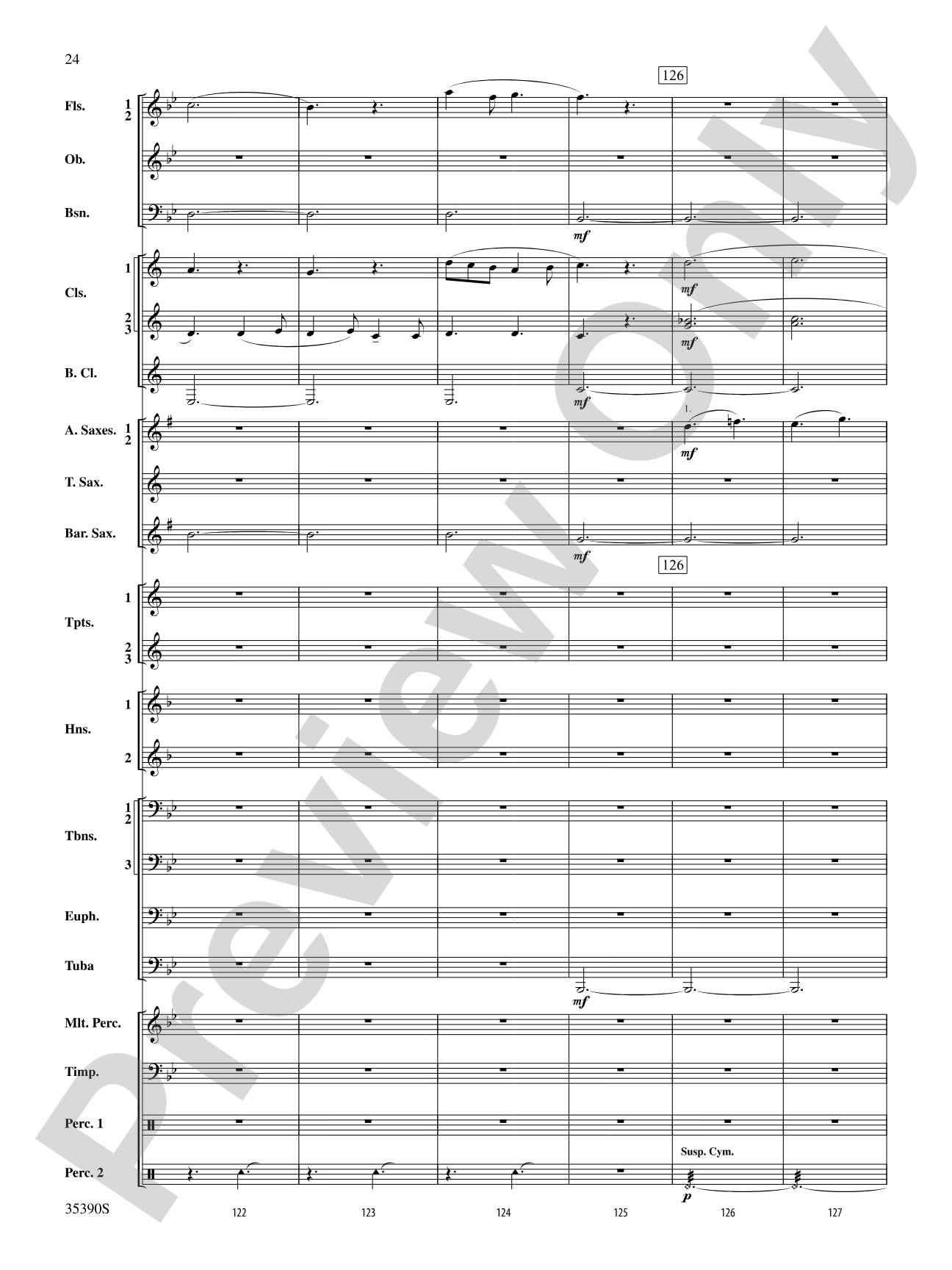
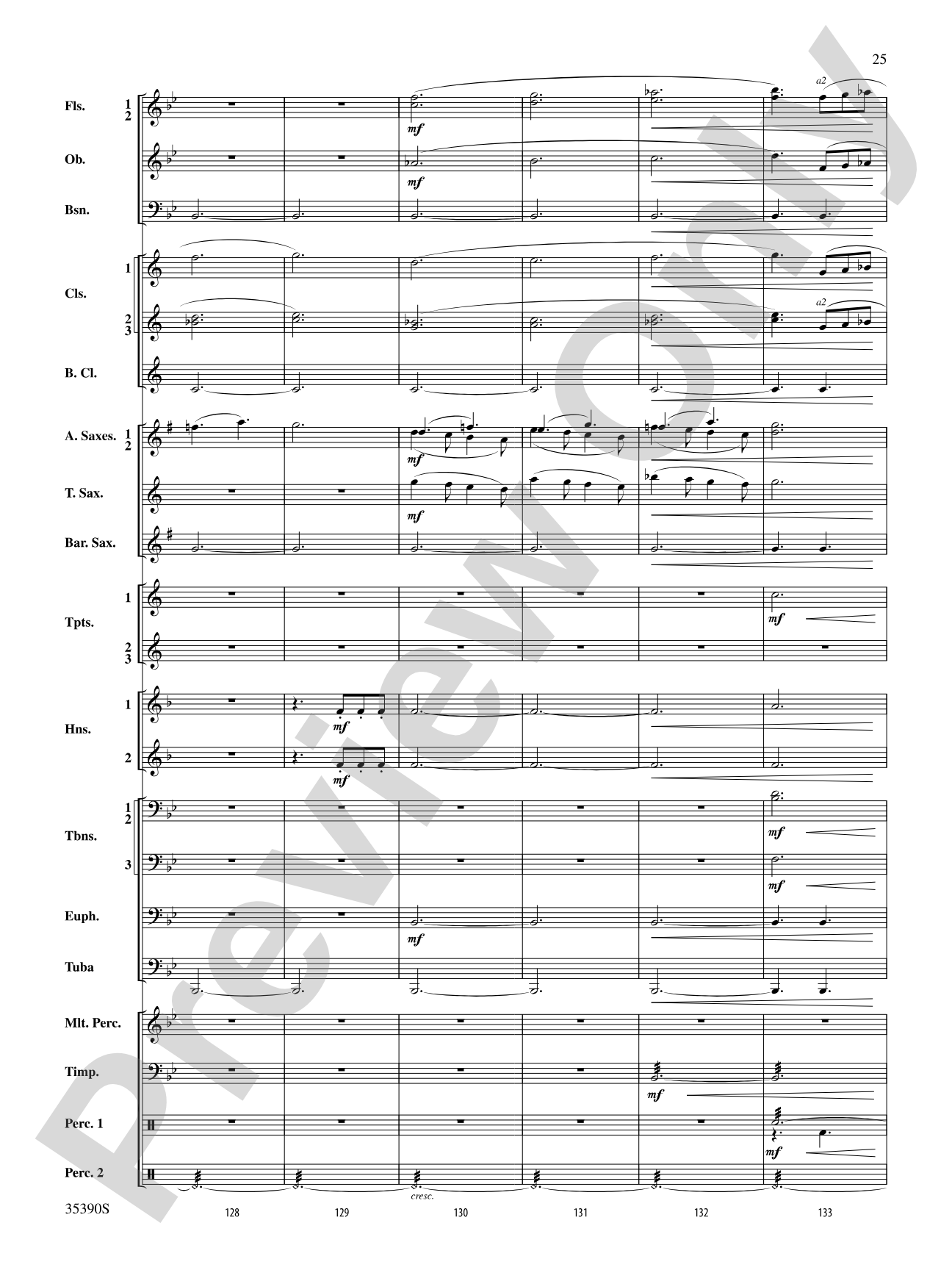
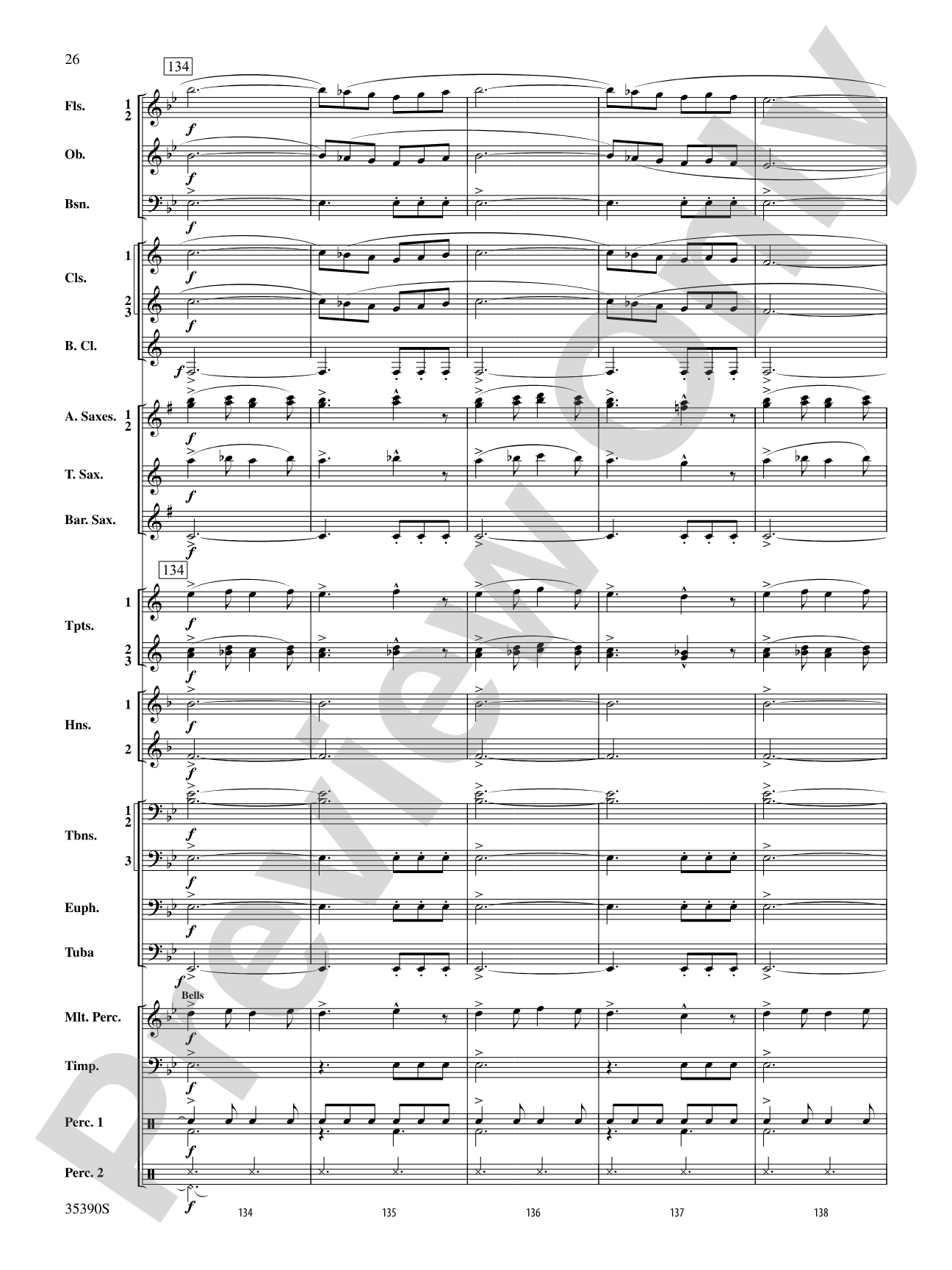
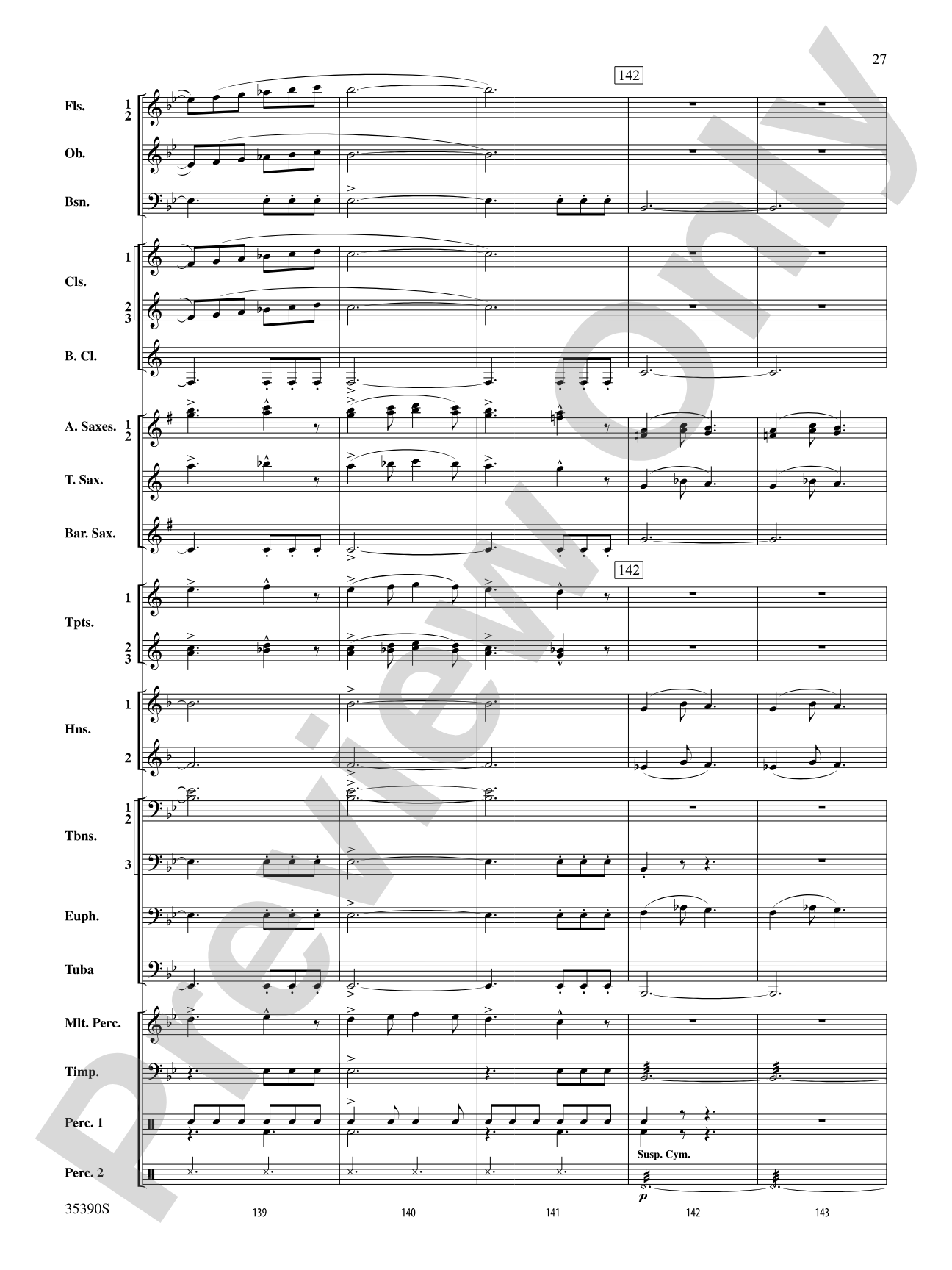
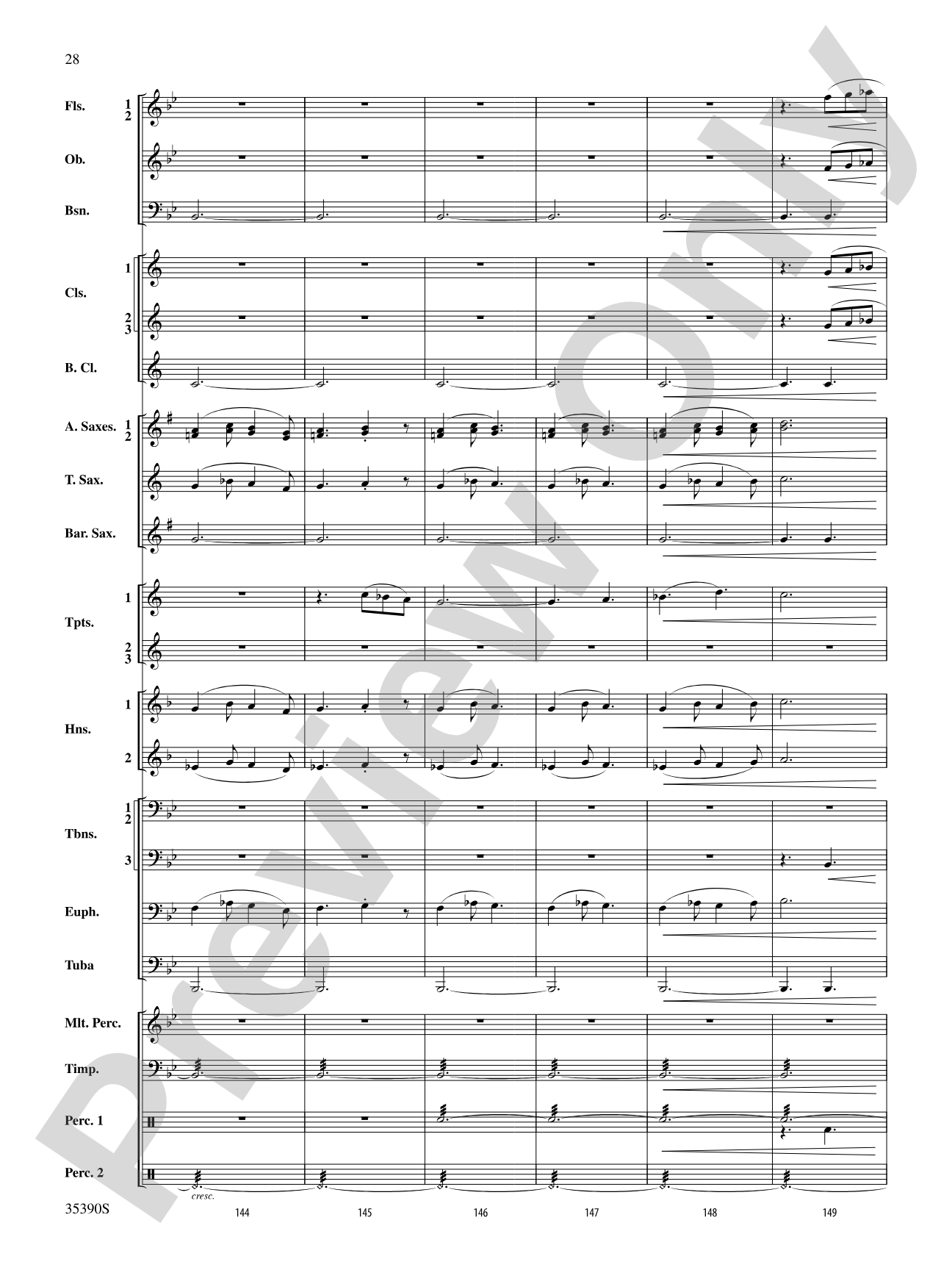
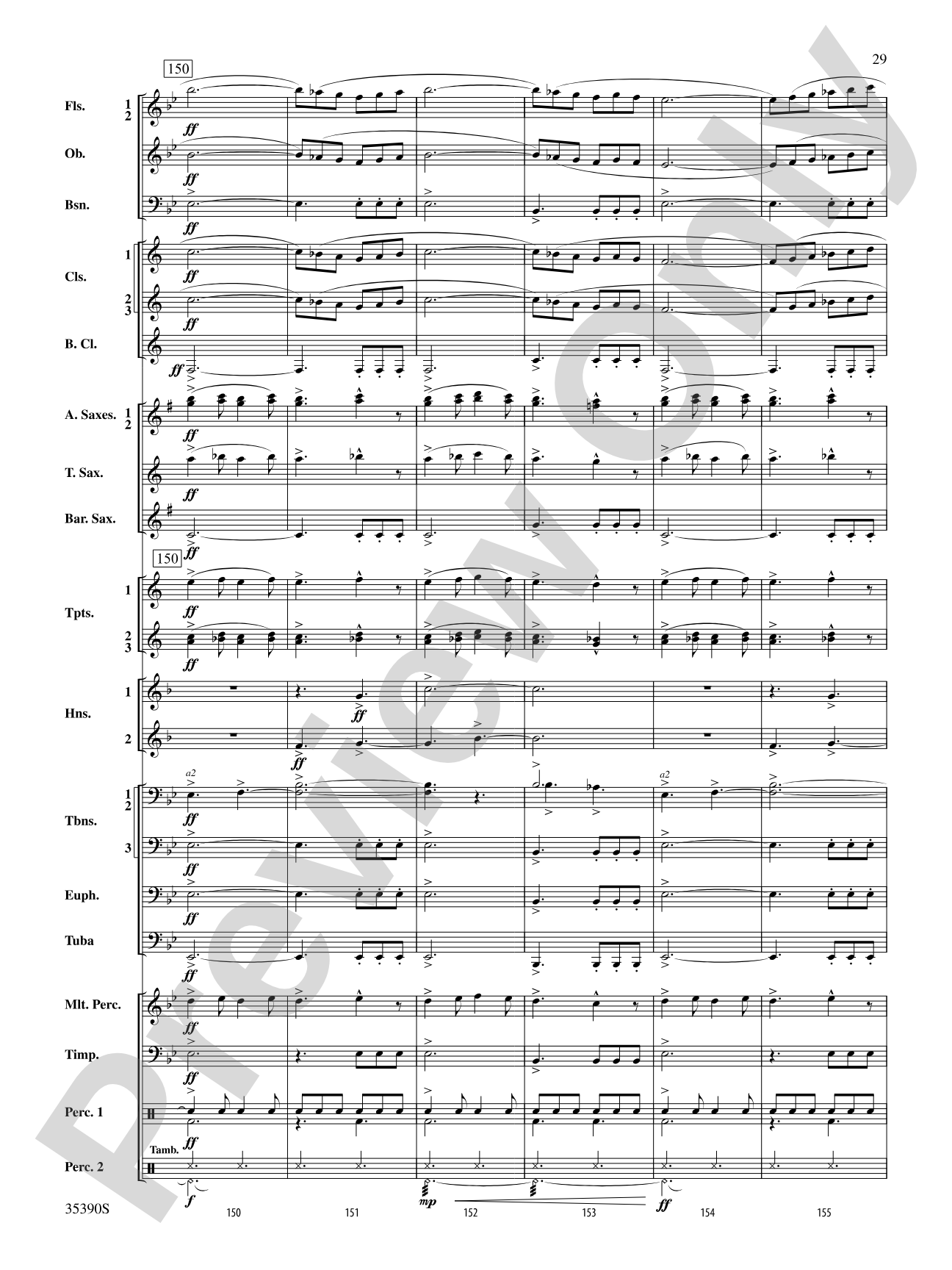
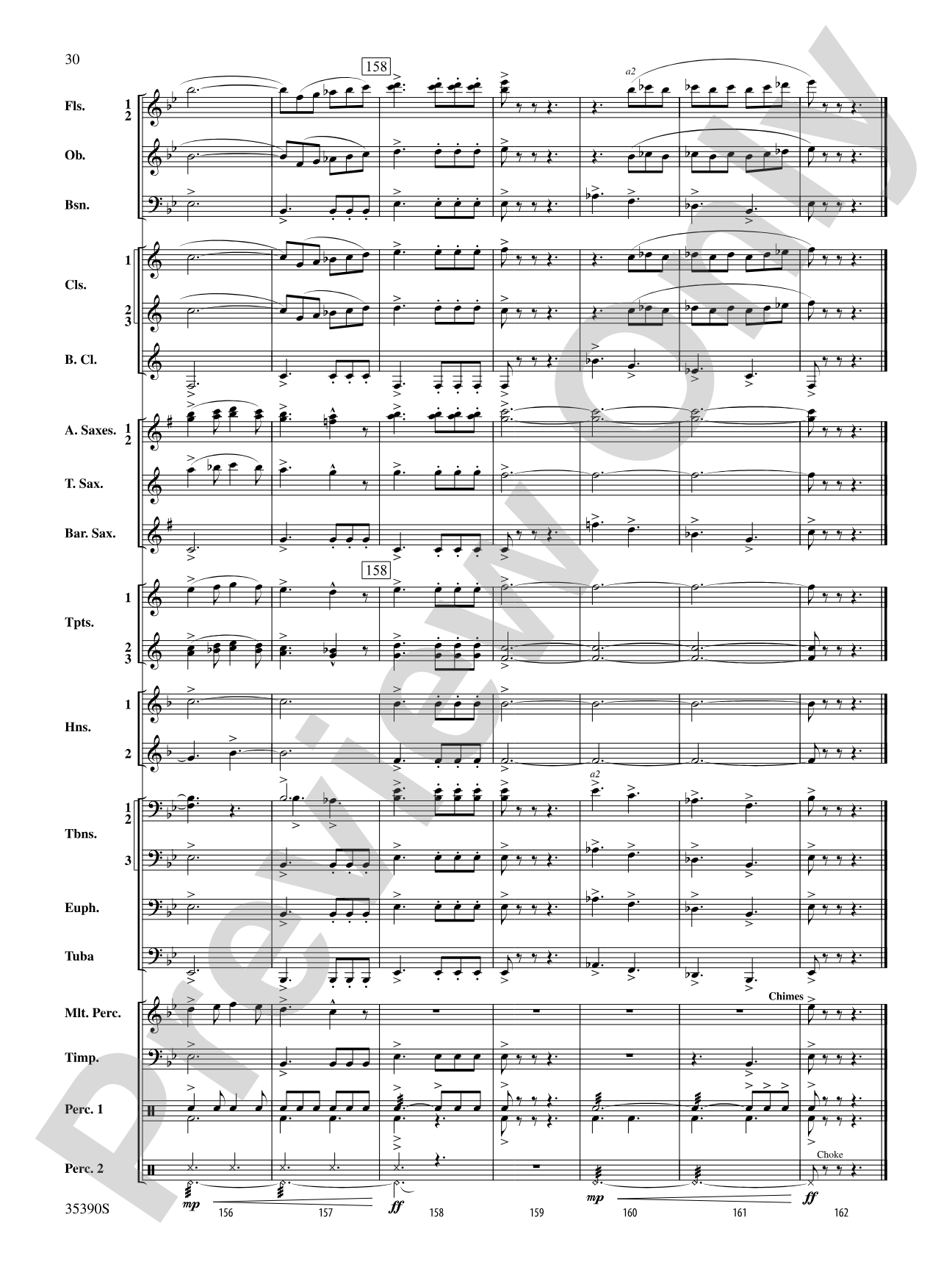



Medieval Fanfare and Chant: Concert Band Conductor Score & Parts
Arr. Michael Story
Grade: 3 (Medium Easy)
Item: 00-PK-0004649

$60.00
Pickup currently not available
Buy Extra Parts (Digital PDF Download)
Parts Added to Cart!
Related Items
Medieval Fanfare and Chant: Concert Band Conductor Score & Parts |
$60.00
|
View |
Description
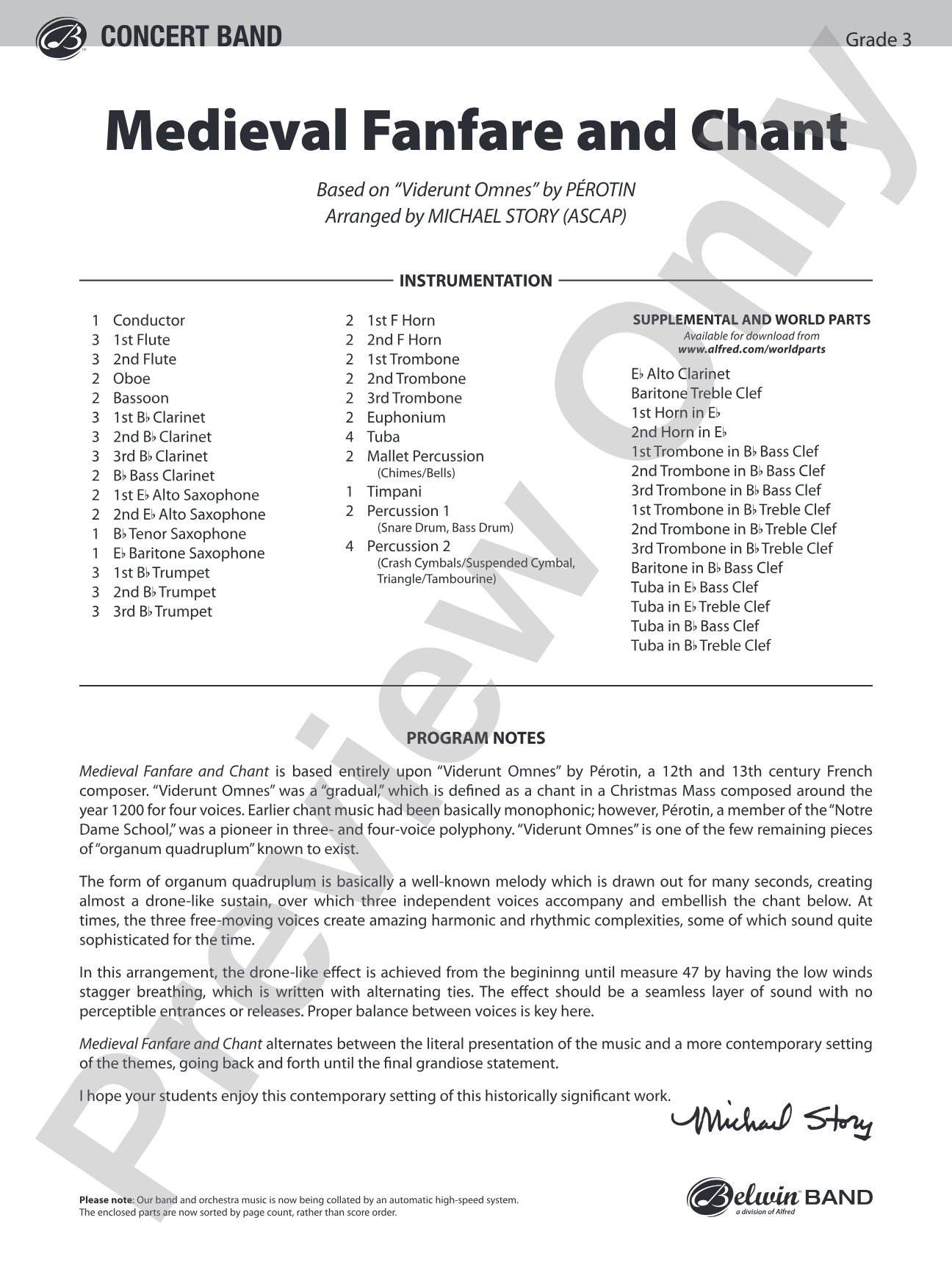
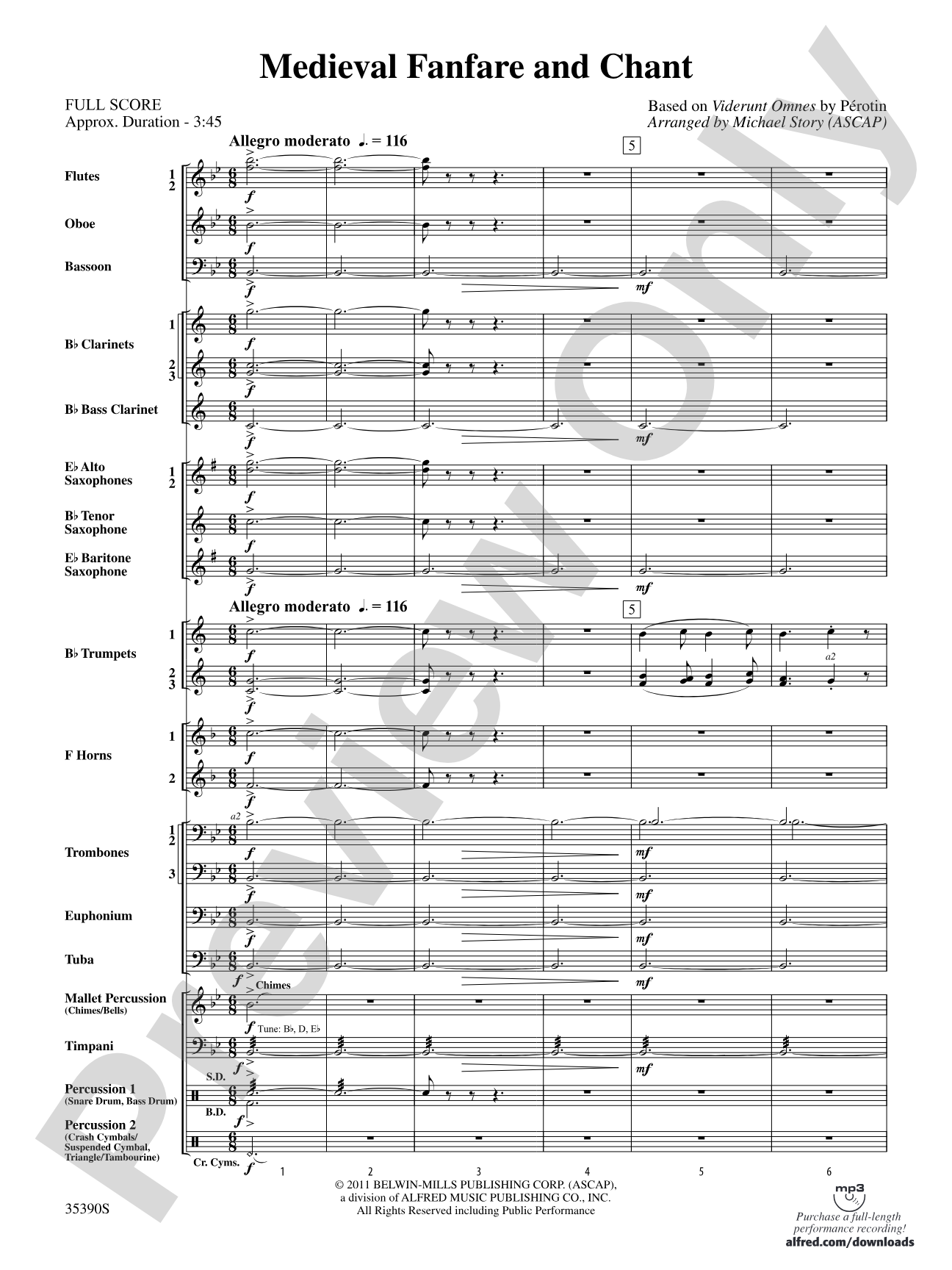
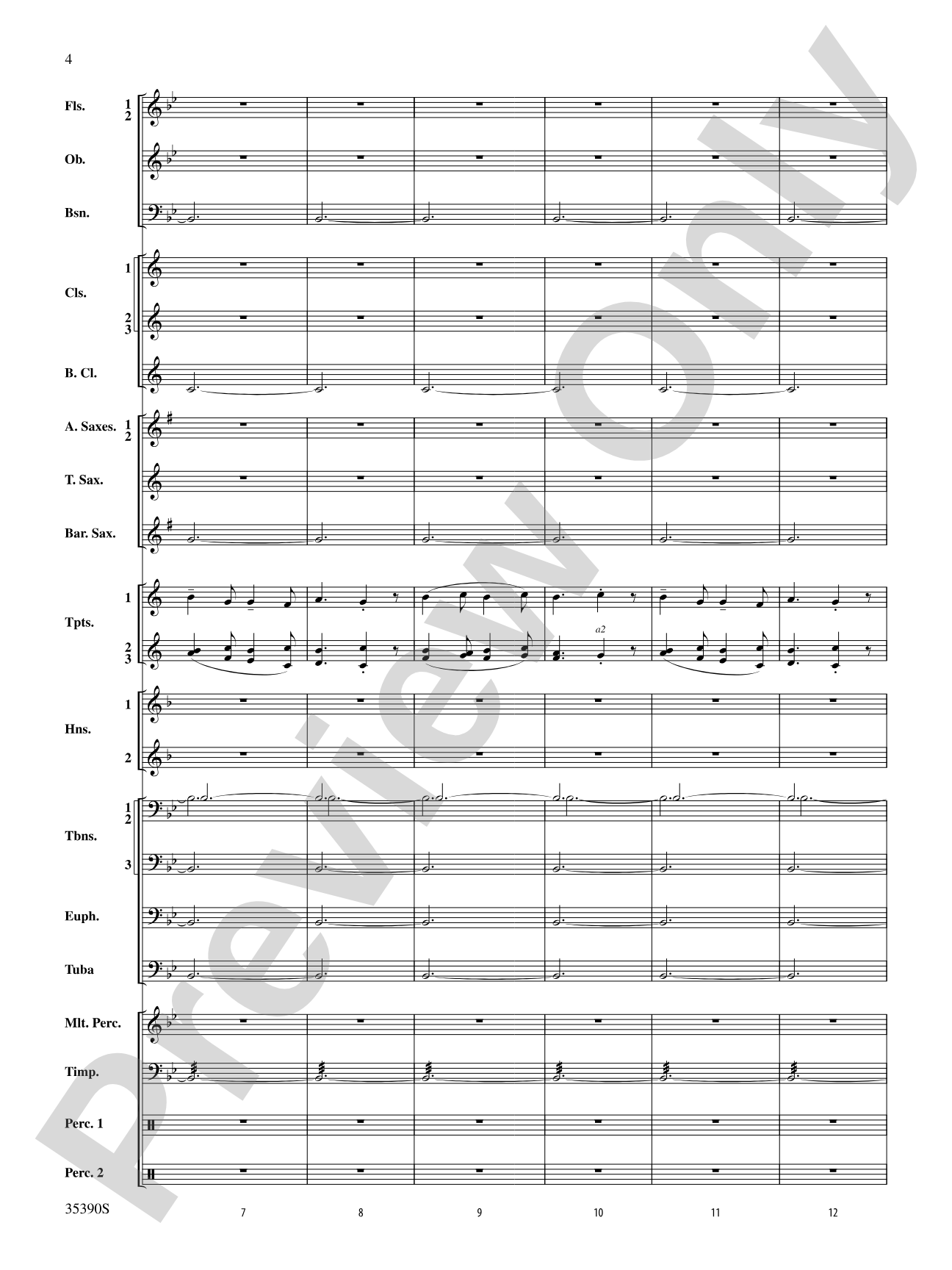
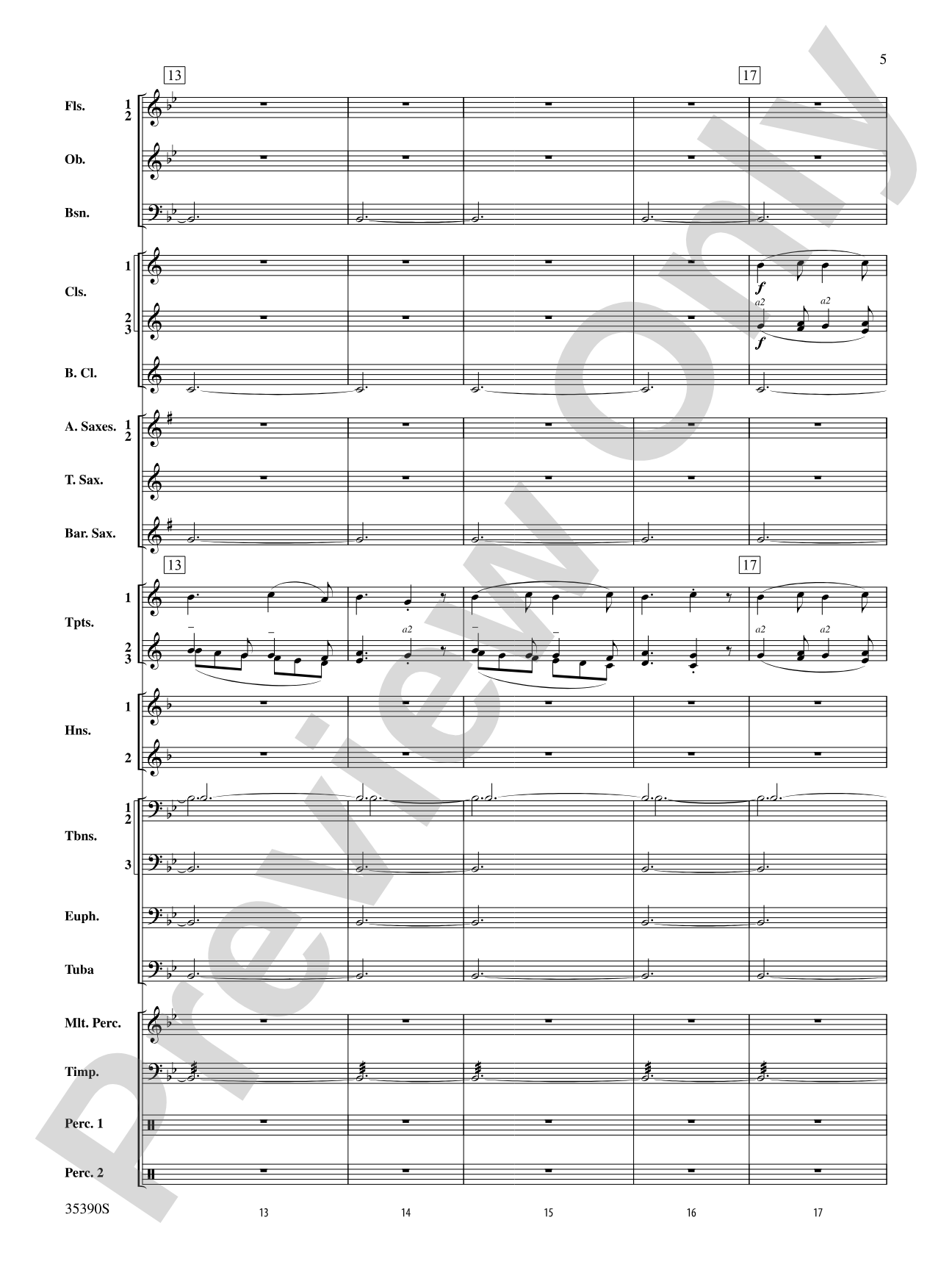
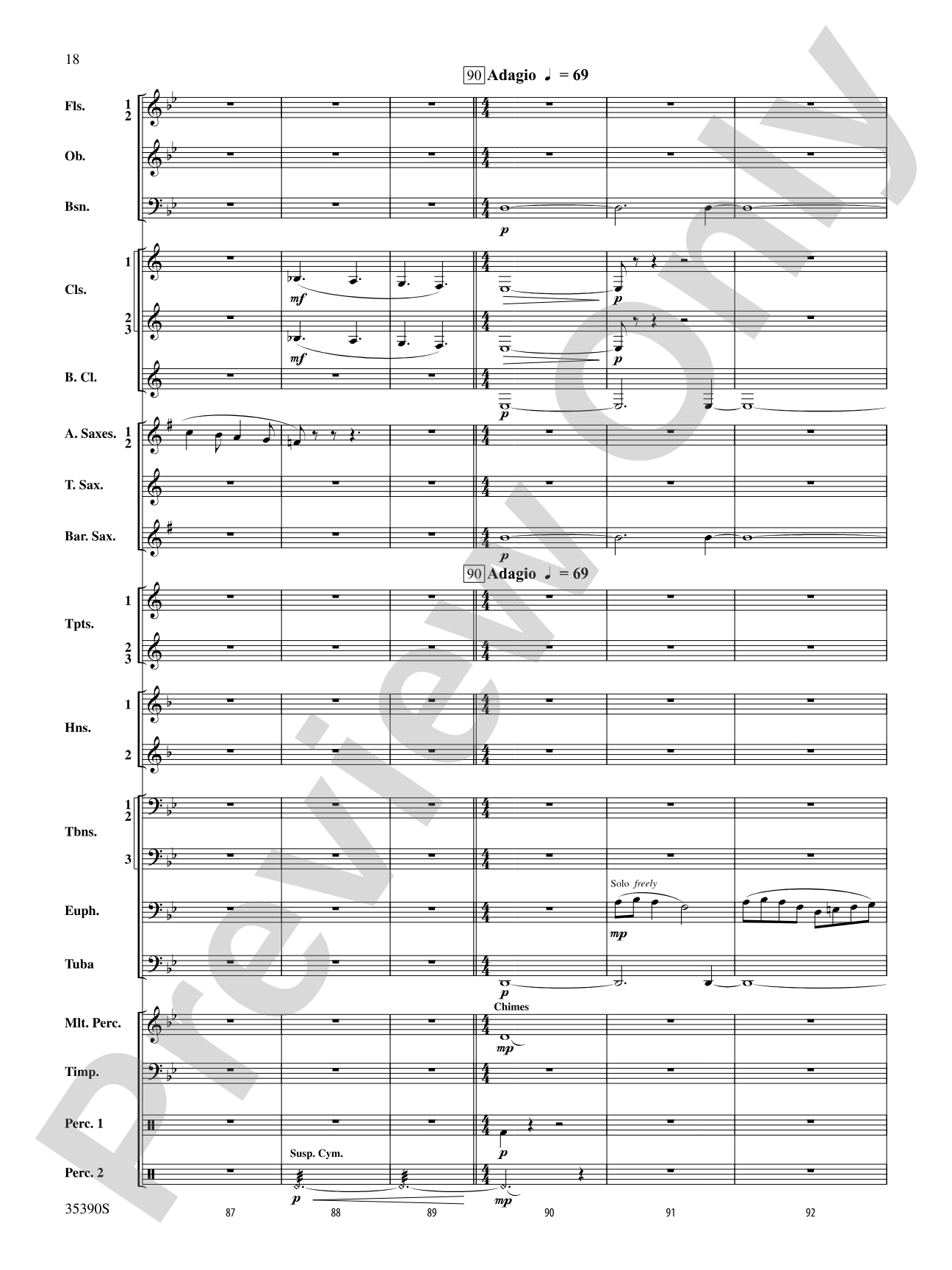
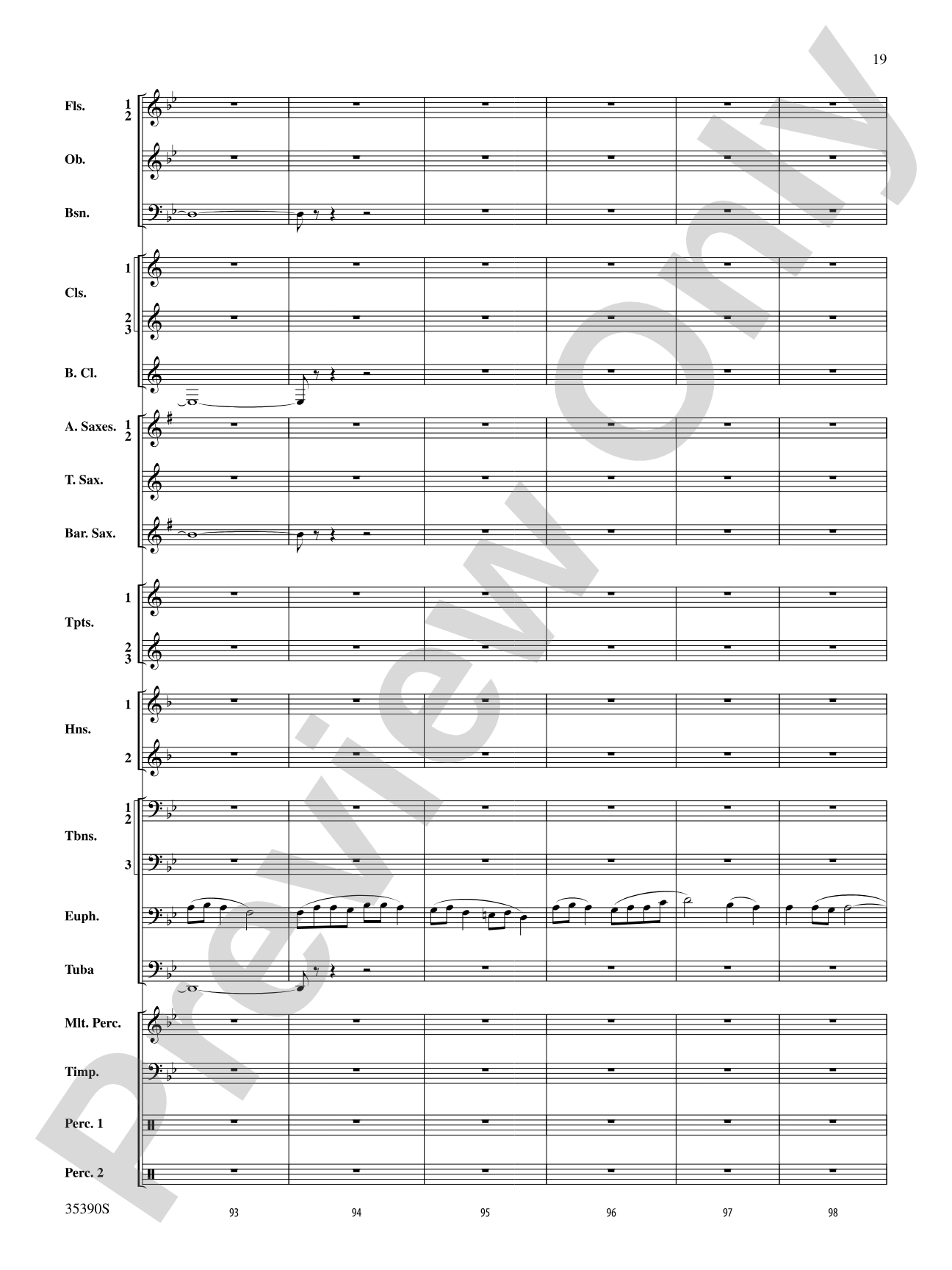
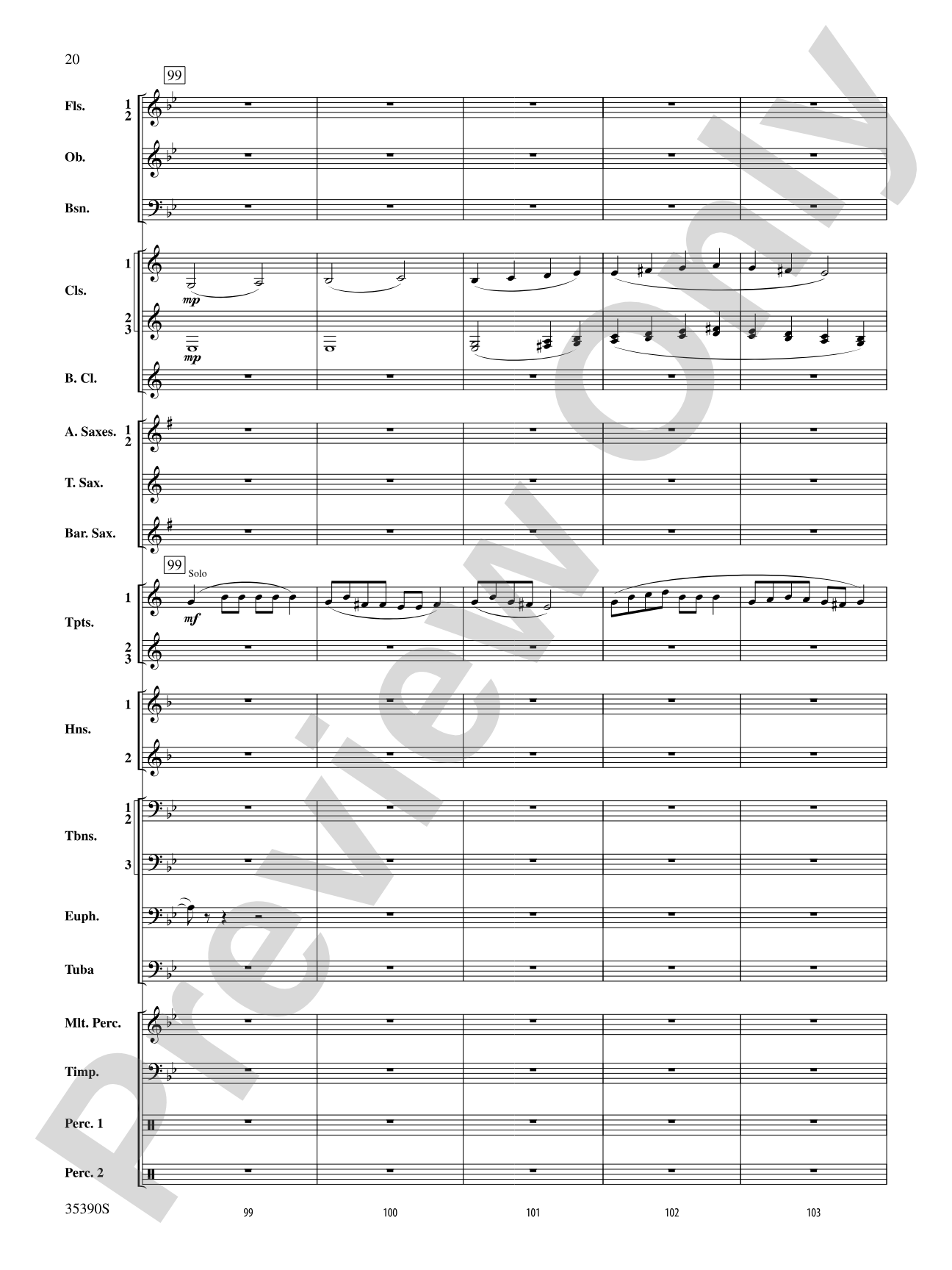
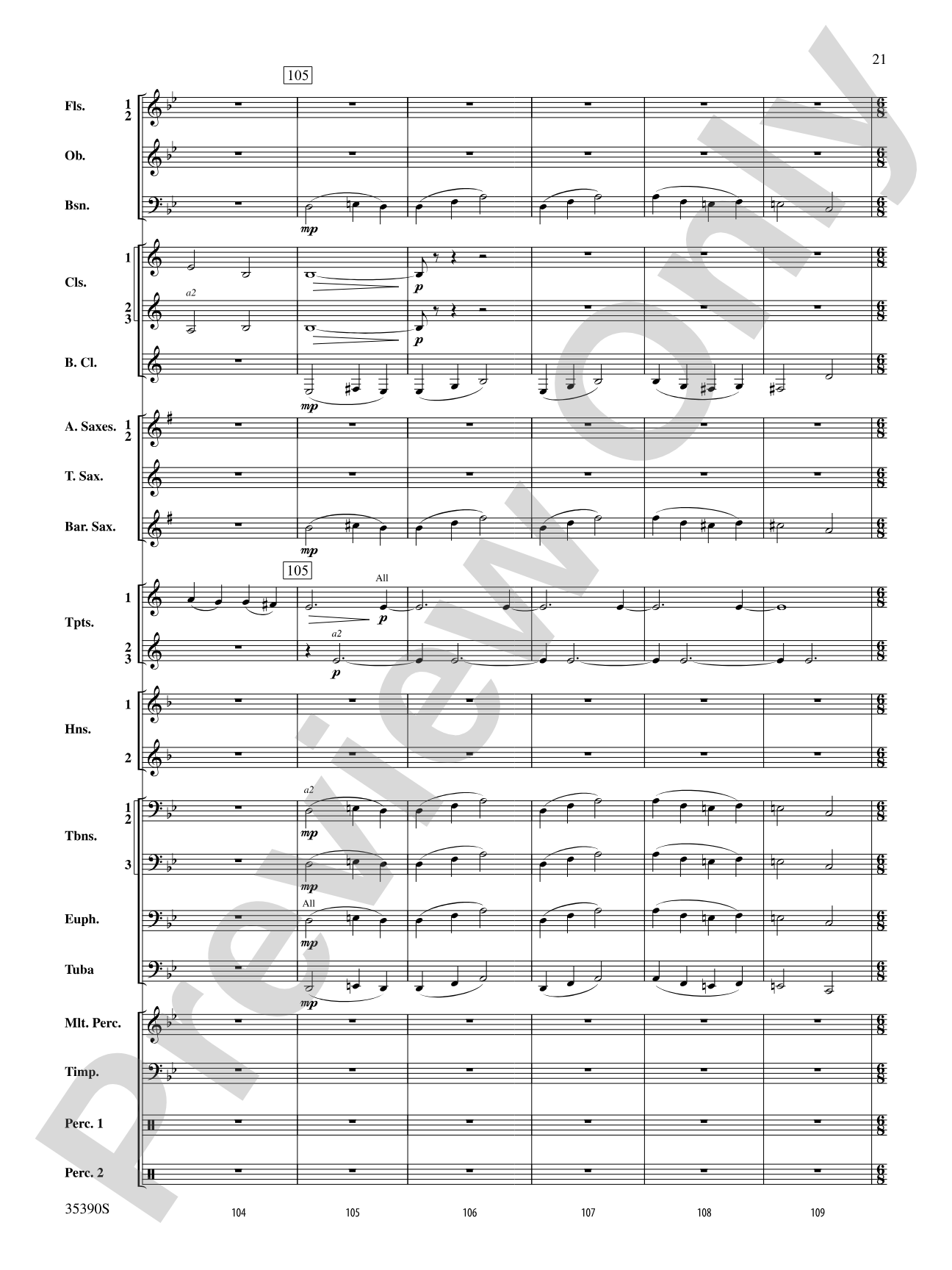
This piece is based entirely upon Pérotin's "Viderunt Omnes." A member of the Notre Dame School, Pérotin was a pioneer in three- and four-voice polyphony. "Viderunt Omnes" is one of the few remaining pieces of organum quadruplum known to exist. "Medieval Fanfare and Chant" alternates between the literal presentation of the music and a more contemporary setting of the themes, going back and forth until the final grandiose statement.


Don't just read it, hear it, play along with it, and watch your students grow with it. In MakeMusic Cloud, Medieval Fanfare and Chant: Concert Band Conductor Score & Parts comes alive with professional accompaniment, adjustable tempo, and built-in practice tools that turn solo practice into real progress.
Open in the Player
Jump straight in and assign it today.
Start Your Free Trial
Open this title and explore the full library in minutes.
Sample Audio
1
Audio File
--:--
0:00
0:00
Sample Video
No sample videos found.
Additional Details
Series:
Belwin Concert Band
Publisher:
Alfred Music
Page Count:
208
SKU:
00-PK-0004649
More about this title
About the Arranger: Michael Story
Michael Story is an accomplished composer and arranger whose work spans concert band, wind ensemble, and orchestra repertoire. His arrangements are known for making complex or historical musical material accessible to student ensembles while preserving the integrity and character of the original sources.
Why we love this
Story's approach here transforms a 12th-century masterwork into something that speaks directly to student musicians without condescension. The alternation between authentic organum and contemporary reharmonization creates genuine musical drama, giving your band a real interpretive challenge that goes far beyond typical Grade 3 fare.
What to expect
The piece draws you backward into the resonant, otherworldly sound of medieval polyphony, then propels you forward into modern harmonic language. This push and pull creates an almost hypnotic quality, anchored by Pérotin's original melodies but reimagined through a 21st-century lens.
Who it's for
Concert bands at the Grade 3 level looking for repertoire that combines historical substance with contemporary arranging craft. This works equally well for groups seeking festival or contest material with genuine musical depth.
How to get the most out of it
- Balance the organum sections carefully; the sustained lower voices need clarity and evenness so the upper melodic lines can shine without being buried.
- Distinguish the character between medieval and contemporary statements through articulation and dynamic control rather than tempo changes.
- Treat the final grandiose statement as a true climax, allowing the band to build toward it with confident ensemble control in the measures leading up to it.
How to use it
Program this alongside other historically informed or multicultural pieces to create a concert thread exploring how composers across centuries have used similar musical materials. It also fits naturally into a concert exploring sacred or ceremonial music across cultures.
Skills your students will build
- Balance and blend within sustained harmonic textures
- Stylistic contrast between Renaissance polyphony and modern harmonies
- Intonation control across four-part and multiple-voice textures
- Dynamic shaping and phrasing in both sparse and fuller orchestrations
- Historical musical literacy and recognition of Pérotin's work