Maynard & Waynard Cover Image

Maynard & Waynard: Jazz Ensemble Conductor Score & Parts

$65.00 USD
Sale price  $65.00 USD Regular price 
Skip to product information
Maynard & Waynard Cover Image

Maynard & Waynard: Jazz Ensemble Conductor Score & Parts

By Gordon Goodwin

Grade: 6 (Professional / Very Advanced)

Item: 00-29815

$65.00
Shipped

One moment…

Description
Composed and arranged by Gordon Goodwin as a duet for Maynard Ferguson and Wayne Bergeron. Gordon adapted this one to feature only one trumpet soloist with written lines and some jazz solo space. It swings hard and lead trumpet range is to written high F, plus the second trumpet part is rangy too. An outstanding chart to showcase your lead player that's worth the work! (5:45)

Maynard & Waynard: Jazz Ensemble Conductor Score & Parts isn't in MakeMusic Cloud just yet...but it could be. Let us know you'd like to see it, and you'll help shape what comes next. In the meantime, start a free trial and dive into thousands of interactive titles your students can play along with today.

Sample Pages

Sample Audio
0:00
0:00
Sample Video
Additional Details
Series: Gordon Goodwin Series
Publisher: Alfred Music
Page Count: 90
UPC: 038081323404
SKU: 00-29815

More about this title

About the Composer: Gordon Goodwin
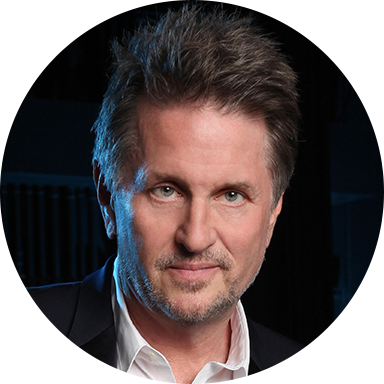
Gordon Goodwin

Gordon Goodwin began composing at five years old, writing complete pieces rather than fragments. By thirteen, he had already created his first big band chart, Hang Loose, signaling a precocious talent that would define his career. His work in television and film has earned him three Emmy Awards and multiple Grammy nominations, with orchestrations featured in Bad Boys II, Con Air, Remember the Titans, Star Trek: Nemesis, and other major productions.

Goodwin's versatility extends across genres and collaborators. He has written for and performed alongside Christina Aguilera, Quincy Jones, Mel Tormé, David Foster, Ray Charles, and Sarah Vaughn, while conducting world-renowned symphony orchestras in Atlanta, Dallas, Utah, Seattle, Toronto, and London. Since 2000, he has led Gordon Goodwin's Big Phat Band, a Los Angeles-based ensemble whose debut album Swingin' for the Fences made history as the first commercially available DVD audio release and earned two Grammy nominations.

Why we love this

This chart showcases what Goodwin does best: write for the lead trumpet with room to breathe and space to solo, all while maintaining the propulsive swing and sophisticated arranging that defines his big band sound. The single-soloist adaptation gives your lead player the spotlight without the logistical demands of a dual-featured arrangement, making it practical for most ensembles while preserving the professional-level sophistication. At nearly six minutes, it's substantial enough to anchor a concert and impressive enough to demonstrate why your section leader deserves the spotlight.

What to expect

Hard-swinging and energetic, with the kind of propulsive groove that makes the band want to move. The spotlight on the lead trumpet gives moments of lyrical breathing room against the ensemble's driving backdrop, creating dynamic tension between soloist and section. It feels like a feature presentation that respects both the individual player and the collective power of the band.

Who it's for

Advanced jazz ensembles with a strong lead trumpet who is ready to handle both written passages and improvised solo space. This is a conductor score with full parts, designed for professional-level groups or top high school and college ensembles that can execute complex rhythmic figures and dynamic control.

How to get the most out of it

  • Establish the fundamental tempo through the rhythm section first; this chart swings, and the pocket determines everything else. Get the walking bass and comping locked before layering in the ensemble figures.
  • Prepare your lead trumpet player with the full solo section well before ensemble rehearsals begin. The written lines and ad lib spaces demand individual clarity and confidence, which come from private work.
  • Balance the lead trumpet against the full ensemble during ensemble hits. The soloist needs projection to cut through, but the arrangement works when sections around the lead are proportionately restrained.
  • Shape the ensemble articulation carefully through syncopated passages. Goodwin's writing is rhythmically specific, and precision in attacks and releases will reveal the sophistication in his orchestration.

How to use it

Close out a set or concert with this chart. Its length and energy make it a commanding finale, and the solo spotlight gives audiences a clear focal point. It also pairs well on a jazz-focused concert with other Gordon Goodwin arrangements or charts that emphasize lead trumpet, allowing you to build a cohesive aesthetic around your section's strengths.

Skills your students will build

  • Lead trumpet range extension (written passages to high F and above)
  • Jazz solo construction and improvisation within chord changes
  • Ensemble swing articulation and phrasing
  • Complex rhythmic precision in syncopated figures
  • Dynamic control and balance between soloist and full ensemble
  • Reading and executing large-form jazz arrangements

You May Also Like