

Masterwork Classics Duets, Level 6: A Graded Collection of Piano Duets by Master Composers: Piano Duets & Four Hands
A Graded Collection of Piano Duets by Master Composers
Ed. Gayle Kowalchyk, E. L. Lancaster, and Jane Magrath
Level: Late Intermediate
Item: 00-PB-0000627

$9.99
One moment…
Related Items
Masterwork Classics Duets, Level 6: Piano Duet (1 Piano, 4 Hands) Book |
$9.99
|
View |
Description
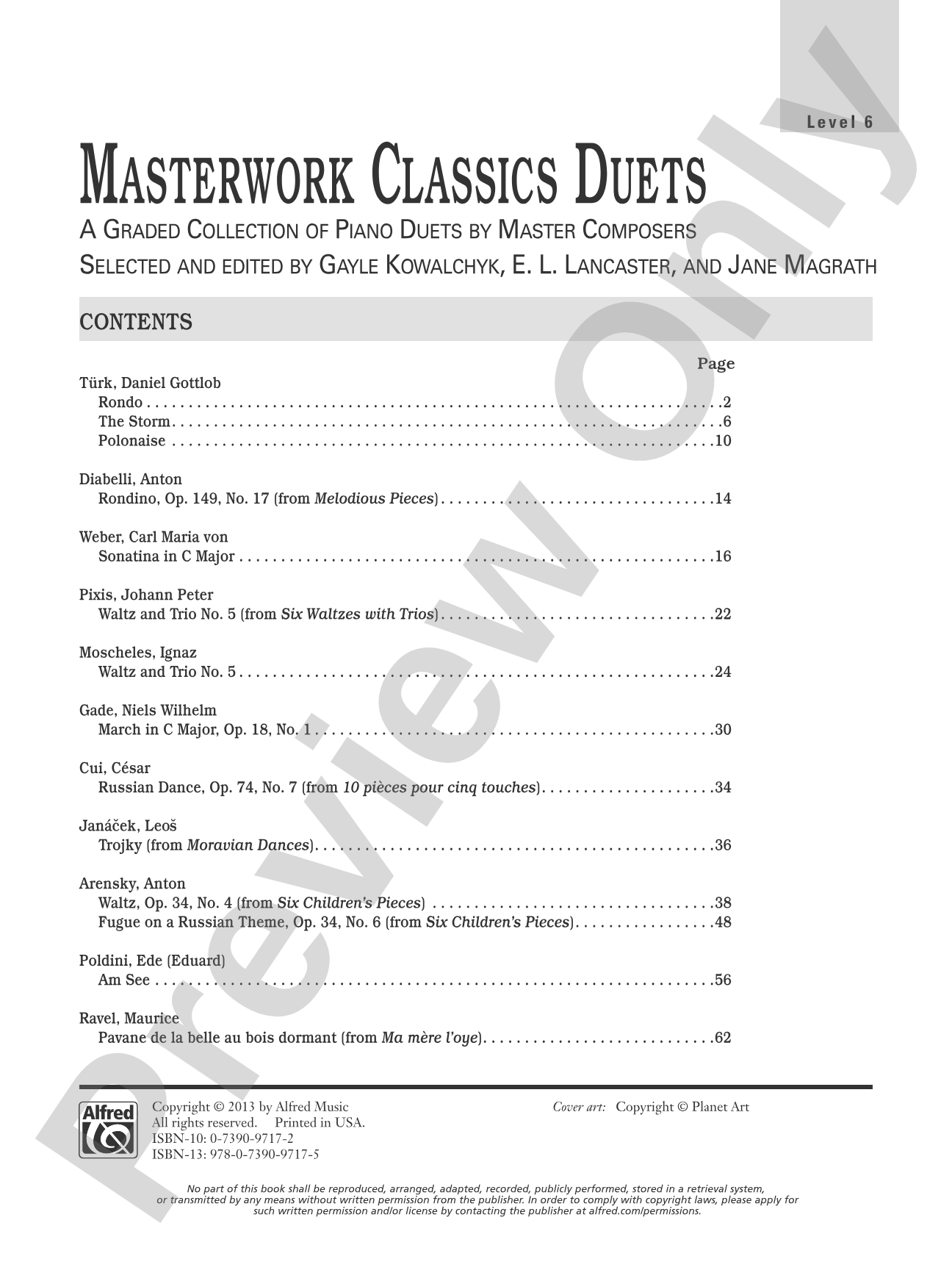
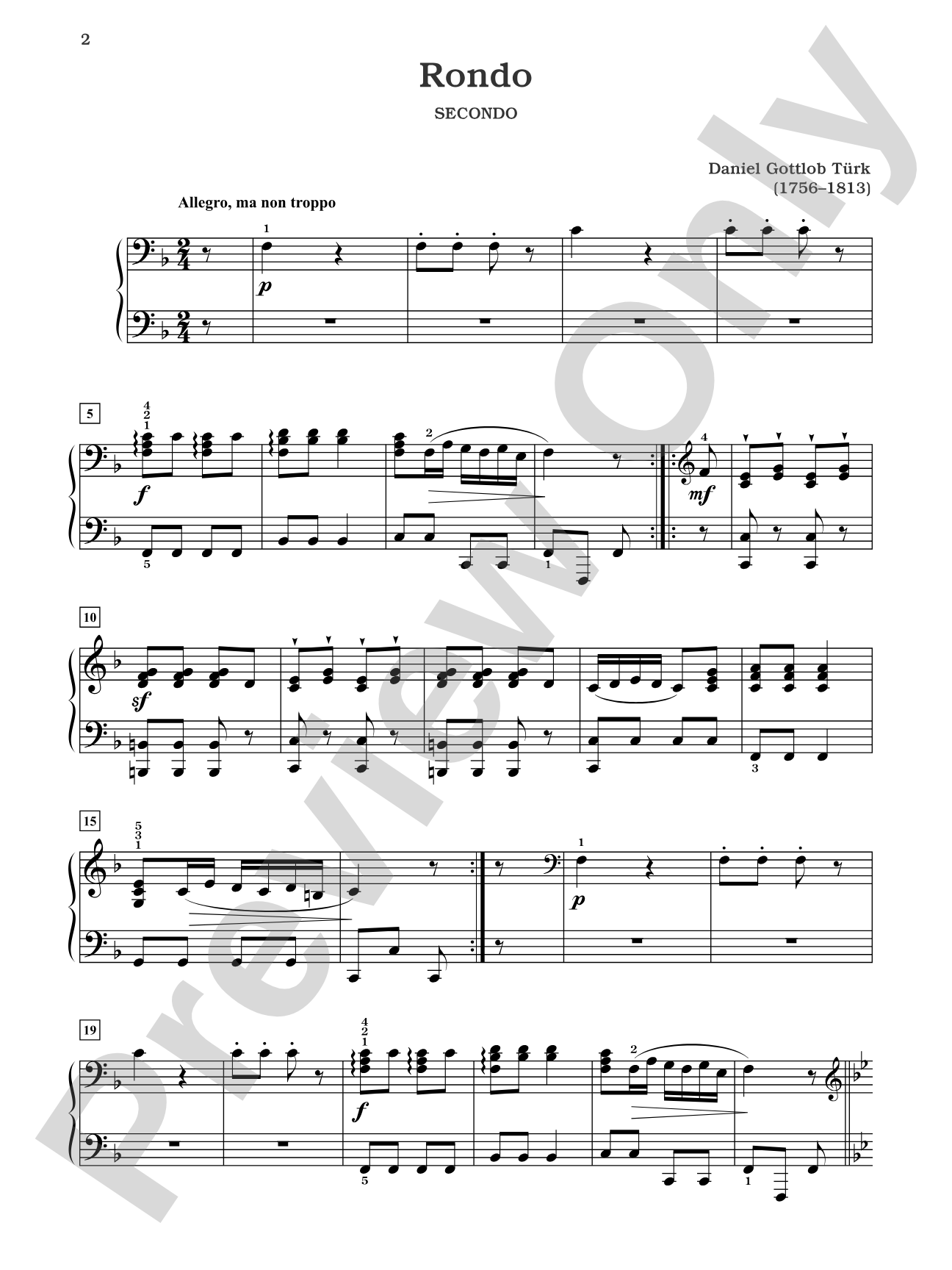
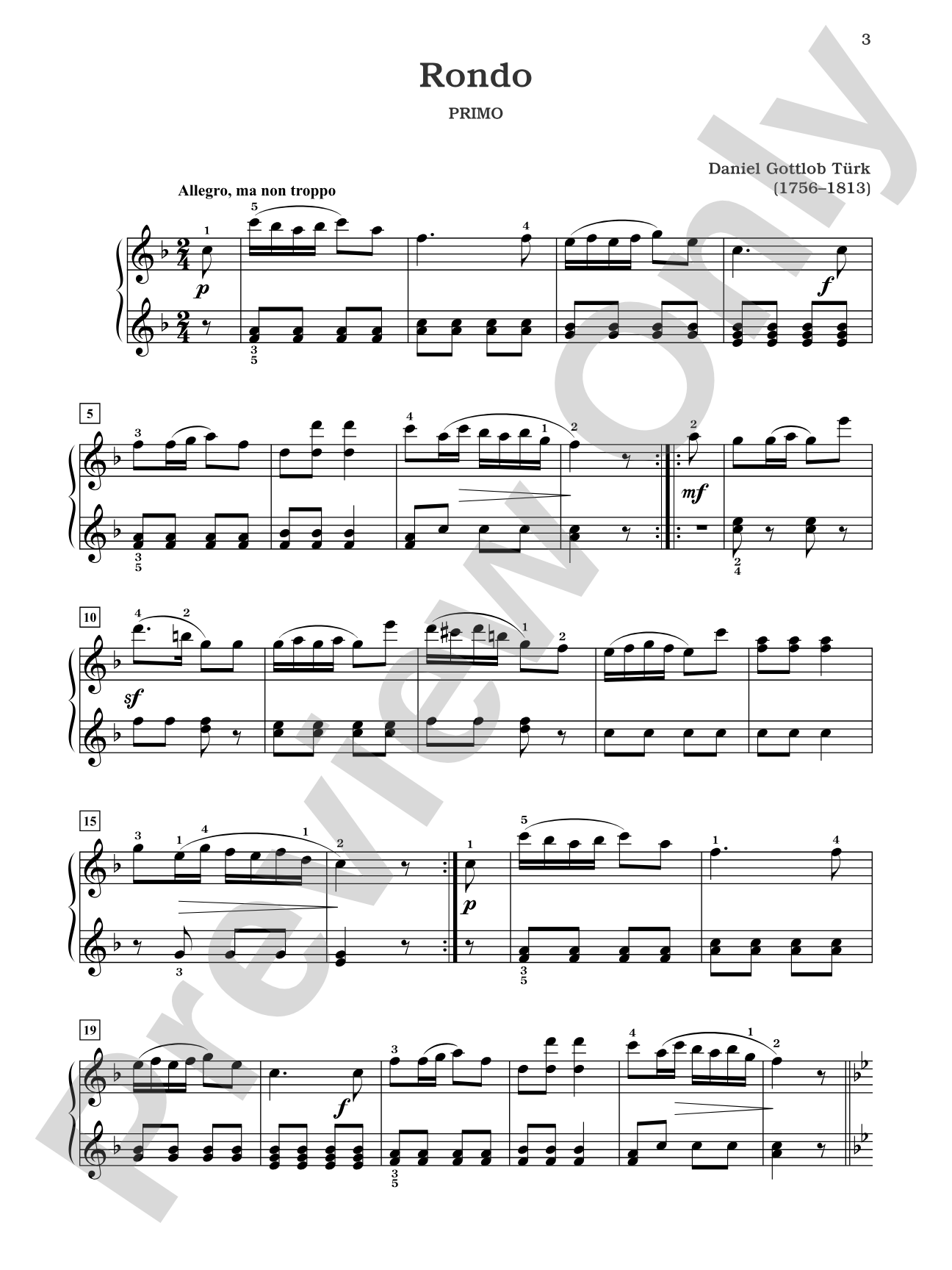
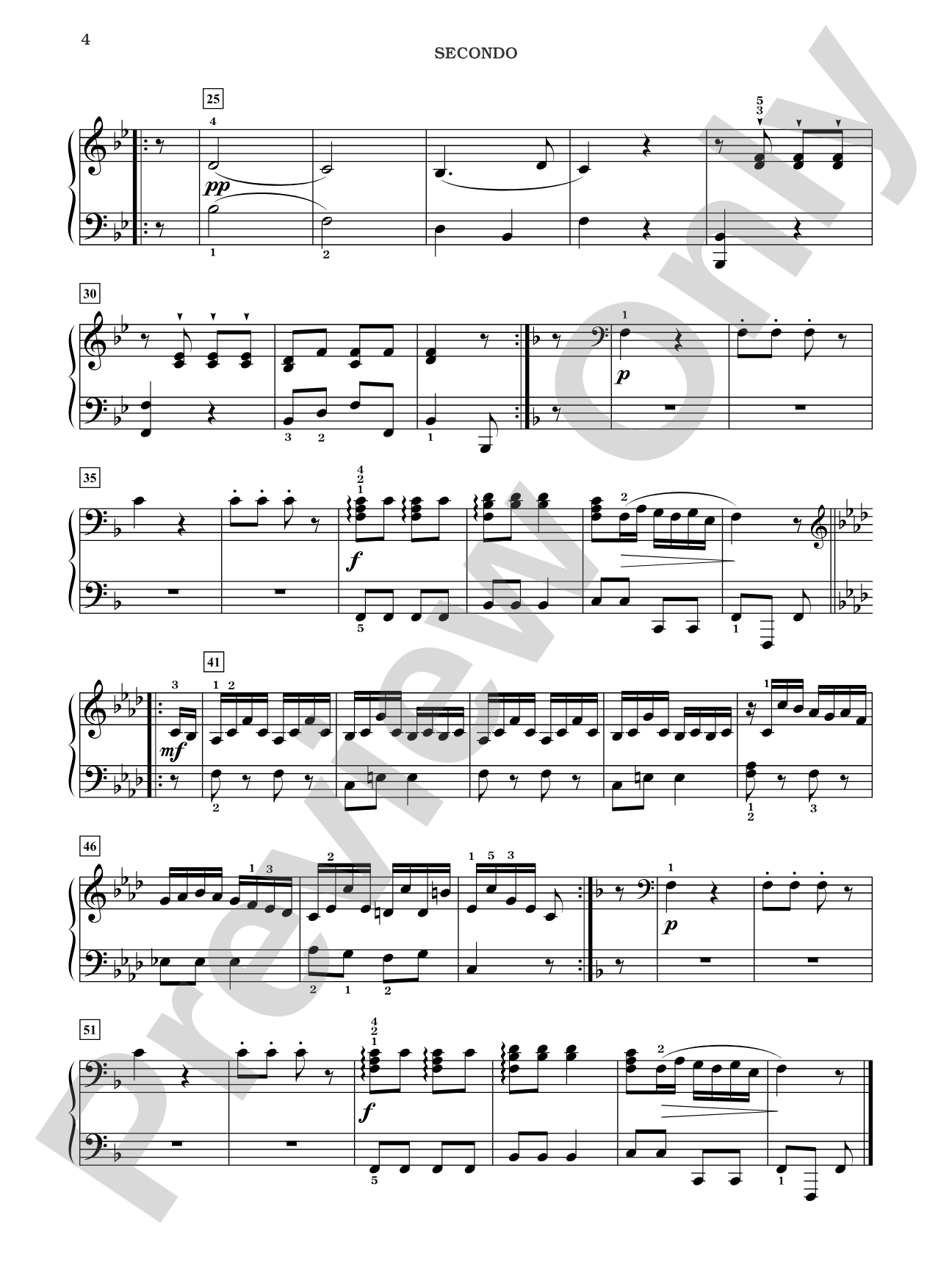
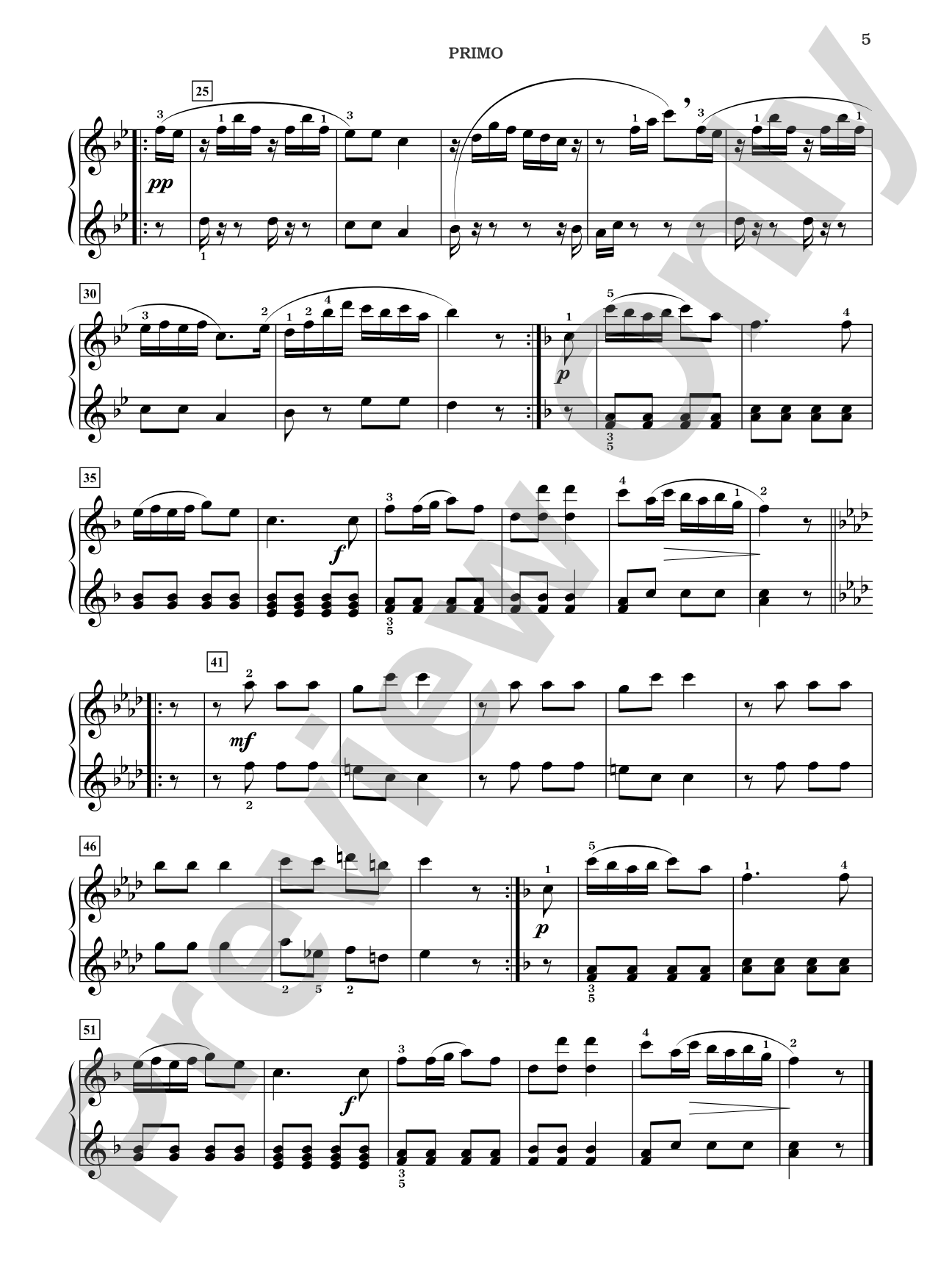
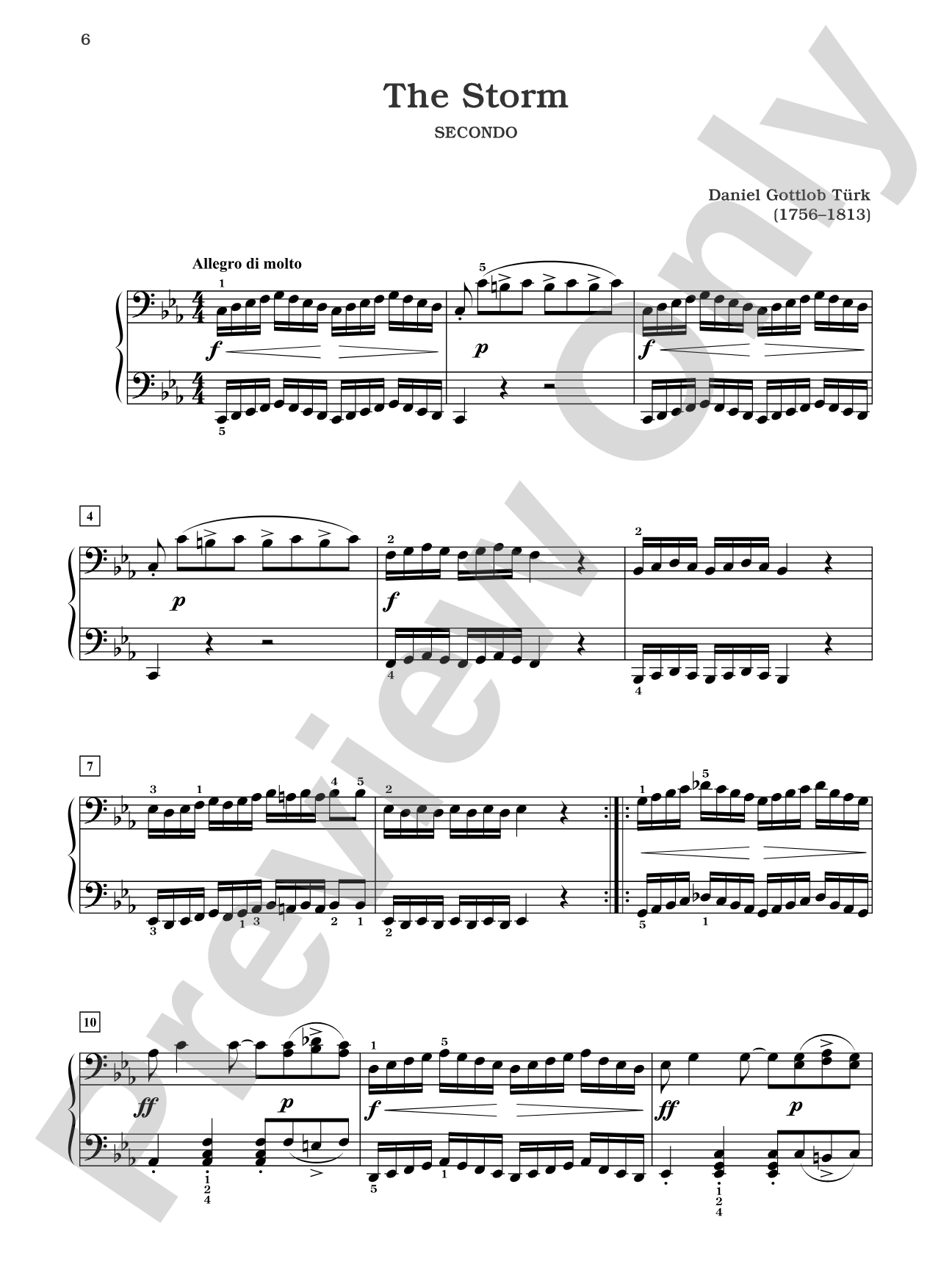
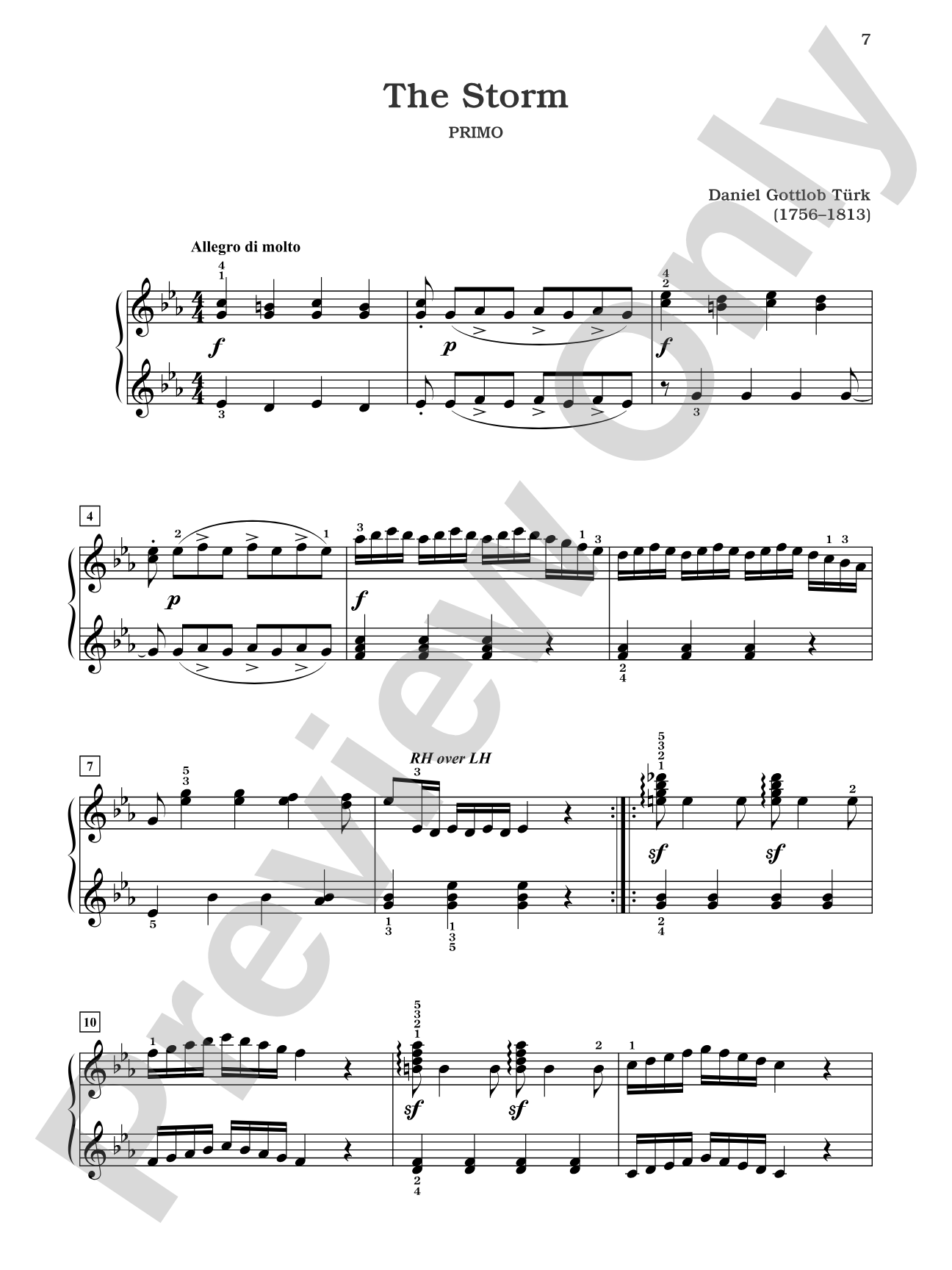
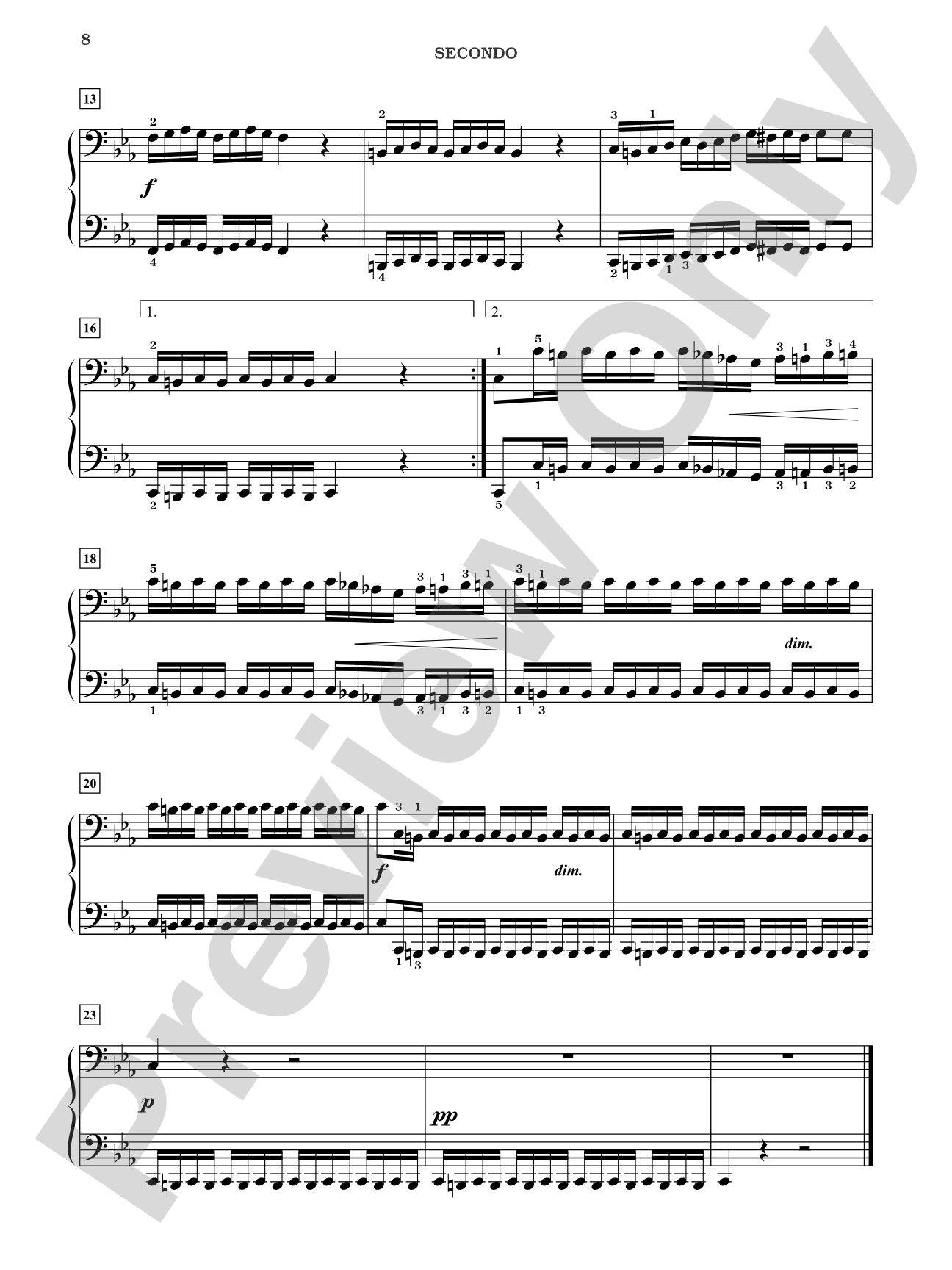
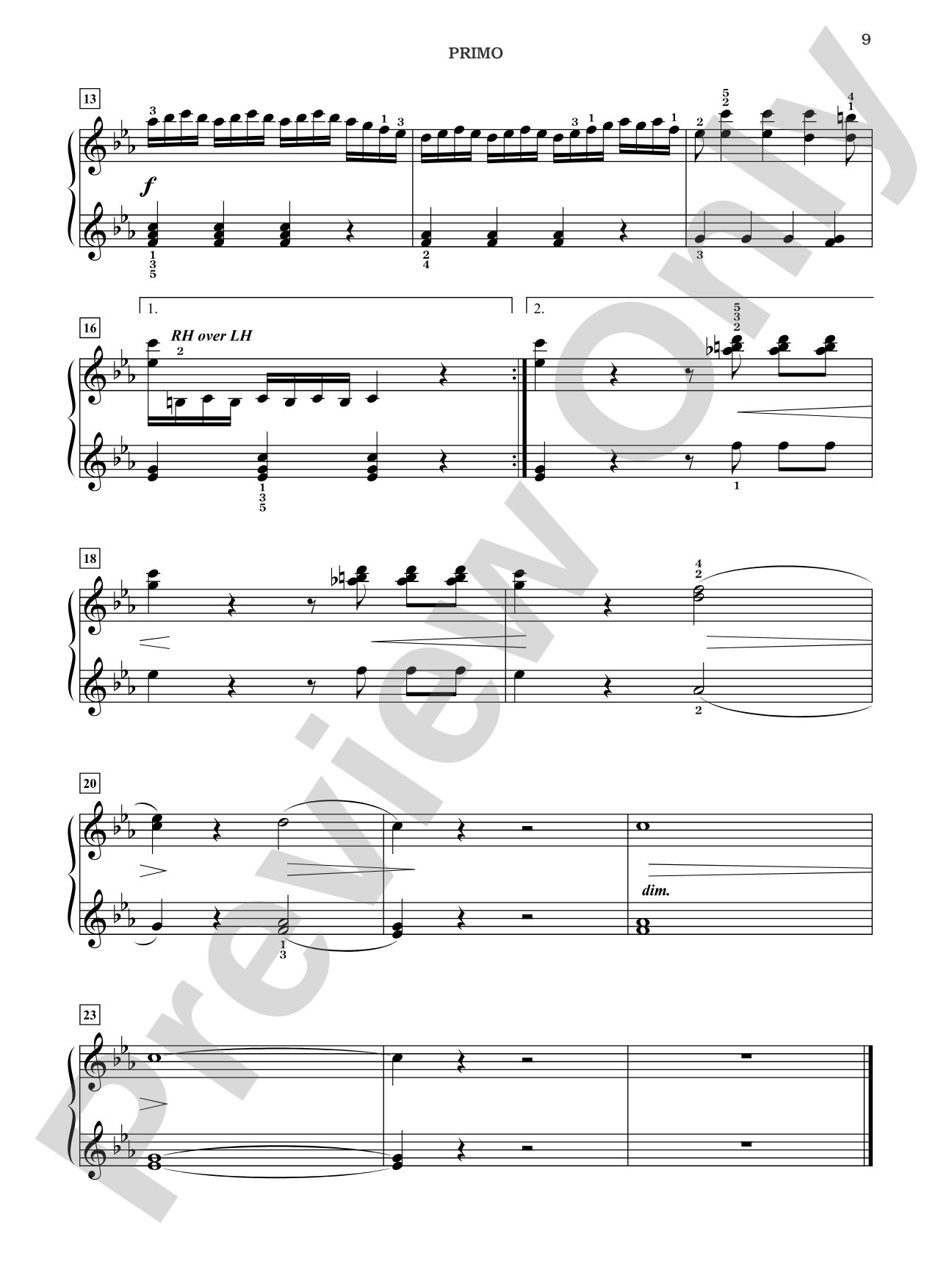
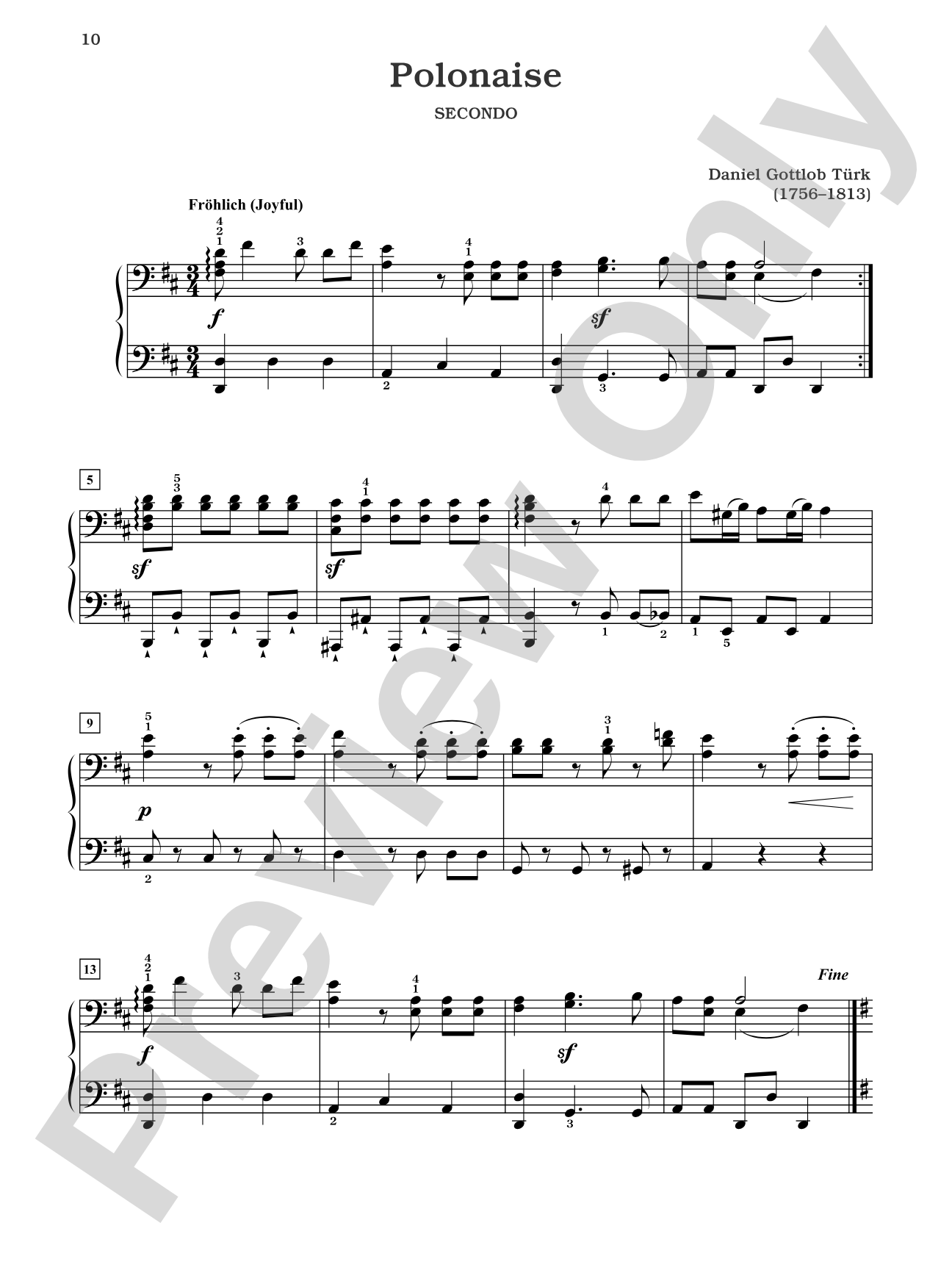
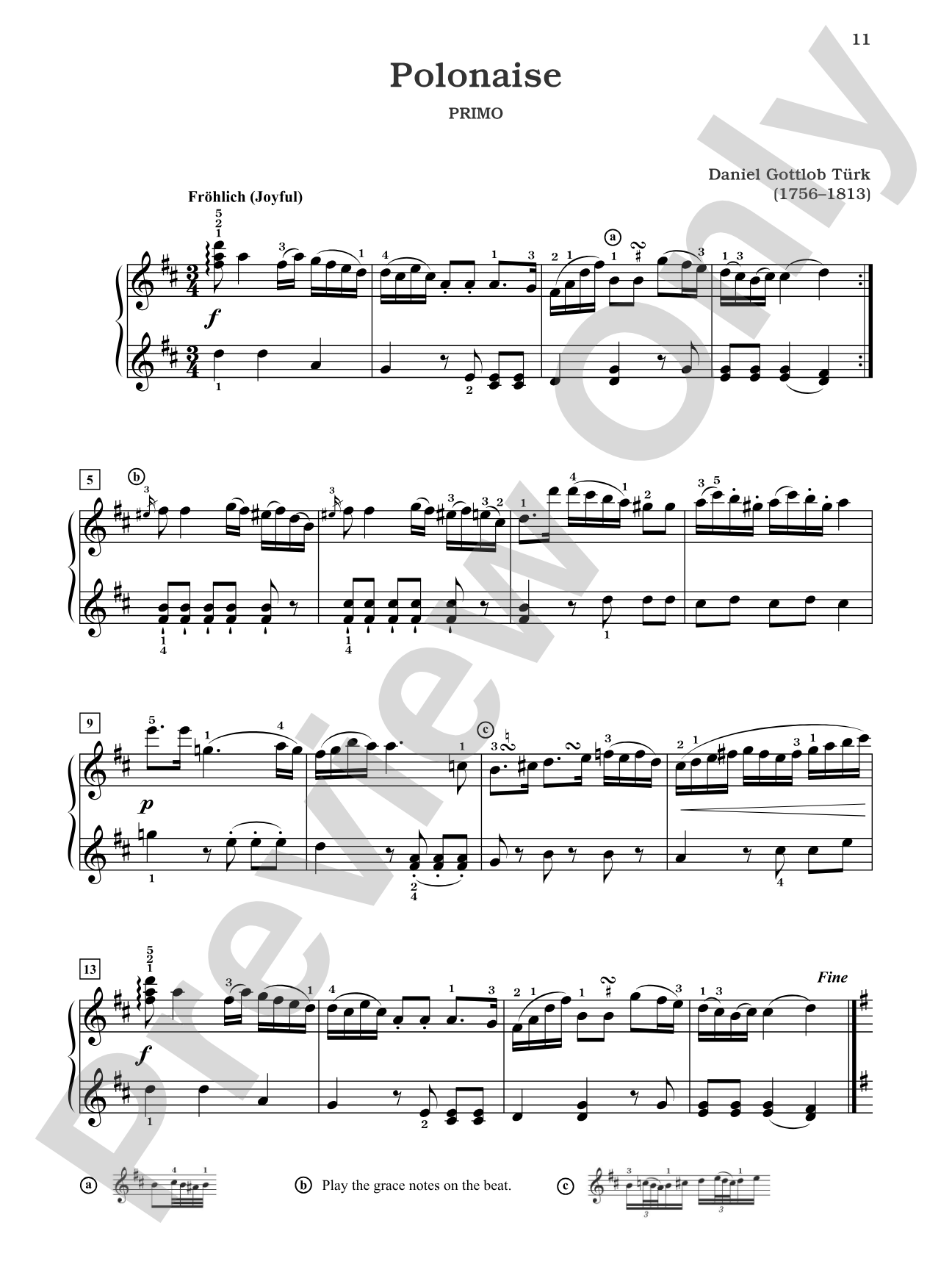
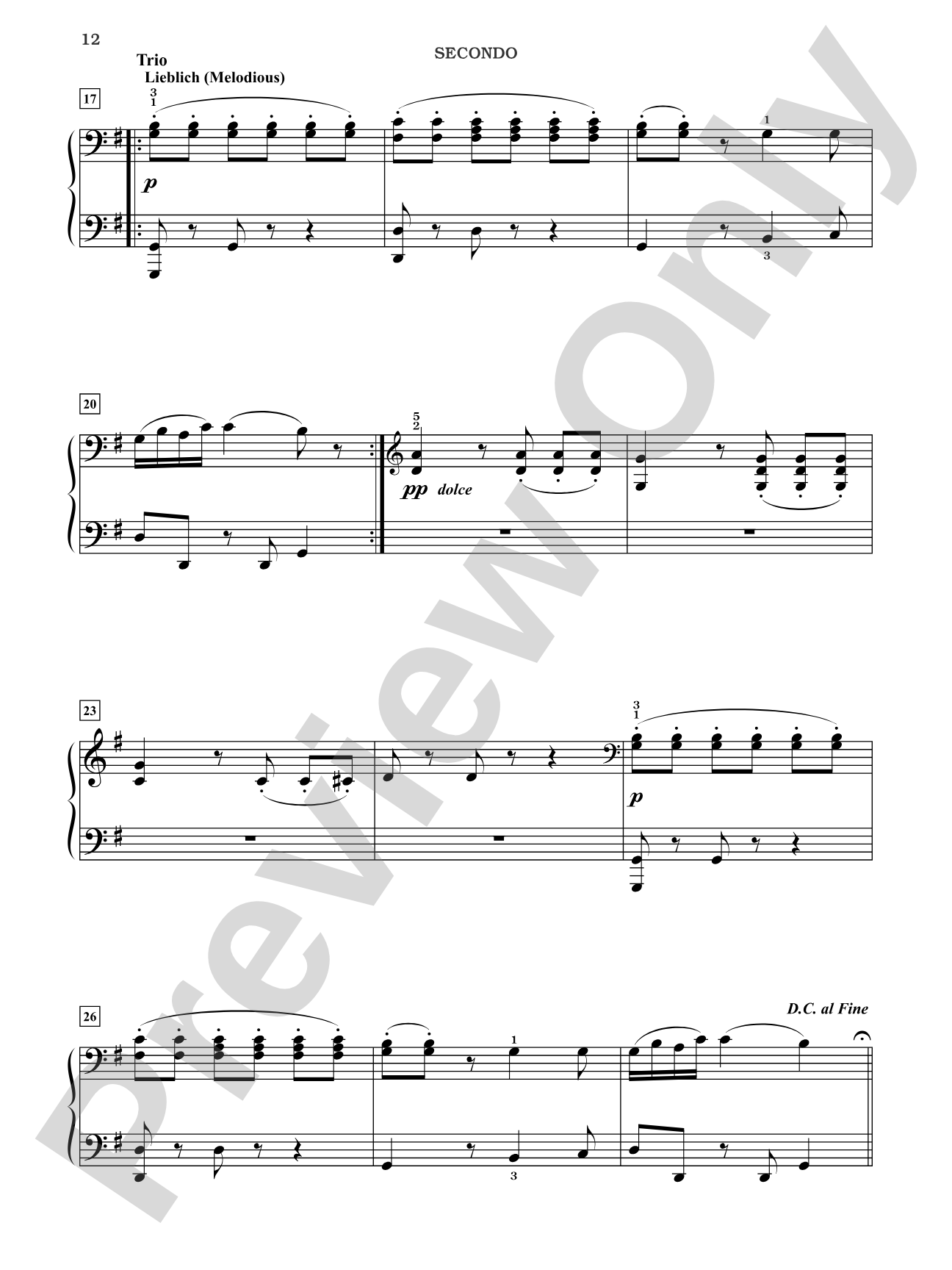
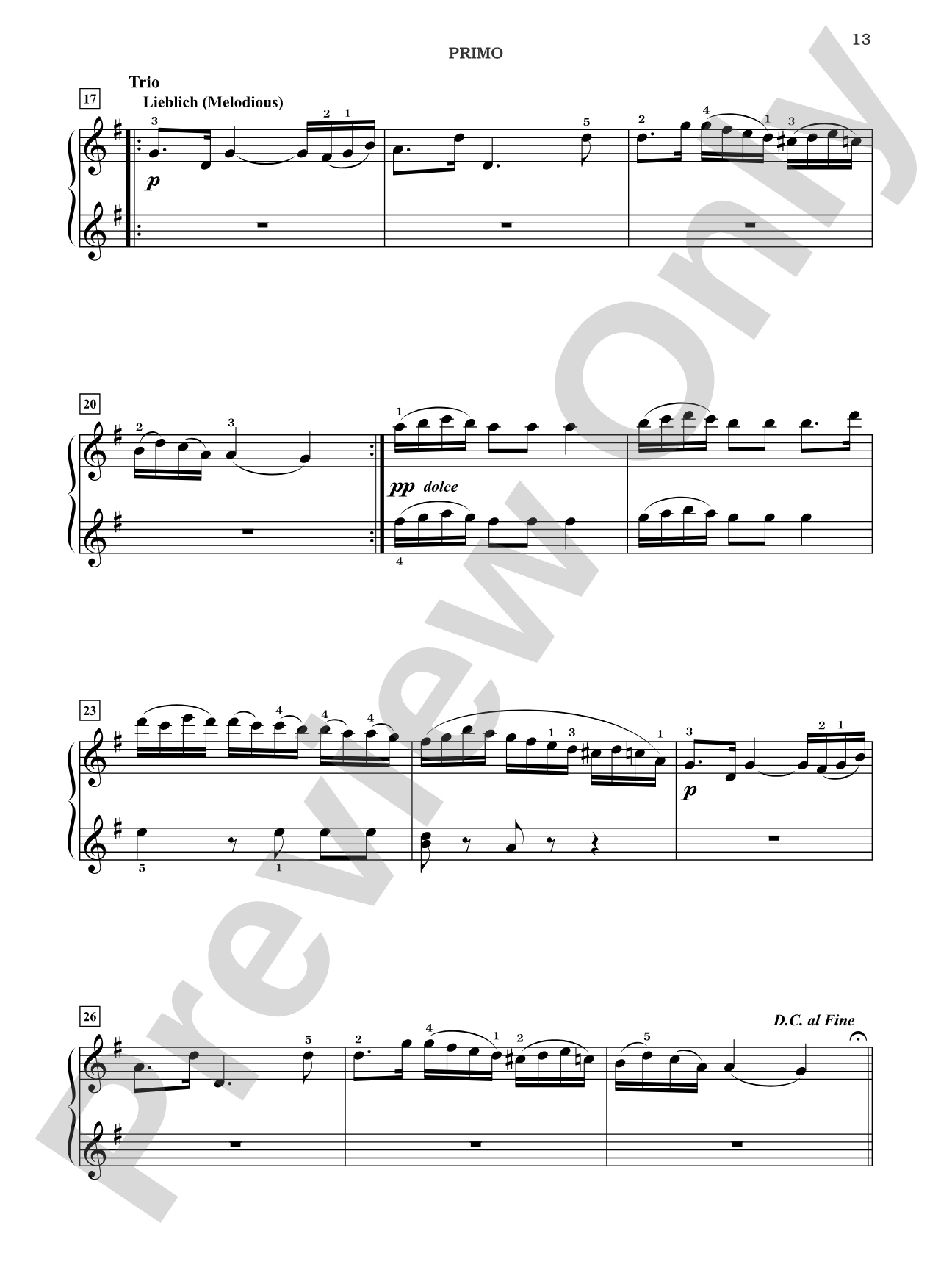
These graded collections of piano duets by master composers are among the best literature available at respective levels. Each duet, written by composers who lived in the 18th, 19th, and 20th century, has been carefully edited and fingered for performance ease. Titles: Rondo (Türk) * The Storm (Türk) * Polonaise (Türk) * Rondino, Op. 149, No. 17 (from Melodious Pieces) (Diabelli) * Sonatina in C Major (Weber) * Waltz and Trio No. 5 (from Six Waltzes with Trios) (Pixis) * Waltz and Trio No. 5 (Moscheles) * March in C Major, Op. 18, No. 1 (Gade) * Russian Dance, Op. 74, No. 7 (from 10 Pièces pour cinq touches) (Cui) * Trojky (from Moravian Dances) (Janácek) * Waltz, Op. 34, No. 4 (from Six Children's Pieces) (Arensky) * Fugue on a Russian Theme, Op. 34, No. 6 (from Six Children's Pieces) (Arensky) * Am See (Poldini) * Pavane de la belle au bois dormant (from Ma mère l'oye) (Ravel). "Am See," "March in C Major," and "The Storm" are Federation Festivals 2016-2020 selections. A Federation Festivals 2020-2024 selection.


Don't just read it, hear it, play along with it, and watch your students grow with it. In MakeMusic Cloud, Masterwork Classics Duets, Level 6: A Graded Collection of Piano Duets by Master Composers: Piano Duets & Four Hands comes alive with professional accompaniment, adjustable tempo, and built-in practice tools that turn solo practice into real progress.
Open in the Player
Jump straight in and assign it today.
Start Your Free Trial
Open this title and explore the full library in minutes.
Sample Audio
No sample audio found.
Sample Video
No sample videos found.
Additional Details
Series:
Masterwork Classics Duets
Publisher:
Alfred Music
Page Count:
64
SKU:
00-PB-0000627
More about this title
Why we love this
This collection spans three centuries of compositional mastery, offering duets that sound ambitious while remaining accessible at Level 6. The lineup includes works by Ravel and Janácek alongside salon composers, giving students exposure to genuinely varied musical languages. Several pieces earned Federation Festivals recognition, which means they're vetted repertoire that audiences trust.
What to expect
From the rhythmic vitality of Cui's Russian Dance to the dreamy pastoral quality of Poldini's Am See, this collection captures the character and elegance that made these works last. The Ravel movement brings impressionistic shimmer, while the Türk and Diabelli selections offer the clarity and wit of Classical-era chamber writing. Each piece rewards careful listening and reveals something new about the musical period it represents.
Who it's for
Pianists at the late intermediate level who thrive on chamber repertoire and are ready to engage with genuine musical literature rather than simplified arrangements. Students preparing for festival play-offs or competitions will find several proven selections here. Teachers seeking duets that challenge without overwhelming will appreciate the careful editing and the mix of character pieces and formal structures.
How to get the most out of it
- Balance the primo and secondo parts carefully during rehearsal by listening to which hand carries the melodic line in each section; the role often shifts.
- Work on coordinated pedaling before learning the notes, since shared pedal control requires genuine ensemble sensitivity.
- Study the fingering suggestions closely in pieces like the Sonatina and Waltz movements; the editors have solved hand position challenges that could otherwise derail solid playing.
- In the Ravel piece, attend to the impressionistic harmonic language by practicing slowly enough to hear the color changes rather than rushing through chord transitions.
How to use it
Program a festival recital around pieces from this collection, pairing the Ravel with a 20th-century solo work and building an arc across the three centuries represented. A partnership between two pianists can perform contrasting selections from the book in a duet recital, allowing audiences to hear how musical language evolved. Use selections like the Arensky Fugue in chamber concerts where the skill of two players working together becomes as visible as the musical result.
Skills your students will build
- Coordination of shared pedal control between two players
- Balance between primo and secondo parts, including tracking melodic lines that shift between hands
- Reading and executing editorial fingering and phrasing in authentic arrangements
- Stylistic awareness across Classical, Romantic, and early Modern duet literature
- Ensemble listening skills through sustained partner awareness
- Interpretation of impressionistic harmony and rubato in works like the Ravel
- Technical execution of character dances and formal structures across varied compositional voices