March of the Ladybugs Cover Image

March of the Ladybugs: Concert Band Conductor Score

$6.00 USD
Sale price  $6.00 USD Regular price 
Skip to product information
March of the Ladybugs Cover Image

March of the Ladybugs: Concert Band Conductor Score

By Barry E. Kopetz

Grade: 2

Item: 98-B1246S

$6.00
Shipped

One moment…

Description
This clever march depicts a procession of ladybugs, those everyday insects that always seem to capture the spotlight. A persistent minor second interval depicts the occasional flapping of their wings, and the piece even comes complete with a "bug fight" - uhh...dog fight, that is! An excellent change of pace for your next program!

March of the Ladybugs: Concert Band Conductor Score isn't in MakeMusic Cloud just yet...but it could be. Let us know you'd like to see it, and you'll help shape what comes next. In the meantime, start a free trial and dive into thousands of interactive titles your students can play along with today.

Sample Pages

Sample Audio
No sample audio found.
Sample Video
Additional Details
Series: FJH Young Band
Publisher: The FJH Music Company, Inc.
UPC: 241444474778
SKU: 98-B1246S

More about this title

About the Composer: Barry E. Kopetz
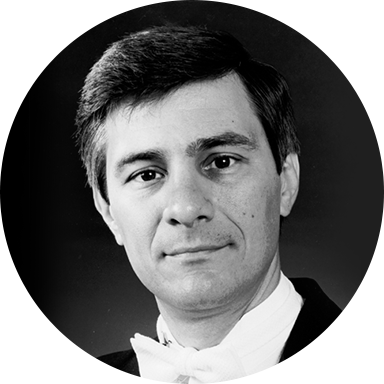
Barry E. Kopetz

Barry E. Kopetz has shaped band programs across multiple universities, serving on faculty at Capital University, the University of Utah, the University of Minnesota, and Bowling Green State University. His academic training includes degrees from Ohio State University and Indiana University, where he earned a doctorate with distinction. His conducting studies with Frederick Fennell in Tokyo in 1989 represent a defining influence on his musical development.

As a composer and arranger, Kopetz has created more than 50 published works for band and other ensembles. Beyond the concert hall, he has orchestrated music for television and film production. His professional standing includes membership in the American Bandmasters Association and regular contributions to Instrumentalist magazine, where he analyzes works from the standard band repertoire. He remains active as a guest conductor and adjudicator throughout the United States and Australia.

Why we love this

Kopetz gives young ensembles a march with genuine personality and humor. The persistent minor second interval creates a distinctive sonic fingerprint that students remember, while the "bug fight" section breaks the expected march format with wit and energy, keeping audiences engaged without relying on bombast.

What to expect

A lighthearted procession with just enough musical wit to satisfy musicians while making the audience smile. The minor second interval gives it an understated quirk, and when the "bug fight" erupts, the piece suddenly comes alive with playful chaos before settling back into its steady, creeping gait.

Who it's for

Young concert bands at the Grade 2 level looking for a march that entertains both players and audiences without losing musical substance. This works equally well for ensembles building march fundamentals or programs seeking a break from traditional military march repertoire.

How to get the most out of it

  • Emphasize the minor second interval clearly in the opening, as it becomes the piece's musical signature. Balance it so the "flapping" effect registers with the audience without overwhelming the primary melodic content.
  • Bring out the "bug fight" section with rhythmic punch and articulation. The contrast here makes it work; everything prior should feel measured and deliberate.
  • Let the march sections sit comfortably in tempo rather than rushing. Young bands often accelerate marches out of enthusiasm, which undercuts the humor and the insect-like precision the piece demands.

How to use it

Program this alongside a classic march to show your students the range of the genre, or use it as a second-half opener to shift the concert's energy after heavier repertoire. It also works as a spring concert closer that leaves the audience leaving on a positive, amused note.

Skills your students will build

  • March form and phrasing conventions
  • Interval recognition and intonation of the minor second
  • Articulation and rhythmic precision for stylistic effect
  • Section coordination and dynamic balance
  • Tempo stability and counting through sectional changes

You May Also Like