March of the Ladybugs Cover Image

March of the Ladybugs: Concert Band Conductor Score & Parts

$50.00 USD
Sale price  $50.00 USD Regular price 
Skip to product information
March of the Ladybugs Cover Image

March of the Ladybugs: Concert Band Conductor Score & Parts

By Barry E. Kopetz

Grade: 2

Item: 98-B1246

Need it now?

Buy Digital Version
$50.00
Shipped

One moment…

Description
This clever march depicts a procession of ladybugs, those everyday insects that always seem to capture the spotlight. A persistent minor second interval depicts the occasional flapping of their wings, and the piece even comes complete with a "bug fight" - uhh...dog fight, that is! An excellent change of pace for your next program!

March of the Ladybugs: Concert Band Conductor Score & Parts isn't in MakeMusic Cloud just yet...but it could be. Let us know you'd like to see it, and you'll help shape what comes next. In the meantime, start a free trial and dive into thousands of interactive titles your students can play along with today.

Sample Pages

Sample Audio
0:00
0:00
Sample Video
Additional Details
Series: FJH Young Band
Publisher: The FJH Music Company, Inc.
UPC: 674398216413
SKU: 98-B1246

More about this title

About the Composer: Barry E. Kopetz
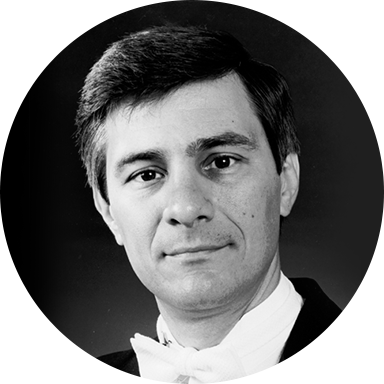
Barry E. Kopetz

Barry E. Kopetz has taught conducting and arranging at several major universities, including Capital University in Columbus, Ohio, where he directs the Wind Symphony and Chamber Winds. His conducting studies with Frederick Fennell in Tokyo and work under teachers including Ray Cramer and Donald McGinnis shaped a career spanning academic leadership, guest conducting, and adjudication across the United States and Australia.

With more than 50 published compositions and arrangements, Kopetz brings both orchestration expertise and a deep understanding of what works in the rehearsal room. His doctoral training from Indiana University and his frequent analyses in Instrumentalist magazine demonstrate a commitment to elevating the standard wind band repertoire. He was inducted into the American Bandmasters Association in 1998.

Why we love this

Kopetz understands exactly what a Grade 2 band needs: musical substance wrapped in character and humor that keeps rehearsals fresh. The minor second wing-flap motif and the unexpected "bug fight" interlude give this march genuine personality without overcomplicating the parts, making it the kind of piece that students actually want to play and audiences genuinely enjoy.

What to expect

Playful and bustling, like watching a tiny procession unfold in real time. The clever orchestration and witty compositional touches (especially the "dog fight" detour) create a piece that's genuinely fun to perform, not just cute.

Who it's for

Grade 2 concert bands looking for a march with personality and replay value. Directors need an accessible piece that holds musicianship expectations while keeping student engagement high, and this delivers both without demanding advanced technical facility.

How to get the most out of it

  • Emphasize the persistent minor second interval as its own melodic character rather than treating it as mere texture; it's the heartbeat of the piece and deserves clear articulation from whatever section carries it.
  • Shape the dynamic arc of the march procession so the ladybug theme emerges clearly above the supporting voices, especially important for balance in the middle sections.
  • Bring comedic timing to the "bug fight" section by locking the rhythm section in first, then layering in the melodic material once the groove is solid and confidence is high.

How to use it

Program this alongside more serious marches or as a centerpiece concert opener that establishes a lighter tone without sacrificing musical credibility. It's also ideal mid-fall when morale needs a boost and audiences appreciate the levity.

Skills your students will build

  • Articulation clarity and consistency in repeated melodic figures
  • Balance and voice independence in multi-line textures
  • Stylistic contrast within a single form (march versus interlude)
  • Rhythmic precision at tempo without sacrificing musicality

You May Also Like