
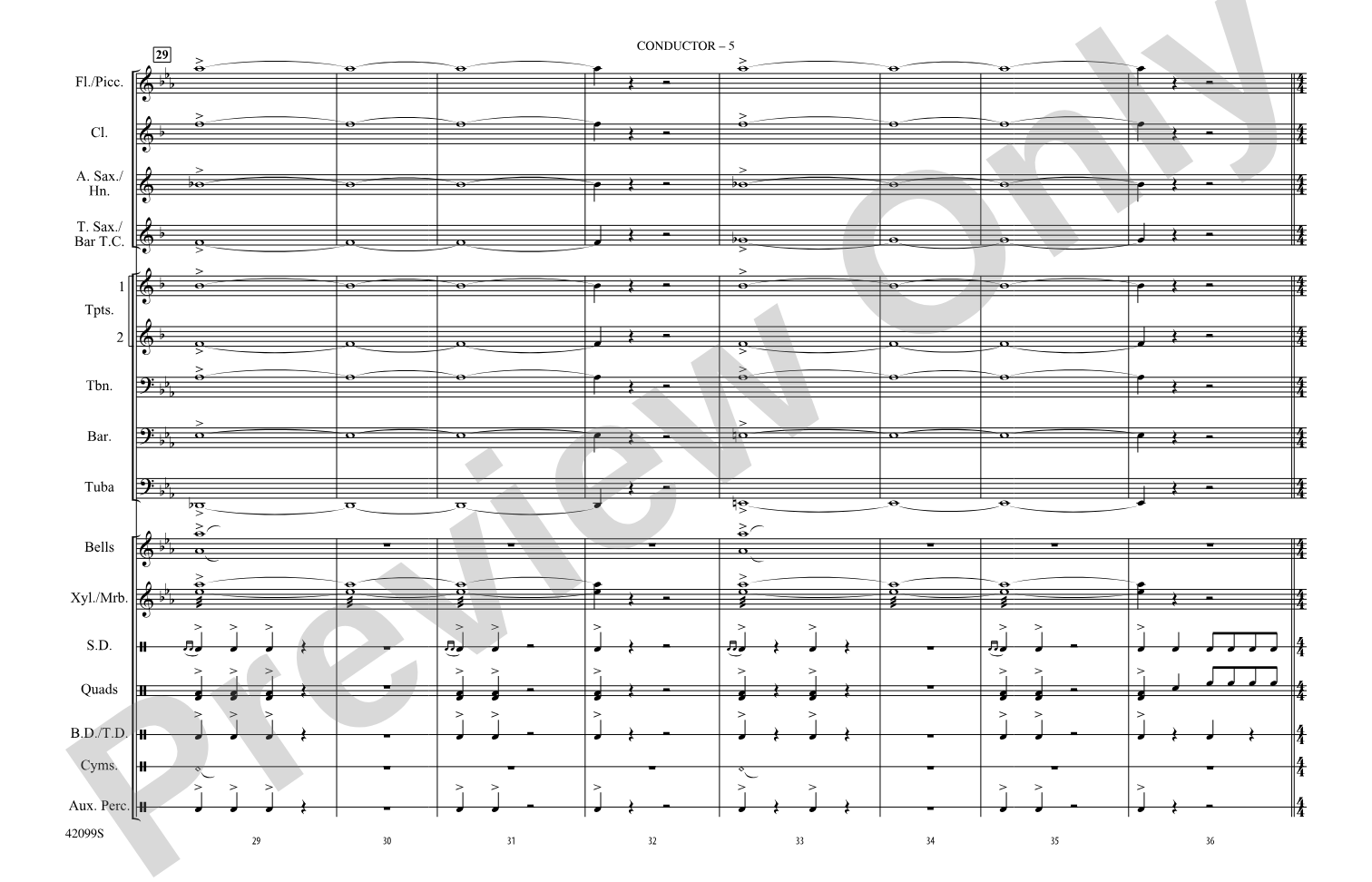
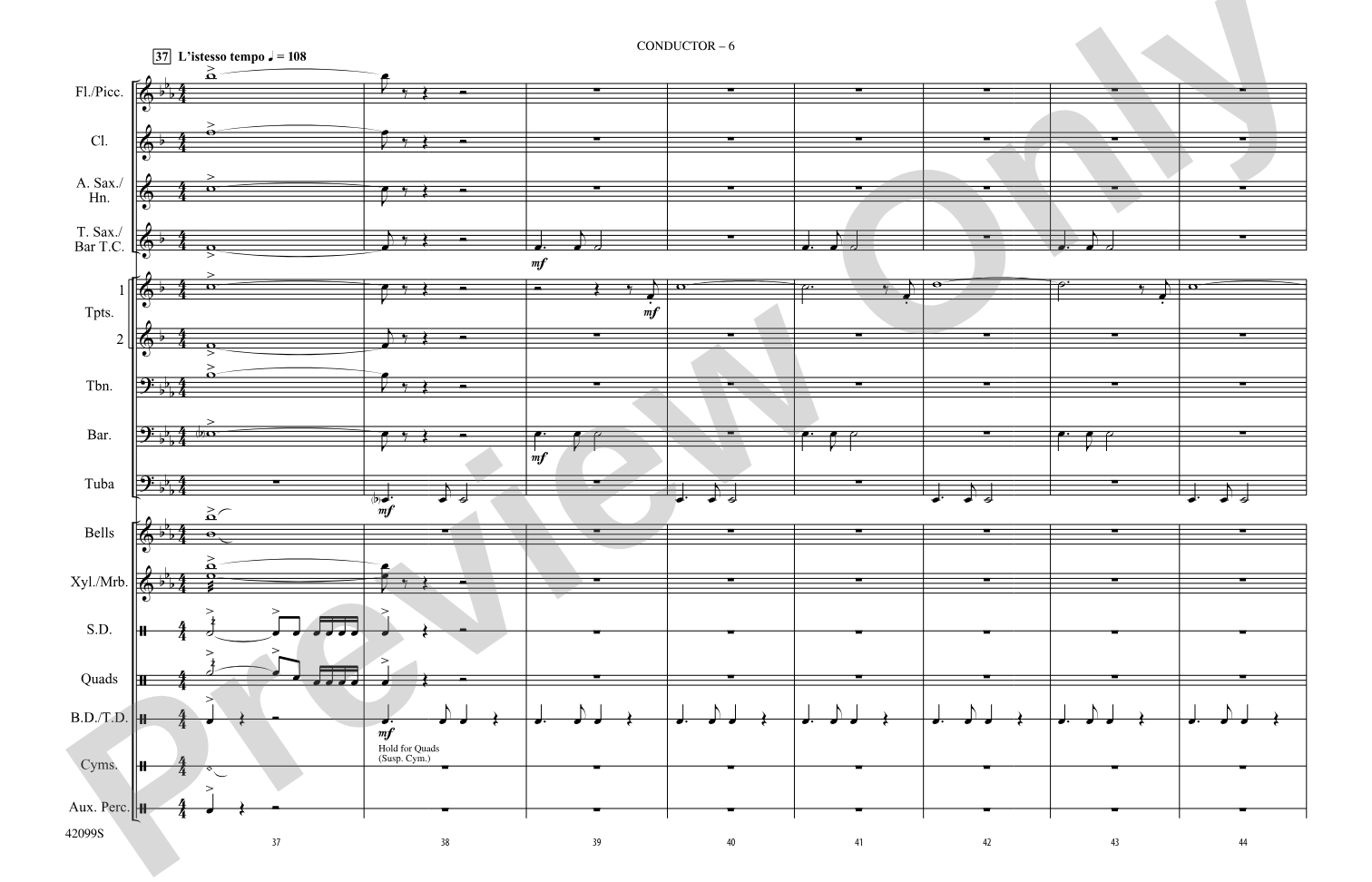
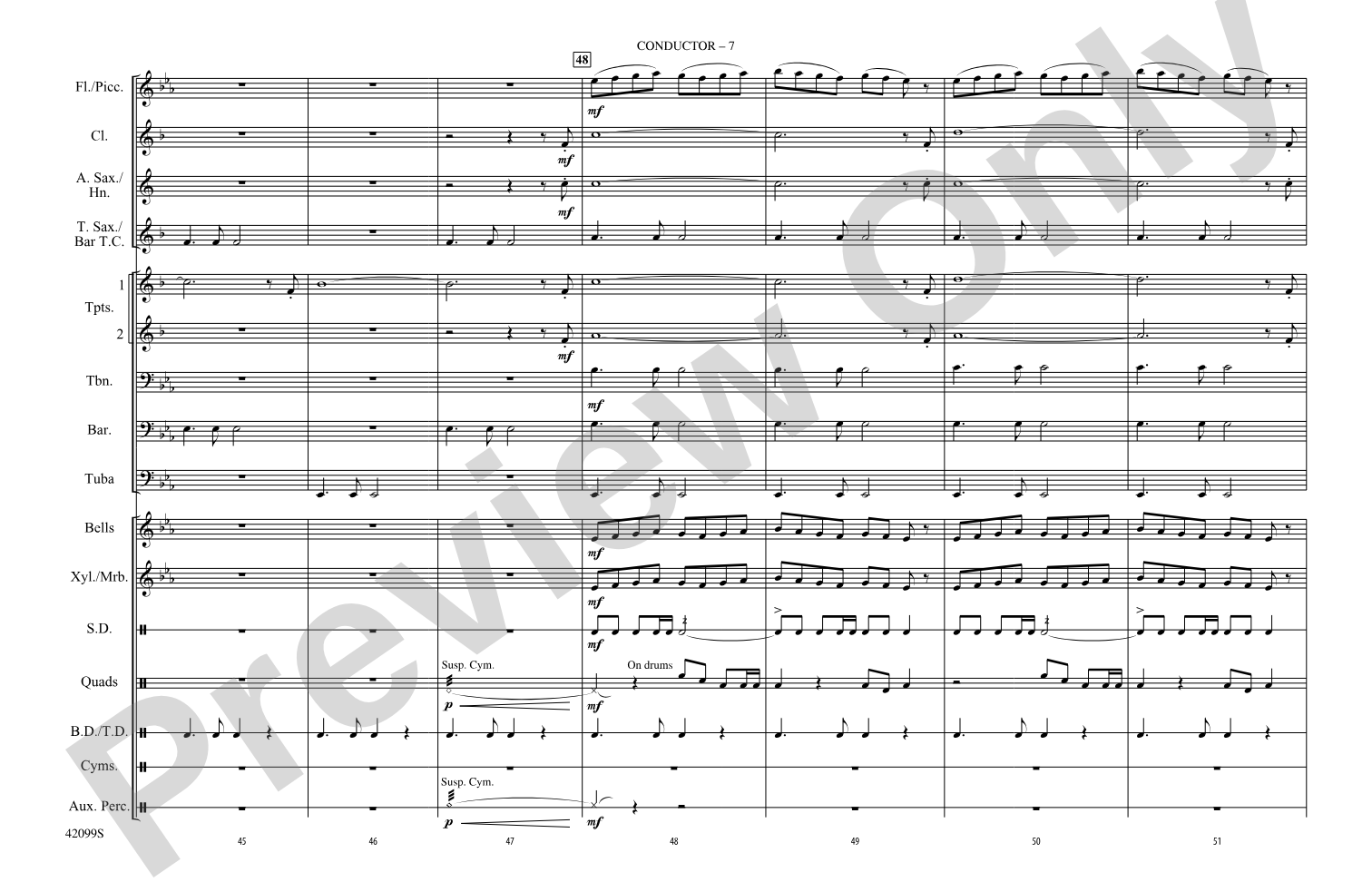
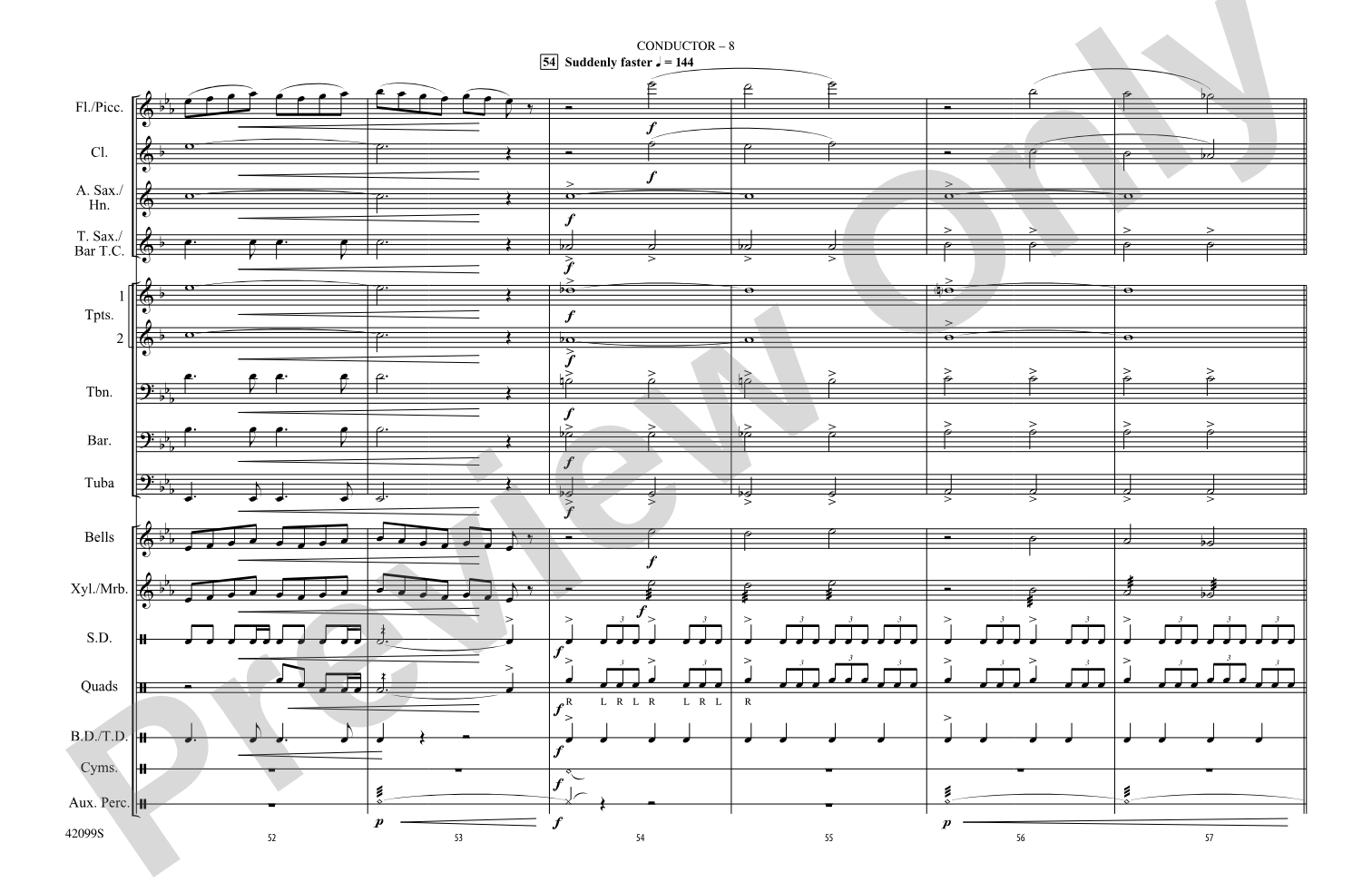

Man of Steel, Part 3: Marching Band Conductor Score & Parts
Featuring: Oil Rig / What Are You Going to Do When You Are Not Saving the World?
Composed by Hans Zimmer / arr. Mike Story
Grade: 2 (Easy)
Item: 00-PK-0006229

$60.00
Pickup currently not available
Buy Extra Parts (Digital PDF Download)
Parts Added to Cart!
Description
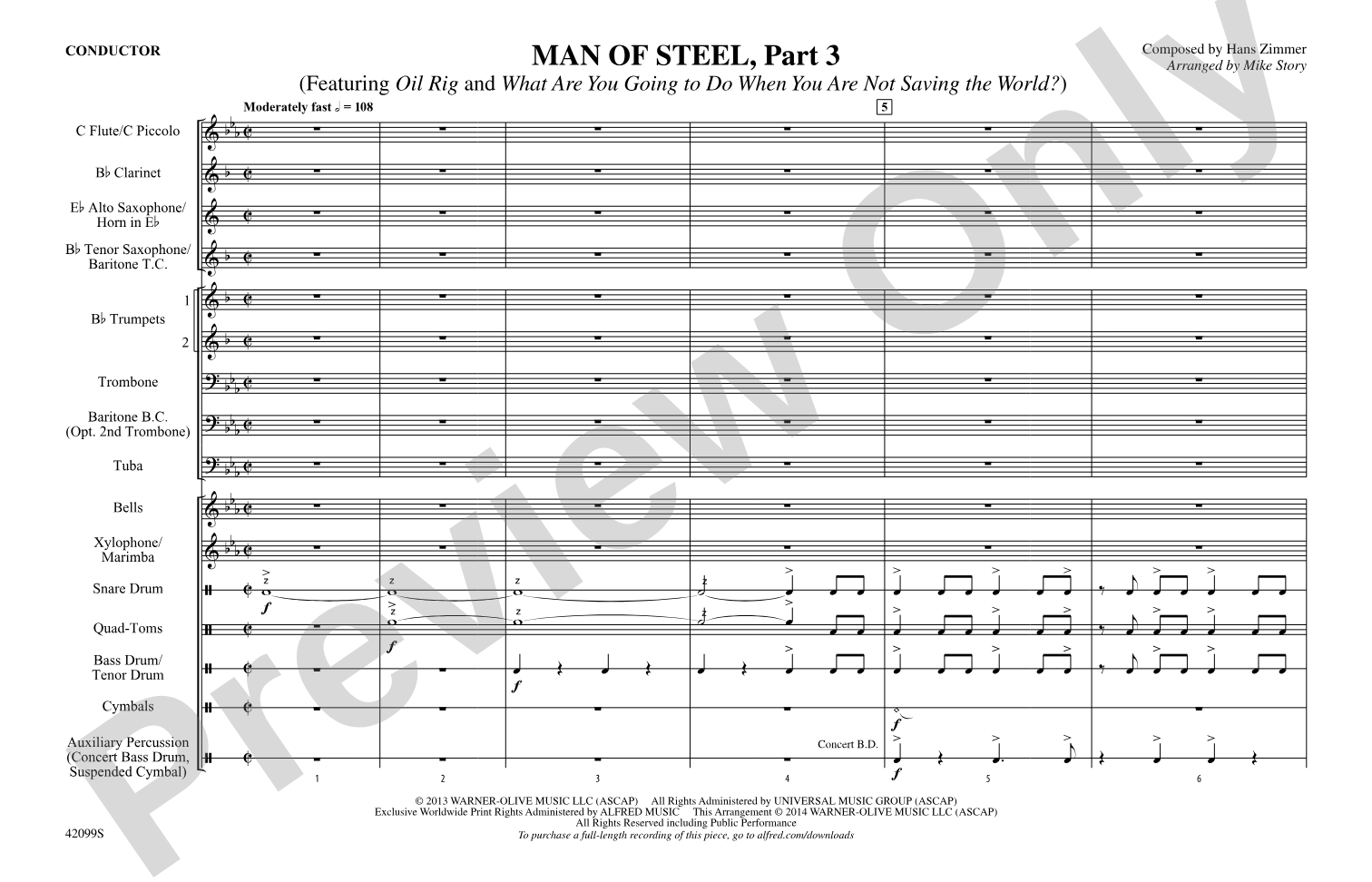
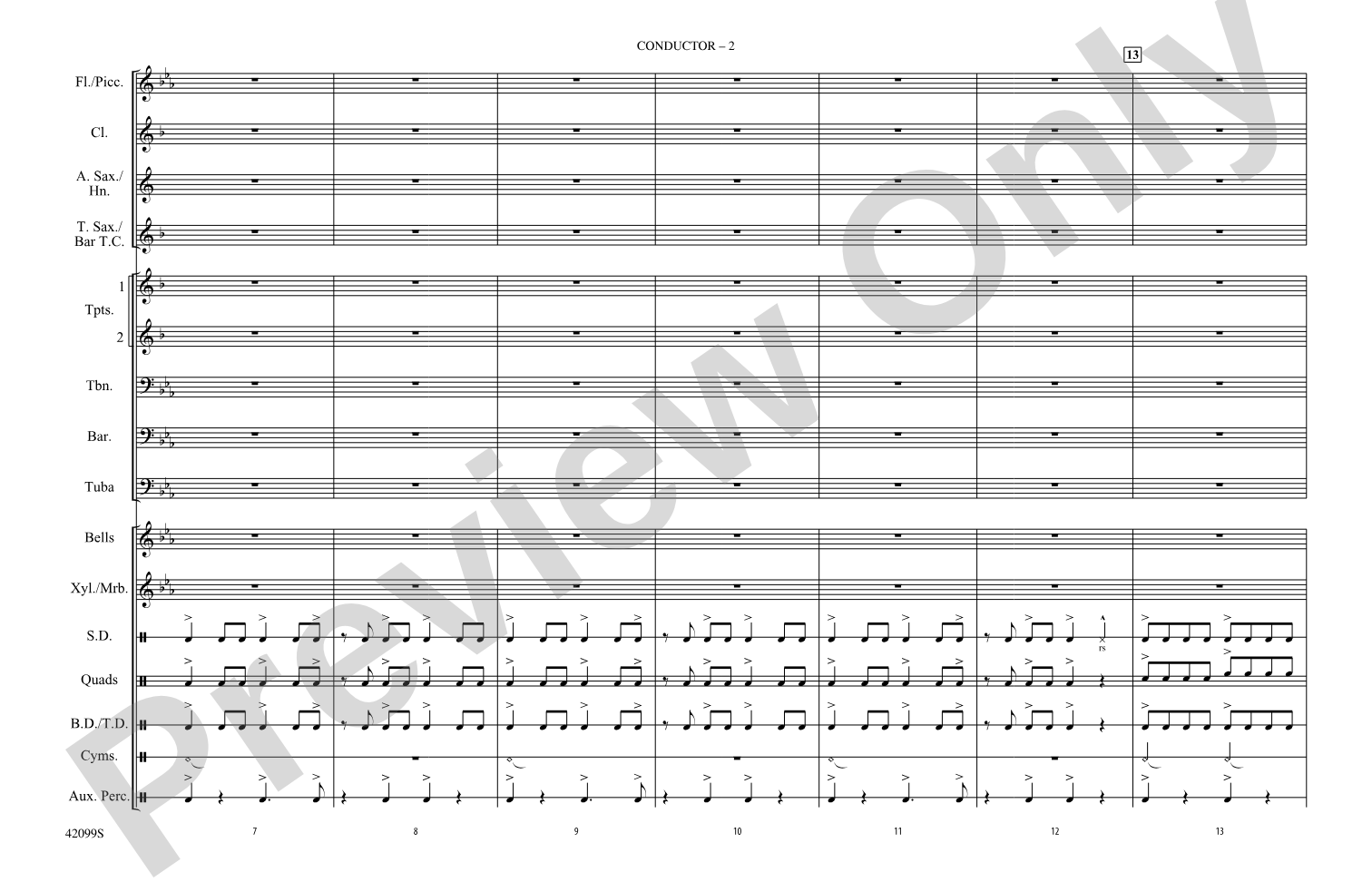
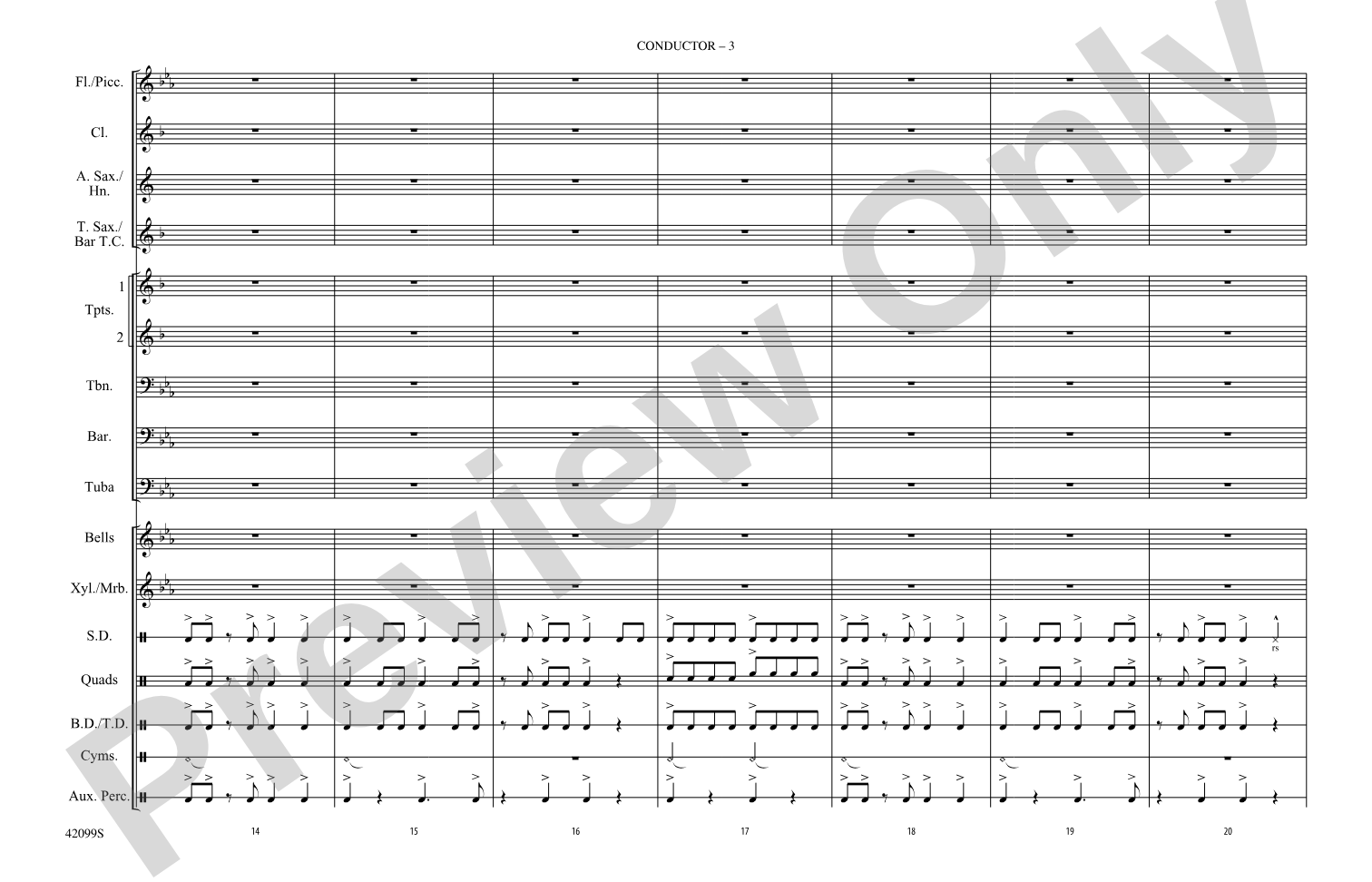
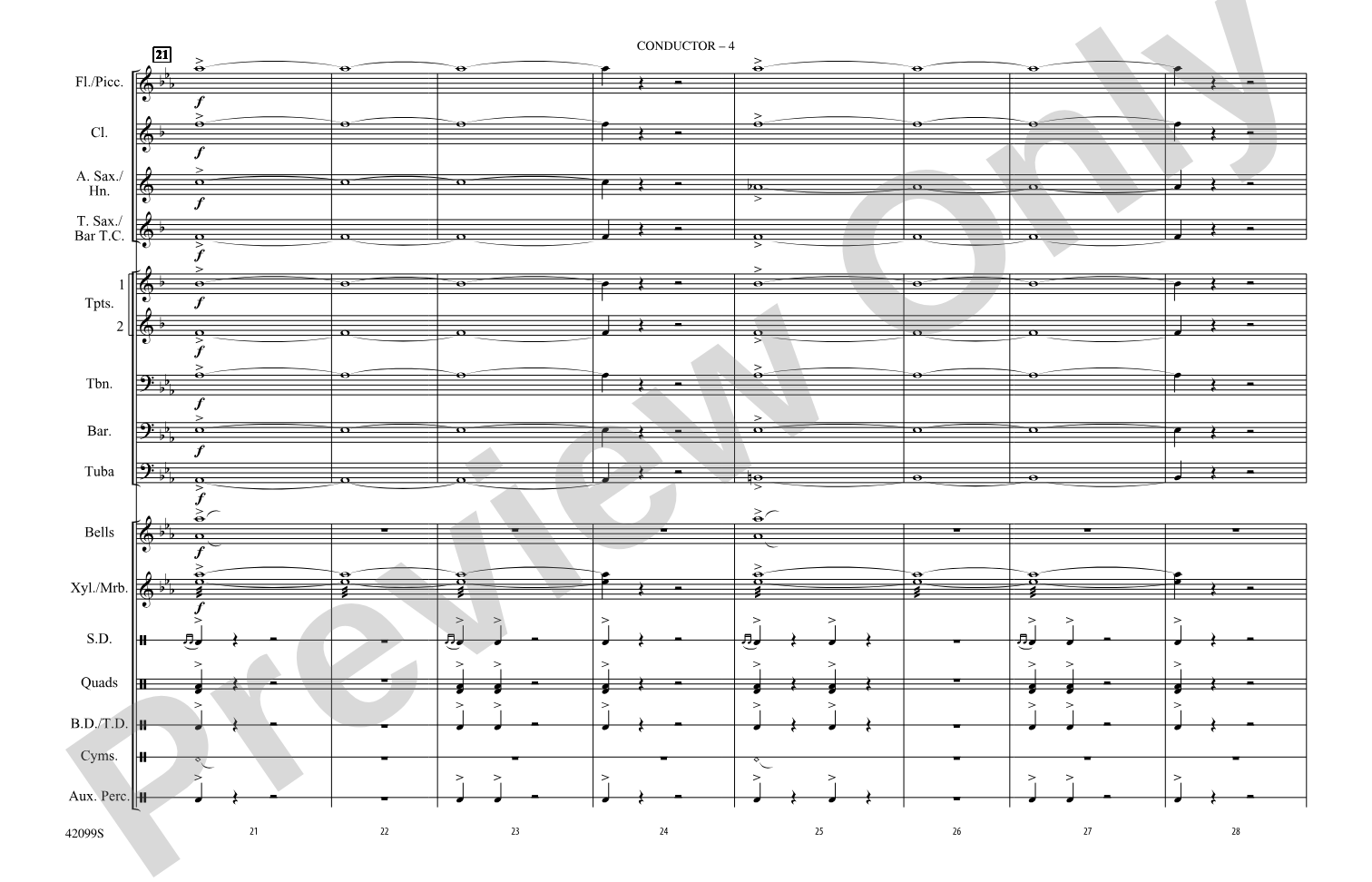
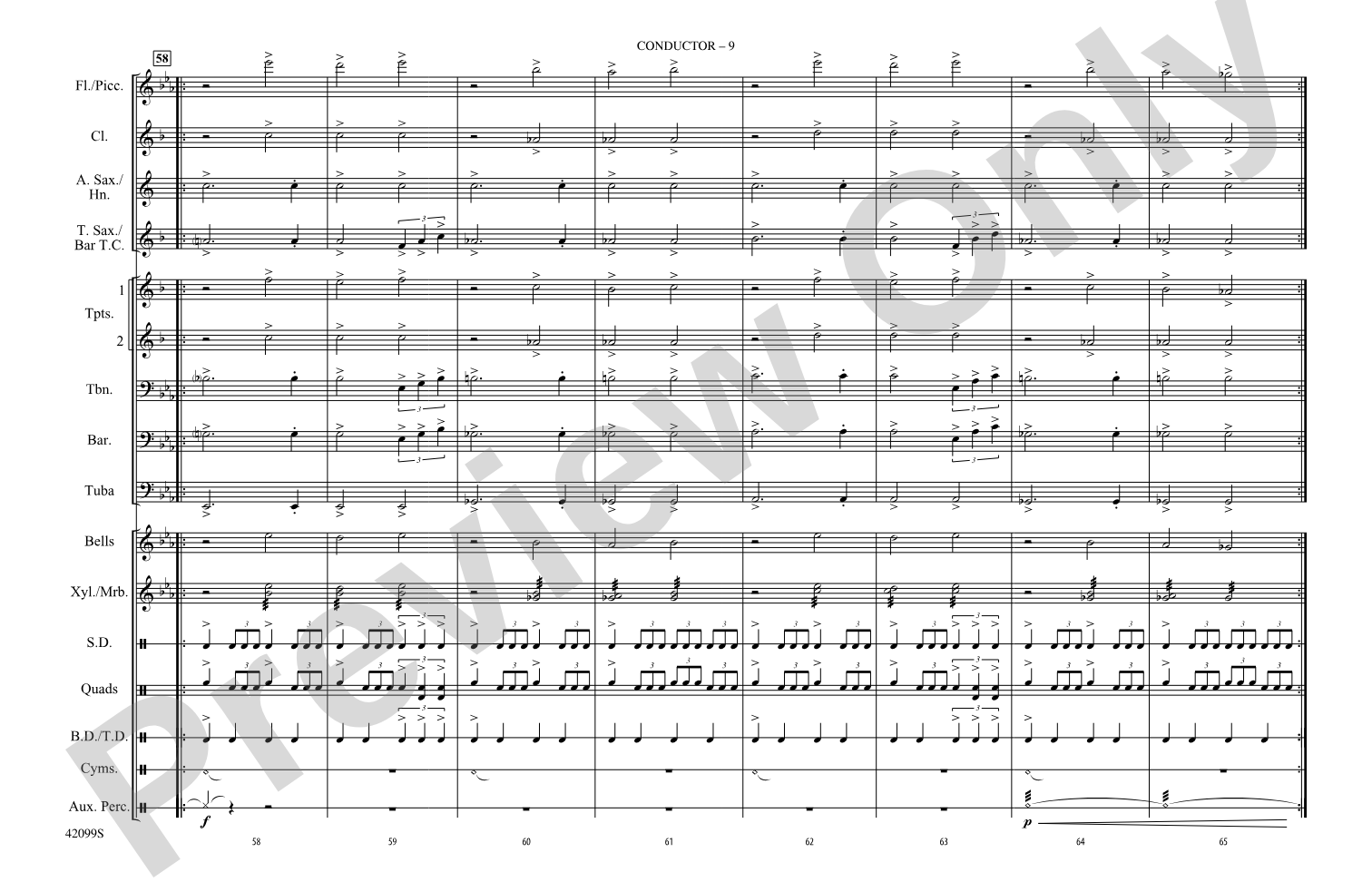
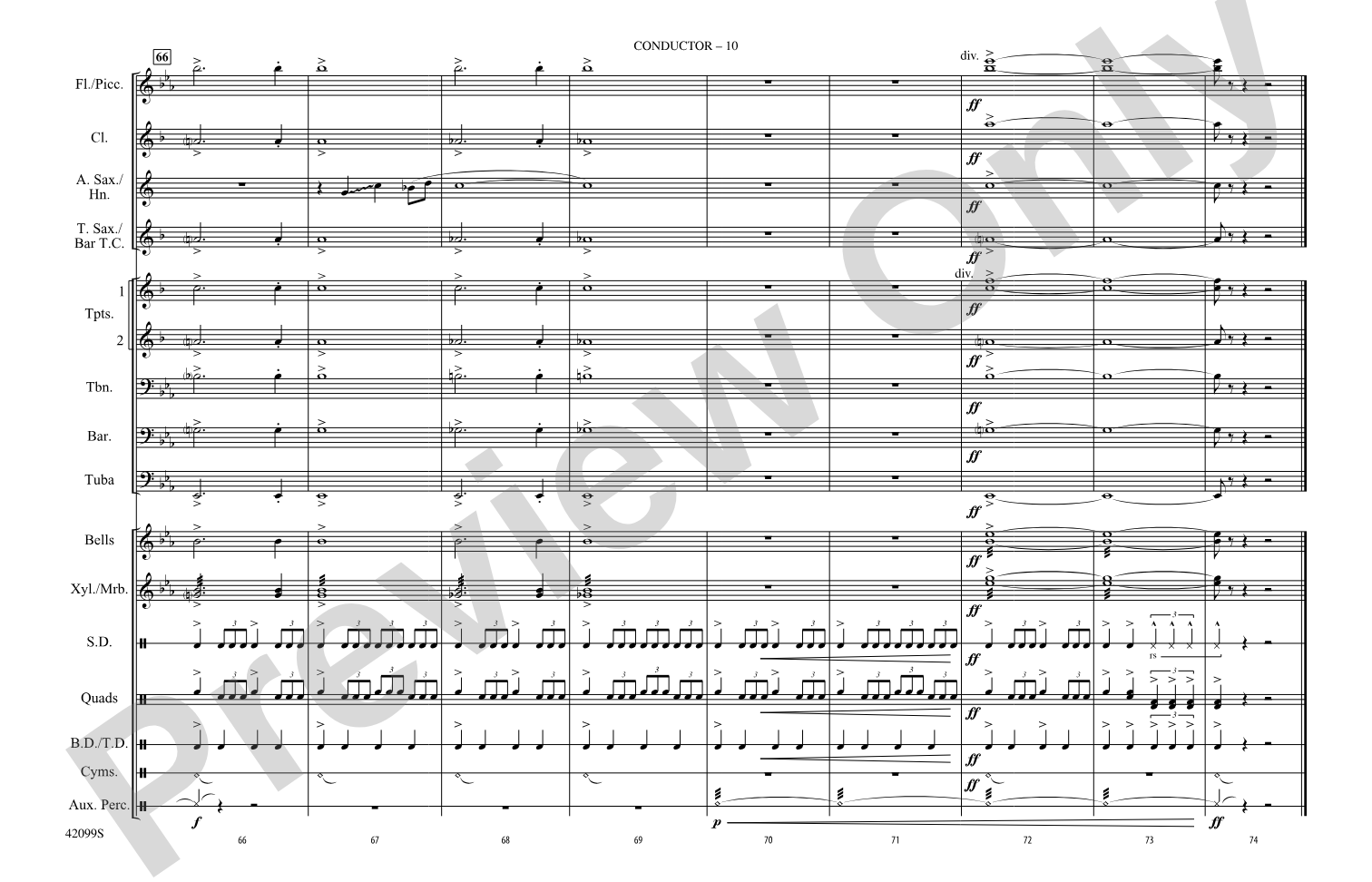
To close out our Man of Steel halftime show, Mike Story opens with a powerful and driving percussion feature based on the "Oil Rig" action scene. The music then returns to a reprise of the main theme before moving into the heroic final section. This show offers a wealth of visual potential, and the scoring is rock-solid. This is cutting-edge music that will thrill both your students and your audience! (2:10)


Don't just read it, hear it, play along with it, and watch your students grow with it. In MakeMusic Cloud, Man of Steel, Part 3: Marching Band Conductor Score & Parts comes alive with professional accompaniment, adjustable tempo, and built-in practice tools that turn solo practice into real progress.
Open in the Player
Jump straight in and assign it today.
Start Your Free Trial
Open this title and explore the full library in minutes.
Sample Audio
1
Audio File
--:--
0:00
0:00
Sample Video
No sample videos found.
Additional Details
Series:
Big and Easy
Publisher:
Alfred Music
Page Count:
138
SKU:
00-PK-0006229
More about this title
About the Composer: Hans Zimmer
Hans Zimmer stands among the most influential film composers of our time, with a career spanning four decades and scores for over 150 films. His work across blockbuster franchises (The Dark Knight trilogy, Inception, Interstellar) and prestige dramas (The Lion King, Gladiator, Dune) demonstrates a rare versatility and an instinct for creating memorable, emotionally resonant themes that elevate narrative. Zimmer's approach to orchestration and electronic sound design has fundamentally shaped modern film music and continues to influence how composers think about scoring for visual media.
For music educators, Zimmer's scores offer rich material for arrangement and study. His melodic lines are singable and memorable, his harmonic language balances accessibility with sophistication, and his rhythmic drive translates effectively to student ensembles. His willingness to work with arrangers like Mike Story on concert and marching band versions of his film scores has made his music available to a wider range of musicians and audiences.
Why we love this
This finale delivers exactly what a closer needs: immediate percussive impact followed by a moment of melodic payoff. The structure respects what your students will have built over two previous movements while giving them one last moment of heroic release, and the Grade 2 scoring ensures the brass line can shine without relying on advanced technical facility.
What to expect
Raw mechanical power transforms into sweeping heroism. The percussion-driven opening has an industrial, kinetic energy that recalls the film's action sequences, then the landscape shifts as the familiar theme emerges with renewed purpose. The final section bathes everything in brass-driven triumph, leaving audiences breathless.
Who it's for
Band directors programming a three-movement halftime show and looking for a Grade 2 closer that doesn't sacrifice musicality for accessibility. This works equally well for high school marching bands building their first serious show and middle school programs ready to move beyond simple arrangements.
How to get the most out of it
- Lock the percussion section into the driving rhythmic foundation during the opening feature; the tightness of that pulse determines how powerful the main theme reprise lands.
- Bring out the main theme melody in the return passage with clear articulation and shape; it should feel like a recognition moment for the audience, not a restatement.
- Build the heroic final section gradually rather than arriving at full volume immediately; let the crescendo feel earned and inevitable.
- Balance the electronic elements (if using recorded accompaniment) with live sound; the band should never feel like it's playing along to a backing track.
How to use it
This completes a full Man of Steel halftime show (Parts 1 and 2 available separately), or stand alone as a powerful concert finale for spring or end-of-year performances. The film connection and clear three-part arc make it compelling for audiences unfamiliar with serious band music, while the arrangement itself rewards directed musicianship.
Skills your students will build
- Executing controlled crescendos from soft to full dynamic
- Maintaining rhythmic precision in driving percussion-featured sections
- Balancing melodic prominence against accompanimental texture
- Shaping a theme on repetition (returning to familiar material with new expression)
- Ensemble unity across winds and percussion in fast-paced transitions