Mama Don't 'Low Cover Image

Mama Don't 'Low: String Orchestra Conductor Score & Parts

$45.00 USD
Sale price  $45.00 USD Regular price 
Skip to product information
Mama Don't 'Low Cover Image

Mama Don't 'Low: String Orchestra Conductor Score & Parts

Arranged by Carrie Lane Gruselle

Grade: 1.5

Item: 98-ST6236

makemusic Cloud badge

Need it now?

Buy Digital Version
$45.00
Shipped

One moment…

Description
This traditional folk tune begins softly and subtly, since mama don't allow no fiddle, banjo, or any type of playin' 'round here! As the arrangement progresses, confidence builds: "We don't care what mamma don't 'low; we'll play the fiddle anyhow!" By the end of the piece, the whole room is alive with music as though perhaps mama herself has now joined in!

Don't just read it, hear it, play along with it, and watch your students grow with it. In MakeMusic Cloud, Mama Don't 'Low: String Orchestra Conductor Score & Parts comes alive with professional accompaniment, adjustable tempo, and built-in practice tools that turn solo practice into real progress.

Sample Pages

Sample Audio
0:00
0:00
Sample Video
Additional Details
Series: FJH Beginning Strings
Publisher: The FJH Music Company, Inc.
UPC: 674398228188
SKU: 98-ST6236

More about this title

About the Composer: Carrie Lane Gruselle
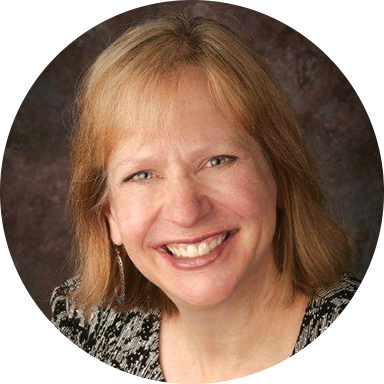
Carrie Lane Gruselle

Carrie Lane Gruselle earned her Bachelor of Music Education from the University of Wisconsin–Eau Claire and her Master of Music Education from the University of Wisconsin–Stevens Point, where she specialized in the Suzuki method. She has taught elementary and middle school strings in the Appleton Area School District while also serving as a cello instructor at the Lawrence University Arts Academy in Appleton, Wisconsin.

Why we love this

This arrangement captures the playful defiance of the folk melody while building genuine musical momentum in a way that feels earned rather than forced. The narrative arc (timid beginning, growing confidence, full celebration) gives young orchestras a clear dramatic journey to shape, and the Grade 1.5 scoring keeps technical demands low so students can focus entirely on character and expression. It's the kind of piece that reminds students why they play.

What to expect

You begin almost conspiratorially, all hushed and careful. Then something shifts. A little defiance creeps in, then confidence, and before long the whole room is playing with unafraid joy. By the end, it feels like mama herself has surrendered to the music.

Who it's for

String orchestras at the early intermediate level, particularly those ready to move beyond basic technical exercises into pieces with real character and storytelling. This works equally well for school orchestras building repertoire and community groups seeking accessible folk-based material with personality.

How to get the most out of it

  • Start with genuine restraint in the opening; the quiet, tentative quality should feel like the ensemble is actually afraid mama will hear them. This makes the gradual boldness that follows feel like real transformation rather than just getting louder.
  • Shape the dynamic arch deliberately across the entire piece rather than jumping from soft to loud. Let each phrase build slightly on the one before, mirroring the growing courage of the text.
  • Balance the folk melody clearly in the first violin part throughout, especially when it passes through the ensemble as confidence builds. This helps the narrative stay audible even as texture thickens.
  • Encourage articulation and rhythmic precision in the faster passages toward the end; the fiddle-like character relies on crisp rhythmic energy to feel authentic.

How to use it

Program this early in a concert to establish a relaxed, engaging tone and give your audience an immediate sense of humor and warmth. It also pairs naturally with other folk arrangements or American roots material, and its Grade 1.5 accessibility makes it ideal for a concert that mixes repertoire across ability levels within the same ensemble.

Skills your students will build

  • Dynamic control and the expressive use of crescendo to build dramatic momentum
  • Maintaining steady rhythm while following a conductor's interpretation of tempo and phrasing
  • Blend and balance as multiple parts carry the melody at different points in the arrangement
  • Articulation clarity in folk-style passages with driving rhythmic character
  • Listening and responding to textural changes as the ensemble grows from sparse to full voicing

You May Also Like
